1/4 • Click to zoom
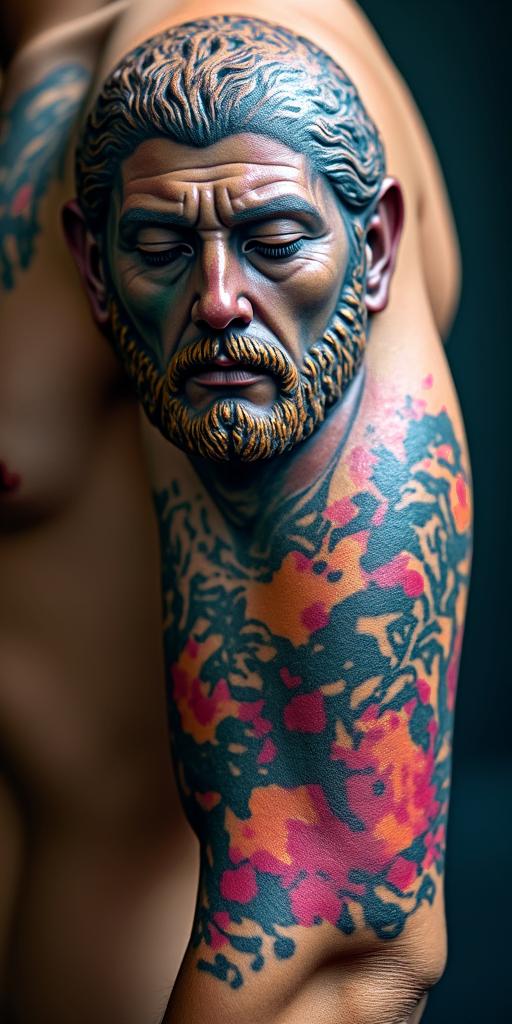
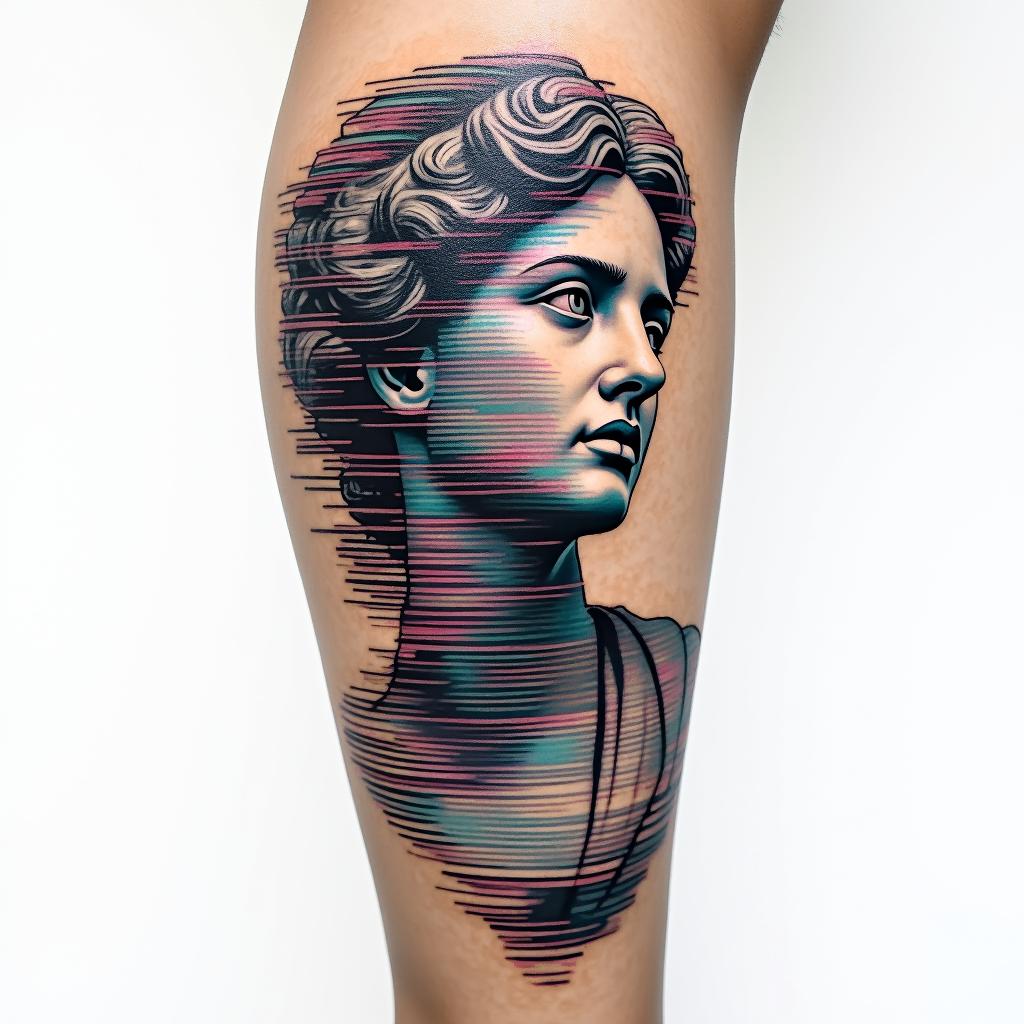
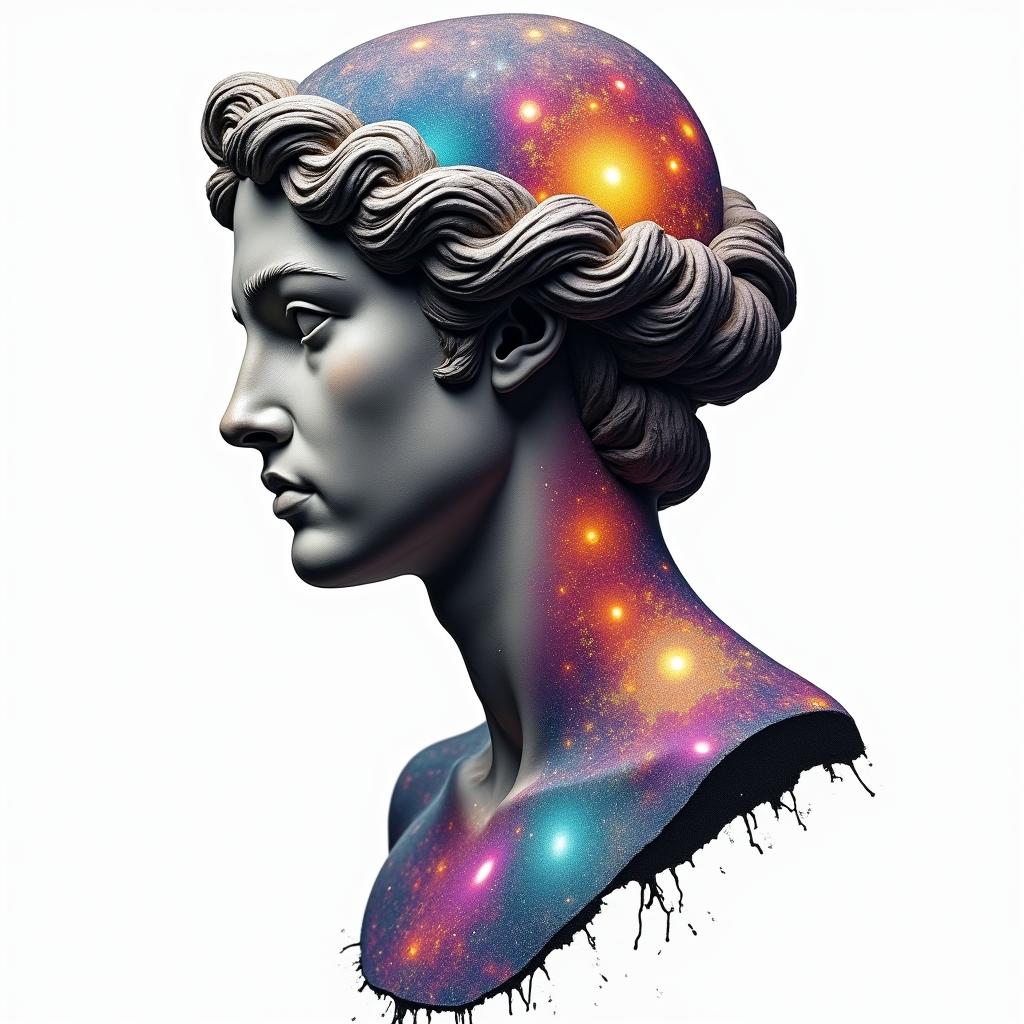
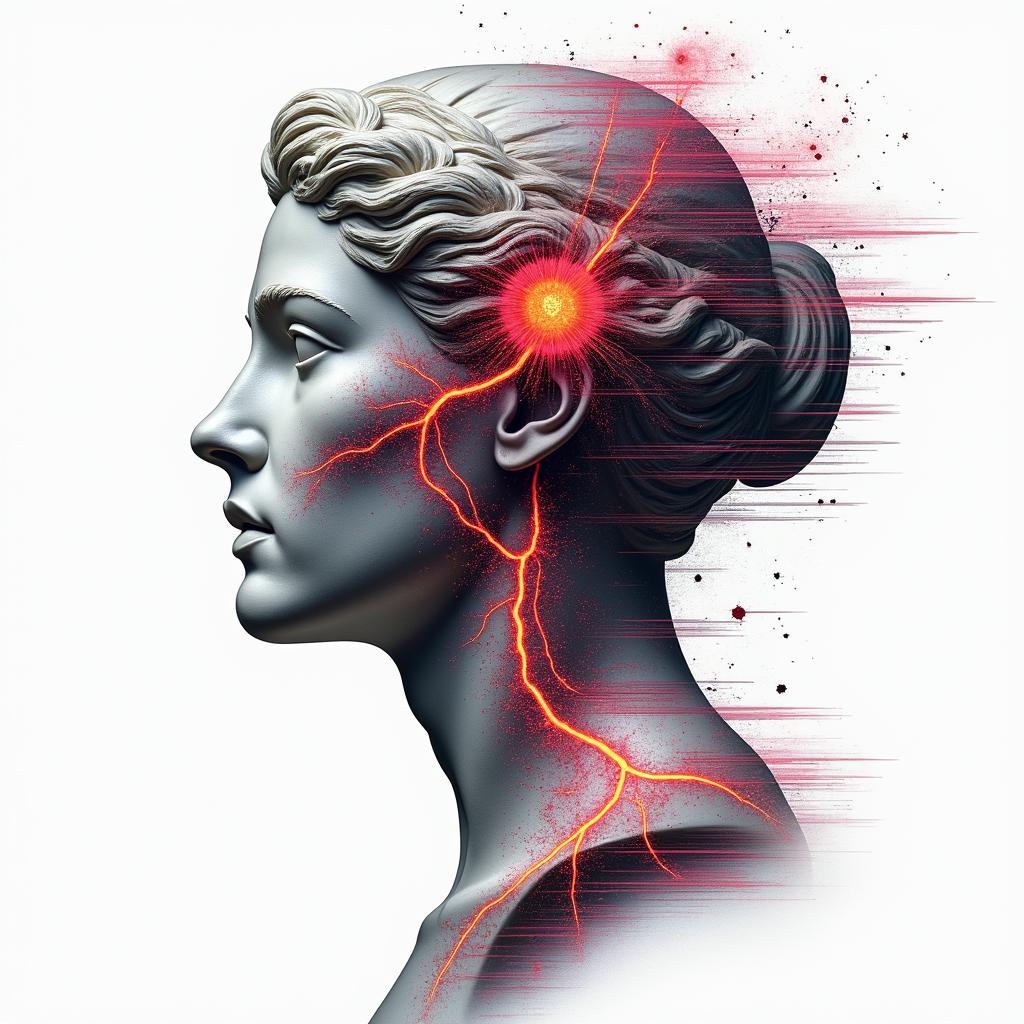
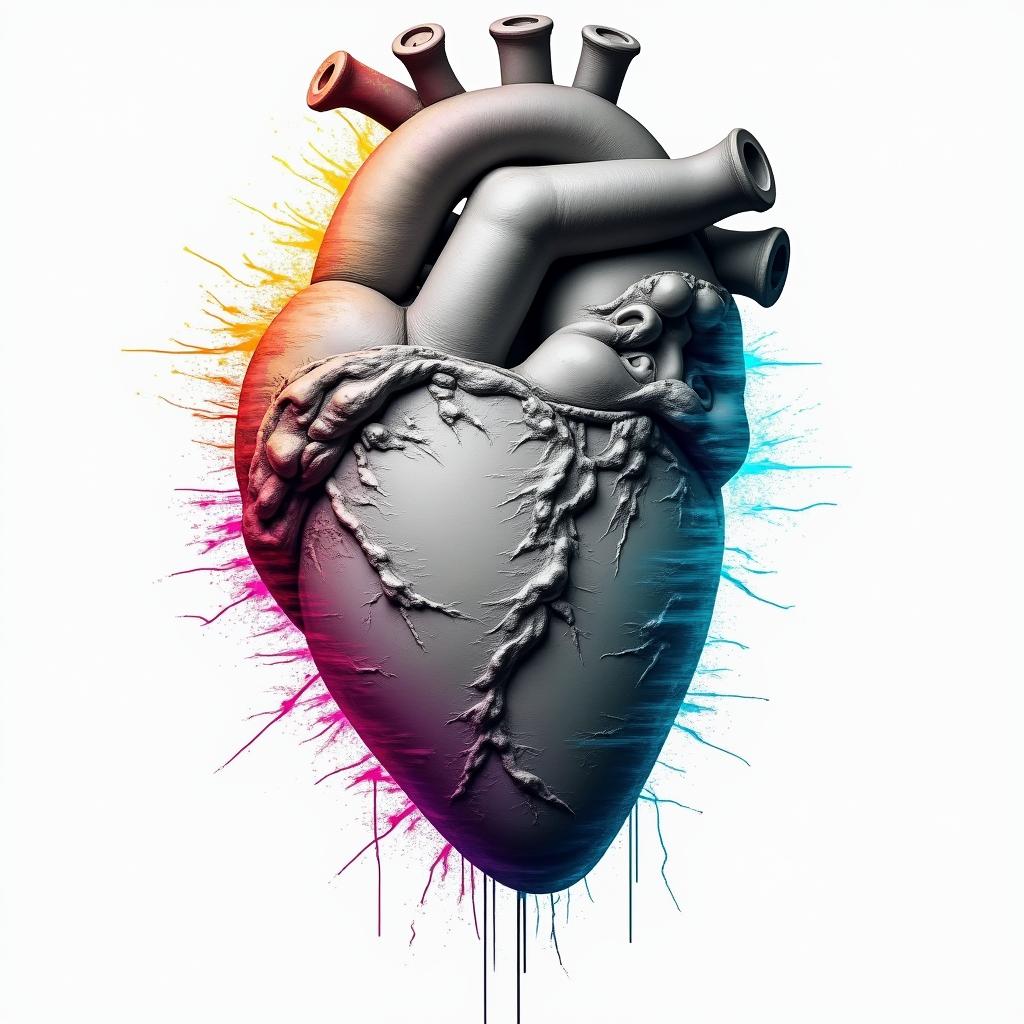
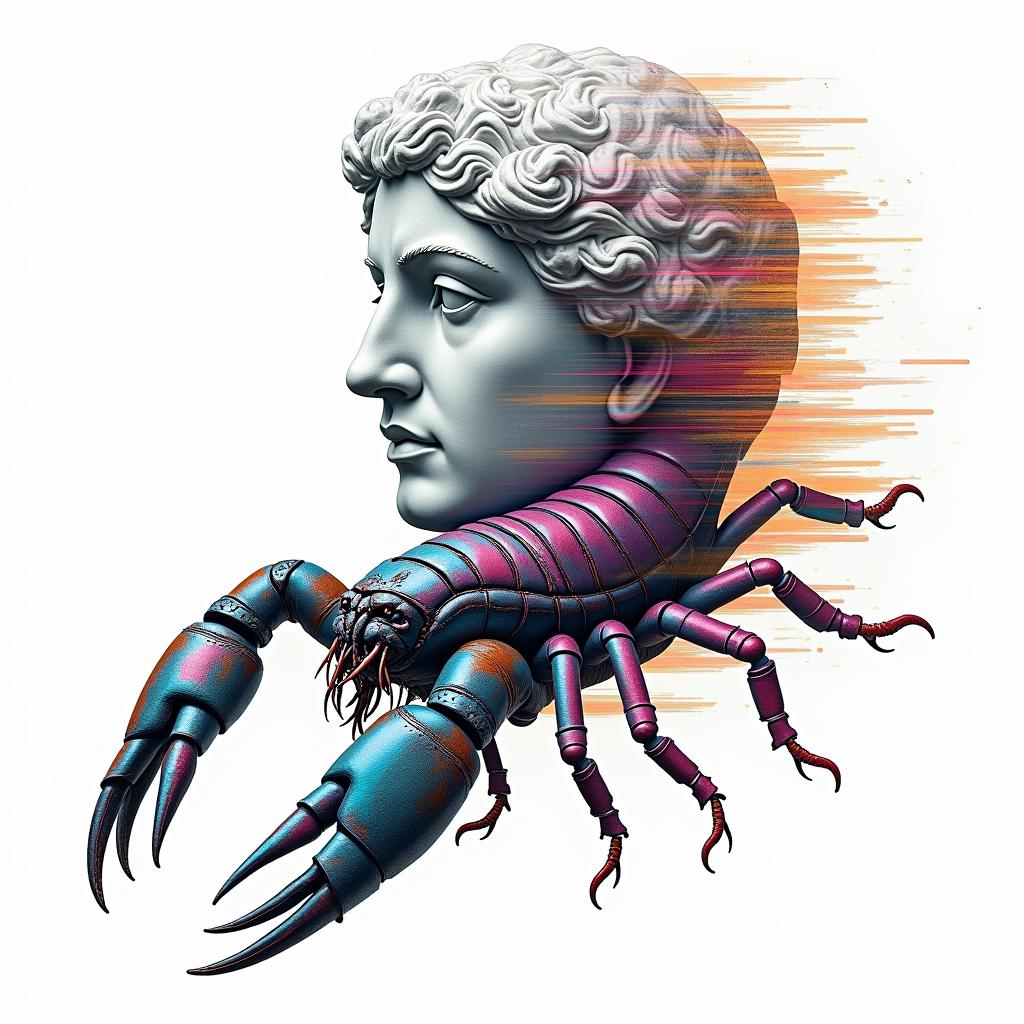
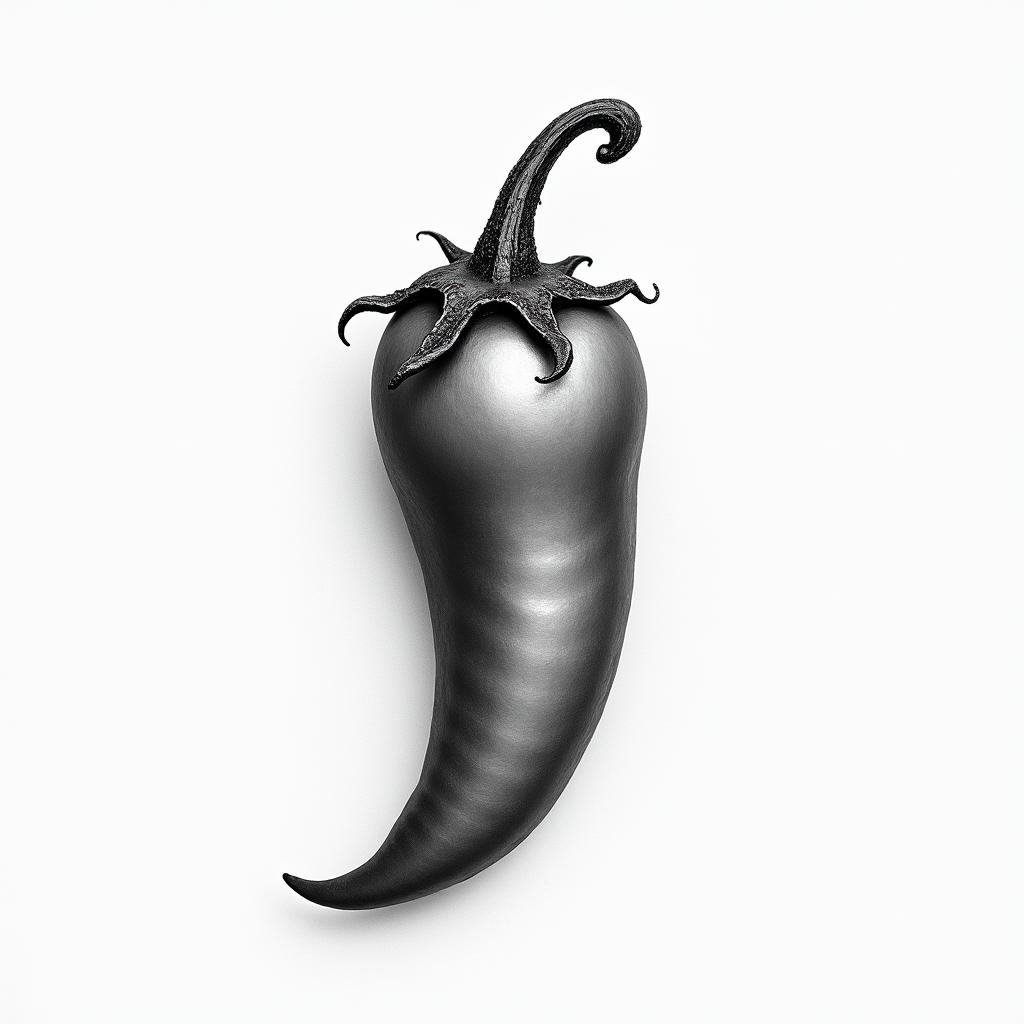
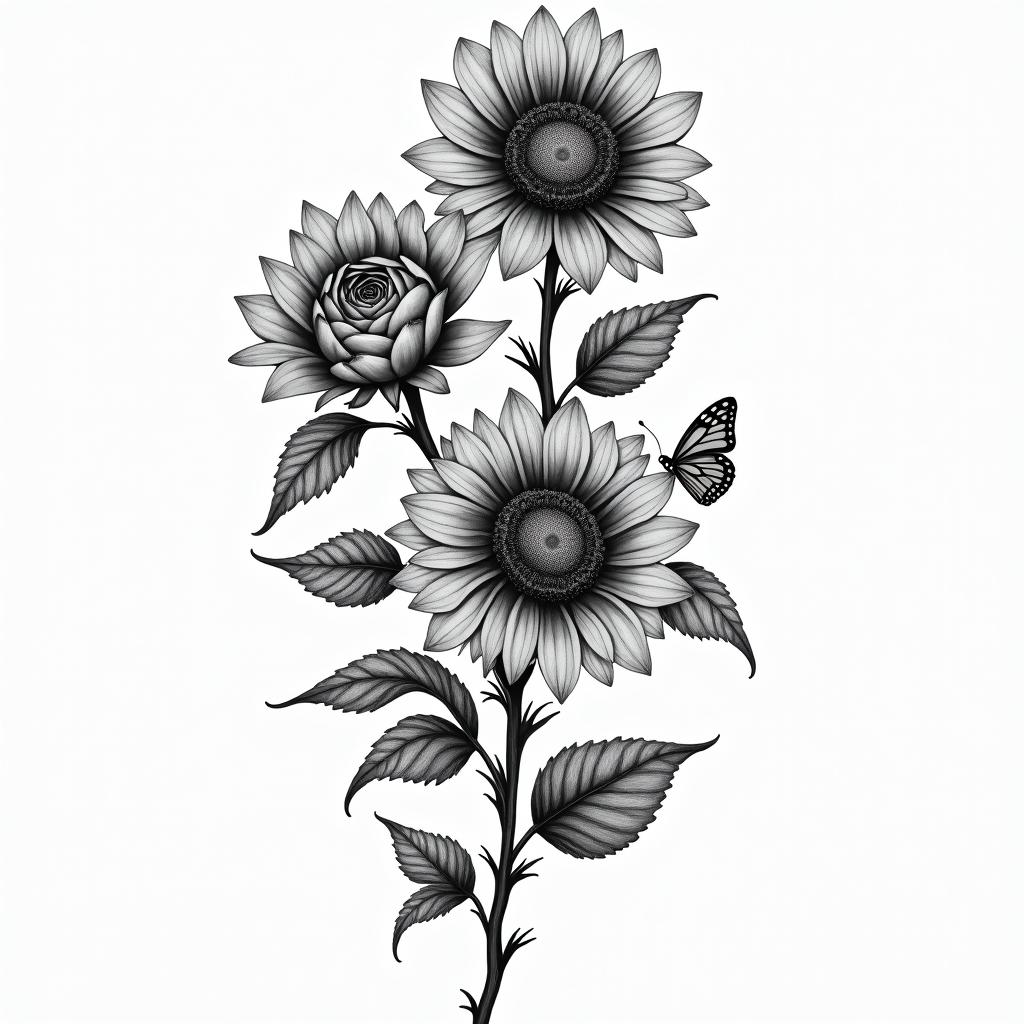
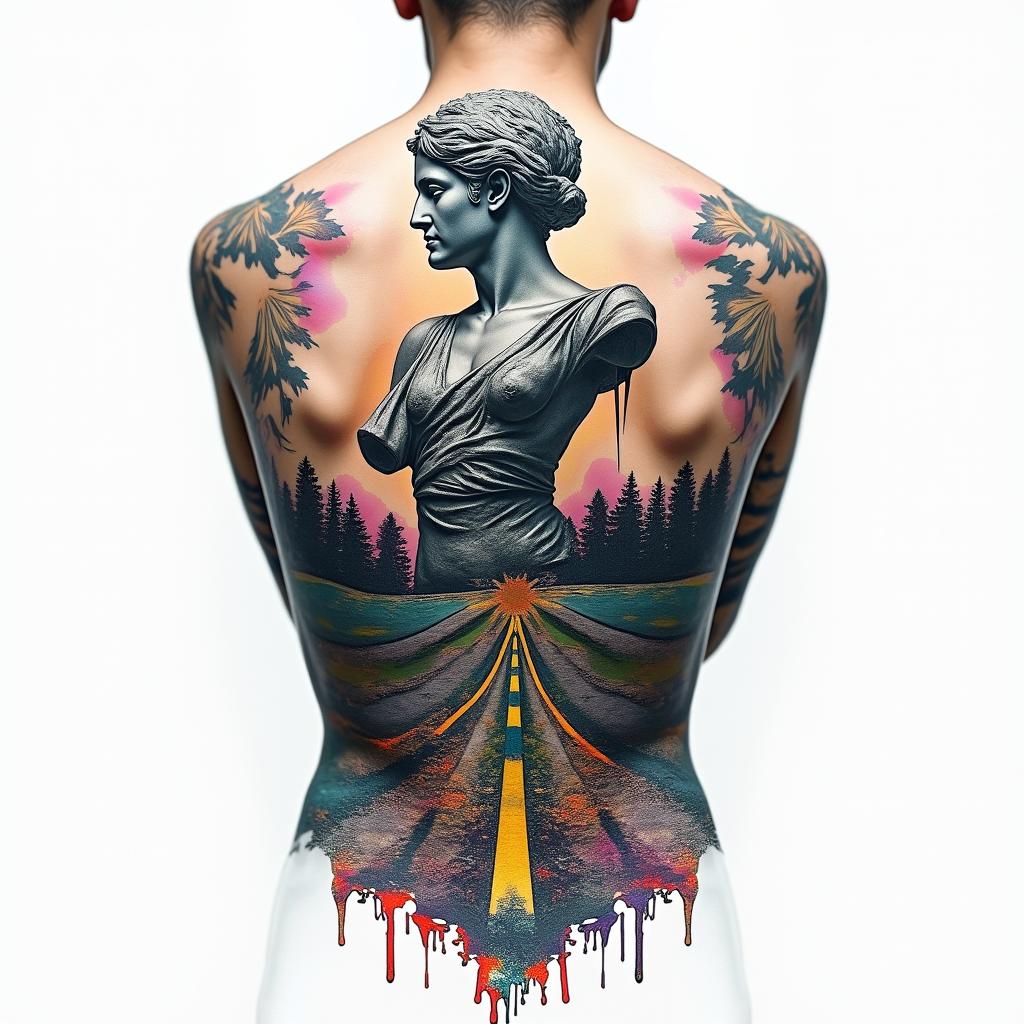
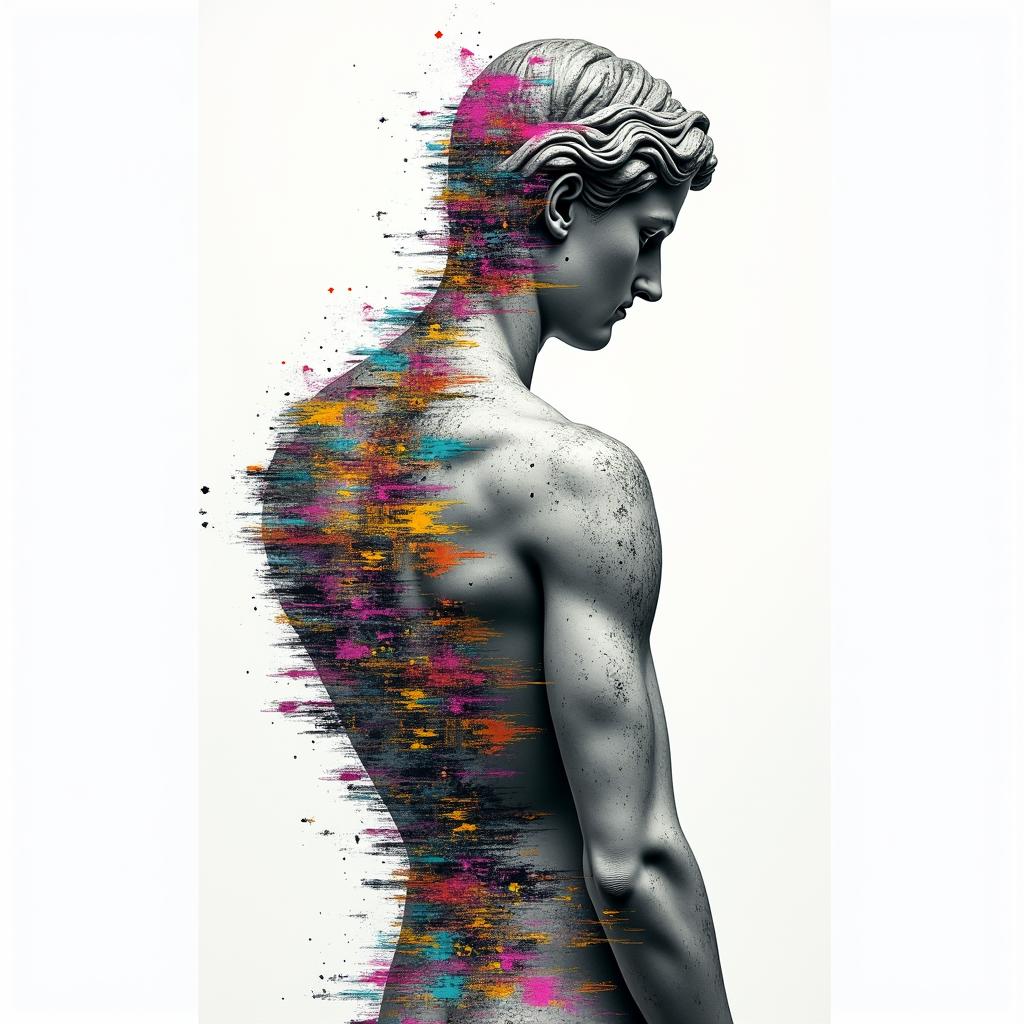
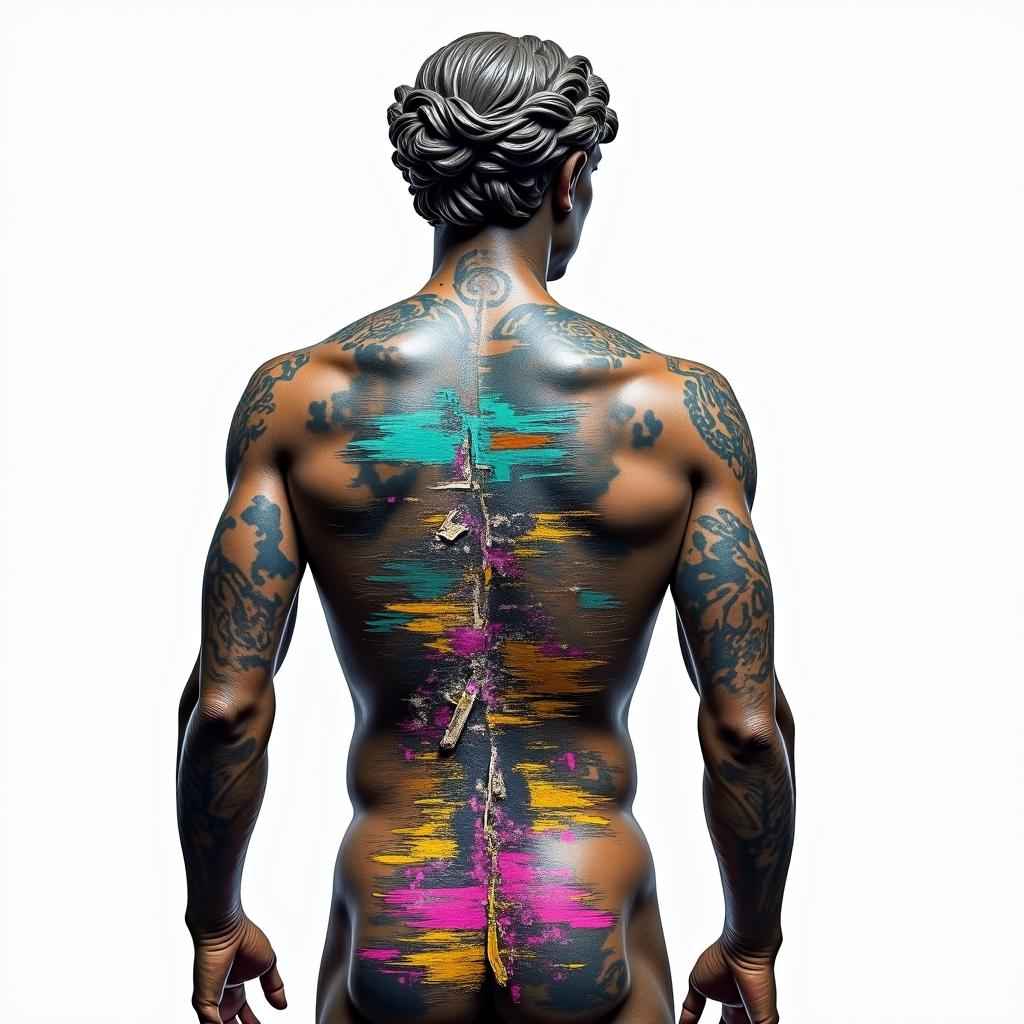
This visceral design maps the human journey along the vertebral column, transforming the spine into a roadmap of personal evolution. Beginning with chaotic imagery representing struggle—debris, storms, and vice—the path clears toward unity and hope at the crown. A classical statue bust anchors the composition, fragmented by vibrant cyan, magenta, and yellow glitch effects that suggest digital decay or reconstructed identity. Ideal for a full back or vertical spine placement, the vertical flow accentuates the body's natural symmetry. The glitch aesthetic requires precise color packing and sharp linework to maintain the distortion effect without blurring over time. Suitable for those seeking a narrative piece that blends classical artistry with modern digital abstraction. This illustrative approach ensures high visibility and impact, making it a standout choice for large-scale body art. Whether covering the full back or focusing strictly on the spinal column, the design demands an artist proficient in color theory and geometric distortion techniques. The contrast between the organic human form and the digital distortion creates a compelling tension, perfect for individuals marking a significant transformation or overcoming past hardships through permanent ink.
Intense pain, recommended for experienced collectors
Spine tattooing involves working directly over vertebrae, creating a vibrating sensation ranging from moderate to sharp. Thin skin over the spinal process increases sensitivity compared to surrounding muscles. Expect heightened discomfort during long sessions due to proximity to nerve clusters. Utilize breathing techniques during detailed work. Topical anesthetics are effective, but discuss with your artist beforehand to avoid affecting ink retention during color packing.
This vertical composition demands alignment with the spinal column to maximize the narrative flow from struggle to redemption. Ideal placement spans the spine-upper to spine-lower regions, utilizing the body's central axis for symmetry. Minimum dimensions should reach 12 inches in height to accommodate the detailed roadmap imagery without crowding. For professional settings, this placement offers easy concealment under standard clothing. The curvature of the back requires an artist experienced in wrapping designs around the torso's topology. Avoid extending too far into the ribs-side areas unless expanding to a full back piece, as distortion may occur during movement.
glitch is a distinctive tattoo style characterized by Realism: Photorealistic tattoos that mimic photographs with exceptional detail, shading, and dimension. These technically demanding designs create the illusion of 3D imagery on skin, showcasing incredible artistic skill. Glitch: Modern digital-inspired tattoos featuring distorted imagery, pixelation, and visual artifacts that mimic computer glitches. This contemporary style creates a unique intersection of technology and body art. Surrealism: Surrealist tattoos feature dreamlike, impossible imagery inspired by artists like Salvador Dalí, René Magritte, and the surrealist movement. These imaginative designs combine realistic elements in impossible ways, creating thought-provoking visual narratives.. This style has gained popularity for its versatility and visual appeal.
The duration depends on the size, complexity, and detail level. A design of this style typically requires 2-4 hours for a medium-sized piece, but consult with your artist for an accurate estimate.
Tattoo pricing varies by artist, location, and design complexity. Prices typically range from $150-$500+ for a design of this style. Always consult with your chosen artist for an accurate quote.