1/4 • Click to zoom
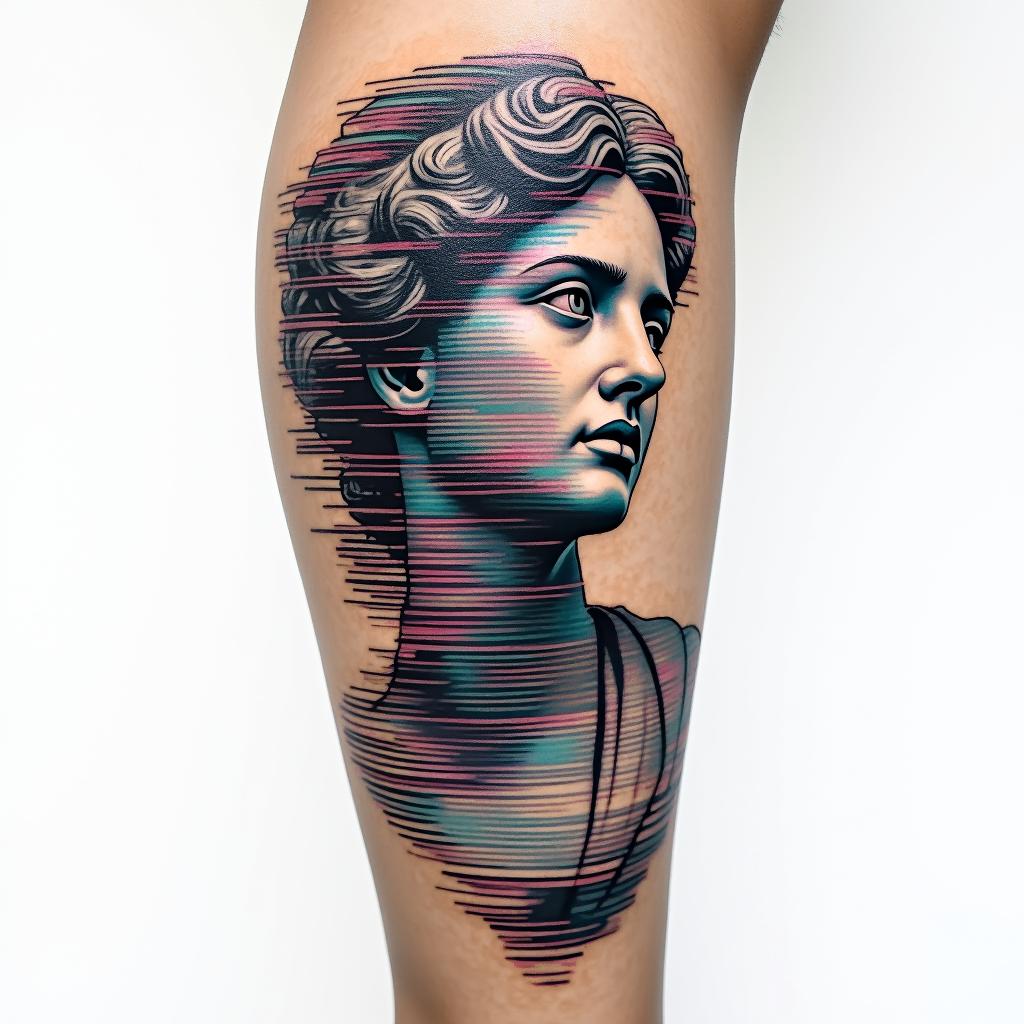
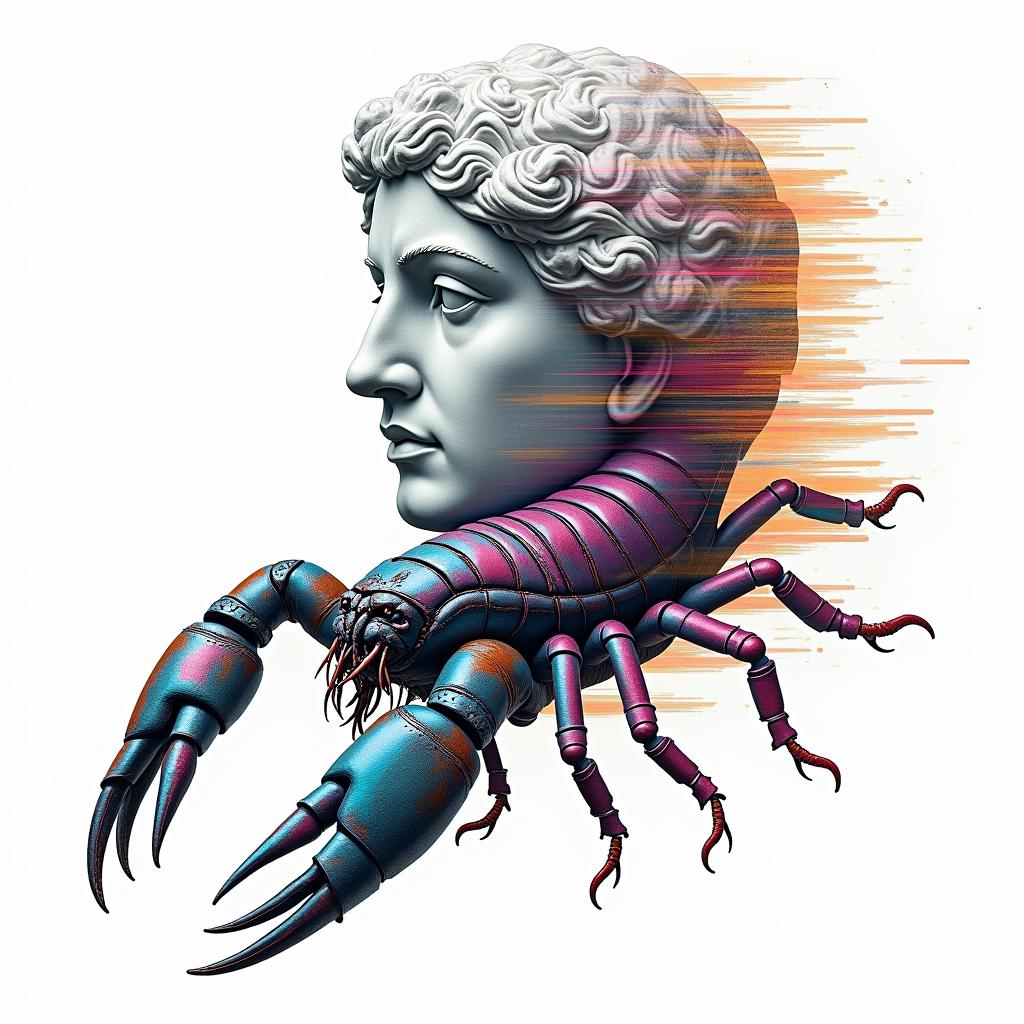
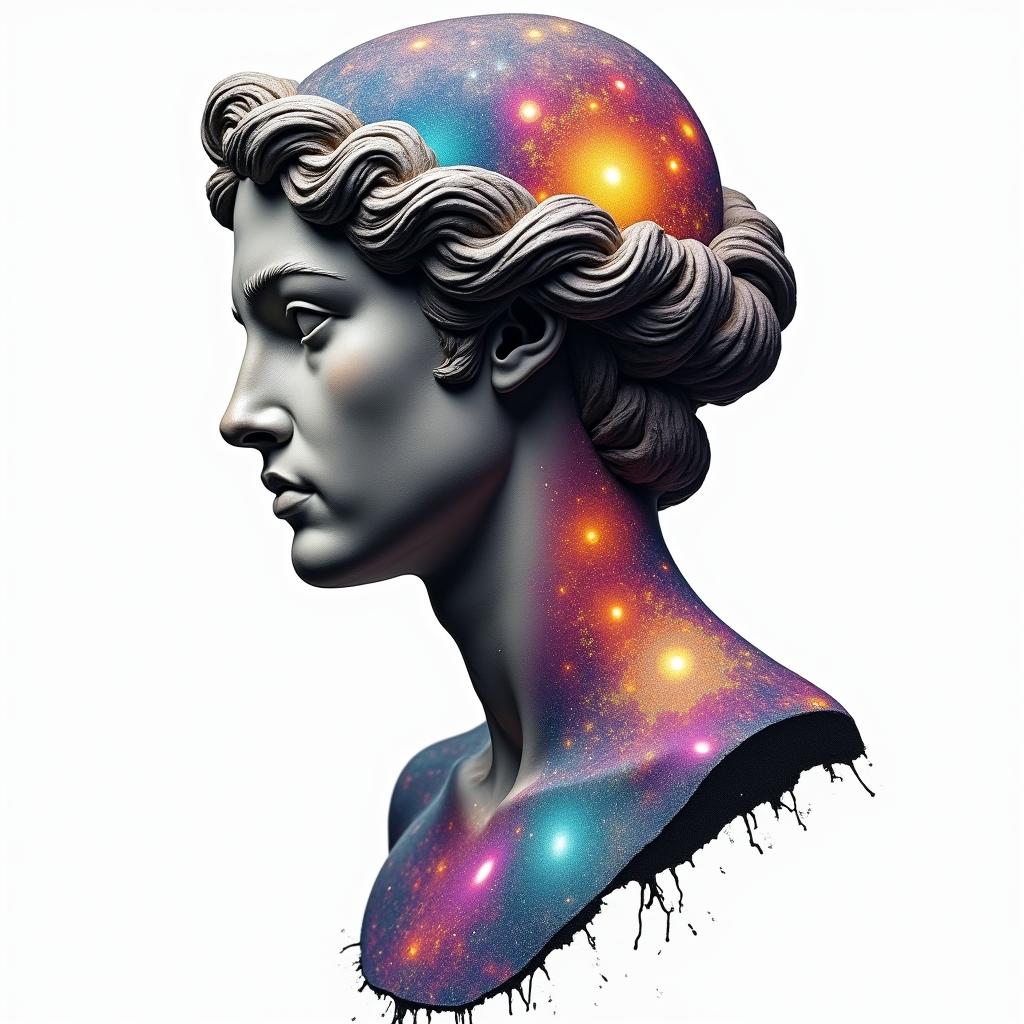
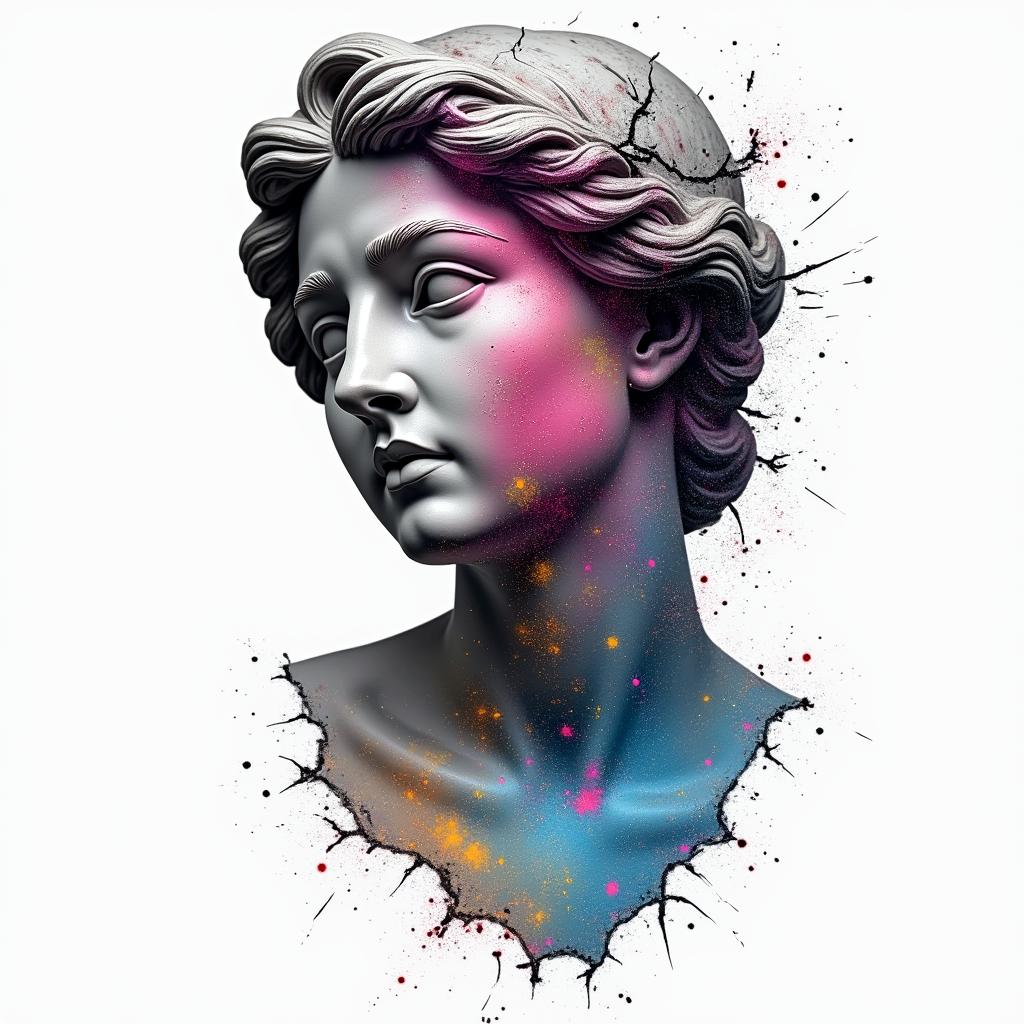
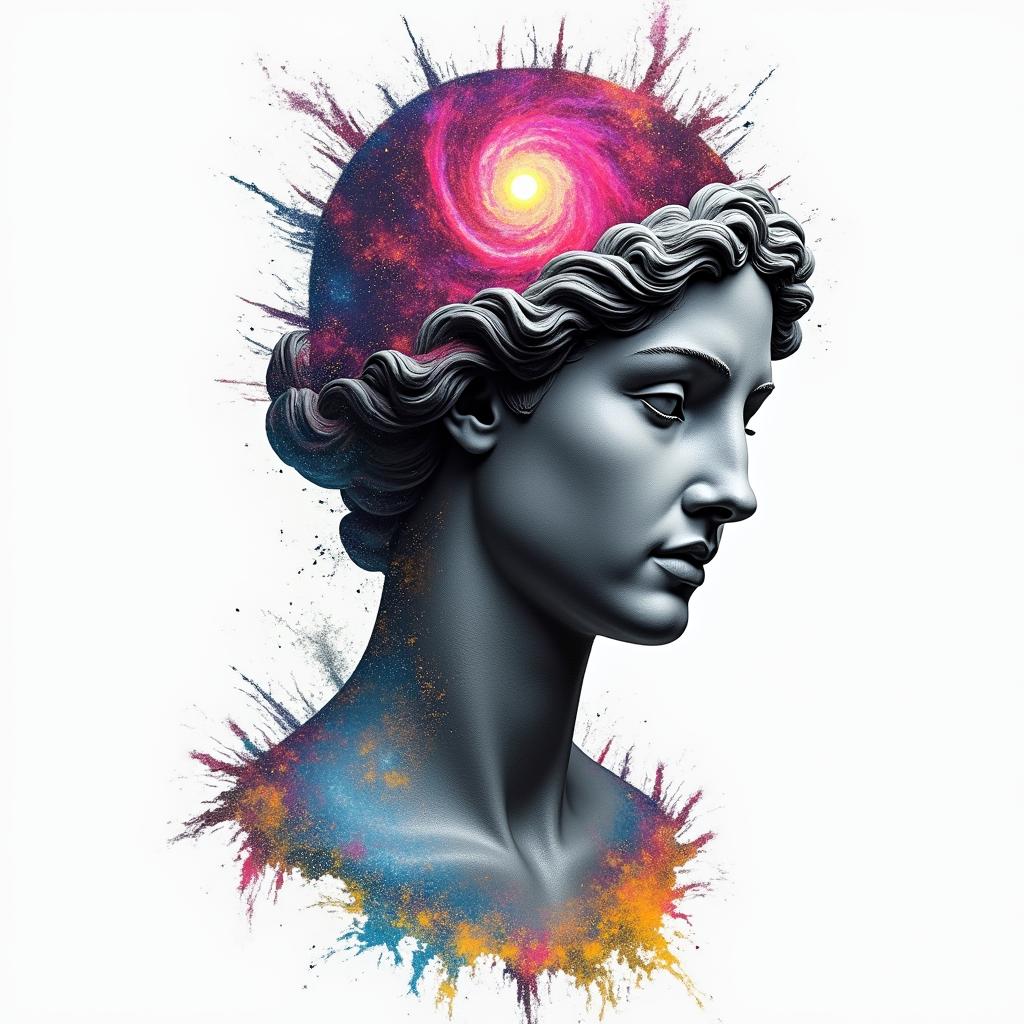
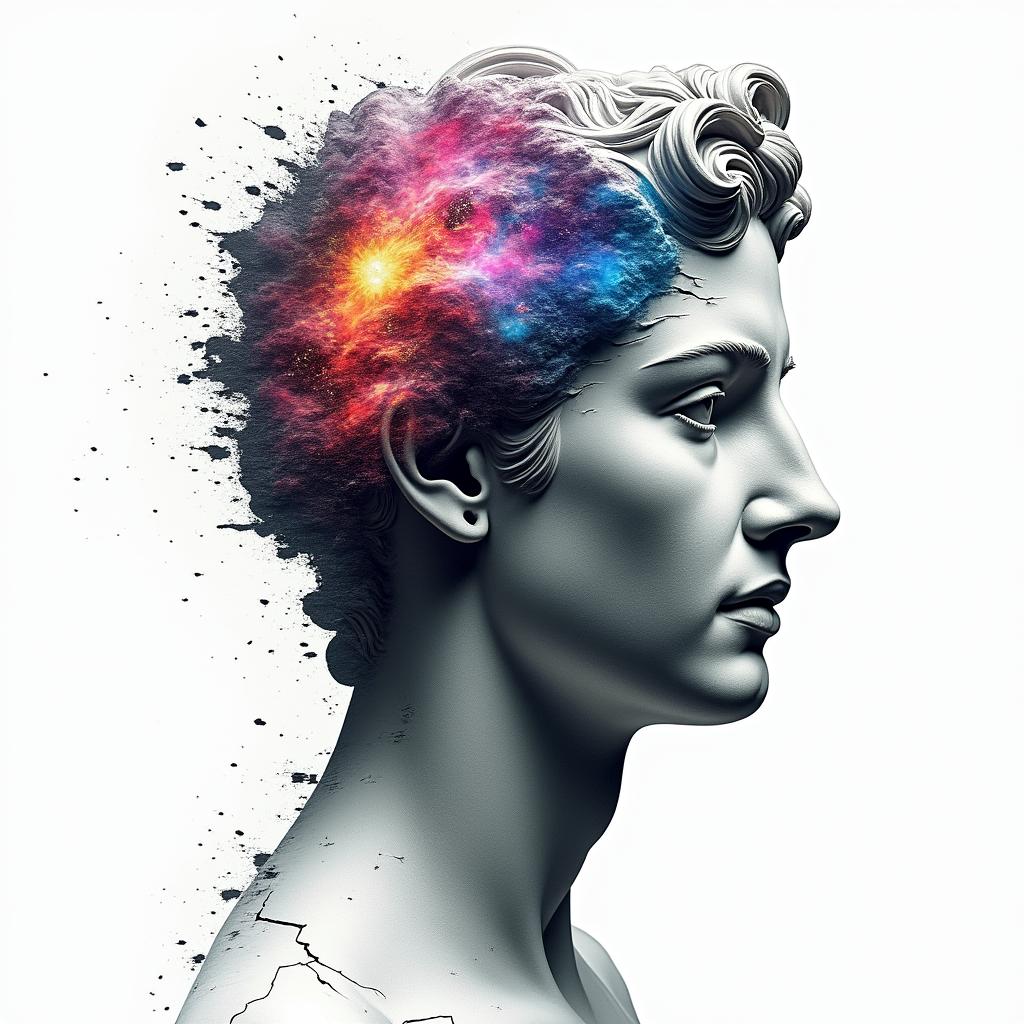
Shatter the boundary between reality and digital decay with this intense glitch art composition. A classical statue bust serves as the anchor, its stone features fractured by vibrant cyan, magenta, and yellow distortions that mimic digital corruption. The design suggests broken skin revealing a cosmos underneath, blending ancient aesthetics with modern technological anxiety. This piece relies heavily on color theory and fragmentation techniques. The overlapping CMYK-style shifts create depth, making the statue appear as if it is malfunctioning across dimensions. It is ideal for those seeking a statement piece that challenges traditional portraiture. Placement matters for this level of detail. Flat surfaces like the outer forearm or calf allow the glitch lines to remain straight and uncompromised by muscle flex. Larger canvases like the thigh or chest accommodate the fragmentation without losing clarity. Avoid highly contoured areas where the distortion might look unintentional. Whether you resonate with the symbolism of impermanence or simply love the cyberpunk aesthetic, this design delivers high-impact visual noise. It works best when sized large enough to let the color gradients breathe, ensuring the fragmentation effect reads as artistic intent rather than healing issues.
Noticeable discomfort, prepare for some sensitivity
Expect moderate discomfort on fleshy areas like the outer forearm or calf. Vibrant color packing requires multiple passes, increasing session time and sensitivity. Breathing techniques help during shading phases. Pain remains manageable on the chest or thigh. Avoid bony prominences if you have low tolerance, as needle vibration feels sharper there. Numbing cream is permissible but test beforehand.
For glitch effects to read correctly, choose flatter anatomical surfaces. The outer forearm offers high visibility and minimal distortion from muscle movement, preserving the digital lines. Calves provide a larger vertical canvas for the bust fragmentation. If opting for the chest, stay on the upper pectoral where skin is tighter. Avoid joints like elbows or knees where the glitch could blur during healing. Minimum size should be 6 inches to maintain color separation in the cyan and magenta shifts. This design demands space to breathe; shrinking it compromises the fragmentation effect.
glitch is a distinctive tattoo style characterized by Realism: Photorealistic tattoos that mimic photographs with exceptional detail, shading, and dimension. These technically demanding designs create the illusion of 3D imagery on skin, showcasing incredible artistic skill. Glitch: Modern digital-inspired tattoos featuring distorted imagery, pixelation, and visual artifacts that mimic computer glitches. This contemporary style creates a unique intersection of technology and body art. Surrealism: Surrealist tattoos feature dreamlike, impossible imagery inspired by artists like Salvador Dalí, René Magritte, and the surrealist movement. These imaginative designs combine realistic elements in impossible ways, creating thought-provoking visual narratives.. This style has gained popularity for its versatility and visual appeal.
The duration depends on the size, complexity, and detail level. A design of this style typically requires 2-4 hours for a medium-sized piece, but consult with your artist for an accurate estimate.
Tattoo pricing varies by artist, location, and design complexity. Prices typically range from $150-$500+ for a design of this style. Always consult with your chosen artist for an accurate quote.