Your Next Tattoo, Designed by AI
Generate unique tattoo designs with AI, browse thousands of ideas, and find the best tattoo artists and shops near you.
Everything You Need for Your Tattoo Journey
From AI-generated designs to finding the perfect artist
AI Tattoo Generator
Describe your vision and let AI create unique tattoo designs tailored to your style.
Tattoo Ideas Gallery
Browse thousands of curated tattoo designs across all styles and body placements.
Find Artists & Shops
Discover top-rated tattoo artists and shops in your city with reviews and portfolios.
Events Calendar
Stay updated with tattoo conventions, artist meetups, and industry events near you.
Tattoo Price Calculator
Estimate tattoo costs based on size, complexity, and location to plan your budget.
Comprehensive Guides
Learn about tattoo culture, aftercare, styles, and everything you need to know.
Popular Tattoo Styles
Explore 46 tattoo styles and find your perfect aesthetic
Inksy Picks
A diverse collection of 9,090 tattoo designs.
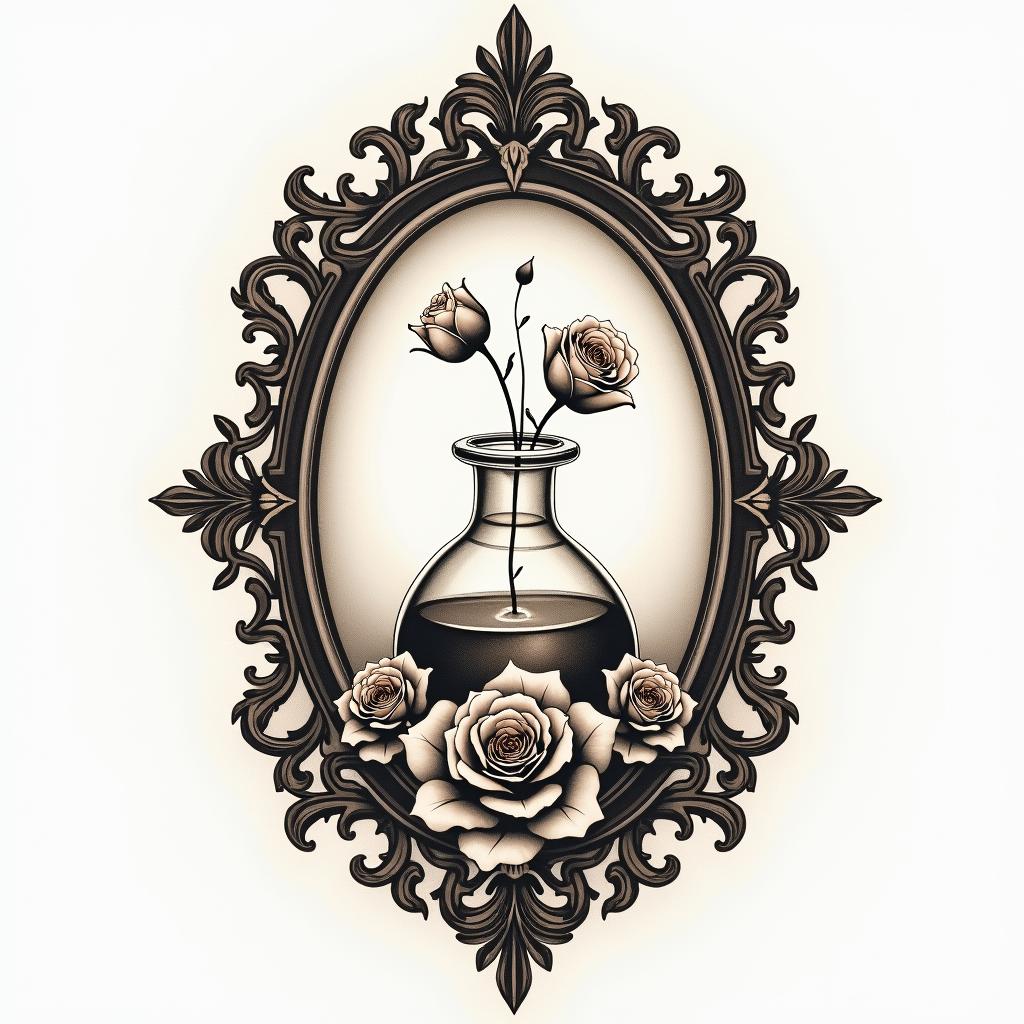
Victorian
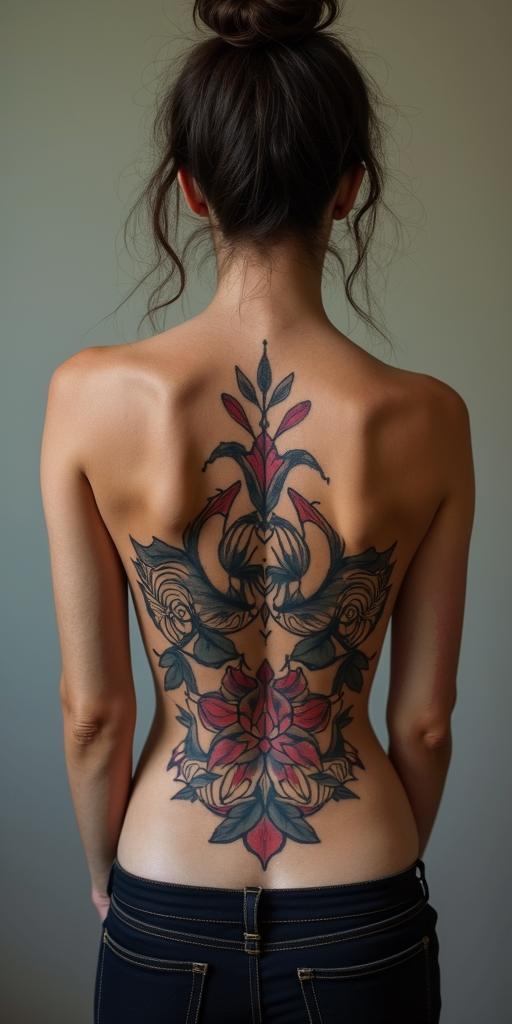
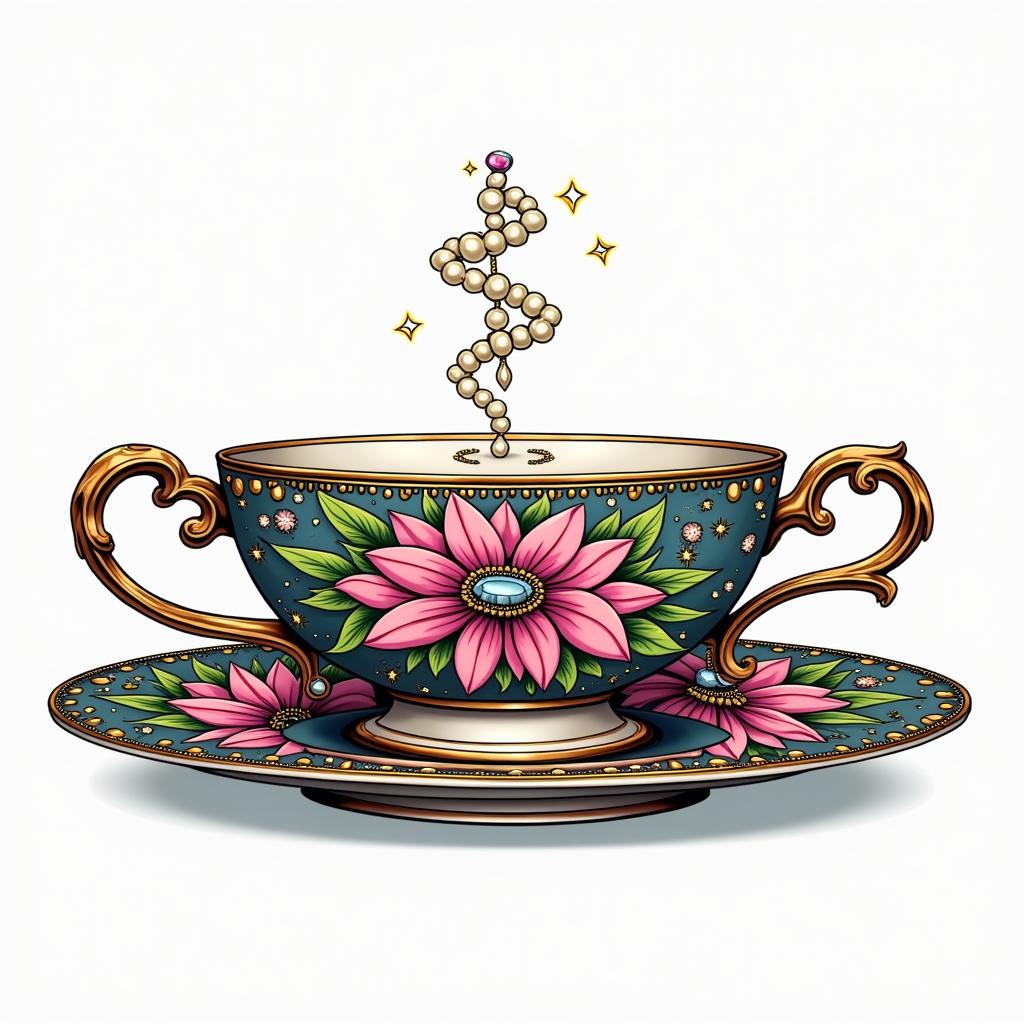
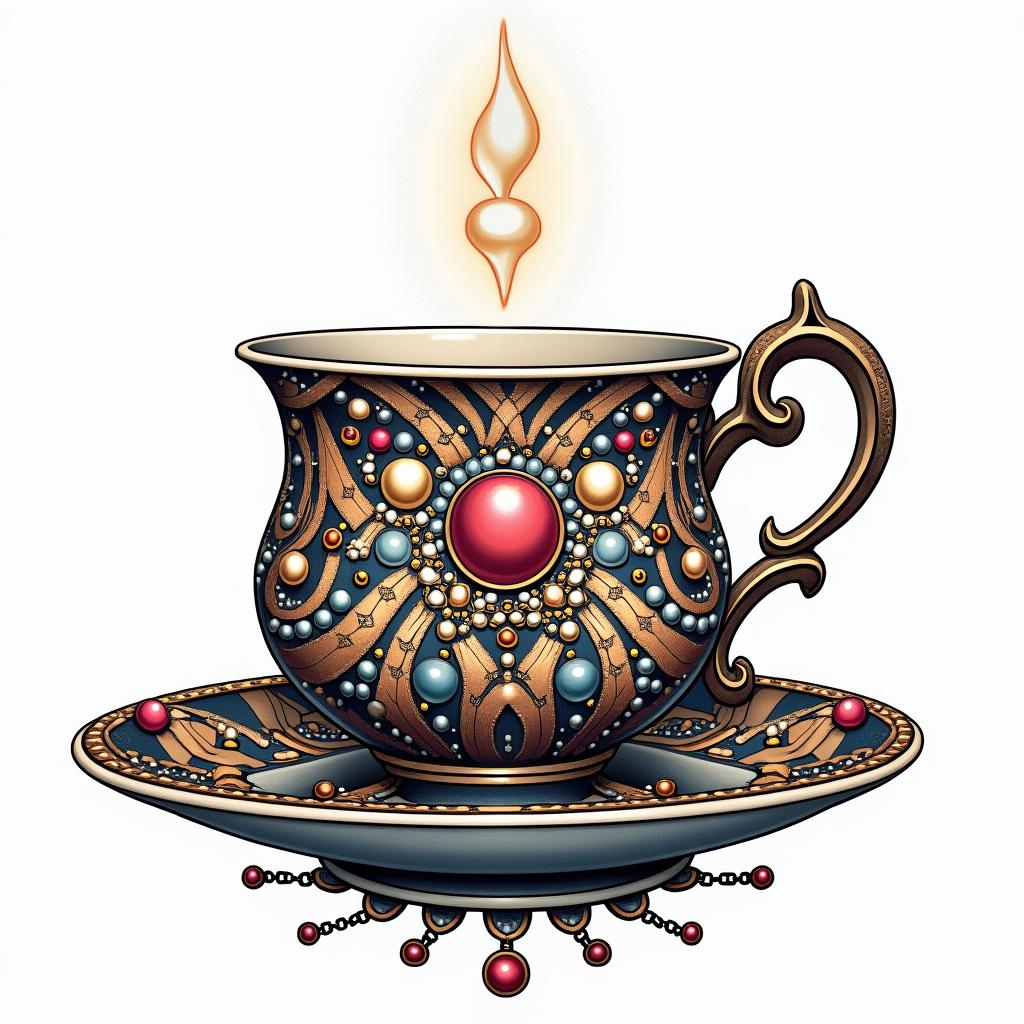
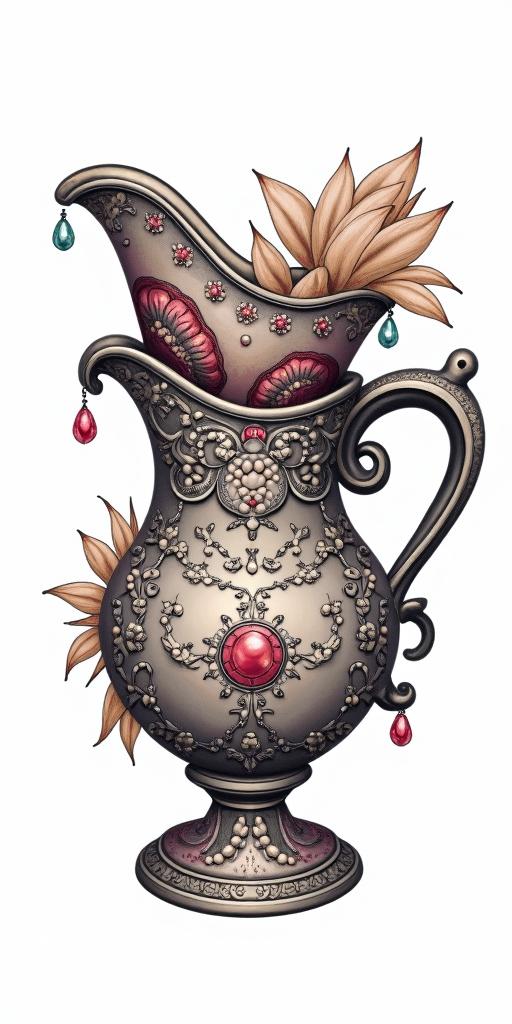
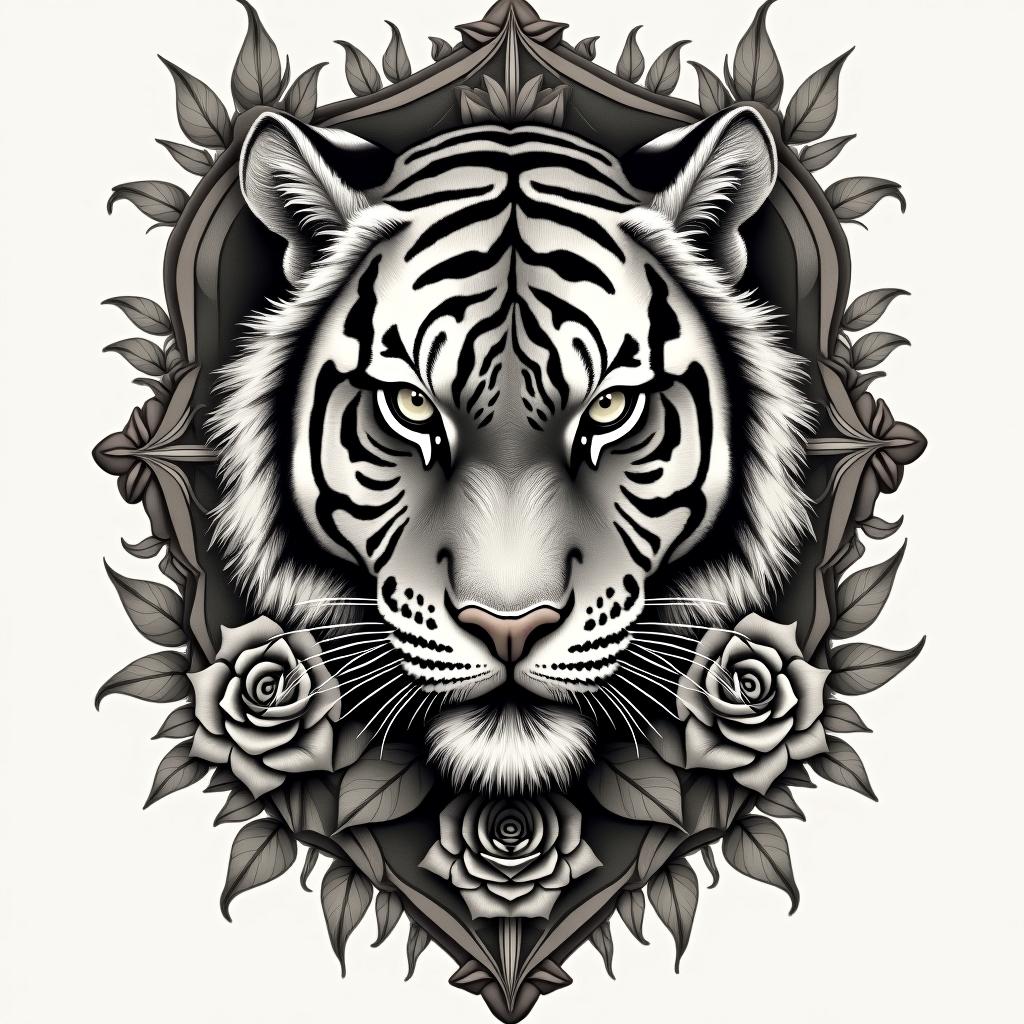
Victorian tattoos draw from the decorative arts of Queen Victoria's reign (1837–1901). The style features fine linework, stipple shading, ornamental borders, and cameo-style framing. Common motifs include pocket watches, keys, lockets, roses, ravens, and mourning imagery rooted in Victorian symbolism. Black and grey ink dominates, with occasional muted sepia or dusty rose accents. The aesthetic references Victorian jewelry, botanical illustration, and print engraving. Victorian tattoos need space for detail, so forearm, chest, and back placements work best.
Pop Art
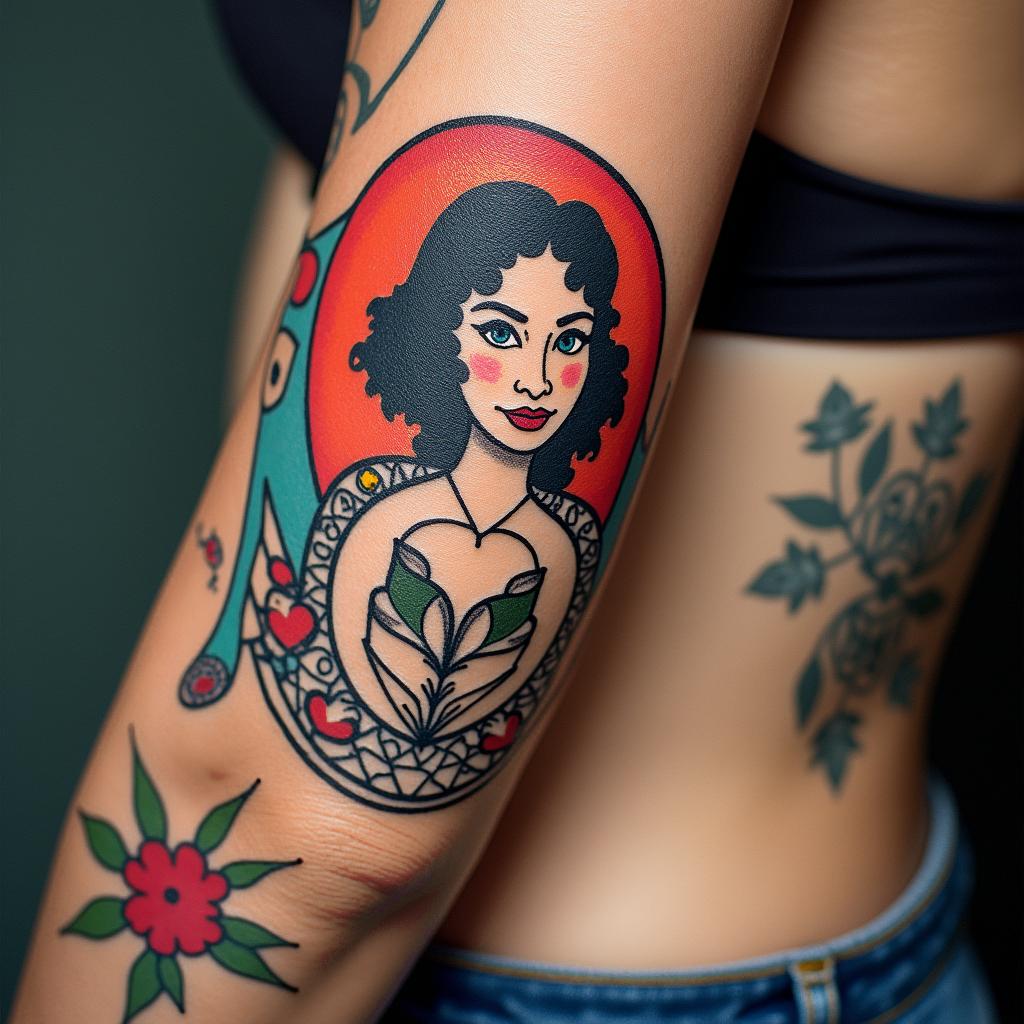
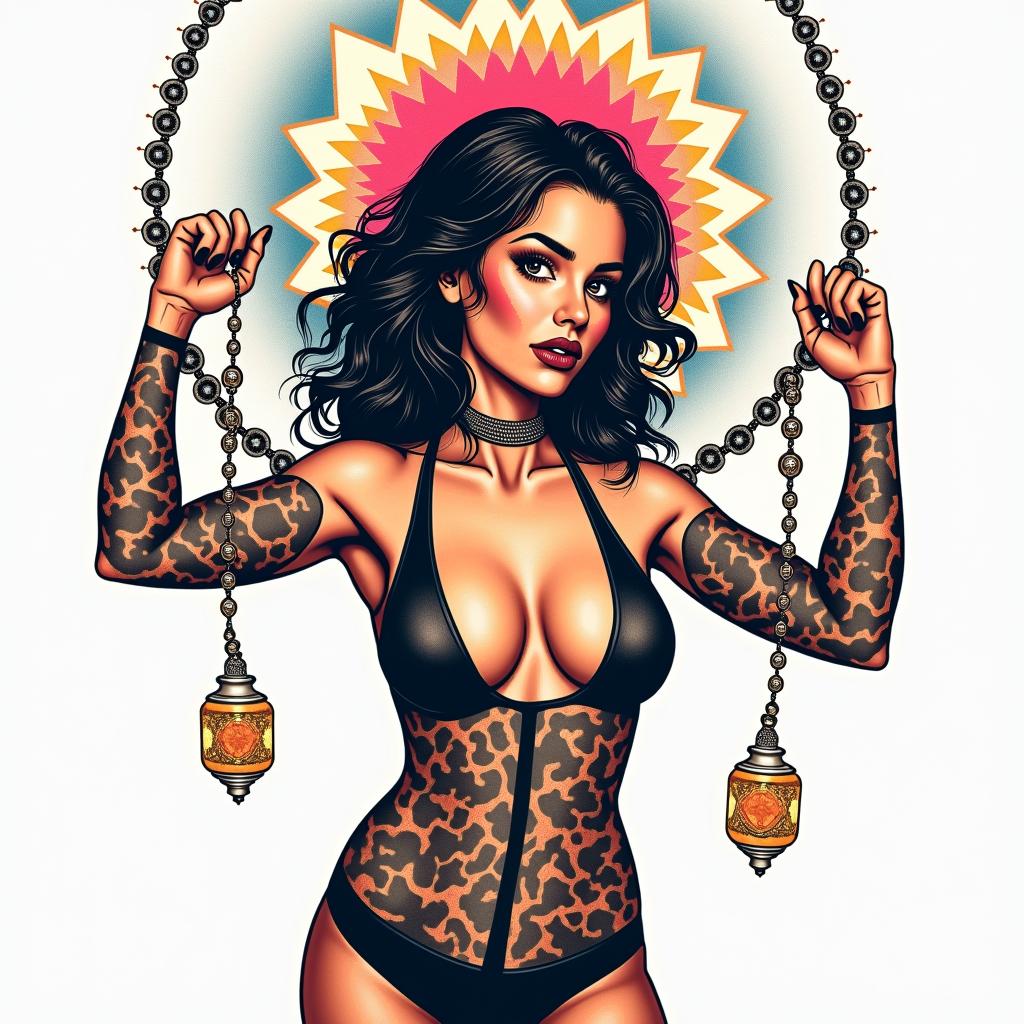
Pop Art tattoos replicate the visual language of the 1950s-60s Pop Art movement on skin. They use Ben-Day dots (halftone patterns), bold black outlines, flat primary colors, and comic book imagery like speech bubbles and sound effects. The style mimics mass-produced printing rather than traditional tattoo shading. Key motifs include Lichtenstein-style portraits, Warhol-inspired repeated images, and retro advertising graphics. Pop Art tattoos age well due to their bold lines and saturated colors, but halftone dots need adequate sizing to stay readable over time.
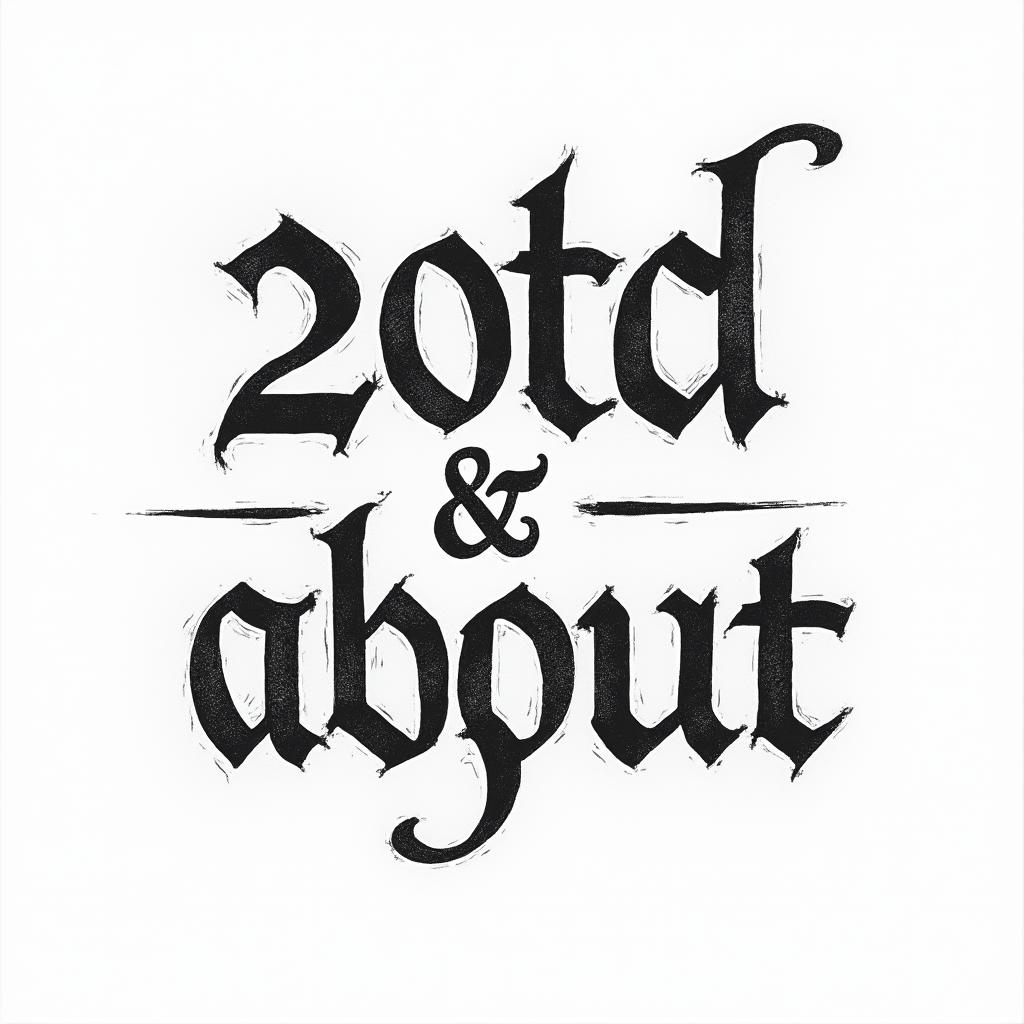
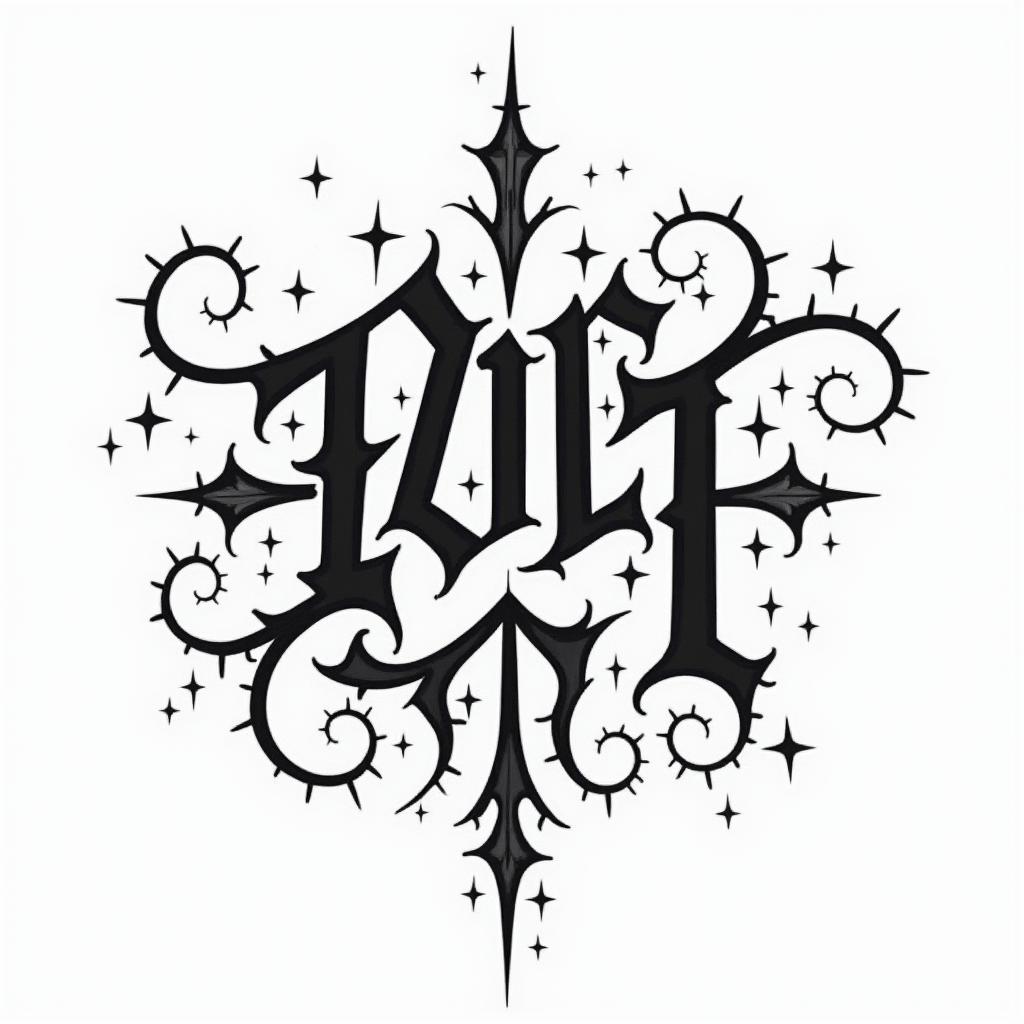
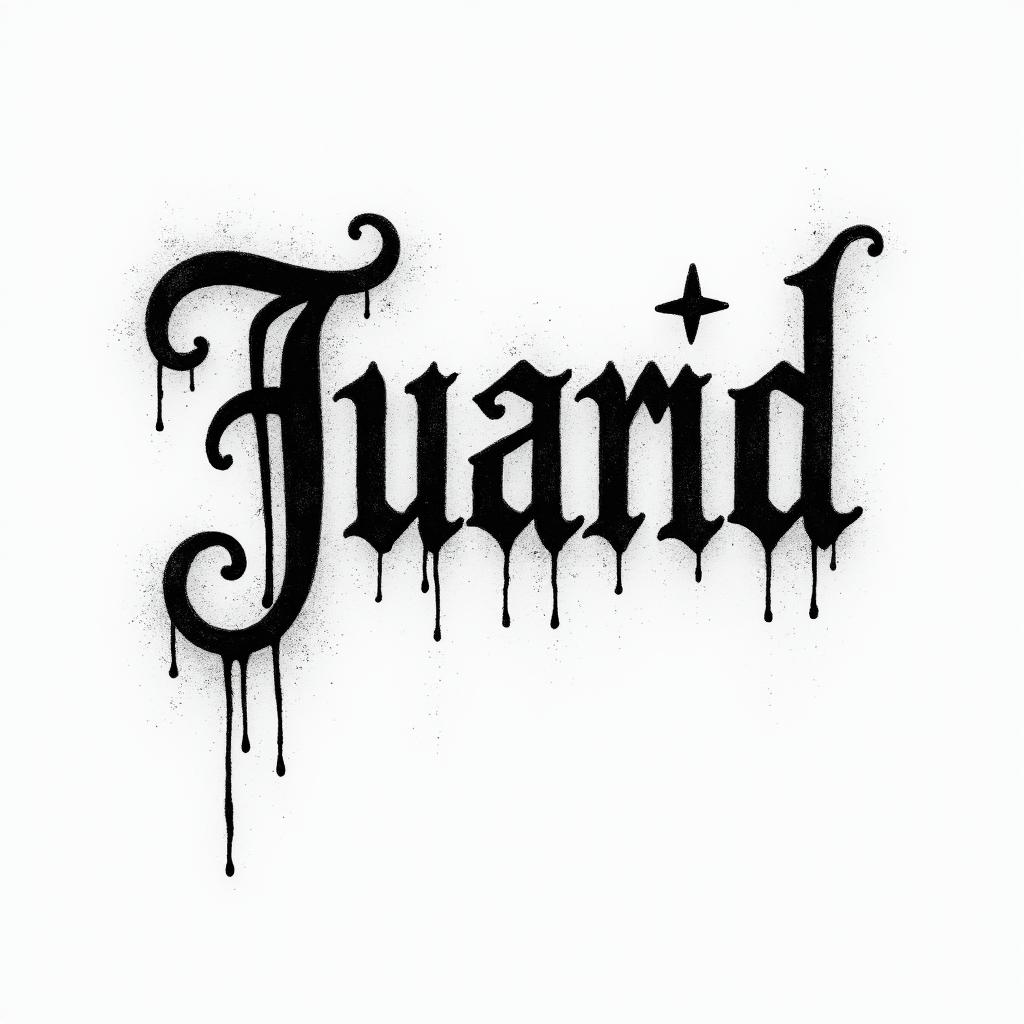
Gothic Text
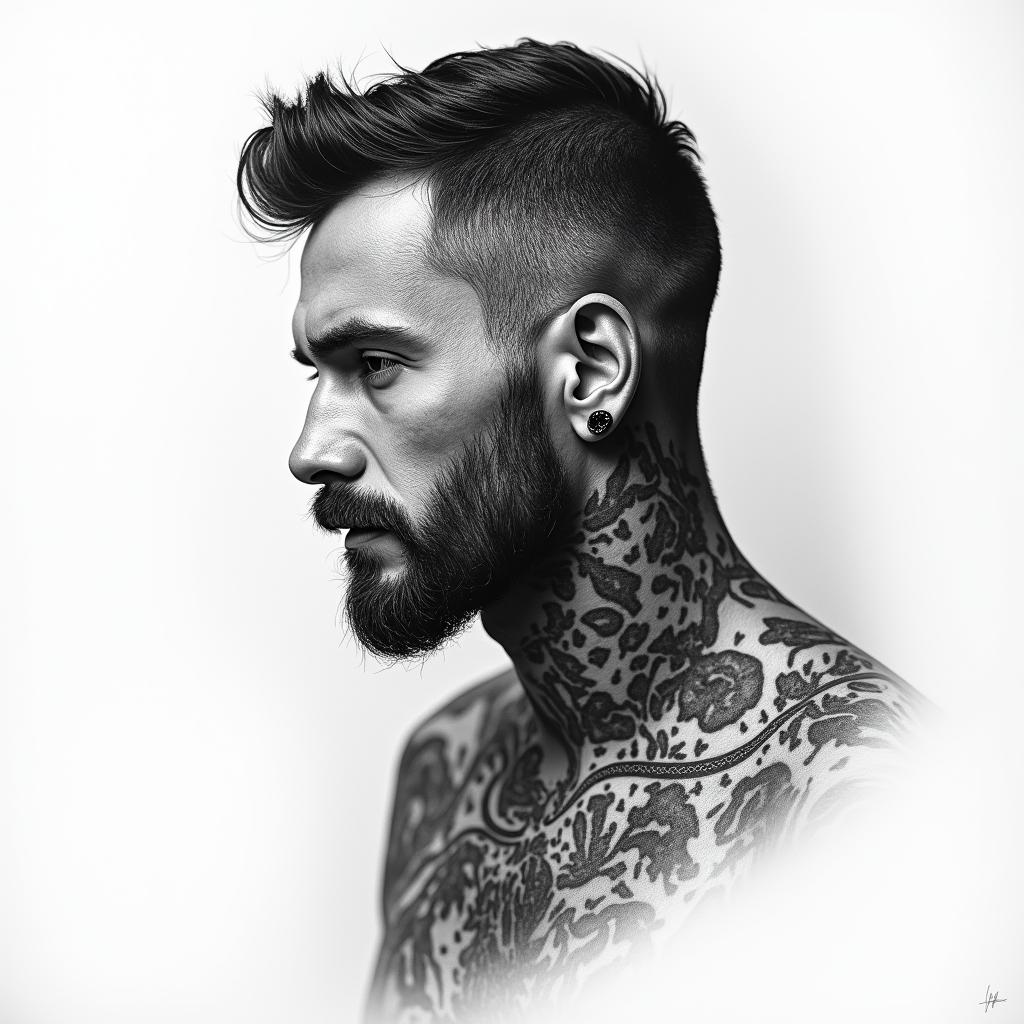
Realism
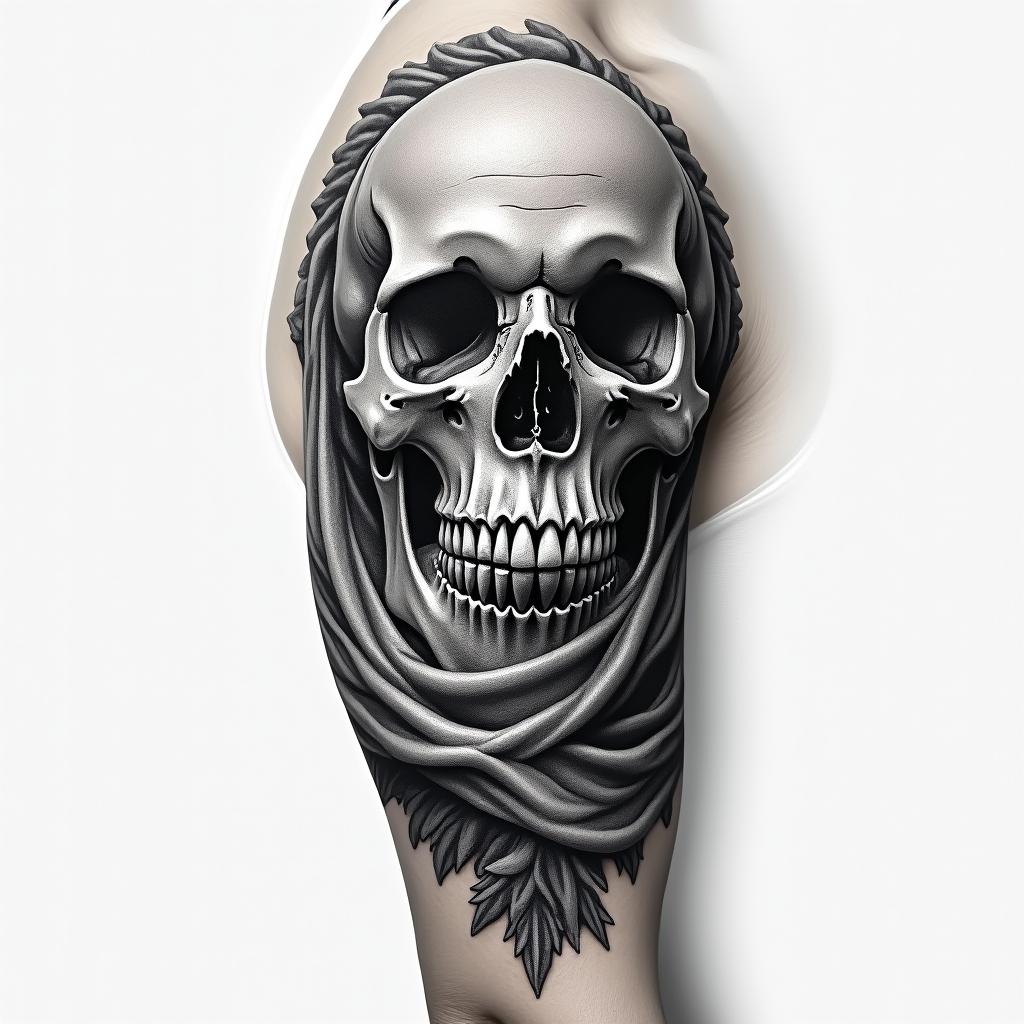
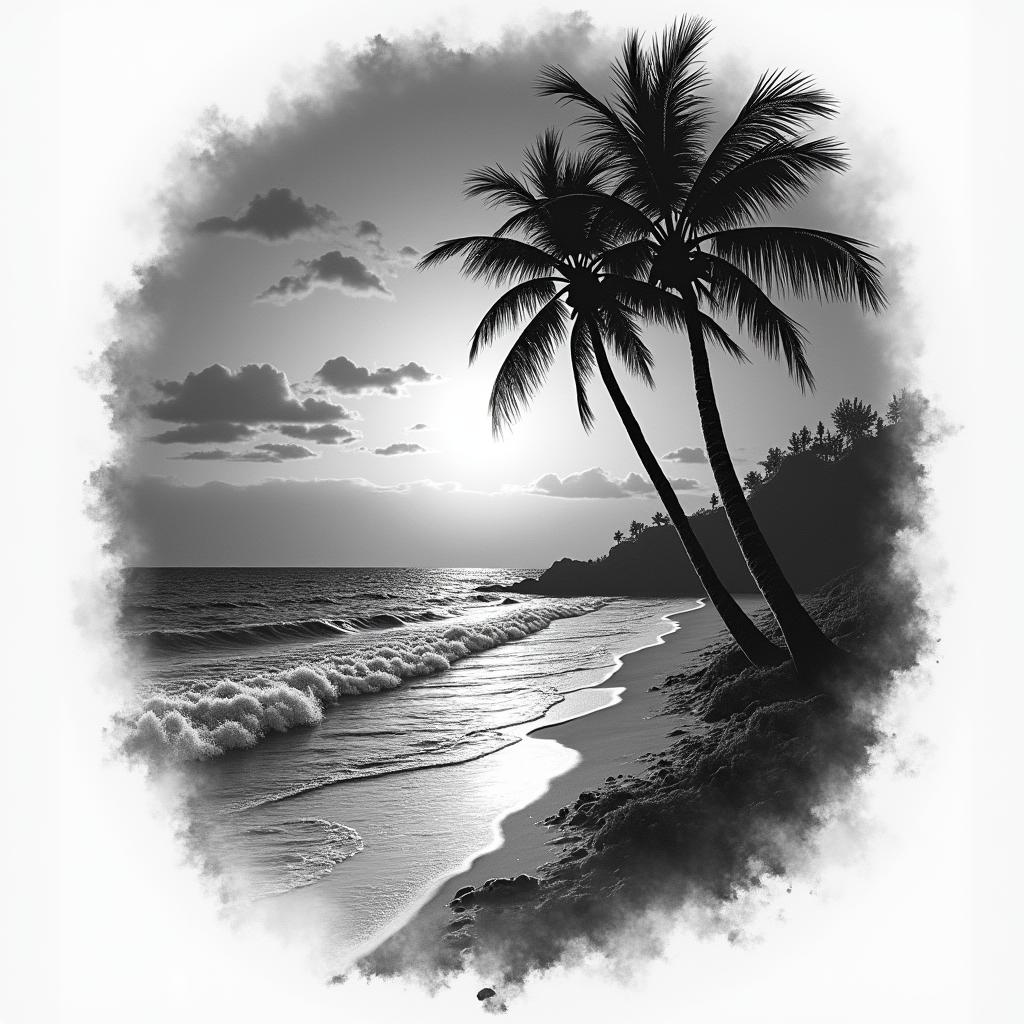
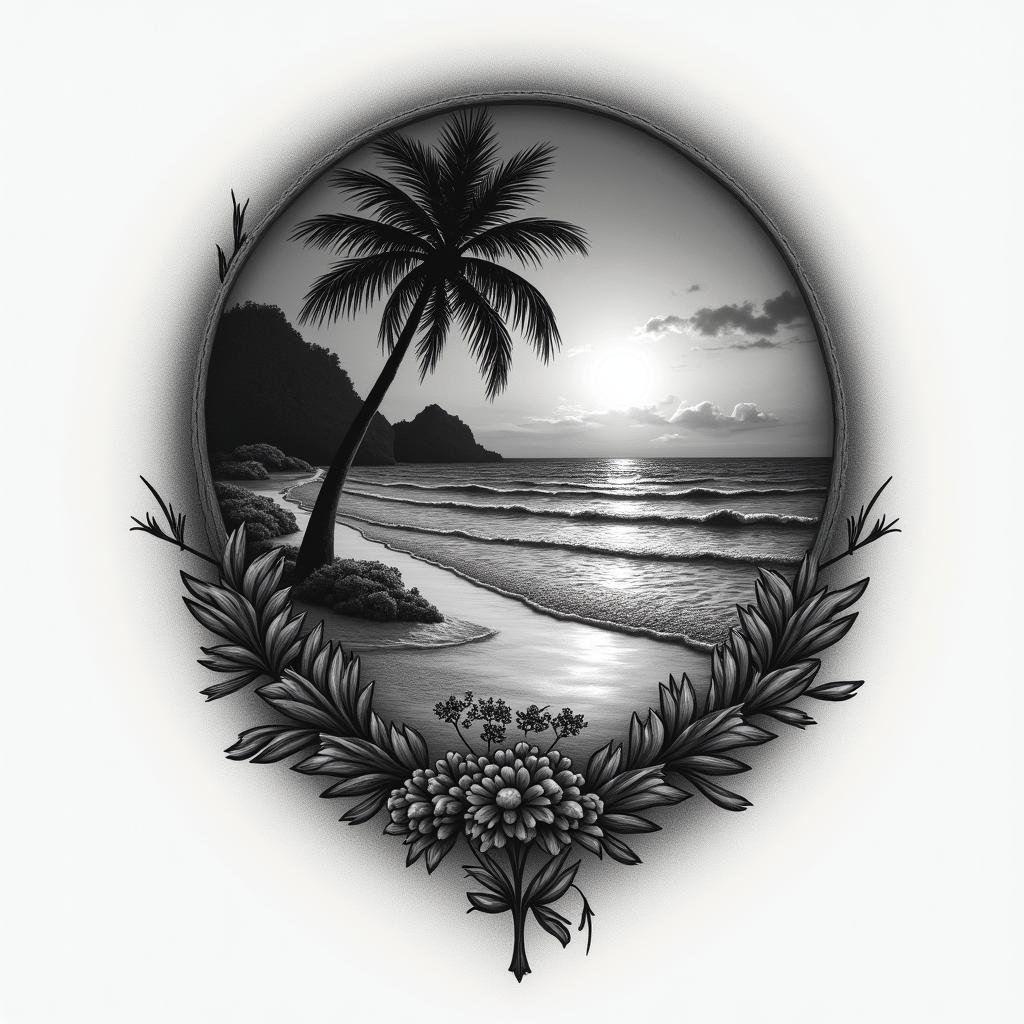
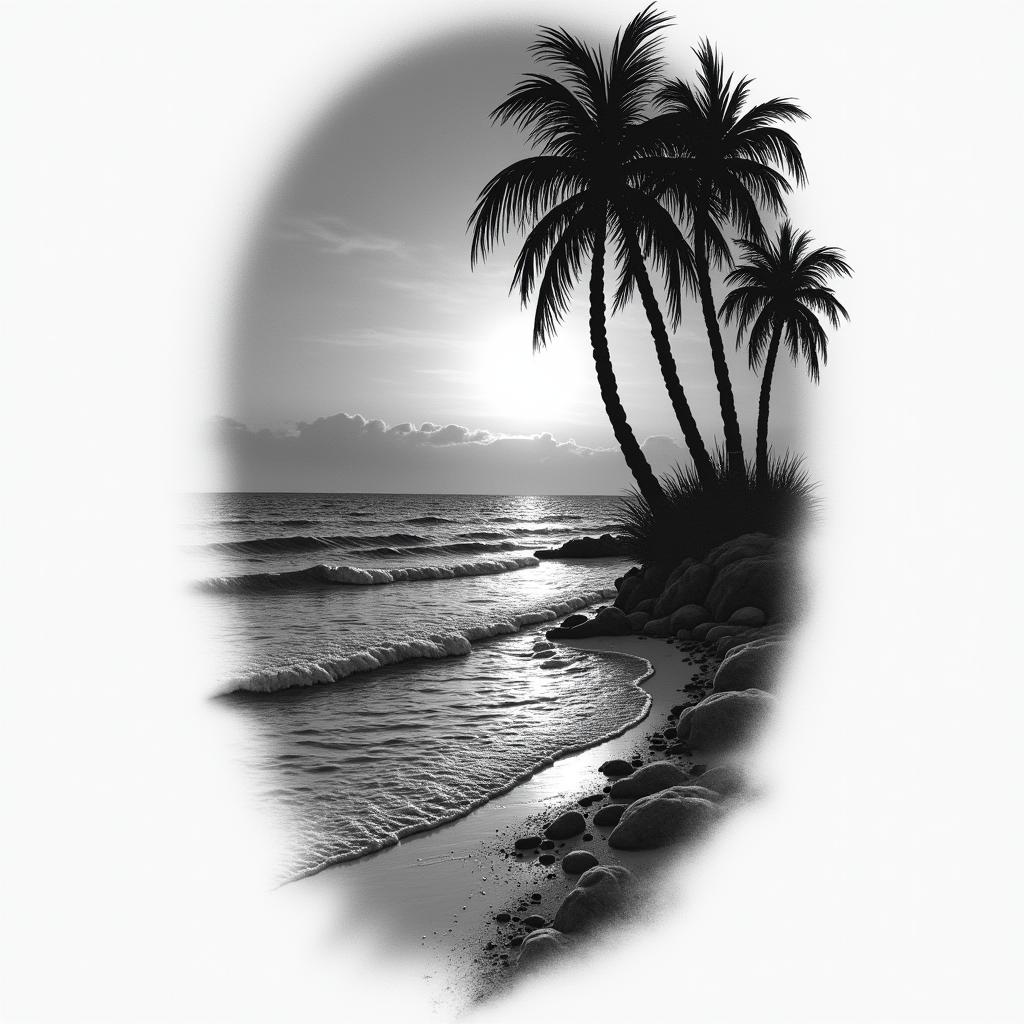
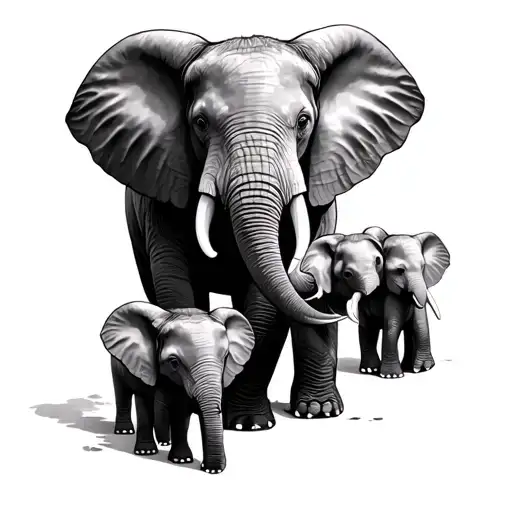
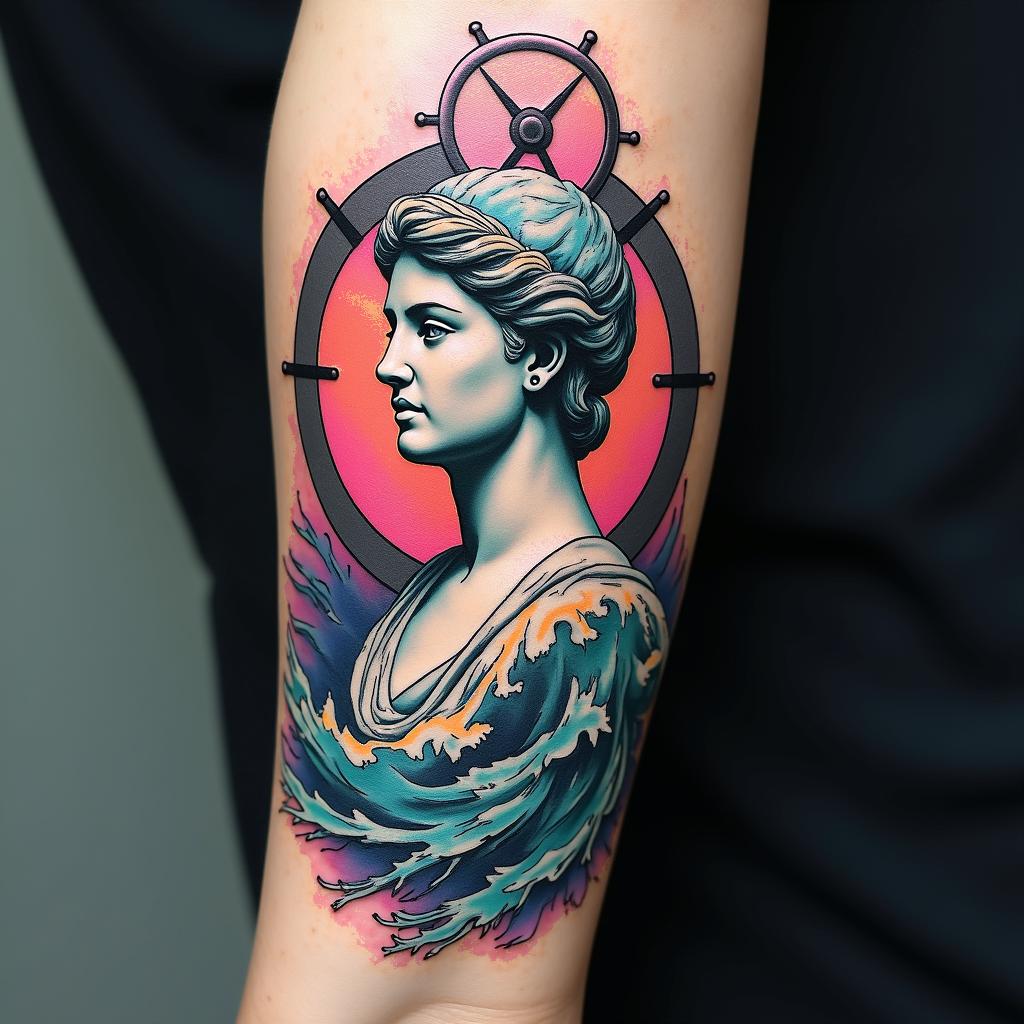
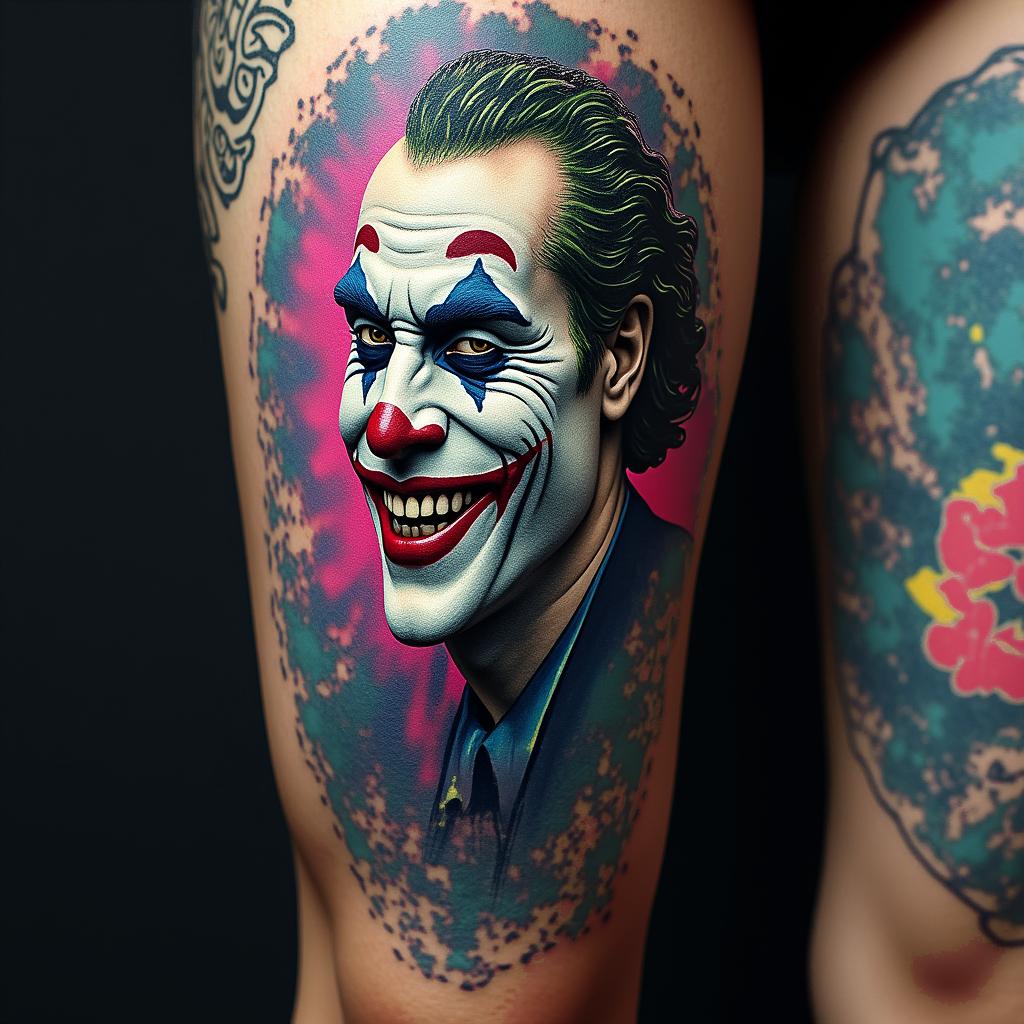
Realism tattoos replicate subjects with photographic accuracy using shading, value transitions, and precise proportion rather than outlines. The style includes black and grey realism, color realism, micro realism, hyperrealism, and cyber realism. Originating from the photorealism art movement of the 1960s and adapted for tattooing in the late 1990s, realism requires skilled artists who understand light, shadow, and texture. Popular subjects include portraits, animals, nature scenes, and roses. Realism works best on larger canvases like the back, thigh, or full sleeve where detail has room to breathe. Choosing the right artist is critical because the style has zero margin for error. Always review healed portfolios before booking.
Glitch
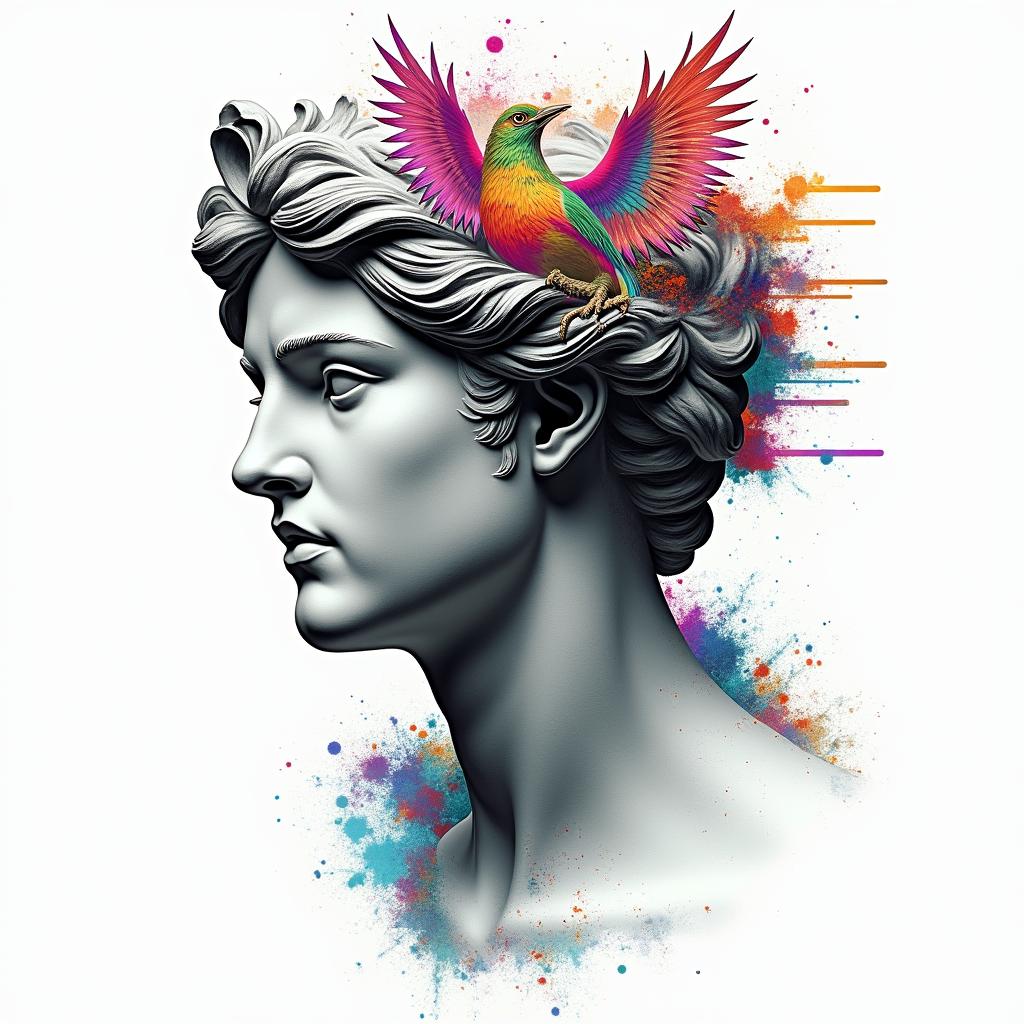
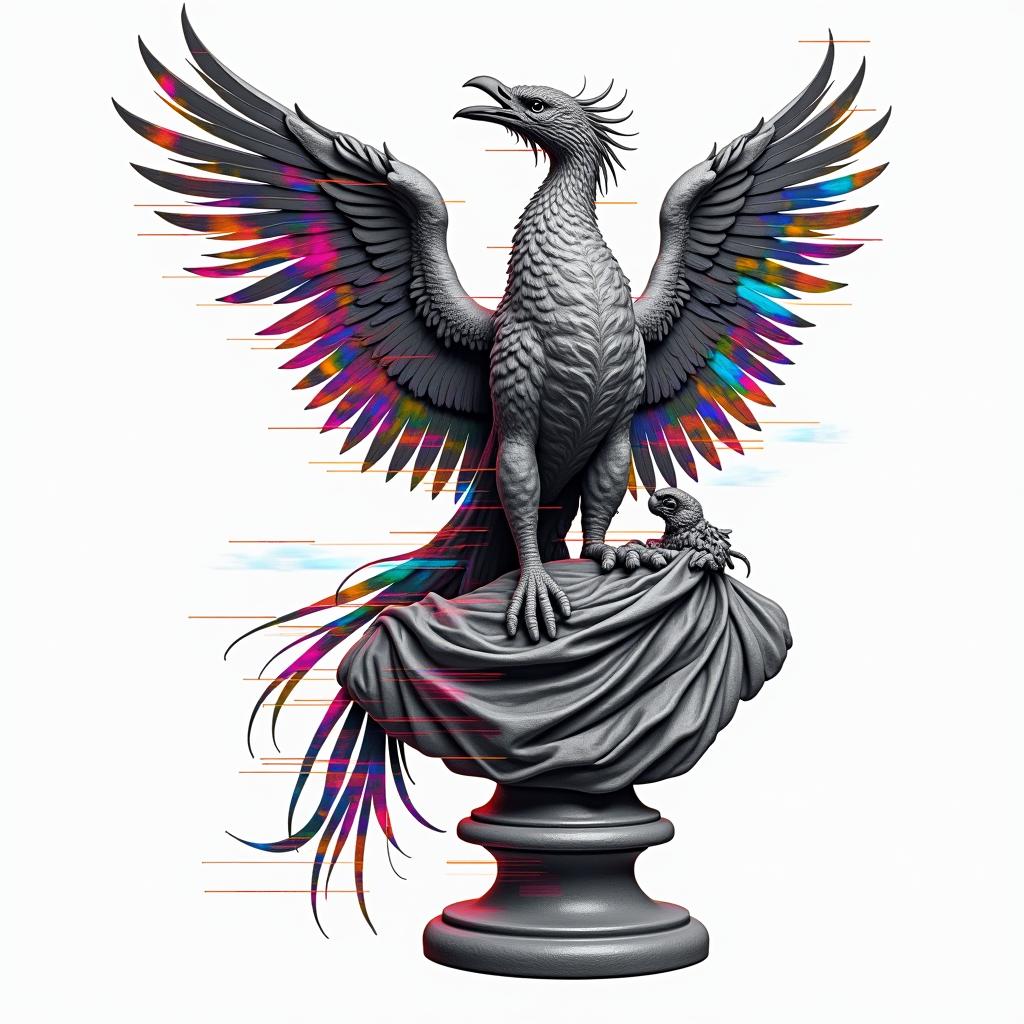
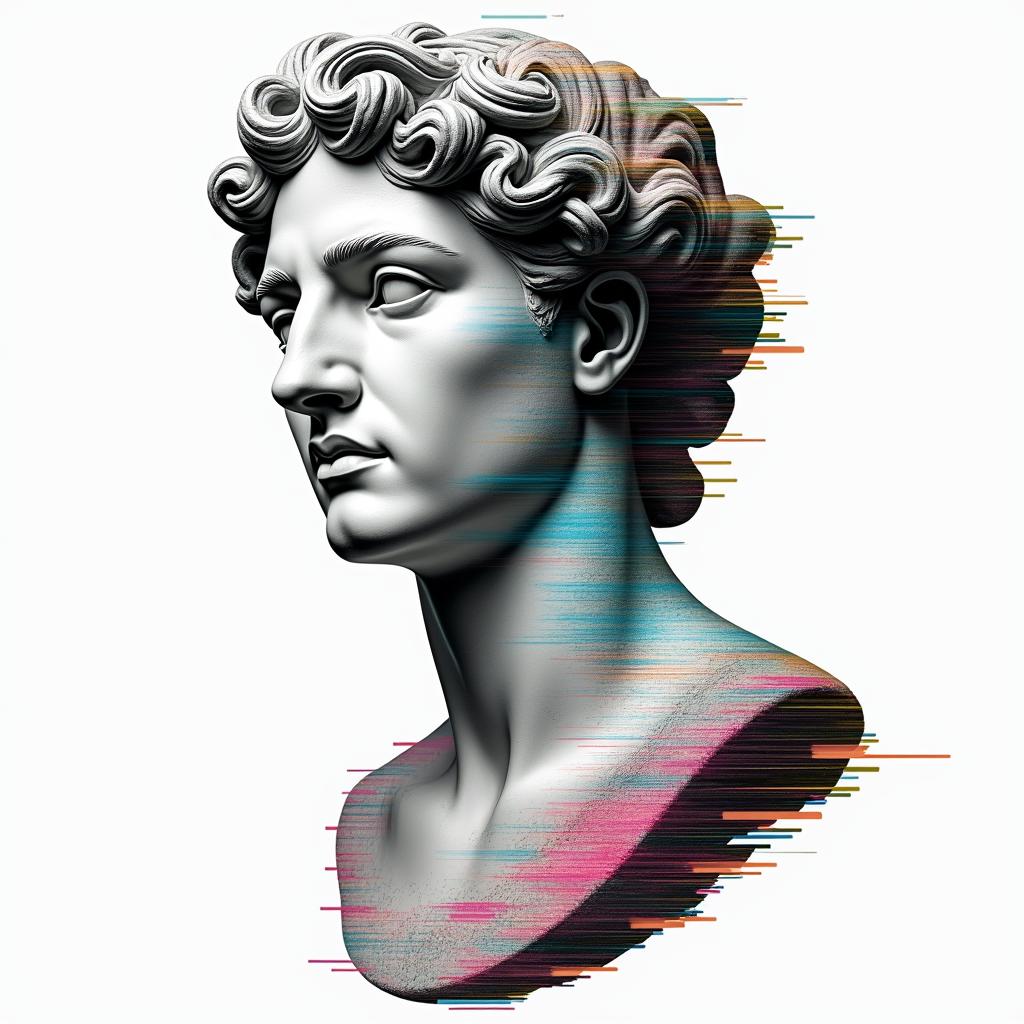
A glitch tattoo is a style that mimics digital errors like screen distortion, pixelation, and RGB channel separation. Inspired by glitch art and cyberpunk aesthetics, these tattoos feature visual effects such as scan lines, color splitting, data corruption patterns, and fragmented imagery. Glitch tattoos work best on larger placements like forearms, calves, and backs where the distortion effects have room to read clearly. The style demands artists skilled in both realism fundamentals and intentional distortion techniques.
Bohemian
Spiritual
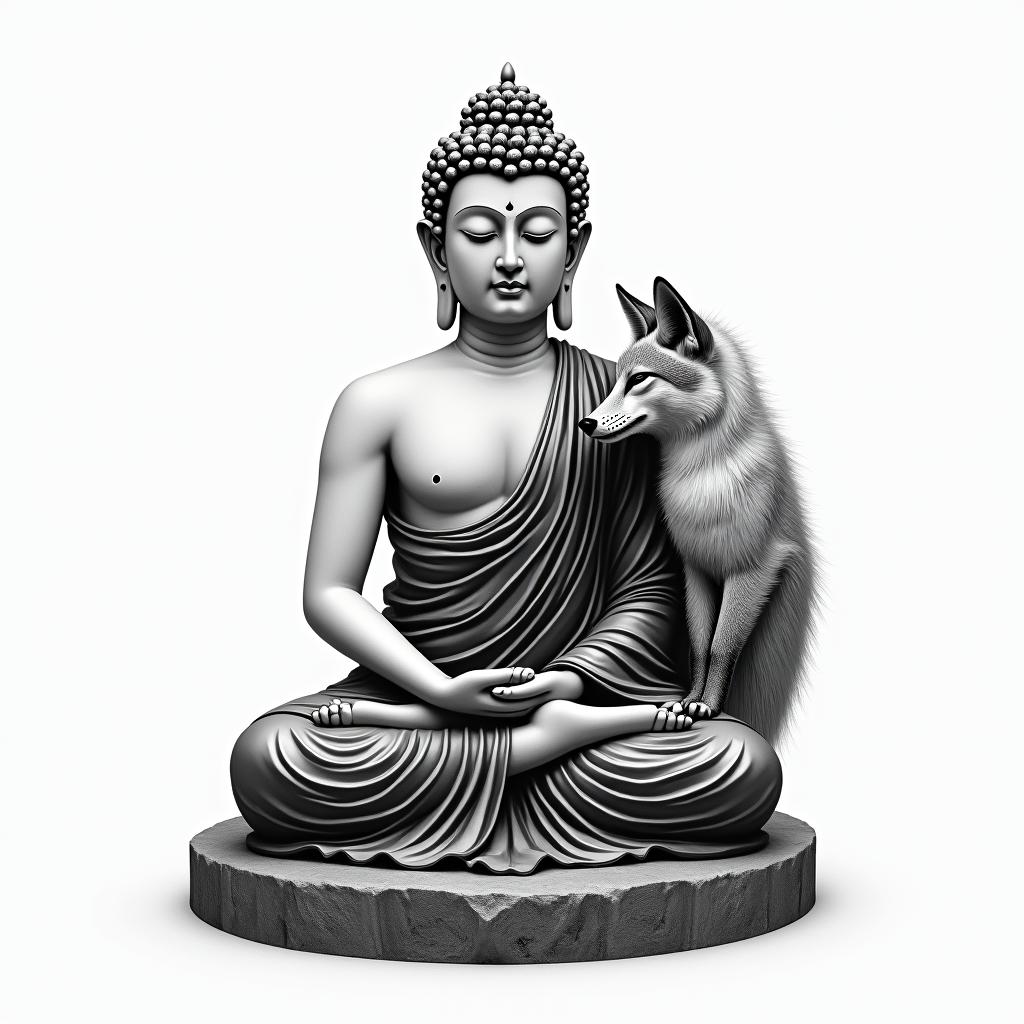
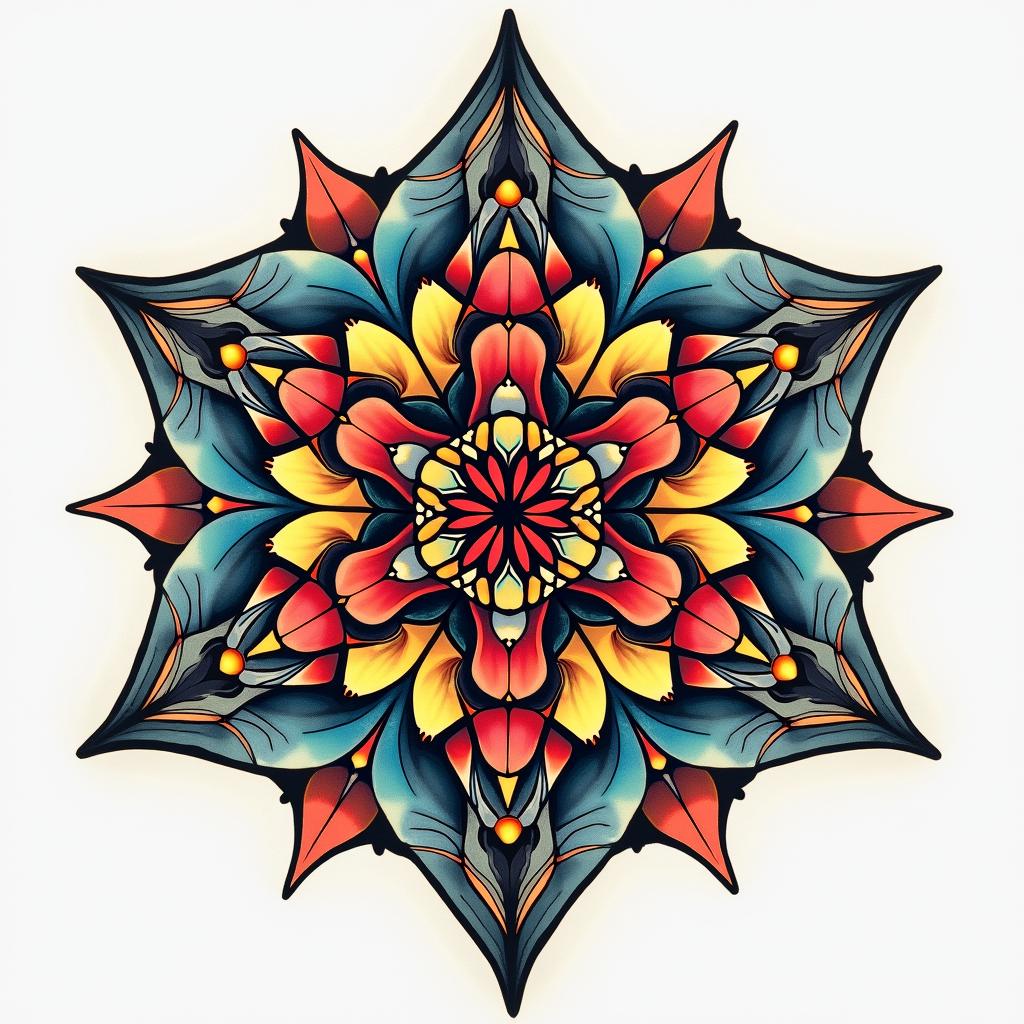
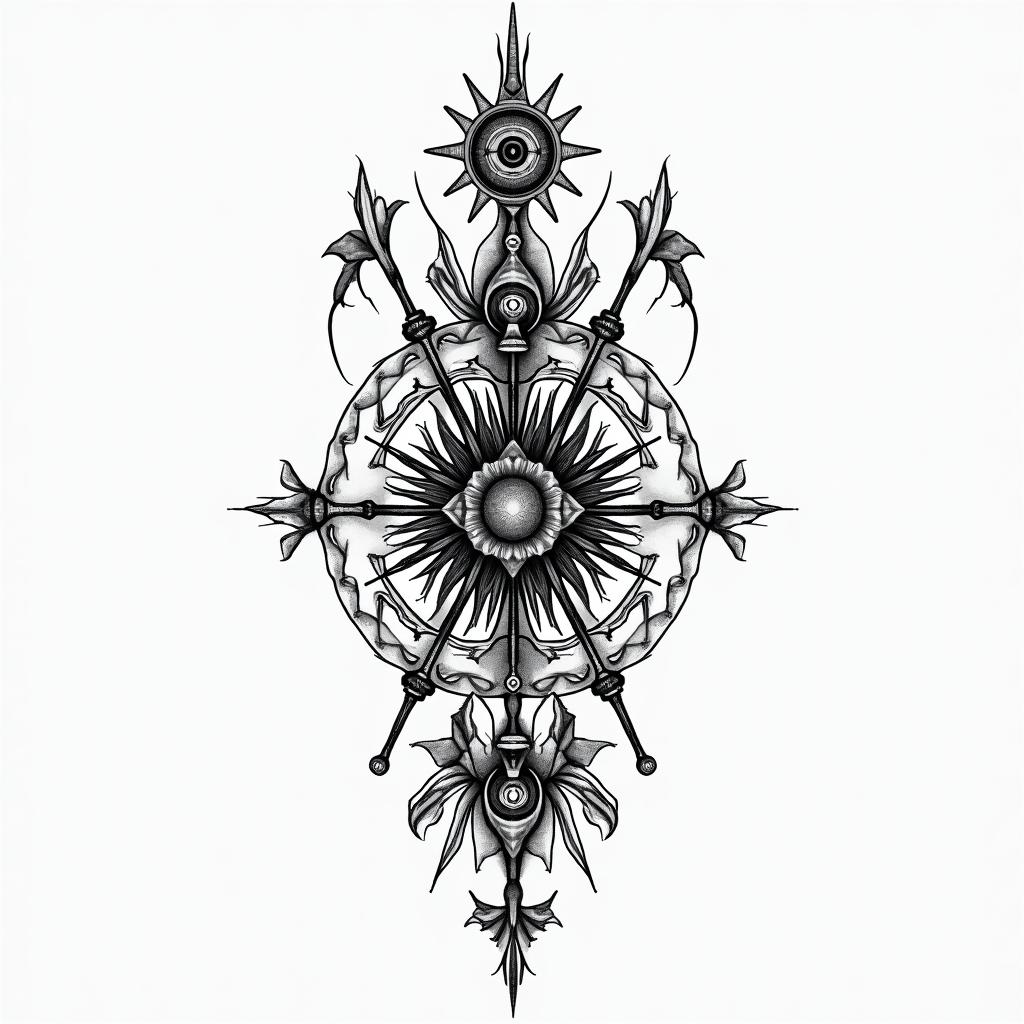
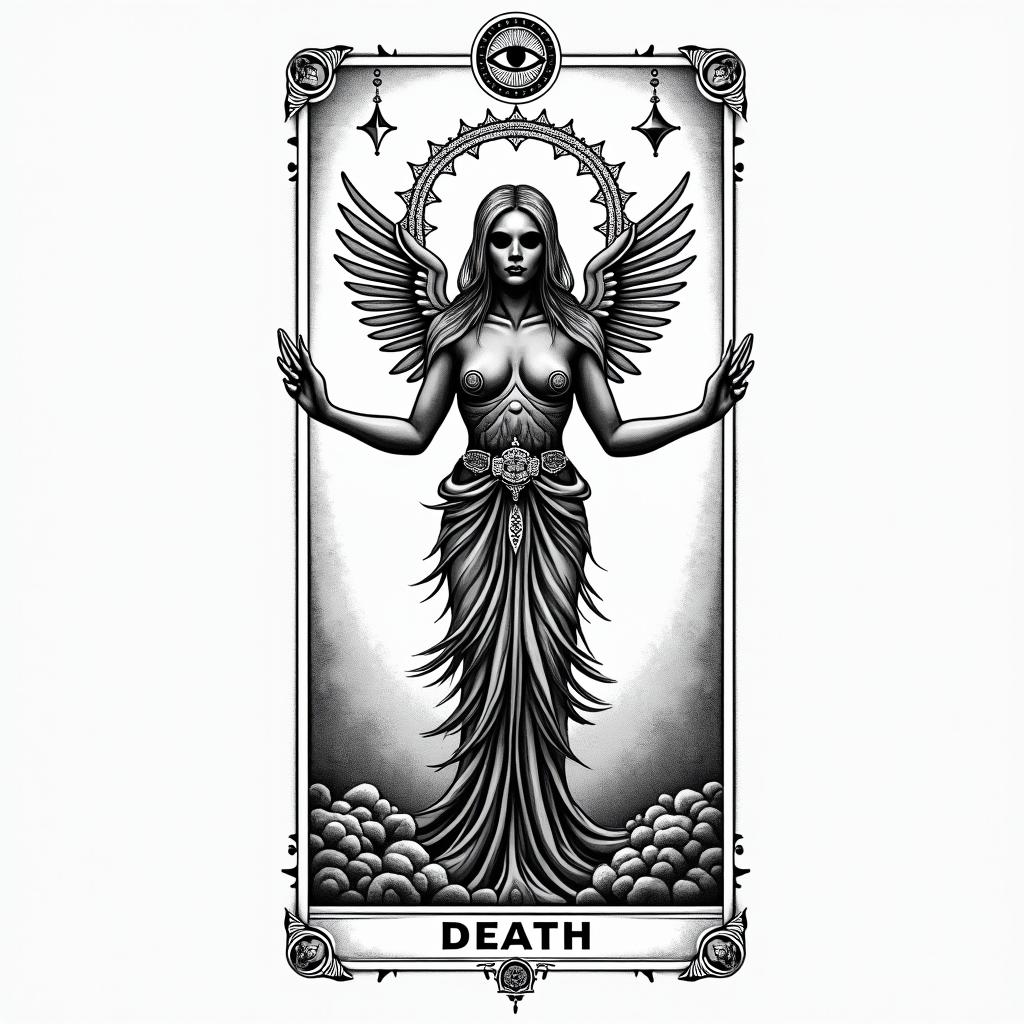
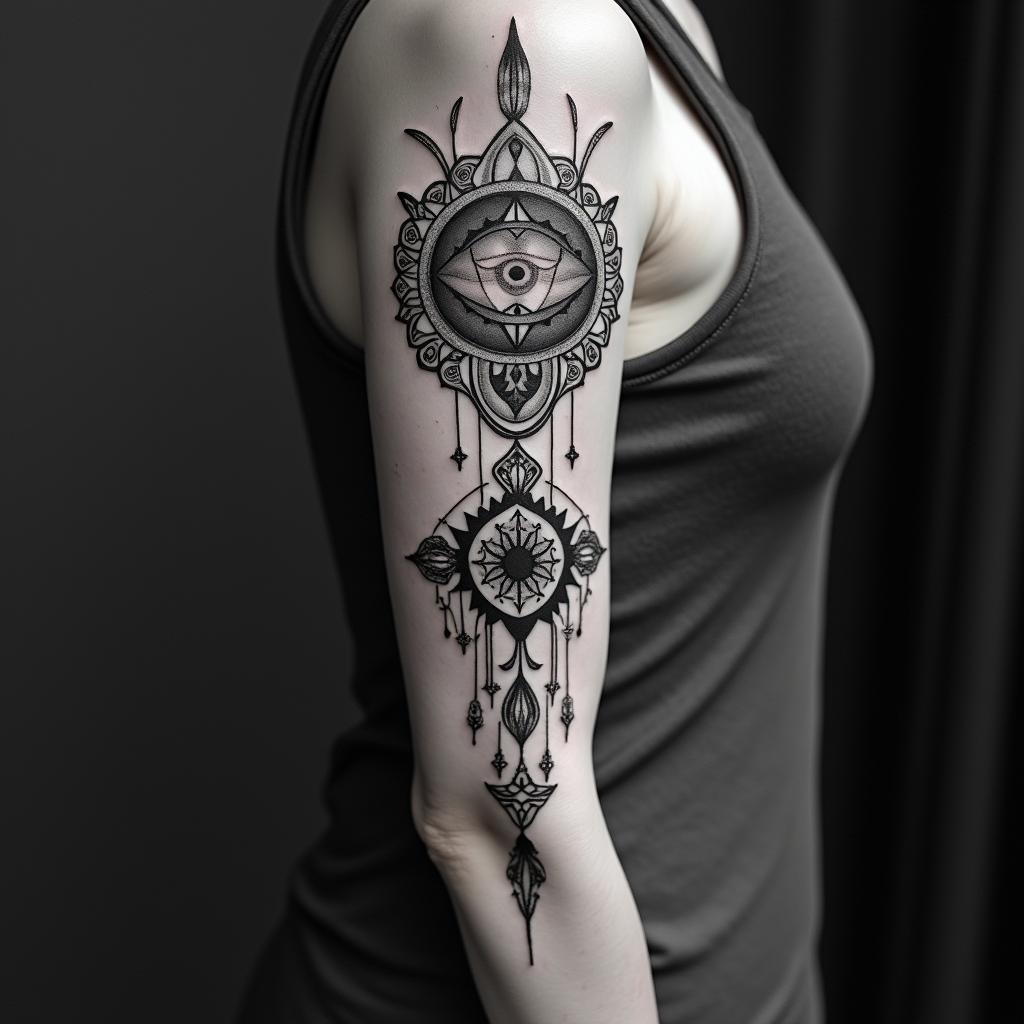
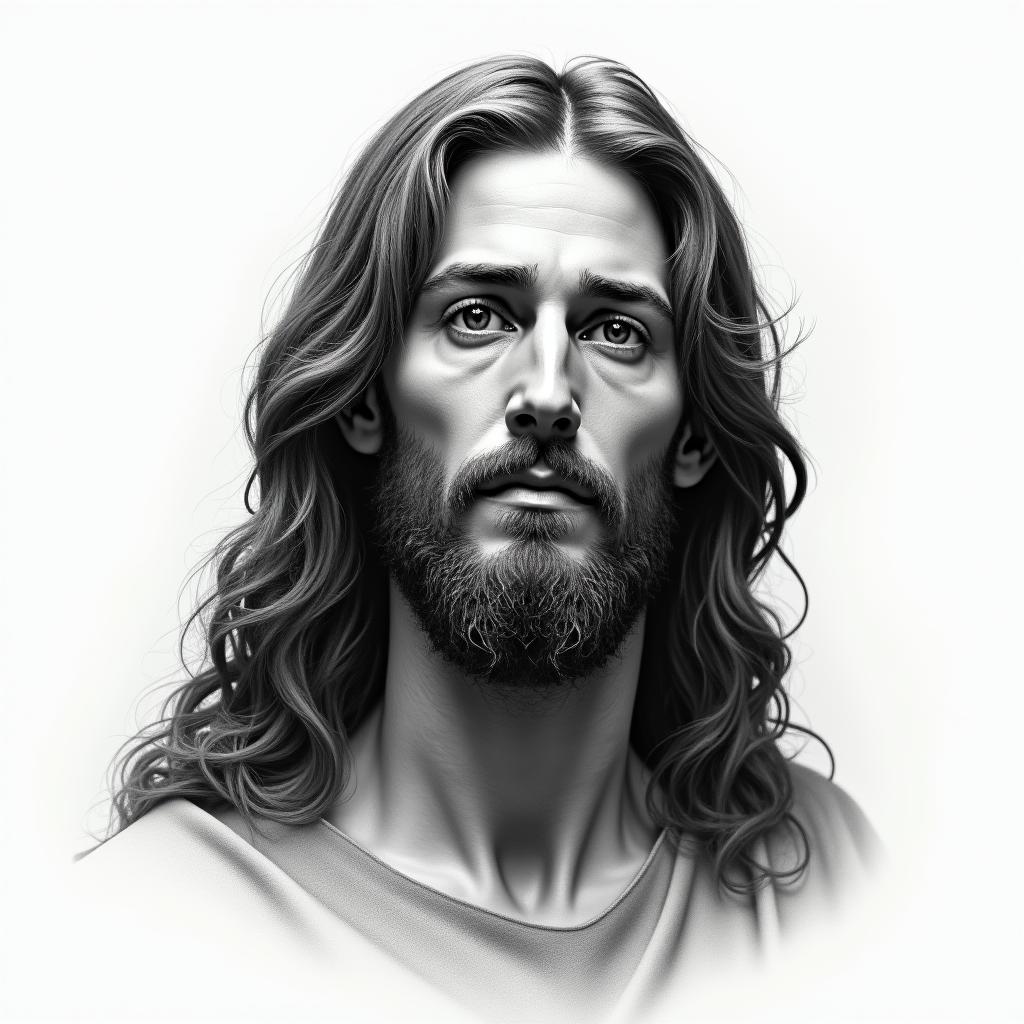
Spiritual tattoos use sacred symbols, divine imagery, and meaningful motifs to represent a person's beliefs, values, or connection to something greater than themselves. Common designs include mandalas, lotus flowers, om symbols, hamsa hands, unalome paths, and sacred geometry. These tattoos often draw from Buddhist, Hindu, Christian, and indigenous traditions. Placement tends to follow energy centers in the body, like the chest, spine, or wrists. The best spiritual tattoo artists understand both the visual technique and the cultural significance behind each symbol.
Find Artists Near You
Discover tattoo artists and shops in 68 countries