



1/8 • Click to zoom
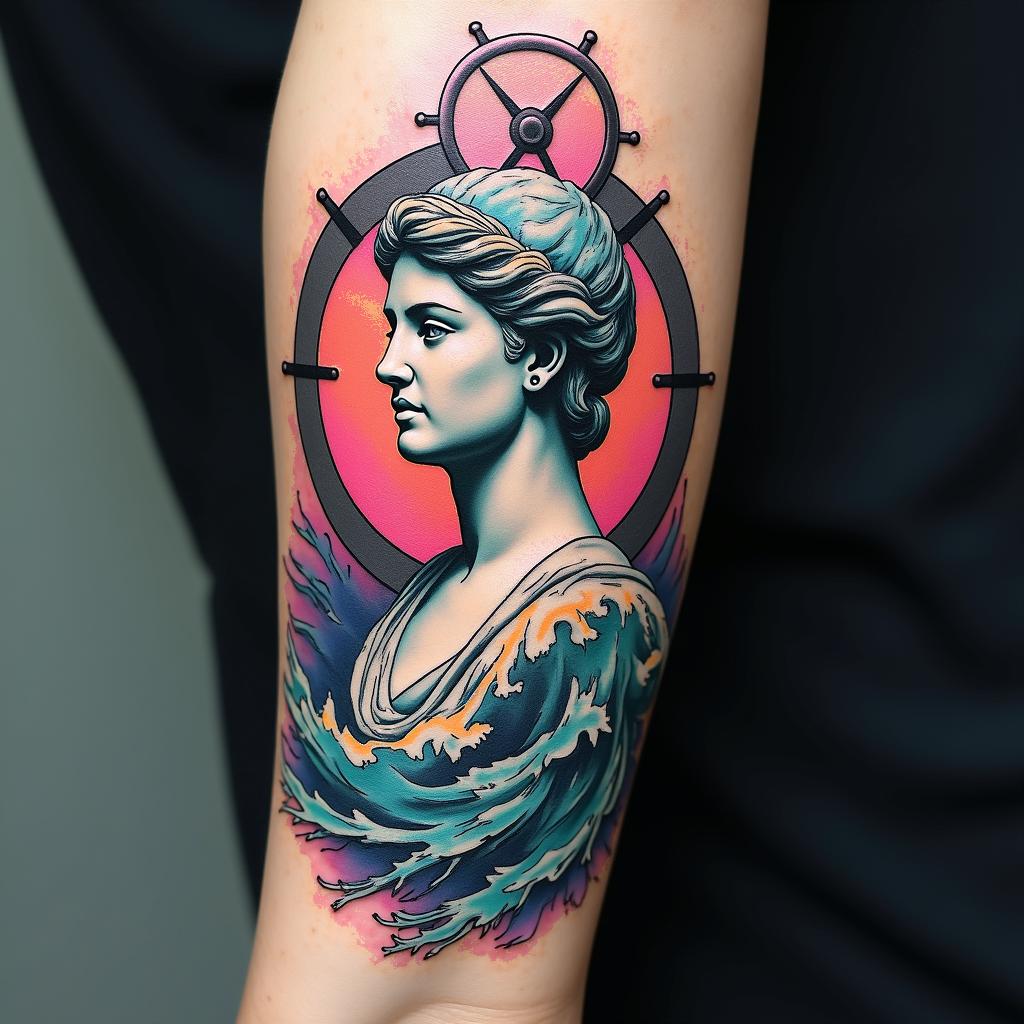
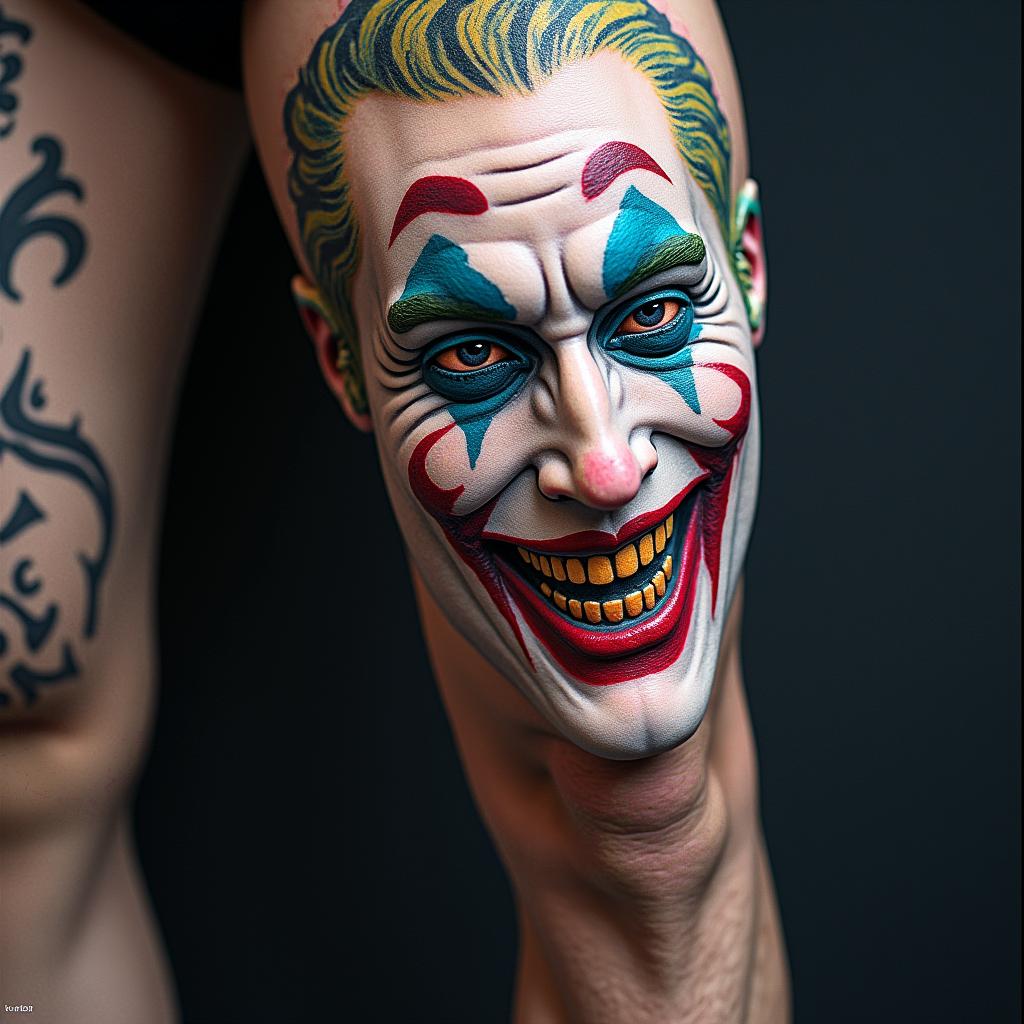
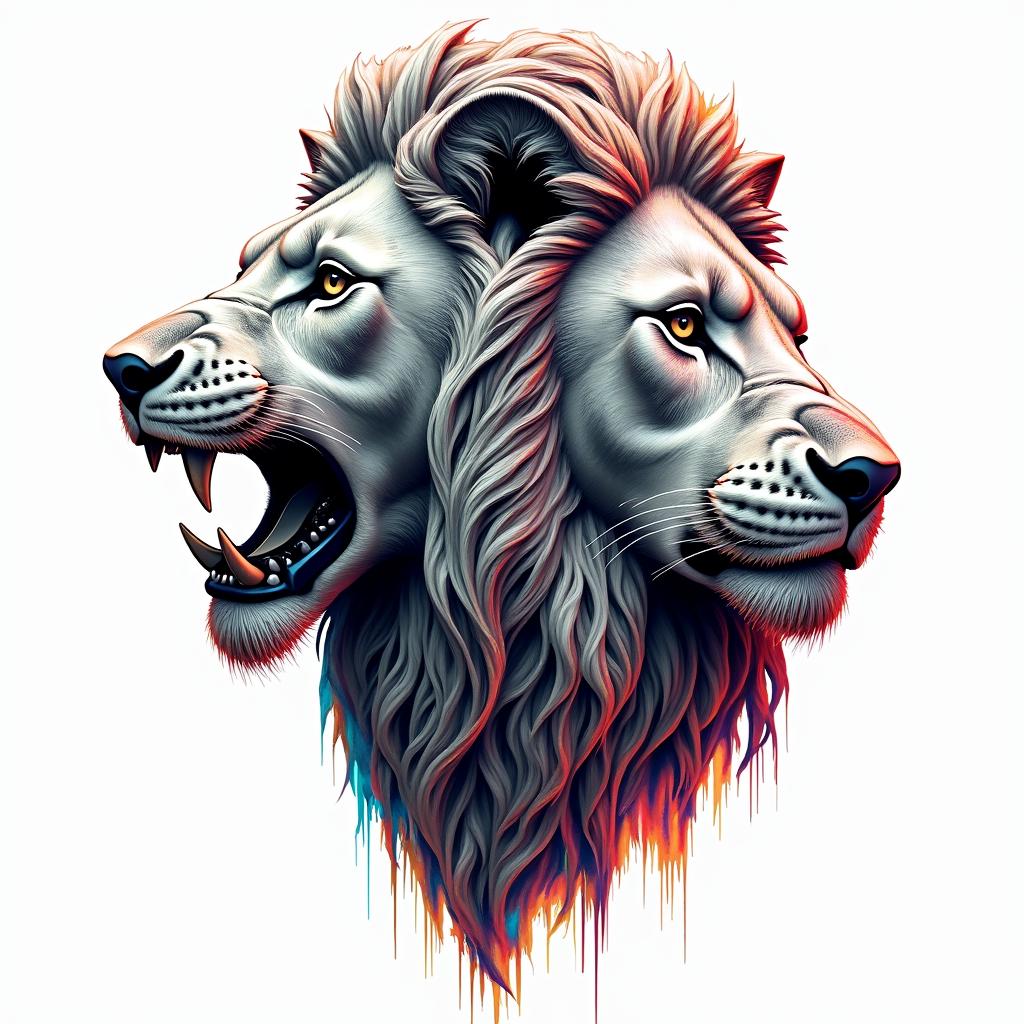
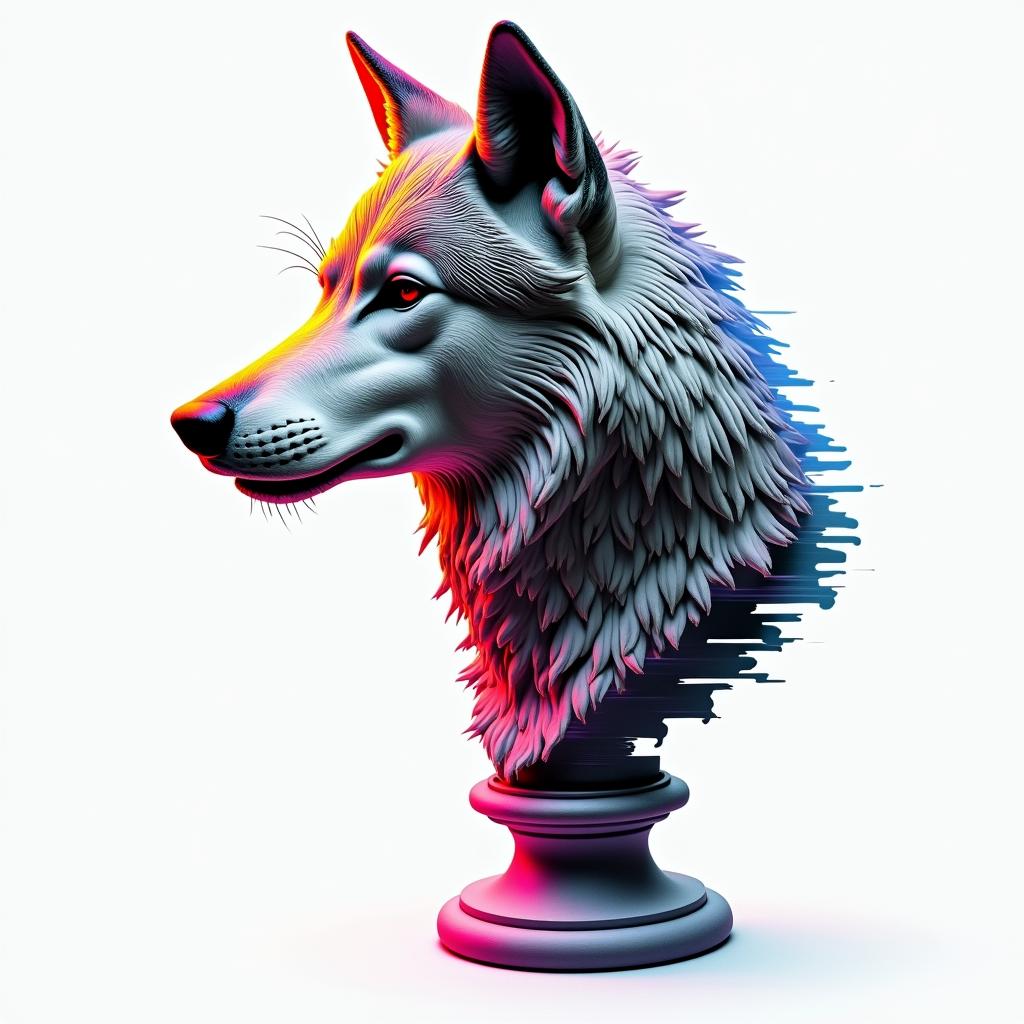
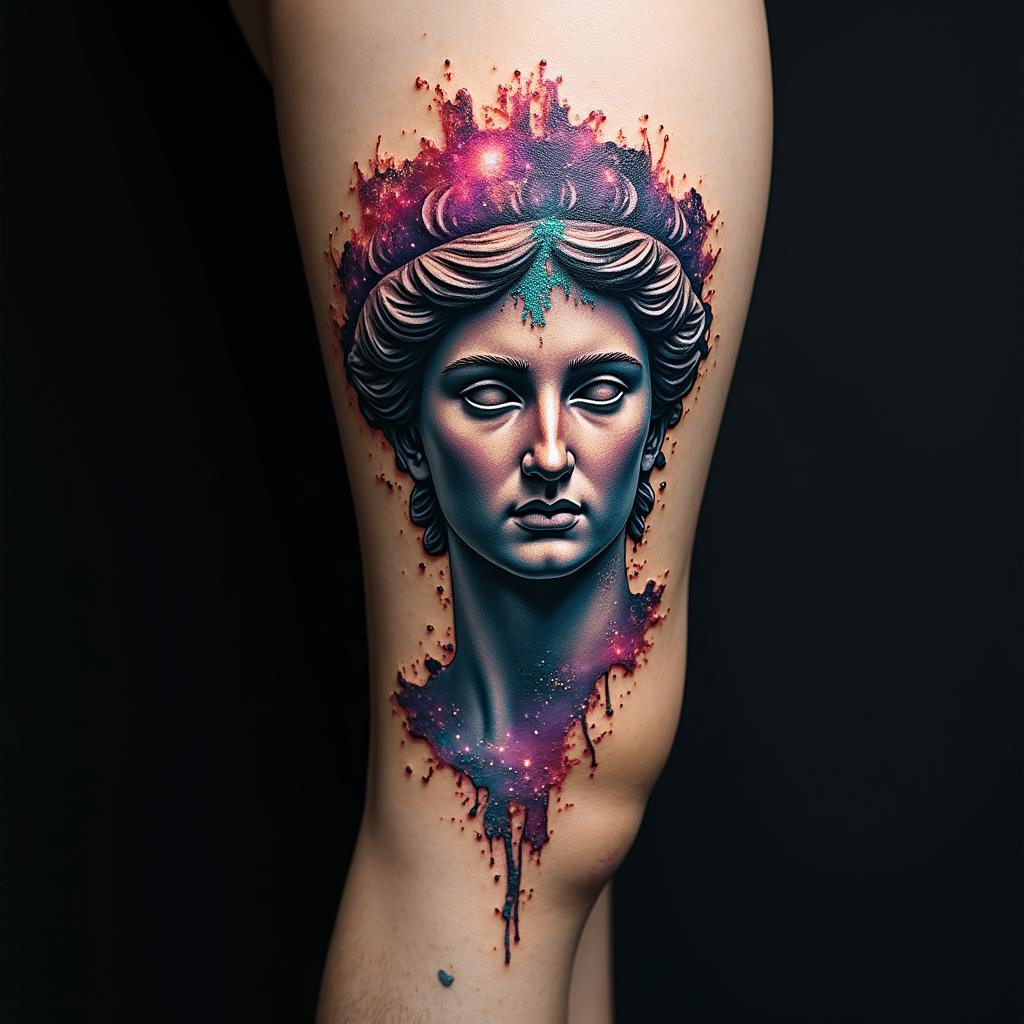
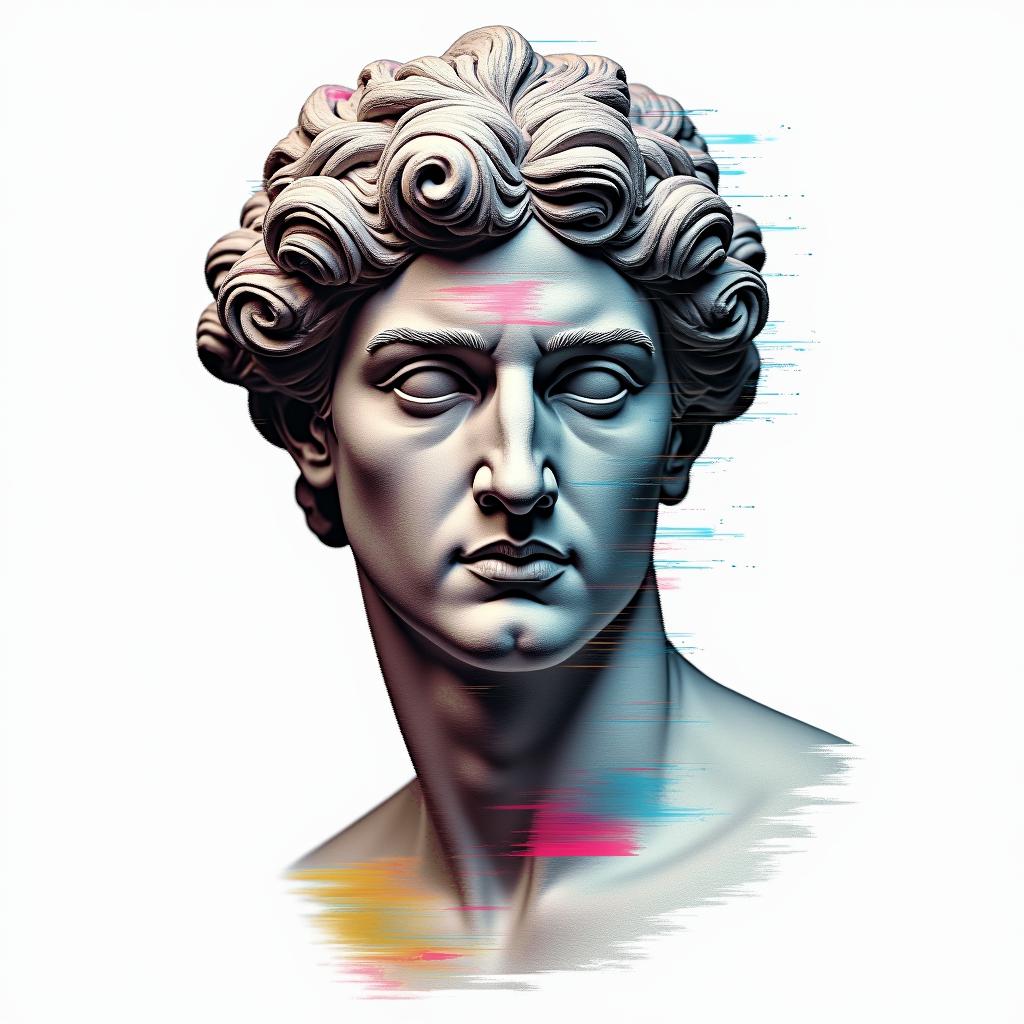
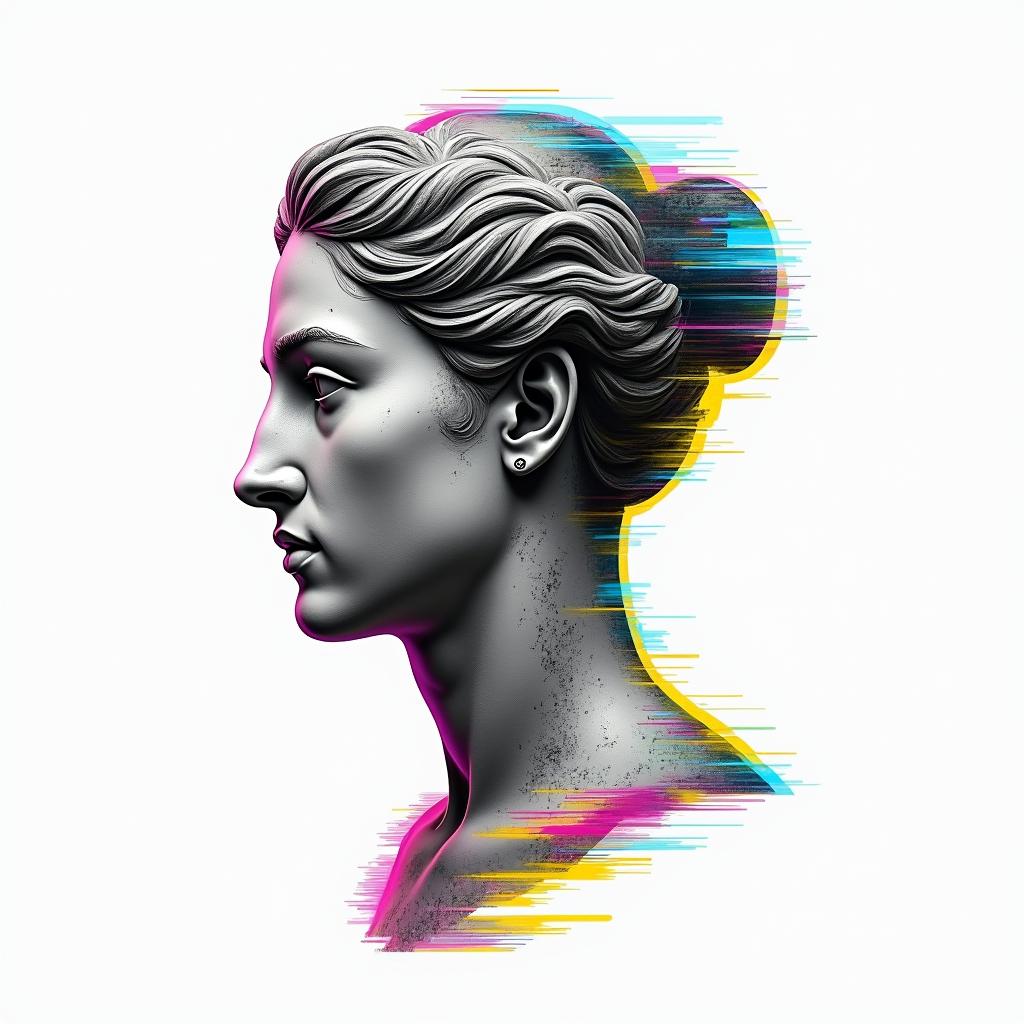
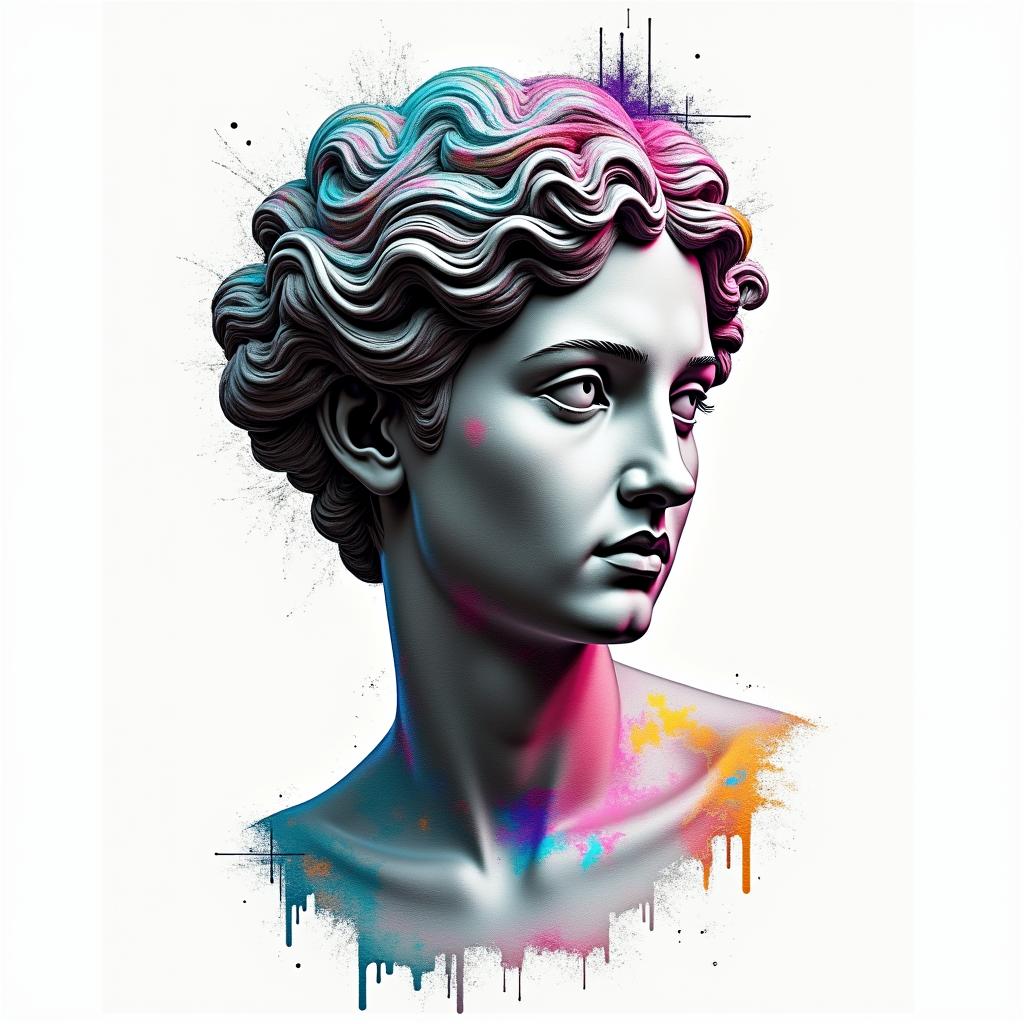
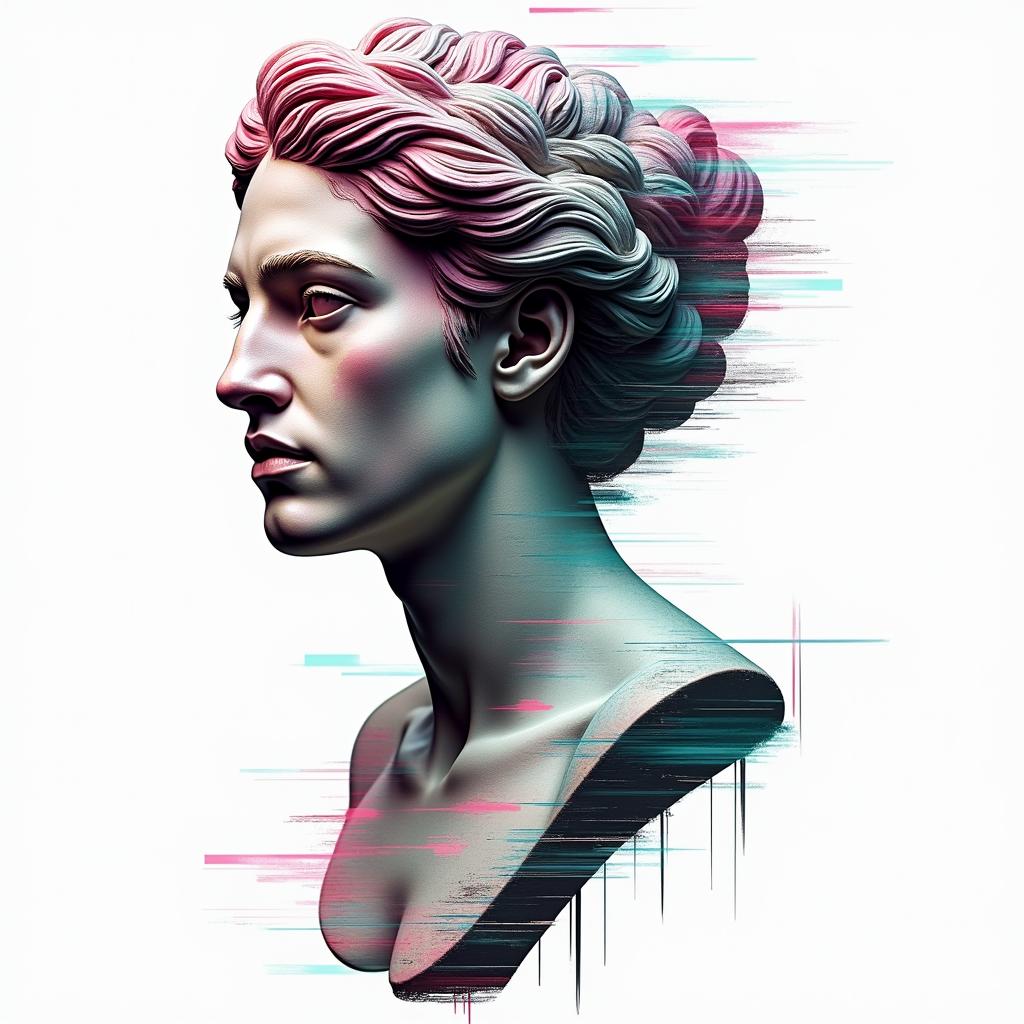
Where ancient marble collides with digital decay, this tattoo reinterprets classical sculpture through glitch aesthetics. A Greco-Roman bust fractures into geometric shards, its form disrupted by precise cyan, magenta, and yellow overlays mimicking CMYK printing errors. The layered color separation creates dynamic visual tension between historical permanence and digital impermanence. This design requires meticulous execution to maintain crisp registration between overlapping hues, preventing color bleeding during healing. Ideal for medium to large scales (4-6 inches), it thrives on flat surfaces where the fragmented pattern can follow natural body contours. The vibrant palette gains depth on medium to dark skin tones while retaining impact on lighter complexions. As a cultural commentary, it bridges antiquity and modernity—transforming marble into pixelated memory to question how we preserve history in an era of data corruption.
Noticeable discomfort, prepare for some sensitivity
Expect moderate discomfort during color packing, especially in detailed glitch sections. Outer forearm placement (35 pain score) offers manageable sensation with minimal nerve density. Take 30-minute breaks; deep breathing reduces tension. Apply topical numbing cream 45 minutes pre-session for color saturation. Intricate line work feels like sharp scratches, while solid color areas produce deeper pressure. CMYK layering causes most intensity due to repeated passes.
Optimal on upper back or outer forearm where flat surfaces accommodate geometric fragmentation. On upper back (38 pain score), position the bust to align with shoulder blade contours, allowing glitch patterns to flow across the spine. For outer forearm (35 pain score), orient vertically to follow arm movement. Minimum 4-inch diameter required to preserve detail clarity—smaller sizes cause color muddiness. Avoid ribs or chest where skin elasticity distorts precise digital effects. Vibrant CMYK colors show best on medium to dark skin; lighter complexions need extra saturation. Visible placements spark digital culture conversations while maintaining professional appropriateness.
glitch is a distinctive tattoo style characterized by Glitch: Modern digital-inspired tattoos featuring distorted imagery, pixelation, and visual artifacts that mimic computer glitches. This contemporary style creates a unique intersection of technology and body art.. This style has gained popularity for its visual appeal.
The duration depends on the size, complexity, and detail level. A design of this style typically requires 2-4 hours for a medium-sized piece, but consult with your artist for an accurate estimate.
Tattoo pricing varies by artist, location, and design complexity. Prices typically range from $150-$500+ for a design of this style. Always consult with your chosen artist for an accurate quote.