1/6
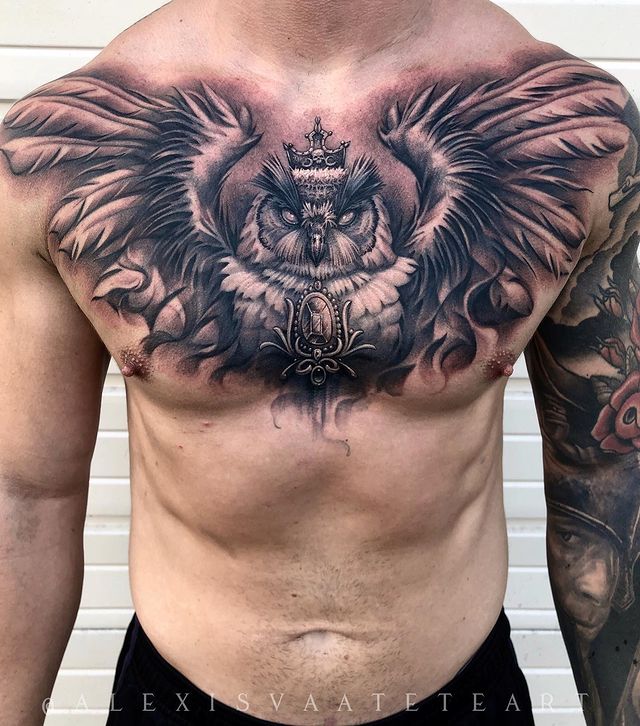
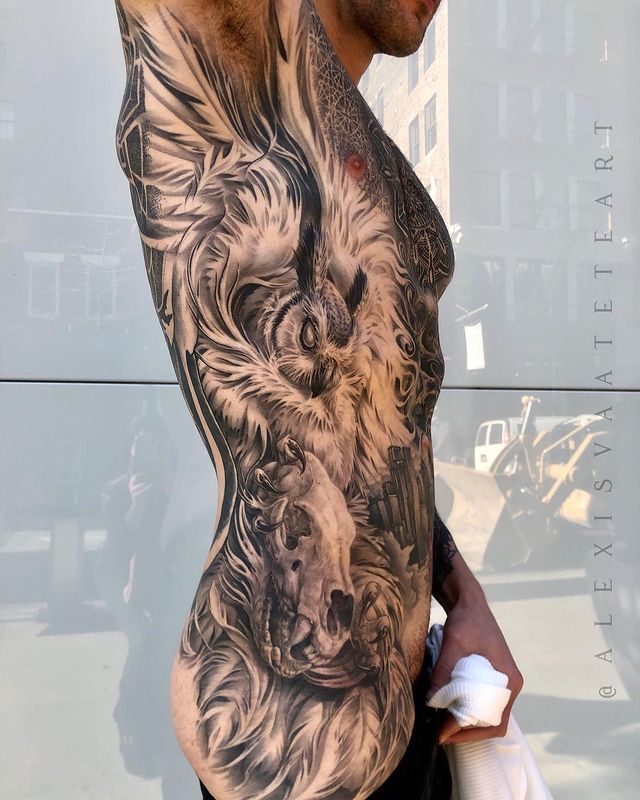
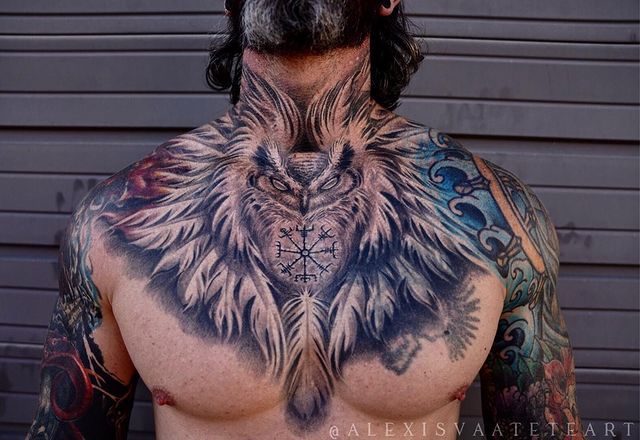
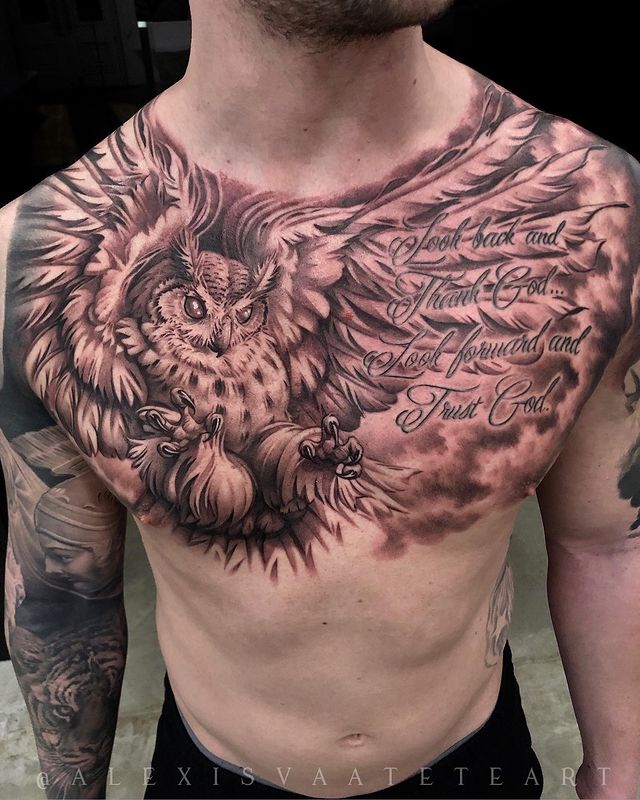
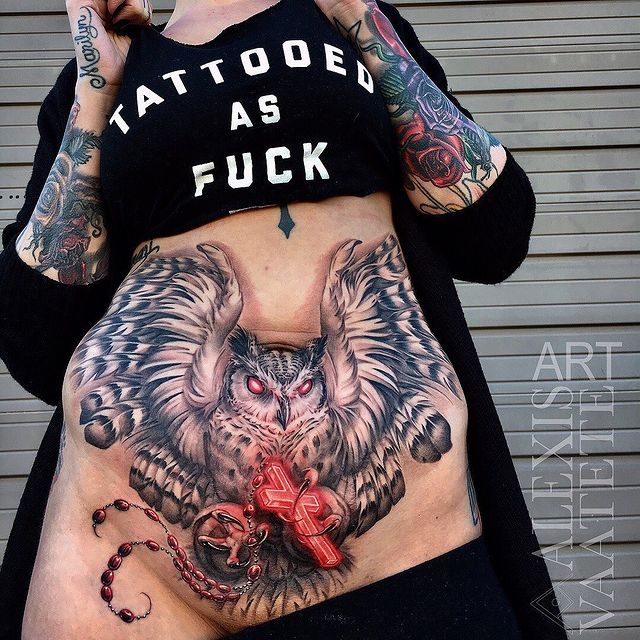
Alexis Vaatete, a California-based artist specialized in 'black&gray' and 'trashpolka' styles, has made a name for himself as a freehand artist in the tattoo industry. With an impressive following of well over 200,000 enthusiasts on Instagram, he operates out of Vatican Studios, which is nestled in the heart of Lake Forest, United States. An ardent art lover, Alexis embodies the title '#OwlKing' by creating intense, unique designs that are as mesmerizing as they come.
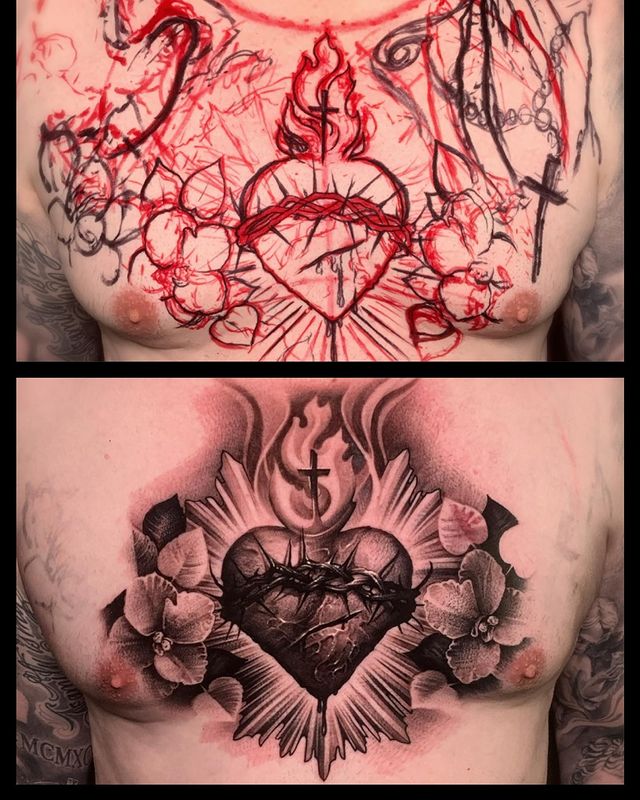
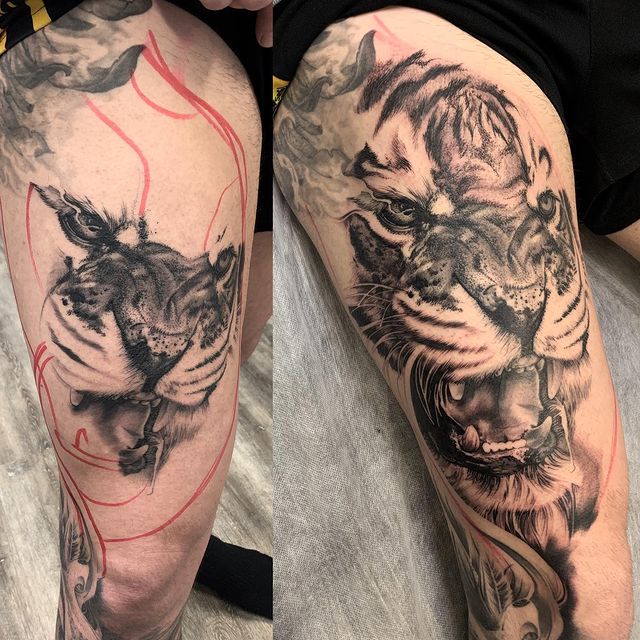
Alexis Vaatete is a tattoo artist based in Lake Forest, California, specializing in black & gray and trash polka styles. With over 230,000 Instagram followers, she has built a dedicated audience drawn to her bold, high-contrast work. Black & gray and trash polka may seem like an unusual pairing, but Vaatete moves between them with confidence. Her trash polka pieces mix chaotic red and black elements with photographic imagery and raw hand-drawn marks. Her black & gray work leans into smooth gradients and sharp detail. Contact Alexis directly through her Instagram or Linktree to inquire about booking and availability.
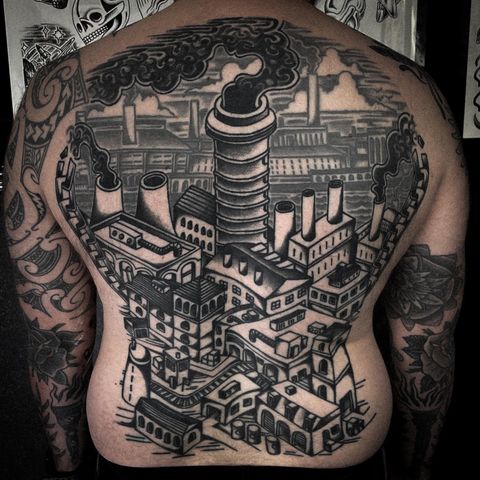
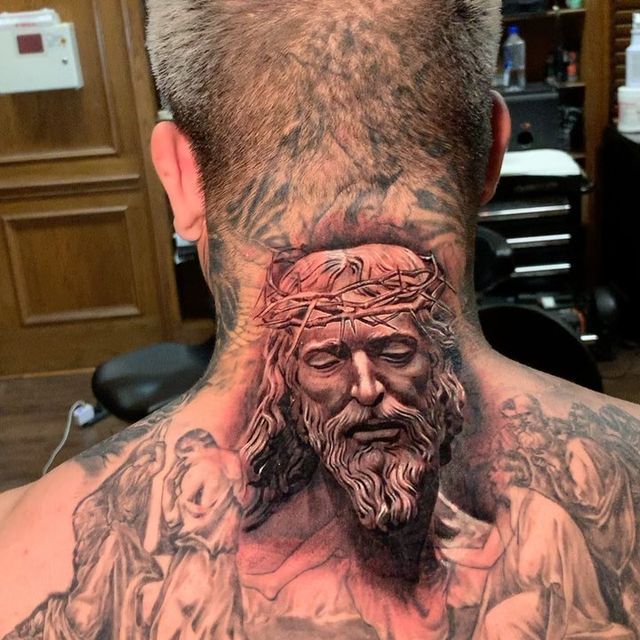
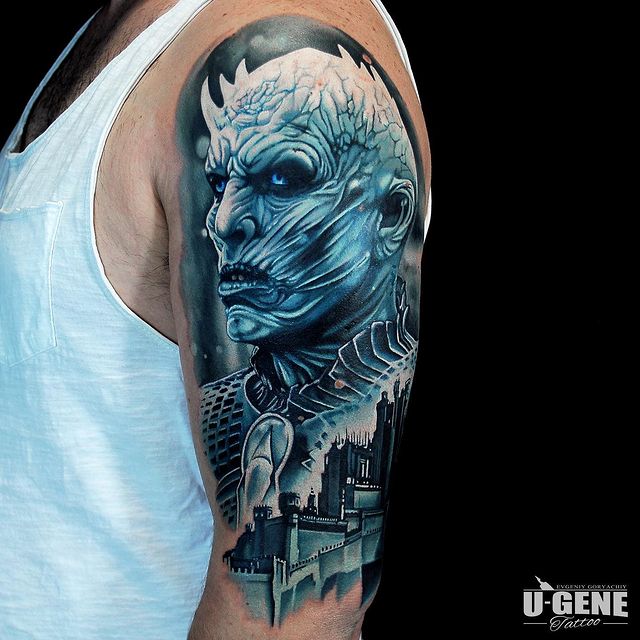
Black & gray tattooing traces back to the Chicano prison tattoo tradition of the 1970s in Southern California. Artists used makeshift machines and limited ink to create portraits, script, and religious iconography using only black pigment diluted with water. The style moved from behind bars into professional shops and became one of the most respected disciplines in tattooing. The technique relies on smooth value transitions, from solid black to the lightest gray washes. Artists build depth through layered passes, not by mixing colors. A strong black & gray piece needs crisp contrast at the dark end and clean, readable highlights at the light end. The margin for error is thin. There is no color to hide behind. Every transition has to hold up. Alexis Vaatete works in this tradition from her base in Lake Forest, California, the same region where black & gray first took professional root. Her following of over 230,000 on Instagram speaks to how her work resonates within this demanding style.
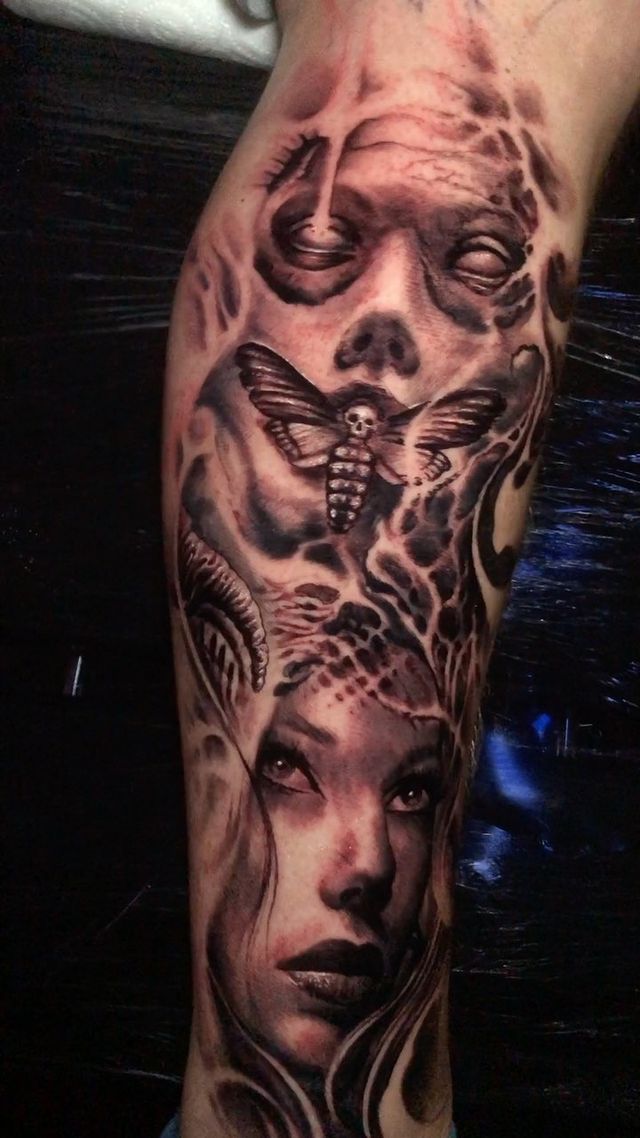
Trash polka originated in Germany, created by Simone Pfaff and Volker Merschky at Buena Vista Tattoo Club in Würzburg during the late 1990s. The style fuses realism with raw, chaotic elements. Think bold black brushstrokes, splashes of red, photographic imagery, hand-drawn text, and geometric fragments layered together like a ripped-up collage. The name itself references the disorderly, the discarded, the trash. But the best trash polka is anything but accidental. Composition and visual hierarchy matter enormously. The eye has to move through the piece in a way that feels explosive but not incoherent. Red and black are the core palette. Color outside that duo is rare and deliberate. Trash polka demands an artist who can render realistic imagery and then break it apart with confidence. Vaatete's choice to work in both black & gray and trash polka makes sense when you look at what they share: an emphasis on contrast, strong value structure, and the discipline to let dark and light do the heavy lifting.
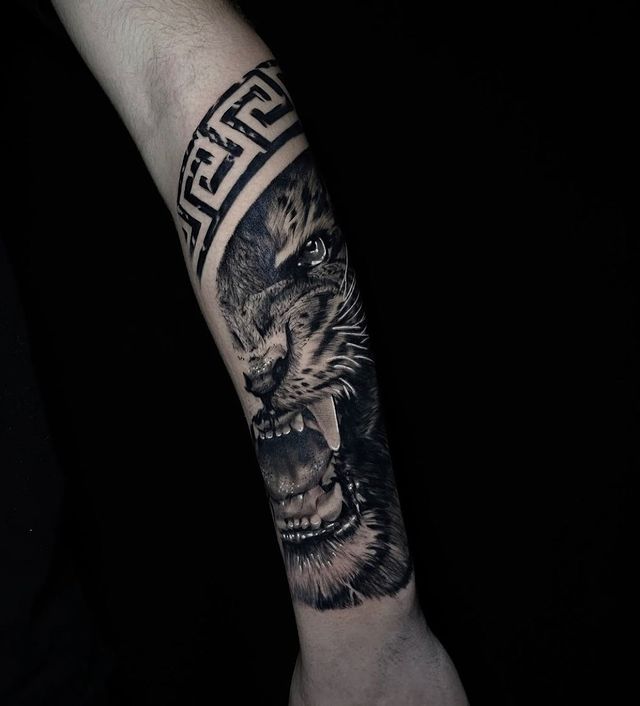
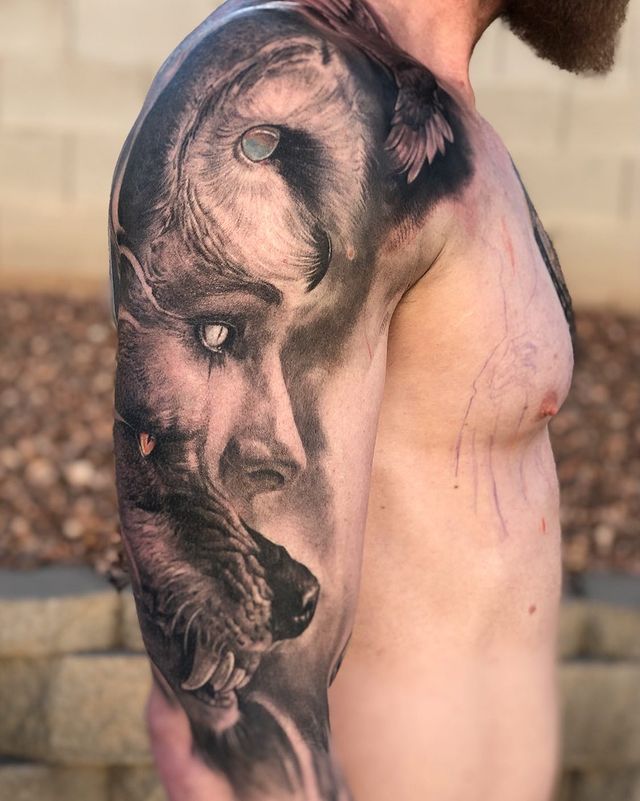
Plenty of tattoo artists work in black & gray. Plenty work in trash polka. Very few do both at a high level. That dual specialization is the first thing that makes Vaatete stand out. Her black & gray pieces show the smooth gradients and tight detail the style demands. Her trash polka work hits the necessary chaos without falling apart visually. The crossover between these styles is real. Both rely on contrast as the primary compositional tool. Both require an artist who can render realistic imagery cleanly. Vaatete's 230,000-plus Instagram followers are not there by accident. That audience grew because people recognize technical skill when they see it. Her feed shows range without diluting quality. Whether it is a photorealistic portrait in black & gray or a red-and-black trash polka composition, the work reads clearly from across a room. That kind of readability separates competent tattooing from work that actually turns heads.
In black & gray work, Vaatete handles the motifs that define the tradition: portraits, religious iconography, script, roses, skulls, and animals rendered with photographic reference. These subjects demand precise shading and a steady hand. The gray wash has to flow without banding. The darks have to hit solid black where needed. In trash polka, the subject matter shifts. Photorealistic elements, often faces or figures, get layered with abstract brushstrokes, torn paper effects, typographic fragments, and geometric shapes. The tension between the realistic and the chaotic is the whole point. A trash polka piece might feature a realistic eye surrounded by aggressive red slashes and scattered letterforms. The contrast between the rendered and the raw creates the visual energy. Clients drawn to Vaatete's work tend to want one of two things: a clean, classic black & gray piece with lasting visual impact, or something louder and more expressive in trash polka. Both styles age well when executed properly, which is part of their appeal.
Black & gray and trash polka both benefit from larger canvas areas. The forearm, upper arm, thigh, back, and chest give these styles room to breathe. Vaatete's work relies on contrast and detail. Cramping that into a tiny space works against the design. Black & gray portraits need enough scale for the shading transitions to read clearly. A face compressed into three inches loses the gradient quality that makes the style work. Trash polka needs even more space. The layered chaos of brushstrokes, realistic elements, and text fragments requires room to spread out. A small trash polka piece often ends up looking muddy because there is not enough area to separate the components. That said, smaller black & gray pieces can work well on the inner forearm, calf, or ribs if the design is simplified. If you are considering Vaatete for a piece, think about placement early. Discuss sizing with her directly. A skilled artist will tell you honestly if your idea fits the space you have in mind.
Reaching out to an artist with over 230,000 followers requires some strategy. First, know what you want before you message. Vague inquiries get lost in crowded inboxes. Have reference images ready. Know which style you are after, black & gray or trash polka, because the consultation and design process differs for each. Be clear about placement and approximate size. Vaatete can be reached through her Instagram direct messages or her Linktree, which consolidates her booking and contact links. Response times may vary depending on her current booking volume. When you do connect, be respectful of her time. Professional artists appreciate clients who come prepared. Pricing, session length, and deposit requirements should be discussed directly with the artist. Do not expect a quote without sharing your concept first. If you are traveling to Lake Forest from outside Orange County, plan for the possibility of multiple sessions, especially for larger pieces. Both black & gray and trash polka often require more than one sitting to complete properly.
Last updated August 24, 2026
Alexis Vaatete specializes in two distinct styles: black & gray and trash polka. Black & gray uses only black ink diluted to create smooth gradients and shading. Trash polka combines bold black and red elements with photographic imagery, text, and chaotic hand-drawn marks. Both styles demand strong contrast and compositional control, which connects Vaatete's approach across both.
Alexis Vaatete is based in Lake Forest, California, in Orange County. Lake Forest sits between Irvine and Mission Viejo, making it accessible to clients throughout the greater Los Angeles metro area. Contact the artist directly to confirm her current studio location and whether she travels for conventions or guest spots.
You can reach Alexis Vaatete through her Instagram (@alexisvaateteart) or her Linktree page, which lists her current booking methods. With over 230,000 followers, her books may fill quickly. Send a clear description of your idea, preferred style, and placement. Be ready to provide reference images that match the style you want.
Pricing for Alexis Vaatete's work is not publicly listed. Tattoo costs vary based on size, placement, detail level, and session length. Contact the artist directly through Instagram or her Linktree to discuss pricing and minimums for your specific project.
There is no public information confirming whether Alexis Vaatete accepts walk-in clients. Given her follower count and demand, she likely works by appointment only. Reach out through her Instagram or Linktree to ask about availability and booking procedures.