1/4 • Click to zoom
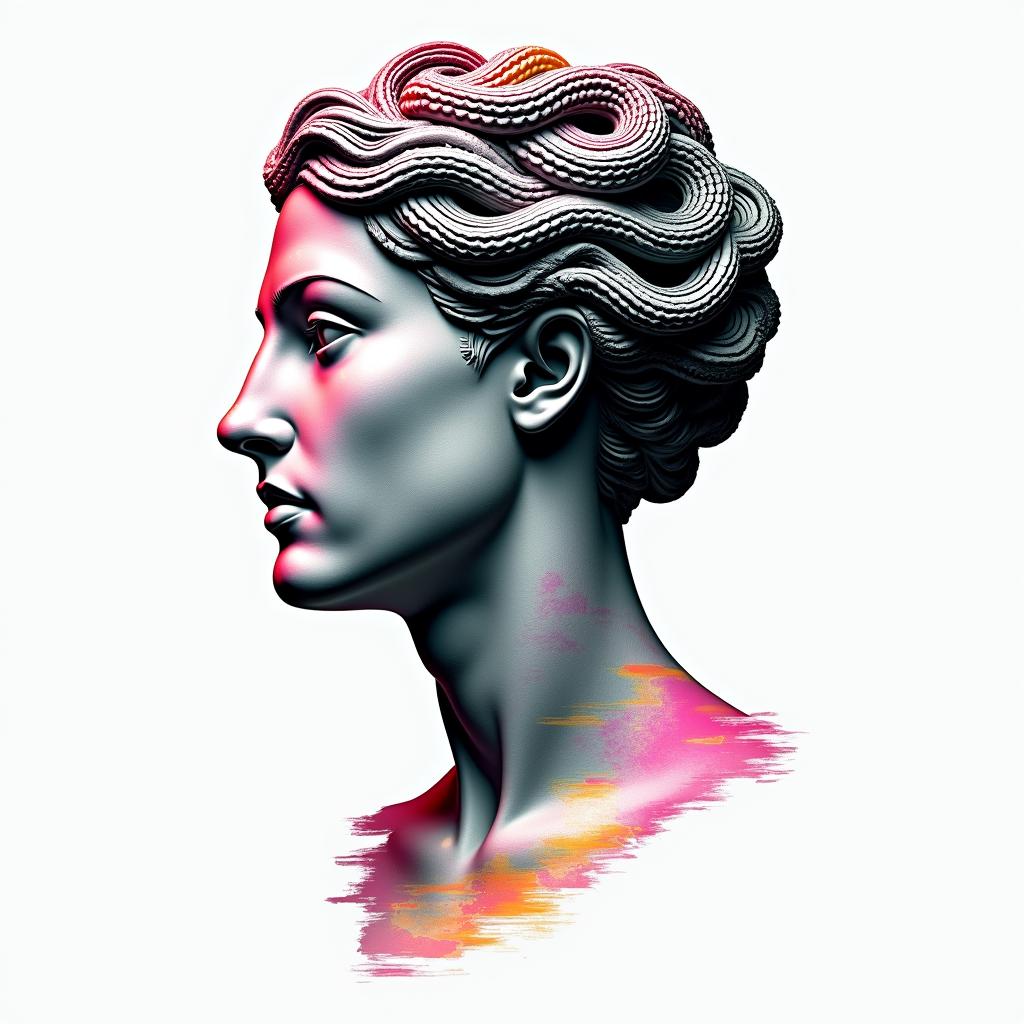
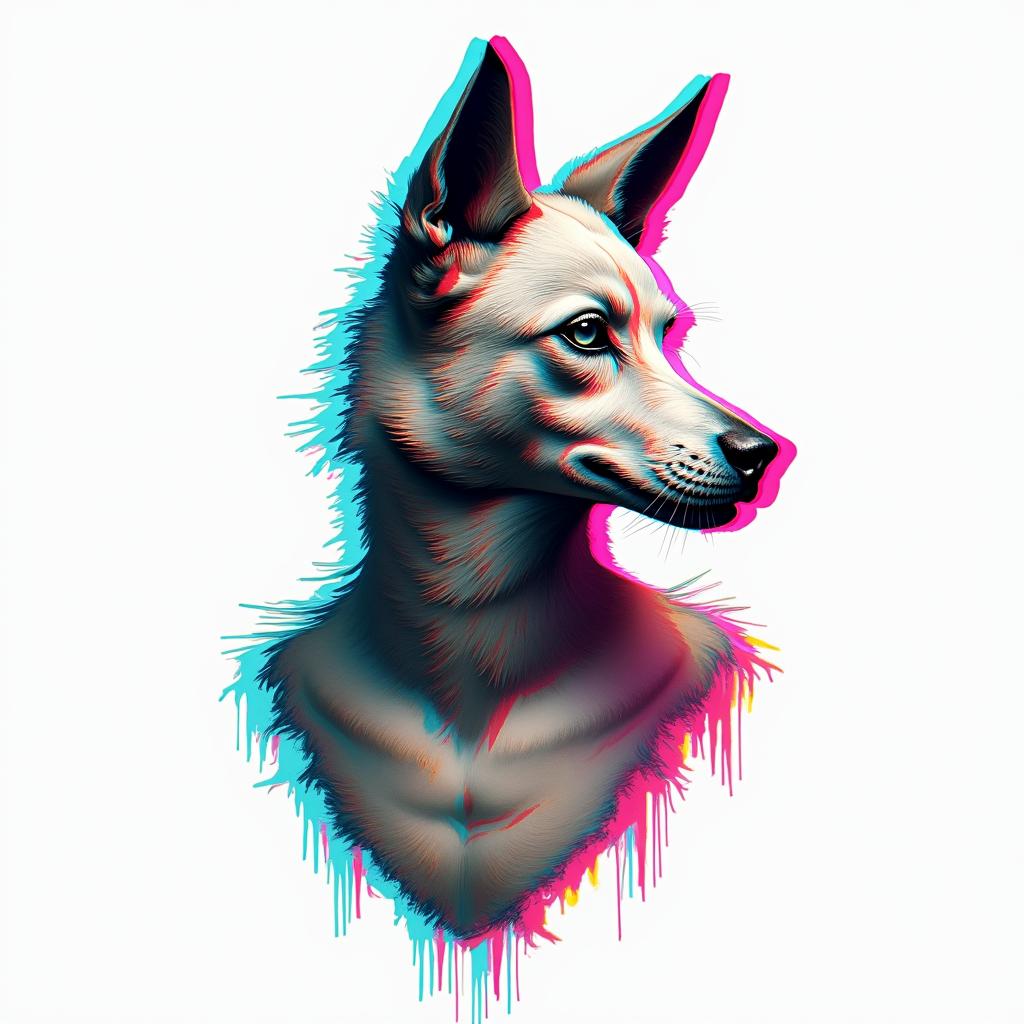
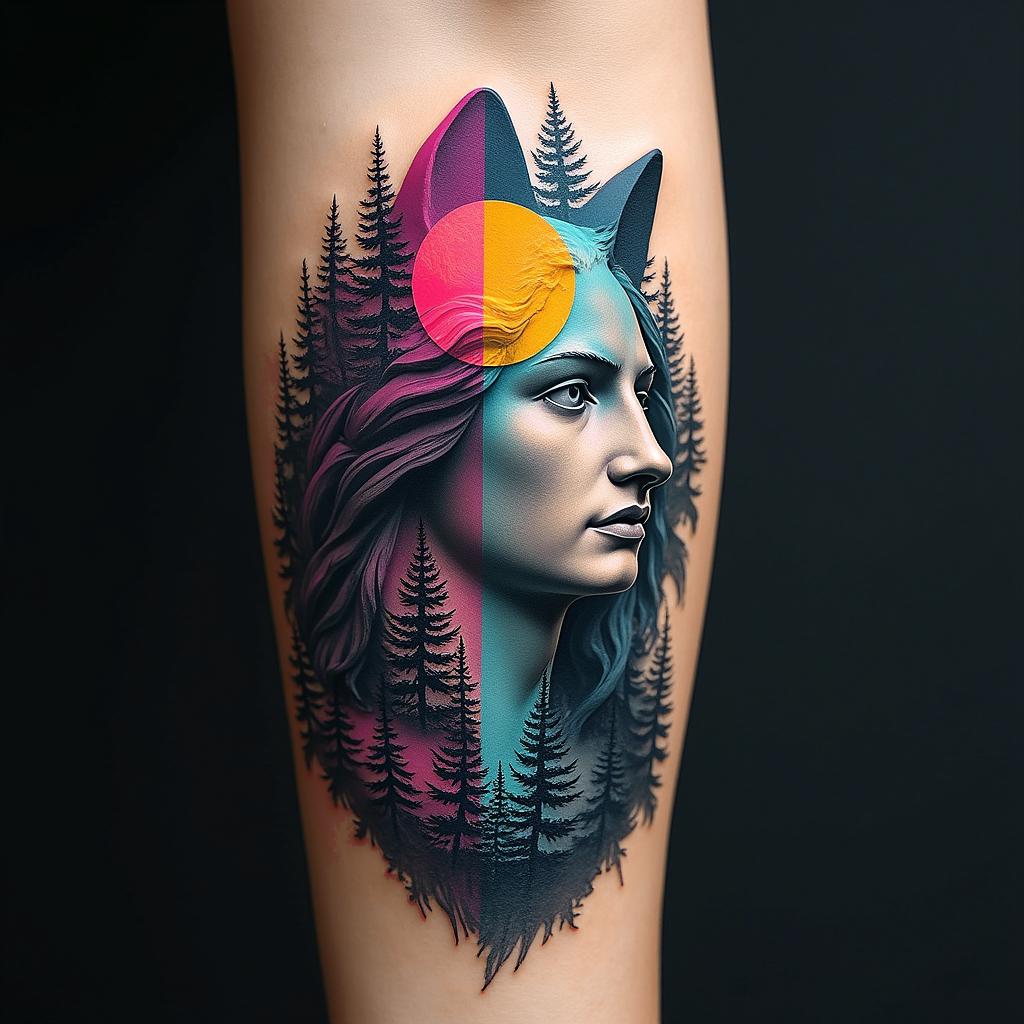
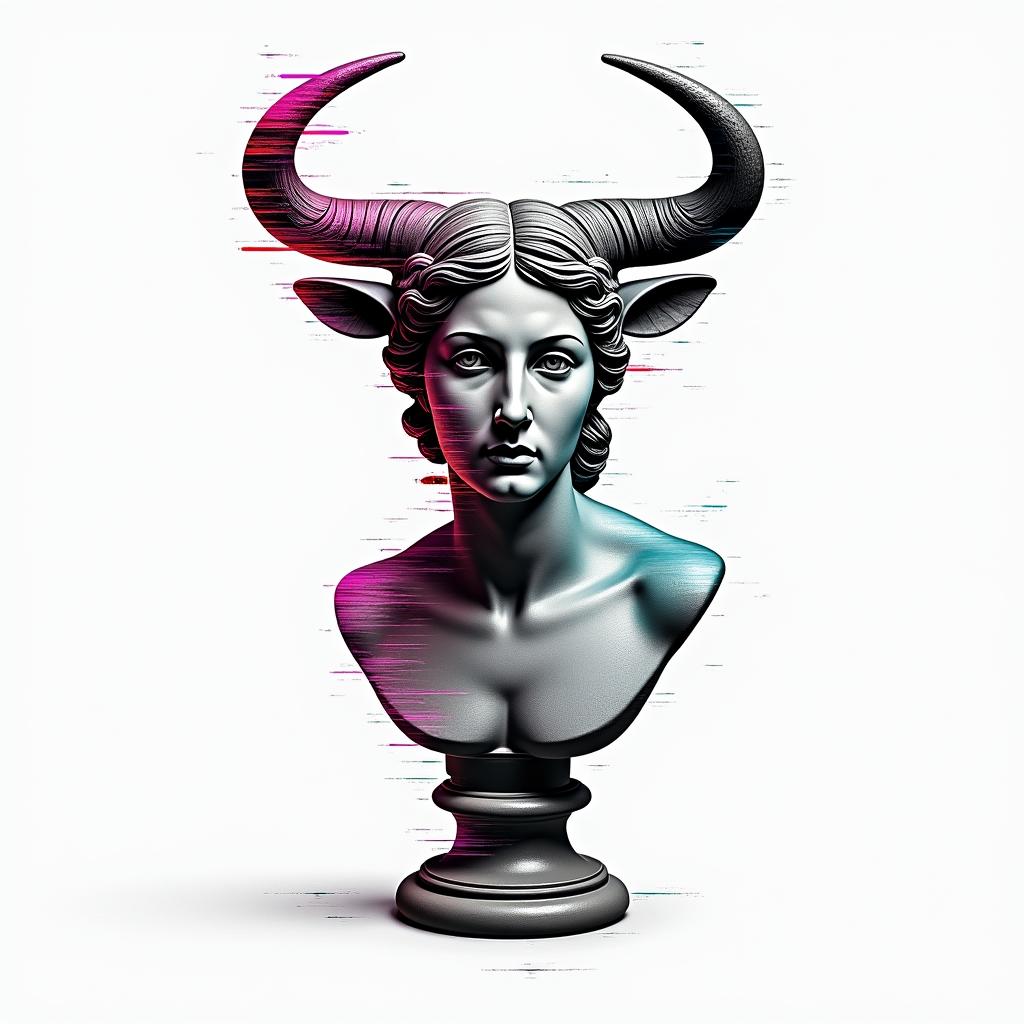
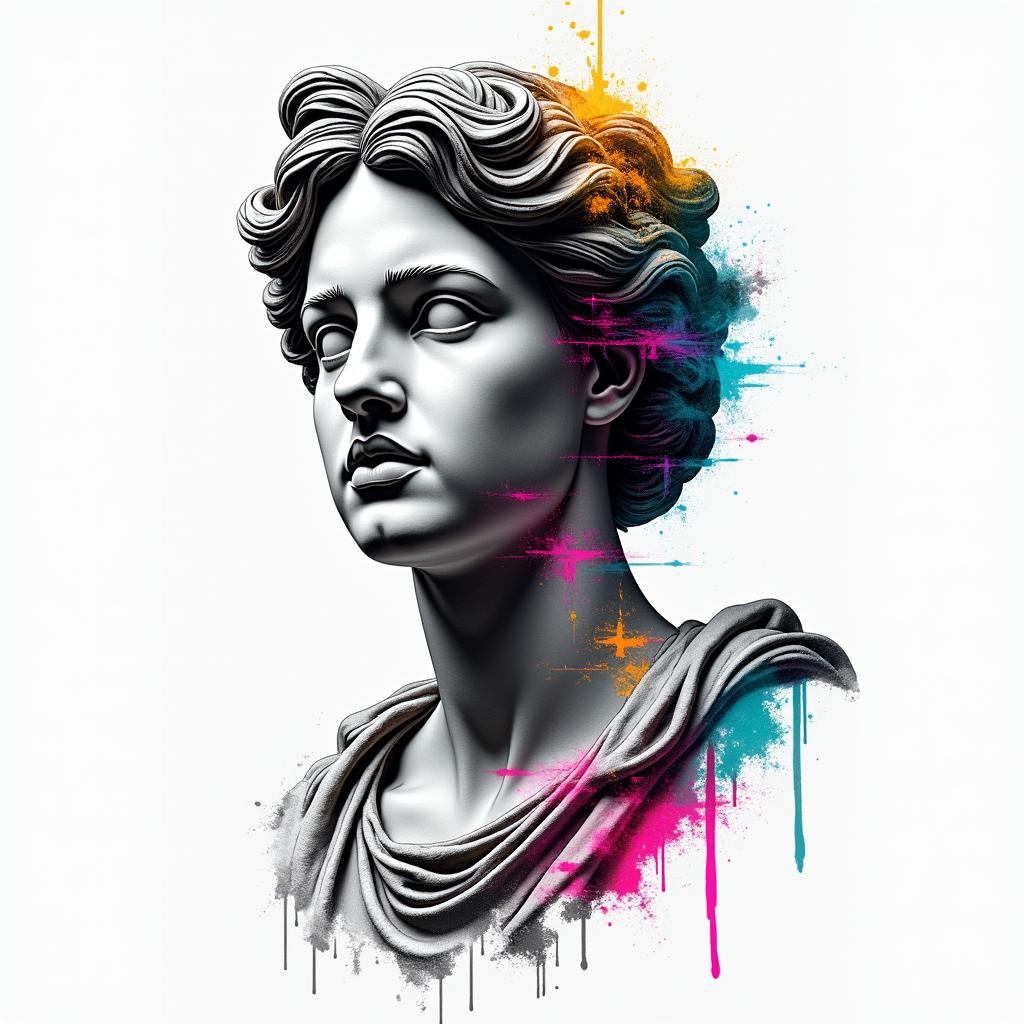
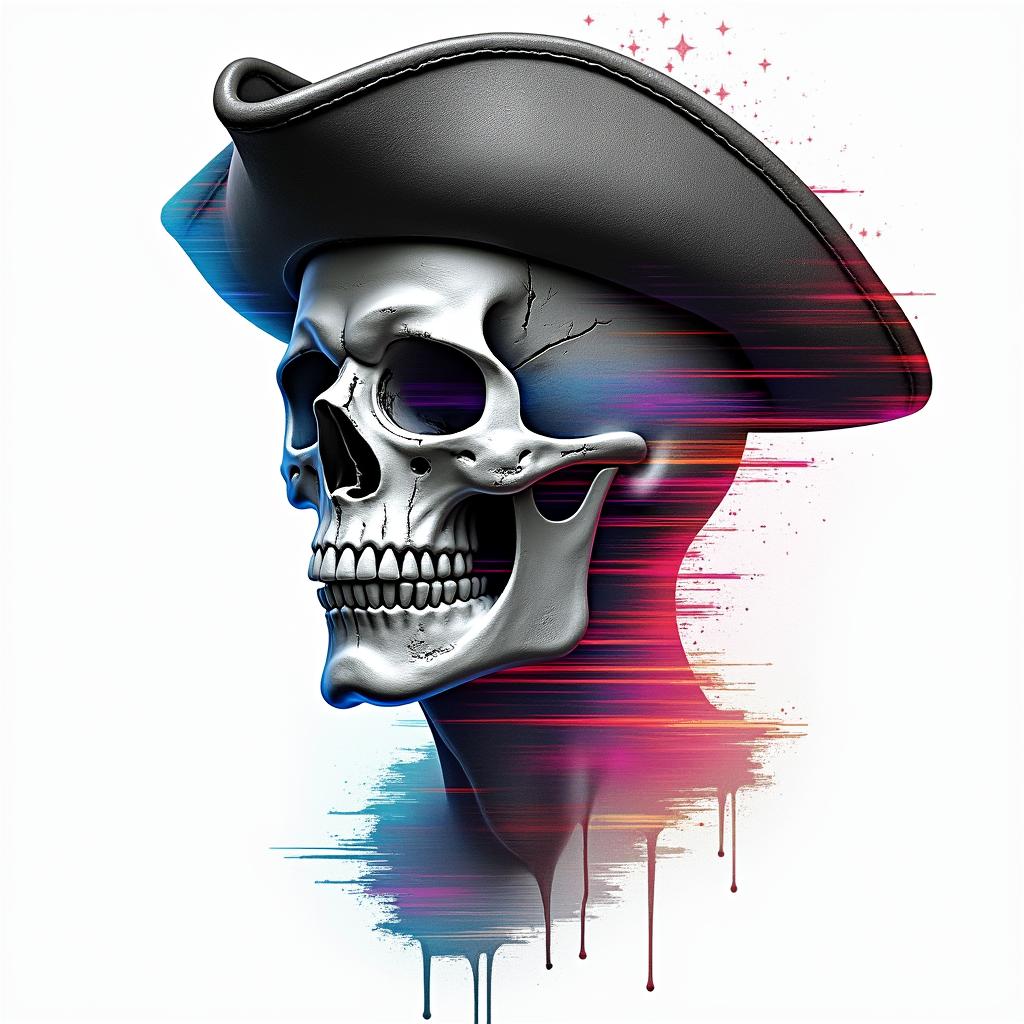
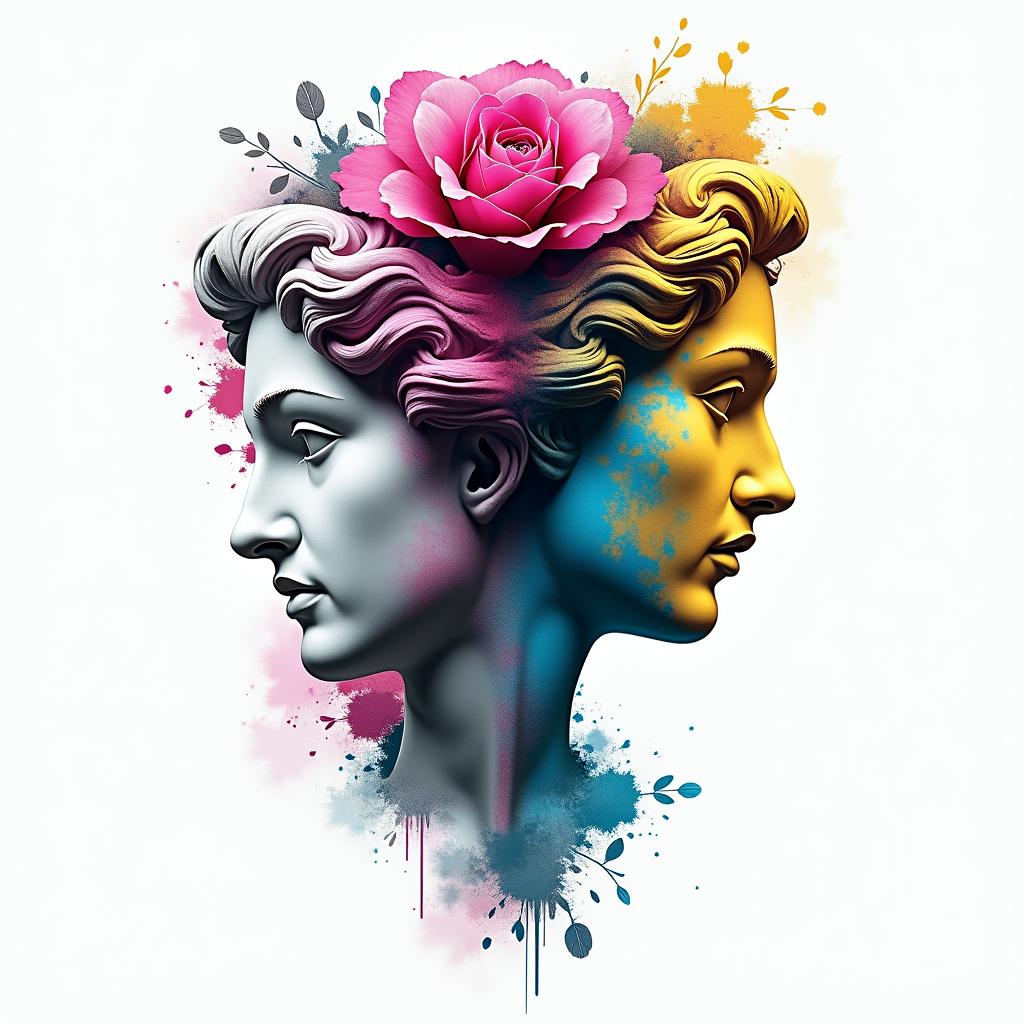
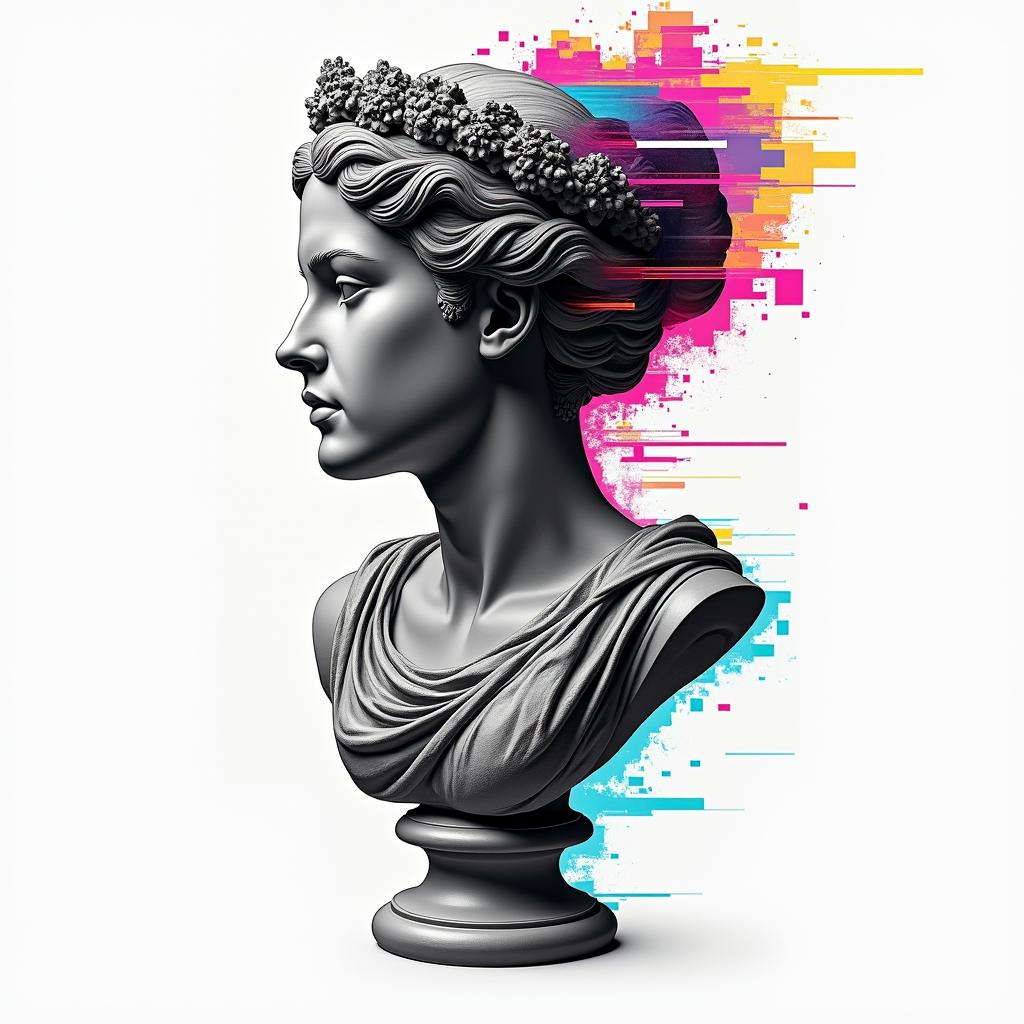
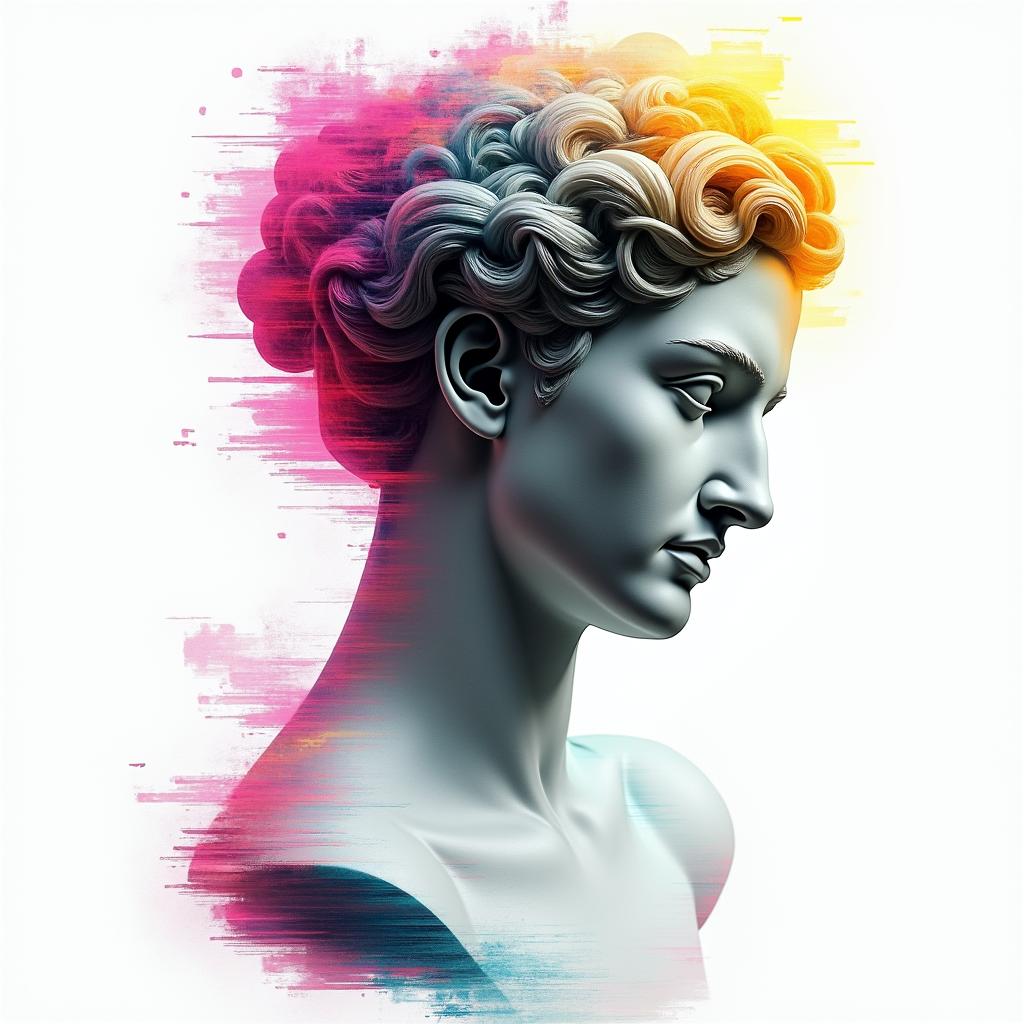
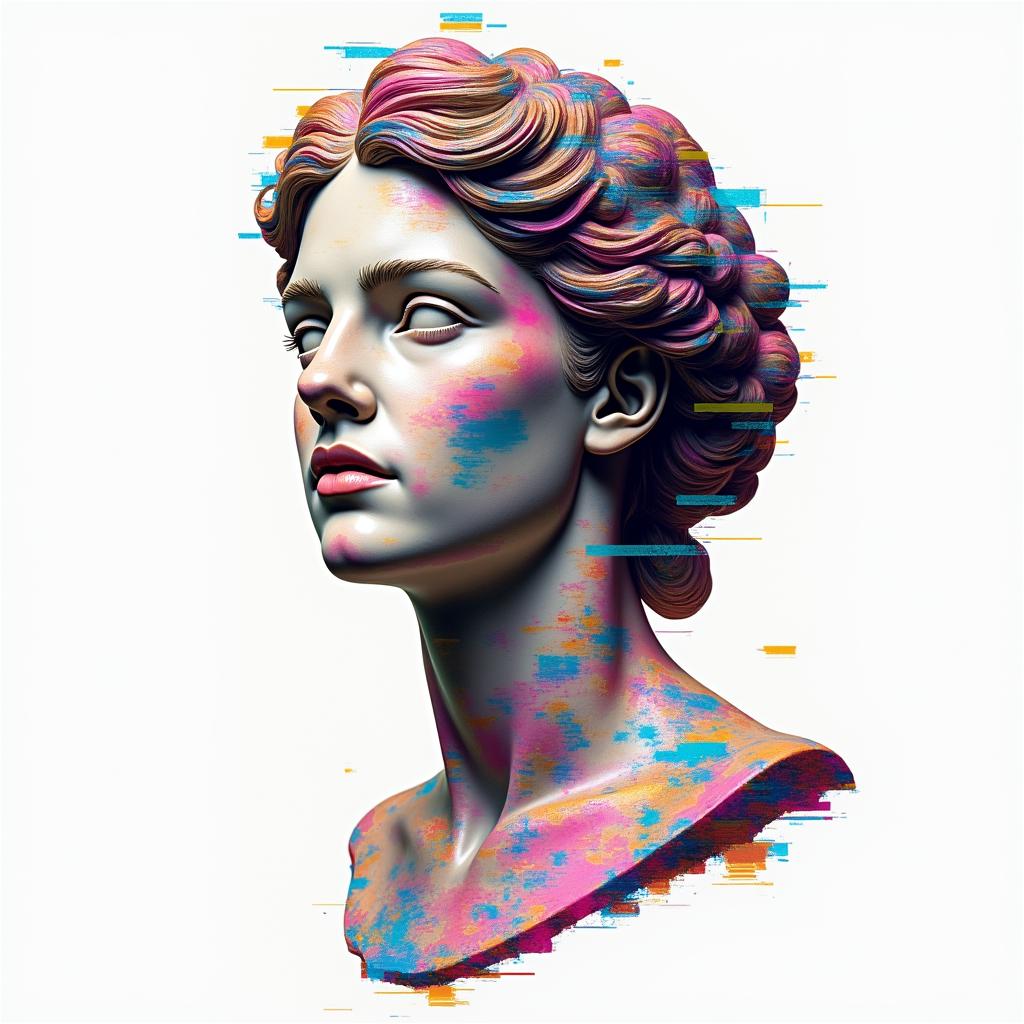
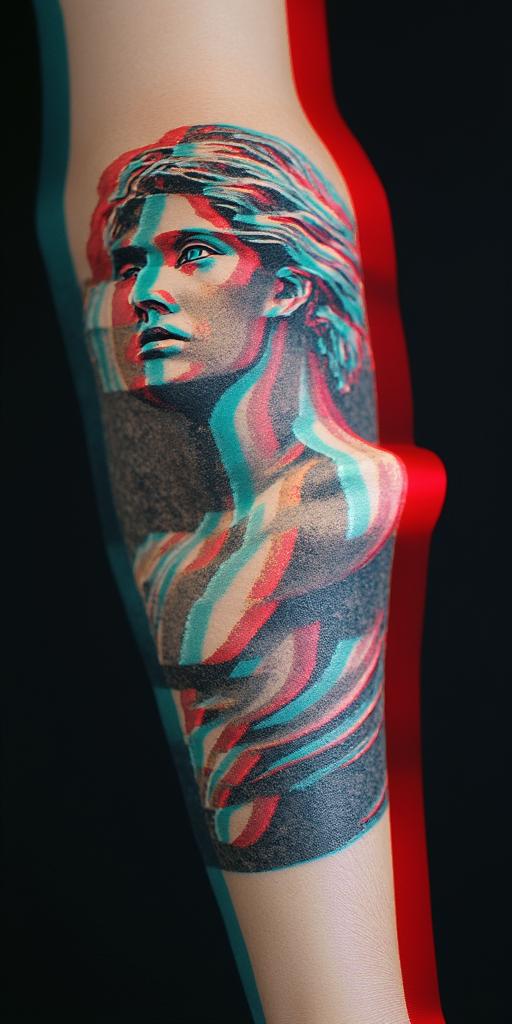
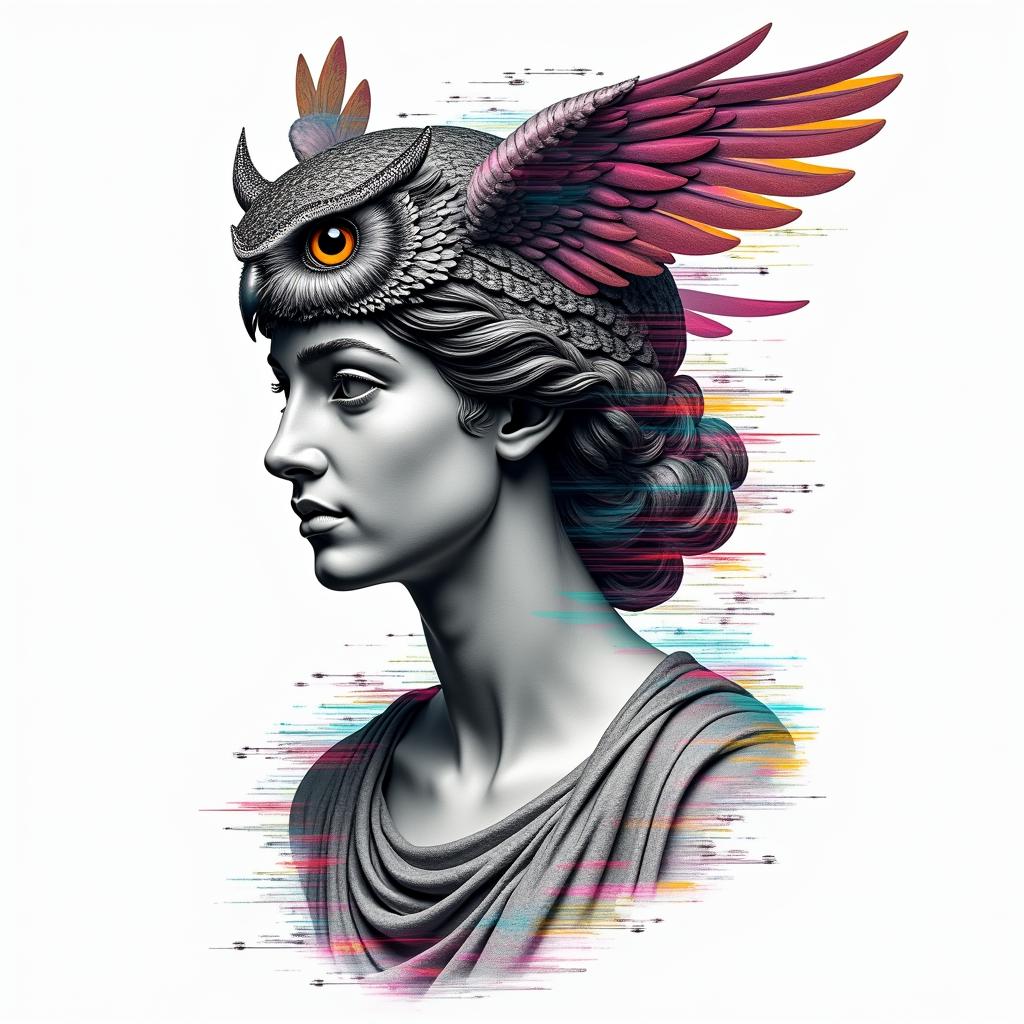
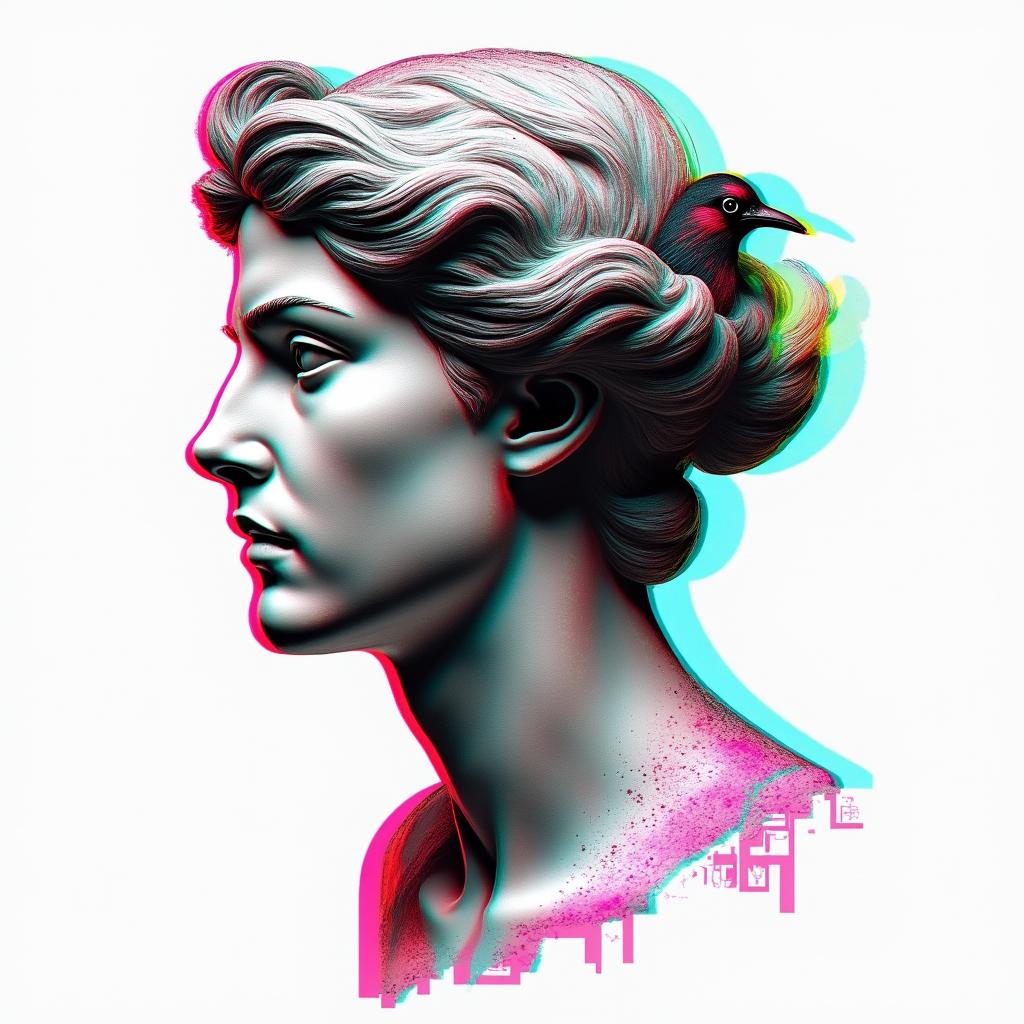
Merge classical antiquity with digital chaos in this striking glitch art piece. A fragmented statue bust dissolves into vibrant cyan, magenta, and yellow shifts, mimicking screen distortion. This design bridges ancient aesthetics with modern technology, creating a surreal visual rhythm. Ideal for those seeking a contemporary twist on traditional portraiture. The overlapping color channels require precise needle work to maintain clarity without muddying. Best suited for flat canvas areas where the digital fragmentation can flow uninterrupted. A bold statement for tech enthusiasts and art lovers alike. The fragmentation technique allows the image to breathe across muscle groups, creating movement even when stationary. Color saturation is key here, demanding skilled packing to ensure the CMY palette pops against skin tones. This tattoo challenges the boundary between physical ink and digital perception. It serves as a permanent reminder of how history intersects with our digital present. Whether displayed on the forearm or calf, the distortion effect remains impactful. Clients should expect multiple sessions for color layering. The design avoids heavy black outlines, relying on color contrast for definition. This approach keeps the aesthetic light despite the complex visual data. Perfect for individuals wanting to express a dual nature of classic stability and modern flux.
Noticeable discomfort, prepare for some sensitivity
Expect moderate discomfort due to color packing. Outer forearm ranks low, but layering cyan and magenta increases sensitivity. Skin may inflame during heavy saturation. Use breathing techniques to manage needle time. Topical numbing creams are permissible if approved. Take scheduled breaks hourly to reset tolerance. Hydrate well before appointments to improve resilience. Glitch effects require slow, precise passes feeling like a hot scratch. Avoid alcohol to minimize bleeding.
For optimal visual fidelity, place this design on flat surfaces with minimal curvature. The outer forearm offers ample space for the bust's proportions while remaining visible. Calves provide a vertical canvas that complements the statue's orientation. Thighs allow for larger scaling, preserving intricate glitch details. Avoid highly mobile joints like elbows where distortion may warp unintentionally. Consider professional visibility; forearm placement is bold, while thigh options remain concealable. Minimum width should exceed six inches to prevent color bleeding over time. Larger dimensions ensure the CMY separation remains distinct rather than blending.
glitch is a distinctive tattoo style characterized by Glitch: Modern digital-inspired tattoos featuring distorted imagery, pixelation, and visual artifacts that mimic computer glitches. This contemporary style creates a unique intersection of technology and body art. Portrait: Realistic tattoos depicting human faces, from loved ones to celebrities and historical figures. These detailed designs showcase technical skill through precise likeness, shading, and emotional expression. Surrealism: Surrealist tattoos feature dreamlike, impossible imagery inspired by artists like Salvador Dalí, René Magritte, and the surrealist movement. These imaginative designs combine realistic elements in impossible ways, creating thought-provoking visual narratives.. This style has gained popularity for its versatility and visual appeal.
The duration depends on the size, complexity, and detail level. A design of this style typically requires 2-4 hours for a medium-sized piece, but consult with your artist for an accurate estimate.
Tattoo pricing varies by artist, location, and design complexity. Prices typically range from $150-$500+ for a design of this style. Always consult with your chosen artist for an accurate quote.