
1/8 • Click to zoom
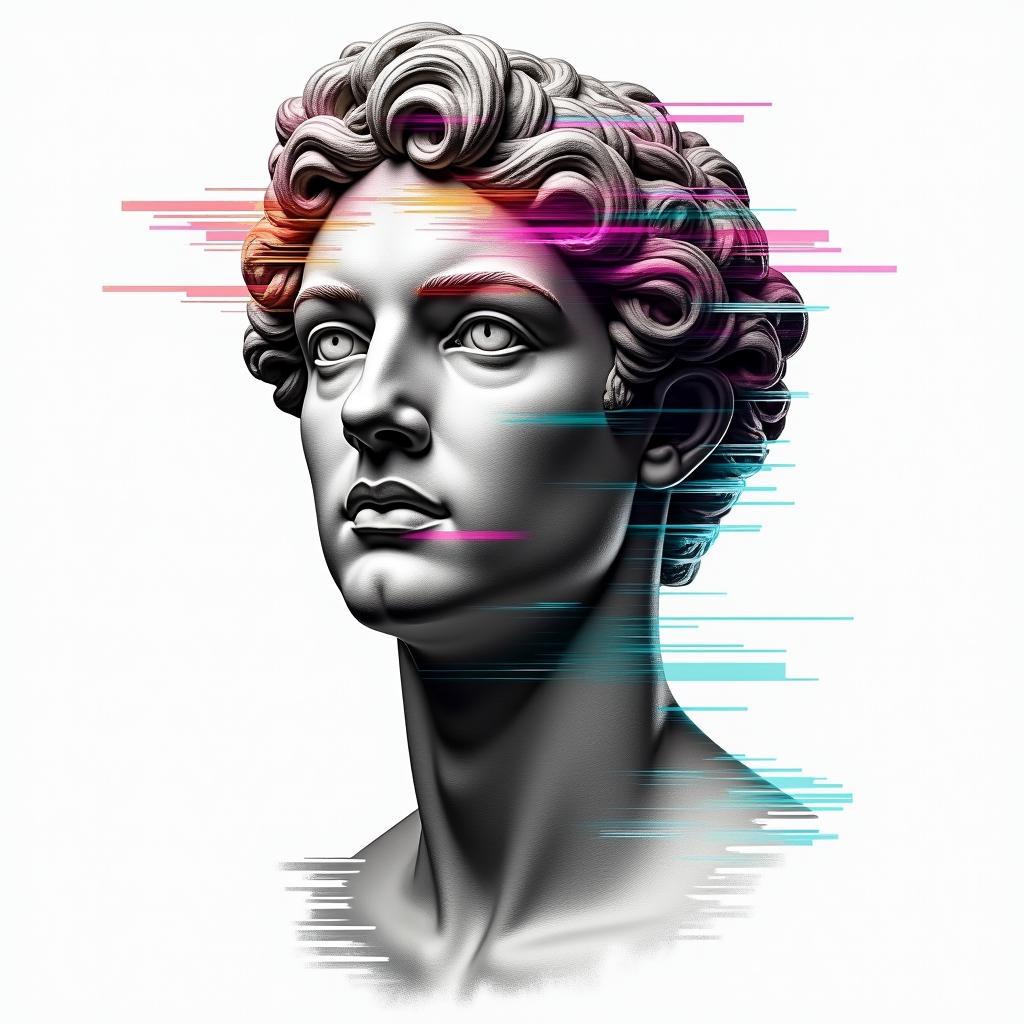
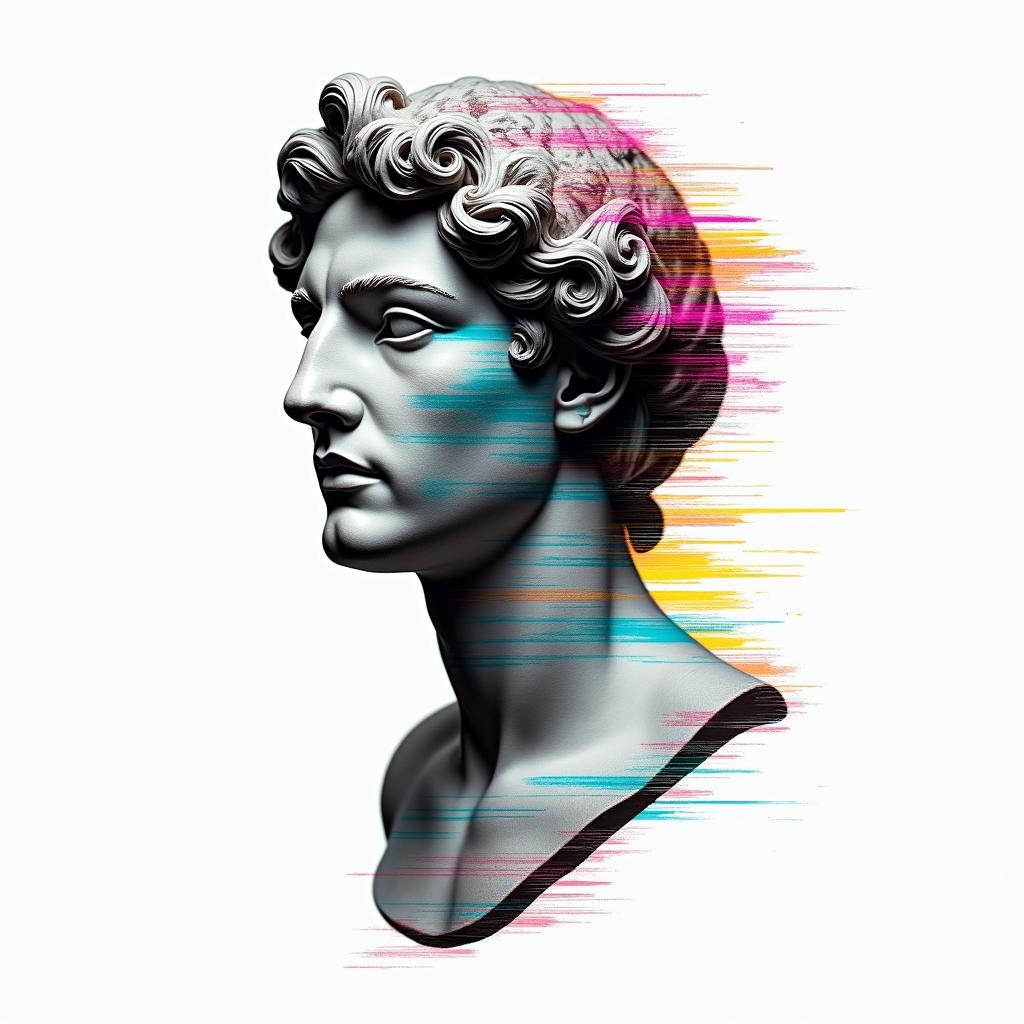
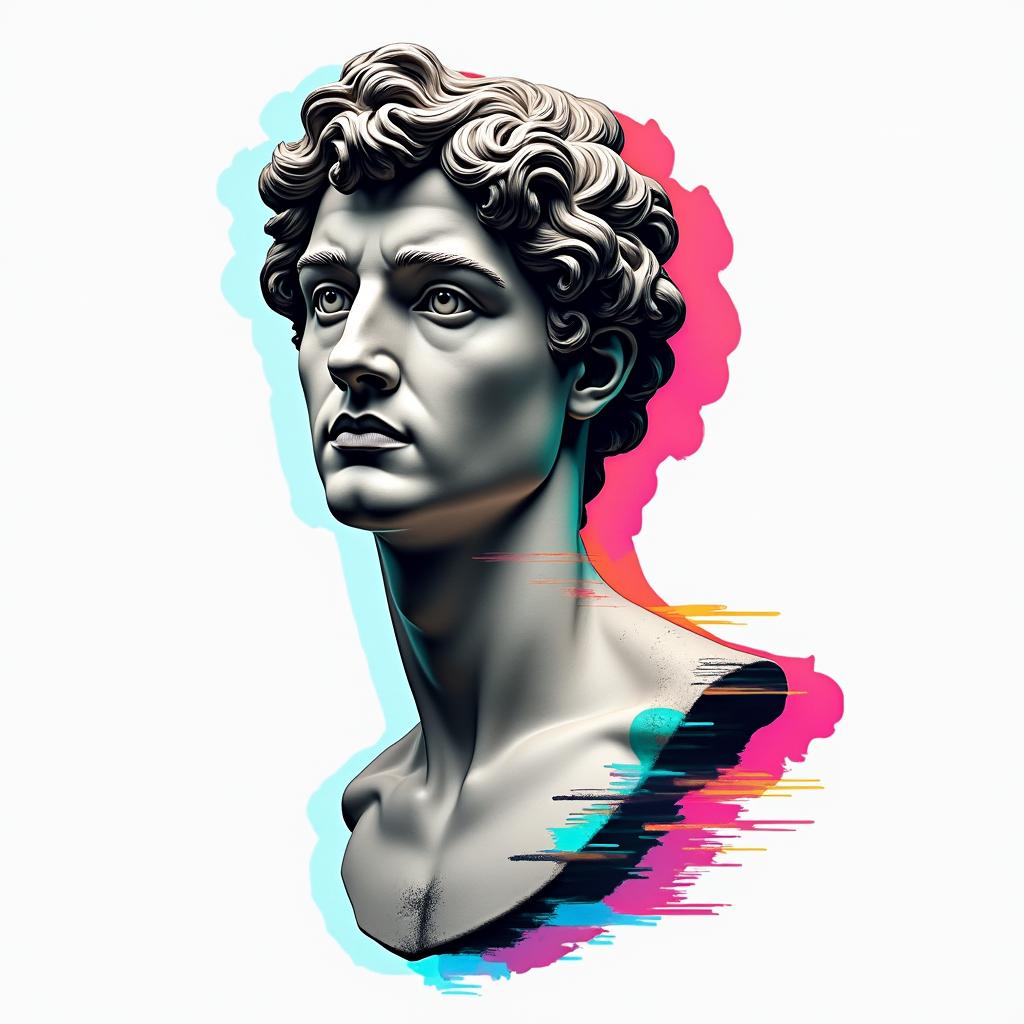
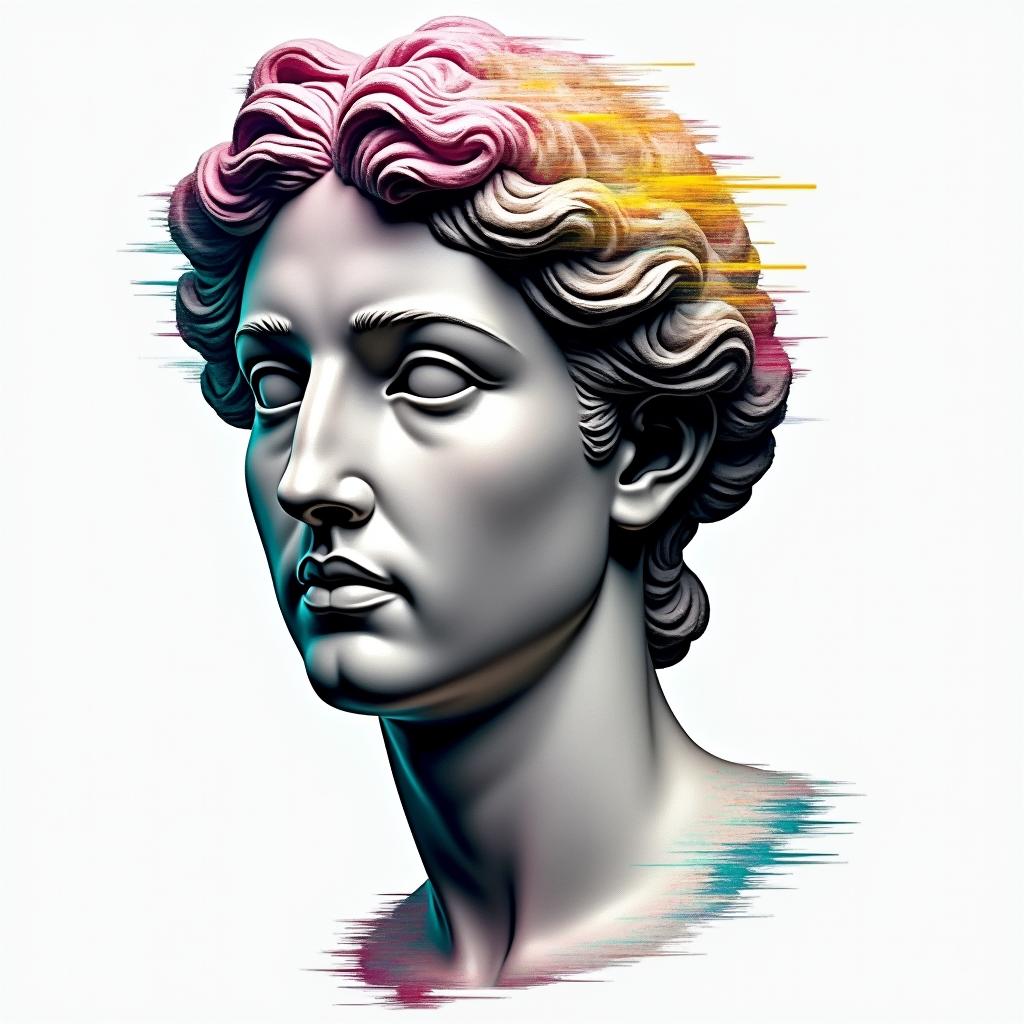
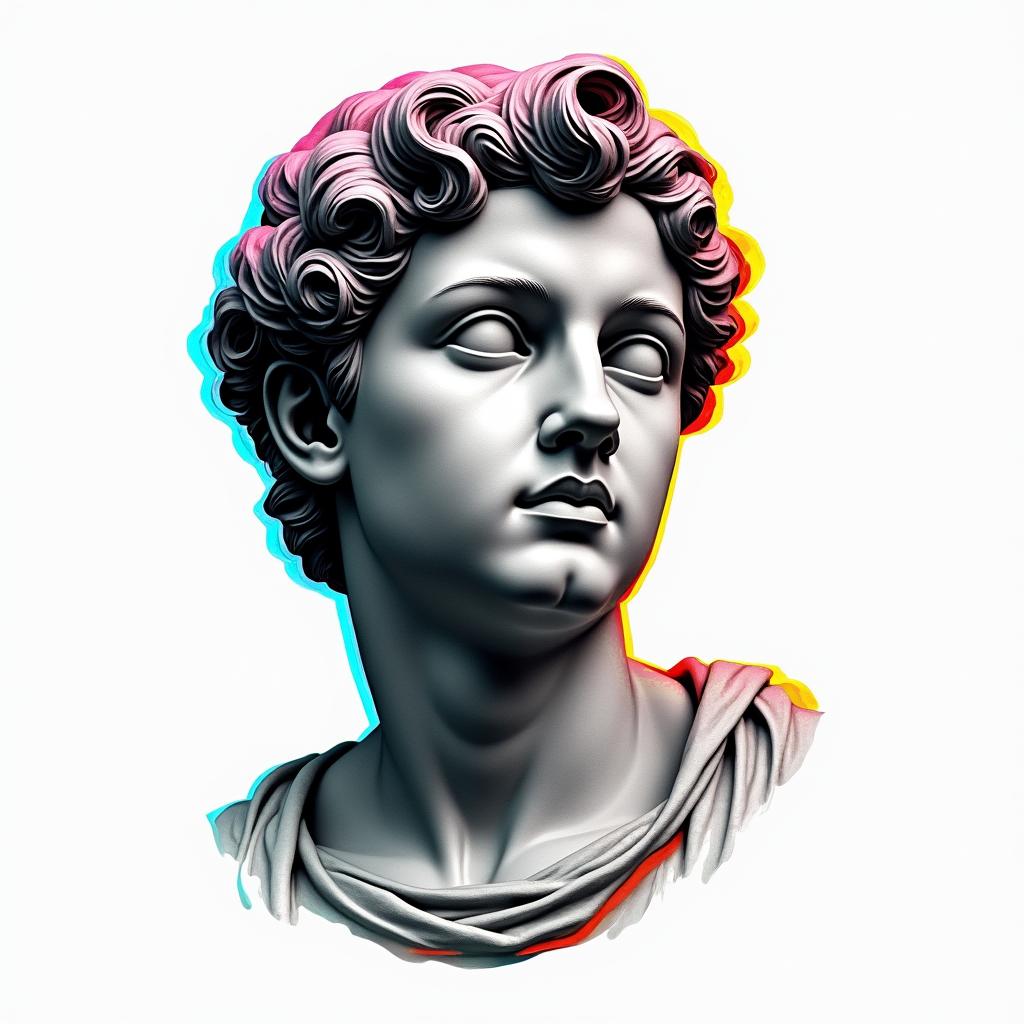
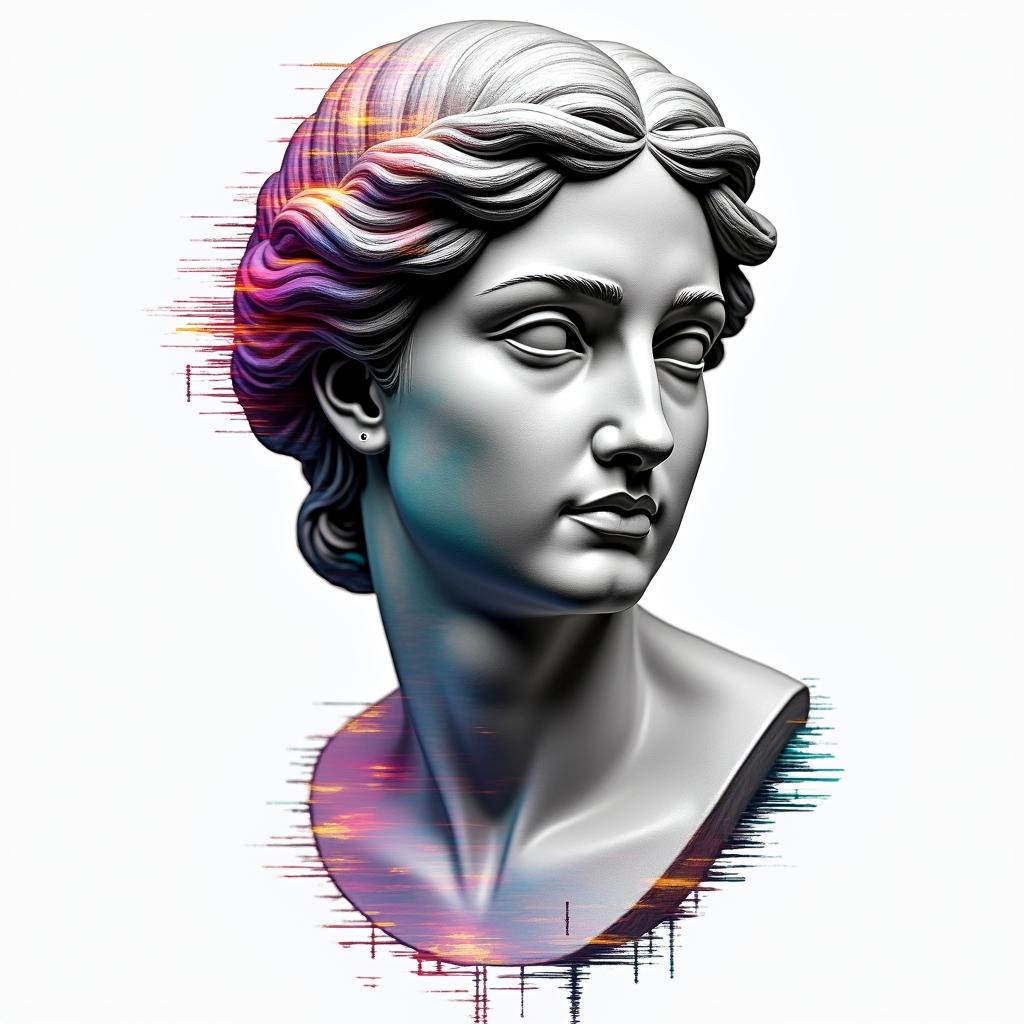
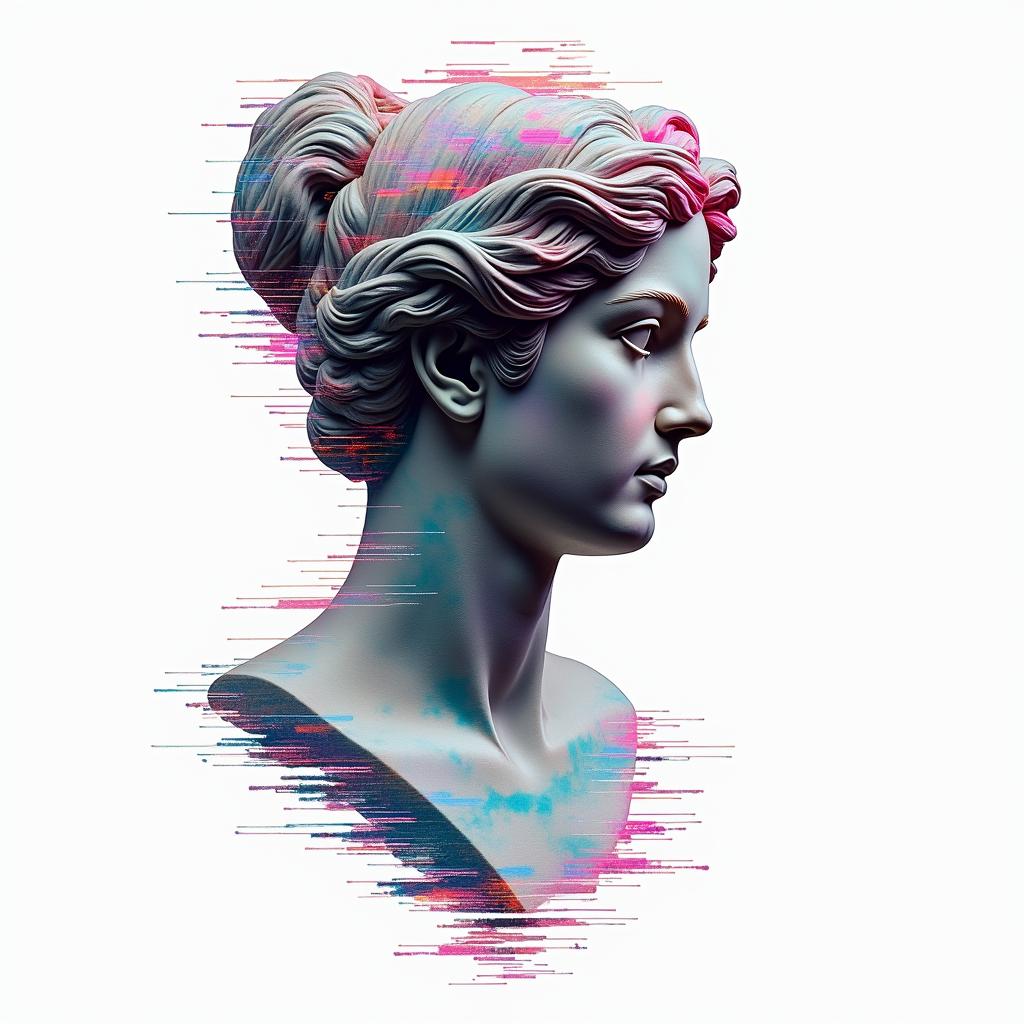
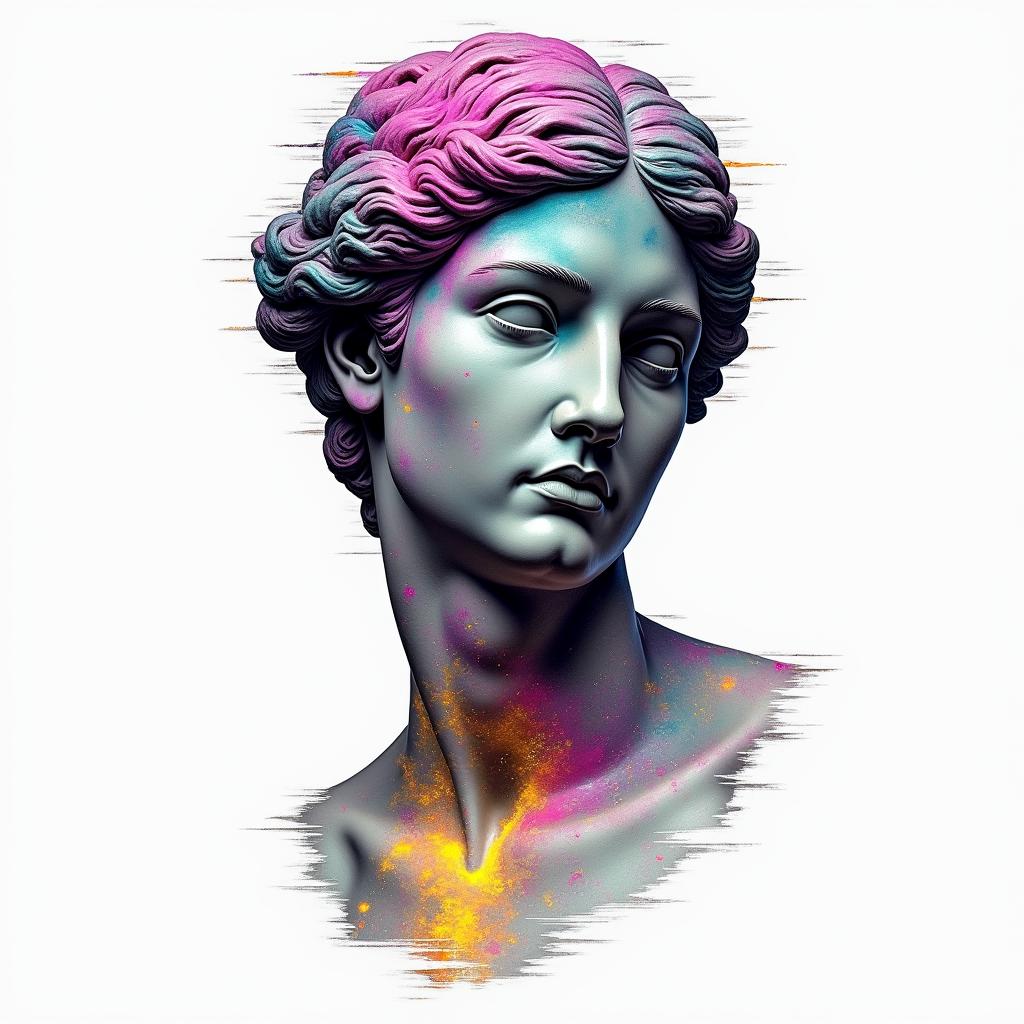
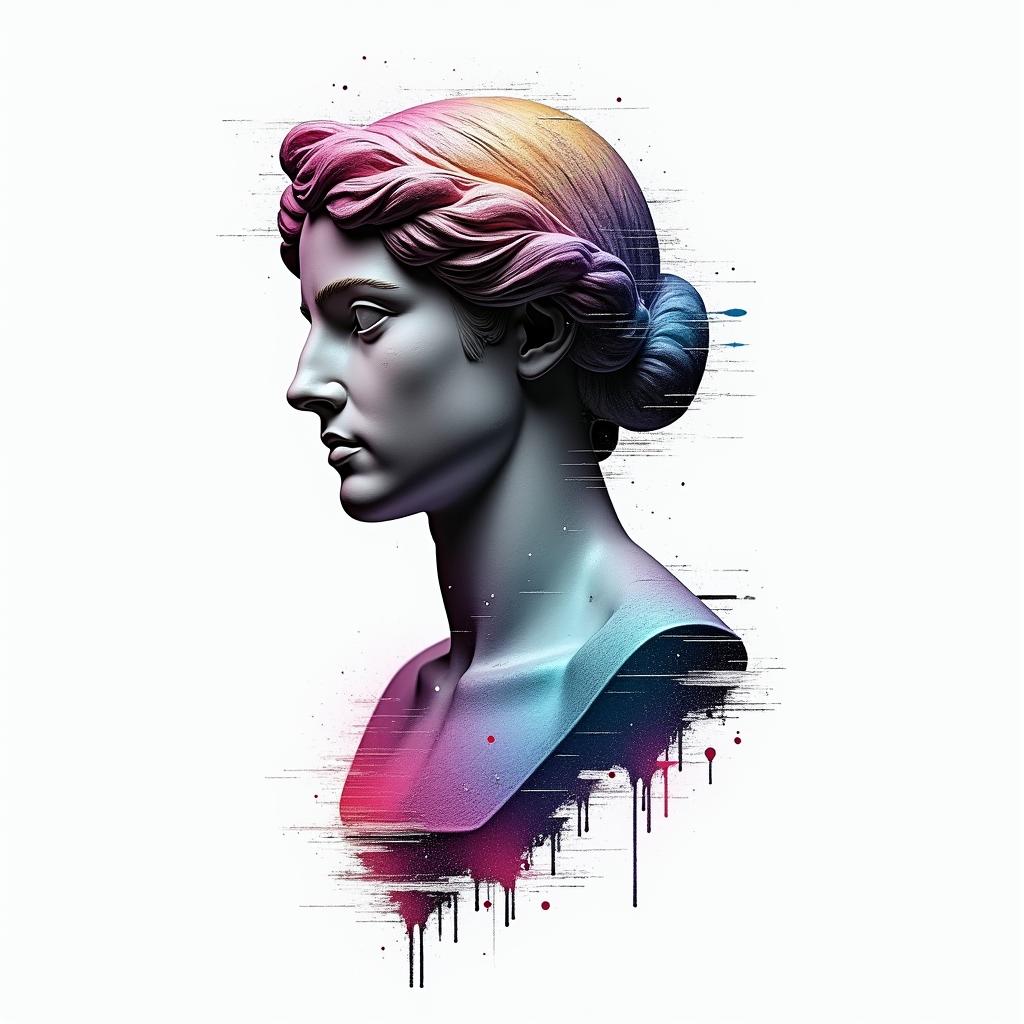
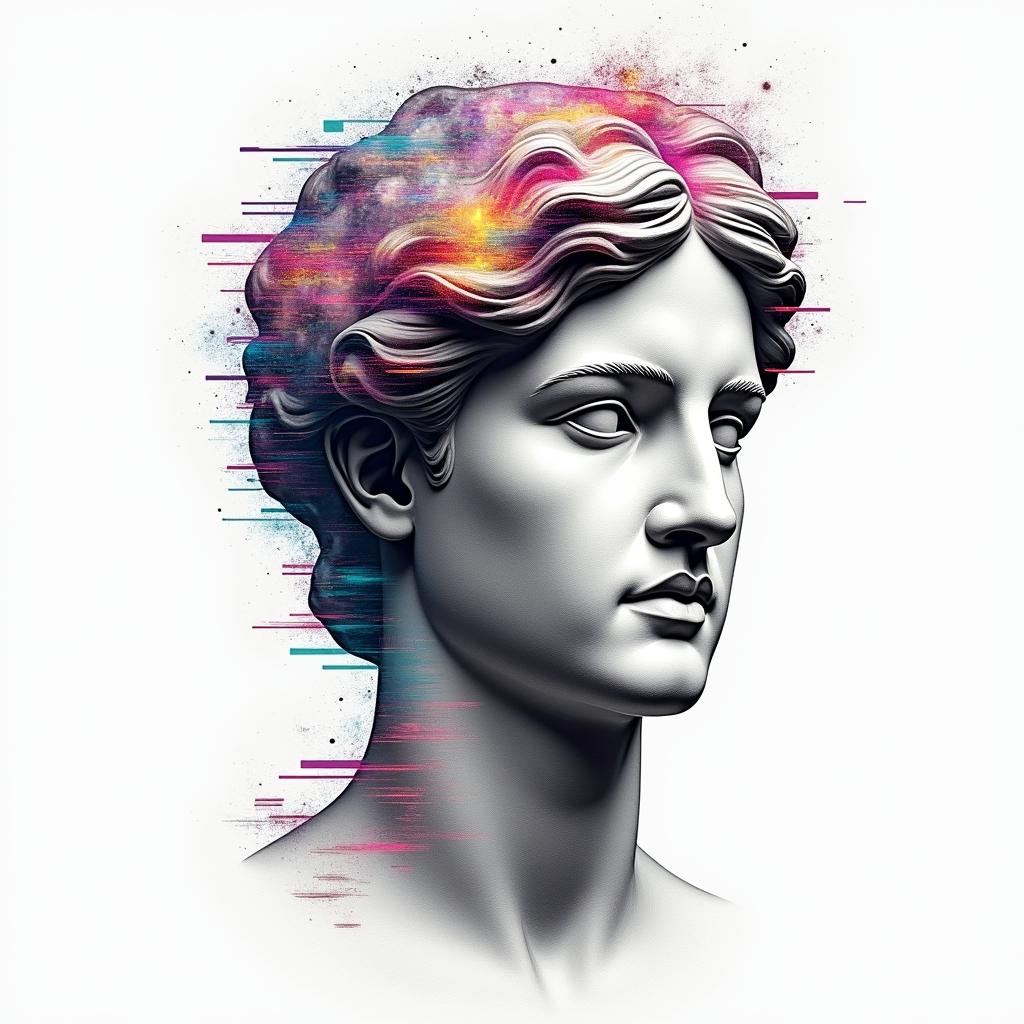
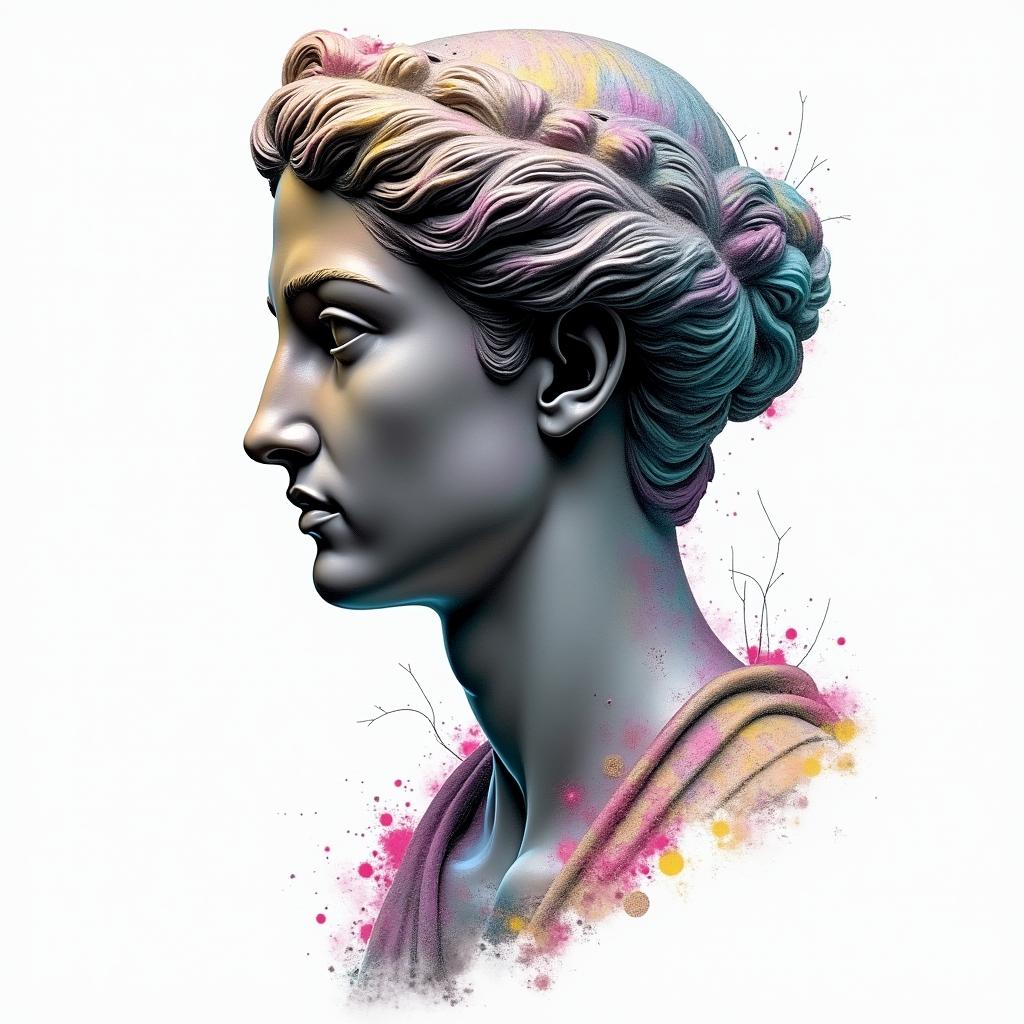
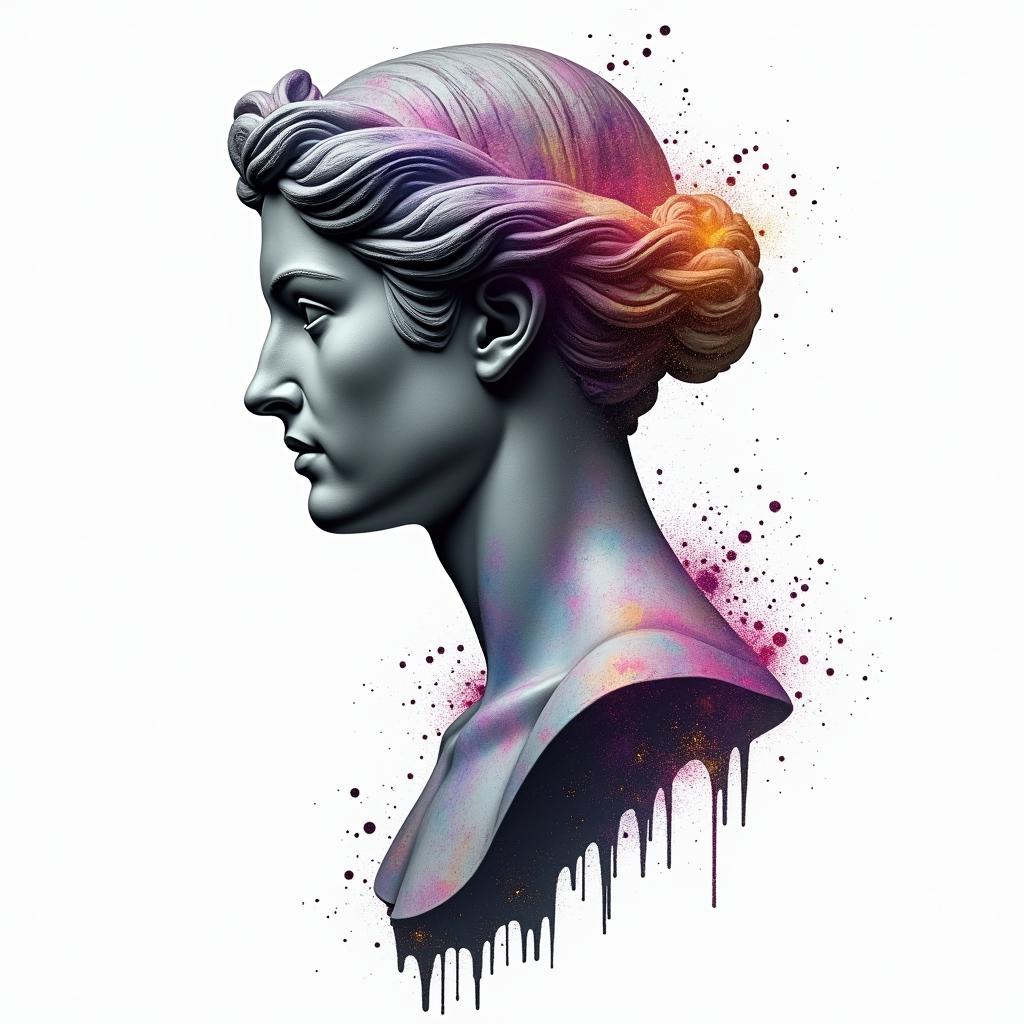
Digital decay meets classical beauty in this striking glitch art composition. A marble statue bust fractures through vibrant cyan, magenta, and yellow overlays, simulating a digital signal failure. This design merges historical artistry with modern technological aesthetics, creating a visual tension between permanence and corruption. Ideal for those seeking a contemporary statement piece, the color separation technique requires precise needlework to maintain the distortion effect without muddying the hues. Best suited for flat canvas areas like the outer forearm or calf where the geometric fragments can flow naturally with muscle structure. This style stands out in any collection, offering a bold splash of color against traditional monochrome expectations. The fragmented aesthetic symbolizes the breakdown of traditional norms, making it perfect for individuals embracing change. Ensure your artist specializes in color packing to achieve the necessary vibrancy for the CMYK effect. Placement on the upper arm or thigh allows for expanded scale, enhancing the resolution of the digital noise patterns. Clients should anticipate multiple sessions if opting for significant size increases due to the healing requirements of dense color saturation. This design appeals to tech enthusiasts and art historians alike, bridging the gap between ancient sculpture and future media.
Noticeable discomfort, prepare for some sensitivity
Expect moderate discomfort from color packing required for vibrant cyan and magenta layers. The outer forearm offers a forgiving pain profile due to muscle cushioning, though intricate linework may cause prolonged sensitivity. Breathing exercises help manage discomfort during dense shading sessions. Topical numbing agents are generally unnecessary but can be discussed for longer sittings. Stay hydrated to maintain skin elasticity during detailed work.
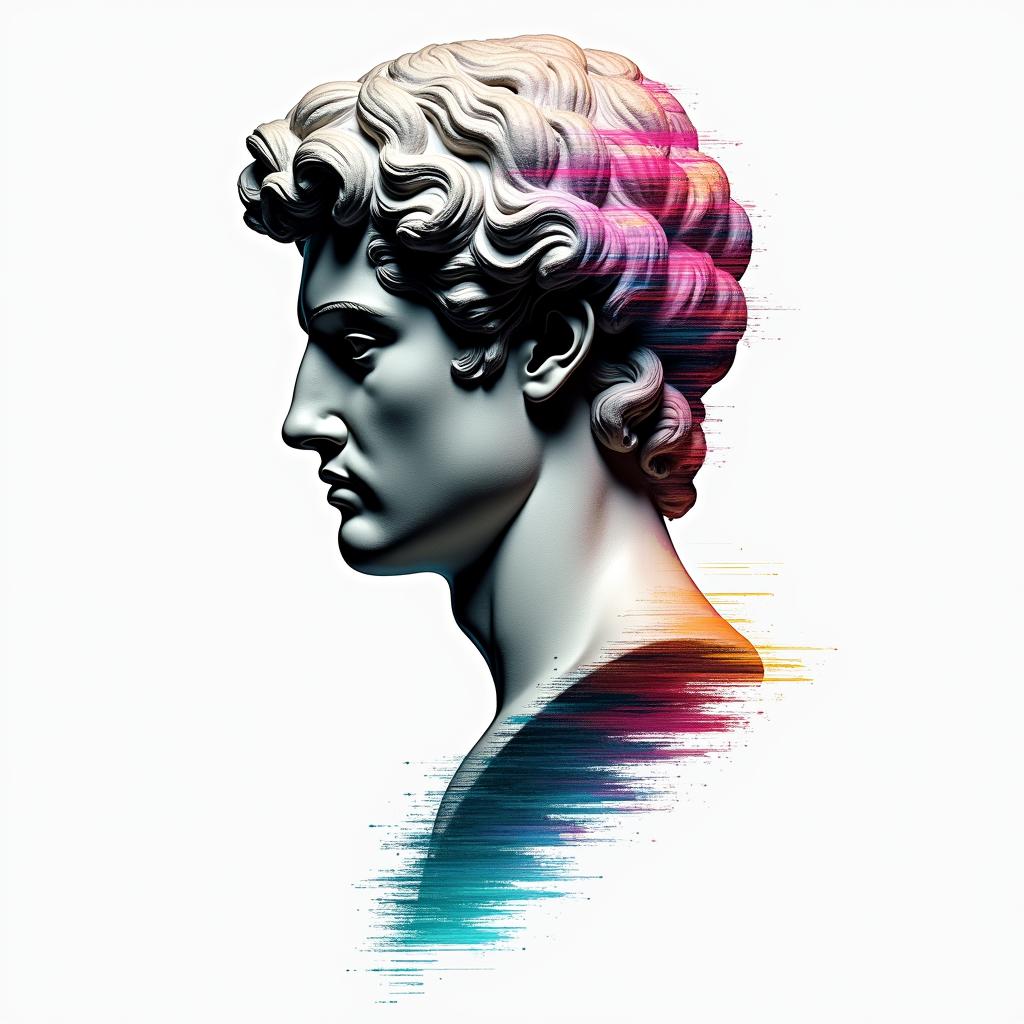
For optimal visual integrity, place this design on flat surfaces with minimal curvature. The outer forearm provides ample space for the horizontal glitch lines to stretch without distortion from muscle flexion. Calves and outer thighs are excellent alternatives for larger versions, allowing the color gradients to breathe. Avoid highly contoured areas like ribs or elbows where the straight glitch lines might warp awkwardly. Minimum recommended size is four inches in height to preserve the fine detail of the fragmentation. Visibility is moderate; easily covered with long sleeves for professional settings but striking when exposed.
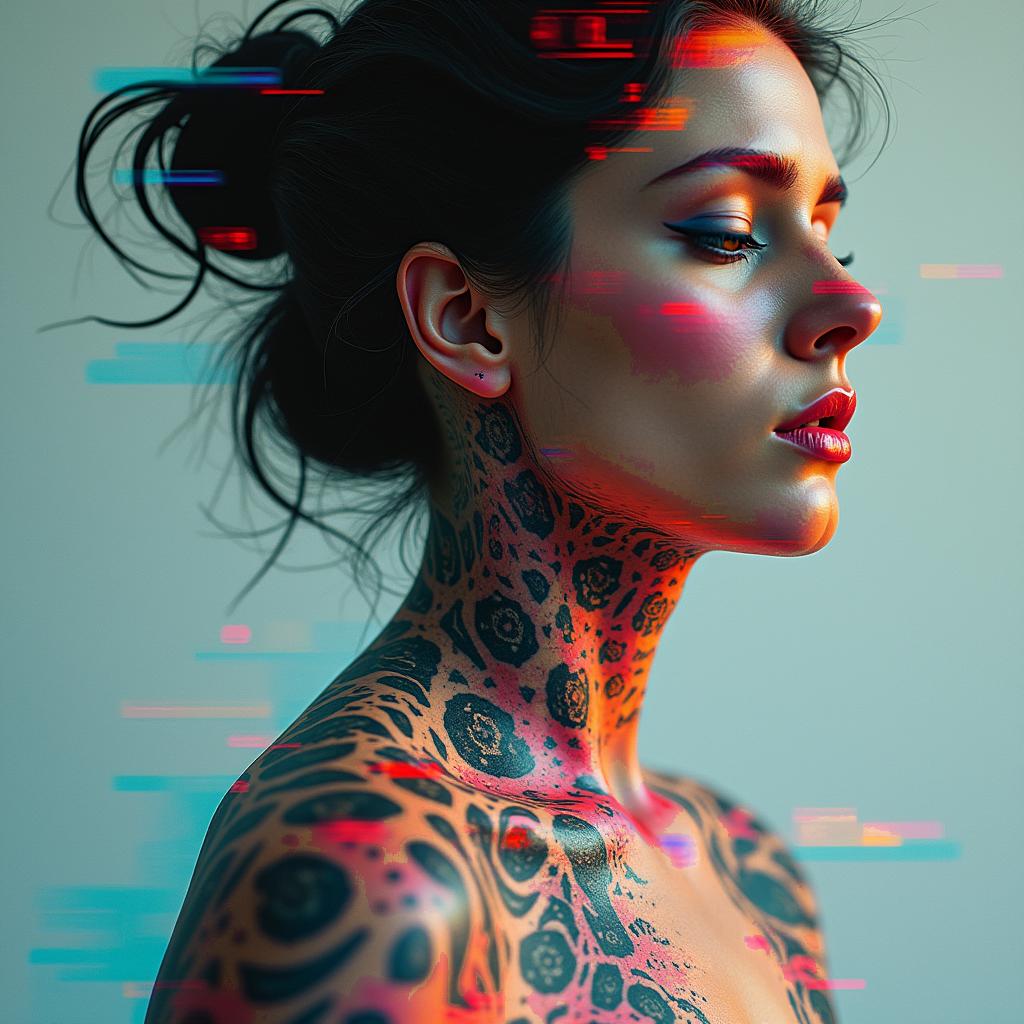
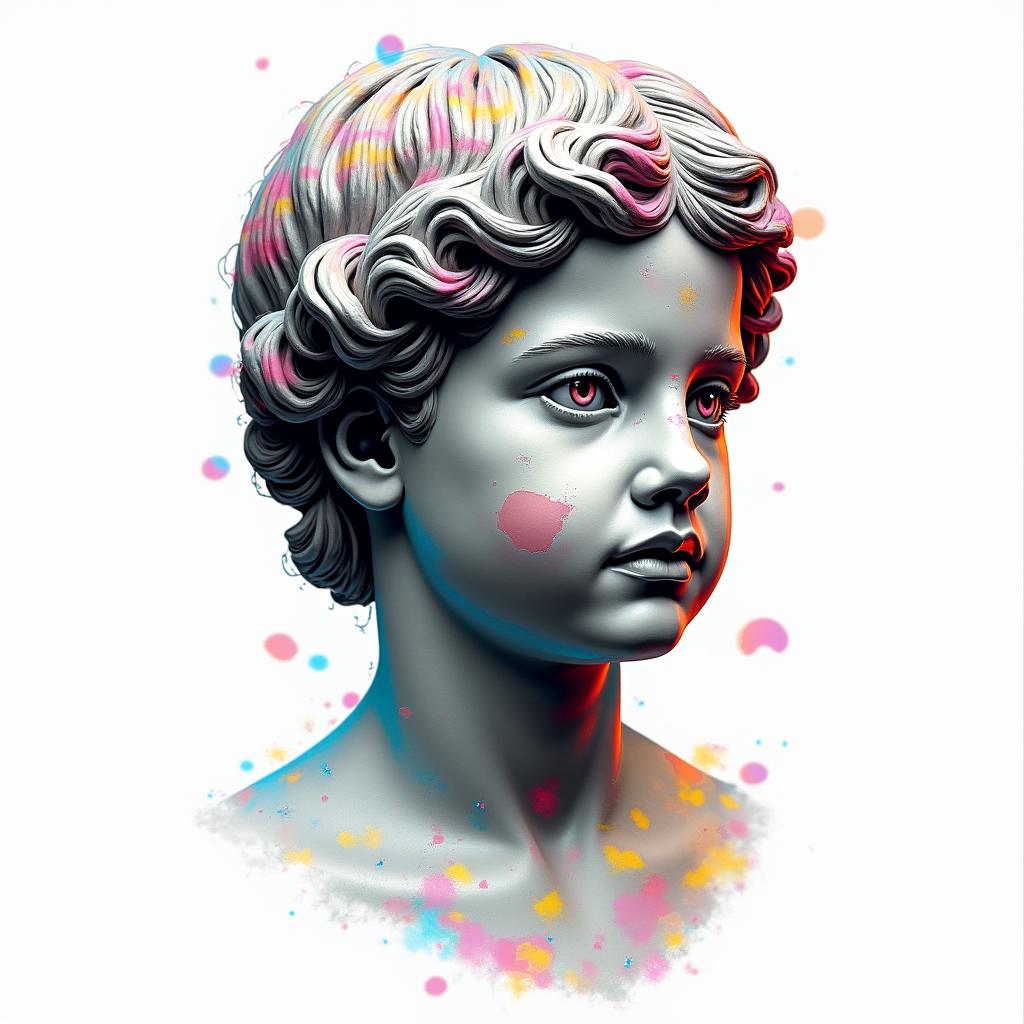
glitch is a distinctive tattoo style characterized by Realism: Photorealistic tattoos that mimic photographs with exceptional detail, shading, and dimension. These technically demanding designs create the illusion of 3D imagery on skin, showcasing incredible artistic skill. Glitch: Modern digital-inspired tattoos featuring distorted imagery, pixelation, and visual artifacts that mimic computer glitches. This contemporary style creates a unique intersection of technology and body art. Abstract: Abstract tattoos move beyond representational imagery to explore pure form, color, and artistic expression. These designs may feature geometric shapes, fluid brushstrokes, or unconventional compositions that prioritize aesthetic impact over literal meaning.. This style has gained popularity for its versatility and visual appeal.
The duration depends on the size, complexity, and detail level. A design of this style typically requires 2-4 hours for a medium-sized piece, but consult with your artist for an accurate estimate.
Tattoo pricing varies by artist, location, and design complexity. Prices typically range from $150-$500+ for a design of this style. Always consult with your chosen artist for an accurate quote.