

1/12 • Click to zoom
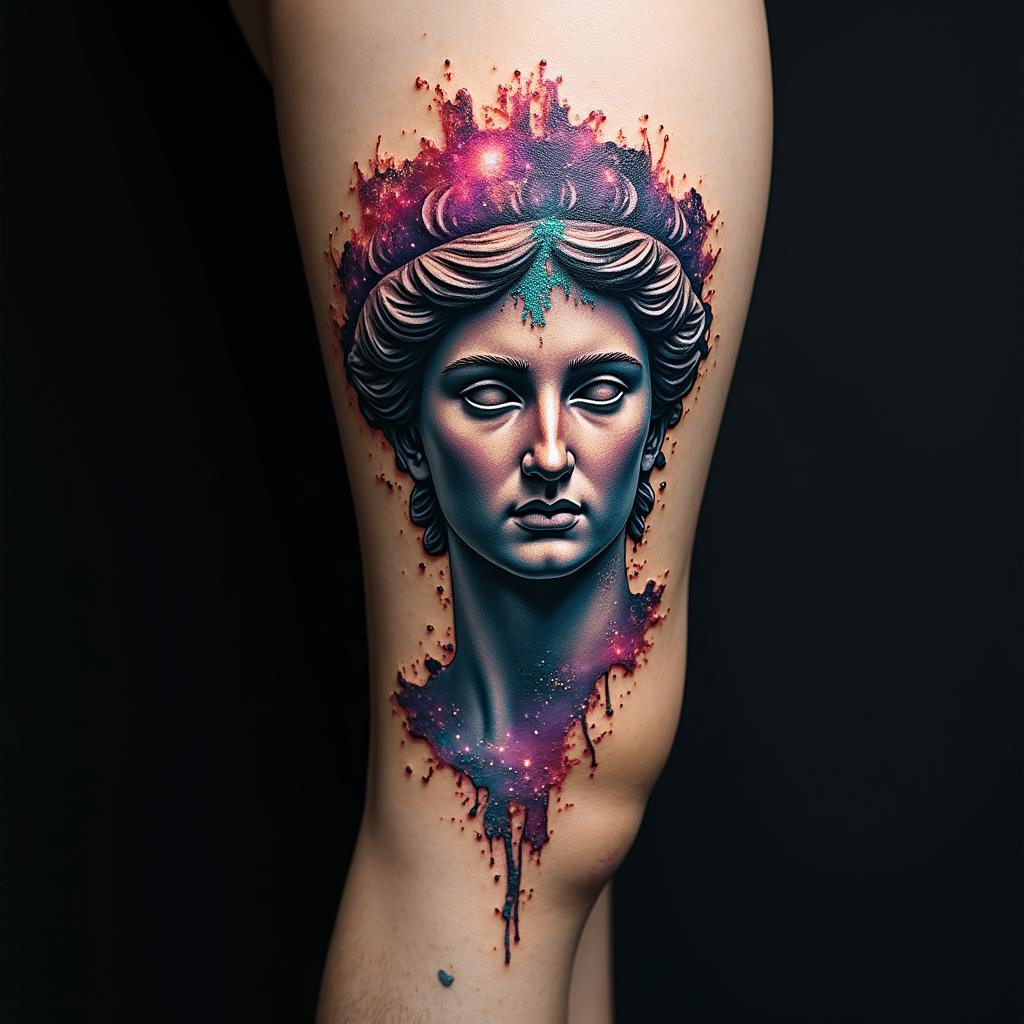
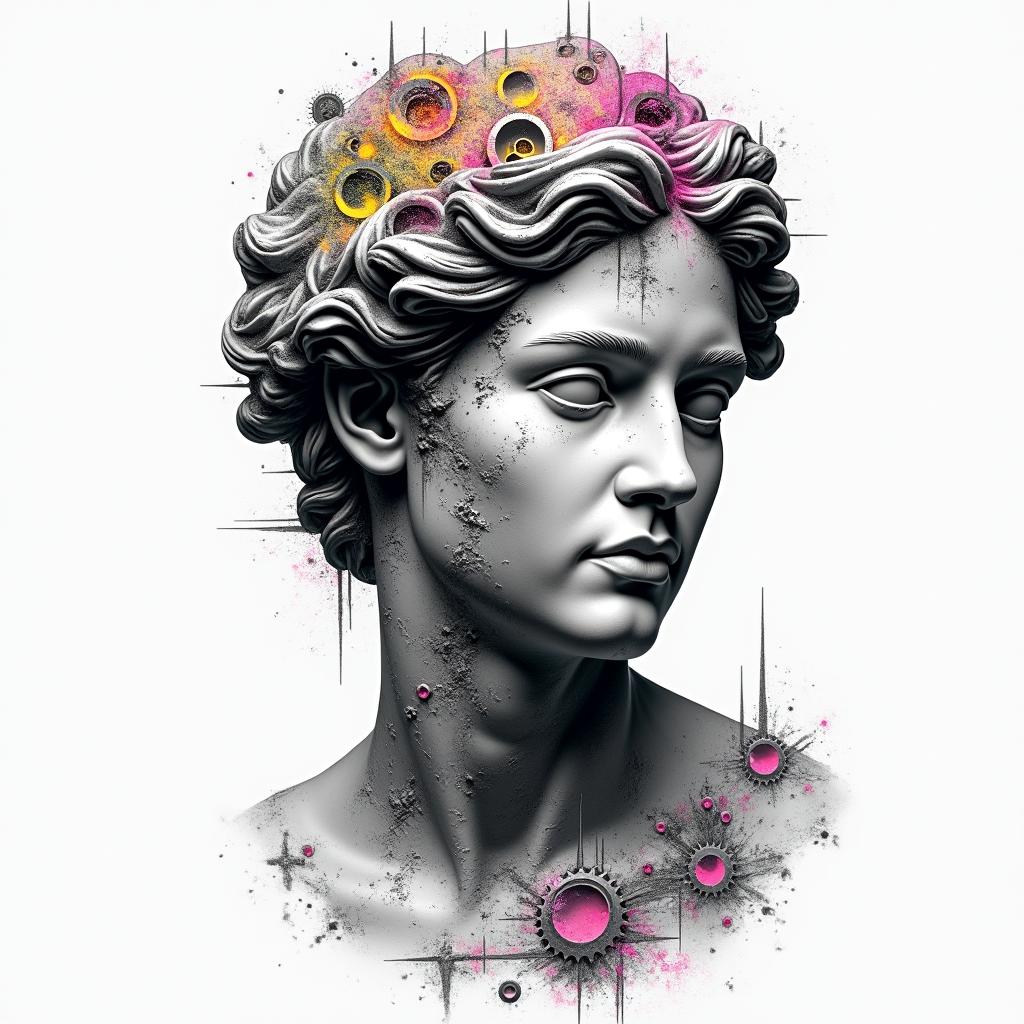
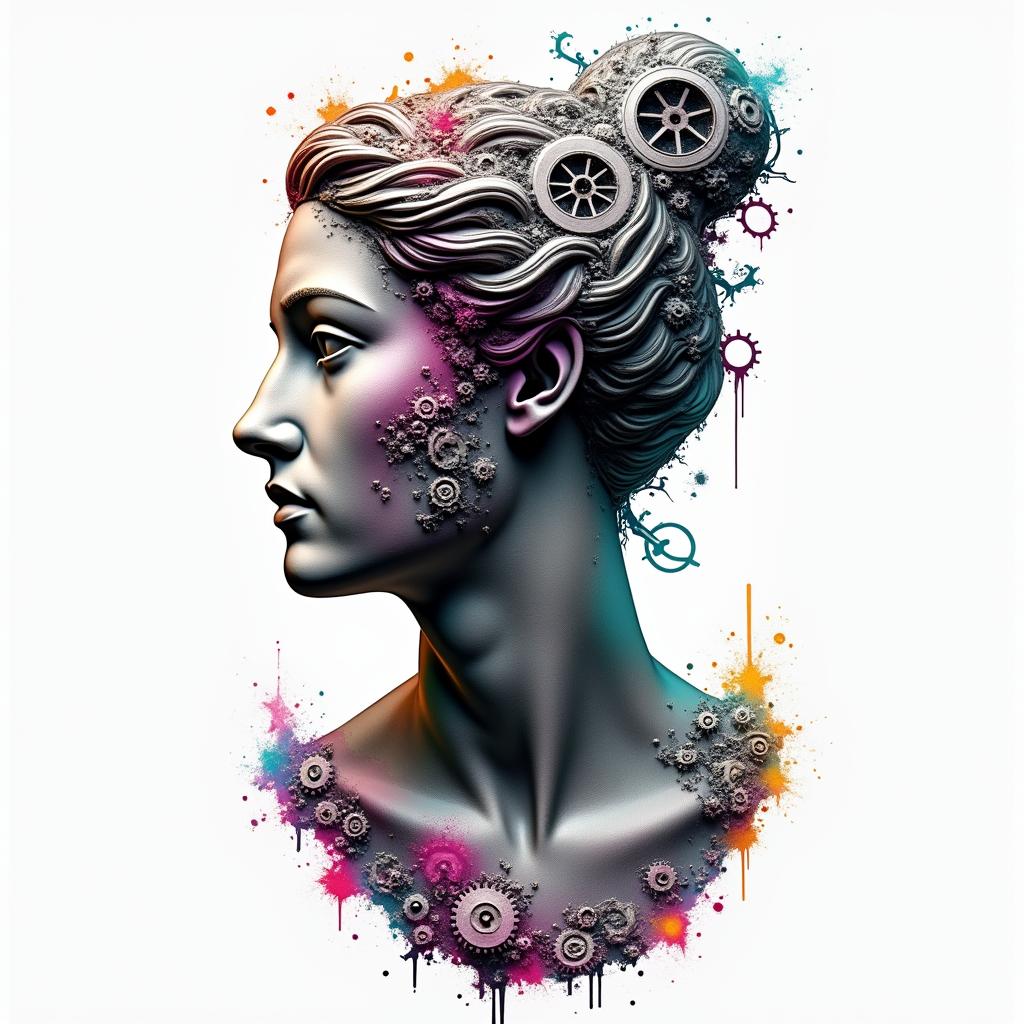
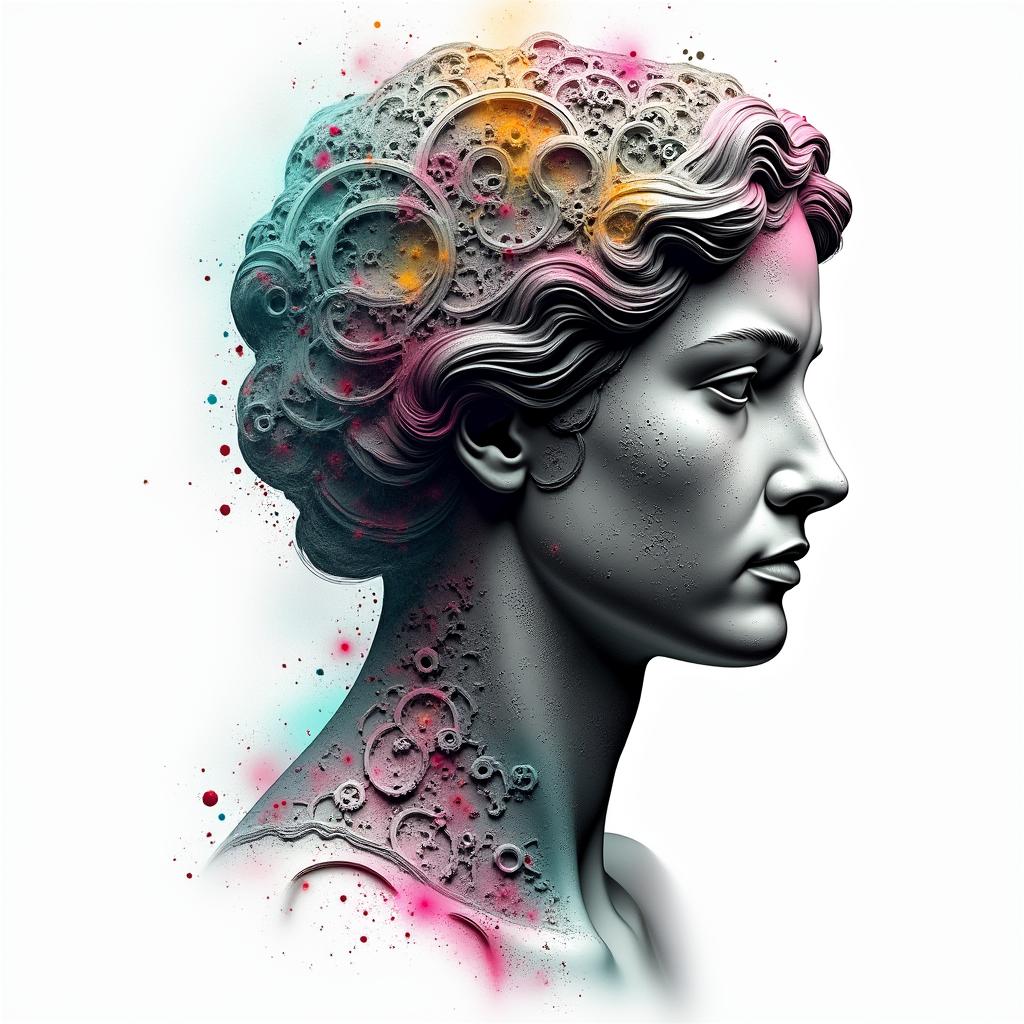
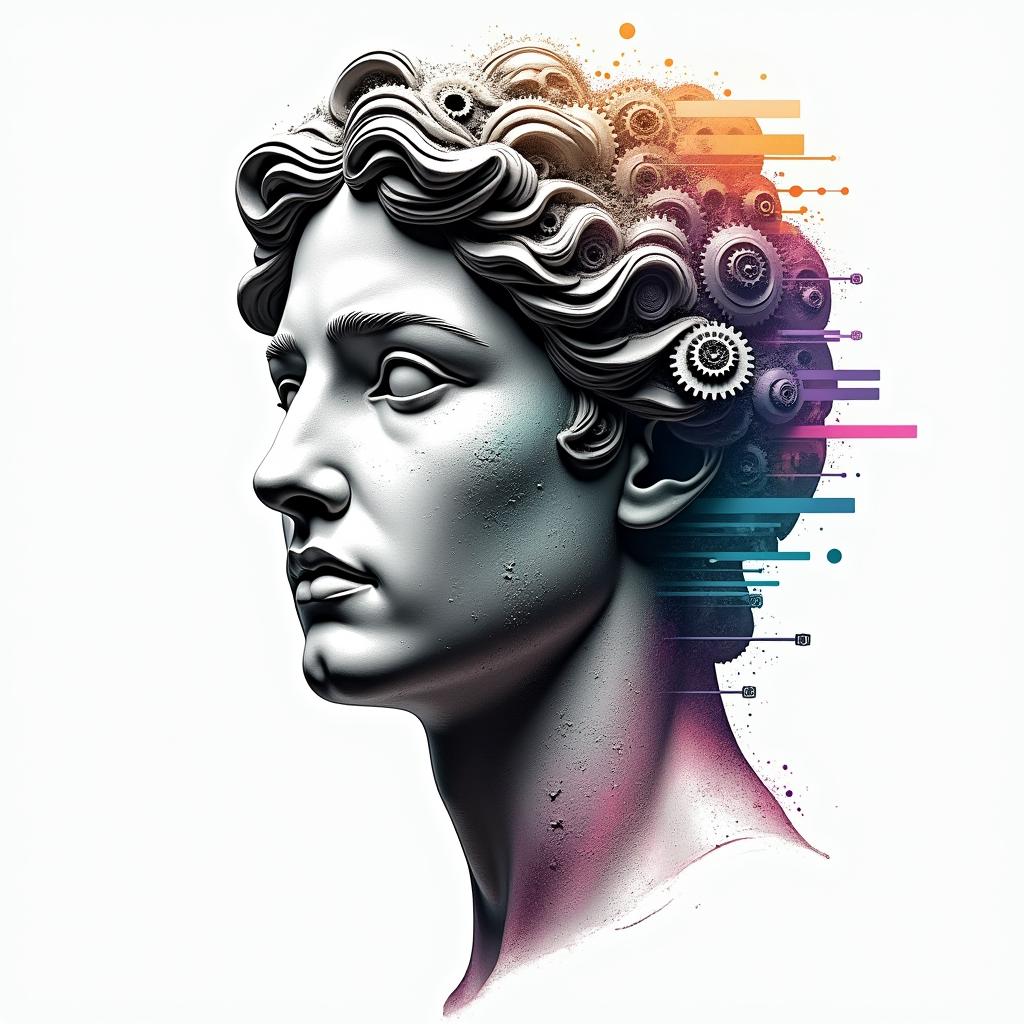
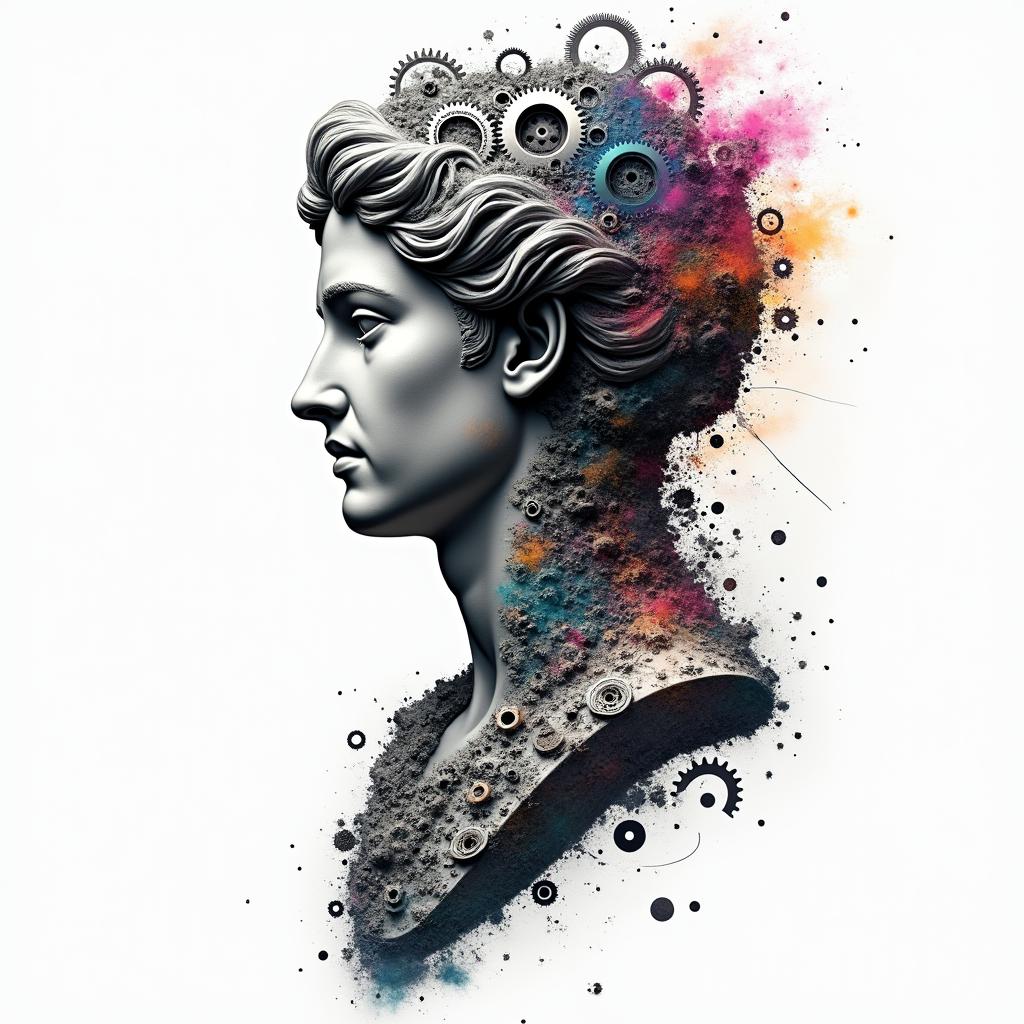
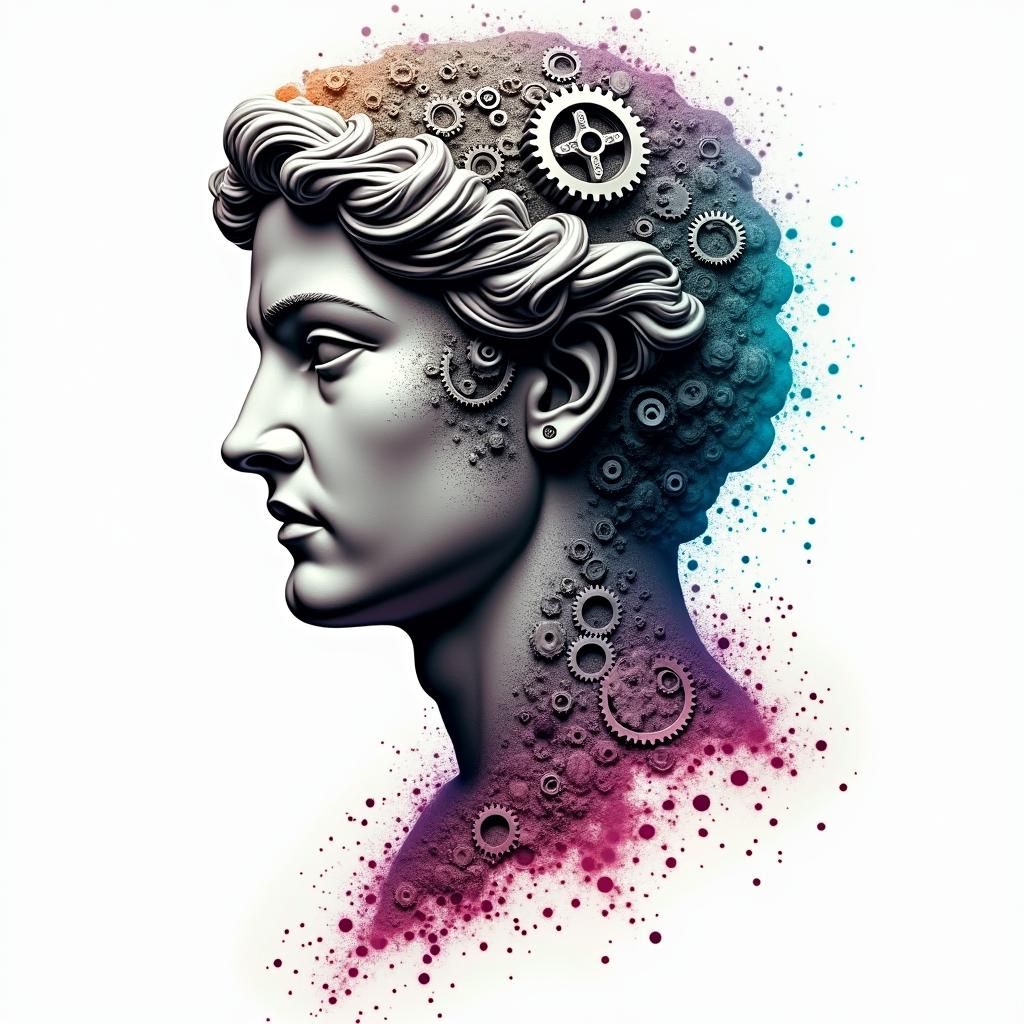
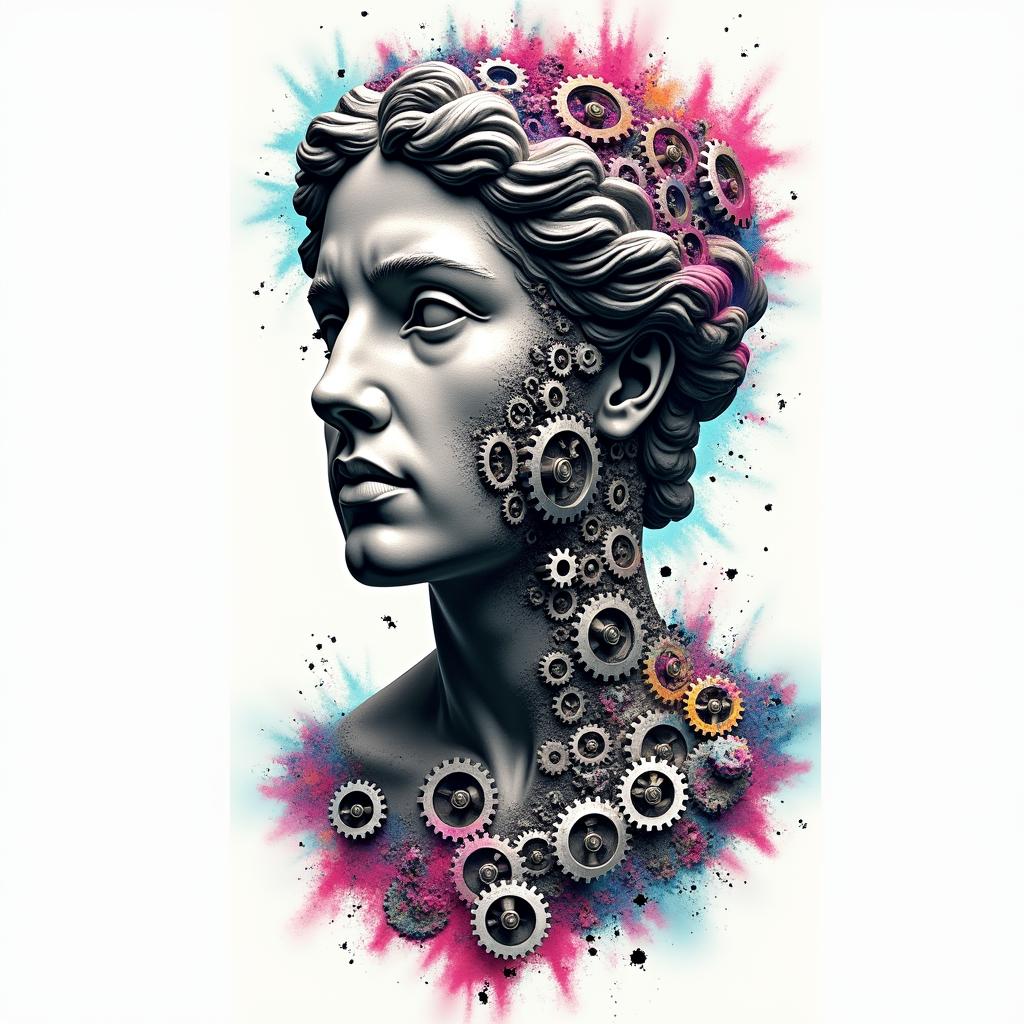
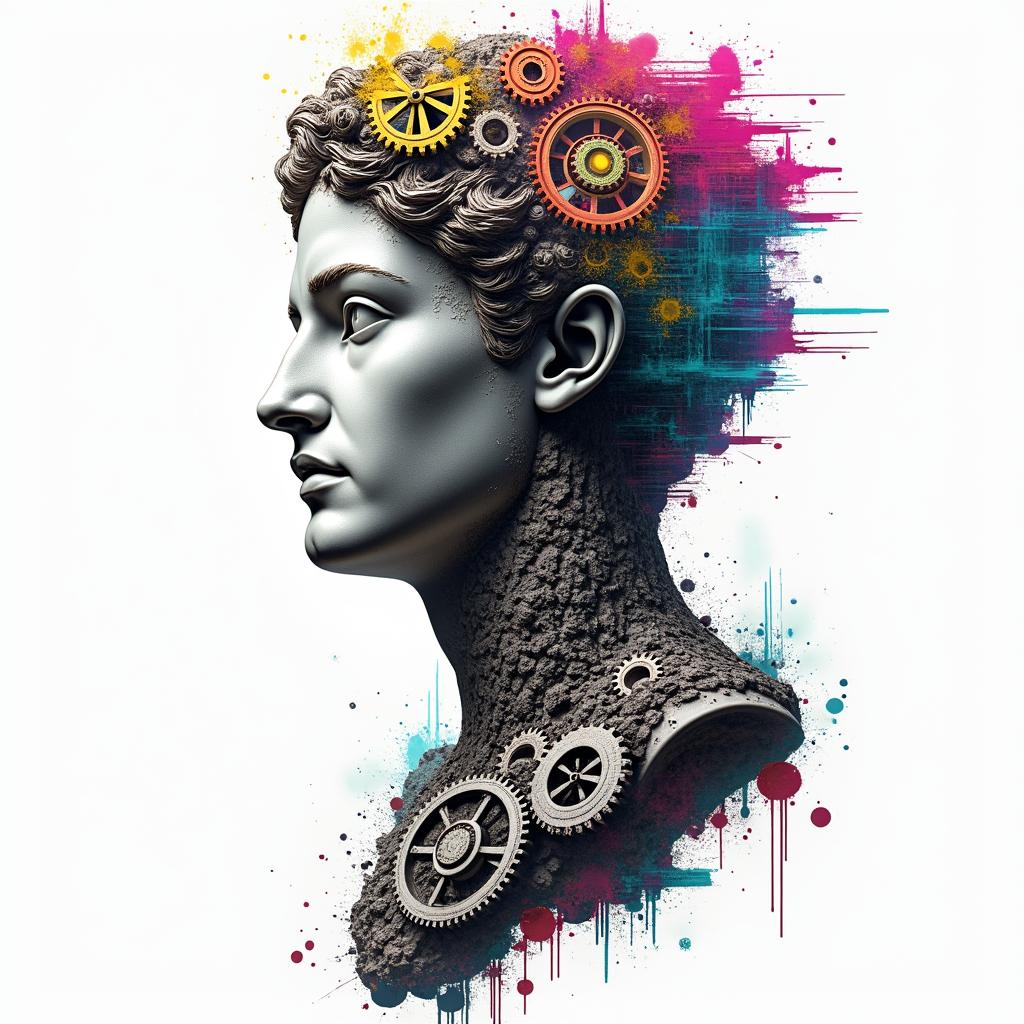
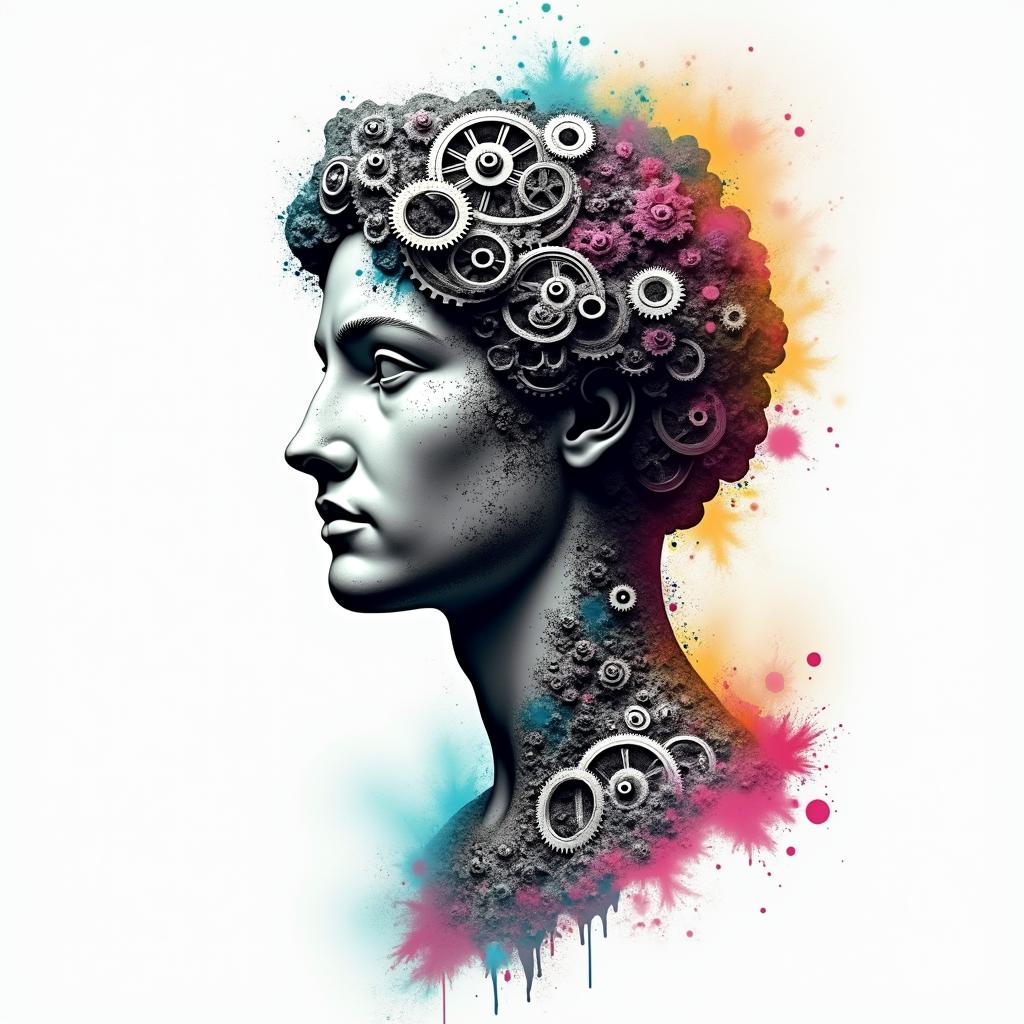
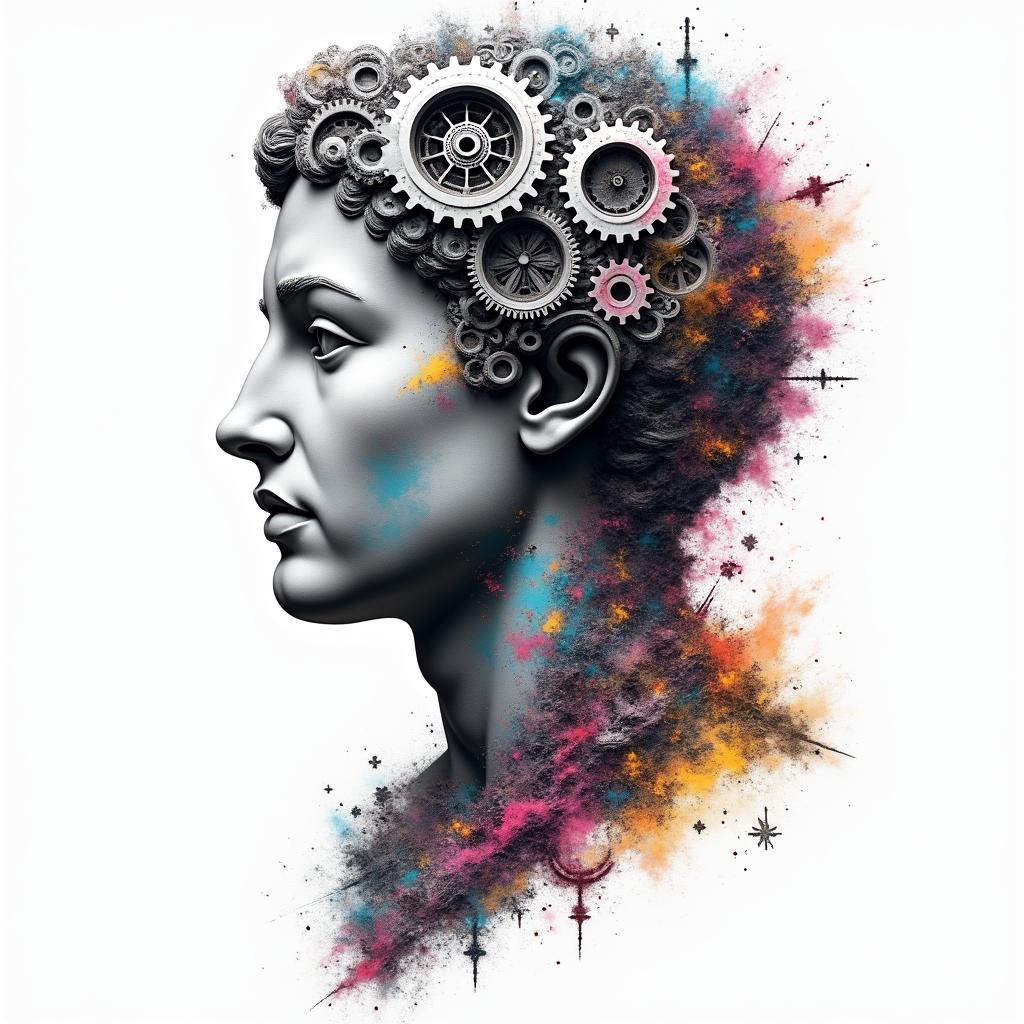
Digital decay meets classical beauty in this striking composition. Vibrant cyan, magenta, and yellow overlays create a screen-tearing effect across a traditional statue bust, seamlessly blending human anatomy with mechanical gears. This bio-mechanical fusion suggests a cyborg evolution, where ancient art collides with future technology. The fragmented aesthetic works best on flatter surfaces like the outer forearm or calf, allowing the glitch lines to remain sharp without skin distortion. Ideal for those seeking a modern twist on realism, this design demands an artist skilled in color packing and precise linework to maintain the digital illusion. Whether displayed on the arm or leg, the high-contrast colors ensure visibility while the surreal elements provoke conversation about humanity's relationship with machinery. Incorporating elements of surrealism, the distorted geometry challenges traditional perception. The overlapping color channels mimic RGB screen errors, giving the piece a dynamic, moving quality even when static. Placement on the outer bicep also offers sufficient canvas space for the intricate gear details to breathe. Careful shading ensures the mechanical components appear embedded within the stone skin of the bust. This design bridges the gap between fine art and technical illustration, making it a standout choice for tech enthusiasts and art lovers alike. Proper aftercare preserves the vibrancy of the neon hues against the monochrome statue base.
Noticeable discomfort, prepare for some sensitivity
Expect moderate discomfort from the extended session time required for intricate gear details. The outer forearm offers manageable pain levels, though color packing in glitch sections may feel like a hot scratch. Nerve density increases near the wrist, so breathe steadily. Take short breaks every forty-five minutes to prevent muscle tension. Hydrate well beforehand to keep skin resilient against repetitive needle motion.
For optimal visual fidelity, place this design on flat muscle surfaces like the outer forearm or outer thigh. These areas offer lower pain scores compared to bony zones. The glitch effect relies on straight lines that can warp over highly curved areas. A minimum width of six inches ensures the mechanical gears remain distinguishable without blurring. Vertical orientation on the forearm complements natural limb flow, while horizontal placement on the calf maximizes the panoramic distortion effect. Avoid high-friction zones like hands where detailed linework fades faster. Consider visibility for professional settings; the outer arm allows easy coverage with long sleeves.
glitch is a distinctive tattoo style characterized by Glitch: Modern digital-inspired tattoos featuring distorted imagery, pixelation, and visual artifacts that mimic computer glitches. This contemporary style creates a unique intersection of technology and body art. Bio-Mech: Futuristic tattoos blending biological elements with mechanical components, creating the illusion of cybernetic enhancements beneath the skin. This sci-fi inspired style often features intricate detail and dimensional effects. Surrealism: Surrealist tattoos feature dreamlike, impossible imagery inspired by artists like Salvador Dalí, René Magritte, and the surrealist movement. These imaginative designs combine realistic elements in impossible ways, creating thought-provoking visual narratives.. This style has gained popularity for its versatility and visual appeal.
The duration depends on the size, complexity, and detail level. A design of this style typically requires 2-4 hours for a medium-sized piece, but consult with your artist for an accurate estimate.
Tattoo pricing varies by artist, location, and design complexity. Prices typically range from $150-$500+ for a design of this style. Always consult with your chosen artist for an accurate quote.