1/4 • Click to zoom
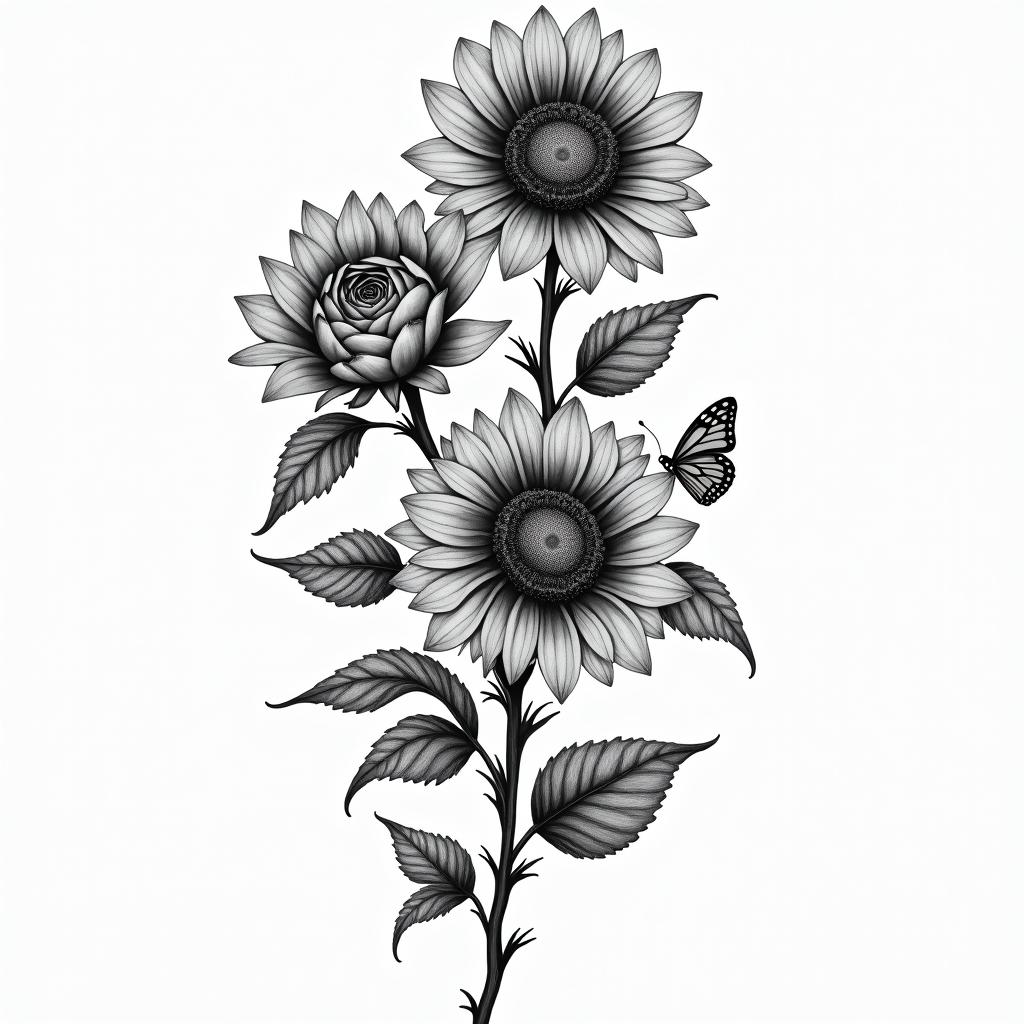
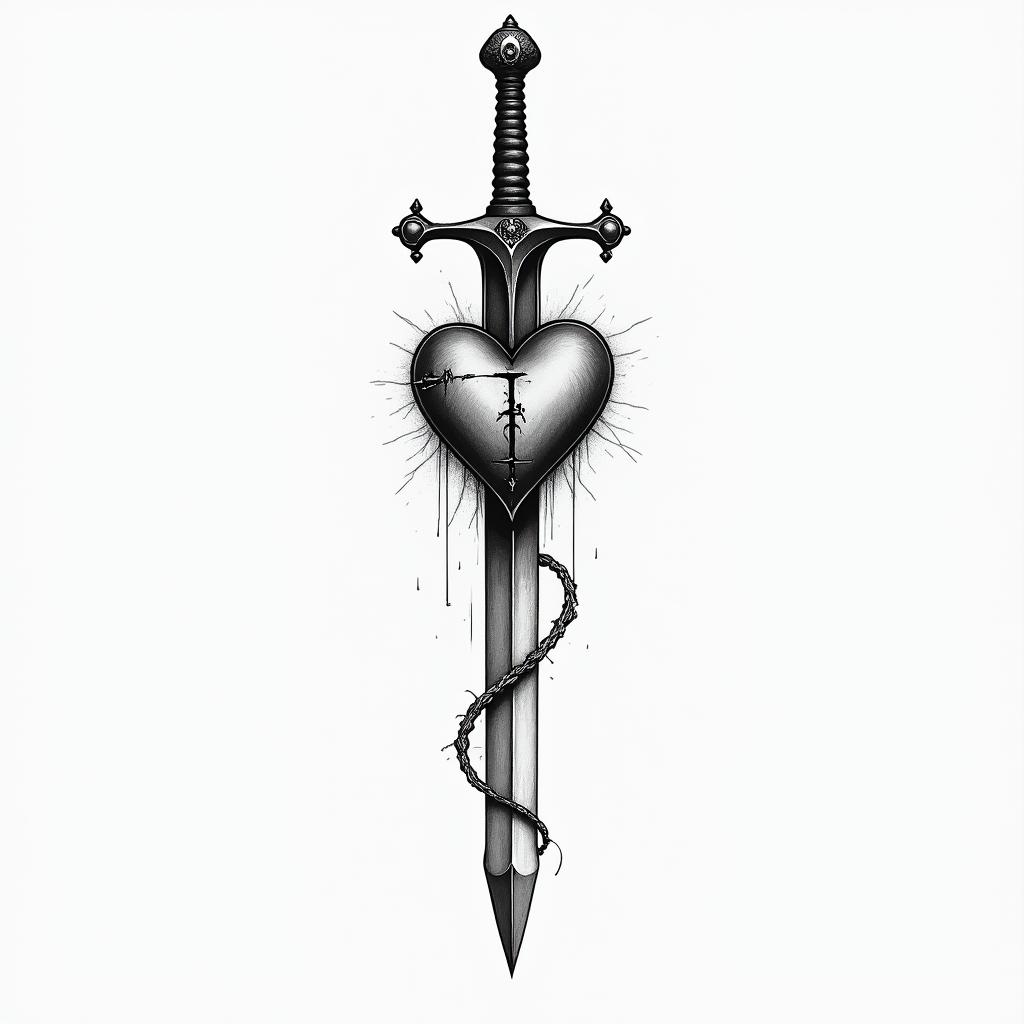
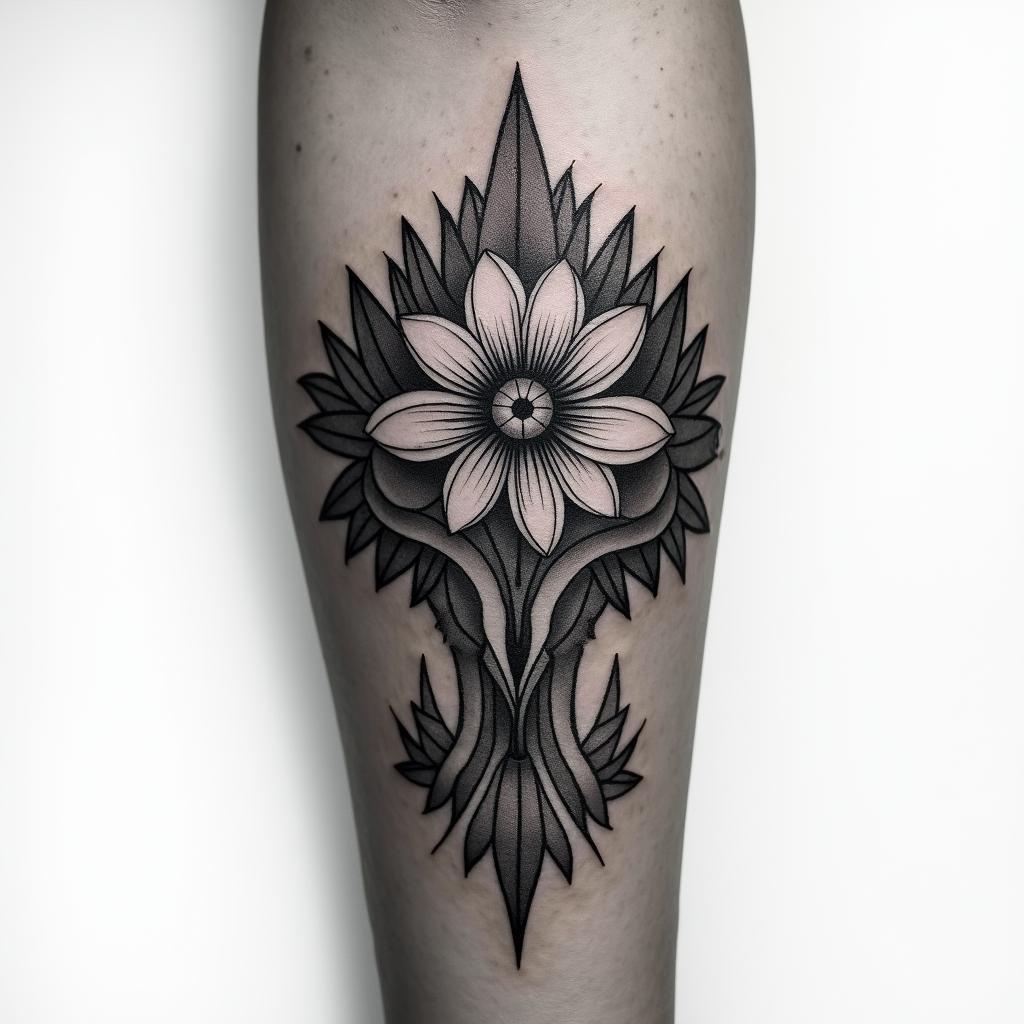
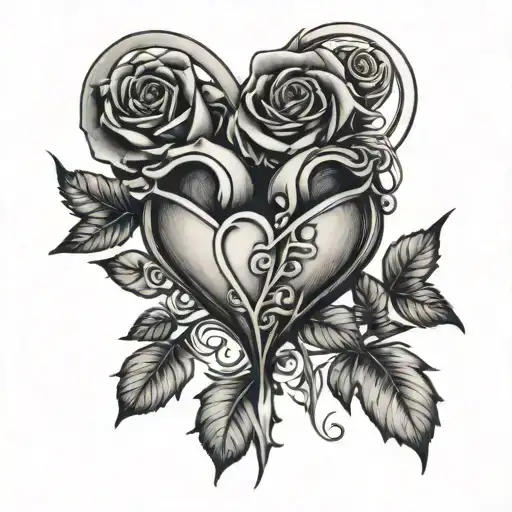
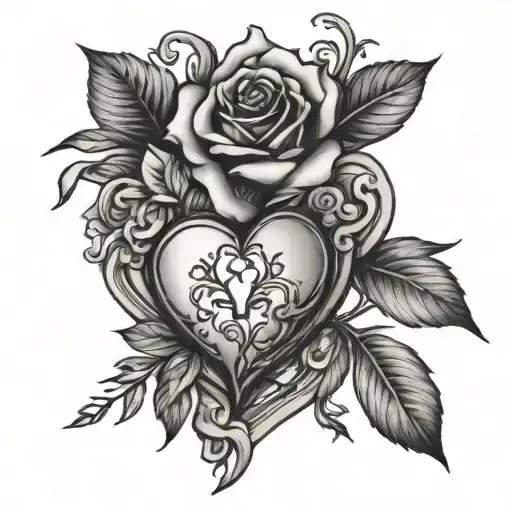
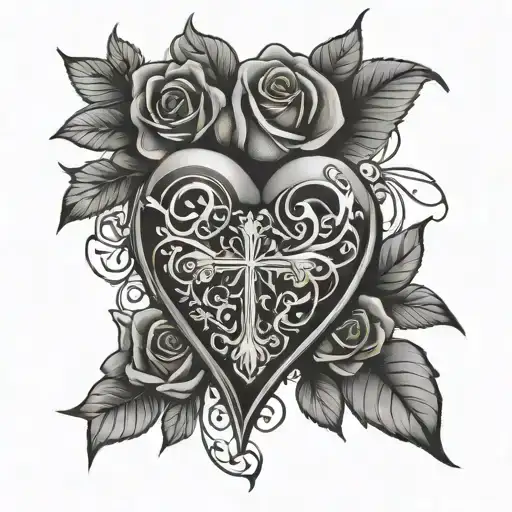
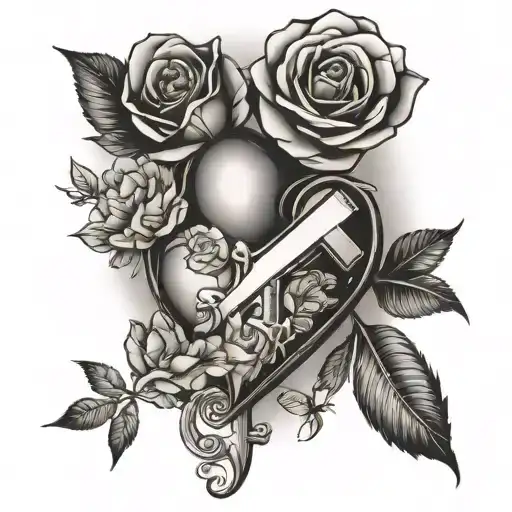
Combining sacred geometry with natural beauty, this design merges a heart, rose, and cross into a cohesive symbol of faith and love. Black and grey shading creates depth without relying on color, allowing the linework to define the petals and spiritual iconography. The rose wraps around the cross or heart, softening the rigid lines with organic flow. This composition works well for those seeking personal significance without overt flashiness. Ideal for forearm or chest placement, the design scales effectively from compact to large coverage. Artists often use whip shading to blend the petals while keeping the cross sharp. Whether commemorating a loved one or expressing devotion, this arrangement remains a staple in tattoo culture. Search terms often include religious ink, botanical elements, and classic symbolism. The balance between hard edges and soft curves ensures the piece ages gracefully on skin. Clients frequently request this for memorials or milestones. The negative space between elements prevents muddiness over time. Proper sizing ensures the rose details do not blur as the skin matures.
Noticeable discomfort, prepare for some sensitivity
Expect moderate sensation on the outer forearm due to muscle cushioning. Chest areas near the sternum increase intensity as needles approach bone. Shading rose petals causes heat buildup. Breathing techniques help manage discomfort during dense blackwork sections. Topical numbing creams work well on fleshy areas. Take breaks every hour to reset pain tolerance. Hydrate before the session to improve skin elasticity.
Forearm placement offers high visibility and moderate comfort during application. The outer forearm provides a flat canvas, preserving the cross's straight lines. Chest center placement centers the design over the heart, enhancing symbolic meaning, though skin thickness varies here. For larger versions, the ribs accommodate vertical flow but increase discomfort. Keep minimum width at three inches to maintain rose petal definition. Avoid areas with excessive friction like the inner wrist. Left or right symmetry depends on personal preference, though dominant arm placement shows more frequently. Consider future expansion if adding dates or names later.
traditional is a distinctive tattoo style characterized by Spiritual: Meaningful tattoos featuring religious, philosophical, and mystical symbols from various traditions. These designs express faith, spiritual journeys, and profound beliefs through sacred iconography and symbolic elements. Traditional: American Traditional tattoos feature bold black outlines, a limited color palette (red, green, yellow, blue, black), and iconic imagery like anchors, roses, eagles, skulls, and pin-up girls. This foundational style shaped modern tattooing and remains one of the most popular and recognizable approaches. Botanical: Botanical tattoos feature detailed depictions of flowers, plants, leaves, and natural elements inspired by scientific botanical illustrations. These designs range from realistic renderings to stylized interpretations, celebrating the beauty of the natural world.. This style has gained popularity for its versatility and visual appeal.
Yes, this design is well-suited for square placement. This traditional design is ideal for square placement. Consider consulting with a professional tattoo artist about the best placement for this design.
The duration depends on the size, complexity, and detail level. A design of this style typically requires 2-4 hours for a medium-sized piece, but consult with your artist for an accurate estimate.
Tattoo pricing varies by artist, location, and design complexity. Prices typically range from $150-$500+ for a design of this style. Always consult with your chosen artist for an accurate quote.
Proper aftercare is crucial for square tattoos. Keep the area clean, moisturized, and protected from sun exposure. Follow your artist's specific aftercare instructions for best results.
square