1/4 • Click to zoom
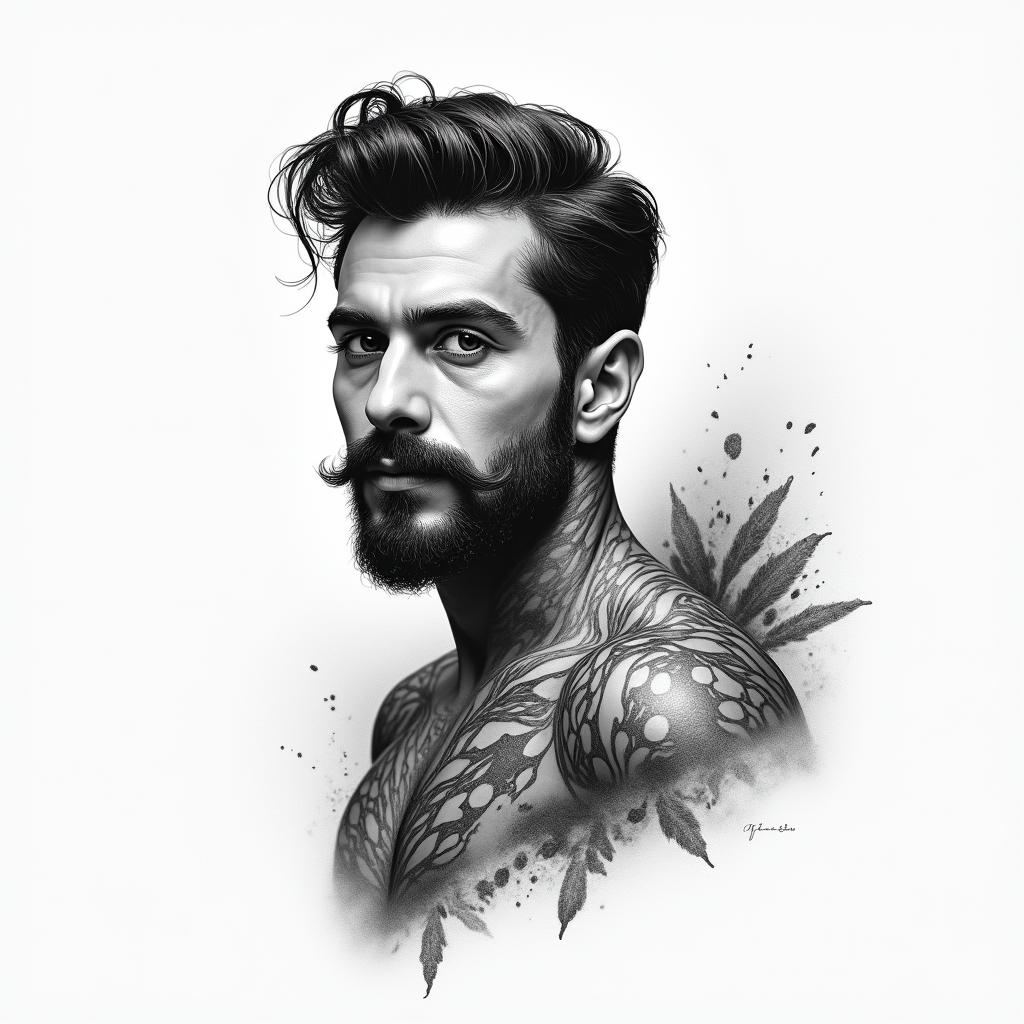
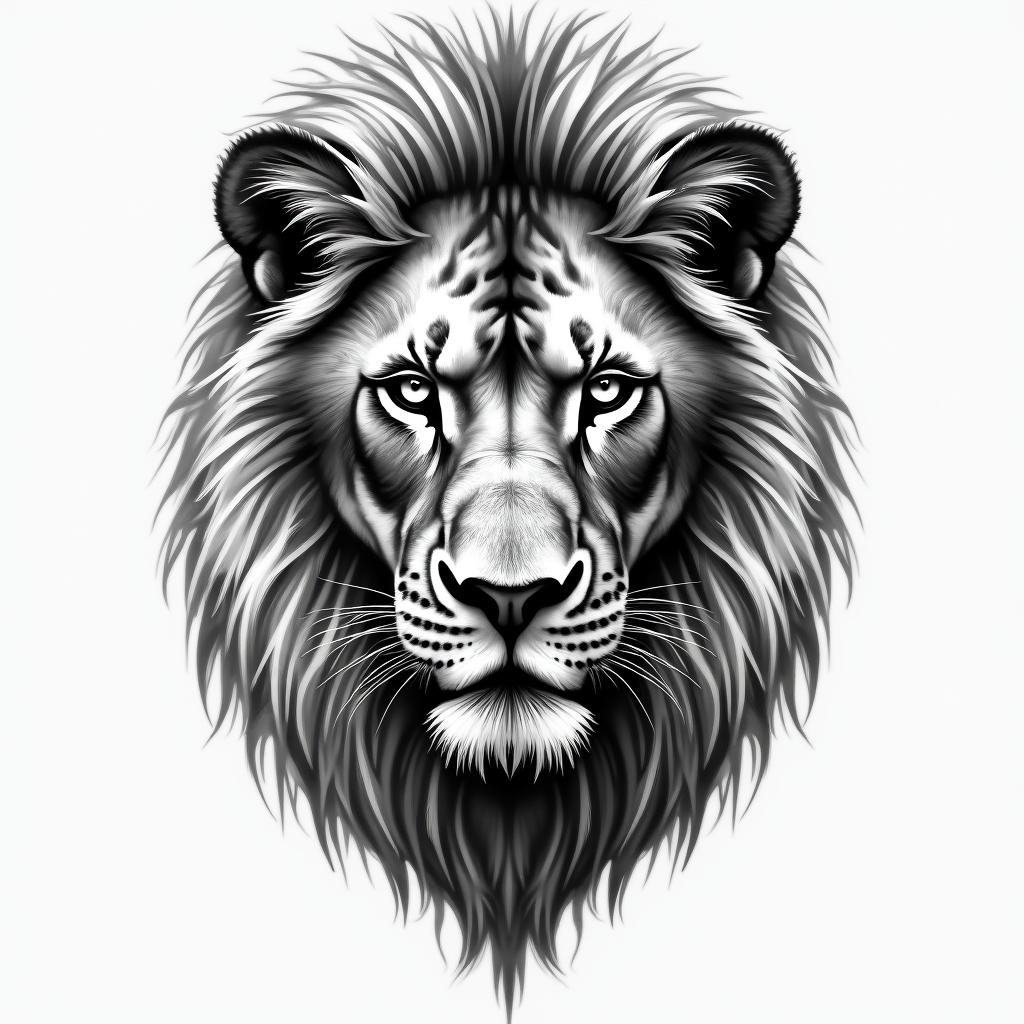
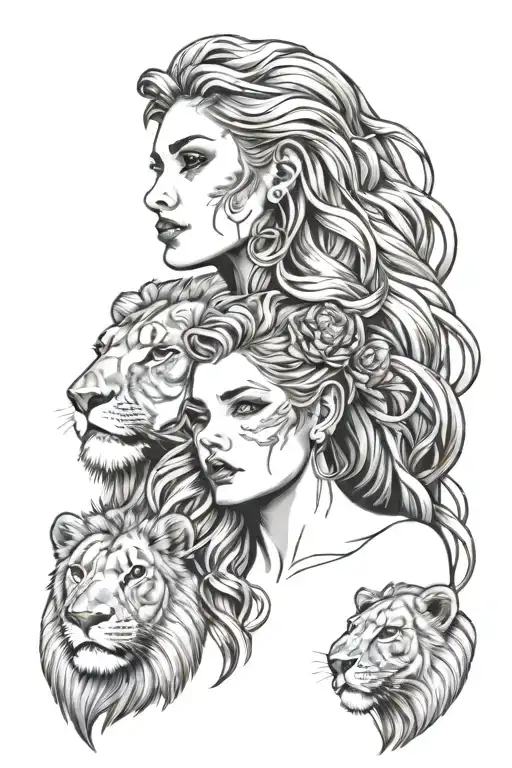
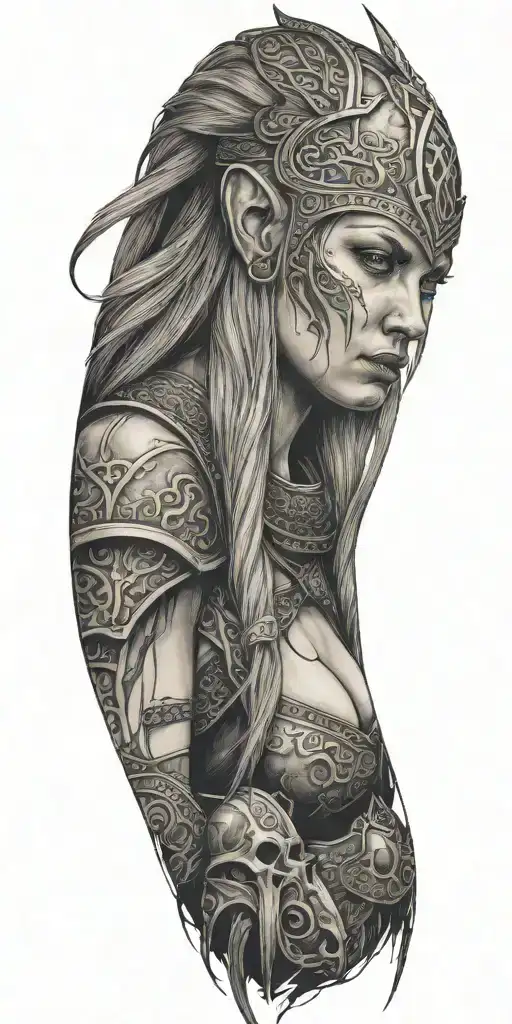
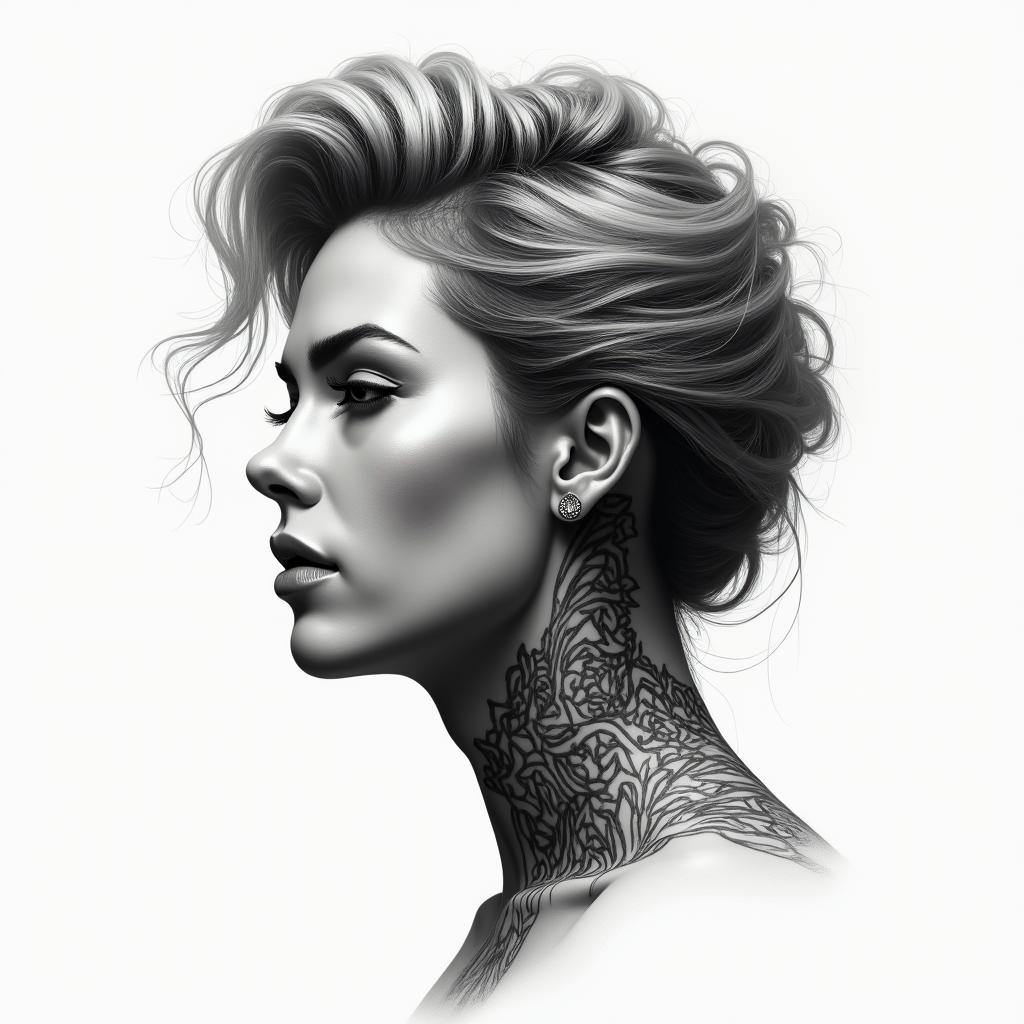
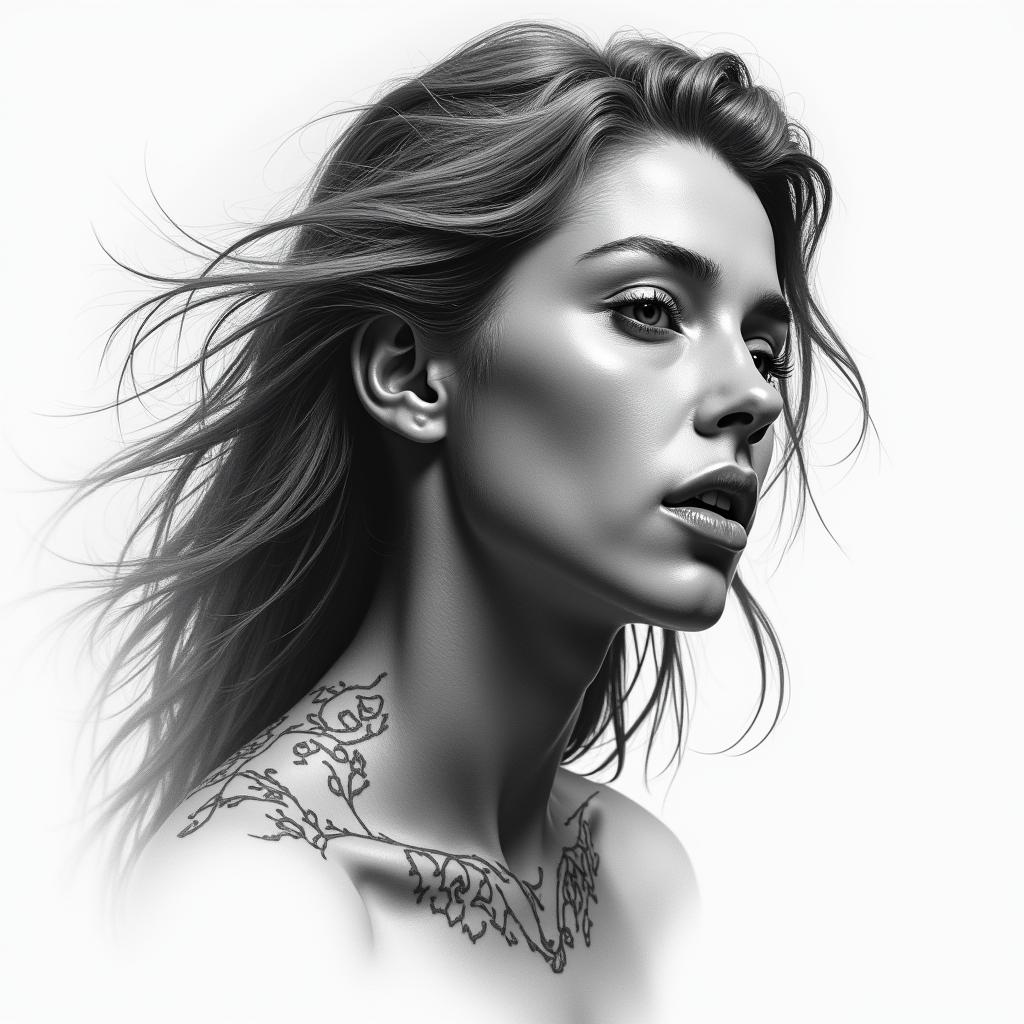
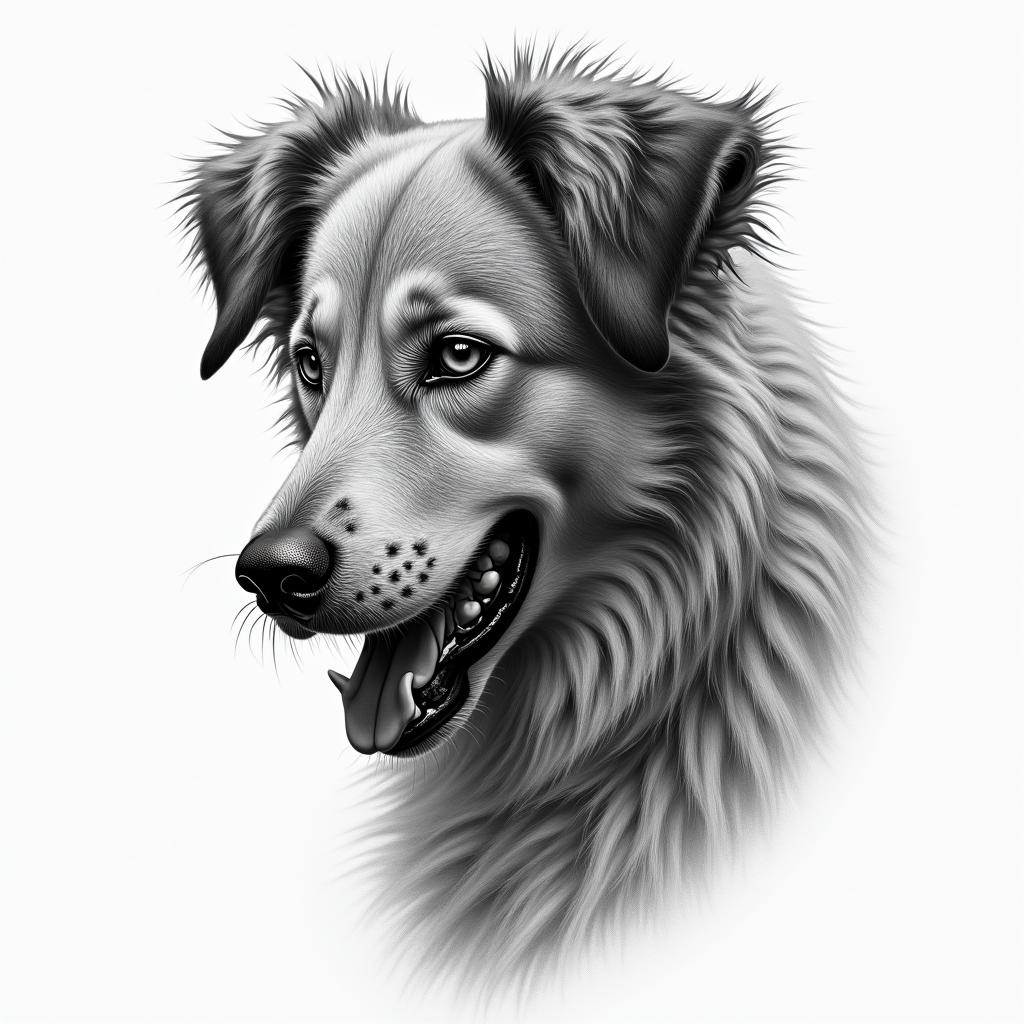
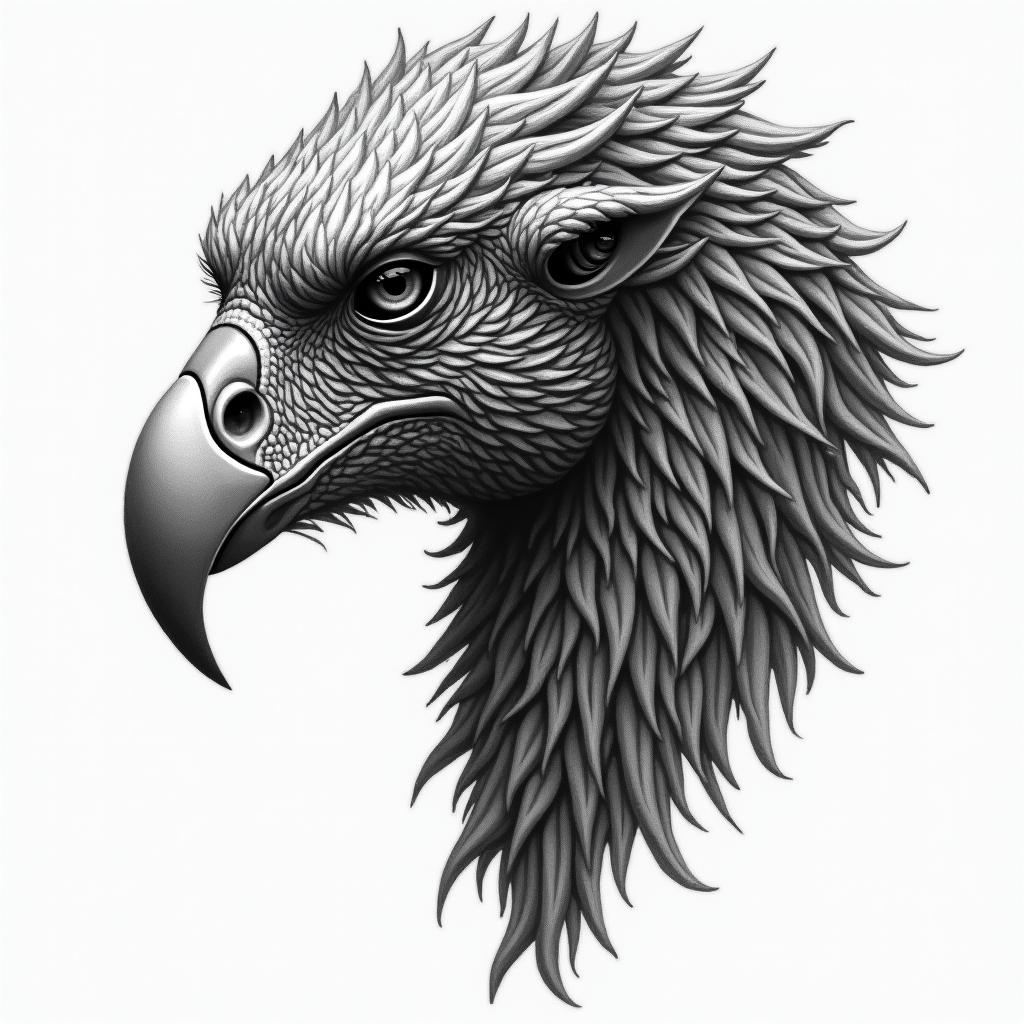
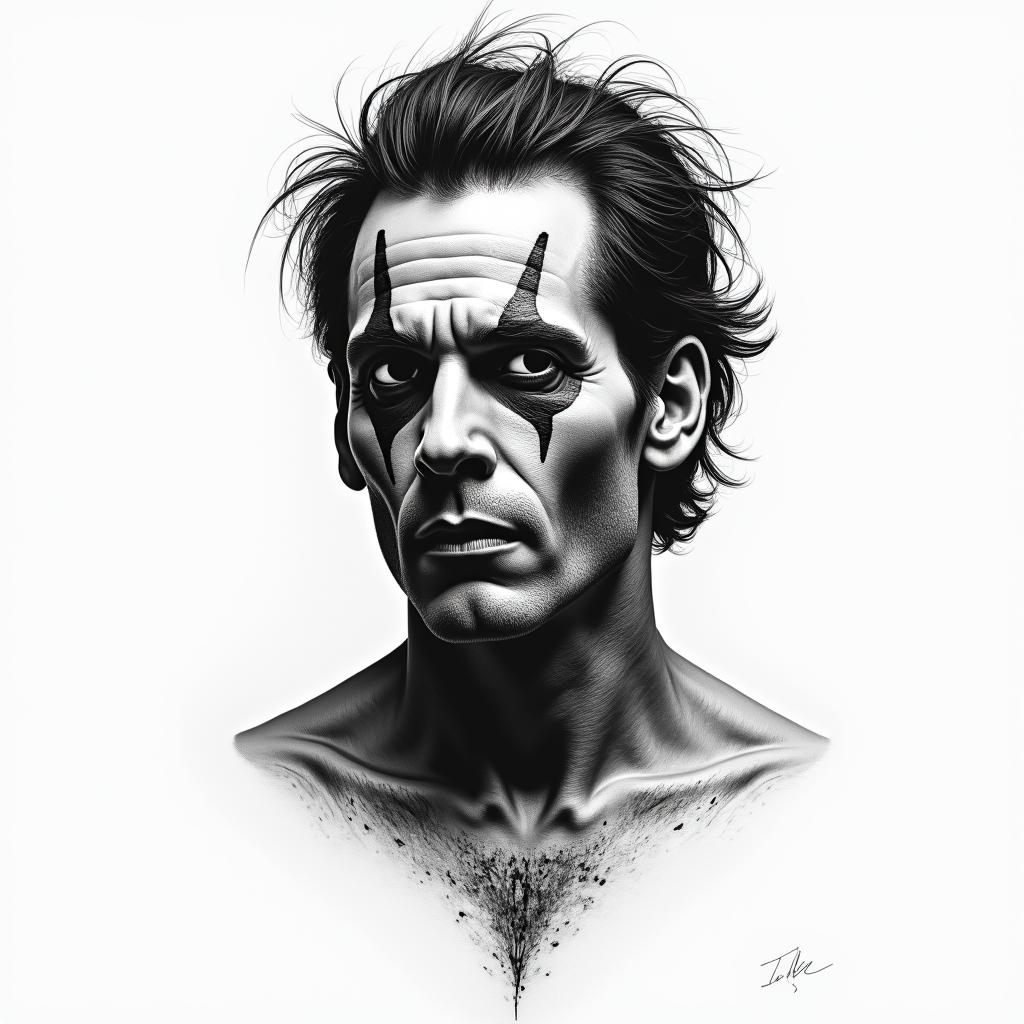
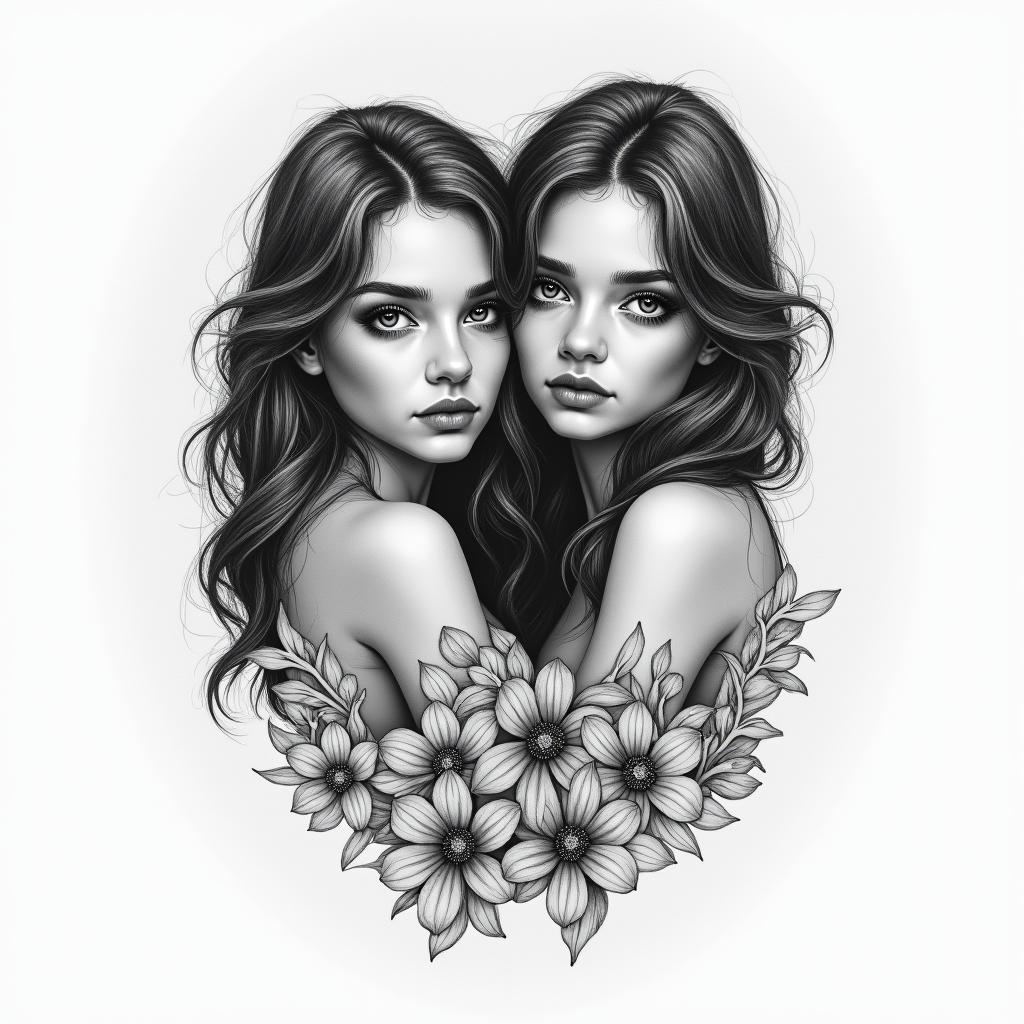
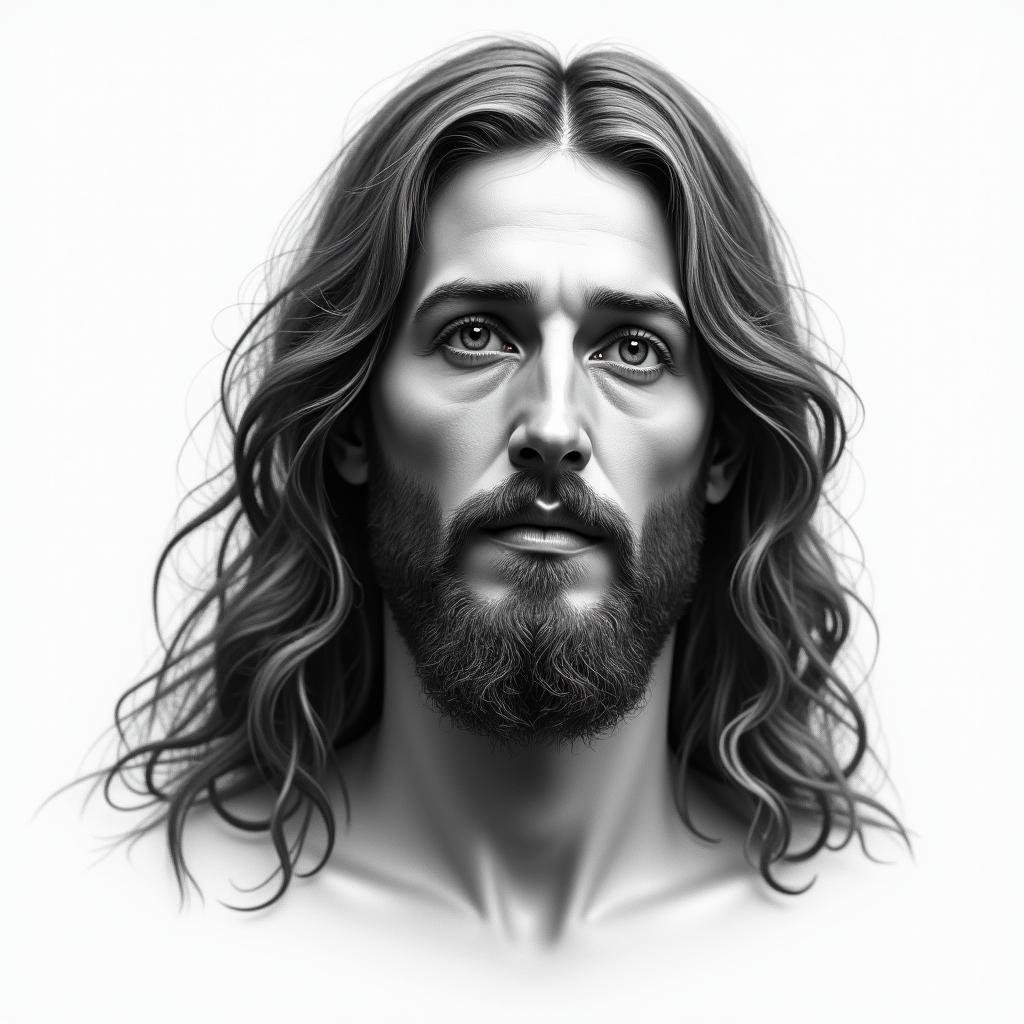
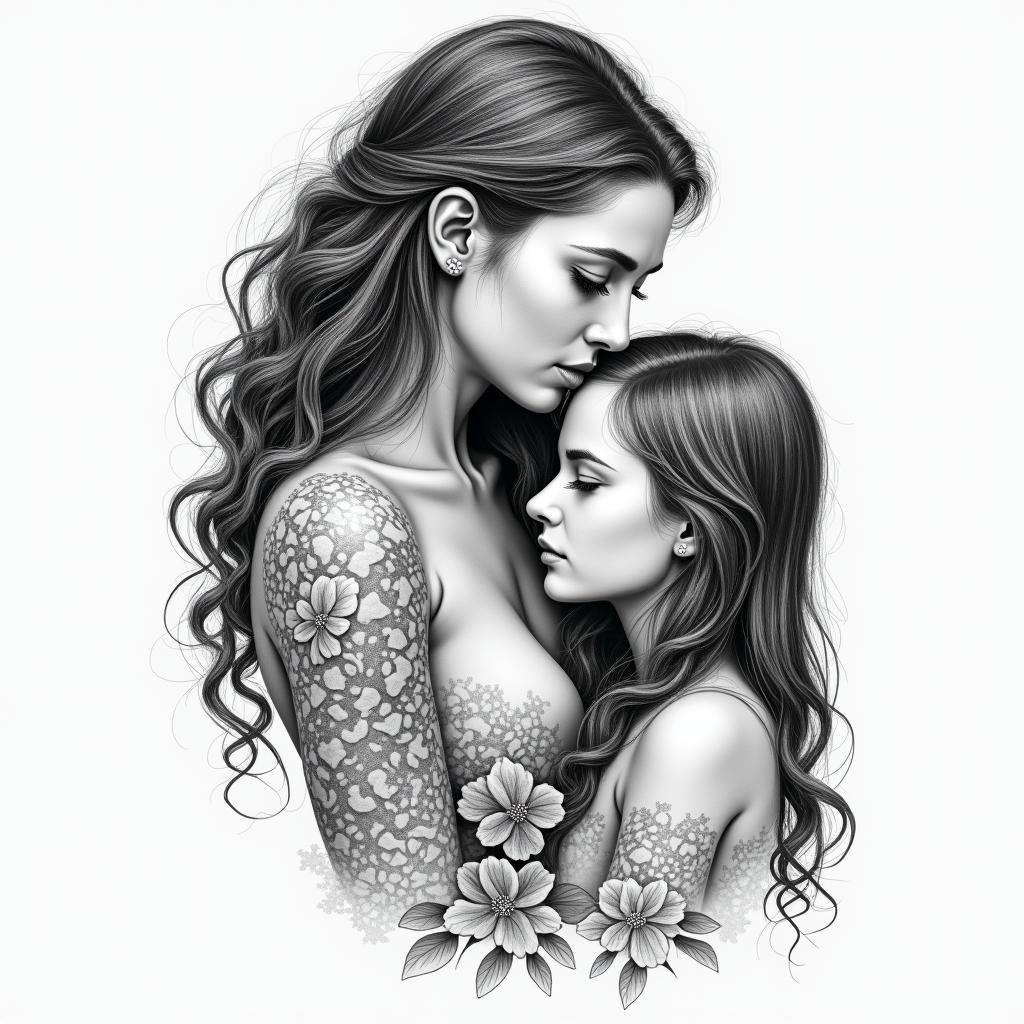
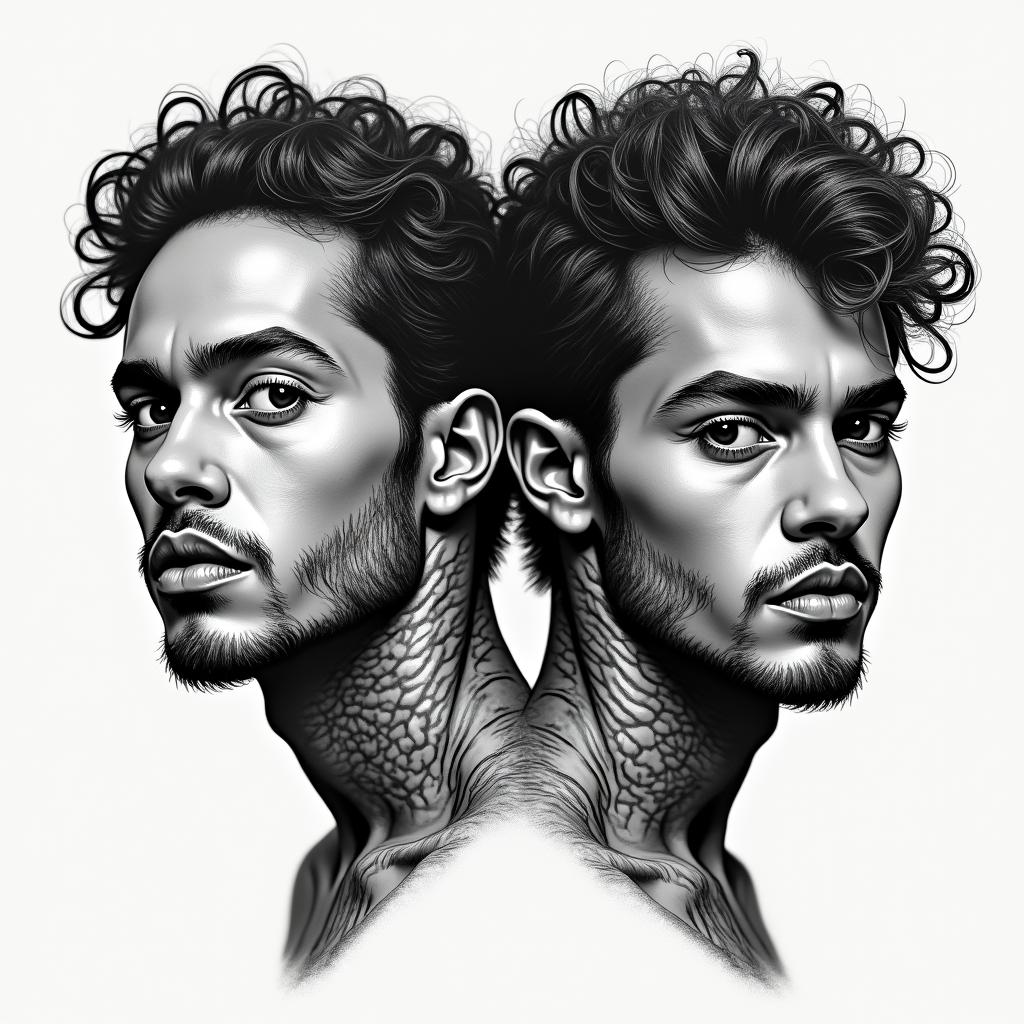
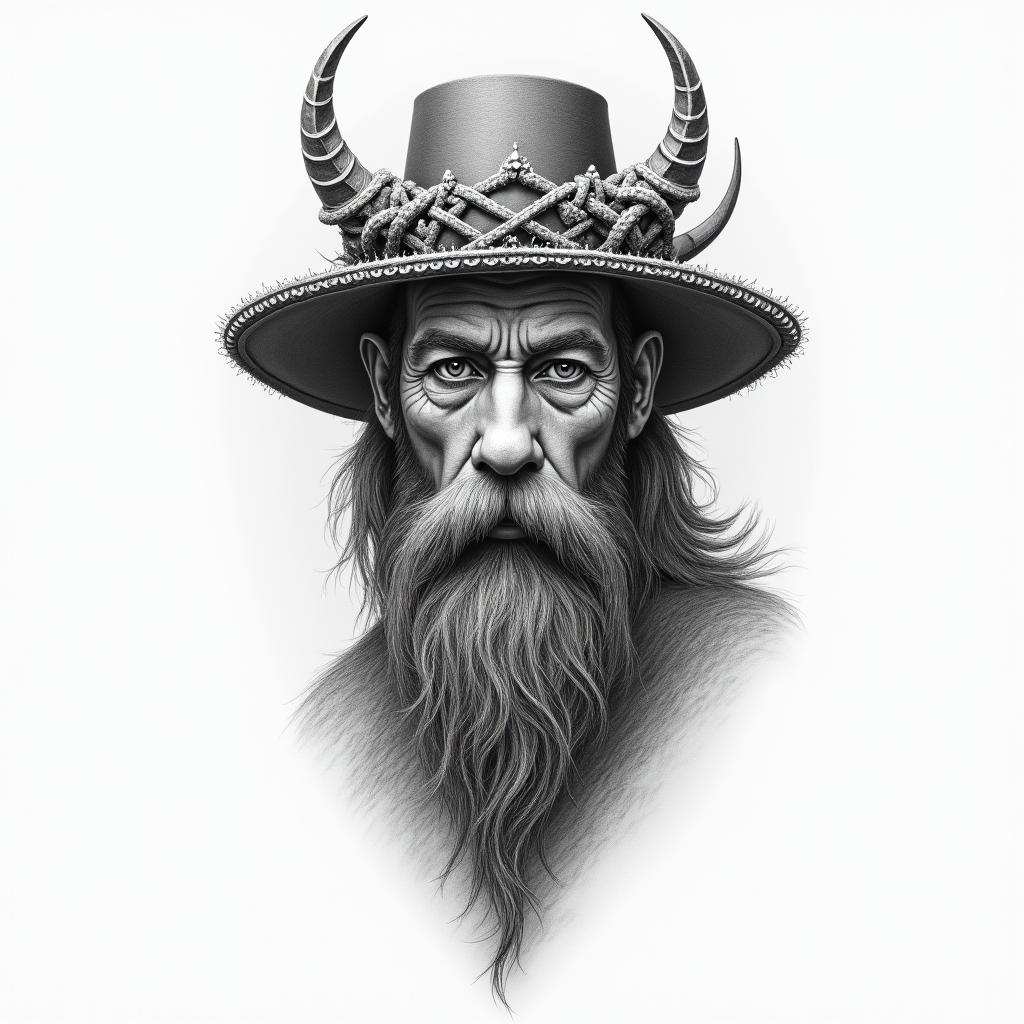
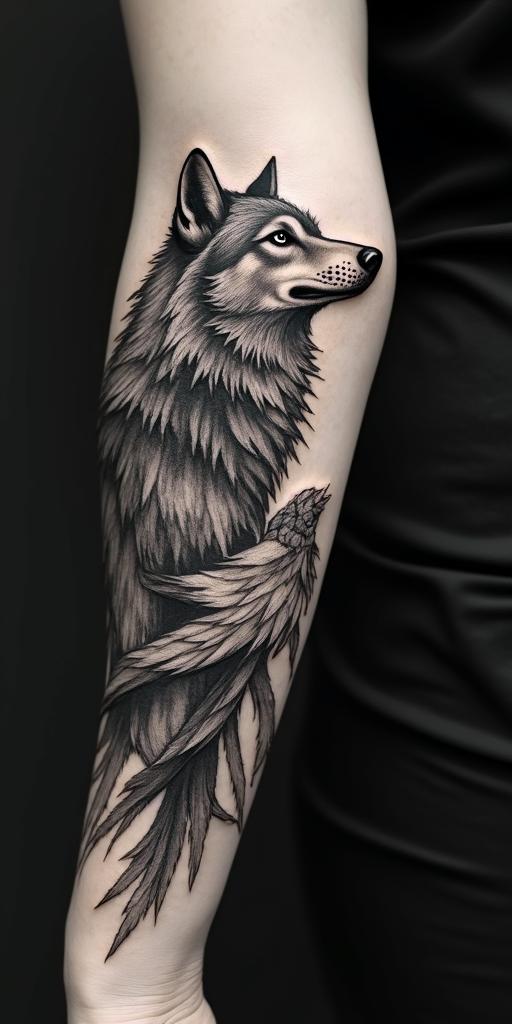
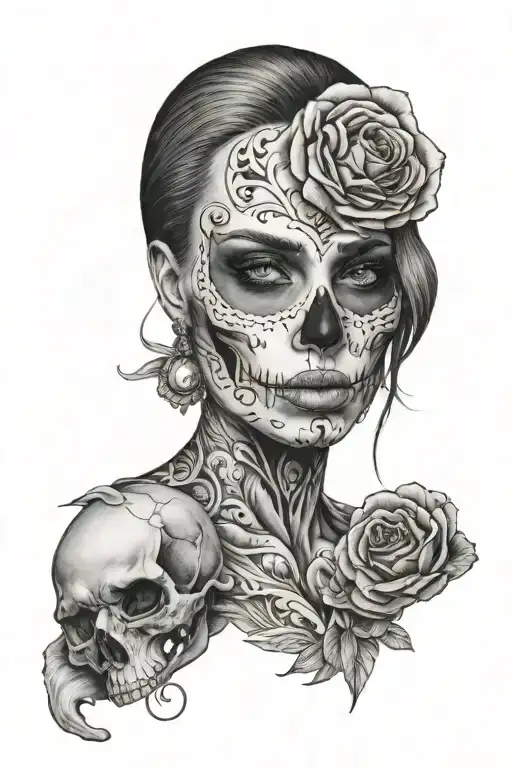
This design exemplifies the peak of photorealistic tattooing, prioritizing depth, texture, and lifelike accuracy over stylized interpretation. Artists achieve this look through meticulous shading techniques, blending black and grey ink to create smooth gradients that mimic photography. Every shadow and highlight is calculated to produce a three-dimensional effect on skin. Ideal for subjects requiring precise anatomical correctness, this style demands a skilled hand capable of managing contrast without losing detail. Whether portraying human features, animals, or objects, the goal remains identical: seamless integration of art and reality. Placement matters significantly here; flat surfaces allow the illusion of depth to remain intact without distortion from muscle movement. Clients seeking this level of fidelity should expect longer sessions due to the slow, layered application required for smooth shading. Maintenance is key, as fine details may soften over time without proper aftercare and sun protection. Consultation is crucial to ensure the reference image possesses sufficient resolution for translation into ink. Skimping on reference quality compromises the final outcome. Additionally, size plays a vital role; cramming photorealism into a small area leads to blurring as the tattoo ages. Aim for medium to large dimensions to preserve the intricate shading work. This style suits individuals who appreciate technical mastery and want a piece that commands attention through sheer verisimilitude. When executed correctly, the result transcends traditional body art, becoming a permanent window into a captured moment.
Noticeable discomfort, prepare for some sensitivity
Expect moderate discomfort during extended shading sessions. The needle creates a hot, scratching sensation. Bony areas near the wrist increase intensity. Manage pain by staying hydrated and breathing steadily. Take breaks every hour to prevent skin trauma. Topical numbing creams are discouraged as they alter skin texture. Trust your artist's pacing to ensure quality.
For photorealism, choose flat areas with minimal skin movement to preserve detail integrity. The outer forearm offers ample canvas and moderate pain, ideal for viewing. The calf provides a vertical surface perfect for portraits, while the thigh accommodates larger compositions requiring extensive shading. Avoid high-friction zones like hands where ink retention is poor. Ensure the design size matches the body part; realism needs space to breathe. Minimum six inches recommended for facial features to prevent blending over time. Consider visibility for professional settings if placing on arms.
realism is a distinctive tattoo style characterized by Realism: Photorealistic tattoos that mimic photographs with exceptional detail, shading, and dimension. These technically demanding designs create the illusion of 3D imagery on skin, showcasing incredible artistic skill. Portrait: Realistic tattoos depicting human faces, from loved ones to celebrities and historical figures. These detailed designs showcase technical skill through precise likeness, shading, and emotional expression.. This style has gained popularity for its versatility and visual appeal.
The duration depends on the size, complexity, and detail level. A design of this style typically requires 2-4 hours for a medium-sized piece, but consult with your artist for an accurate estimate.
Tattoo pricing varies by artist, location, and design complexity. Prices typically range from $150-$500+ for a design of this style. Always consult with your chosen artist for an accurate quote.
tall