1/2 • Click to zoom
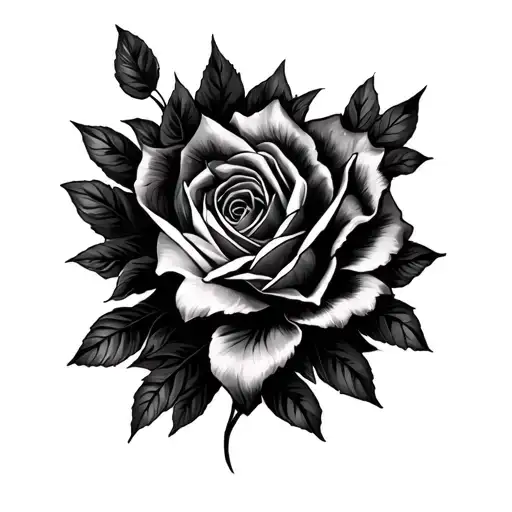
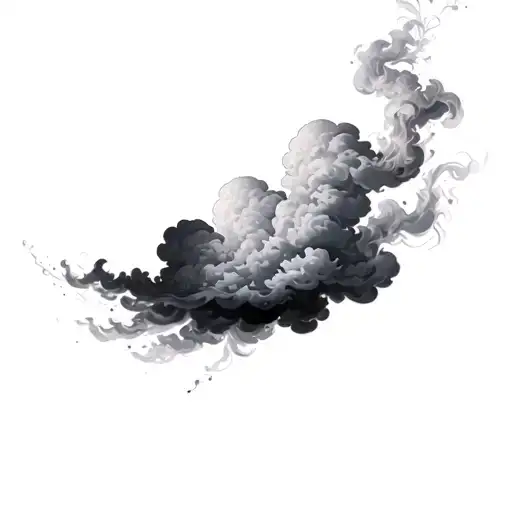
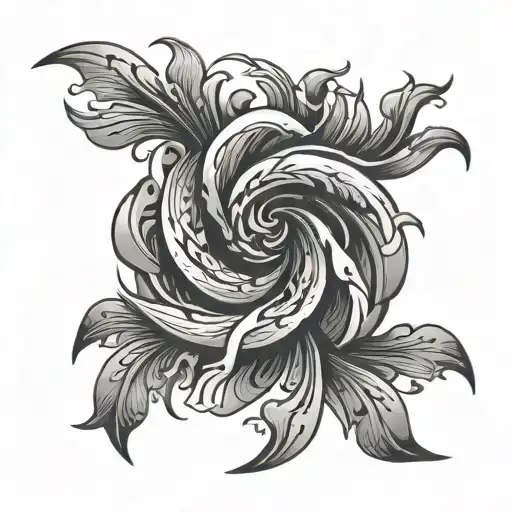
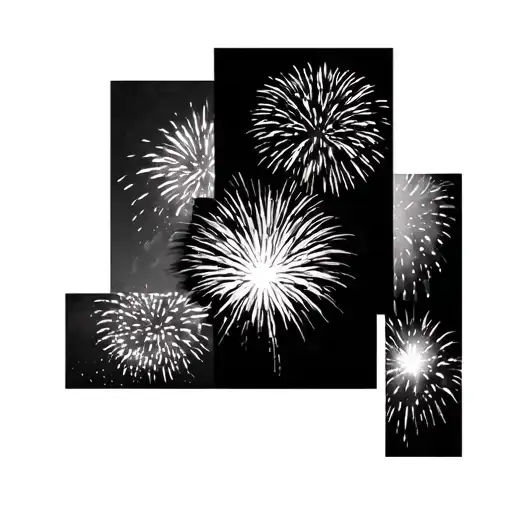
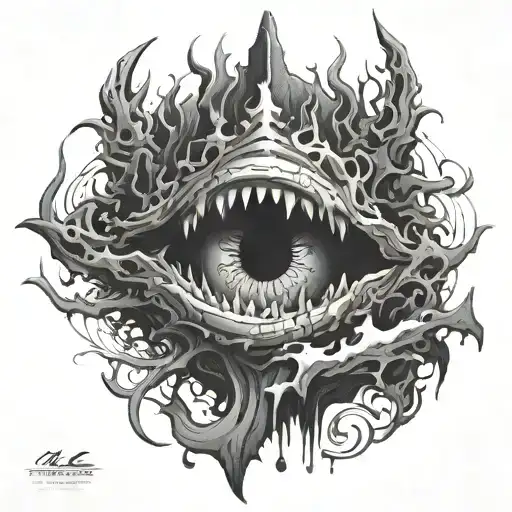
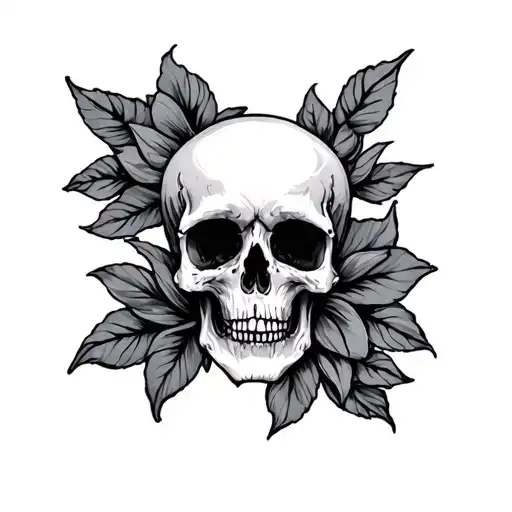
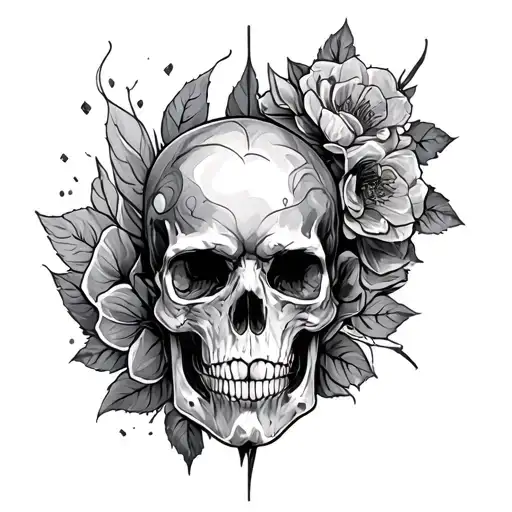
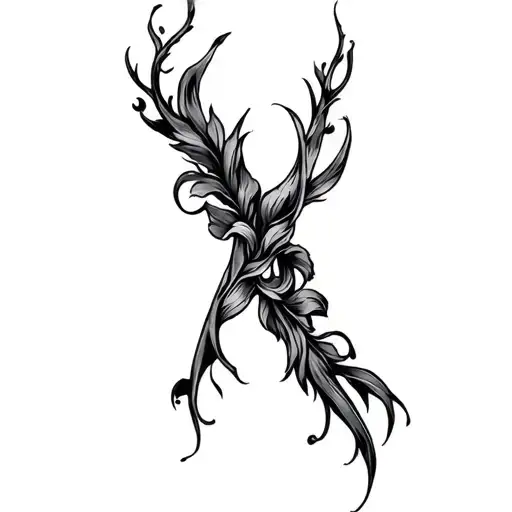
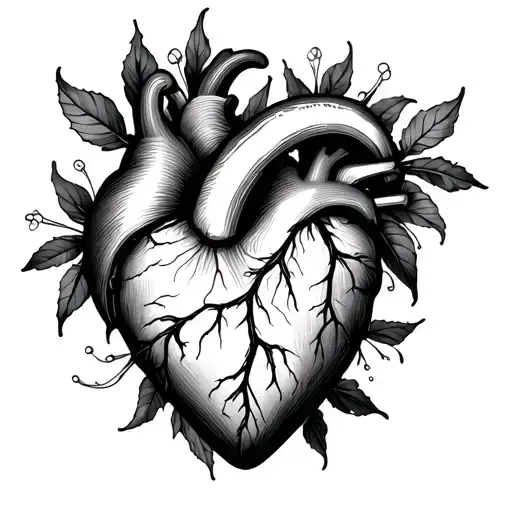
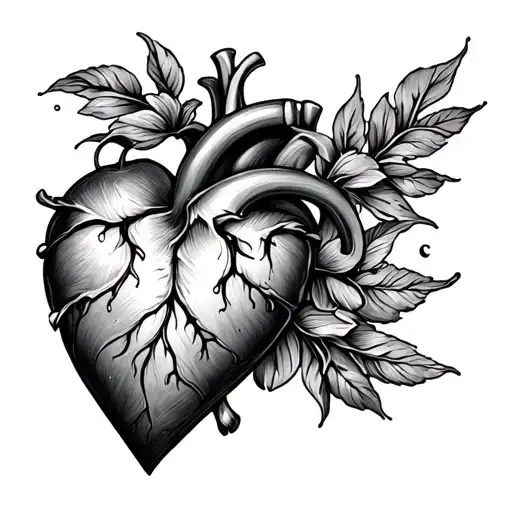
Concealing past ink requires strategic design and dense pigment application. This black-grey composition utilizes heavy shading and abstract forms to effectively mask previous heart imagery while establishing a fresh visual identity. Ideal for clients seeking transformation, the design leverages high-contrast elements to obscure old lines without compromising aesthetic integrity. Blackwork techniques ensure sufficient opacity, preventing the underlying tattoo from bleeding through over time. Suitable for areas requiring substantial surface area, this piece balances concealment utility with artistic expression. Whether modifying a relationship symbol or simply updating old ink, this approach prioritizes long-term coverage. Professional artists recommend allowing adequate healing time between removal sessions and cover-ups, though dense blackwork often suffices in a single strategic session. Incorporating organic flows and solid black pockets helps break up the recognizable shapes of the original tattoo. This method ensures the new artwork stands independently rather than appearing as a patch. Clients should consult with specialists experienced in corrective work to assess skin condition and ink saturation levels. Proper aftercare remains critical to maintain the density required for successful coverage.
Noticeable discomfort, prepare for some sensitivity
Cover-up sessions often require longer duration and multiple passes, increasing discomfort compared to standard tattoos. Expect heightened sensitivity in areas where old scar tissue exists. Utilize breathing techniques to manage intensity during heavy shading phases. Topical numbing agents may be approved by your artist for prolonged sessions. Hydrate well beforehand to improve skin resilience. Pressure needed for opacity feels more intense than typical linework.
For effective coverage, select areas with sufficient surface area and skin elasticity. The outer forearm and outer thigh provide ample space for dense shading without excessive distortion during movement. Ribs offer a flat canvas but involve higher pain levels. Ensure the new design extends at least one inch beyond the original tattoo's borders to prevent edge visibility. Avoid bony prominences where skin stretching might reveal underlying ink over time. Visibility depends on personal preference; forearm placements remain public, while thigh options offer privacy. Minimum dimensions should exceed the original heart size by fifty percent to guarantee complete concealment.
blackwork is a distinctive tattoo style characterized by Blackwork: Blackwork tattoos use exclusively black ink to create bold, graphic designs ranging from intricate patterns to large solid areas. This versatile style encompasses geometric patterns, illustrative work, and heavy coverage pieces that make powerful visual statements. Abstract: Abstract tattoos move beyond representational imagery to explore pure form, color, and artistic expression. These designs may feature geometric shapes, fluid brushstrokes, or unconventional compositions that prioritize aesthetic impact over literal meaning.. This style has gained popularity for its versatility and visual appeal.
Yes, this design is well-suited for square placement. This blackwork design is ideal for square placement. Consider consulting with a professional tattoo artist about the best placement for this design.
The duration depends on the size, complexity, and detail level. A design of this style typically requires 2-4 hours for a medium-sized piece, but consult with your artist for an accurate estimate.
Tattoo pricing varies by artist, location, and design complexity. Prices typically range from $150-$500+ for a design of this style. Always consult with your chosen artist for an accurate quote.
Proper aftercare is crucial for square tattoos. Keep the area clean, moisturized, and protected from sun exposure. Follow your artist's specific aftercare instructions for best results.

square

square
square