1/4 • Click to zoom
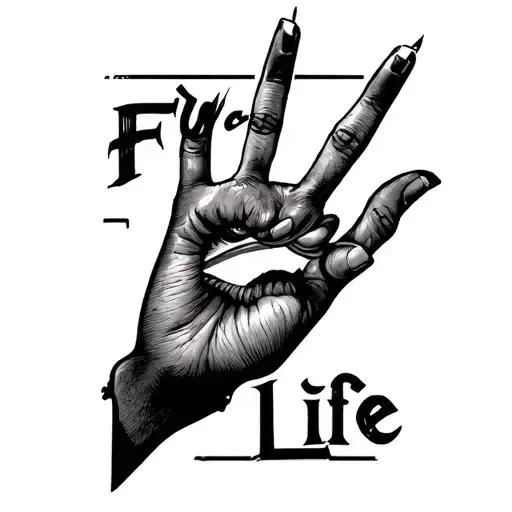
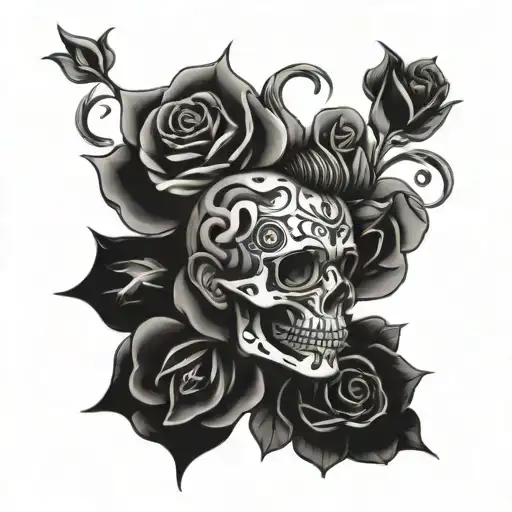
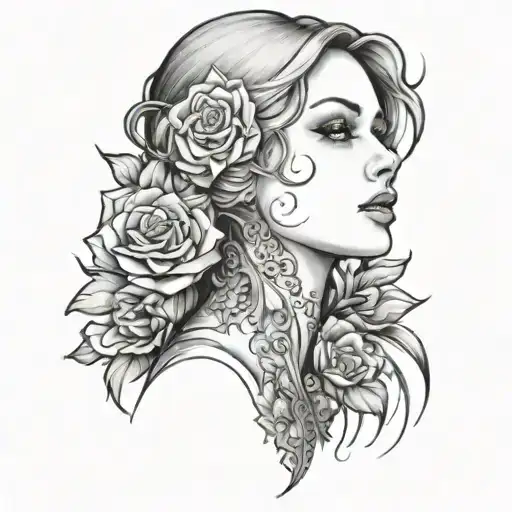
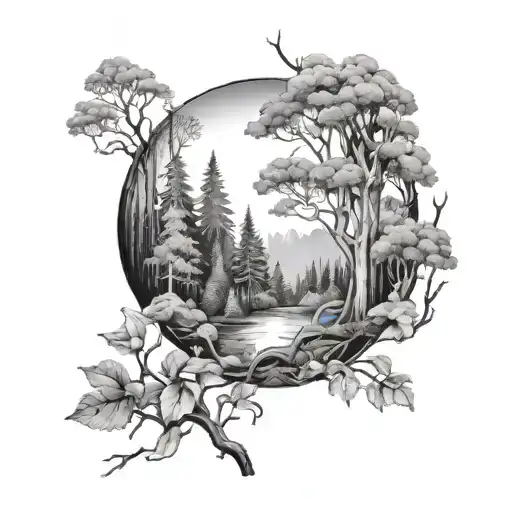
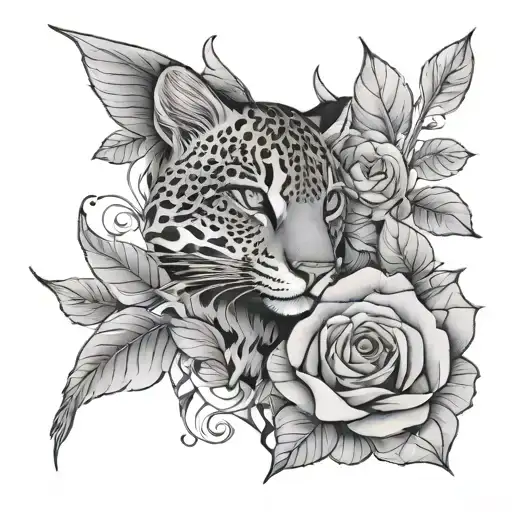
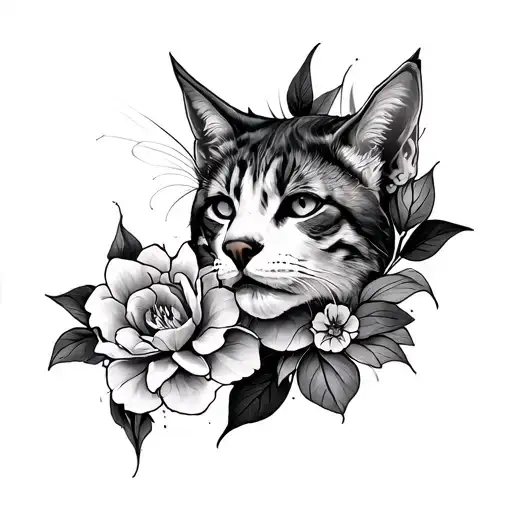
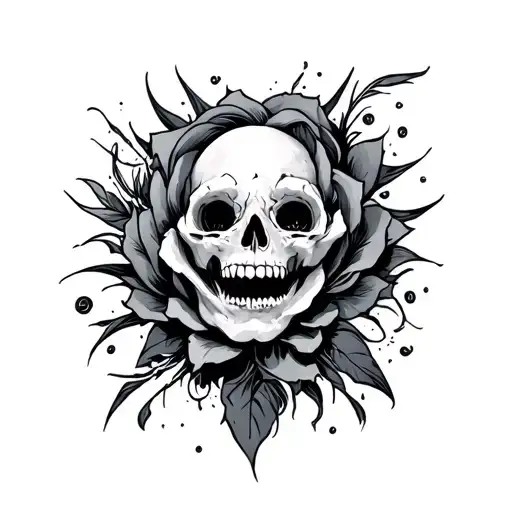
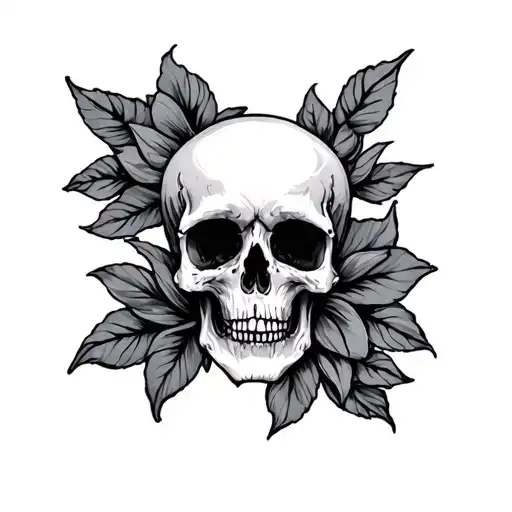
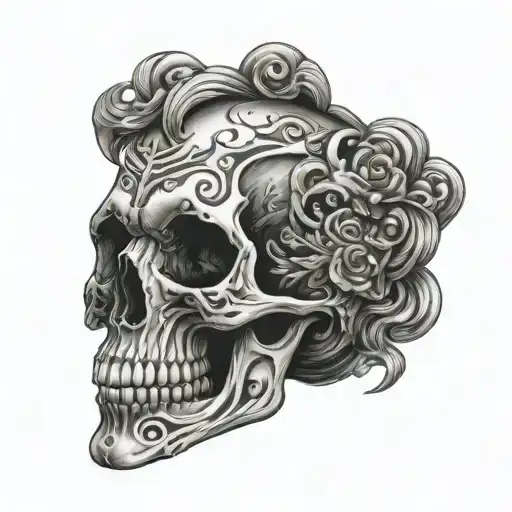
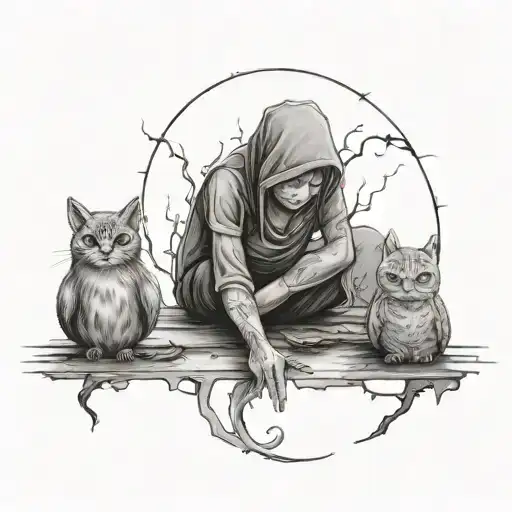
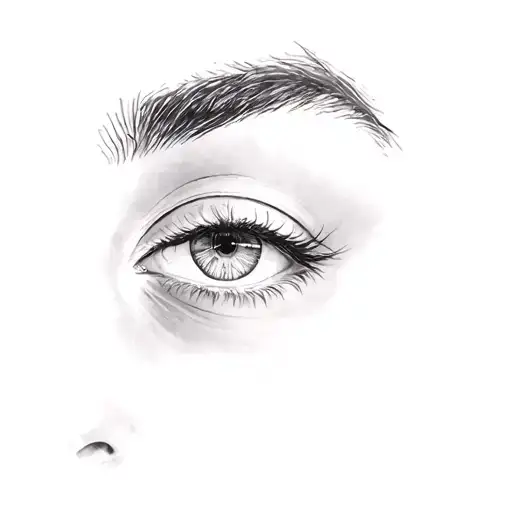
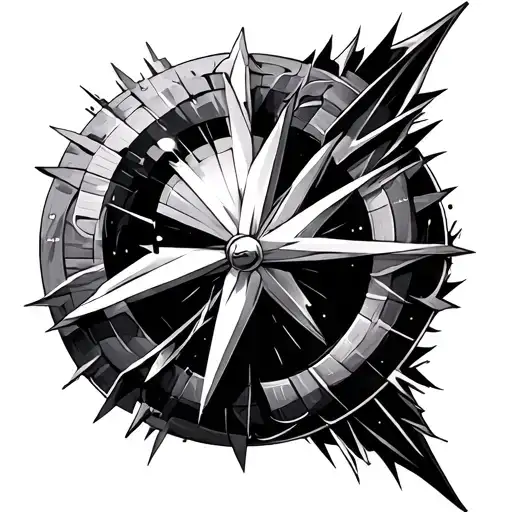
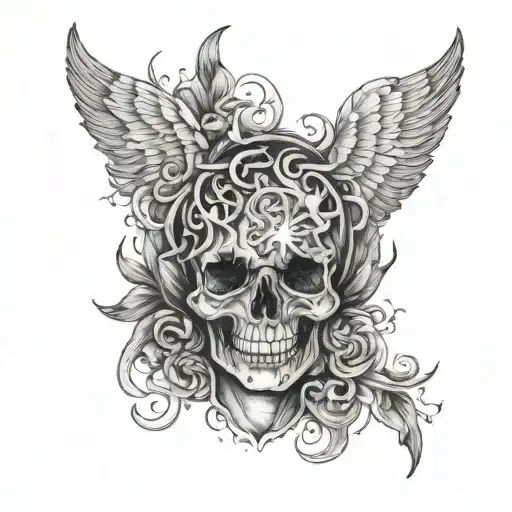
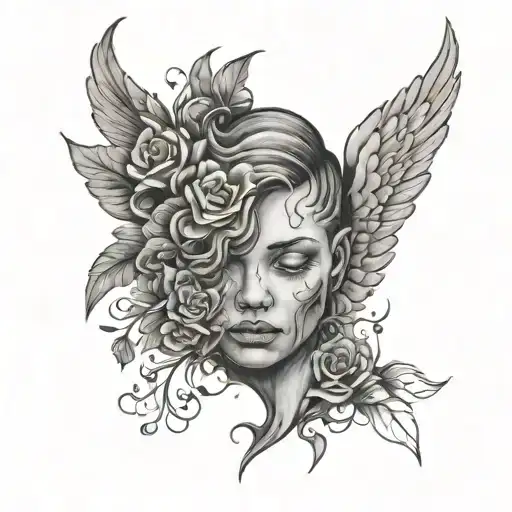
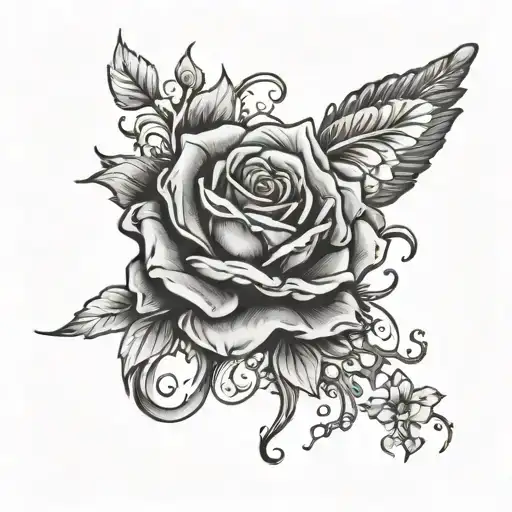
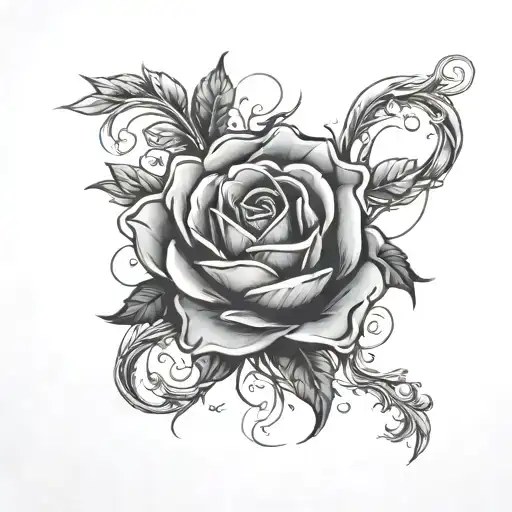
Silent battles often demand visible reminders of survival and growth. This black-grey composition utilizes delicate shading and sketch-like textures to represent the complexity of internal conflict. Ideal for those seeking subtle symbolism, the design flows naturally along muscle contours without overwhelming the skin. Common placements include the outer forearm or calf, where the square aspect ratio fits cleanly. The imagery often incorporates abstract elements or semicolon motifs, signaling continuity amidst struggle. Whether chosen for personal healing or public awareness, this piece balances artistic depth with wearable simplicity. Professional shading techniques ensure longevity while maintaining the soft, emotive quality essential for mental health themes. Artists typically employ single-needle linework combined with wash shading to create depth without heavy saturation. This approach allows the design to age gracefully, preserving the intricate details that convey the nuanced narrative of resilience. Clients often find this style particularly comforting, as it mirrors the fragility and strength inherent in recovery journeys.
Noticeable discomfort, prepare for some sensitivity
Outer forearm and calf placements rank low on the pain scale due to thicker skin and muscle cushioning. Expect mild discomfort similar to a cat scratch during linework. Shading produces a warm sensation but remains manageable. Steady breathing reduces tension. Topical numbing creams are generally unnecessary. Sessions typically conclude within two hours. Bony areas like the ankle increase discomfort significantly.
For optimal flow, position this square-format design on flat muscle surfaces. The outer forearm offers high visibility for personal reminders while remaining easy to conceal for professional settings. Calves provide ample canvas for larger iterations, allowing shading to breathe without distortion during movement. Avoid highly curved areas like the ribs unless scaling up significantly, as geometric stability may warp. Minimum size should reach four inches to prevent ink blowout in fine details over time. Symmetrical placement on both arms creates a balanced aesthetic for those wanting dual reminders. Consider skin tone contrast when finalizing black-grey saturation levels.
fine-line is a distinctive tattoo style characterized by Blackwork: Blackwork tattoos use exclusively black ink to create bold, graphic designs ranging from intricate patterns to large solid areas. This versatile style encompasses geometric patterns, illustrative work, and heavy coverage pieces that make powerful visual statements. Fine Line: Fine Line tattoos use single-needle or small needle groupings to create delicate, detailed designs with thin, precise lines. Popular for small tattoos and intricate imagery, this style achieves remarkable detail while maintaining an elegant, understated aesthetic. Sketch: Sketch style tattoos replicate the aesthetic of pencil drawings, including visible construction lines, cross-hatching, and an unfinished quality. These artistic designs celebrate the drawing process itself, appearing as if sketched directly onto the skin.. This style has gained popularity for its versatility and visual appeal.
Yes, this design is well-suited for square placement. This fine-line design is ideal for square placement. Consider consulting with a professional tattoo artist about the best placement for this design.
The duration depends on the size, complexity, and detail level. A design of this style typically requires 2-4 hours for a medium-sized piece, but consult with your artist for an accurate estimate.
Tattoo pricing varies by artist, location, and design complexity. Prices typically range from $150-$500+ for a design of this style. Always consult with your chosen artist for an accurate quote.
Proper aftercare is crucial for square tattoos. Keep the area clean, moisturized, and protected from sun exposure. Follow your artist's specific aftercare instructions for best results.