1/2 • Click to zoom
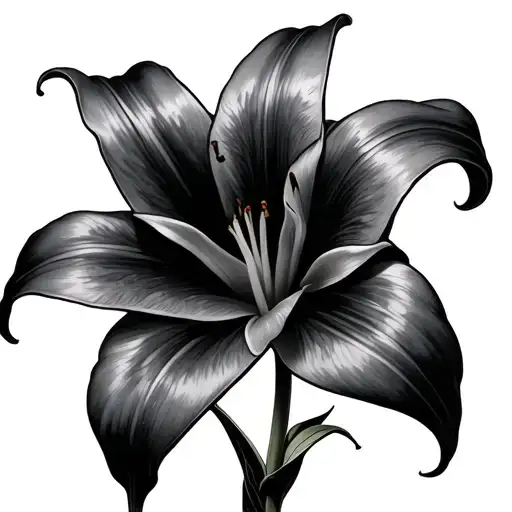
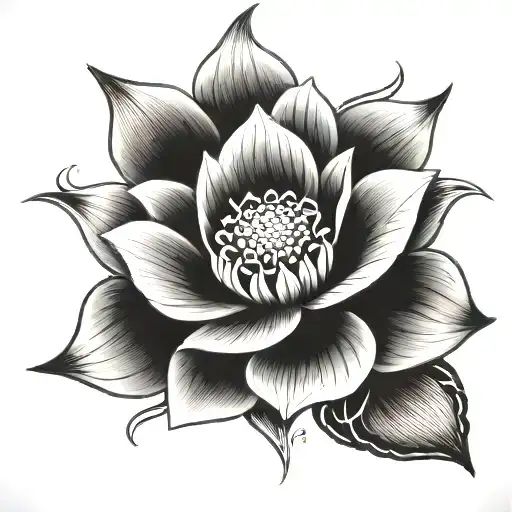
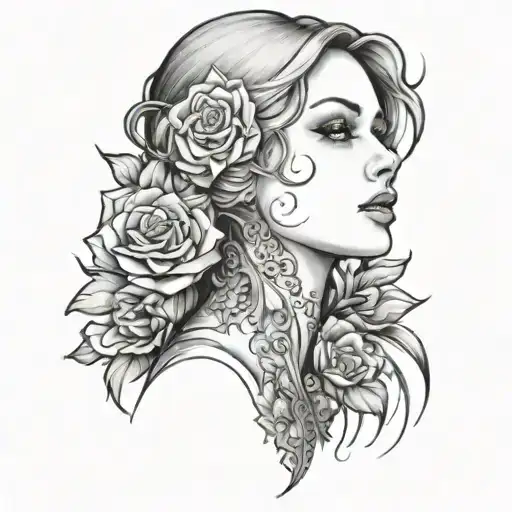
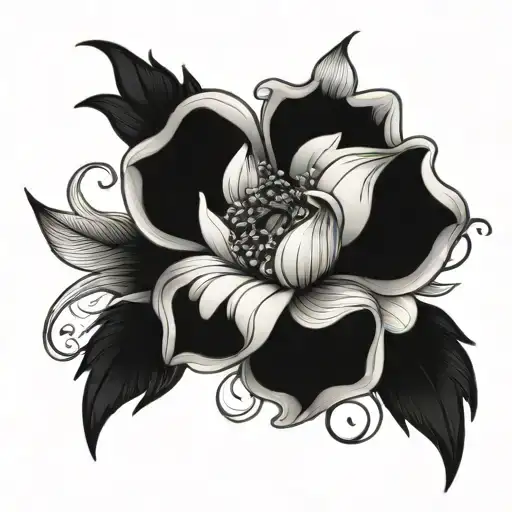
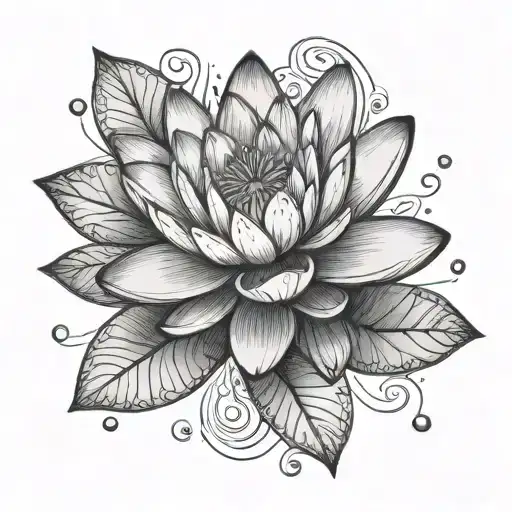
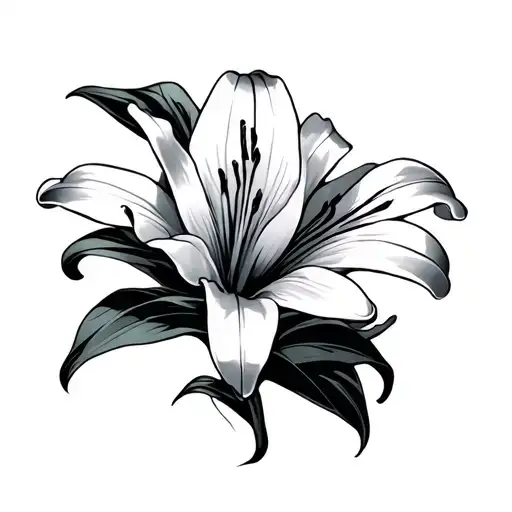
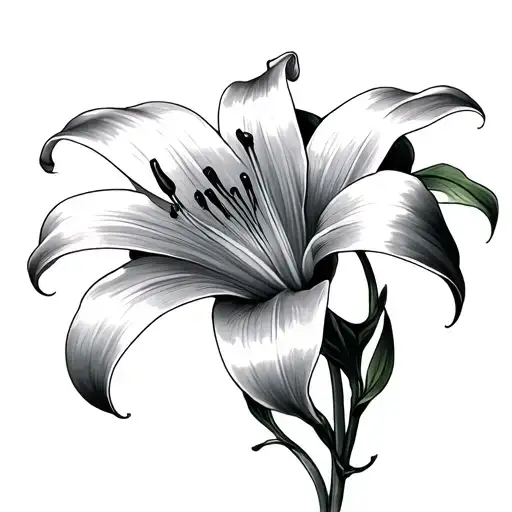
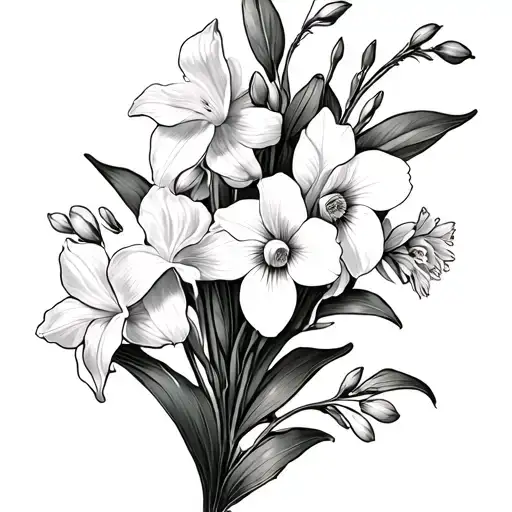
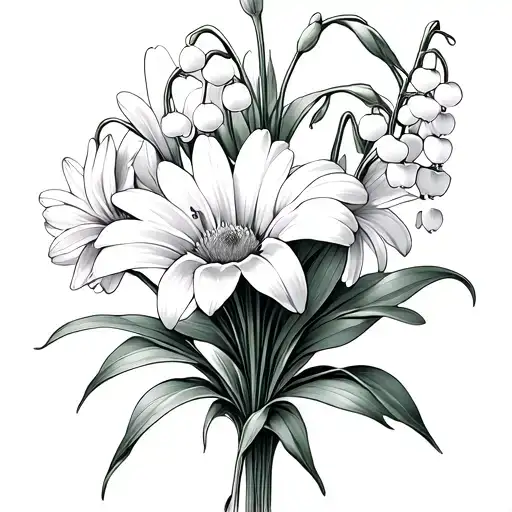
Reimagining the classic lily with bold intent, this design strips away delicate pastels in favor of high-contrast black and grey shading. The petals retain their natural elegance but are rendered with heavier linework and deeper shadows, creating a masculine edge without losing the flower's inherent symbolism of rebirth and passion. Ideal for those seeking botanical ink that commands presence rather than whispering subtlety. The vertical flow of the stem suits elongated body canvases, allowing the artist to utilize whip shading techniques for texture. This piece works exceptionally well on the outer forearm or calf, where the skin surface remains relatively flat during healing. Incorporating elements of illustrative art, the design balances realism with graphic strength. Whether chosen for personal significance or aesthetic appeal, this lily stands as a testament to modern floral tattooing, proving that nature motifs belong in every style portfolio. Consult your artist about sizing to ensure the shading breathes correctly over time.
Noticeable discomfort, prepare for some sensitivity
Expect moderate discomfort on fleshy areas like the outer forearm, resembling a persistent cat scratch. Shading phases generate more heat than linework, particularly near dense nerve clusters. Hydrate thoroughly before sessions to improve skin elasticity. If placing near bony prominences like the ankle, request frequent breaks. Numbing agents are unnecessary for this complexity level but remain an option for sensitive clients. Breathing techniques help manage intensity during black packing.
Vertical placements like the outer forearm or calf maximize the stem's natural flow, preventing distortion during muscle flexion. The outer bicep offers a broader canvas for wider bloom variations. Avoid high-friction zones like the inner wrist if heavy shading is planned, as blowouts may occur. For professional settings, the upper arm allows easy concealment under short sleeves. Minimum width should exceed three inches to maintain line integrity as the skin ages. Bold outlines ensure longevity, while open negative space prevents the black-grey shading from merging into a solid mass over decades.
botanical is a distinctive tattoo style characterized by Blackwork: Blackwork tattoos use exclusively black ink to create bold, graphic designs ranging from intricate patterns to large solid areas. This versatile style encompasses geometric patterns, illustrative work, and heavy coverage pieces that make powerful visual statements. Illustrative: Illustrative tattoos capture the aesthetic of hand-drawn illustrations, book artwork, and graphic novels. These designs emphasize artistic linework, cross-hatching, and stylized imagery that appears to have been drawn directly onto the skin. Botanical: Botanical tattoos feature detailed depictions of flowers, plants, leaves, and natural elements inspired by scientific botanical illustrations. These designs range from realistic renderings to stylized interpretations, celebrating the beauty of the natural world.. This style has gained popularity for its versatility and visual appeal.
Yes, this design is well-suited for square placement. This botanical design is ideal for square placement. Consider consulting with a professional tattoo artist about the best placement for this design.
The duration depends on the size, complexity, and detail level. A design of this style typically requires 2-4 hours for a medium-sized piece, but consult with your artist for an accurate estimate.
Tattoo pricing varies by artist, location, and design complexity. Prices typically range from $150-$500+ for a design of this style. Always consult with your chosen artist for an accurate quote.
Proper aftercare is crucial for square tattoos. Keep the area clean, moisturized, and protected from sun exposure. Follow your artist's specific aftercare instructions for best results.
square
square
square