1/2 • Click to zoom
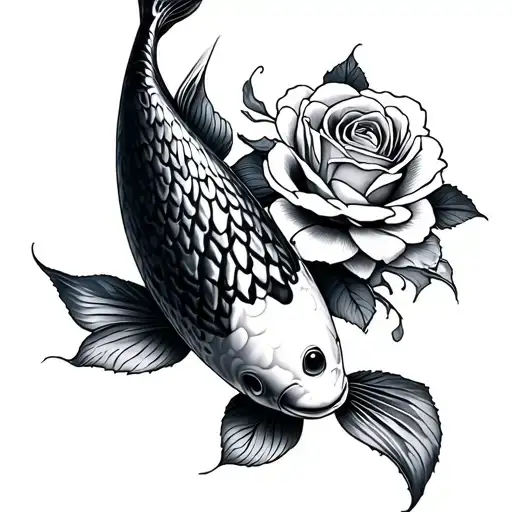
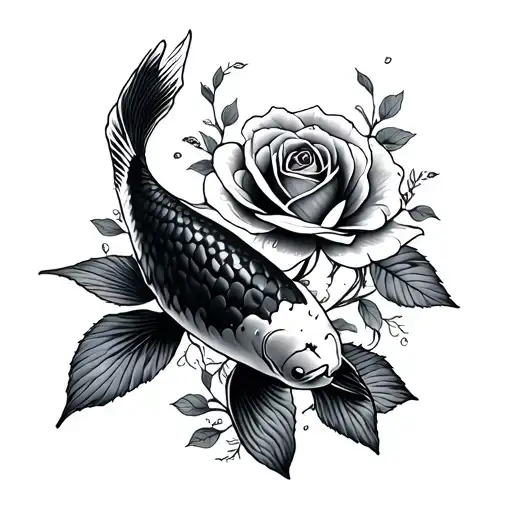
Swimming upstream against the current, the koi fish symbolizes perseverance and strength, while the rose embodies balance and beauty. This black and grey design merges aquatic motion with botanical elegance, creating a narrative of resilience blooming through adversity. Expert shading techniques highlight the texture of scales and petals, using contrast to create depth without color. The square composition ensures versatility, allowing the piece to fit seamlessly on various body contours while maintaining visual impact. Ideal for those seeking meaningful symbolism wrapped in timeless aesthetics, this design bridges Eastern tradition with Western floral artistry. Whether displayed prominently or kept personal, the interplay of light and shadow brings the imagery to life. Artists often recommend this layout for areas requiring a defined frame, as the square boundaries help contain the flowing elements of the fish and plant life. The monochromatic palette ensures aging grace, avoiding color fading issues common in vibrant pieces. Consider this option if you value storytelling ink that remains legible over decades. The detailed linework demands a skilled hand to capture the delicate fins and thorny stems accurately.
Noticeable discomfort, prepare for some sensitivity
Expect moderate discomfort, primarily during the shading phases where the needle works repeatedly over the same area. The outer forearm and thigh feature thicker skin and more muscle cushion, keeping pain manageable for most clients. Sensation resembles a persistent scratch or vibration rather than sharp stabbing. Breathing steadily through dense shading sections helps reduce tension.
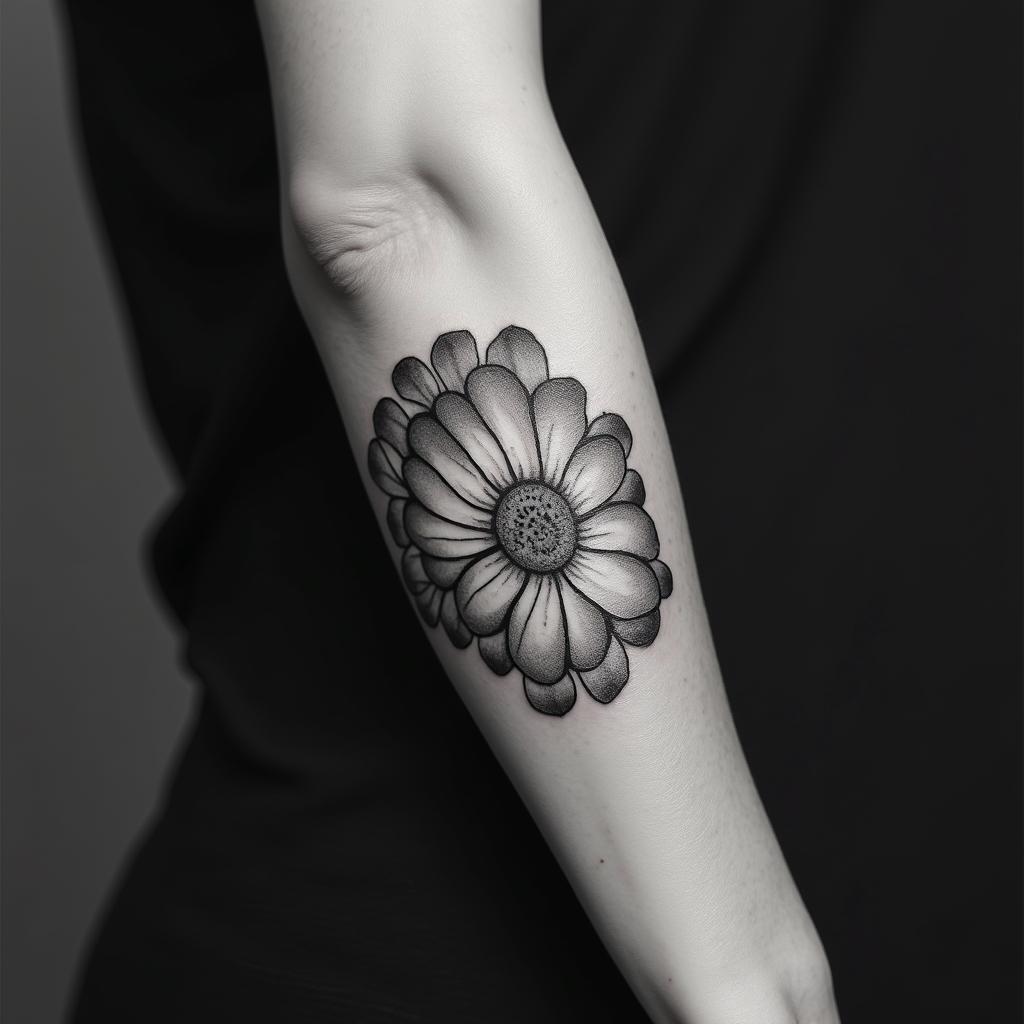
This square composition fits best on flat, broad surfaces like the outer forearm or outer thigh, where the design can remain un-distorted by muscle movement. The shoulder blade also offers a solid canvas for this layout, ensuring the koi appears to swim naturally across the skin. For professional settings, the thigh offers easy concealment, while the forearm provides high visibility. Minimum size should be 4x4 inches to preserve scale detail and petal definition. Larger dimensions allow for smoother shading gradients, enhancing the black-grey realism effect.
neo-traditional is a distinctive tattoo style characterized by Japanese: Traditional Japanese tattoos (Irezumi) featuring iconic motifs like koi fish, dragons, cherry blossoms, and waves. These rich, narrative designs follow centuries-old rules of composition, symbolism, and technique. Neo-Traditional: Neo-Traditional tattoos build upon American Traditional foundations with expanded color palettes, more complex shading, and intricate details. These designs maintain bold outlines while incorporating Art Nouveau and Art Deco influences, creating a bridge between classic and contemporary tattooing. Botanical: Botanical tattoos feature detailed depictions of flowers, plants, leaves, and natural elements inspired by scientific botanical illustrations. These designs range from realistic renderings to stylized interpretations, celebrating the beauty of the natural world.. This style has gained popularity for its versatility and visual appeal.
Yes, this design is well-suited for square placement. This neo-traditional design is ideal for square placement. Consider consulting with a professional tattoo artist about the best placement for this design.
The duration depends on the size, complexity, and detail level. A design of this style typically requires 2-4 hours for a medium-sized piece, but consult with your artist for an accurate estimate.
Tattoo pricing varies by artist, location, and design complexity. Prices typically range from $150-$500+ for a design of this style. Always consult with your chosen artist for an accurate quote.
Proper aftercare is crucial for square tattoos. Keep the area clean, moisturized, and protected from sun exposure. Follow your artist's specific aftercare instructions for best results.