1/4 • Click to zoom
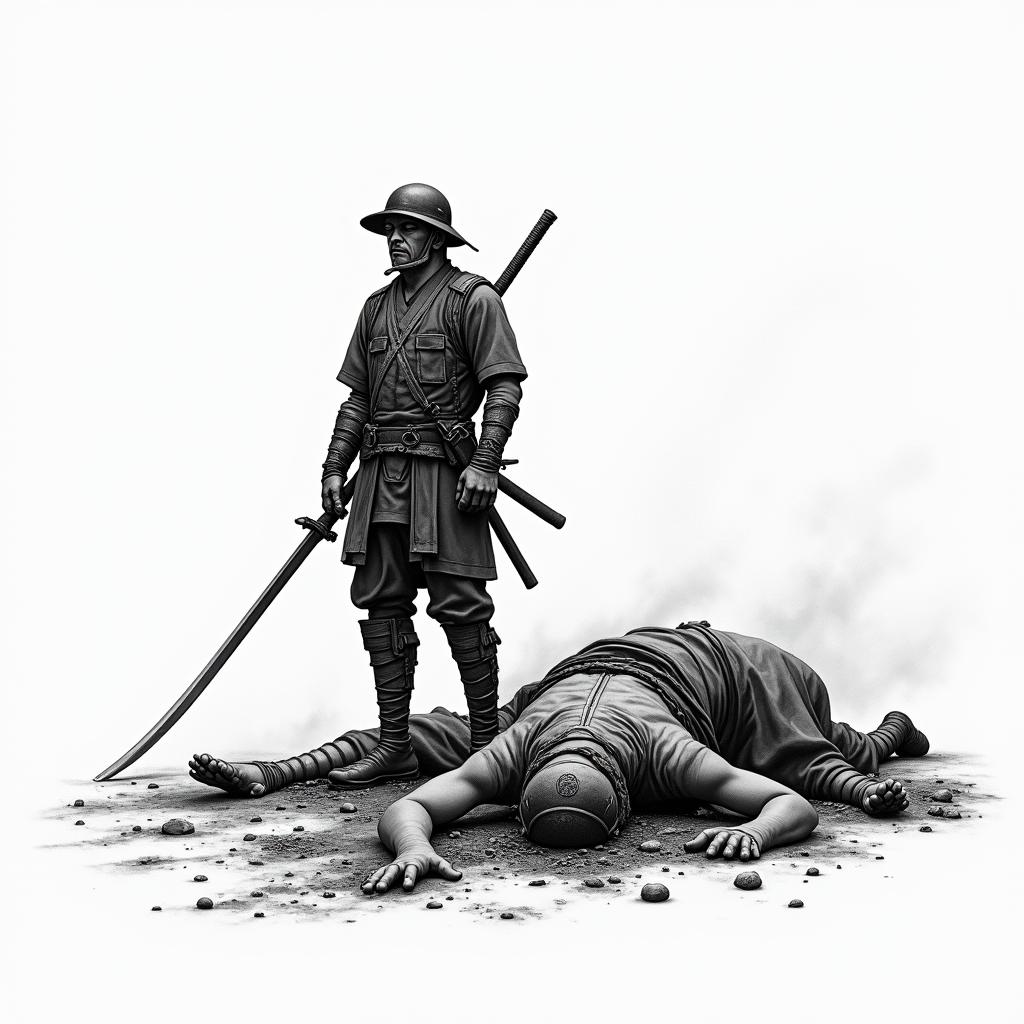
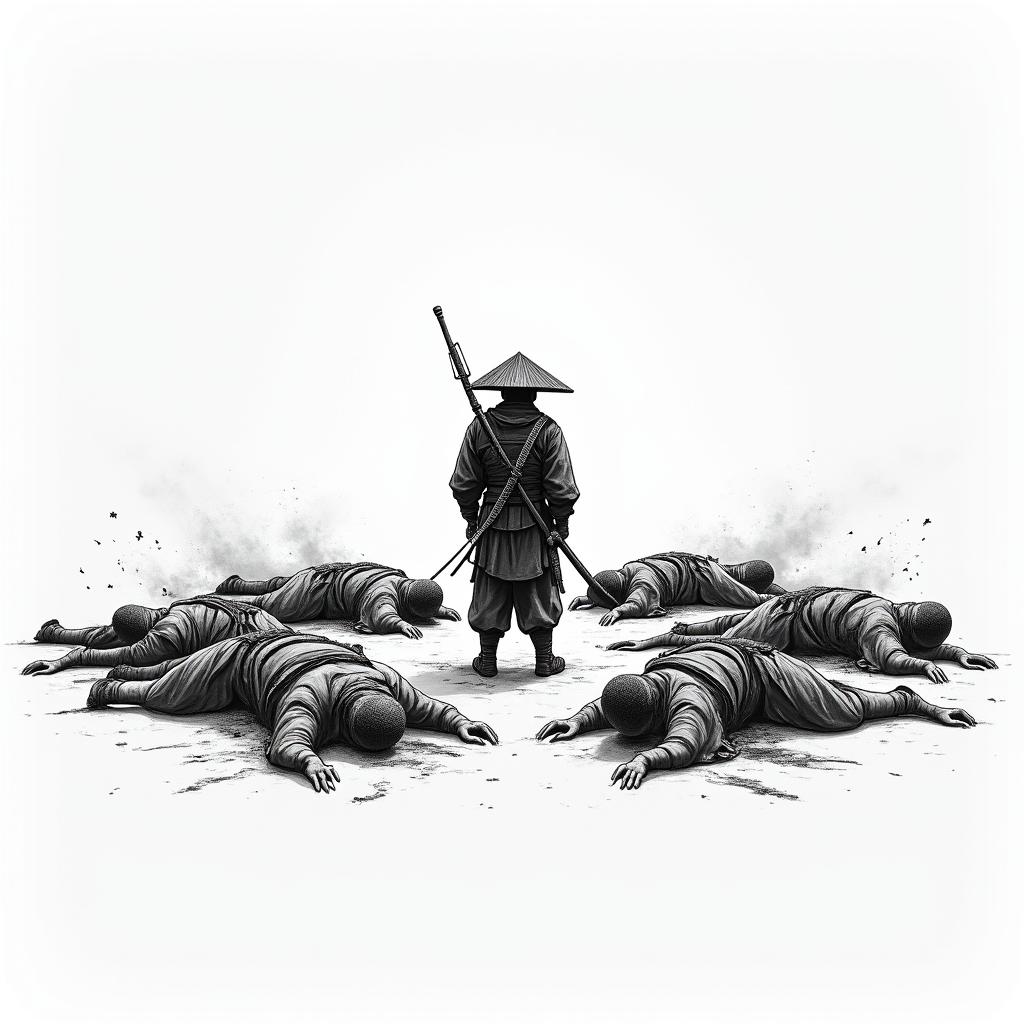
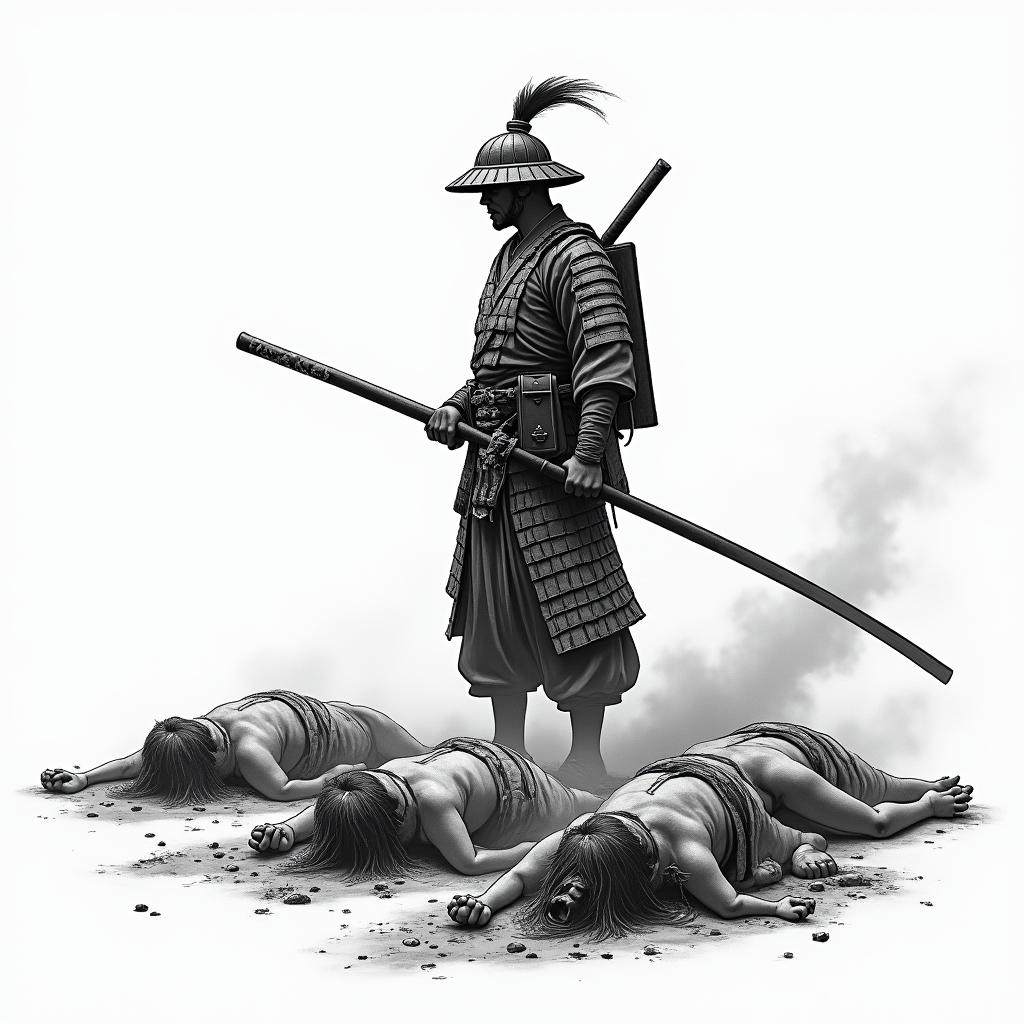
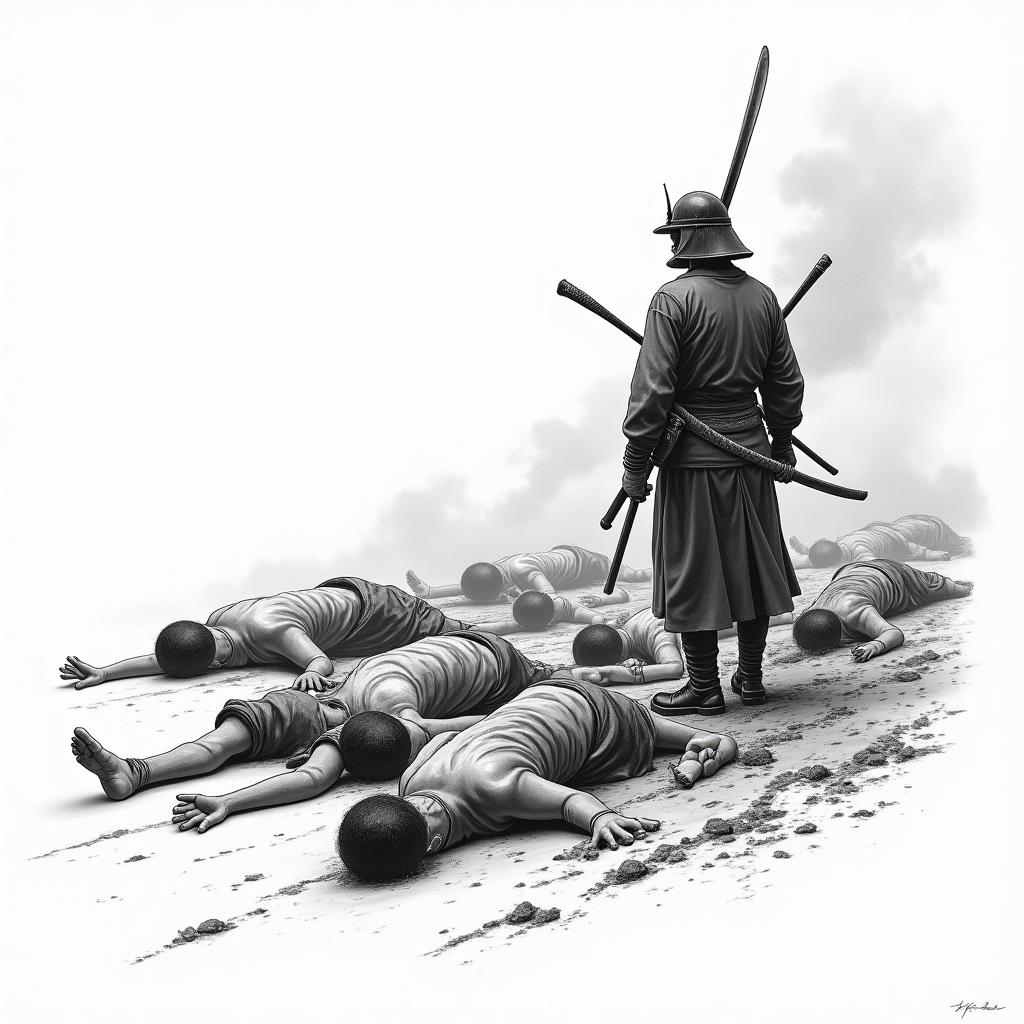
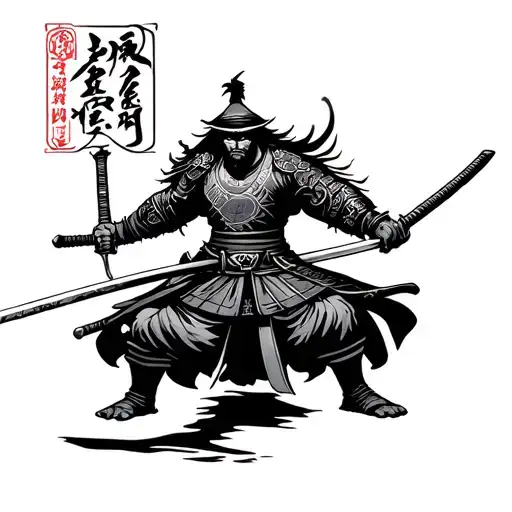
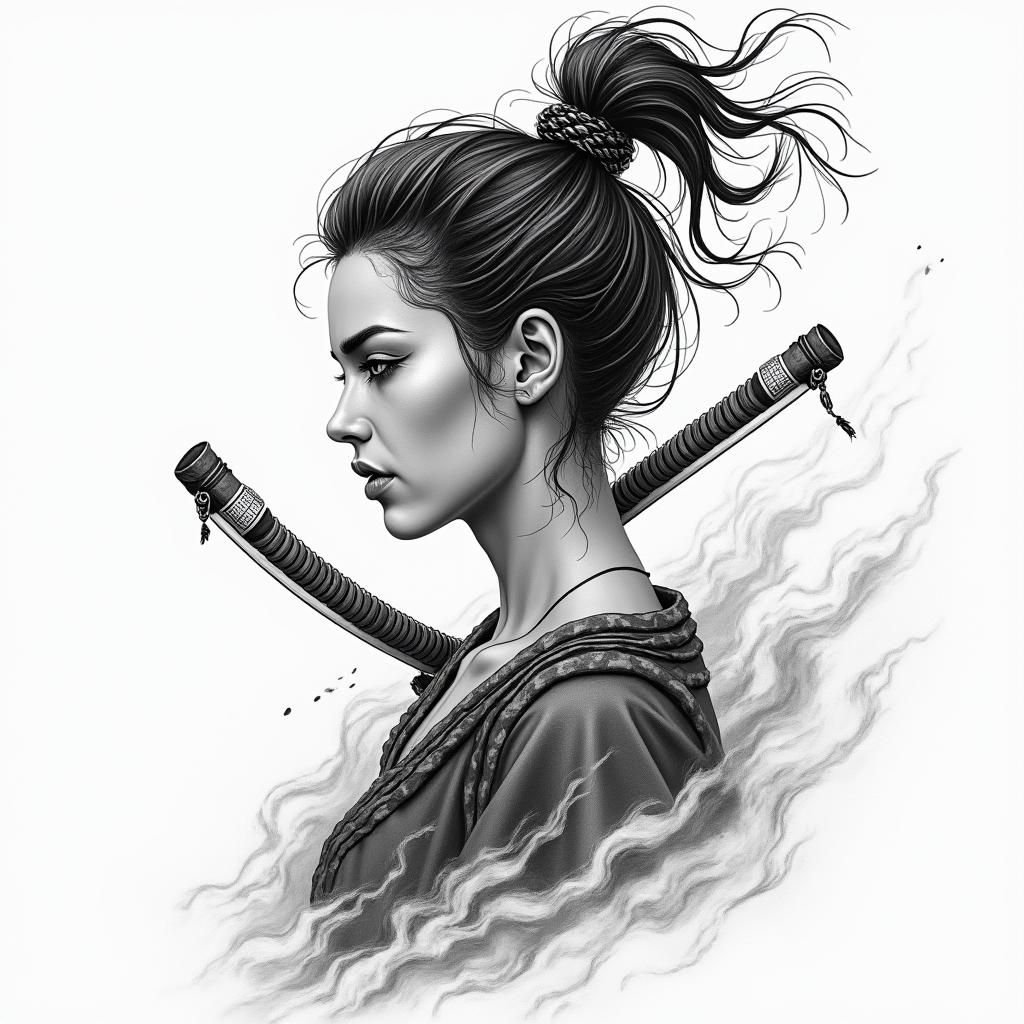
A solitary warrior stands amidst the aftermath of conflict, a classic motif in Irezumi representing resilience and honor. This design features a lone soldier foregrounded against fallen comrades, rendered with bold outlines and intricate shading typical of Japanese tattooing. Wind bars or water elements often accompany such scenes to fill negative space and enhance flow. Ideal for large canvas areas like the back or thigh, this piece allows for the detail required in armor and facial expressions. The composition draws the eye vertically, making it suitable for sleeves or spine placements. Symbolism focuses on survival, duty, and the transient nature of life (mono no aware). The linework demands precision to capture the texture of traditional armor and fabric folds. Background clouds or smoke integrate the figure into the body's contours, ensuring the design ages gracefully. This narrative piece suits collectors seeking historical depth rather than simple imagery. Proper sizing prevents mudding over time, preserving the stark contrast between the standing survivor and the fallen battlefield. Artists typically use deep blacks and muted colors to evoke solemnity.
Noticeable discomfort, prepare for some sensitivity
Expect moderate discomfort on the upper back and outer thigh due to muscle density cushioning the needle. Detailed shading in armor plates may cause a hot, scratching sensation. Bicep areas remain manageable for most clients. Breathing techniques help during dense shading sessions. Topical numbing is generally unnecessary for these fleshy areas but can be discussed for spine proximity.
Large-scale Japanese scenes require ample space to maintain detail integrity. The upper back offers a broad canvas for horizontal or vertical compositions, allowing armor details to breathe. Outer thighs provide a flat surface for standing figures, ensuring proportions remain accurate over muscle groups. For sleeves, the outer bicep accommodates the central figure while allowing background elements to wrap. Avoid high-friction areas like hands or feet where intricate linework may blur prematurely. Consider visibility; back and thigh placements offer concealment for professional settings.
japanese is a distinctive tattoo style characterized by Japanese: Traditional Japanese tattoos (Irezumi) featuring iconic motifs like koi fish, dragons, cherry blossoms, and waves. These rich, narrative designs follow centuries-old rules of composition, symbolism, and technique. Illustrative: Illustrative tattoos capture the aesthetic of hand-drawn illustrations, book artwork, and graphic novels. These designs emphasize artistic linework, cross-hatching, and stylized imagery that appears to have been drawn directly onto the skin.. This style has gained popularity for its versatility and visual appeal.
The duration depends on the size, complexity, and detail level. A design of this style typically requires 2-4 hours for a medium-sized piece, but consult with your artist for an accurate estimate.
Tattoo pricing varies by artist, location, and design complexity. Prices typically range from $150-$500+ for a design of this style. Always consult with your chosen artist for an accurate quote.

square
tall