1/2 • Click to zoom
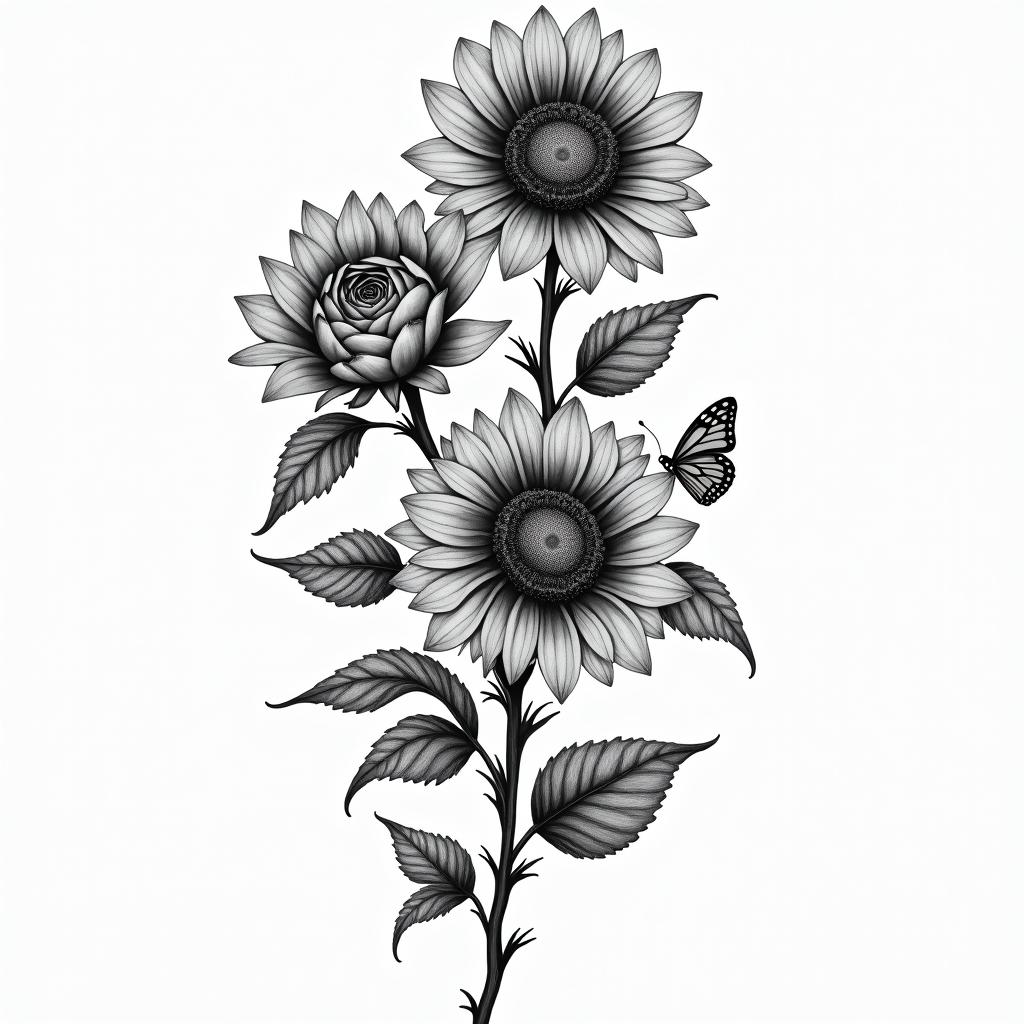
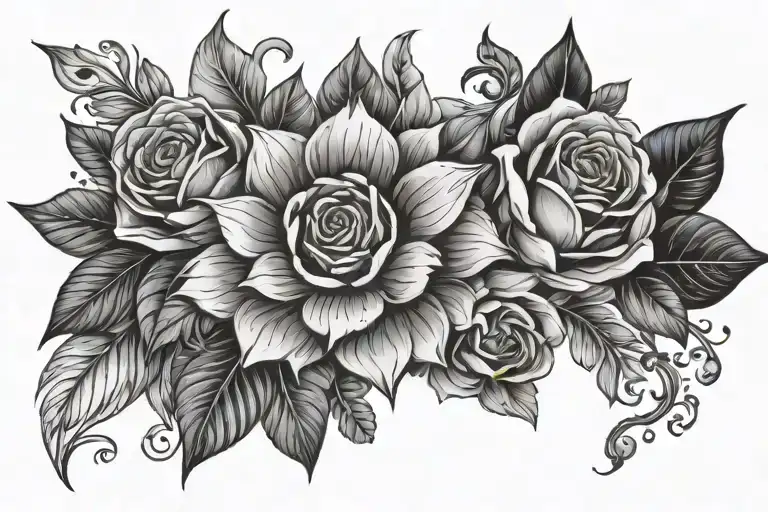
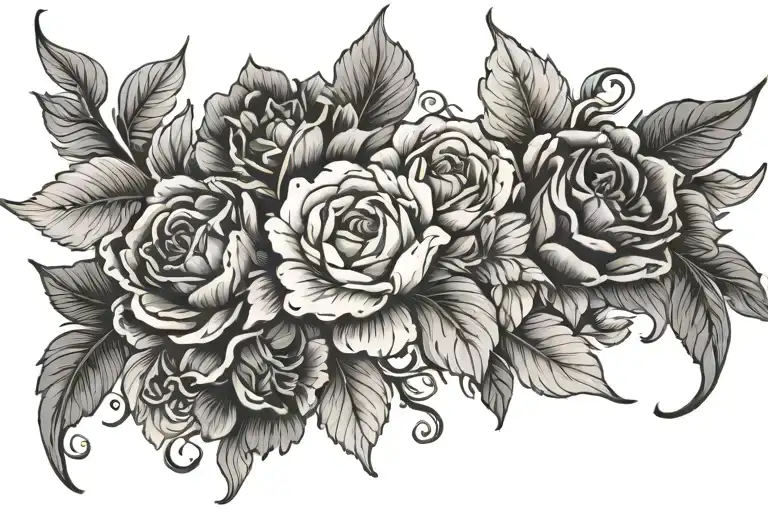
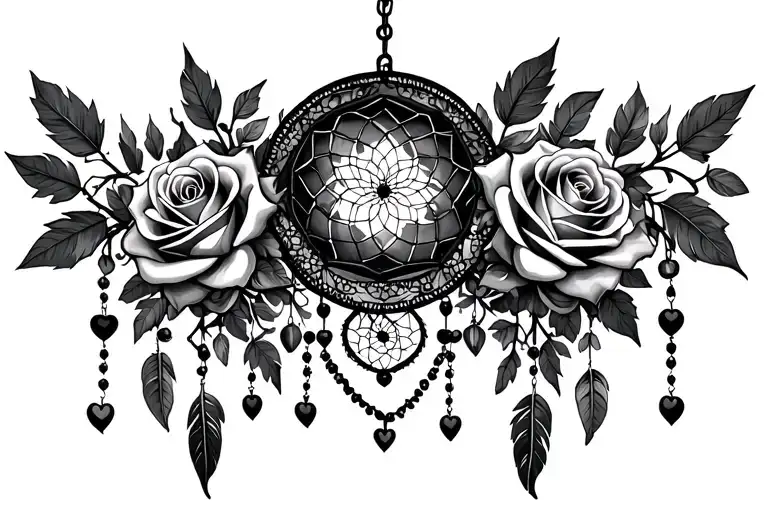
Nature's complexity shines through intricate vine work and petal shading in this black and grey composition. Designed for broader canvas areas, the pattern flows organically across skin contours without rigid borders. This approach suits clients seeking naturalistic elements that blend seamlessly with anatomy rather than standing alone as isolated icons. Shading gradients create depth, mimicking light filtering through foliage. Ideal for thigh or back placements where width allows the design to breathe. Artists often use single-needle techniques for finer stems, switching to magnum shaders for leaf density. The lack of color emphasizes texture and contrast, ensuring longevity as the ink settles. Growth and renewal symbolism resonates with wearers choosing botanical motifs. Consider scaling dimensions to prevent blurring over time, especially in high-friction zones. Versatile enough for partial sleeves or standalone pieces, this style adapts well to custom sizing requirements. Proper aftercare maintains the crisp edges essential for pattern integrity.
Noticeable discomfort, prepare for some sensitivity
Expect moderate discomfort primarily during shading phases. Outer thigh and upper back areas feature thicker skin, reducing nerve sensitivity compared to bony regions. Breathing techniques help manage prolonged sessions required for detailed pattern work. Topical anesthetics may assist during dense shading sections. Breaks every 45 minutes prevent fatigue-induced tension. Pain remains manageable, described as a persistent scratch rather than sharp spikes.
This wide-format design thrives on flat or gently curved surfaces. Outer thighs offer ample space for horizontal flow with minimal distortion during movement. Upper back placements allow symmetry across the shoulder blades, creating a balanced aesthetic. For professional settings, these locations remain easily concealable under standard attire. Minimum width should exceed six inches to maintain detail integrity in the pattern work. Smaller scaling risks losing fine lines as the tattoo ages. Shoulder back areas provide a moderate pain experience while supporting larger dimensions. Avoid high-friction zones like hands or feet to preserve the intricate shading gradients over time.
botanical is a distinctive tattoo style characterized by Ornamental: Decorative tattoos featuring intricate patterns, jewelry-like elements, and symmetrical designs. These elegant tattoos often incorporate mandalas, henna-inspired motifs, and elaborate flourishes that adorn the body like permanent jewelry. Fine Line: Fine Line tattoos use single-needle or small needle groupings to create delicate, detailed designs with thin, precise lines. Popular for small tattoos and intricate imagery, this style achieves remarkable detail while maintaining an elegant, understated aesthetic. Botanical: Botanical tattoos feature detailed depictions of flowers, plants, leaves, and natural elements inspired by scientific botanical illustrations. These designs range from realistic renderings to stylized interpretations, celebrating the beauty of the natural world.. This style has gained popularity for its versatility and visual appeal.
Yes, this design is well-suited for wide placement. This botanical design is ideal for wide placement. Consider consulting with a professional tattoo artist about the best placement for this design.
The duration depends on the size, complexity, and detail level. A design of this style typically requires 2-4 hours for a medium-sized piece, but consult with your artist for an accurate estimate.
Tattoo pricing varies by artist, location, and design complexity. Prices typically range from $150-$500+ for a design of this style. Always consult with your chosen artist for an accurate quote.
Proper aftercare is crucial for wide tattoos. Keep the area clean, moisturized, and protected from sun exposure. Follow your artist's specific aftercare instructions for best results.
wide