
1/2 • Click to zoom
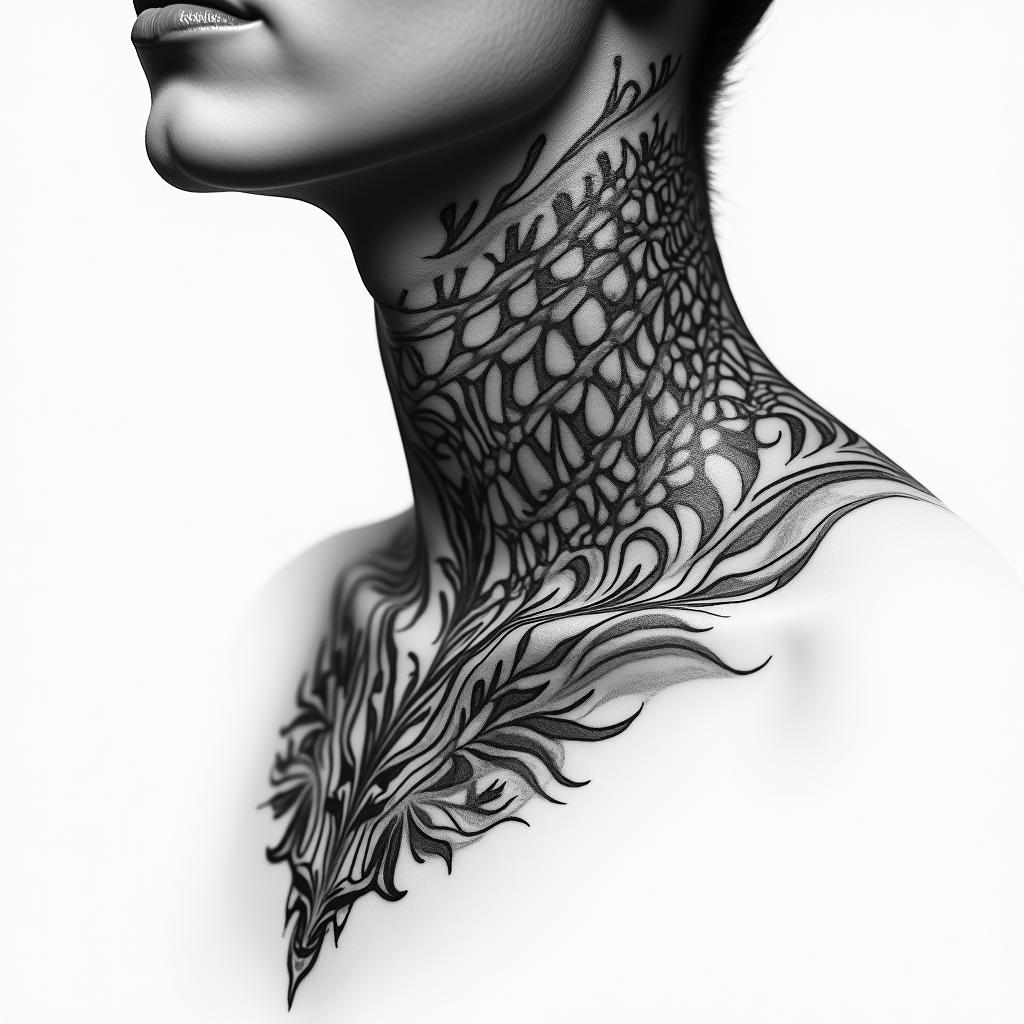
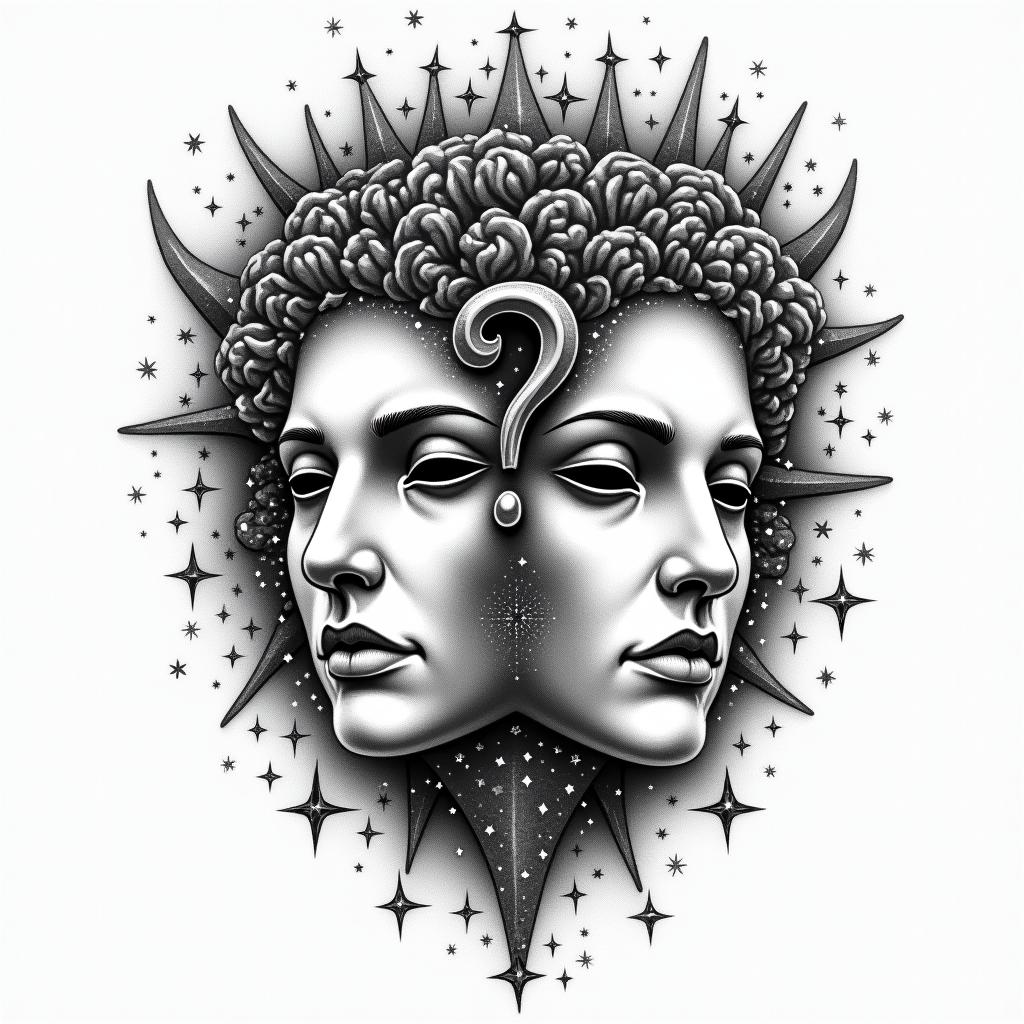
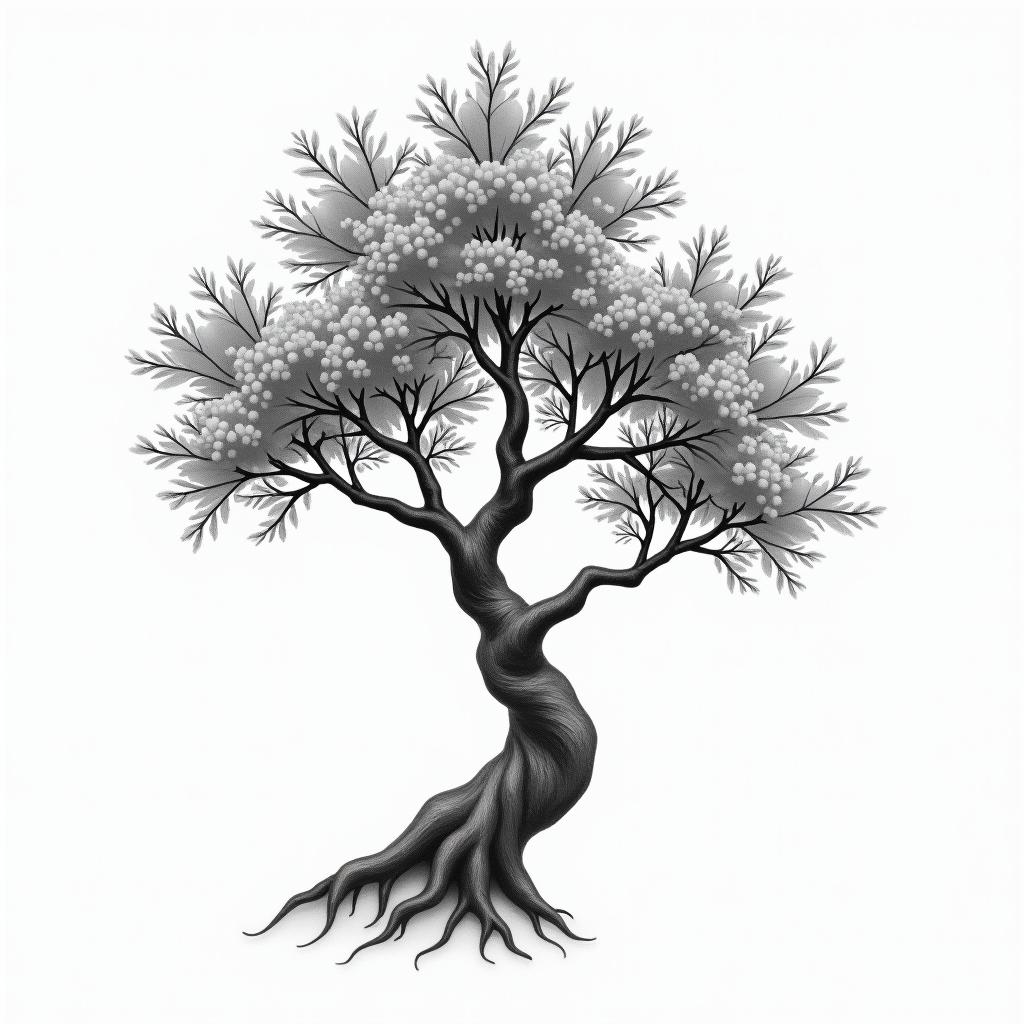
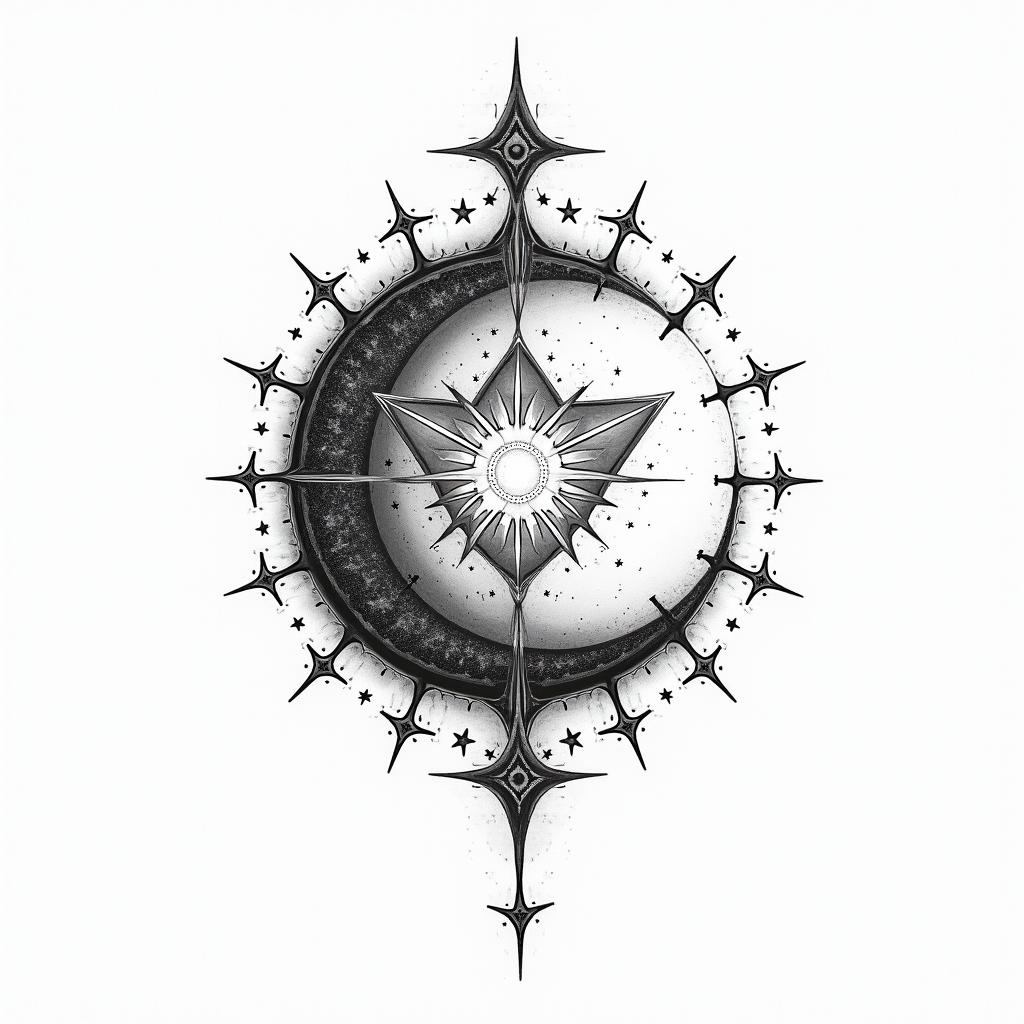
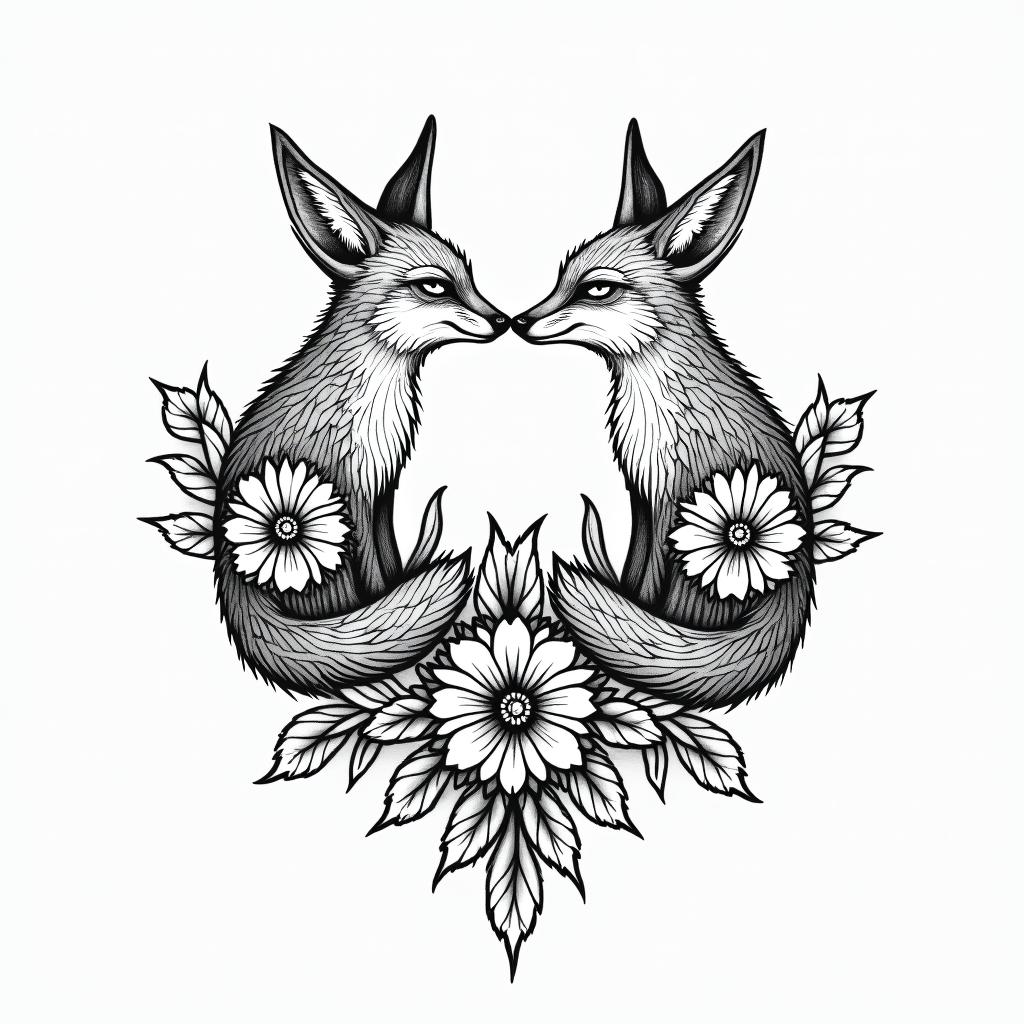
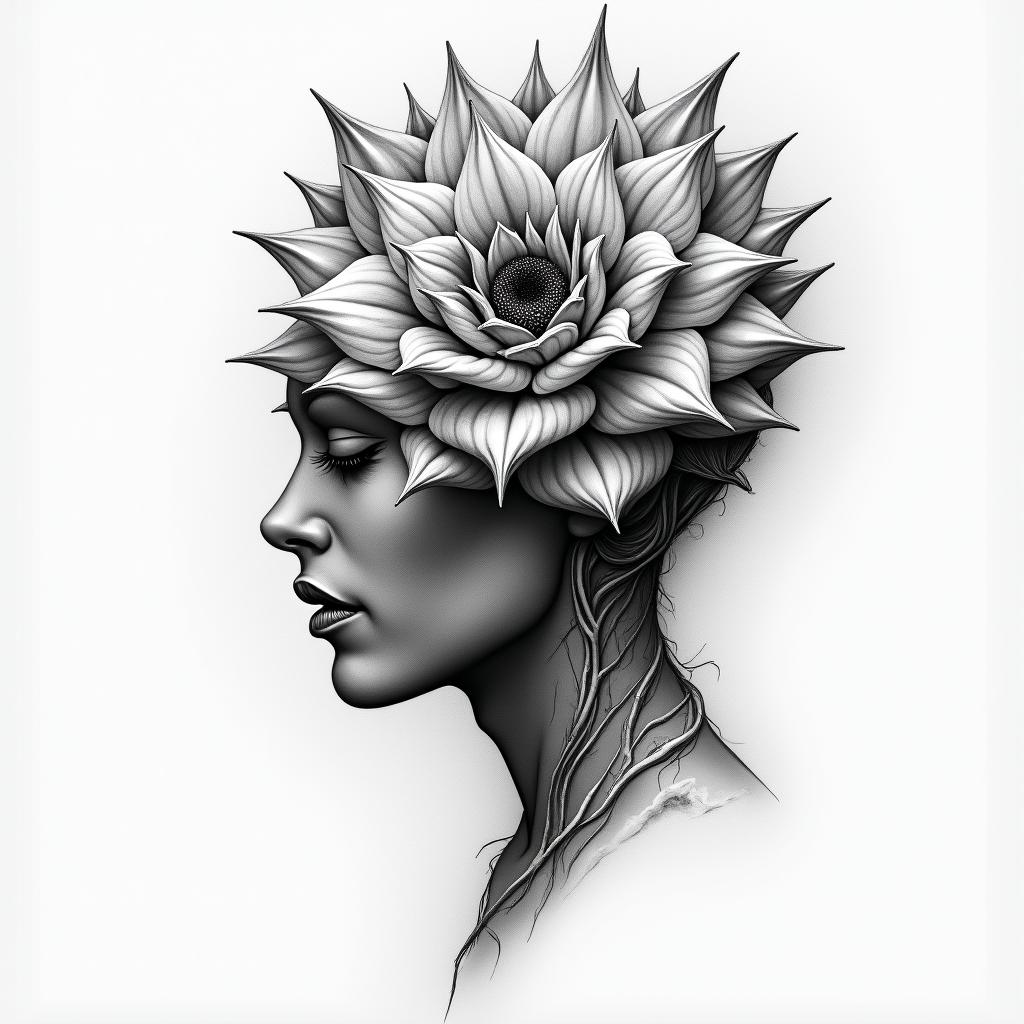
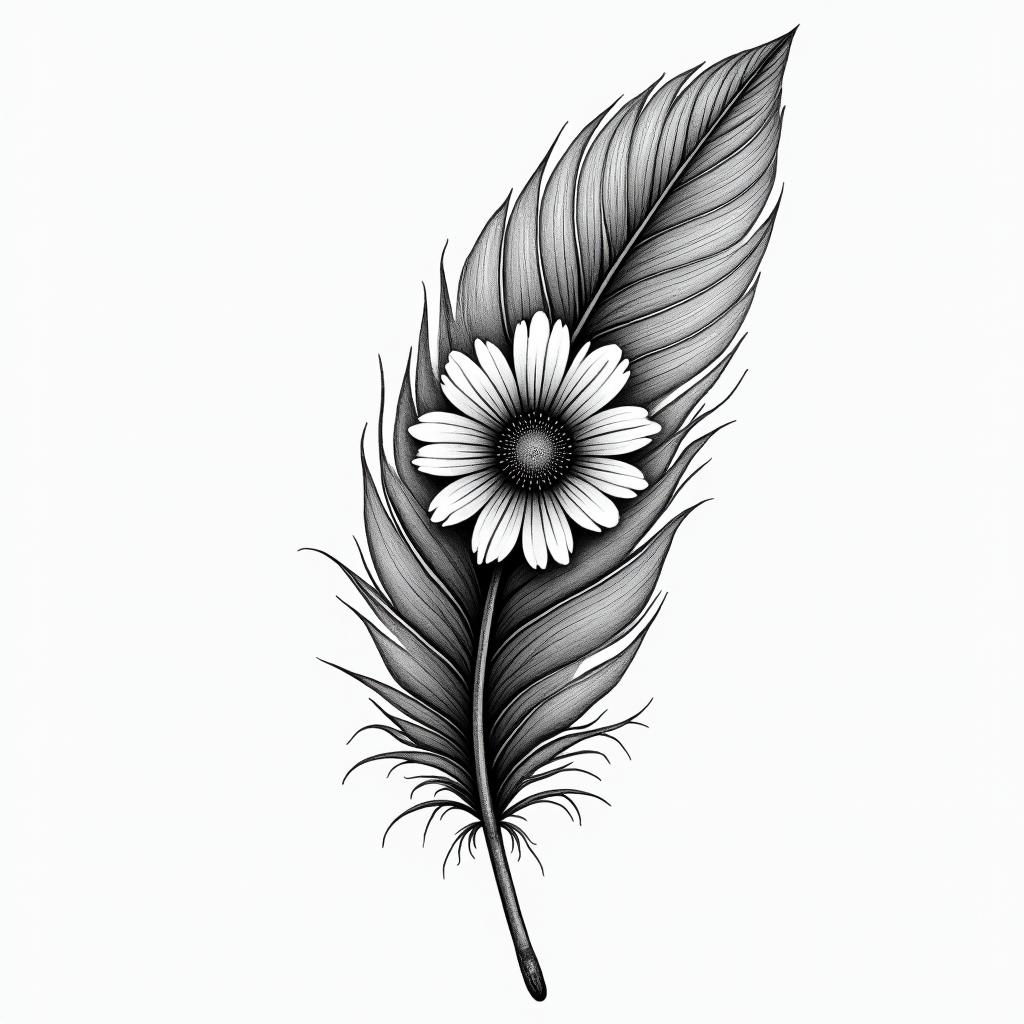
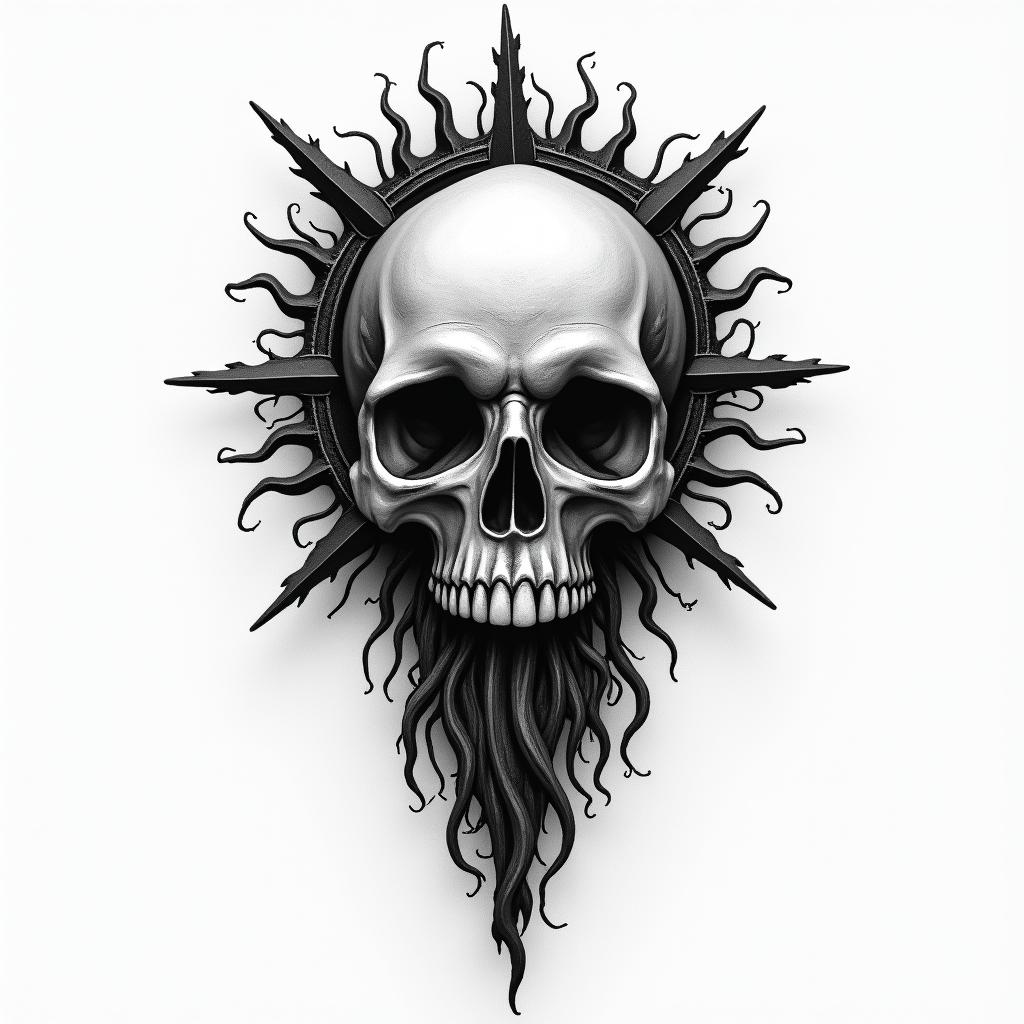
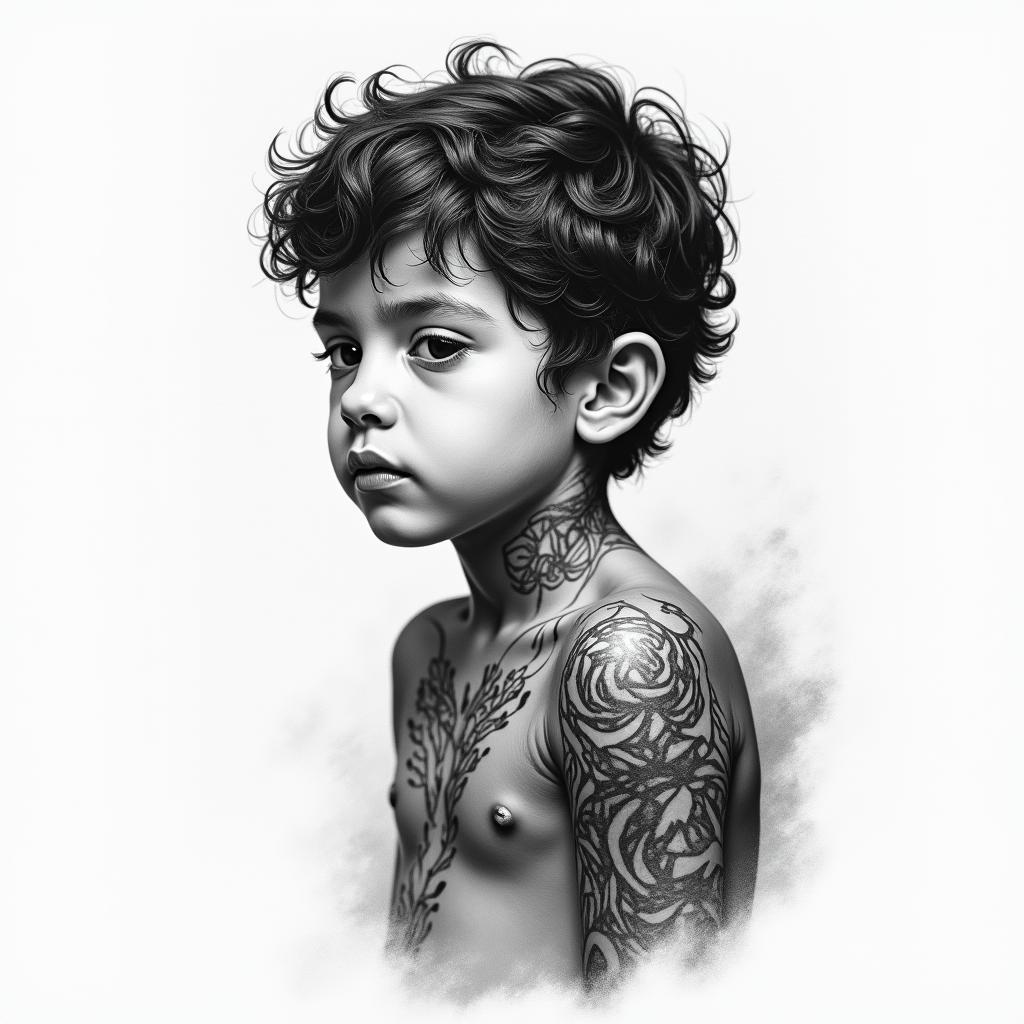
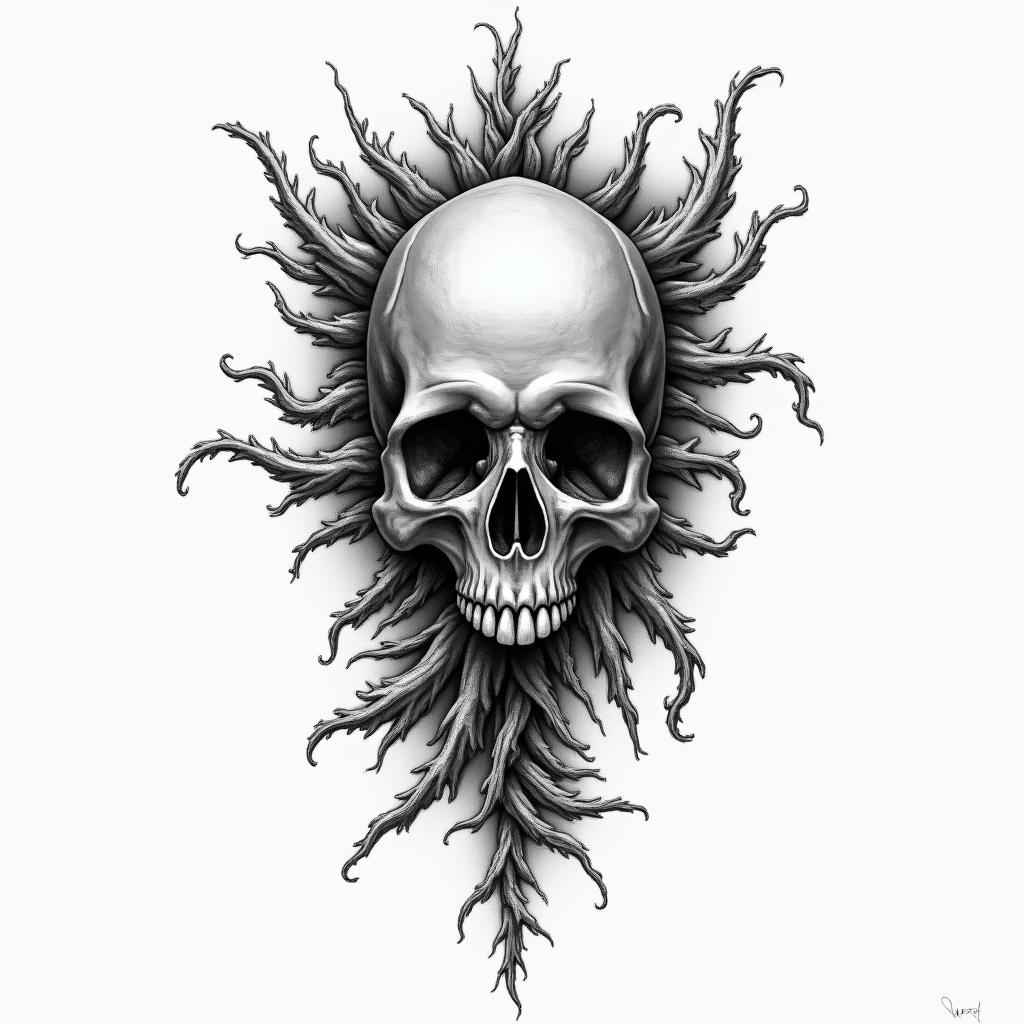
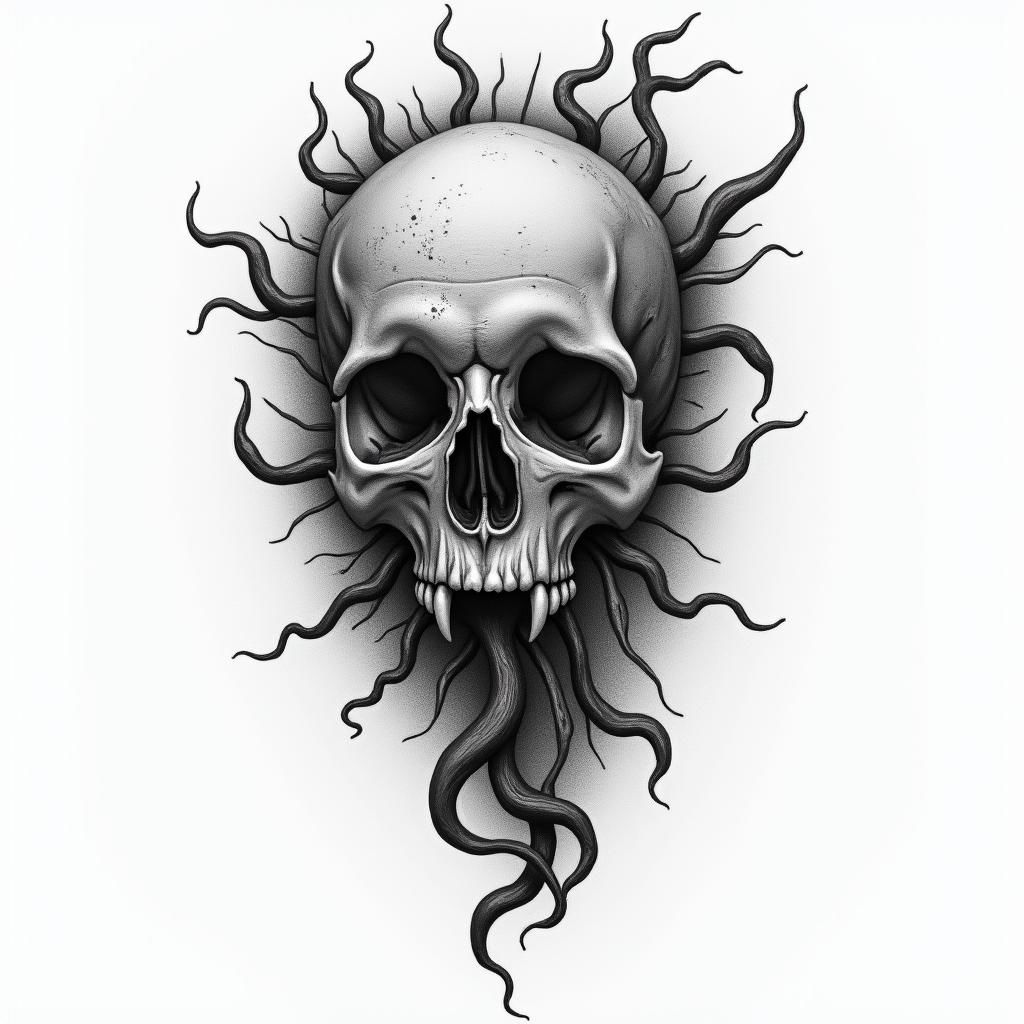
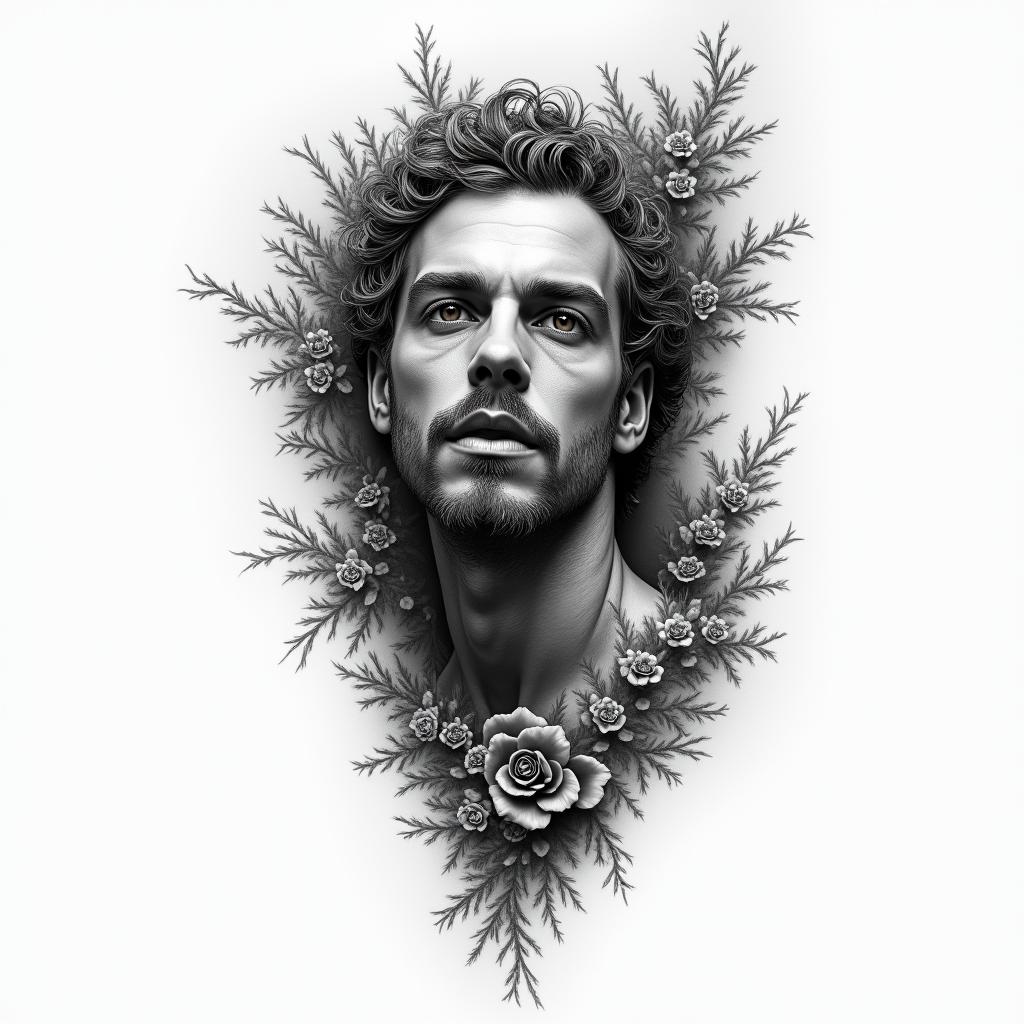
Precision defines this category of body art, where every line and shade serves a purpose in creating a cohesive visual narrative. Highly detailed designs demand a skilled hand capable of maintaining consistency over extended sessions, ensuring that intricate patterns remain crisp as they heal. Whether featuring complex geometric structures, organic textures, or elaborate shading techniques, the focus remains on depth and clarity. These designs thrive on larger canvases where the artist has room to manipulate light and shadow without compromising integrity. Ideal for individuals seeking a piece that rewards close inspection, this style balances aesthetic complexity with long-term wearability. Proper aftercare is crucial to preserve the fine nuances, preventing blowout or fading in dense areas. Choose an artist specializing in precision work to ensure the final result matches the ambitious vision of the original concept. Placement plays a significant role in how the detail ages, with flatter surfaces offering the best longevity for micro-work. Consider how skin texture interacts with the design density, as high-friction areas may require bolder lines to maintain definition over decades. This approach suits those who view their tattoo as a long-term investment in personal expression, valuing technical mastery over fleeting trends. The versatility allows for customization across various themes, from nature-inspired motifs to abstract compositions, provided the underlying structure supports the level of intricacy desired.
Noticeable discomfort, prepare for some sensitivity
Expect moderate discomfort driven primarily by session duration rather than acute pain. Detailed work requires multiple needle passes for shading, causing cumulative sensitivity. Outer forearm and calf placements remain manageable, while inner areas feel sharper. Use controlled breathing to manage endurance. Topical numbing creams are discouraged for precision work as they alter skin texture. Schedule breaks every hour to reset tolerance. Hydration and rest beforehand significantly improve pain thresholds and healing outcomes.
For intricate designs, flat surfaces with minimal curvature provide the best canvas for preserving detail. The outer forearm offers ample space for compositions, allowing the design to flow with muscle structure without distortion. The calf is another excellent option, providing a broad area for larger pieces. Thigh placements accommodate wider designs and offer privacy. Avoid high-friction zones like hands or feet, as skin regeneration here can blur fine lines quickly. Ensure the size is large enough to prevent ink spreading; minimum dimensions should exceed three inches to maintain clarity. Consult with your artist about scaling the design to fit the chosen anatomy perfectly.
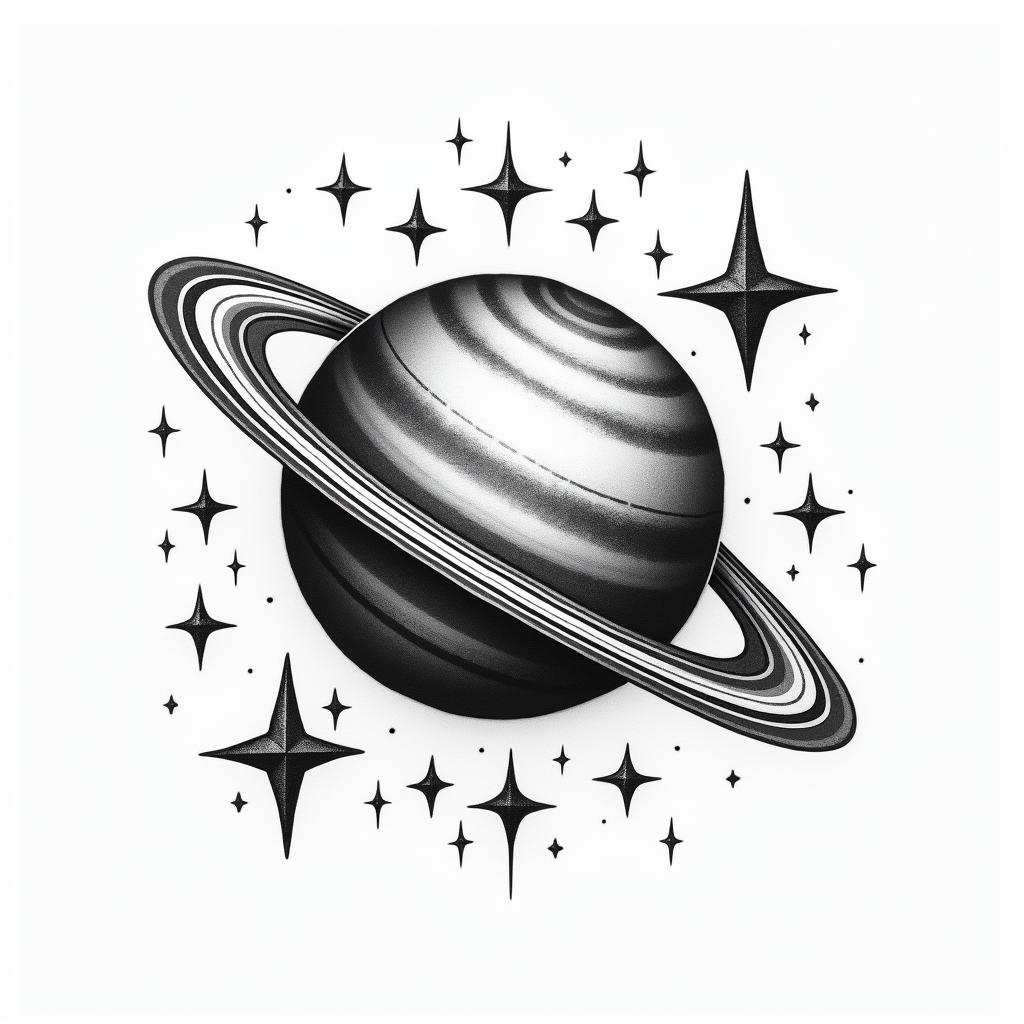
fine-line is a distinctive tattoo style characterized by Dotwork: Intricate tattoos created entirely with tiny dots, forming stunning designs through the density and spacing of stipple-work. This meticulous technique creates striking texture, shading, and gradient effects. Fine Line: Fine Line tattoos use single-needle or small needle groupings to create delicate, detailed designs with thin, precise lines. Popular for small tattoos and intricate imagery, this style achieves remarkable detail while maintaining an elegant, understated aesthetic.. This style has gained popularity for its versatility and visual appeal.
The duration depends on the size, complexity, and detail level. A design of this style typically requires 2-4 hours for a medium-sized piece, but consult with your artist for an accurate estimate.
Tattoo pricing varies by artist, location, and design complexity. Prices typically range from $150-$500+ for a design of this style. Always consult with your chosen artist for an accurate quote.