
1/4 • Click to zoom
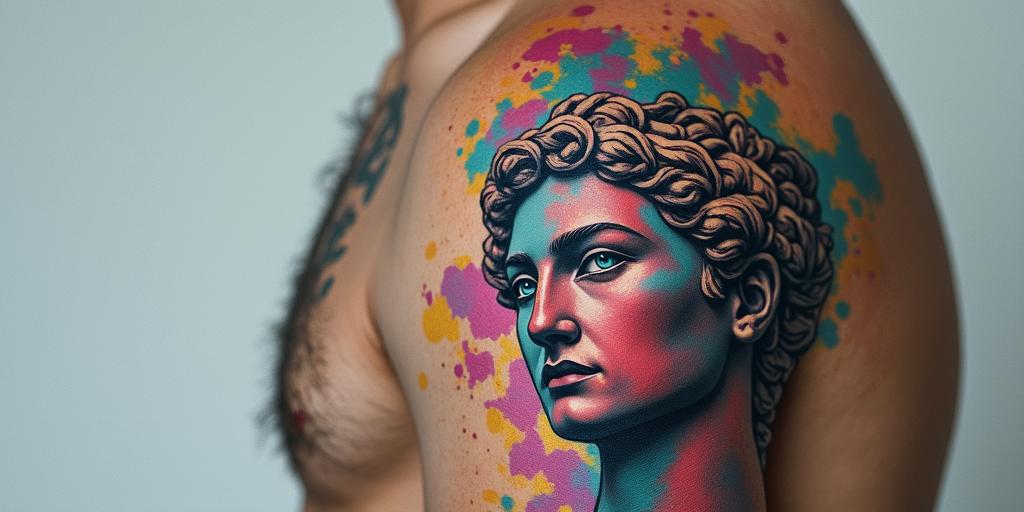
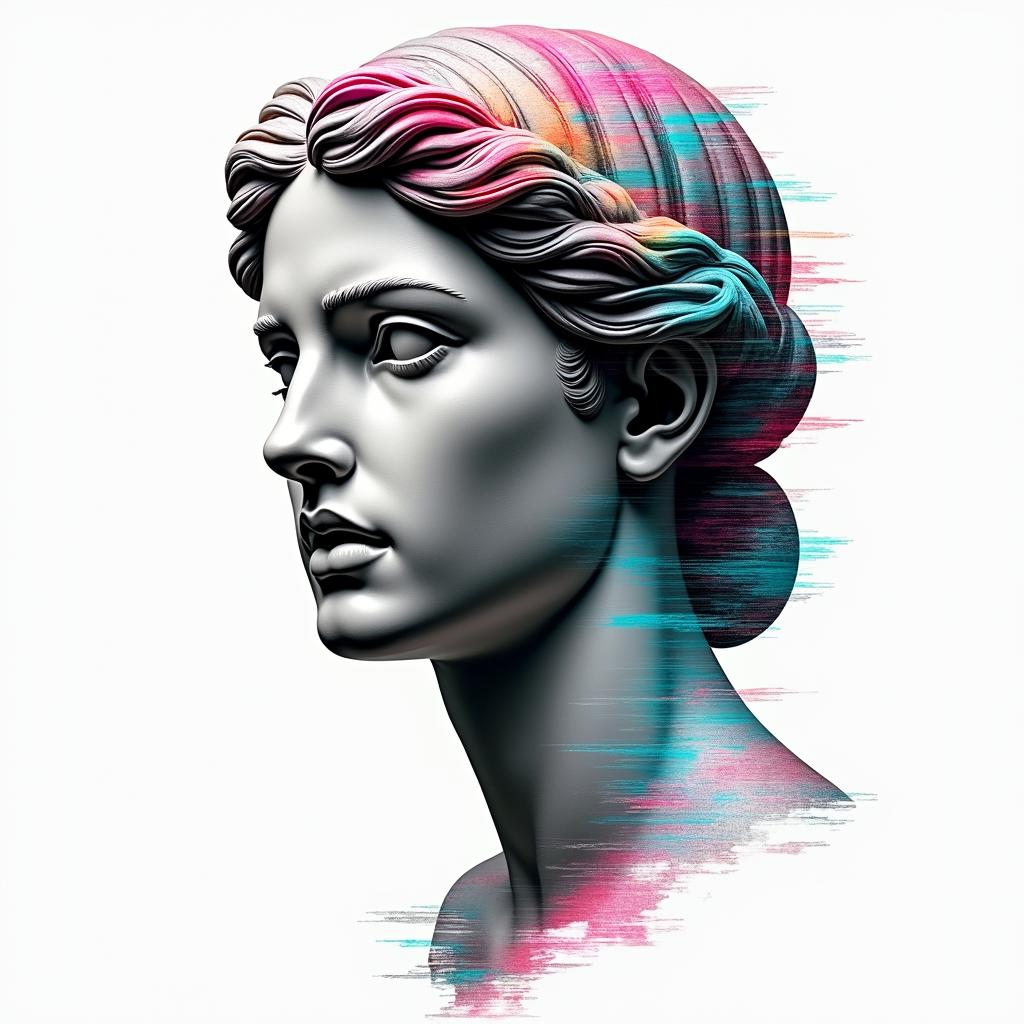
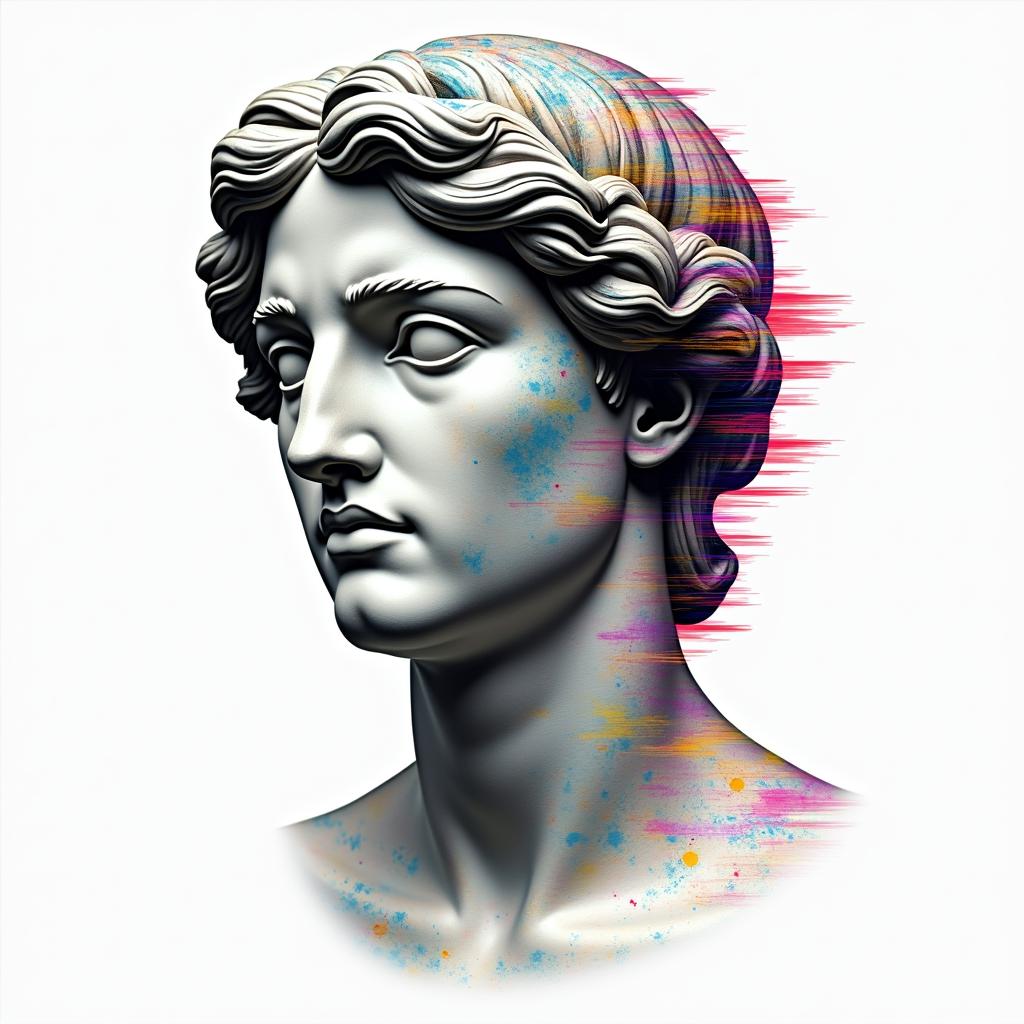
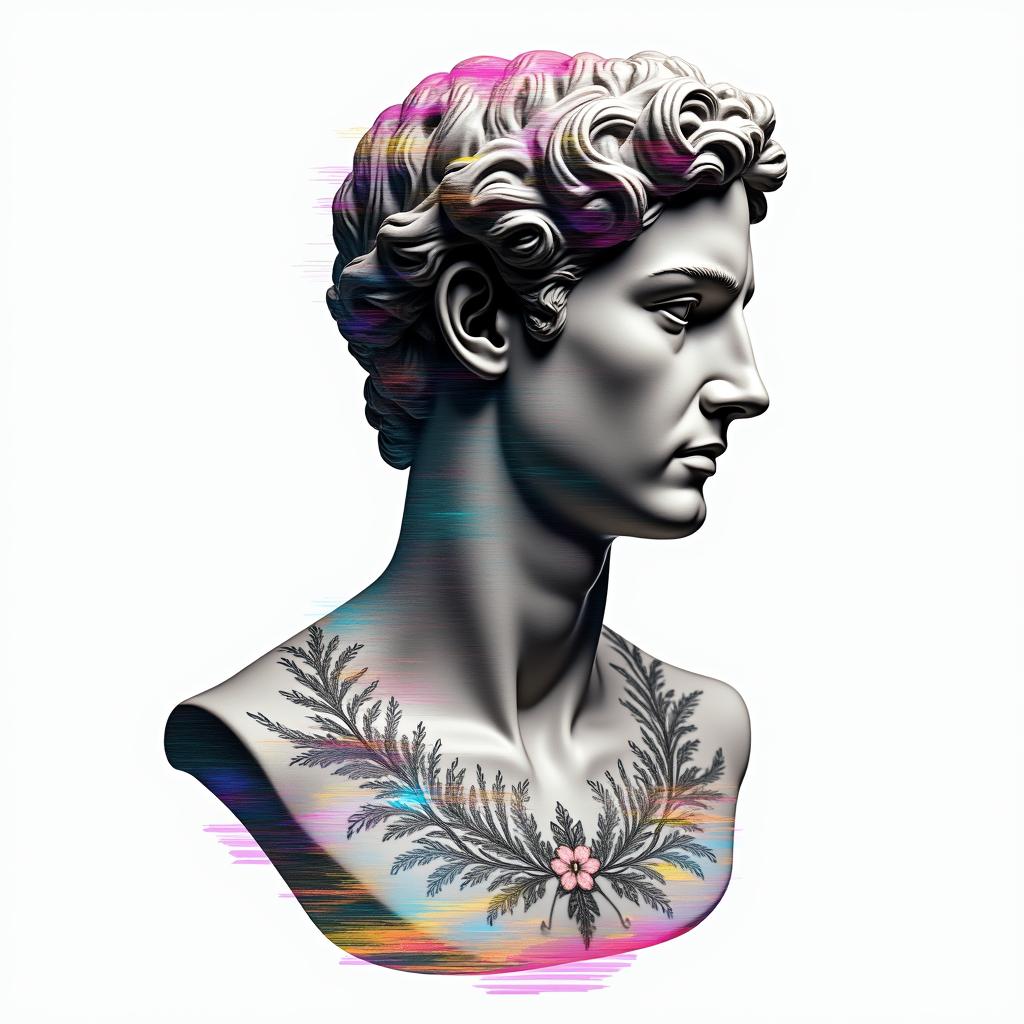
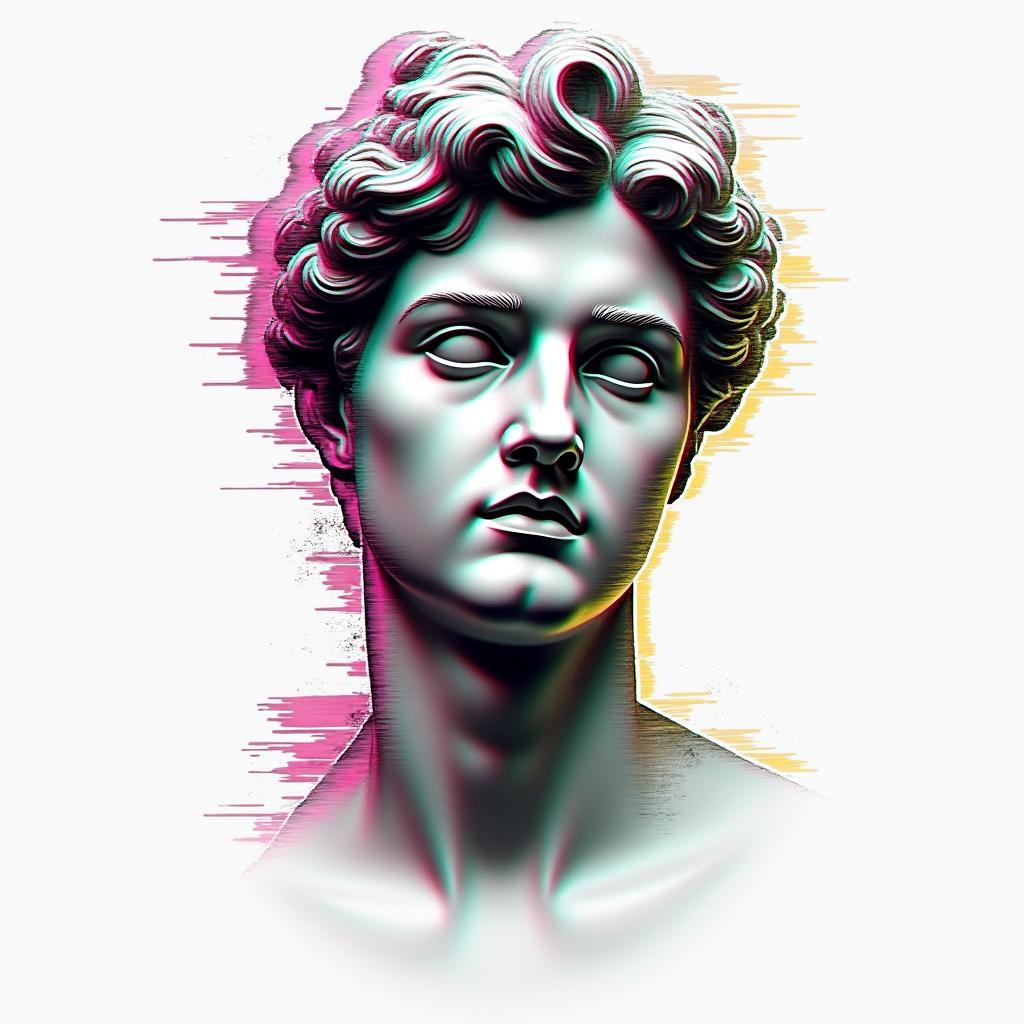
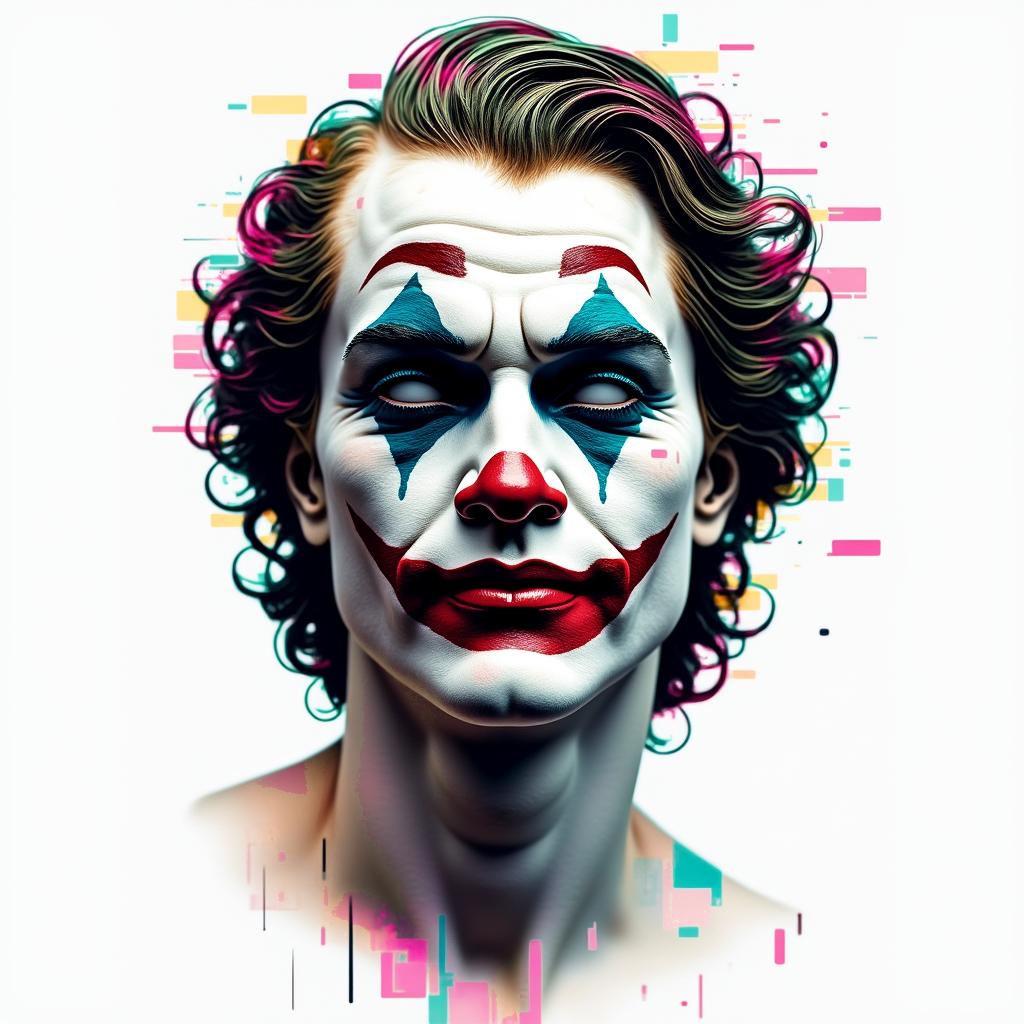
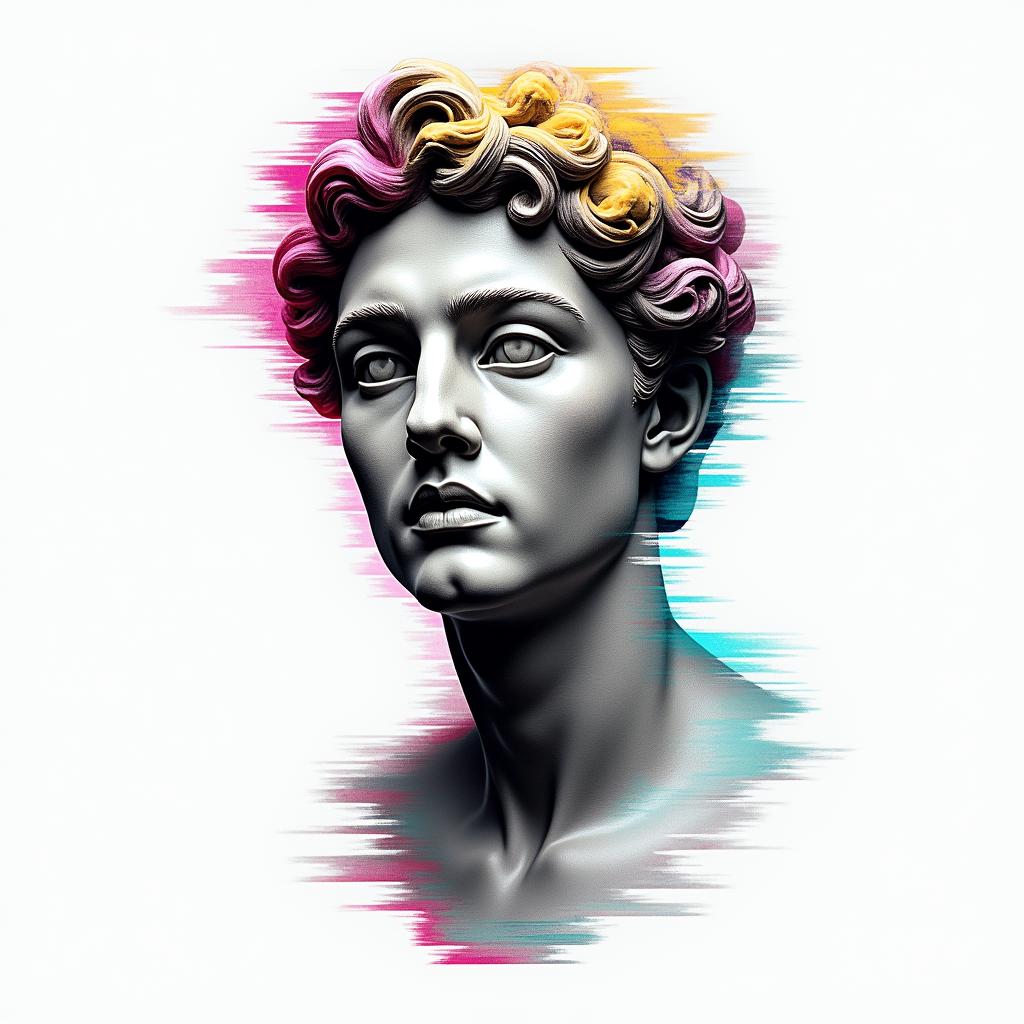
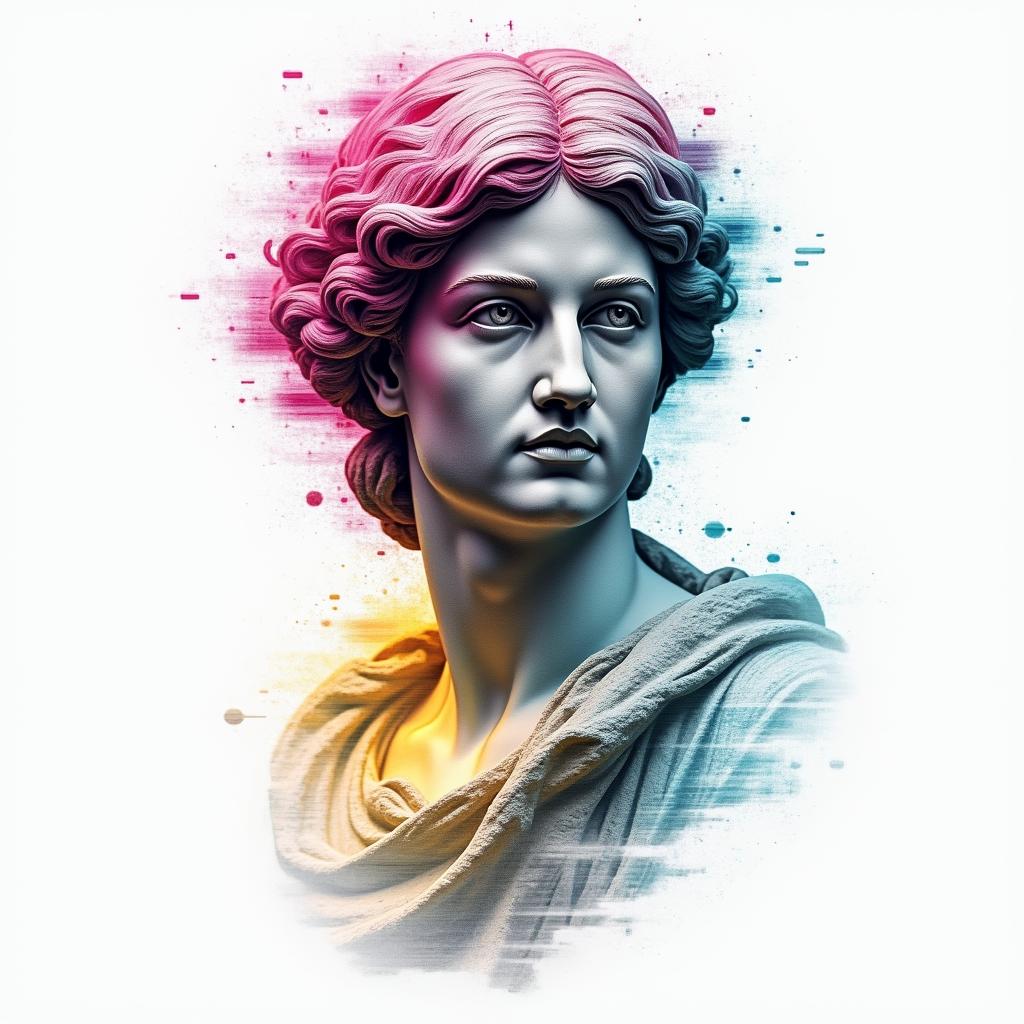
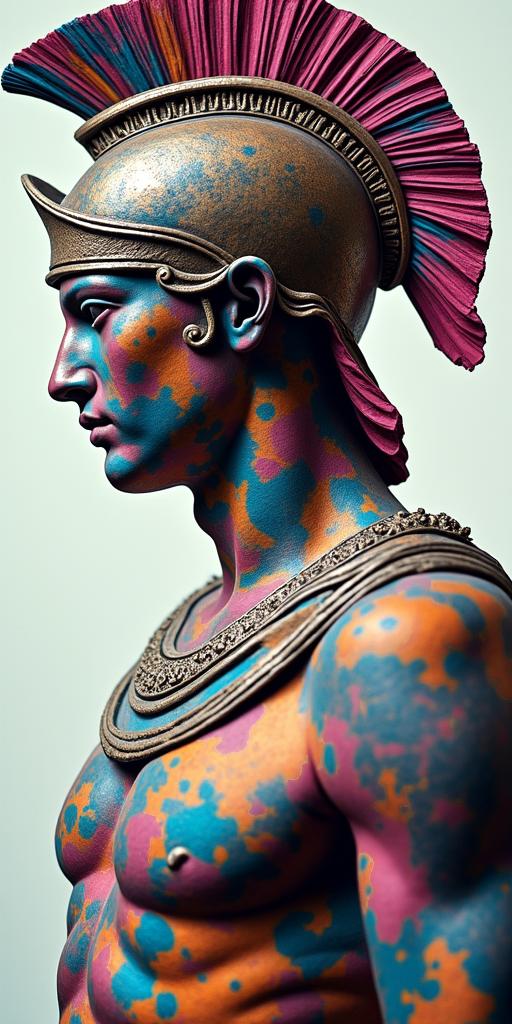
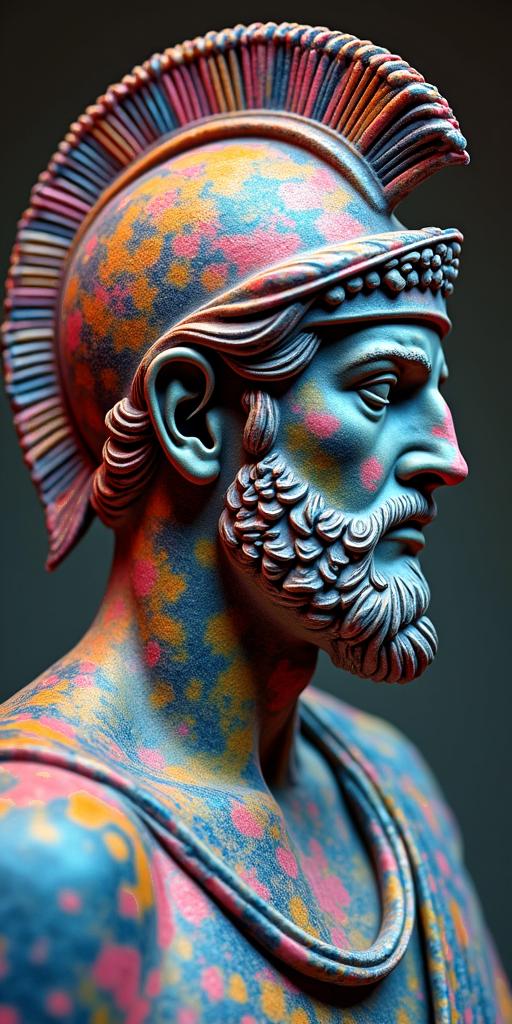
Merge classical antiquity with digital decay in this striking composition. This design fractures a Roman helmet and statue bust through vibrant glitch art aesthetics. Overlapping layers of cyan, magenta, and yellow create a chromatic aberration effect, simulating digital corruption on ancient stone. The fragmentation suggests a collision between history and modern technology, perfect for those exploring identity in the digital age. Bold linework defines the helmet's crest while color shifts break the form apart. This style thrives on flat surfaces where the distortion reads clearly without anatomical warping. Consider the outer forearm or calf for maximum visibility and minimal distortion from muscle movement. The high-contrast colors ensure the piece pops against various skin tones. Ideal for clients seeking neo-modern expressions, this piece balances historical weight with contemporary visual language. The glitch effect requires precise color packing to maintain the separation between channels. Whether displayed on the thigh or upper arm, the design commands attention through its intentional visual noise and structured chaos. Placement on the outer bicep allows for a larger canvas to capture the intricate fragmentation details without losing clarity over time.
Noticeable discomfort, prepare for some sensitivity
Expect moderate discomfort on fleshy areas like the outer bicep or thigh. Vibrant color packing requires multiple passes, increasing session time and skin trauma. Glitch details demand steady hand pressure, feeling like a persistent hot scratch. Use controlled breathing during shading phases. Topical numbing cream is effective here since the skin is thicker. Take breaks if machine vibration causes muscle tension in the arm.
Flat surfaces preserve the digital distortion effect best. The outer forearm offers ample space for the vertical bust composition while remaining visible in short sleeves. Outer biceps provide a rounded canvas suiting the helmet's curvature, though muscle flex may shift glitch lines. For larger iterations, the outer thigh accommodates intricate color separation without crowding. Avoid high-friction zones like hands where rapid fading compromises vibrant CMYK layers. Minimum width should be 5 inches to prevent color bleeding. Visibility is moderate; easily covered for professional settings if placed on the upper arm.
glitch is a distinctive tattoo style characterized by Glitch: Modern digital-inspired tattoos featuring distorted imagery, pixelation, and visual artifacts that mimic computer glitches. This contemporary style creates a unique intersection of technology and body art. Portrait: Realistic tattoos depicting human faces, from loved ones to celebrities and historical figures. These detailed designs showcase technical skill through precise likeness, shading, and emotional expression. Abstract: Abstract tattoos move beyond representational imagery to explore pure form, color, and artistic expression. These designs may feature geometric shapes, fluid brushstrokes, or unconventional compositions that prioritize aesthetic impact over literal meaning.. This style has gained popularity for its versatility and visual appeal.
The duration depends on the size, complexity, and detail level. A design of this style typically requires 2-4 hours for a medium-sized piece, but consult with your artist for an accurate estimate.
Tattoo pricing varies by artist, location, and design complexity. Prices typically range from $150-$500+ for a design of this style. Always consult with your chosen artist for an accurate quote.