1/4 • Click to zoom
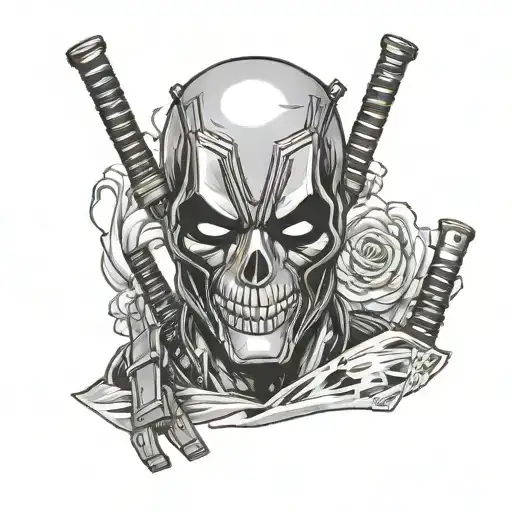
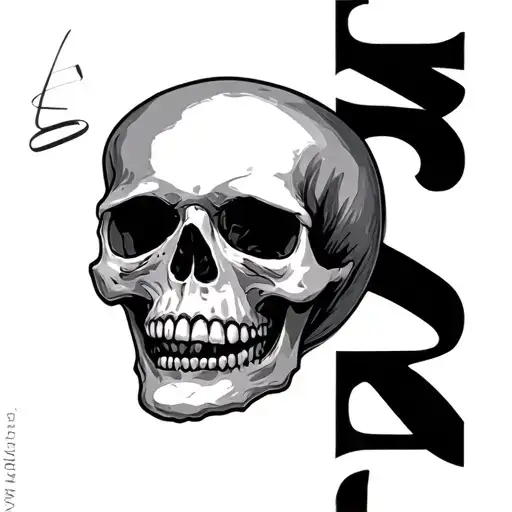
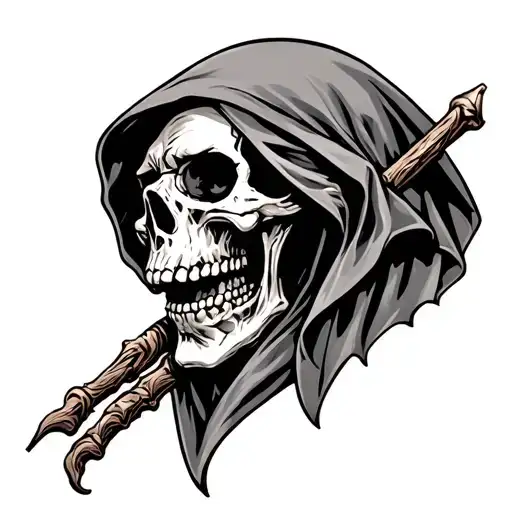
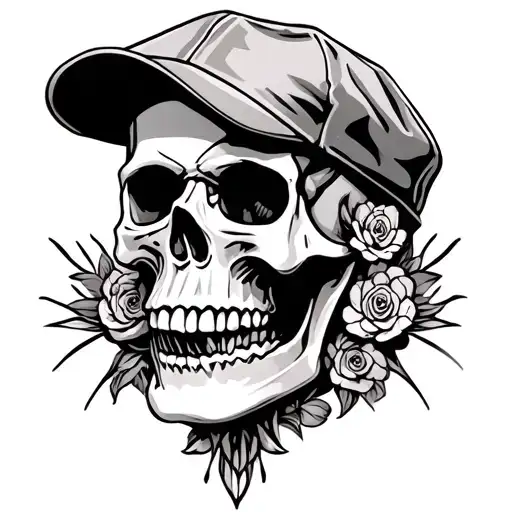
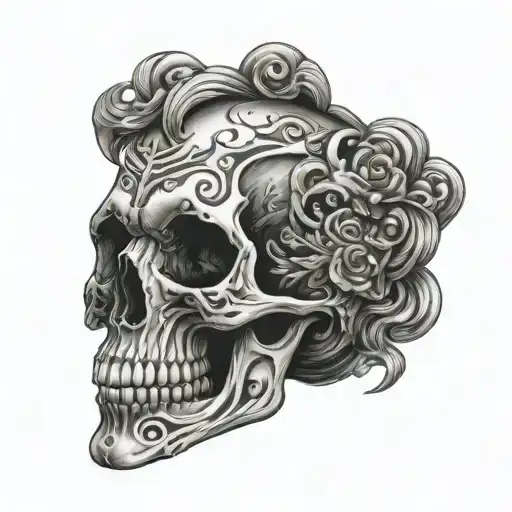
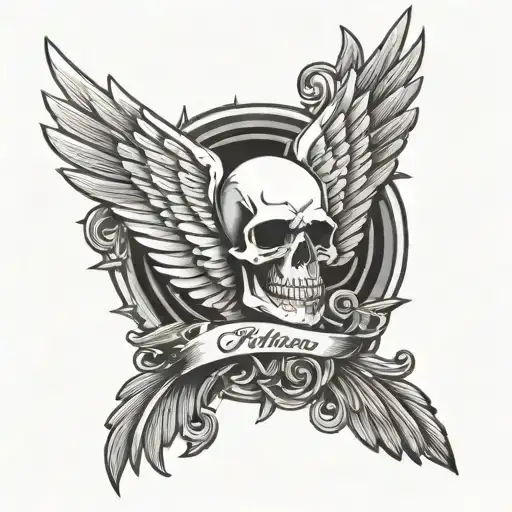
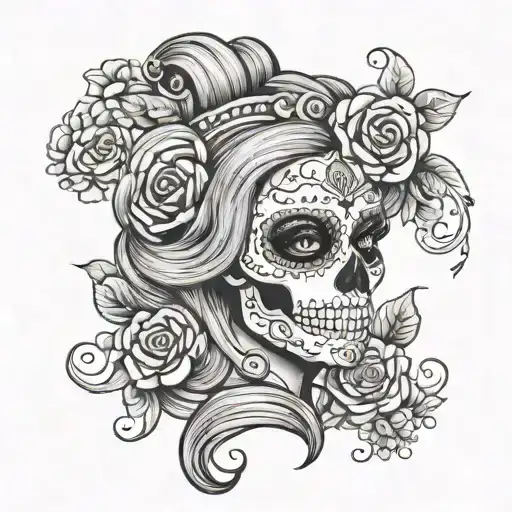
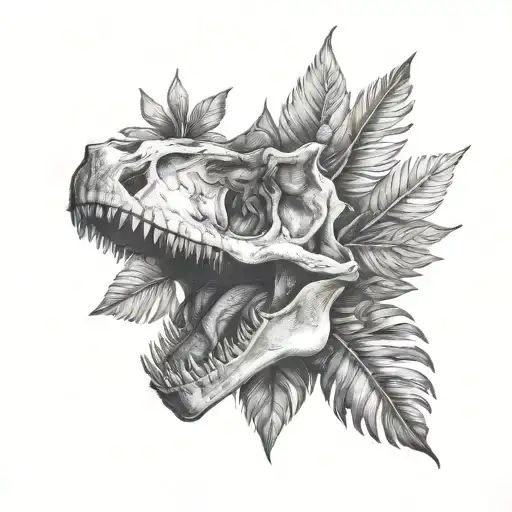
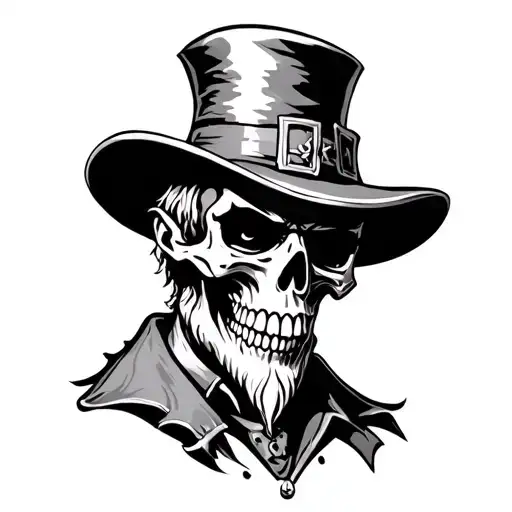
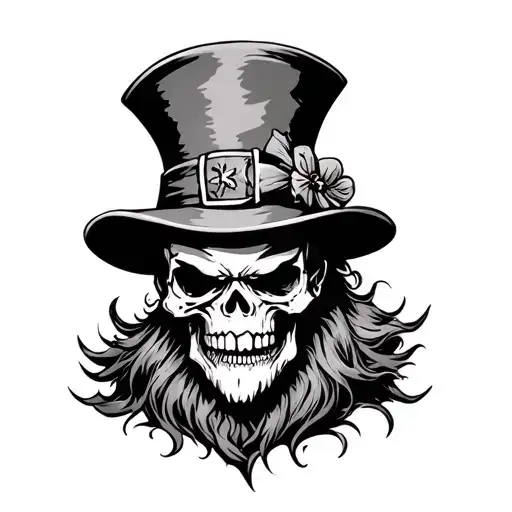
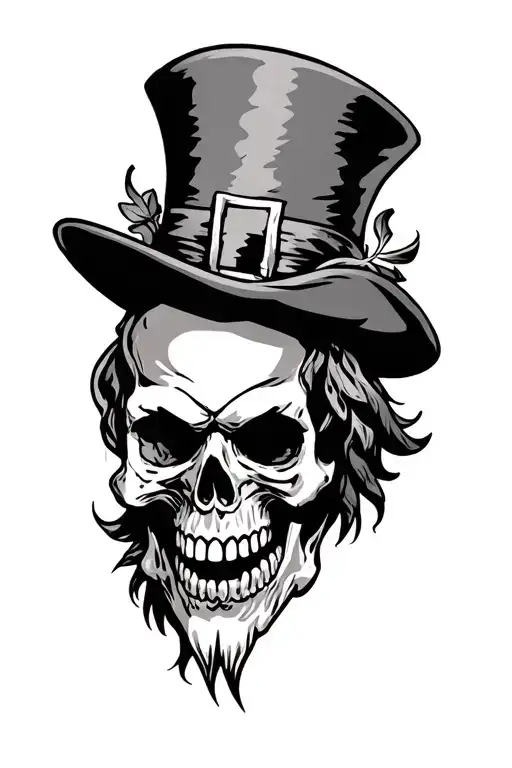
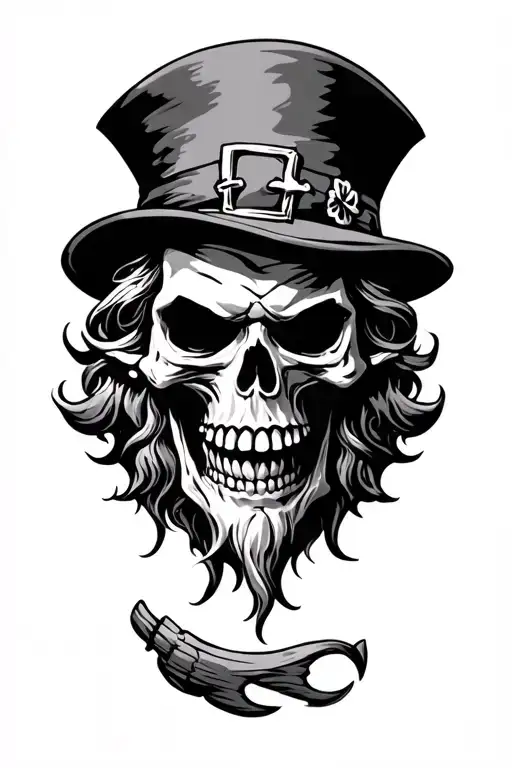
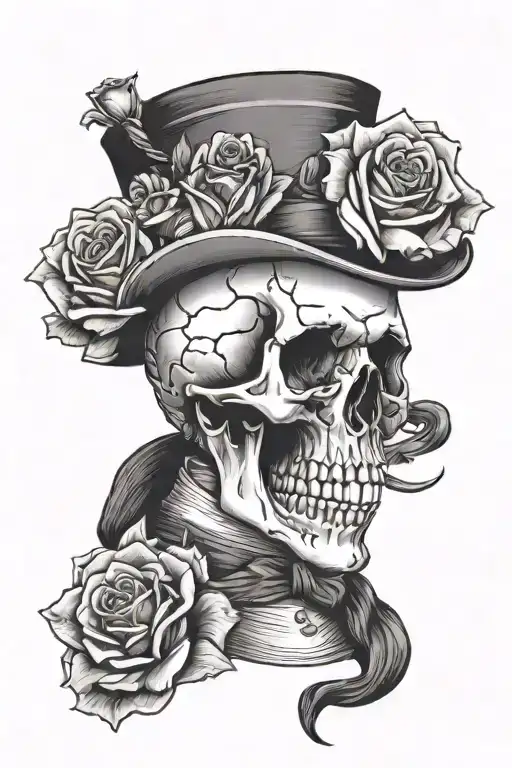
Forget the luck of the Irish—this design embraces the macabre side of folklore. Merging a human skull with iconic leprechaun features, this piece features a tattered hat, hollow eye sockets, and menacing dental structure rendered in smooth black-grey gradients. The shading technique creates depth without heavy outlines, allowing the sinister expression to stand out against skin tones. Ideal for those seeking a statement piece that subverts traditional holiday imagery, this artwork works well on flat muscle groups where shading can breathe. Whether displayed on the forearm or calf, the high-contrast palette ensures longevity and crisp definition over time. Incorporate shamrocks or smoke elements to expand the composition if desired. This tattoo speaks to those who find beauty in darkness, transforming a symbol of luck into a memento mori. The lack of color relies on value contrast to define textures like bone versus fabric. Artists should focus on smooth transitions to avoid patchiness in the grey wash. Placement on areas with minimal friction preserves the delicate shading work.
Noticeable discomfort, prepare for some sensitivity
Expect moderate discomfort on the outer forearm, comparable to a persistent cat scratch. The bony prominence of the elbow or wrist increases sensitivity significantly, so stick to the muscle belly. Dense black shading may feel hotter than linework; take short breaks every 45 minutes to reset your tolerance. Breathing techniques help manage the intensity during detailed shading phases around the eye sockets.
For optimal clarity, place this design on flat surfaces with minimal skin movement. The outer forearm offers high visibility and sufficient space for facial details to remain distinct as the skin ages. The calf provides a larger canvas if you plan to add background elements like smoke or clovers. Avoid high-friction zones like the inner wrist or ribs if you want to preserve the fine grey gradients. Minimum size should be 4 inches by 4 inches to prevent the facial features from blurring together over time. Forearm placements are easily covered with long sleeves, while calf pieces remain discreet year-round.
dark-art is a distinctive tattoo style characterized by Horror: Frightening tattoos depicting scary movie characters, monsters, gore, and nightmarish scenes. Horror tattoos embrace the darker side of imagination with detailed macabre imagery that challenges conventional tattoo aesthetics. Realism: Photorealistic tattoos that mimic photographs with exceptional detail, shading, and dimension. These technically demanding designs create the illusion of 3D imagery on skin, showcasing incredible artistic skill. Dark Art: Dark Art tattoos explore shadowy themes, moody atmospheres, and darker imagery without necessarily being horror-focused. These designs feature deep blacks, atmospheric shading, and subject matter ranging from melancholic to mystical.. This style has gained popularity for its versatility and visual appeal.
Yes, this design is well-suited for square placement. This dark-art design is ideal for square placement. Consider consulting with a professional tattoo artist about the best placement for this design.
The duration depends on the size, complexity, and detail level. A design of this style typically requires 2-4 hours for a medium-sized piece, but consult with your artist for an accurate estimate.
Tattoo pricing varies by artist, location, and design complexity. Prices typically range from $150-$500+ for a design of this style. Always consult with your chosen artist for an accurate quote.
Proper aftercare is crucial for square tattoos. Keep the area clean, moisturized, and protected from sun exposure. Follow your artist's specific aftercare instructions for best results.
tall
square
square

square