1/4 • Click to zoom
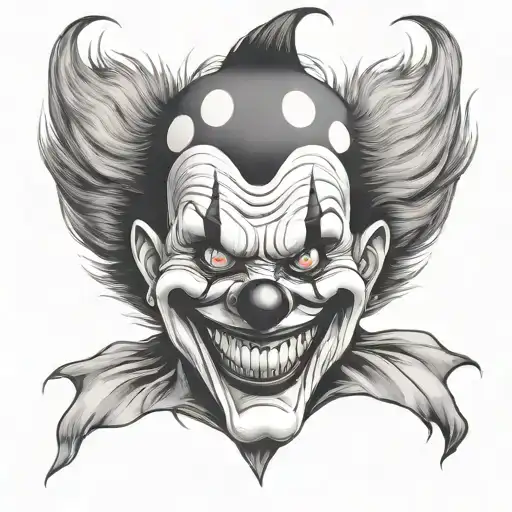
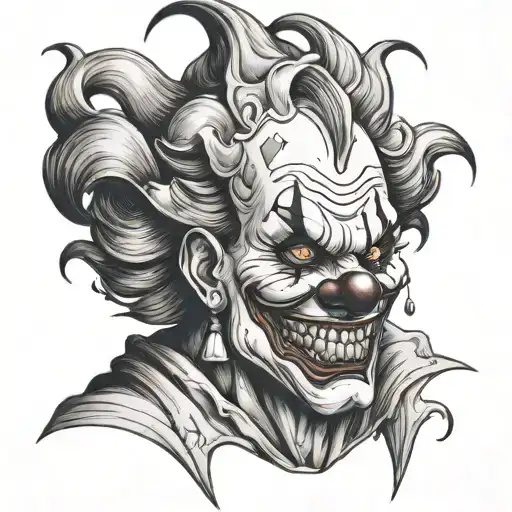
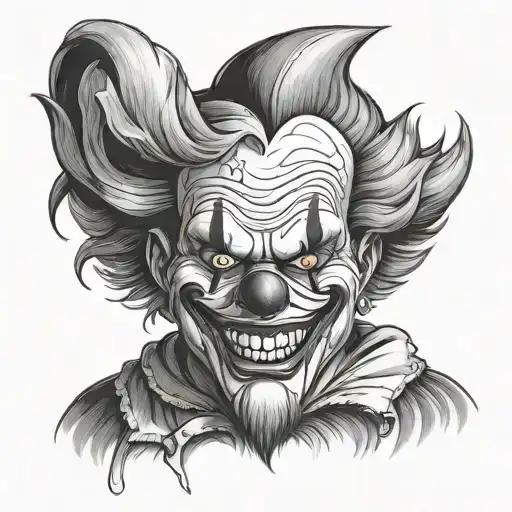
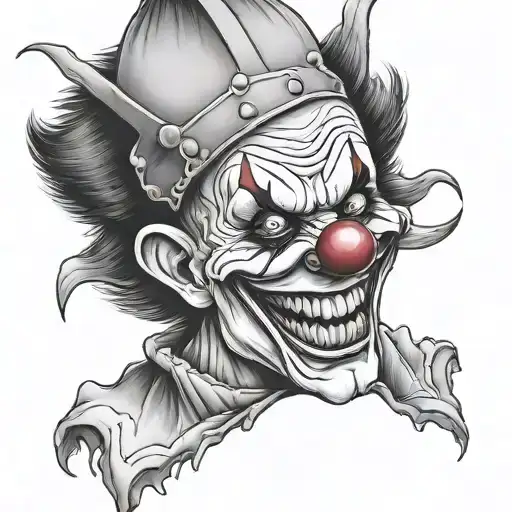
Unsettling stares define this black and grey composition, capturing the sinister essence of circus folklore. High-contrast shading sculpts exaggerated facial features, emphasizing cracked makeup and menacing expressions typical of horror iconography. Fine linework details the texture of skin and fabric, creating depth without color reliance. This design suits individuals seeking a bold statement piece that embodies dark aesthetics. Ideal for forearm or thigh placements, the square composition balances anatomical contours effectively. Artists often use whip shading techniques to achieve the gradient effects seen in the hair and shadows. Collectors appreciate the psychological impact of horror portraits, making this a conversation starter. Whether for Halloween enthusiasts or dark art lovers, this piece delivers visceral intensity through monochromatic precision. The lack of color forces reliance on value structure, demanding skilled application to prevent muddy results. Shadows around the eyes deepen the gaze, while highlights on the nose and teeth provide necessary focal points. Placement on flatter muscle groups ensures minimal distortion over time. This artwork resonates with fans of Stephen King adaptations or classic slasher films. Professional execution ensures the creepy vibe remains clear as the skin heals. Consider sizing large enough to maintain detail integrity in the mouth and eyes. Long-term aging benefits from the high contrast inherent in black and grey realism styles. Skin tone plays a role in how the grey wash settles, so consult your artist about contrast levels. Proper aftercare maintains the sharpness of the fine lines surrounding the facial structure.
Noticeable discomfort, prepare for some sensitivity
Expect moderate discomfort on the outer forearm due to proximity to the radius bone. The outer thigh presents a softer experience, rated lower on the pain scale. Heavy shading requires longer sessions, potentially increasing sensitivity as adrenaline fades. Use controlled breathing techniques during dense shading phases to manage discomfort. Topical numbing creams may help during extended sittings. Breaks every hour prevent fatigue and ensure stillness for precise linework application.
Outer forearm and outer thigh offer the best canvas for this square composition. These areas provide sufficient flat surface area to preserve facial proportions without distortion during muscle movement. For professional settings, the thigh allows easy concealment under trousers, while the forearm remains visible. Minimum size should reach six inches to retain detail in the eyes and mouth corners. Smaller dimensions risk blurring intricate shading over time. The shoulder also works well if the design aligns with the deltoid curve. Avoid highly mobile joints like the elbow or wrist to prevent stretching. Thigh placement offers more forgiveness than the forearm bone regarding pain.
horror is a distinctive tattoo style characterized by Horror: Frightening tattoos depicting scary movie characters, monsters, gore, and nightmarish scenes. Horror tattoos embrace the darker side of imagination with detailed macabre imagery that challenges conventional tattoo aesthetics. Realism: Photorealistic tattoos that mimic photographs with exceptional detail, shading, and dimension. These technically demanding designs create the illusion of 3D imagery on skin, showcasing incredible artistic skill. Portrait: Realistic tattoos depicting human faces, from loved ones to celebrities and historical figures. These detailed designs showcase technical skill through precise likeness, shading, and emotional expression.. This style has gained popularity for its versatility and visual appeal.
Yes, this design is well-suited for square placement. This horror design is ideal for square placement. Consider consulting with a professional tattoo artist about the best placement for this design.
The duration depends on the size, complexity, and detail level. A design of this style typically requires 2-4 hours for a medium-sized piece, but consult with your artist for an accurate estimate.
Tattoo pricing varies by artist, location, and design complexity. Prices typically range from $150-$500+ for a design of this style. Always consult with your chosen artist for an accurate quote.
Proper aftercare is crucial for square tattoos. Keep the area clean, moisturized, and protected from sun exposure. Follow your artist's specific aftercare instructions for best results.