1/4 • Click to zoom
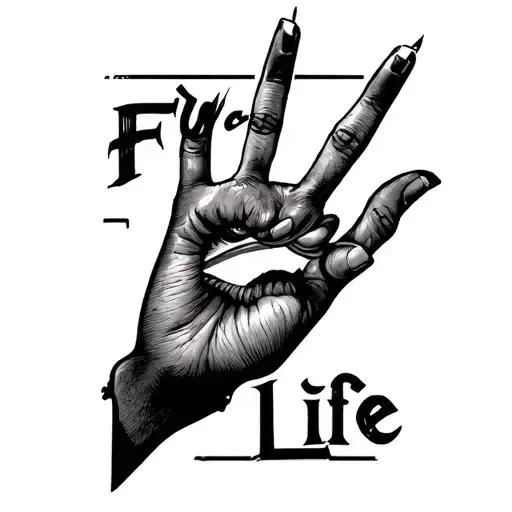
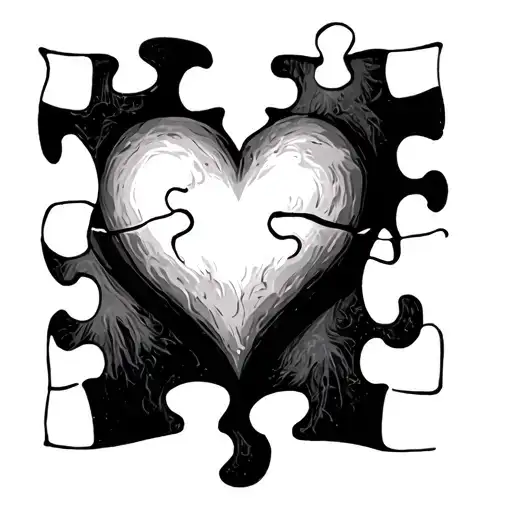
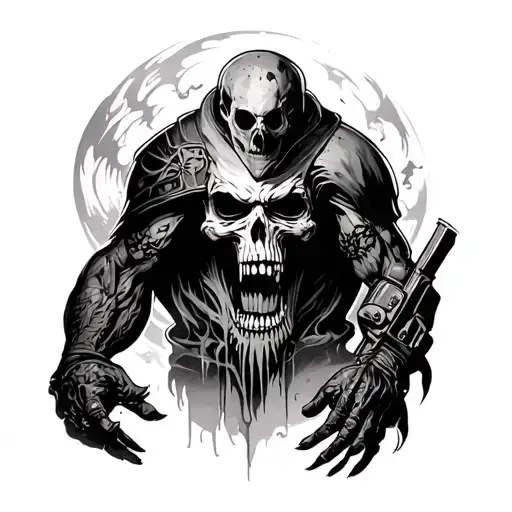
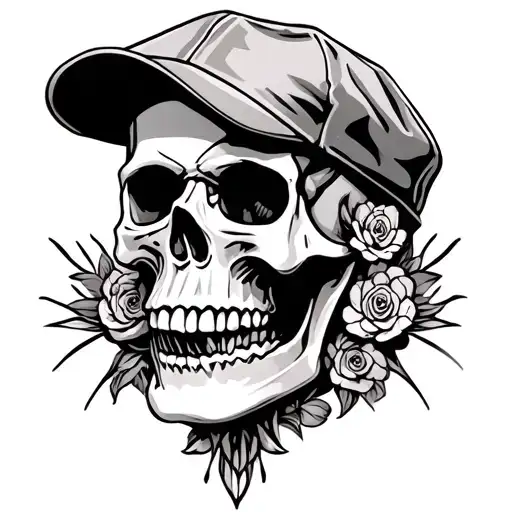
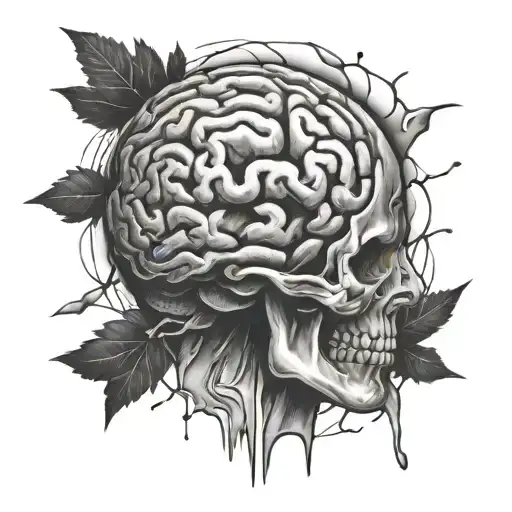
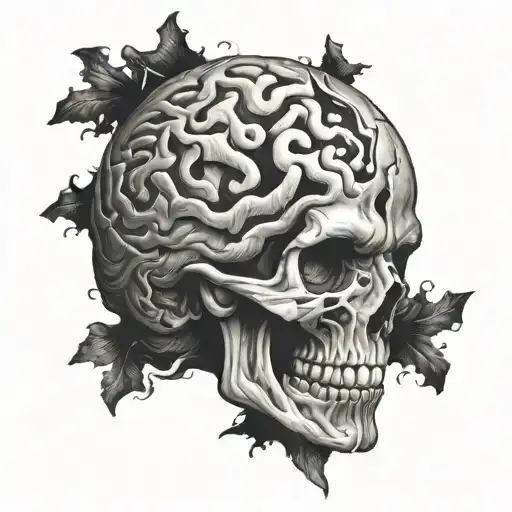
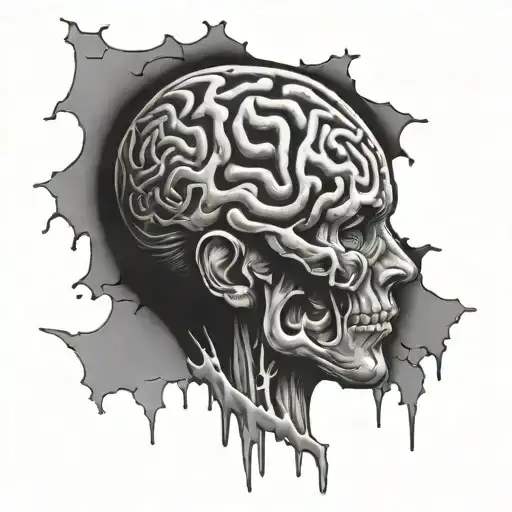
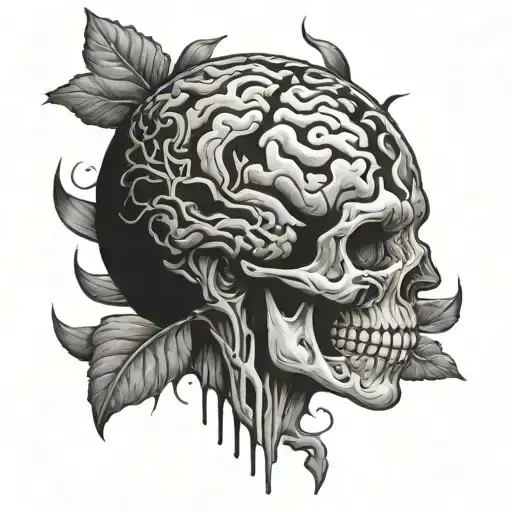
Fragmented psychology meets anatomical precision in this dark art composition. The design depicts a human brain fractured along stress lines, symbolizing mental resilience, neurodivergence, or psychological recovery. Rendered in black and grey washes, the piece utilizes heavy shading to create depth within the cracks while maintaining anatomical accuracy. Soft tissue textures contrast with sharp geometric fractures, offering a surreal interpretation of internal struggle. This imagery resonates with wearers navigating mental health challenges or honoring cognitive complexity. Ideal for flat muscle groups where shading gradients can heal cleanly. The monochromatic palette ensures longevity, avoiding color fading issues common in detailed realism. Whether representing survival or vulnerability, this design commands attention through stark contrast and intricate linework suitable for medium to large-scale application. Artists should prioritize needle grouping for smooth gradients in the grey matter regions. Placement on areas with minimal skin stretching preserves the integrity of the fine fracture lines over time. This piece functions as a conversation starter regarding mental health awareness while maintaining aesthetic sophistication. Suitable for those seeking meaningful body art that transcends traditional decorative motifs.
Noticeable discomfort, prepare for some sensitivity
Expect moderate discomfort on outer forearm regions. Calf placements feel similar but may vibrate near the shin bone. Heavy shading requires stamina; request breaks every forty-five minutes to prevent skin trauma. Topicals help on thicker skin. Deep breathing manages adrenaline spikes during intricate fracture linework. Hydrate beforehand to maintain elasticity.
Optimal placement requires flat surface area to preserve fracture detail. The outer forearm offers high visibility and moderate pain, allowing the vertical orientation to follow muscle grain. Calves provide a larger canvas for expanded background shading without distortion during movement. Upper back works for concealed placement, though skin thickness varies. Avoid high-friction zones like hands or feet where detail loss occurs rapidly. Minimum width should exceed six inches to prevent shading blowout during healing. Consider professional lighting when viewing this design, as grey washes rely on contrast.
dark-art is a distinctive tattoo style characterized by Realism: Photorealistic tattoos that mimic photographs with exceptional detail, shading, and dimension. These technically demanding designs create the illusion of 3D imagery on skin, showcasing incredible artistic skill. Surrealism: Surrealist tattoos feature dreamlike, impossible imagery inspired by artists like Salvador Dalí, René Magritte, and the surrealist movement. These imaginative designs combine realistic elements in impossible ways, creating thought-provoking visual narratives. Dark Art: Dark Art tattoos explore shadowy themes, moody atmospheres, and darker imagery without necessarily being horror-focused. These designs feature deep blacks, atmospheric shading, and subject matter ranging from melancholic to mystical.. This style has gained popularity for its versatility and visual appeal.
Yes, this design is well-suited for square placement. This dark-art design is ideal for square placement. Consider consulting with a professional tattoo artist about the best placement for this design.
The duration depends on the size, complexity, and detail level. A design of this style typically requires 2-4 hours for a medium-sized piece, but consult with your artist for an accurate estimate.
Tattoo pricing varies by artist, location, and design complexity. Prices typically range from $150-$500+ for a design of this style. Always consult with your chosen artist for an accurate quote.
Proper aftercare is crucial for square tattoos. Keep the area clean, moisturized, and protected from sun exposure. Follow your artist's specific aftercare instructions for best results.
square
square