1/8 • Click to zoom
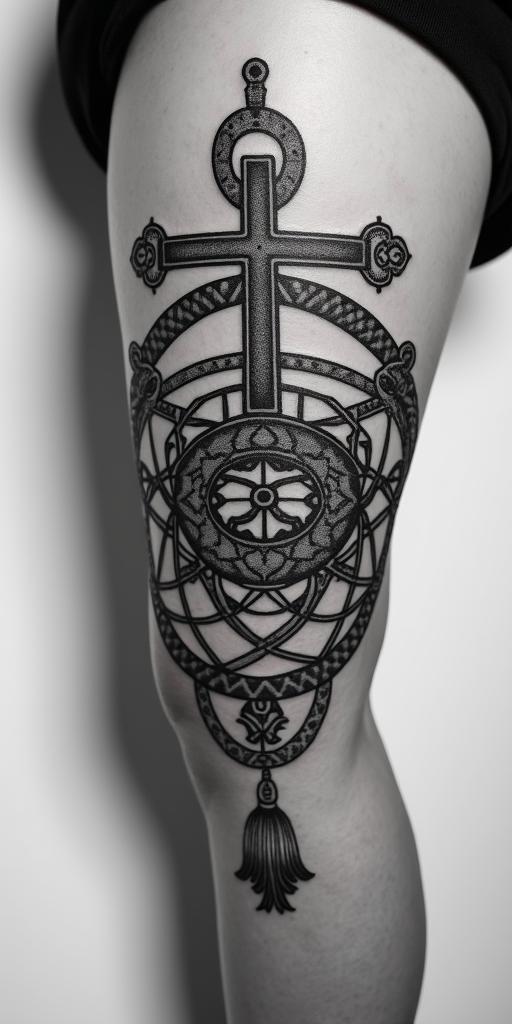
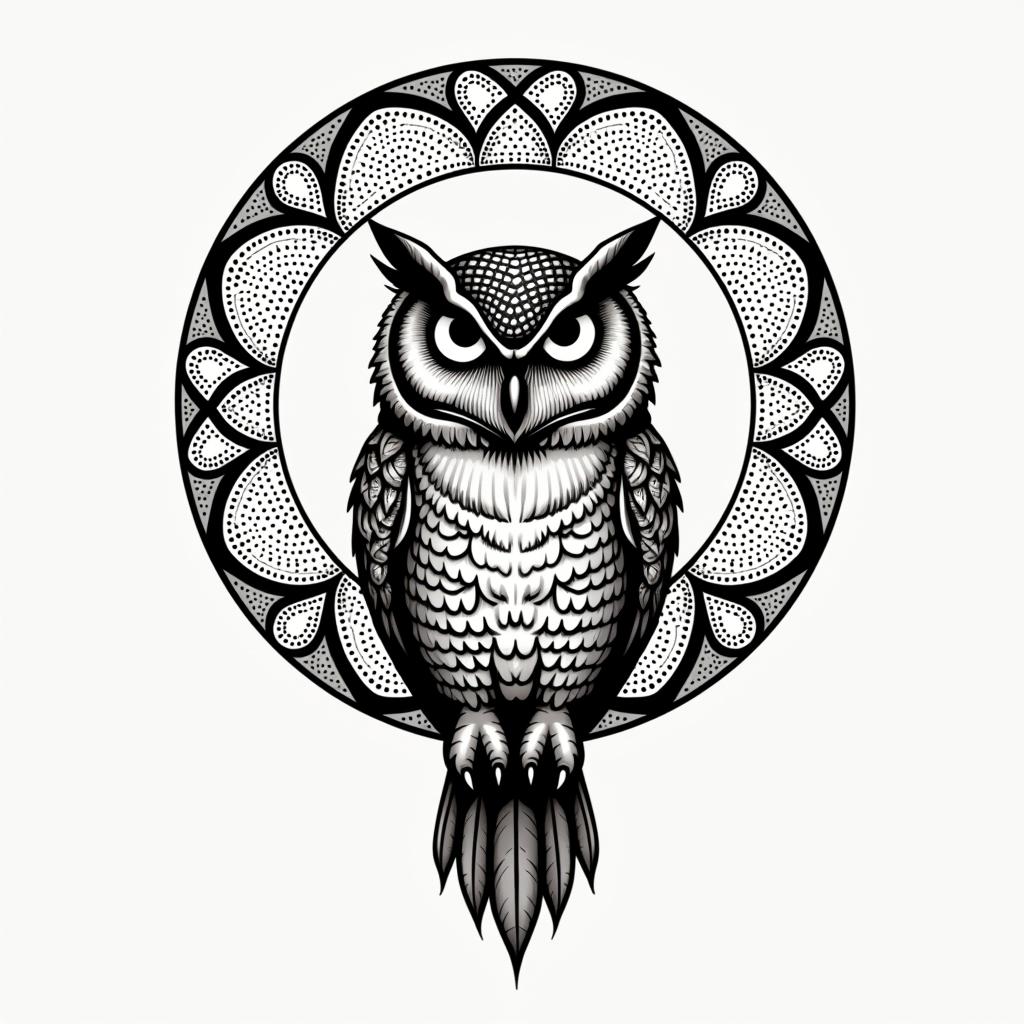
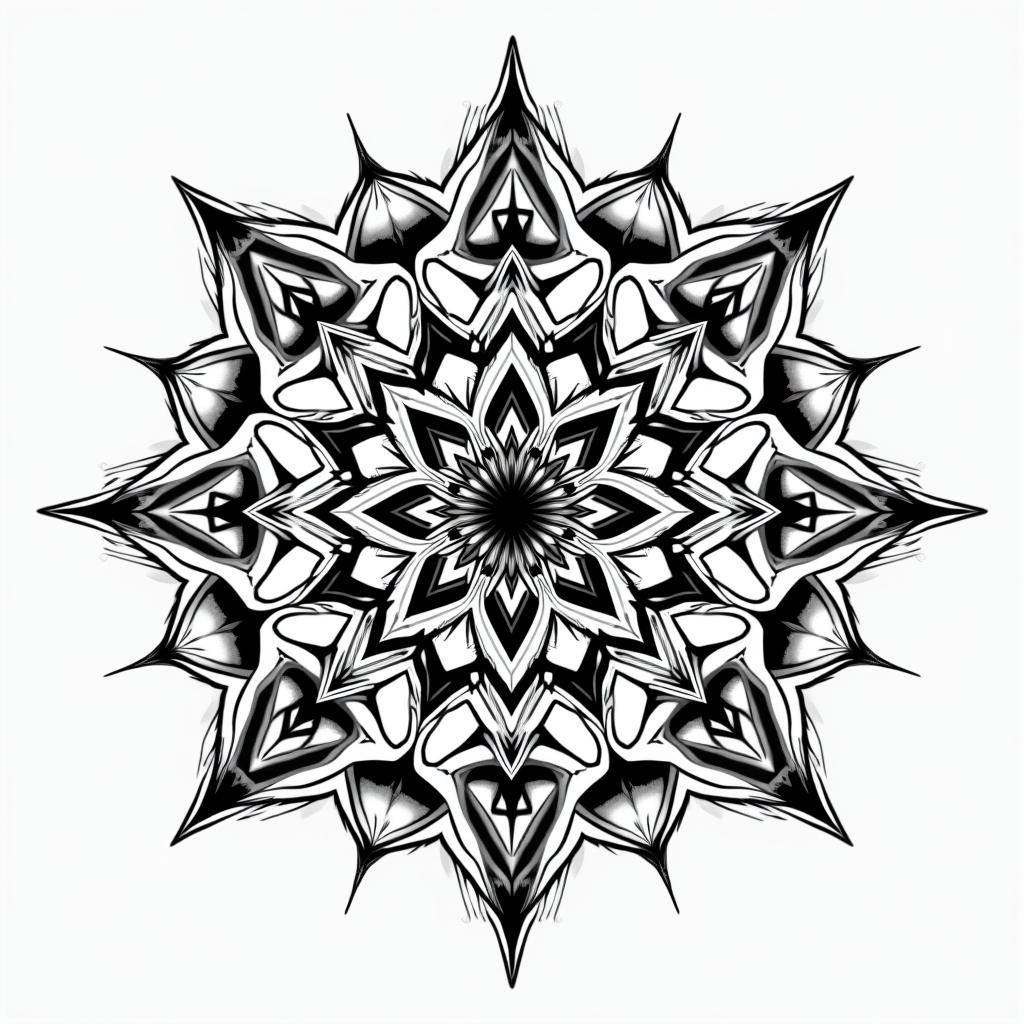
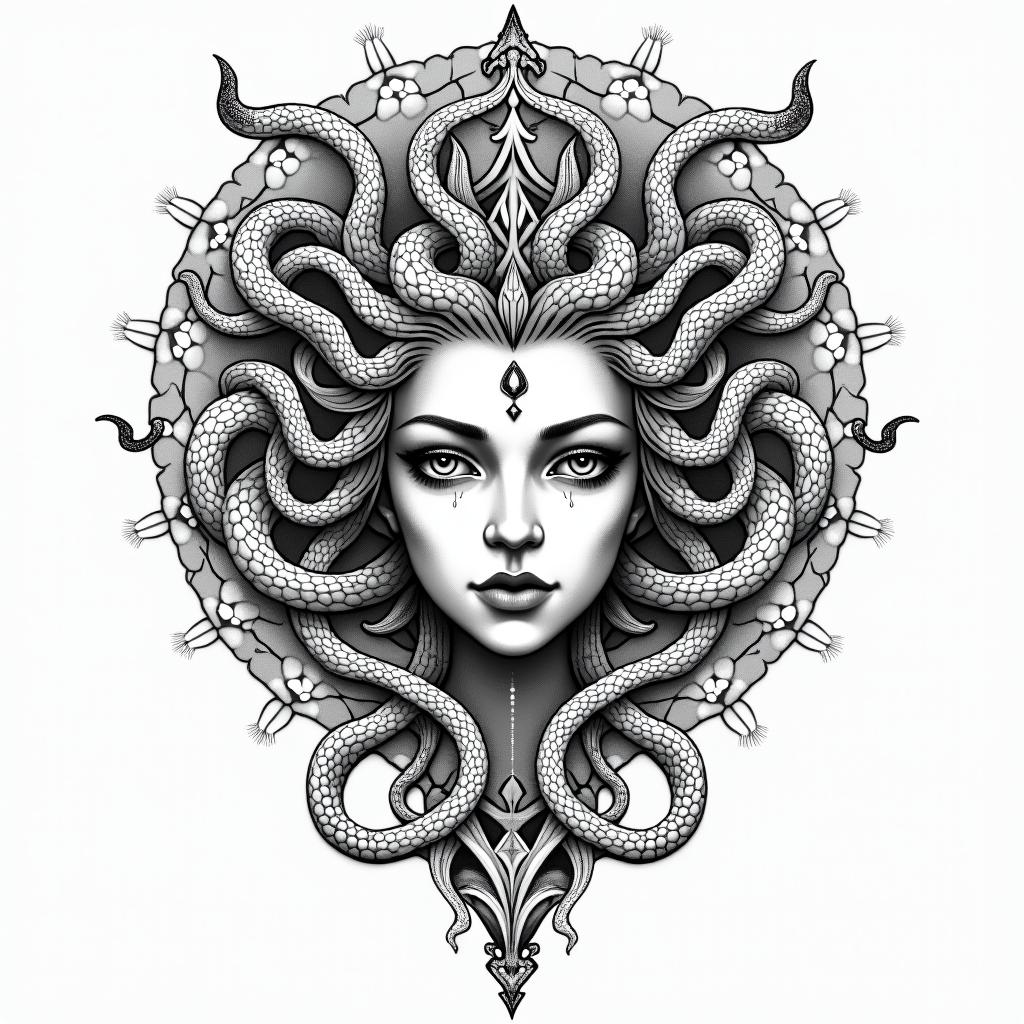
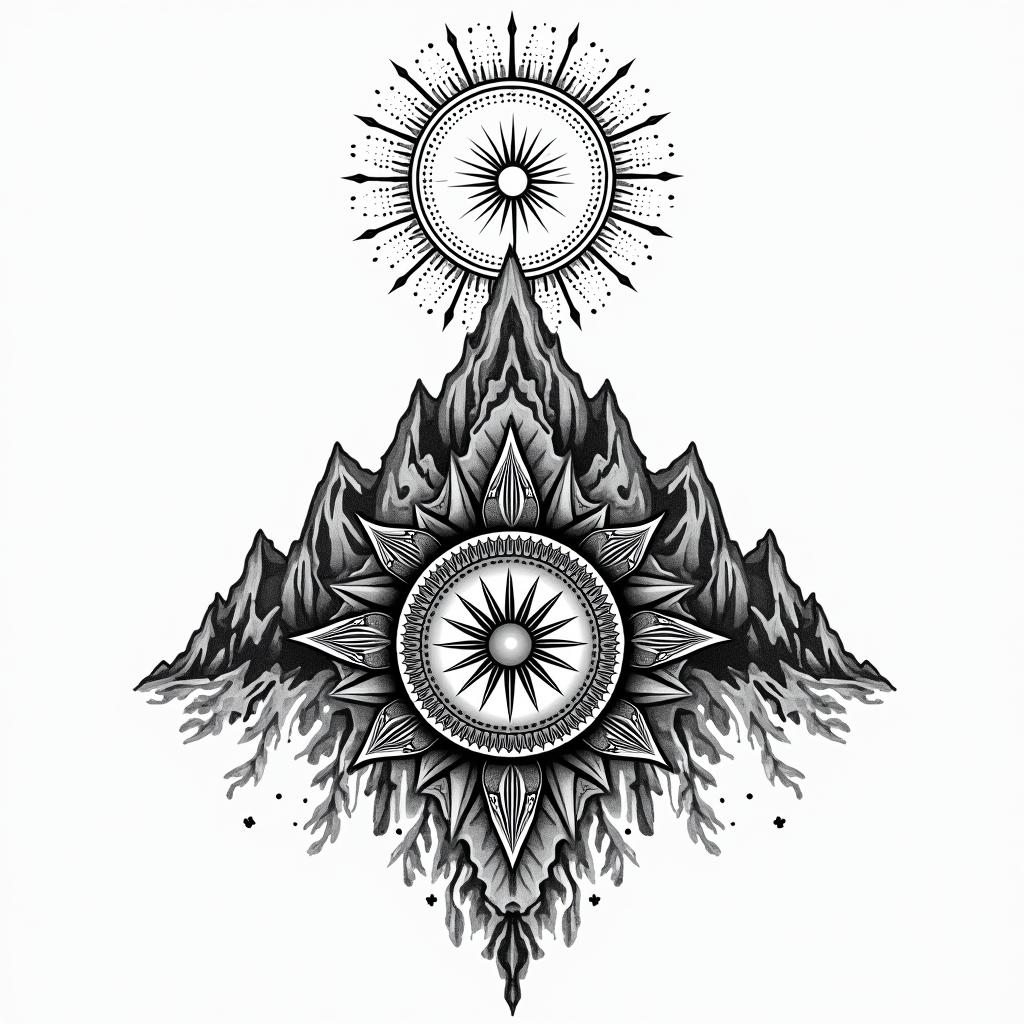
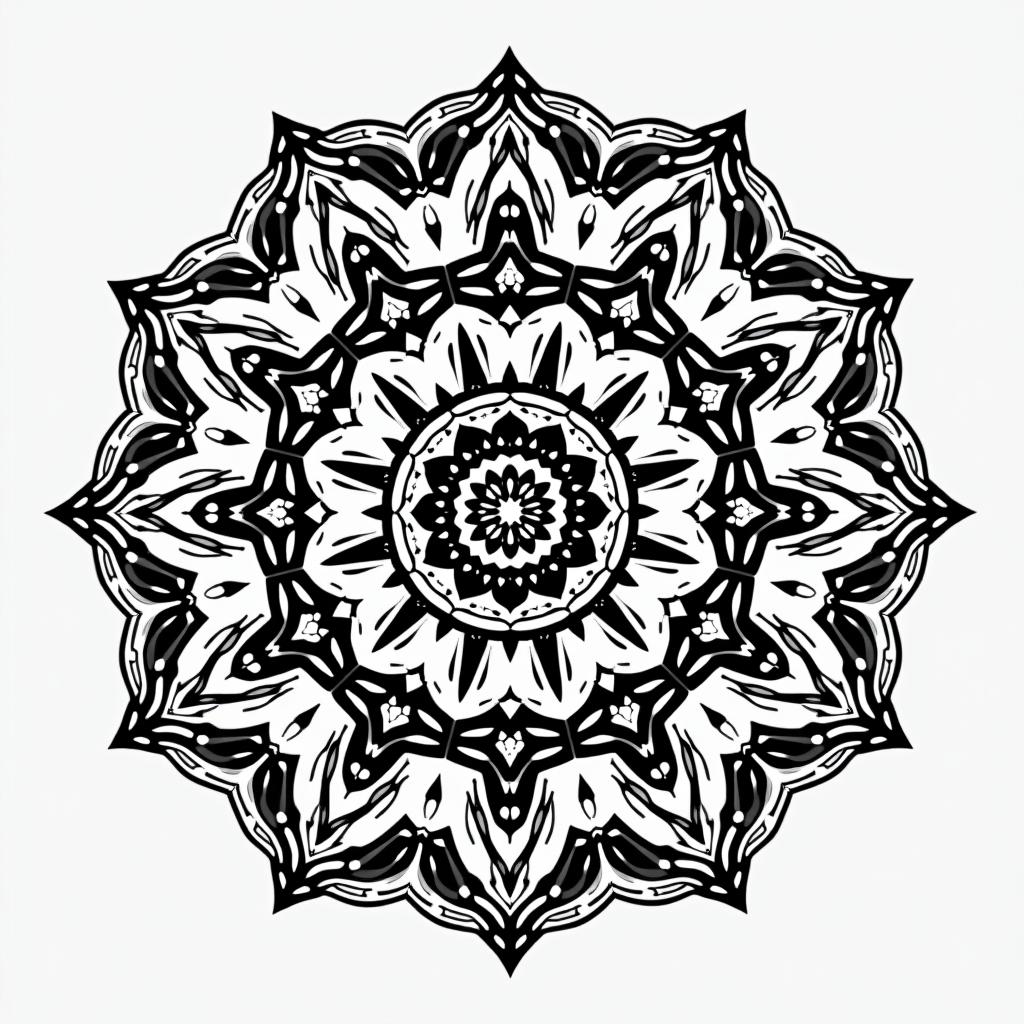
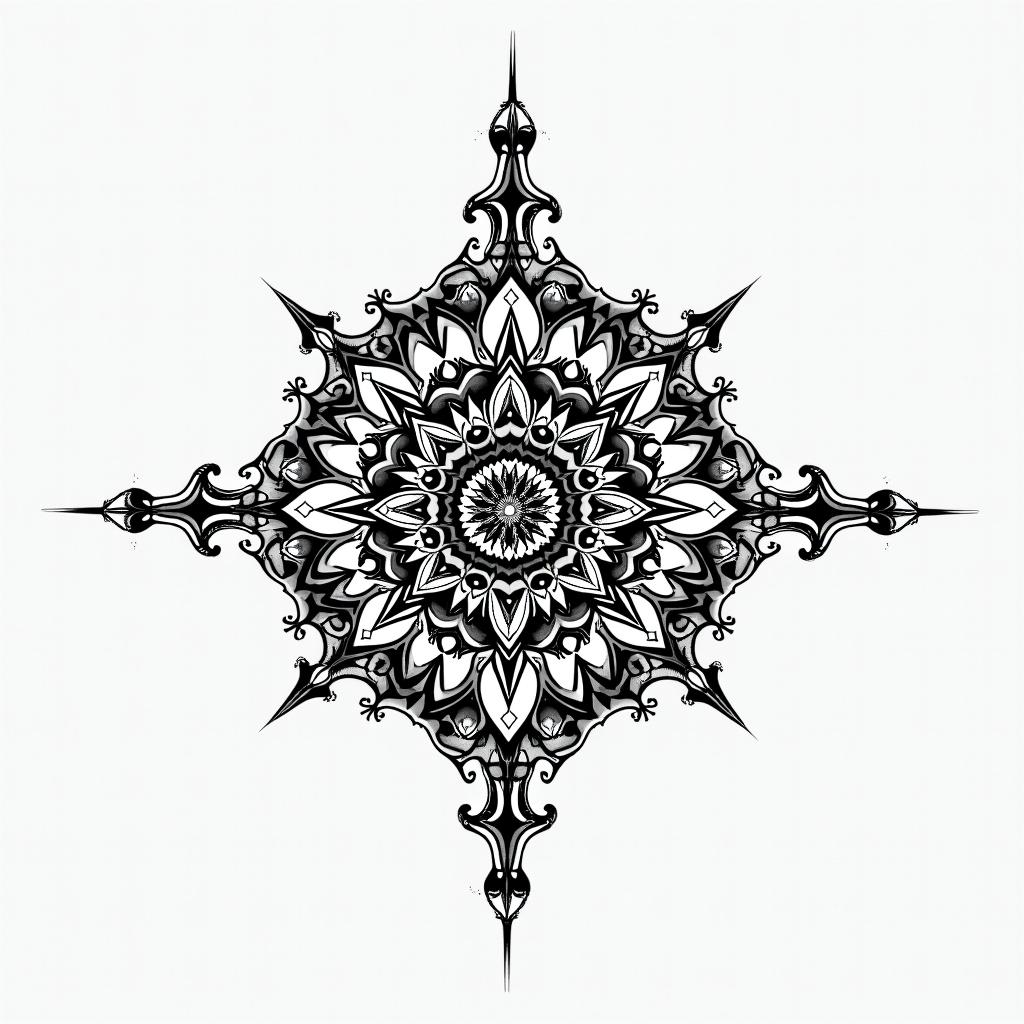
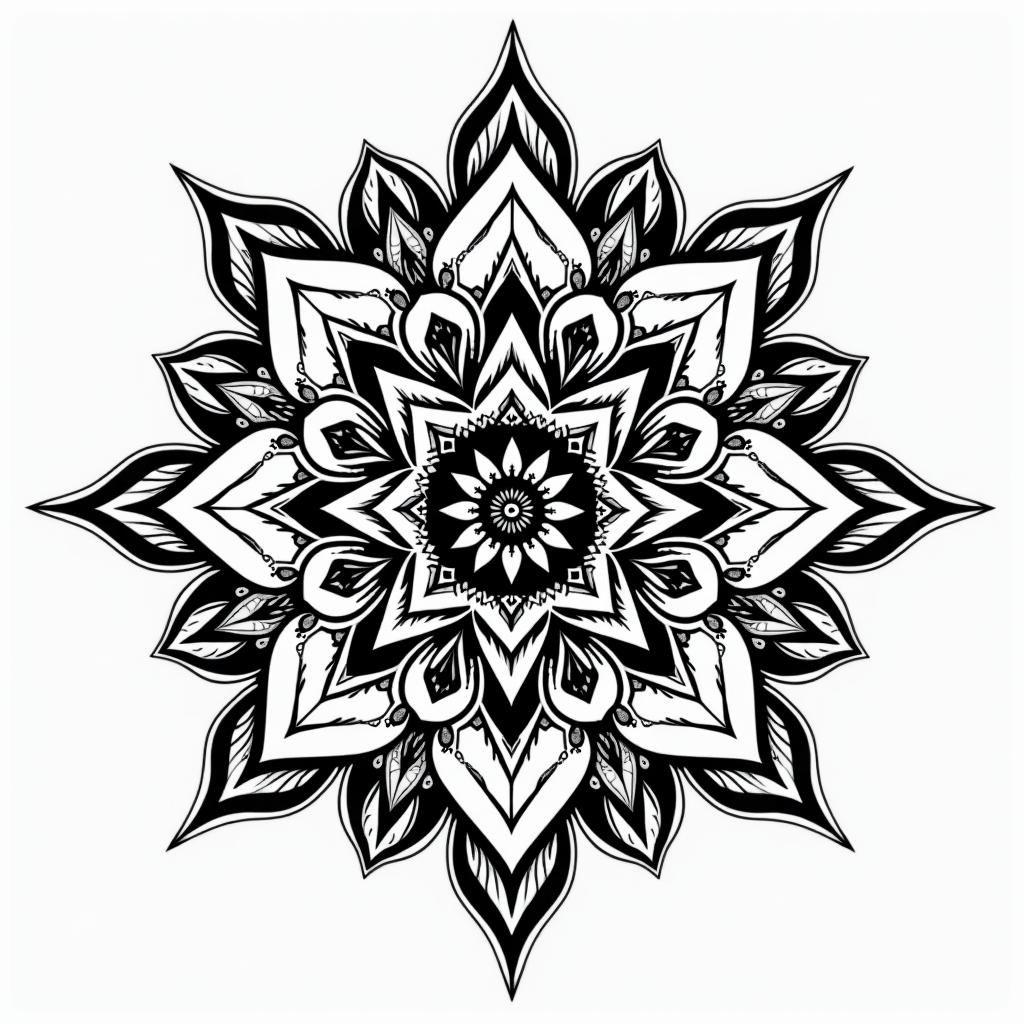
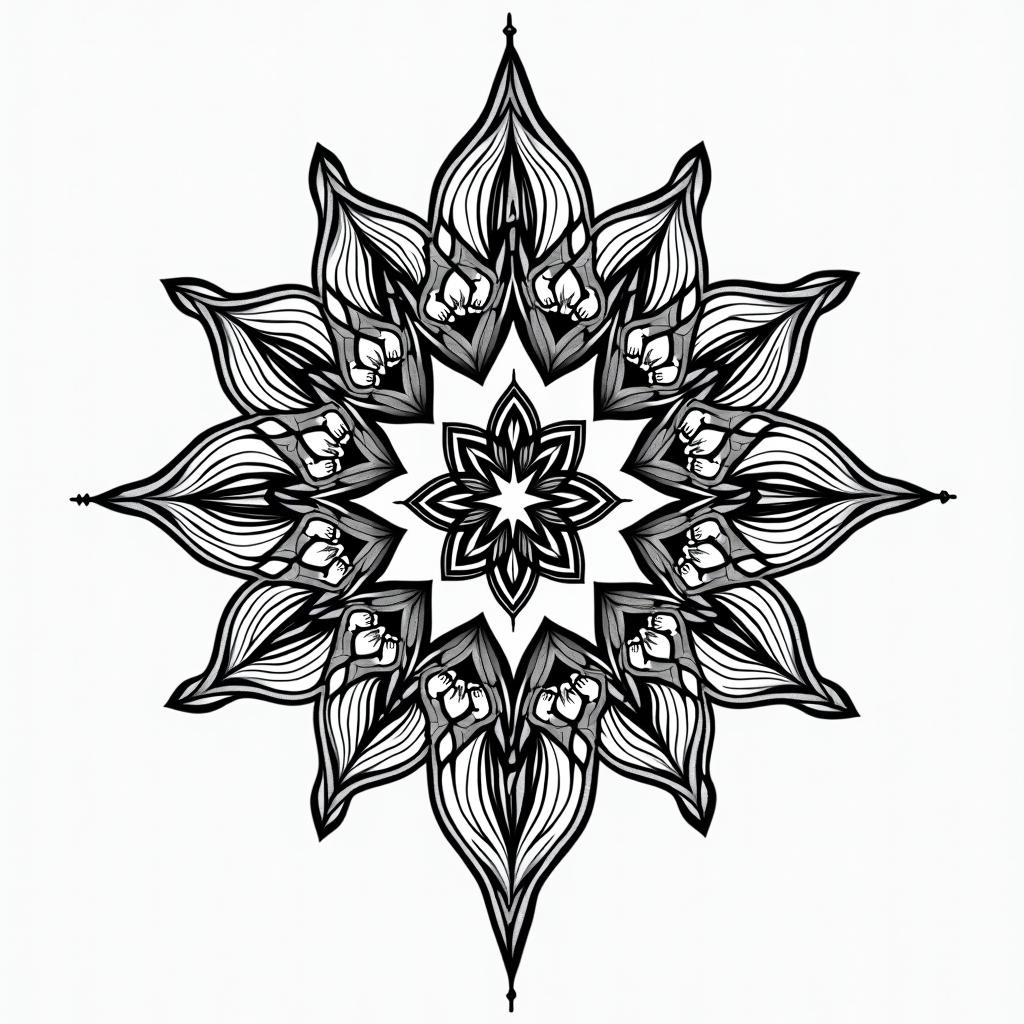
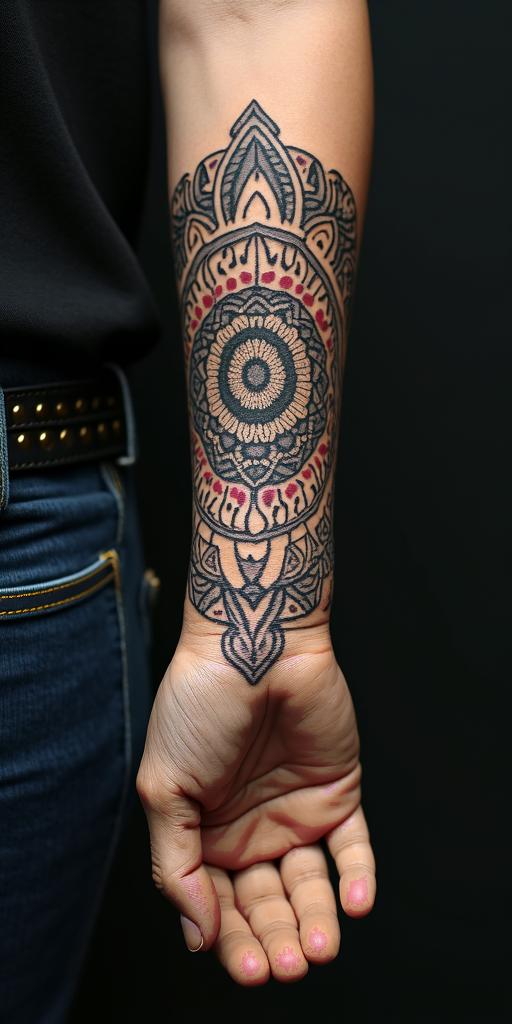
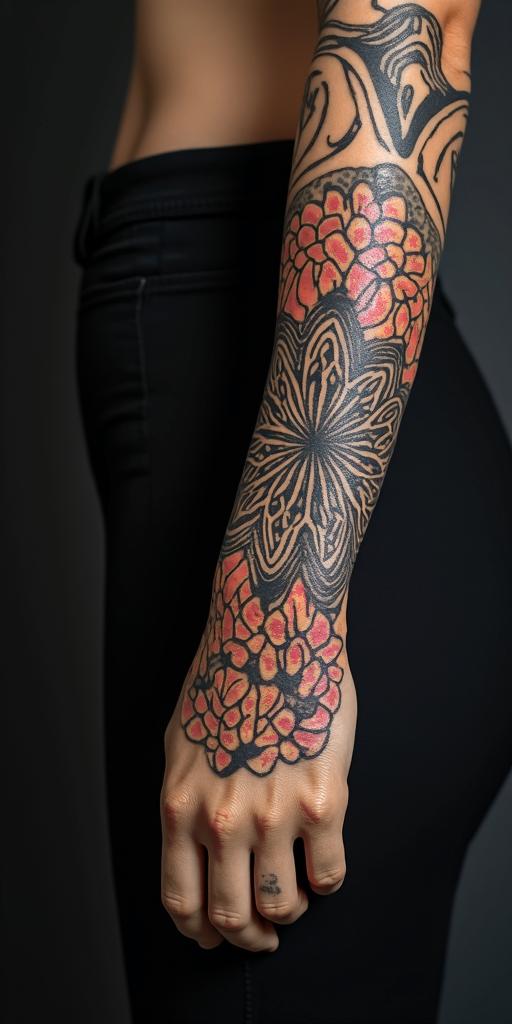
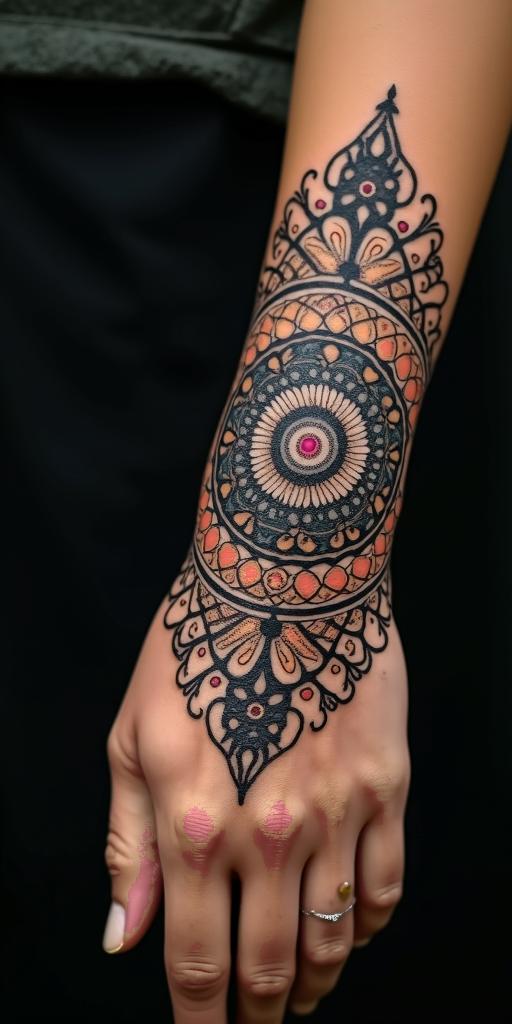
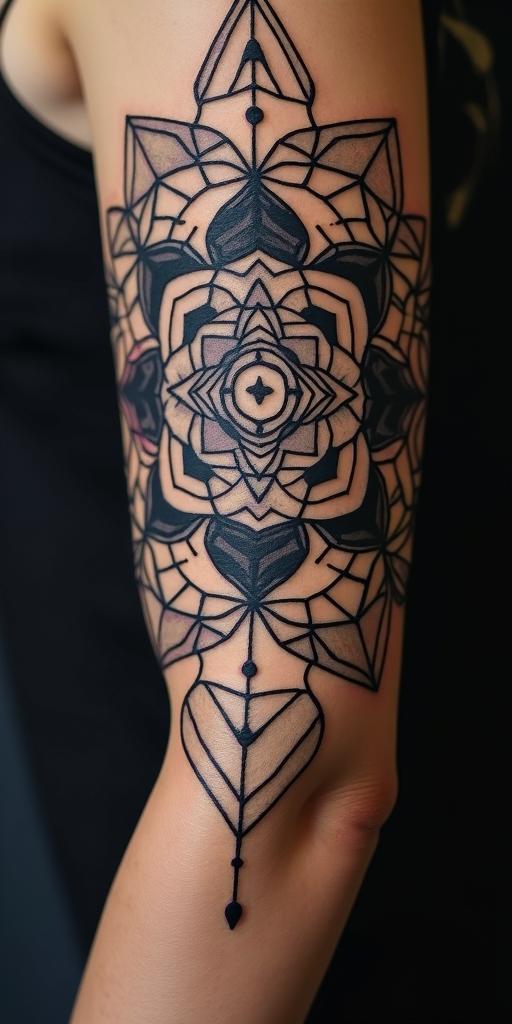
Precision meets spirituality in this intricate dotwork composition. Interlocking geometric shapes form a complex mandala pattern, relying on sharp symmetry and clean lines to create visual harmony. The technique utilizes dense pointillism rather than solid shading, giving the design a textured, gradient appearance without heavy ink saturation. This approach allows for subtle depth while maintaining crisp angles throughout the structure. Ideal for those seeking mathematical beauty in body art, the pattern scales well across various anatomical surfaces. Placement on flat areas ensures the symmetry remains undistorted during movement. The high-contrast blackwork style ensures longevity, with lines resisting blurring over time. Suitable for clients who appreciate technical execution over illustrative flair, this design demands an artist proficient in consistent needle depth and spacing. Consider sizing up to preserve fine details, as micro-dotting requires space to breathe and heal properly without merging. Proper aftercare prevents ink loss in dense areas, ensuring the gradient effects remain distinct years later. Many collectors choose this aesthetic for its meditative quality during application and viewing.
Noticeable discomfort, prepare for some sensitivity
Dotwork creates a vibrating sensation rather than sharp scratching, often perceived as more irritating over long sessions. Outer forearm areas remain manageable, while chest ribs increase sensitivity due to bone proximity. Expect moderate discomfort during dense shading phases where needle frequency peaks. Maintain steady breathing to reduce tension. Topical anesthetics work well if applied correctly before session start. Schedule breaks every forty-five minutes to prevent muscle fatigue.
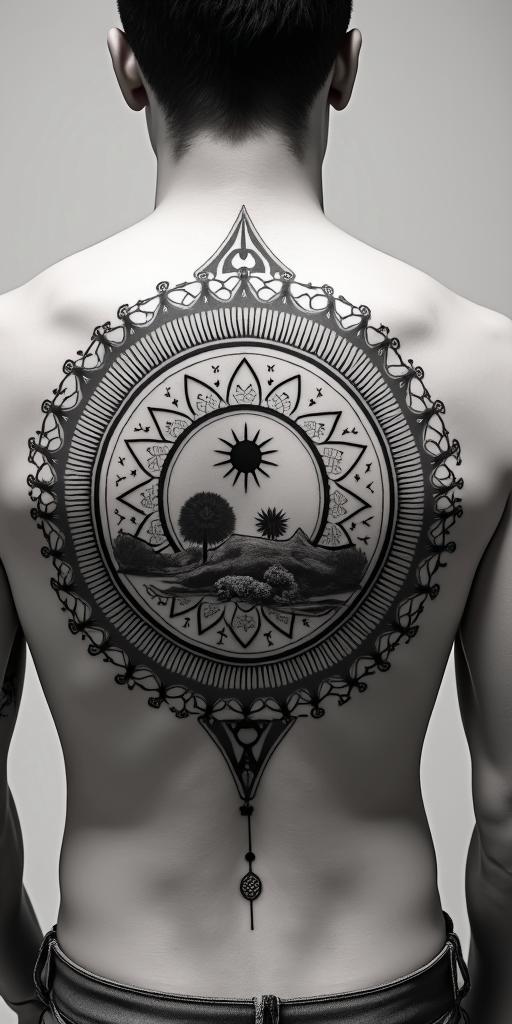
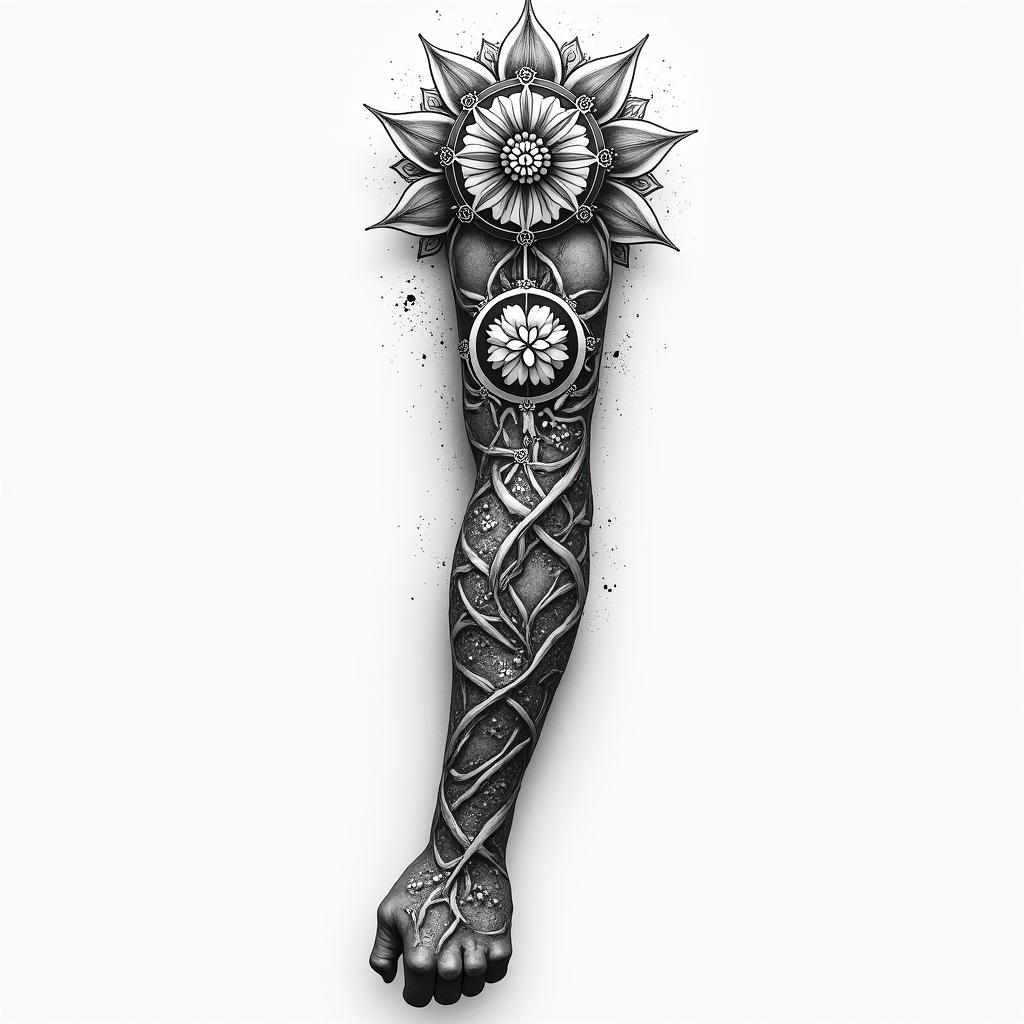
Symmetrical designs require flat or cylindrical canvases to maintain integrity. The chest-center offers the broadest surface for full expansion without distortion during breathing. Upper-back-center provides similar stability for larger scales. For visible placement, the outer-forearm-left or right accommodates vertical orientations well. Thigh-front-left allows for substantial size while remaining concealable. Avoid highly mobile joints like the elbow-ditch or knee-front, as skin stretching will warp the geometric precision. Minimum width should exceed six inches to prevent dot clustering during healing. Visibility ranges from high on forearms to moderate on the torso, suitable for professional environments when covered.
dotwork is a distinctive tattoo style characterized by Geometric: Precise tattoos based on mathematical shapes, sacred geometry, and structured patterns. These designs feature perfect circles, straight lines, and complex symmetrical arrangements, often creating mesmerizing visual effects. Dotwork: Intricate tattoos created entirely with tiny dots, forming stunning designs through the density and spacing of stipple-work. This meticulous technique creates striking texture, shading, and gradient effects. Mandala: Mandala tattoos feature circular, symmetrical designs with intricate geometric patterns radiating from a central point. Rooted in Hindu and Buddhist traditions, these sacred geometric designs represent the universe, wholeness, and spiritual journey.. This style has gained popularity for its versatility and visual appeal.
The duration depends on the size, complexity, and detail level. A design of this style typically requires 2-4 hours for a medium-sized piece, but consult with your artist for an accurate estimate.
Tattoo pricing varies by artist, location, and design complexity. Prices typically range from $150-$500+ for a design of this style. Always consult with your chosen artist for an accurate quote.