1/4 • Click to zoom
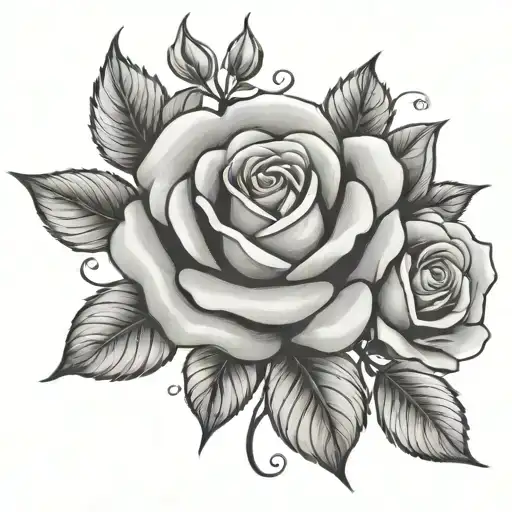
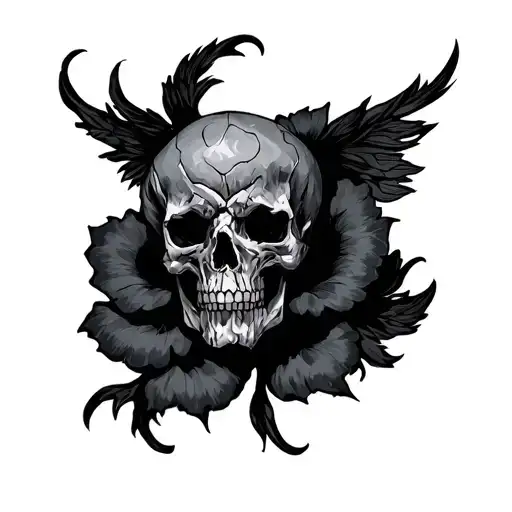
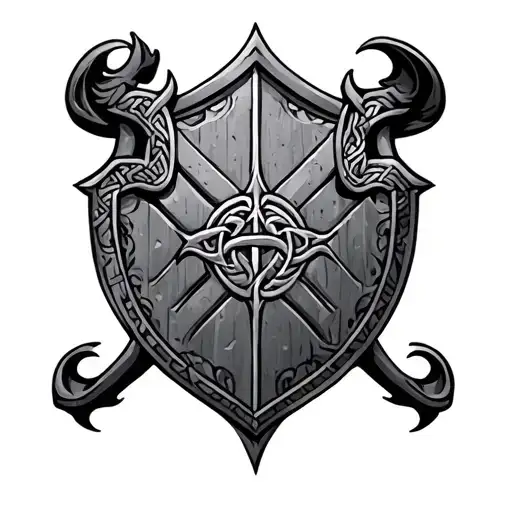
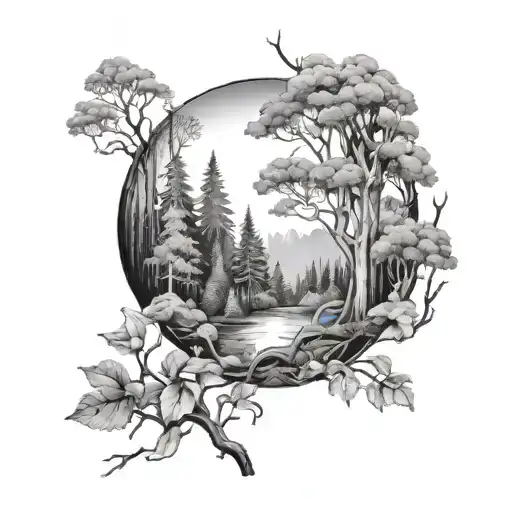
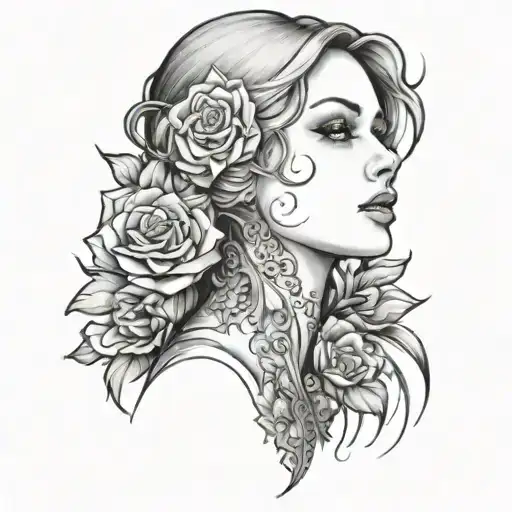
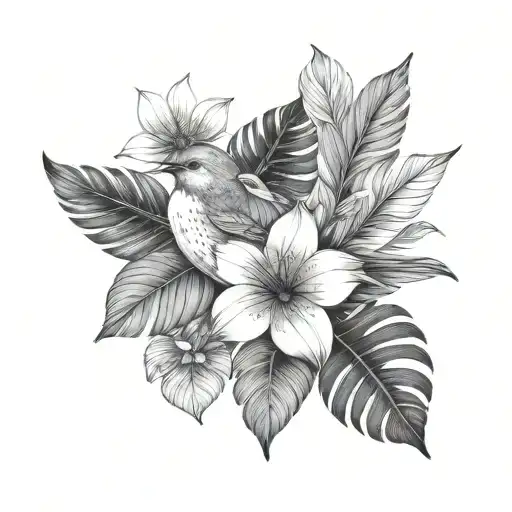
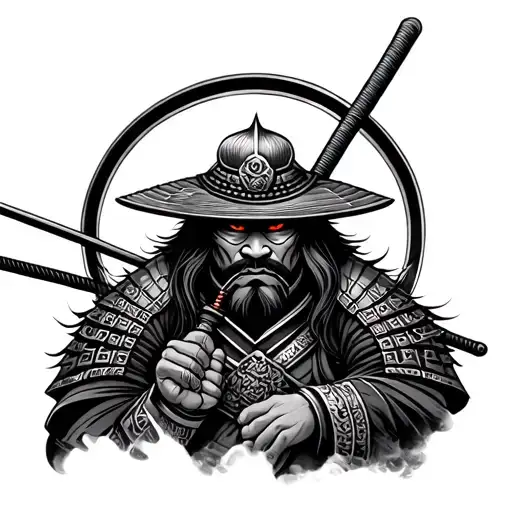
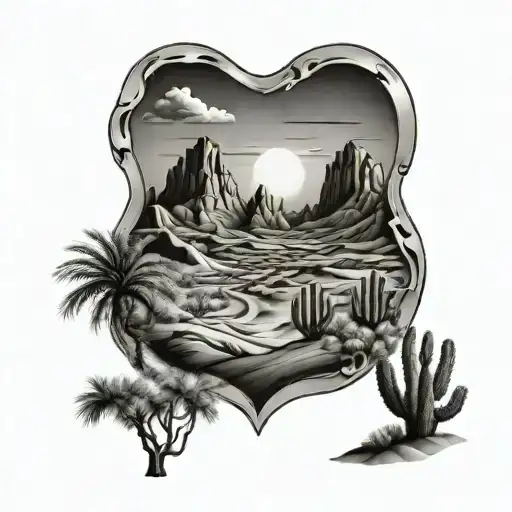
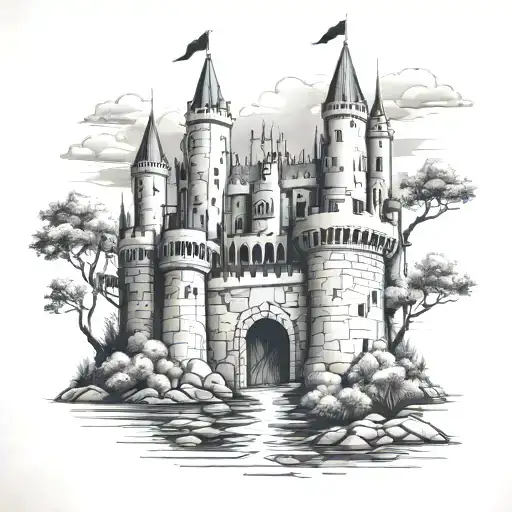
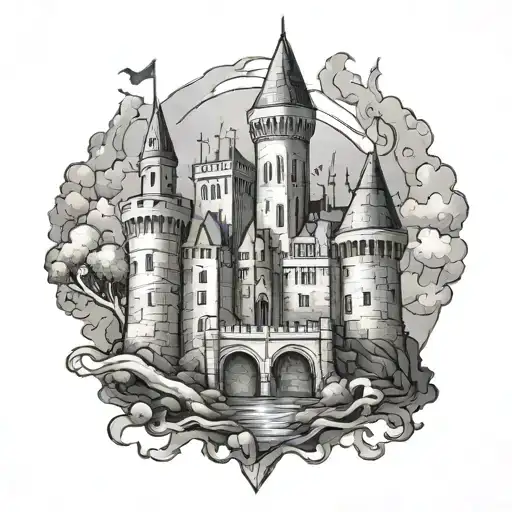
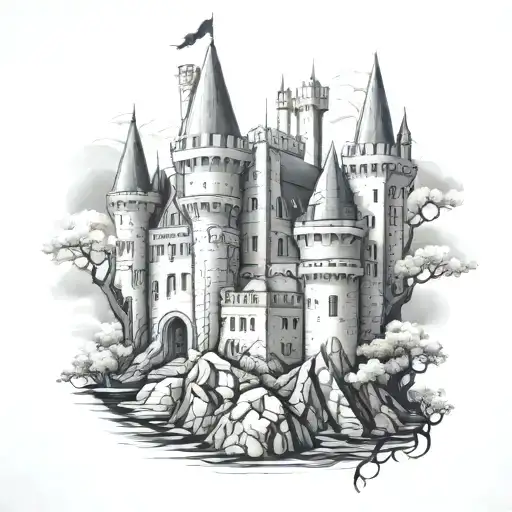
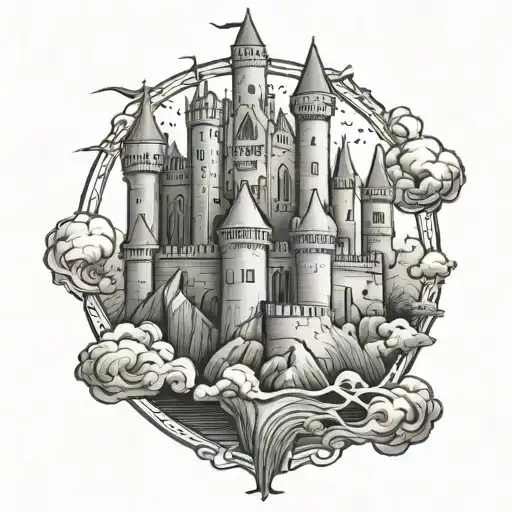
Fortresses of ink stand guard on the skin, capturing the enduring strength of medieval architecture through dense black-grey shading. This design utilizes high-contrast gradients to simulate stone texture and atmospheric depth, creating a three-dimensional illusion without color. Ideal for individuals seeking symbolism related to protection, heritage, or personal sanctuaries, the composition balances intricate linework with soft washes. Architectural integrity remains sharp on flatter surfaces, making it versatile for multiple anatomical locations. The monochromatic palette ensures longevity, resisting fading better than color counterparts while maintaining visual impact. Whether positioned prominently or privately, this piece commands attention through technical precision and timeless subject matter. Artists often employ whip shading techniques to achieve the weathered look of ancient walls, ensuring the design ages gracefully. Placement choices significantly impact how the structure interacts with body contours, requiring careful mapping during the stencil phase. Clients appreciate the versatility of this aesthetic, as it complements both existing collections and standalone statements.
Noticeable discomfort, prepare for some sensitivity
Expect moderate discomfort concentrated around bony prominences near the wrist or ankle. Dense shading phases generate more heat than linework, requiring steady breathing to manage sensation. Muscle areas like the calf or outer arm dampen nerve feedback significantly. Topical anesthetics work well for longer sessions involving heavy saturation. Hydration reduces skin sensitivity. Breaks every forty-five minutes help maintain comfort levels during intricate work.
Architectural designs require stable canvas areas to maintain structural proportions. The outer forearm offers excellent visibility, allowing vertical tower lines to align with muscle fibers. For larger-scale interpretations, the upper back provides ample space for expansive landscapes surrounding the structure. Thigh placements accommodate detailed stonework without significant distortion during movement. Avoid highly mobile joints where shifting skin could warp the building's geometry. Minimum width should exceed three inches to prevent shading blowout. Upper back and thigh offer easy concealment for formal environments while forearm remains openly displayed.
illustrative is a distinctive tattoo style characterized by Blackwork: Blackwork tattoos use exclusively black ink to create bold, graphic designs ranging from intricate patterns to large solid areas. This versatile style encompasses geometric patterns, illustrative work, and heavy coverage pieces that make powerful visual statements. Illustrative: Illustrative tattoos capture the aesthetic of hand-drawn illustrations, book artwork, and graphic novels. These designs emphasize artistic linework, cross-hatching, and stylized imagery that appears to have been drawn directly onto the skin.. This style has gained popularity for its versatility and visual appeal.
Yes, this design is well-suited for square placement. This illustrative design is ideal for square placement. Consider consulting with a professional tattoo artist about the best placement for this design.
The duration depends on the size, complexity, and detail level. A design of this style typically requires 2-4 hours for a medium-sized piece, but consult with your artist for an accurate estimate.
Tattoo pricing varies by artist, location, and design complexity. Prices typically range from $150-$500+ for a design of this style. Always consult with your chosen artist for an accurate quote.
Proper aftercare is crucial for square tattoos. Keep the area clean, moisturized, and protected from sun exposure. Follow your artist's specific aftercare instructions for best results.