1/2 • Click to zoom
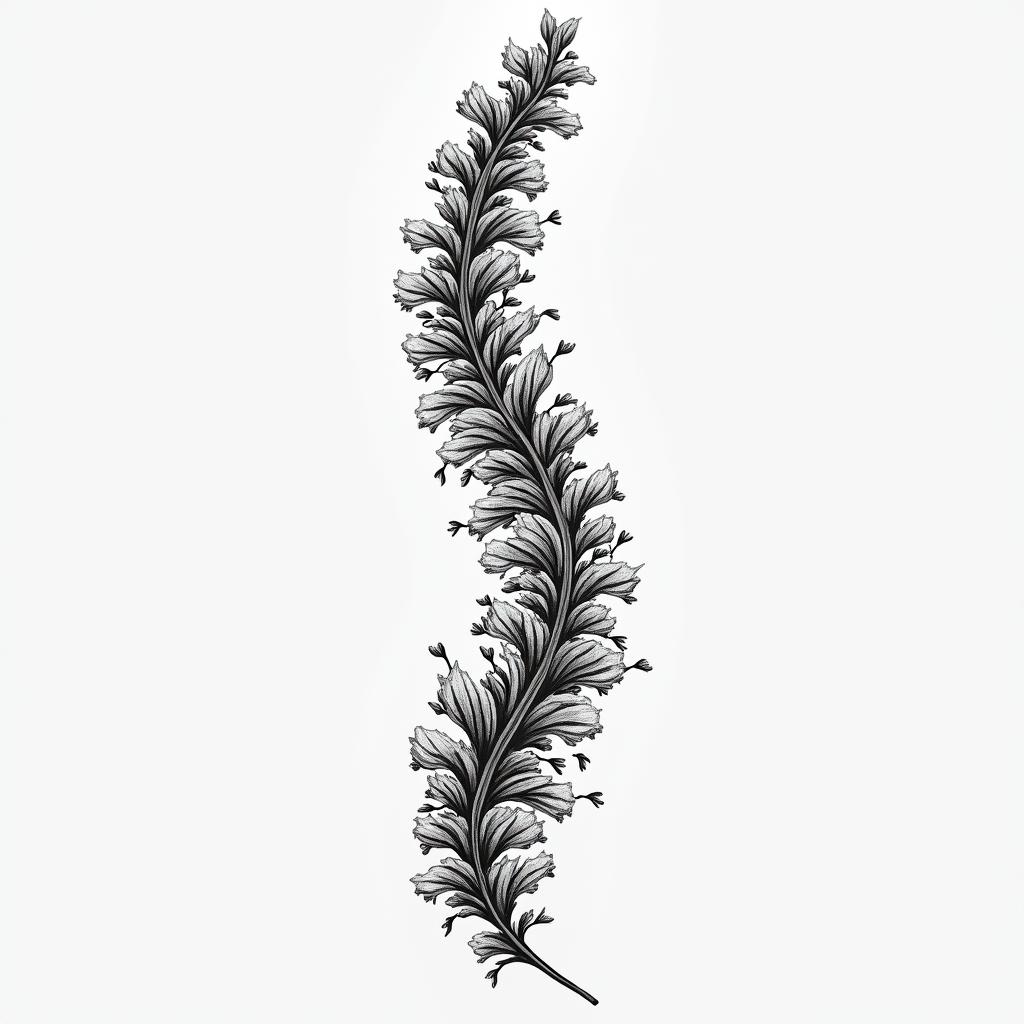
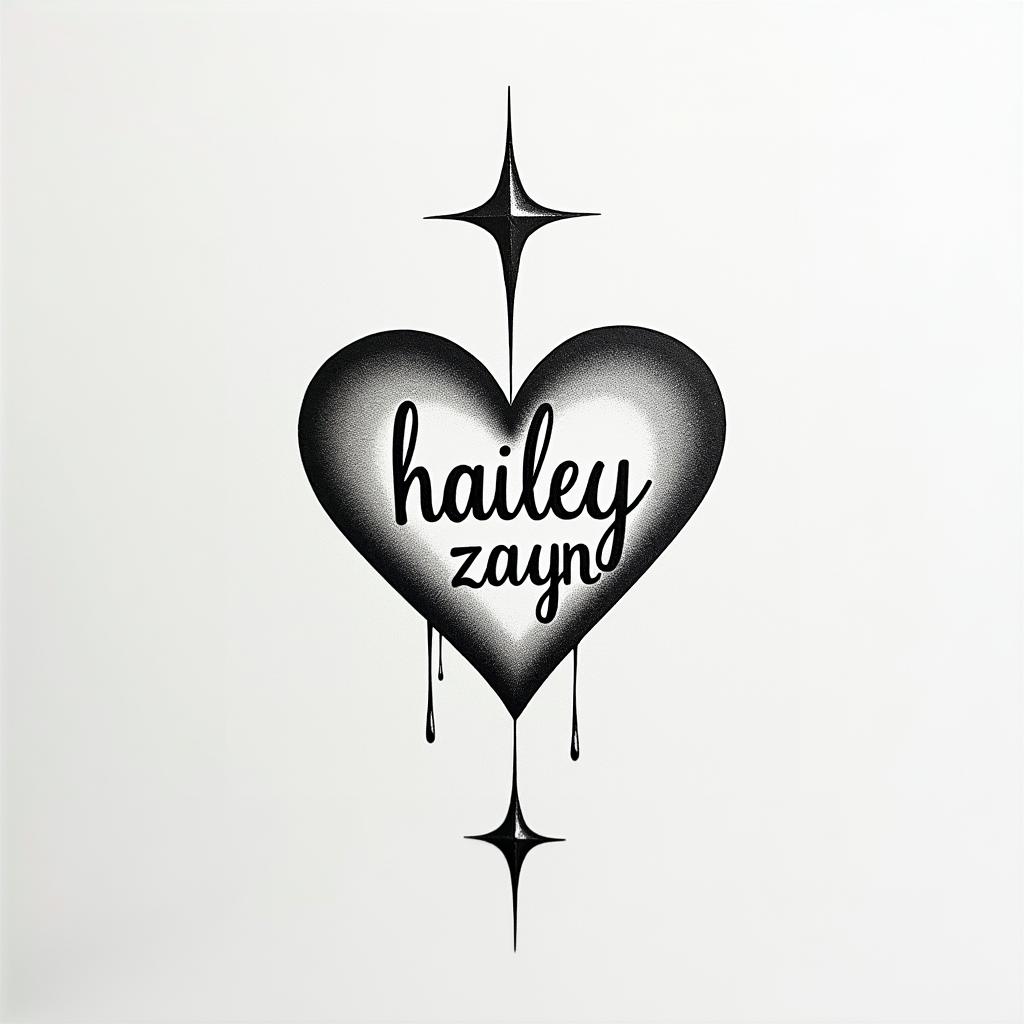
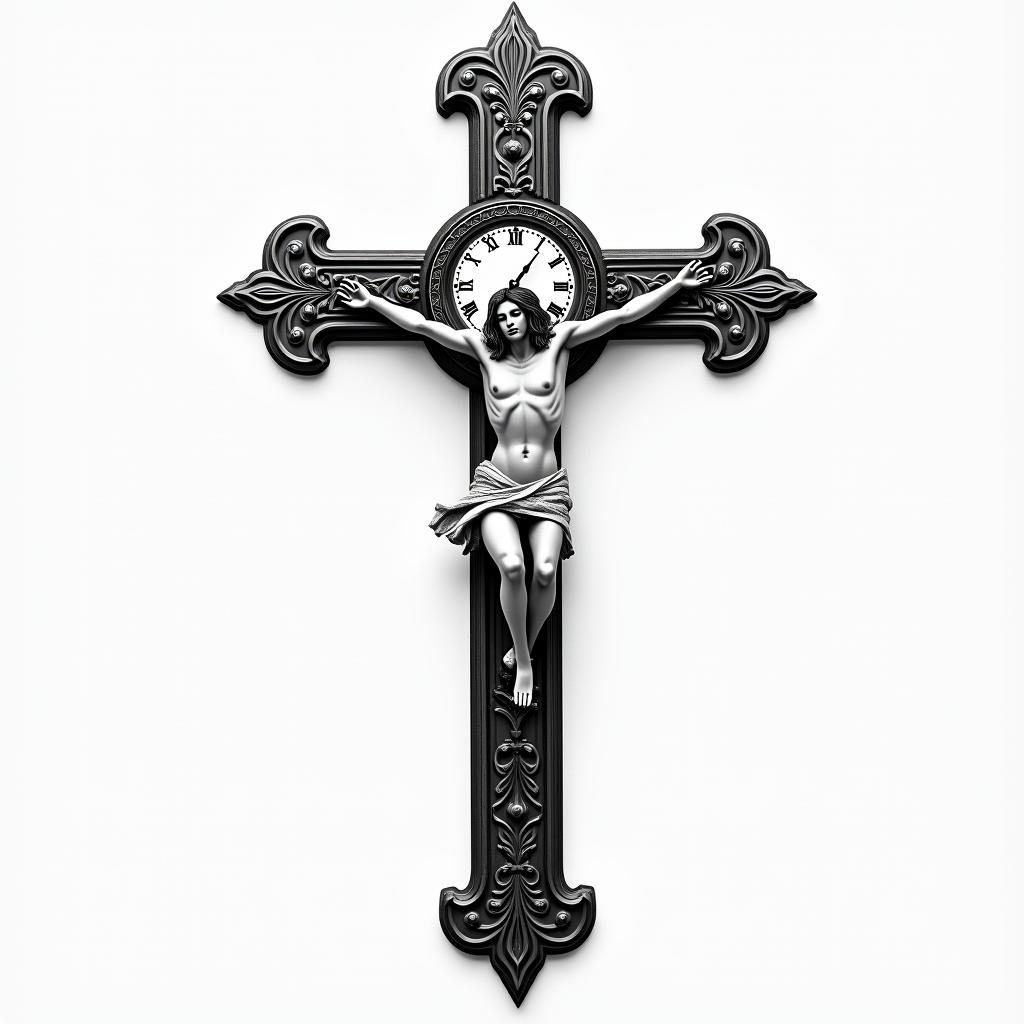
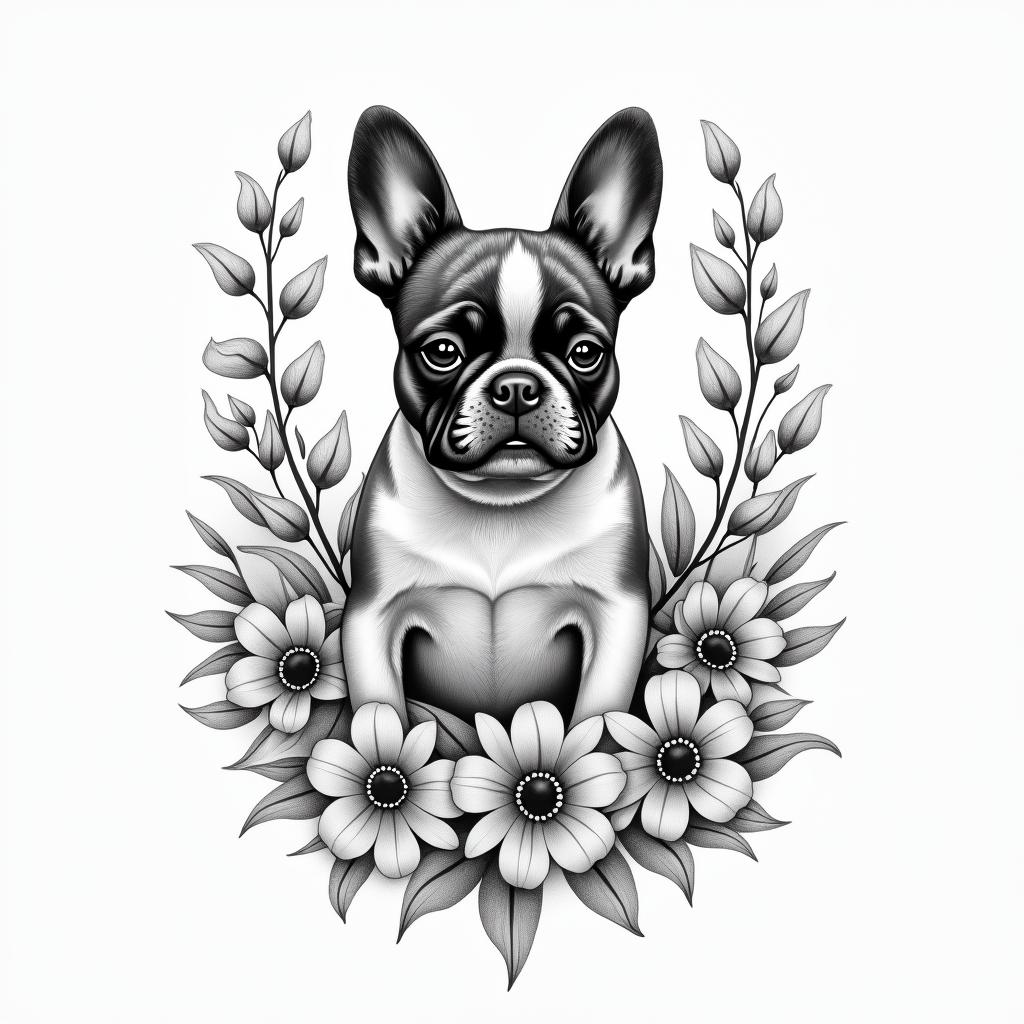
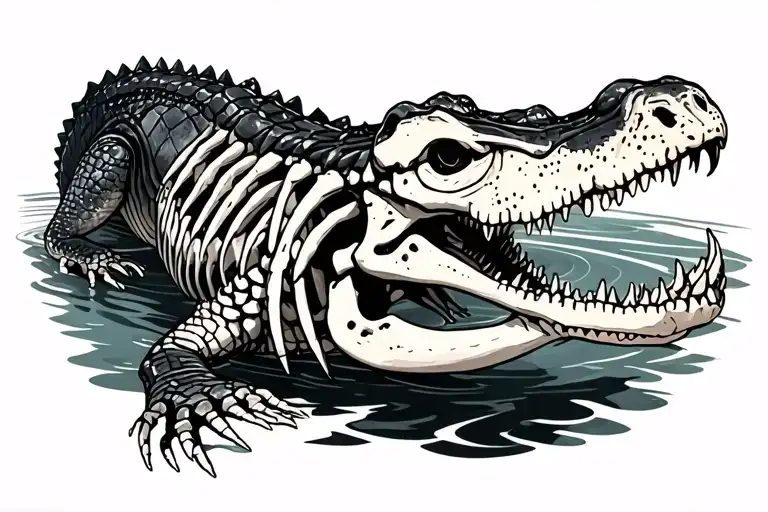
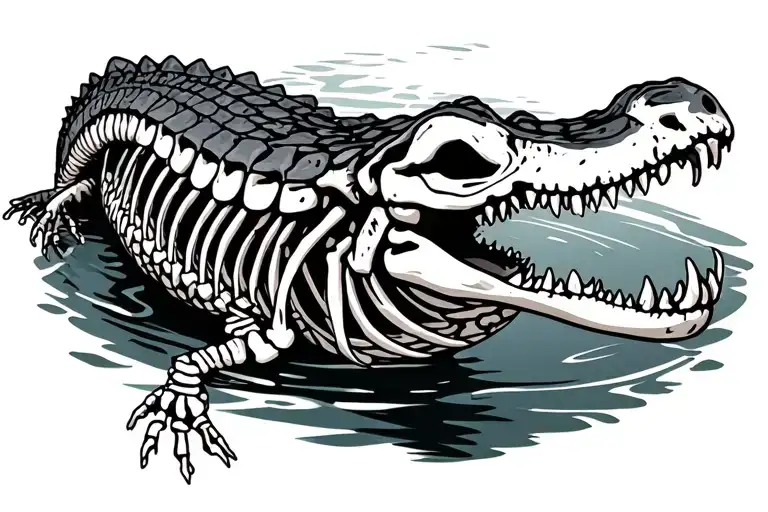
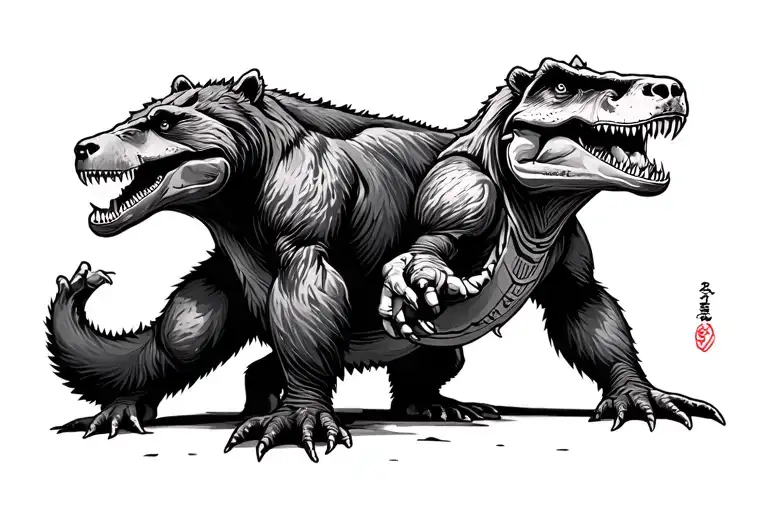
Dive into prehistoric anatomy with this striking alligator skeleton design. Capturing the reptile mid-swim, the piece highlights intricate bone structure against negative space. Black and grey shading creates depth, emphasizing the curvature of the spine and ribcage. This illustrative approach balances scientific accuracy with artistic flow, making it ideal for elongated body areas. The dynamic pose suggests movement, perfect for wrapping around limbs or spanning the ribcage. Whether you seek a symbol of resilience or ancient power, this skeleton offers a macabre yet naturalistic aesthetic. Artists should focus on linework precision to distinguish individual vertebrae. Ideal for those appreciating natural history, this design works well in blackwork or realism styles. The horizontal composition suits the forearm, thigh, or ribs best. Ensure your artist understands anatomical proportions to maintain credibility. The shading gradient brings the bones to life without needing color. It is a conversation starter that blends biology with body art. Perfect for collectors looking for something beyond standard animal portraits. This design requires an artist skilled in fine detail to ensure the bones do not blend together over time.
Noticeable discomfort, prepare for some sensitivity
Expect moderate discomfort due to intricate linework required for bone detail. Outer forearm areas remain manageable, around 35-45 on the pain scale. Rib placements increase intensity due to thin skin over bone. Use controlled breathing during shading phases. Numbing cream is acceptable for long sessions but test beforehand. Breaks every 45 minutes help maintain pain tolerance.
This wide composition demands horizontal space. The outer forearm offers a canvas where the swimming motion aligns with arm length, visible yet professional. For larger scale, the side ribs follow the body's natural curve, enhancing the swimming illusion. Outer thighs provide ample room for detailed vertebrae work. Avoid high-friction zones like hands or feet to preserve bone detail. Minimum width should be 4 inches to prevent blurring over time. Consider visibility for workplace settings; forearm placement is easily covered by long sleeves.
illustrative is a distinctive tattoo style characterized by Realism: Photorealistic tattoos that mimic photographs with exceptional detail, shading, and dimension. These technically demanding designs create the illusion of 3D imagery on skin, showcasing incredible artistic skill. Illustrative: Illustrative tattoos capture the aesthetic of hand-drawn illustrations, book artwork, and graphic novels. These designs emphasize artistic linework, cross-hatching, and stylized imagery that appears to have been drawn directly onto the skin. Animal: Animal tattoos depict wildlife, pets, and creatures from the natural world in styles ranging from photorealistic to stylized. These designs celebrate the beauty, power, and symbolism of animals, often carrying deep personal meaning for the wearer.. This style has gained popularity for its versatility and visual appeal.
Yes, this design is well-suited for wide placement. This illustrative design is ideal for wide placement. Consider consulting with a professional tattoo artist about the best placement for this design.
The duration depends on the size, complexity, and detail level. A design of this style typically requires 2-4 hours for a medium-sized piece, but consult with your artist for an accurate estimate.
Tattoo pricing varies by artist, location, and design complexity. Prices typically range from $150-$500+ for a design of this style. Always consult with your chosen artist for an accurate quote.
Proper aftercare is crucial for wide tattoos. Keep the area clean, moisturized, and protected from sun exposure. Follow your artist's specific aftercare instructions for best results.
wide