1/2 • Click to zoom
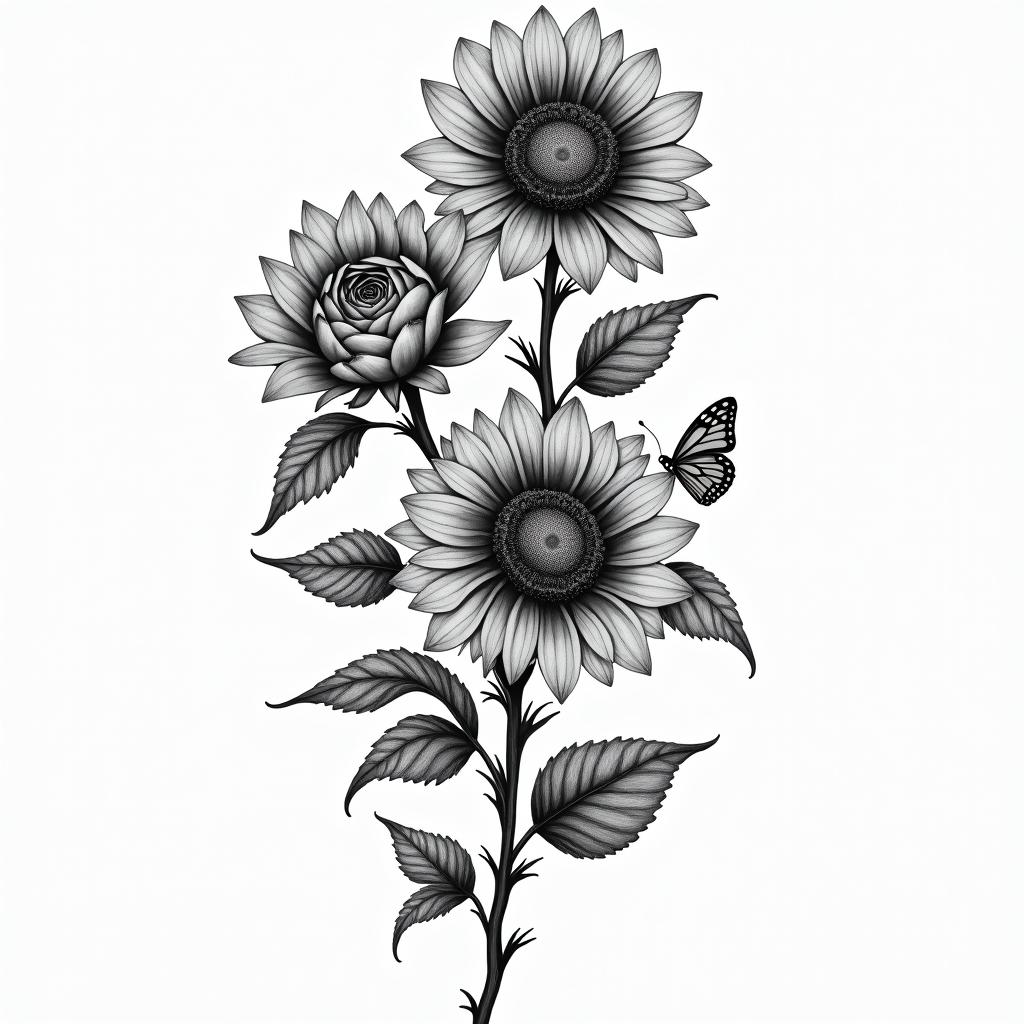
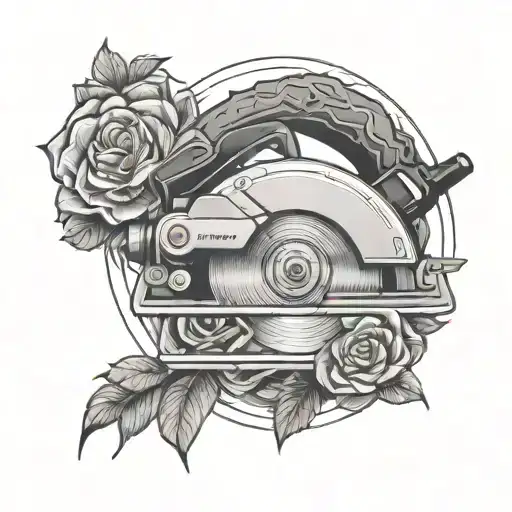
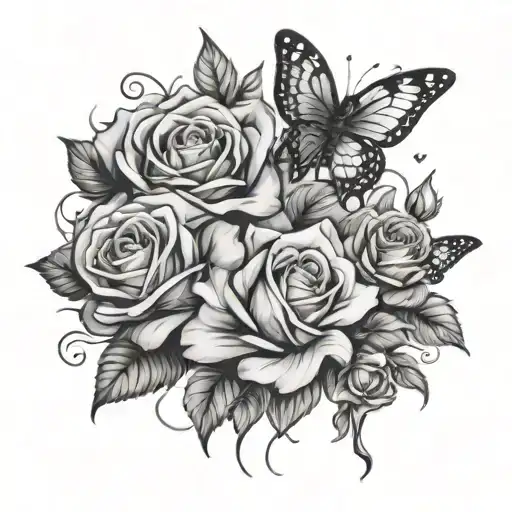
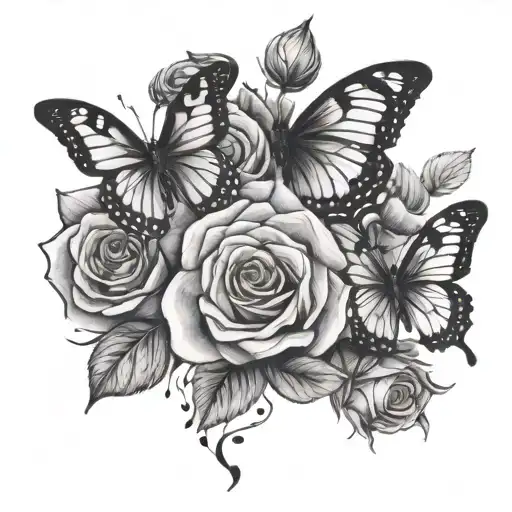
Capturing moments of transformation, this design pairs blooming roses with butterflies in mid-flight. The black and grey shading creates depth without heavy color saturation, allowing the delicate wing structures and petal layers to stand out. Ideal for those seeking symbolism regarding growth and freedom, the composition uses negative space to suggest movement across the skin. This illustrative approach works particularly well on curved surfaces where the butterflies can appear to wrap around the limb. Whether placed on the forearm or ribcage, the balance between organic floral elements and insect detail requires precise needle work to maintain clarity over time. Artists often utilize whip shading techniques to soften the edges of the petals, ensuring the roses do not appear too rigid. The butterflies introduce dynamic energy, breaking the static nature of traditional floral pieces. For long-term wear, ensuring sufficient contrast between the grey wash and skin tone is critical to prevent blurring. This design suits individuals looking for a meaningful nature-inspired piece that balances femininity with structural integrity.
Noticeable discomfort, prepare for some sensitivity
Expect moderate discomfort primarily during the shading phases of the rose petals. The outer forearm features thicker skin and lower nerve density, making it manageable. Butterflies require fine linework which may feel like a persistent scratch. Maintain steady breathing to reduce tension, and request breaks if the session exceeds two hours. Topical numbing creams are generally unnecessary for this placement.
Position this design on the outer forearm or outer thigh where the canvas remains relatively flat. The vertical orientation of flying butterflies complements the forearm length, while roses anchor the composition near the wrist. Rib placement offers a larger surface area but requires careful breathing management. Avoid high-friction zones like the inner wrist to preserve fine details. Minimum size should be 4 inches in height to prevent wing veins and petal edges from blending as the tattoo ages. Visibility is moderate; easily covered with long sleeves.
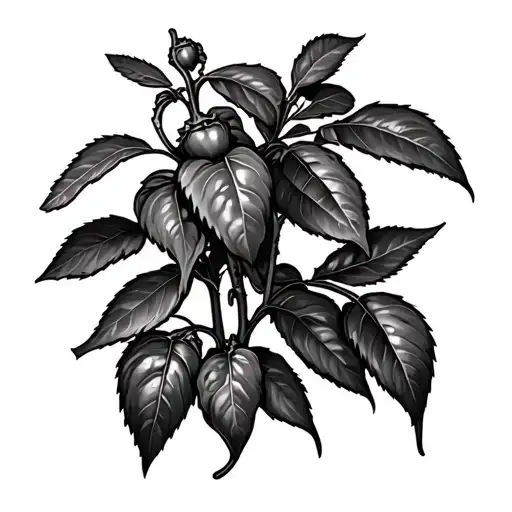
botanical is a distinctive tattoo style characterized by Realism: Photorealistic tattoos that mimic photographs with exceptional detail, shading, and dimension. These technically demanding designs create the illusion of 3D imagery on skin, showcasing incredible artistic skill. Illustrative: Illustrative tattoos capture the aesthetic of hand-drawn illustrations, book artwork, and graphic novels. These designs emphasize artistic linework, cross-hatching, and stylized imagery that appears to have been drawn directly onto the skin. Botanical: Botanical tattoos feature detailed depictions of flowers, plants, leaves, and natural elements inspired by scientific botanical illustrations. These designs range from realistic renderings to stylized interpretations, celebrating the beauty of the natural world.. This style has gained popularity for its versatility and visual appeal.
Yes, this design is well-suited for square placement. This botanical design is ideal for square placement. Consider consulting with a professional tattoo artist about the best placement for this design.
The duration depends on the size, complexity, and detail level. A design of this style typically requires 2-4 hours for a medium-sized piece, but consult with your artist for an accurate estimate.
Tattoo pricing varies by artist, location, and design complexity. Prices typically range from $150-$500+ for a design of this style. Always consult with your chosen artist for an accurate quote.
Proper aftercare is crucial for square tattoos. Keep the area clean, moisturized, and protected from sun exposure. Follow your artist's specific aftercare instructions for best results.
square
square
square
square