1/4 • Click to zoom
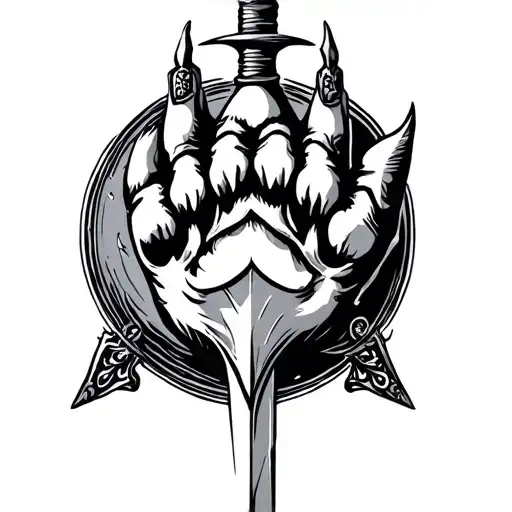
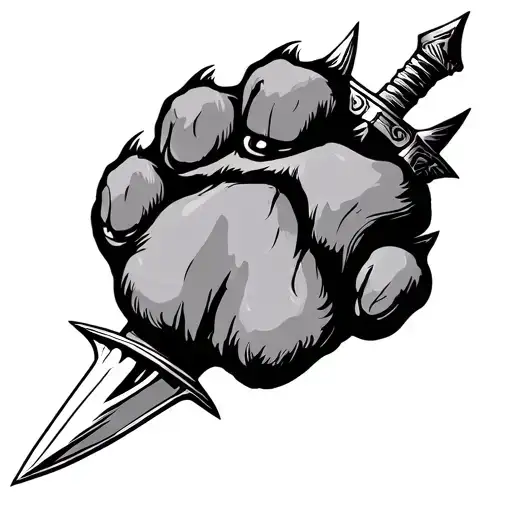
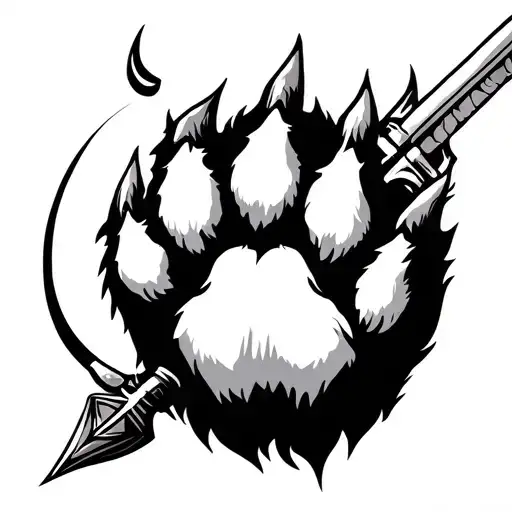
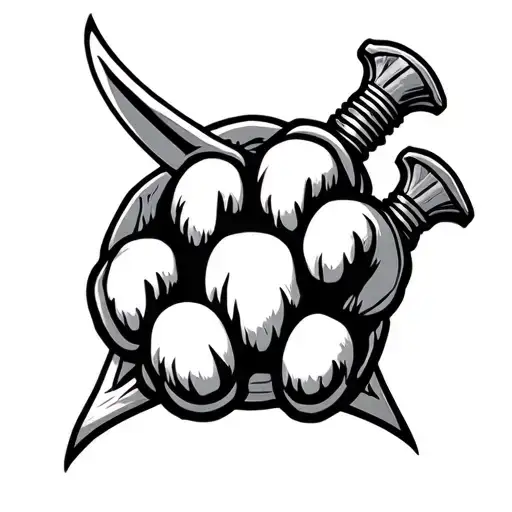
This design juxtaposes the softness of a feline pad with the aggression of a blade. A classic cat paw print sits centrally, overlaid or backed by a sharp dagger, creating a visual tension between comfort and danger. Rendered in black and grey, the shading emphasizes the texture of the paw pads while the dagger features clean, bold linework. This motif often symbolizes protection over loved ones, memorializing a pet, or embracing a dual nature of gentleness and strength. Ideal for visible areas, the composition fits well on flat surfaces where the vertical dagger line doesn't distort. Forearms and calves offer enough canvas for detail without excessive blowout risk. The square aspect ratio suggests a compact design, making it versatile for wrist or ankle placement if scaled down. Artists should focus on contrast between the organic paw shape and the geometric steel of the weapon. Whether chosen for memorial purposes or aesthetic edge, this piece delivers impact through simplicity. Ensure the dagger tip remains sharp during healing to maintain the design's integrity. Scaling matters; too small and the paw pads merge into a blob. Aim for at least three inches in height to preserve negative space between the toes and blade edges.
Manageable pain, suitable for most people
Outer forearm and bicep areas rank low on the pain scale due to muscle cushioning and thicker skin. Expect mild discomfort during shading of the paw pads. The dagger tip requires precise needle work, which may feel sharper but remains tolerable. Calf placements involve more vibration near the bone. Use controlled breathing during detailed sections. Numbing cream is rarely needed.
Forearms provide the ideal canvas for this vertical composition, allowing the dagger to align with the arm's length. Outer bicep placements offer concealment options for professional settings while maintaining visibility when desired. For leg placements, the calf supports the design's height without distortion during movement. Avoid highly curved areas like the inner wrist where the dagger straight edge may warp. Minimum size should be three inches to prevent shading blowout in the paw pads. Consider dominant hand placement for higher visibility. This design heals well on flat muscle groups rather than bony prominences.
traditional is a distinctive tattoo style characterized by Traditional: American Traditional tattoos feature bold black outlines, a limited color palette (red, green, yellow, blue, black), and iconic imagery like anchors, roses, eagles, skulls, and pin-up girls. This foundational style shaped modern tattooing and remains one of the most popular and recognizable approaches. Illustrative: Illustrative tattoos capture the aesthetic of hand-drawn illustrations, book artwork, and graphic novels. These designs emphasize artistic linework, cross-hatching, and stylized imagery that appears to have been drawn directly onto the skin.. This style has gained popularity for its versatility and visual appeal.
Yes, this design is well-suited for square placement. This traditional design is ideal for square placement. Consider consulting with a professional tattoo artist about the best placement for this design.
The duration depends on the size, complexity, and detail level. A design of this style typically requires 2-4 hours for a medium-sized piece, but consult with your artist for an accurate estimate.
Tattoo pricing varies by artist, location, and design complexity. Prices typically range from $150-$500+ for a design of this style. Always consult with your chosen artist for an accurate quote.
Proper aftercare is crucial for square tattoos. Keep the area clean, moisturized, and protected from sun exposure. Follow your artist's specific aftercare instructions for best results.