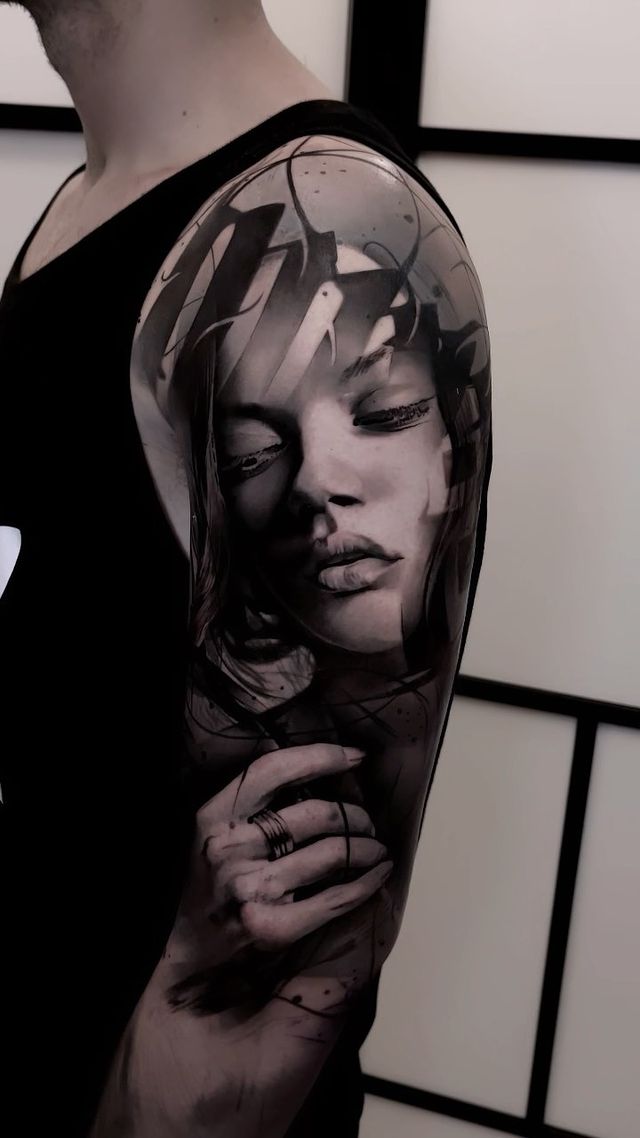
Steven Bugeja
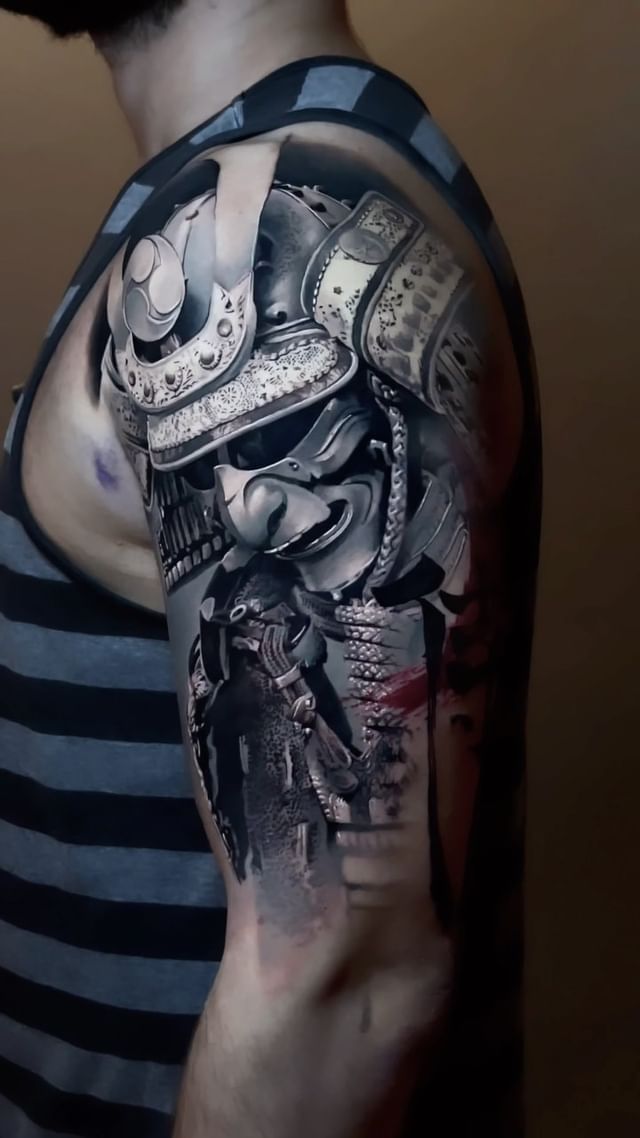
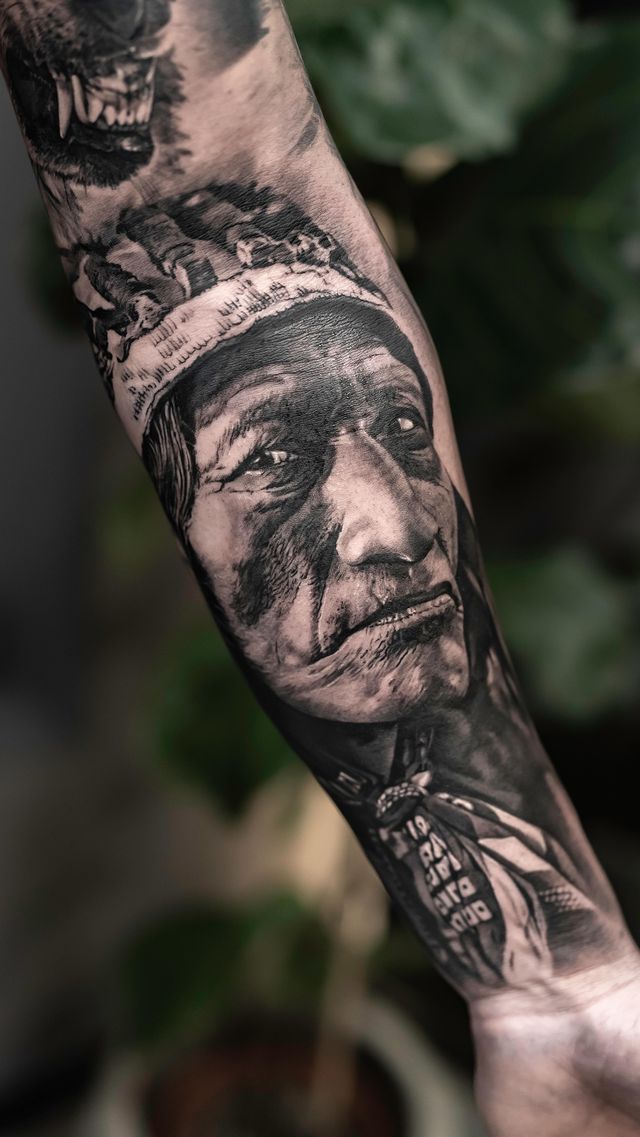
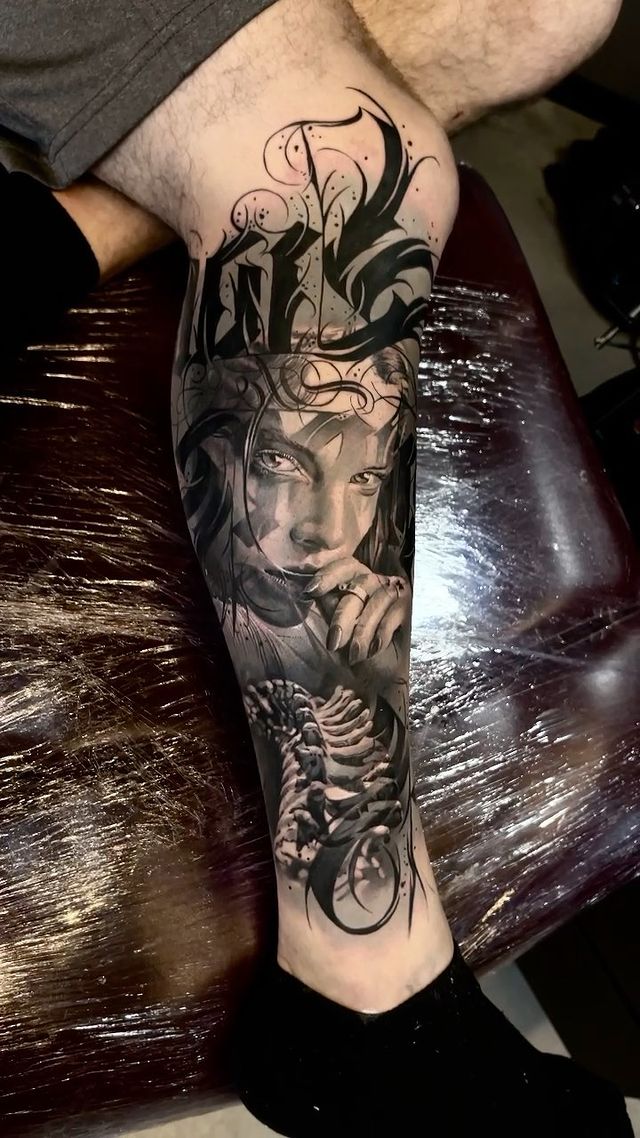
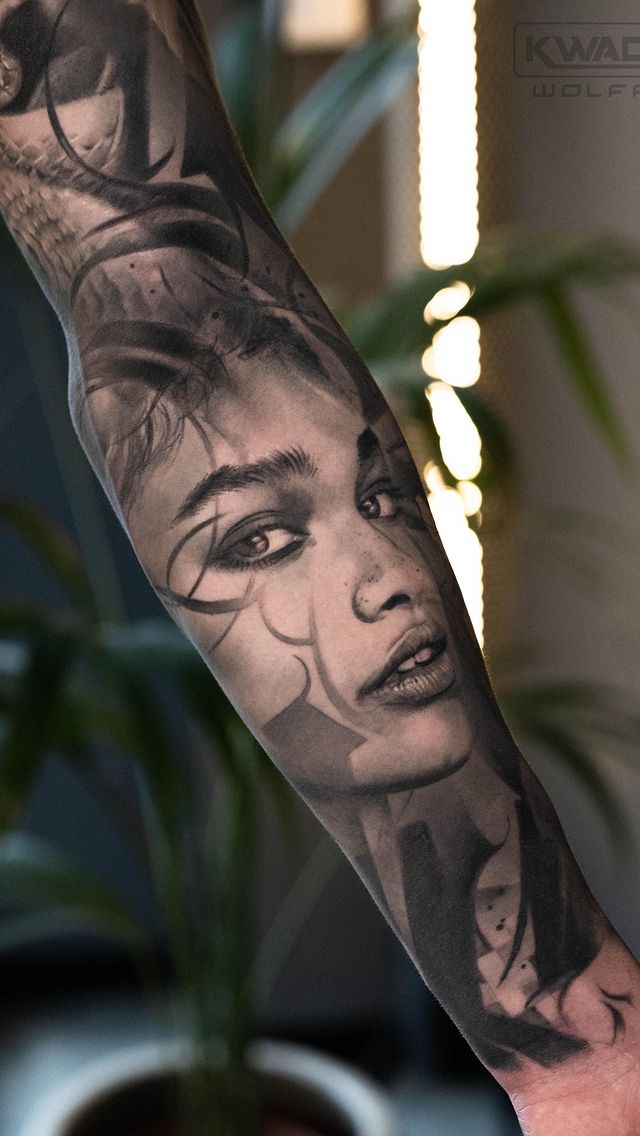
Steven Bugeja is a highly skilled tattoo artist specializing in black and gray realism designs, and is based in Paola, Malta. With a significant following of around 140,000 on Instagram, Steven's work is influential and highly respected in the tattoo community, showcasing his impeccable detail-oriented skills. He's associated with Legacy Tattoo Studio and holds international recognition, evident from his sponsored event in Germany.
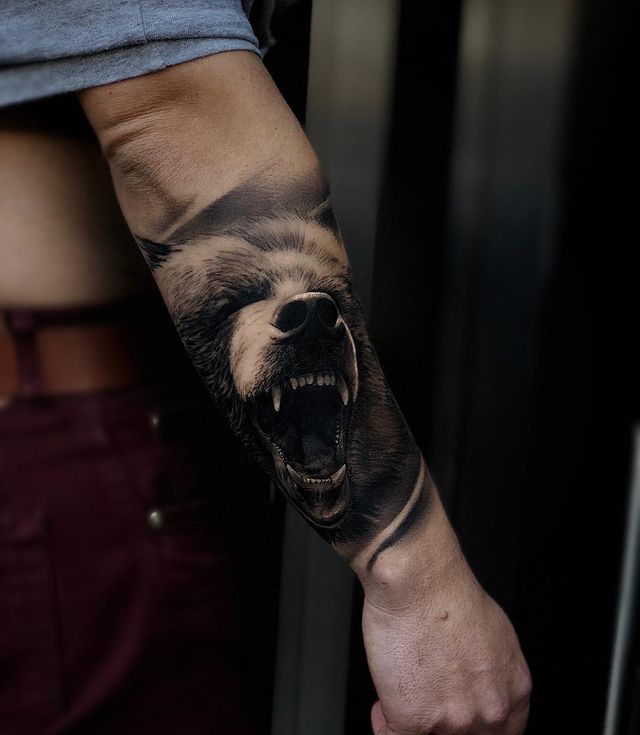
Steven Bugeja is a tattoo artist based in Paola, Malta, specializing in black & gray realism. With over 141,000 followers on Instagram (@stevotat2), he has built a strong reputation for highly detailed, photorealistic tattoo work rendered entirely in grayscale. His portfolio showcases portraits, wildlife, and figurative pieces that rely on precise shading and value contrast rather than color. Bugeja operates under the name Stevo Legacy Tattoo and accepts bookings through his social media channels. For appointment availability, pricing, or consultation details, contact him directly via Instagram or Facebook.
About Steven Bugeja
Steven Bugeja works out of Paola, Malta, and has carved out a clear niche in black & gray realism. Operating under the name Stevo Legacy Tattoo, he has amassed over 141,000 followers on Instagram, a number that reflects consistent output and a recognizable visual identity. Rather than spreading across multiple styles, Bugeja keeps his focus tight. Black & gray realism demands a specific set of skills: understanding how light wraps around form, how to build depth through layered shading, and how to make ink on skin look like a photograph. His social media presence shows a steady stream of finished pieces and healed results, which matters because realism only holds up if it heals well. Malta's tattoo scene is small but competitive, and Bugeja's follower count puts him among the more visible artists on the island.
Black & Gray Realism: What Sets This Style Apart
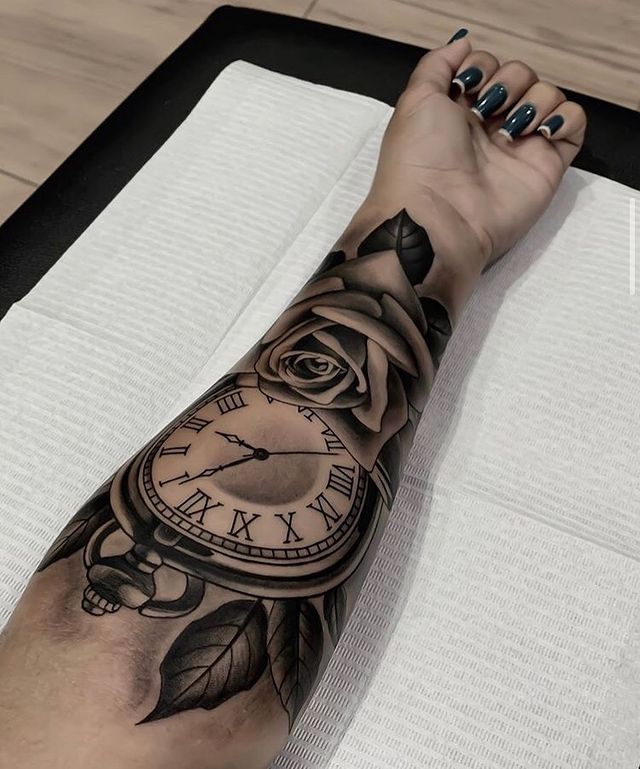
Black & gray realism is exactly what it sounds like. No color, no stylized linework, just shades of black ink diluted to different values to recreate what a camera would capture. The technique originated in prison tattooing in the 1970s, where artists had limited supplies and relied on black ink and water to create gradients. It moved into mainstream tattooing through Chicano culture in Los Angeles and has since become one of the most technically demanding styles in the industry. What makes it hard is the margin for error. A portrait that is slightly off in proportion reads as wrong immediately. The shading has to be smooth, the contrast has to be deliberate, and the healing process can soften details if the ink is not packed correctly. Artists who specialize in this style tend to work slower, building values in multiple passes rather than rushing through a single session.
Signature Motifs & Subject Matter
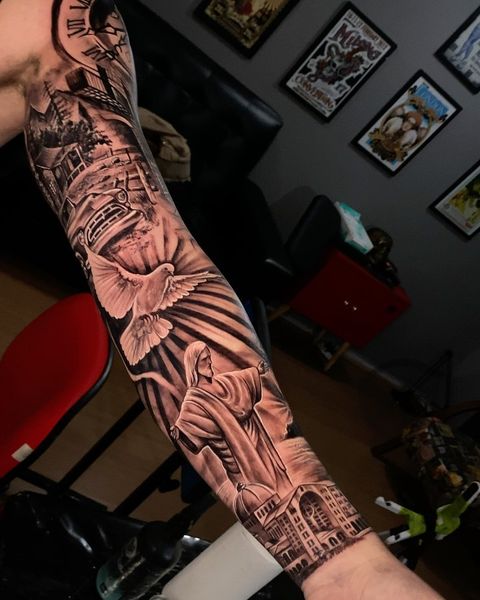
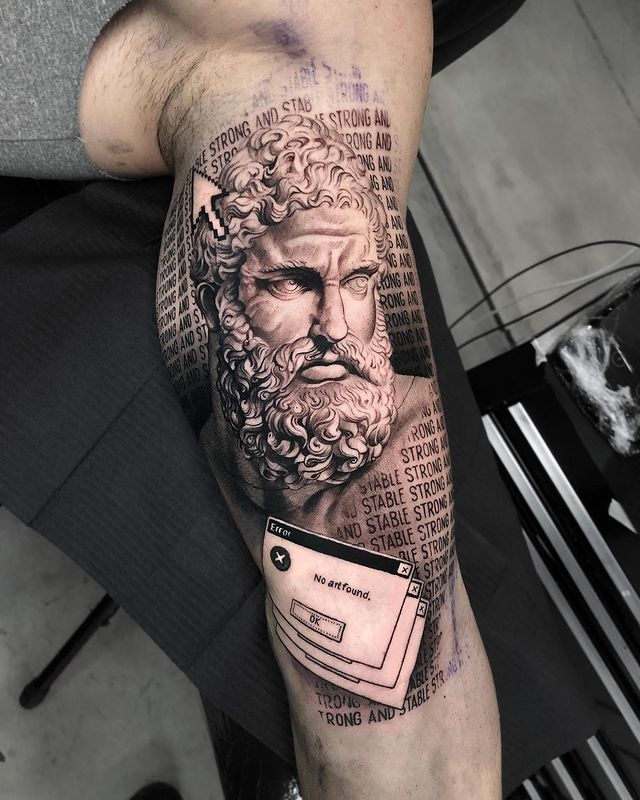
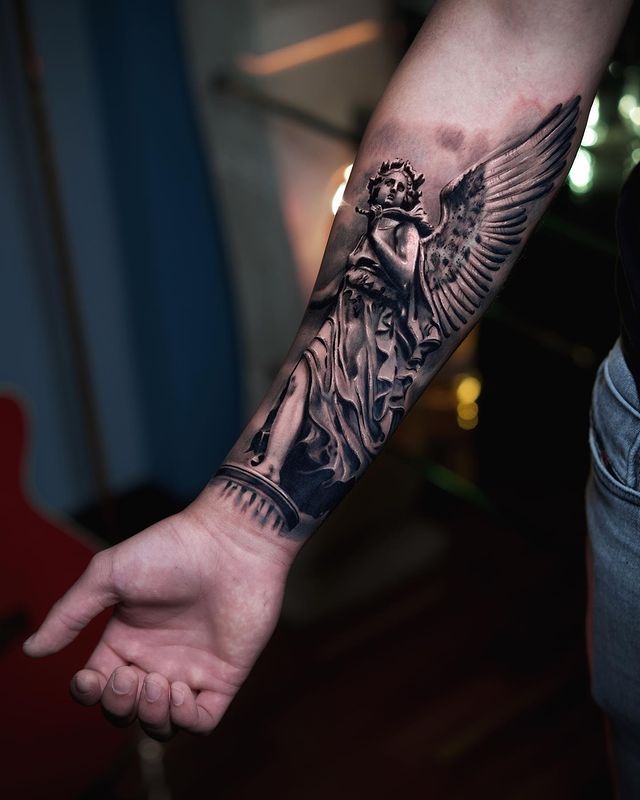
Bugeja's published portfolio leans heavily into portraiture and wildlife, two subjects that test an artist's realism skills most directly. Human faces require exact proportions. Eyes, noses, and mouths are where people spot mistakes instantly. Animals present a different challenge: fur texture, wet reflections in eyes, the way light hits scales or feathers. Beyond those core subjects, black & gray realism also commonly covers religious iconography, statues, and figurative work that references classical sculpture. These subjects work well in grayscale because they reference black & white photography, which is how most people consume realistic imagery on screens. If you are considering a piece with Bugeja, think about reference photos. Realism artists work from reference, and the clearer your source material, the more accurate the final tattoo will be.
Placement & Sizing Considerations
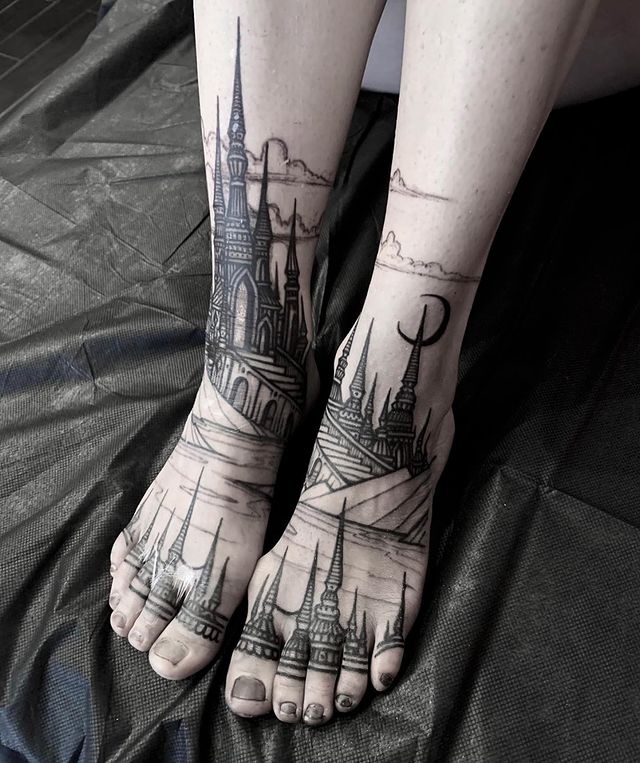
Realism tattoos need space. That is not a suggestion, it is a requirement. A photorealistic portrait on a 3-inch canvas will lose detail the moment it heals, because the ink spreads slightly under the skin and fine lines blur together. The general rule for black & gray realism is to go larger than you think you need. Forearms, upper arms, thighs, and the back provide enough surface area for the shading gradients to breathe. Smaller placements like wrists or ankles work better for simpler realistic elements, maybe a single eye or a small animal silhouette with selective detail. Bugeja's portfolio shows pieces placed across a range of body areas, so he has experience adapting compositions to fit different canvases. When you consult with him, bring placement ideas but stay open to his input on sizing. A good realism artist will tell you if a design is too small to hold up over time.
How to Choose a Realism Artist
Picking a realism artist comes down to three things: healed photos, consistency, and communication. Healed photos matter more than fresh ones. Any tattoo looks sharp on day one. What you want to see is how the piece looks after 6 to 12 months. Check Bugeja's Instagram for healed results, not just fresh ink. Consistency means looking at the full portfolio, not just the highlight reel. Do the portraits look like the reference? Are the shading transitions smooth? Does every piece hold up to close inspection? Communication is the third factor. Realism requires a back-and-forth between artist and client about reference images, sizing, and expectations. Reach out to Bugeja through Instagram or Facebook, share your idea, and see how the conversation goes. If you are in Malta or willing to travel, browse more black & gray tattoo ideas or find other tattoo artists to compare styles before committing.
Explore more
Frequently Asked Questions
What style of tattoos does Steven Bugeja specialize in?
Steven Bugeja specializes in black & gray realism. His work focuses on photorealistic designs rendered in grayscale, using detailed shading and smooth gradients to create lifelike portraits, animals, and figurative subjects.
How do I book a tattoo appointment with Steven Bugeja?
You can reach Steven Bugeja through his Instagram account (@stevotat2) or his Facebook page (StevoLegacyTattoo). Contact him directly to discuss your design idea, check availability, and arrange a consultation.
Where is Steven Bugeja located?
Steven Bugeja is based in Paola, Malta. For the exact studio address and directions, contact the artist directly through his social media channels.
How much does a tattoo from Steven Bugeja cost?
Pricing details are not publicly listed. Contact Steven Bugeja directly via Instagram or Facebook to discuss your project and get a quote based on size, detail, and placement.
Does Steven Bugeja do color tattoos?
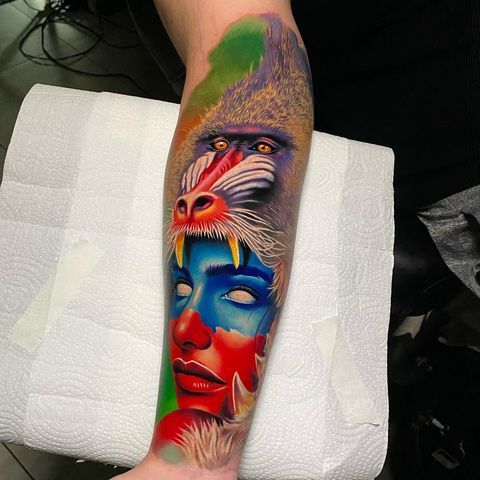
Steven Bugeja's listed specialties are black & gray and realism. His published portfolio focuses on grayscale work. If you're interested in color pieces, reach out to him directly to discuss whether he takes on color projects.