Stefan Muller
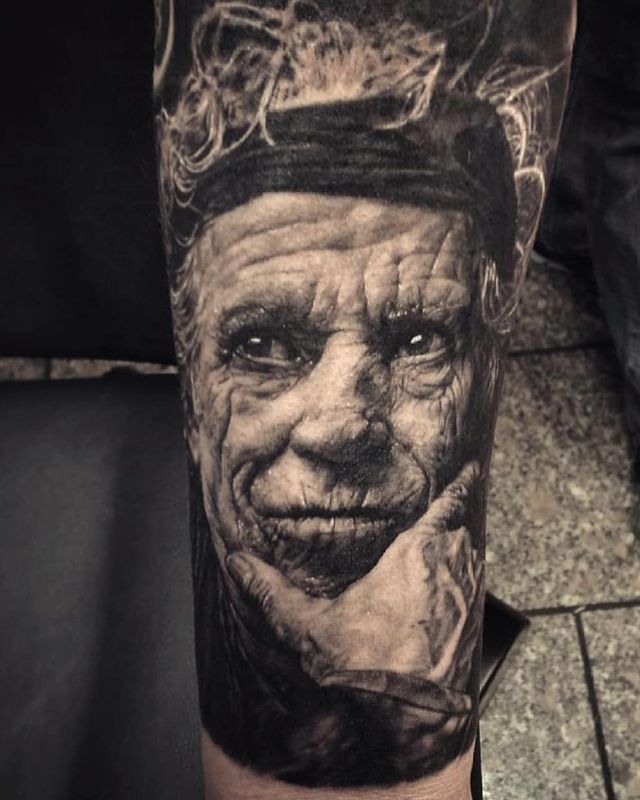
Stefan Müller is a highly skilled tattoo artist based in Zwickau, Germany, specializing in the distinct styles of black & gray and realism. With an impressive following of around 78,000 on Instagram, his phenomenal artistry continually captivates and inspires a global audience. Despite his high demand confirmed by his appointments booked till August 2023, Stefan consistently demonstrates immense professionalism, maintaining impeccable cleanliness standards, and providing a well-organised and welcoming environment for his clients.
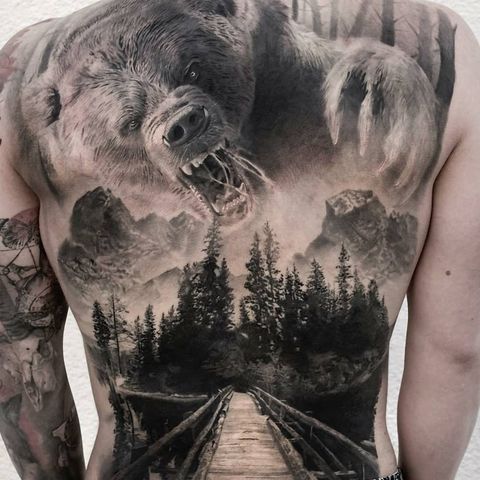
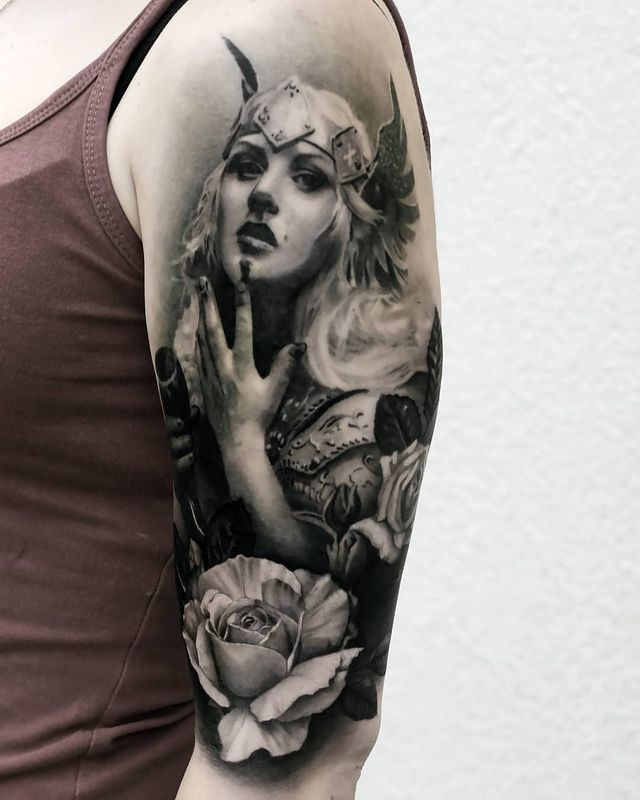
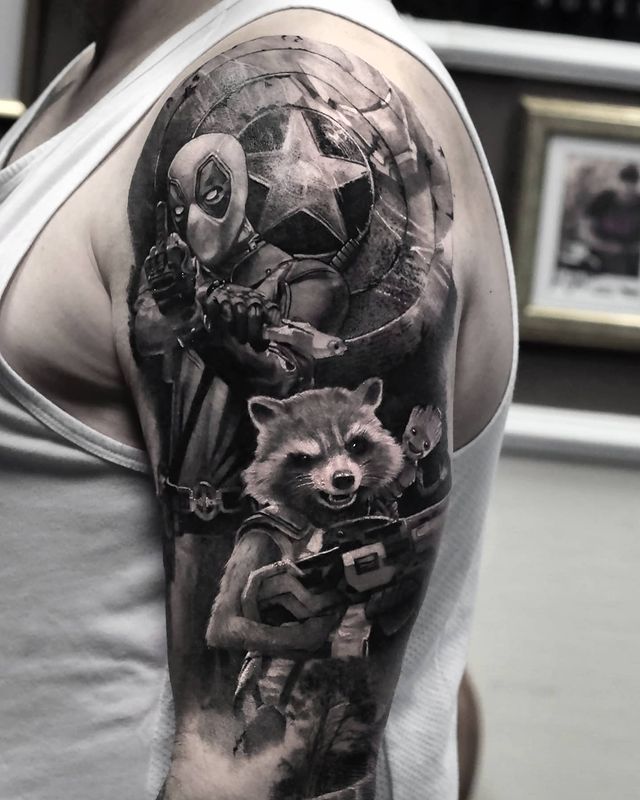
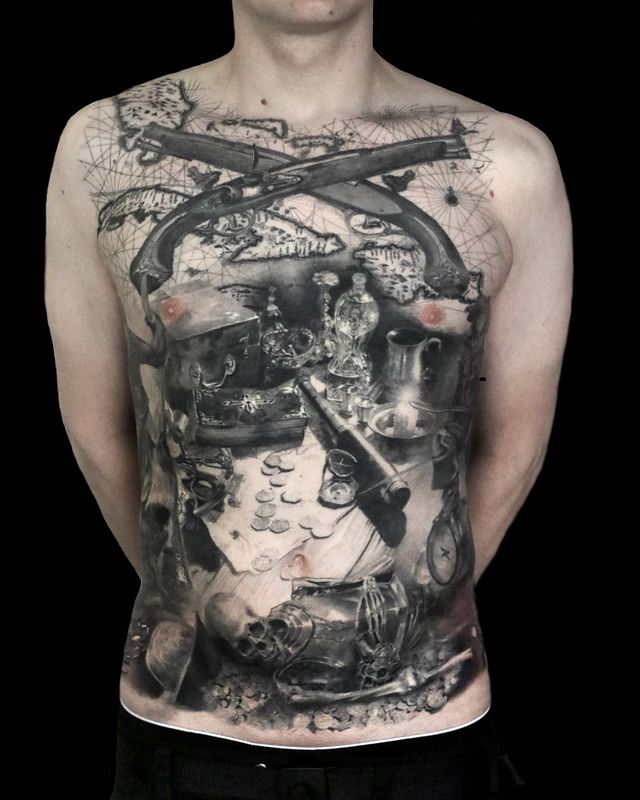
Stefan Muller is a tattoo artist based in Zwickau, Saxony, Germany, specializing in black & gray and realism tattooing. With over 78,000 followers on Instagram, his work has drawn significant attention for its detailed, photorealistic approach to shading and composition. Black & gray realism demands precision in value transitions, and Muller's portfolio demonstrates a focus on depth, contrast, and lifelike detail. He operates independently in the Zwickau area. To view his latest work or inquire about booking, visit his Instagram at @stefan_tattoos or contact him directly through his Facebook profile.
Black & Gray Realism: The Style Explained
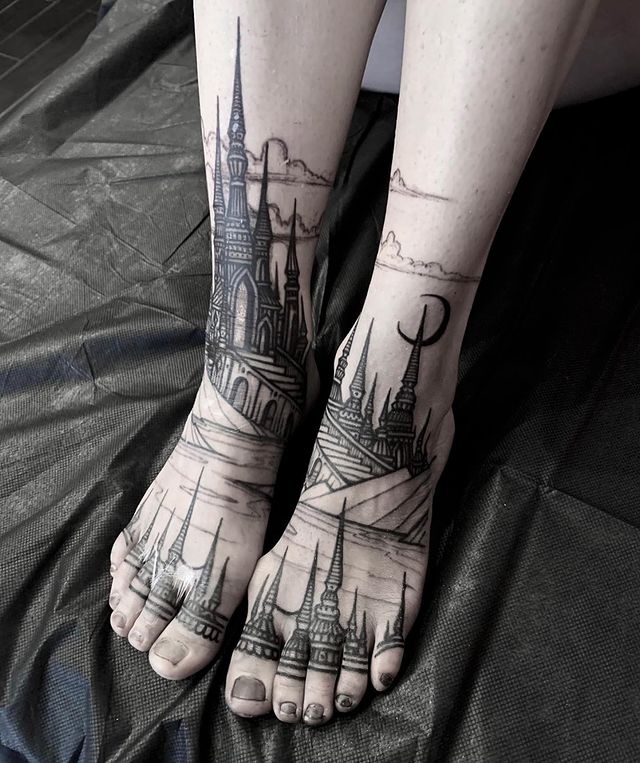
Black & gray realism is one of the most technically demanding styles in tattooing. It strips away color and relies entirely on value, contrast, and shading to create depth. The approach originated in prison tattoo culture in the 1970s and later evolved into a refined fine-art discipline. Artists working in this space need an almost photographic understanding of light. Stefan Muller works within this tradition, building images from smooth gradients and sharp detail work rather than bold outlines. Realism in tattooing means the subject, whether a portrait, animal, or object, should look like a photograph frozen on skin. That requires steady saturation, consistent needle control, and an eye for how ink heals over time. Black & gray pieces tend to age well when executed properly, since there are fewer pigments to fade unevenly.
Signature Techniques & Visual Approach
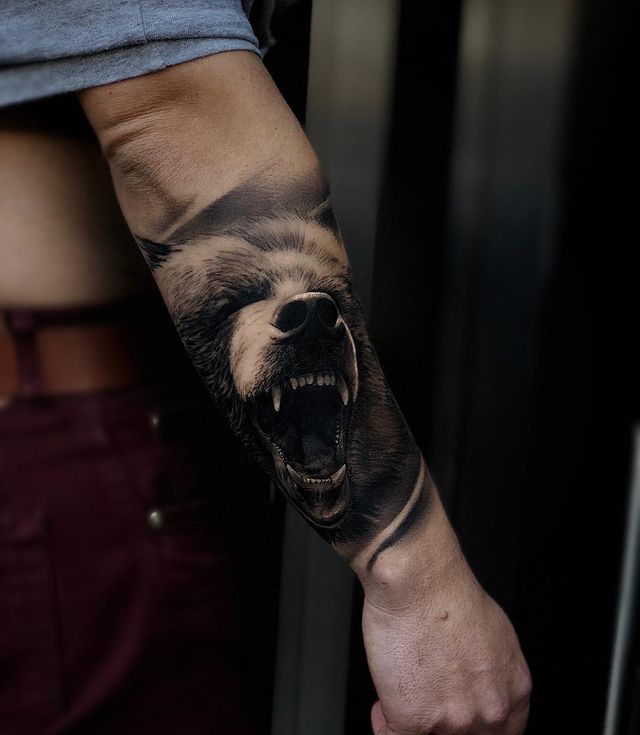
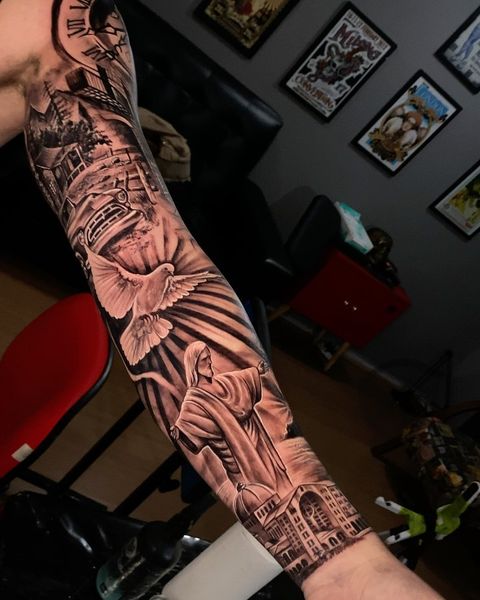
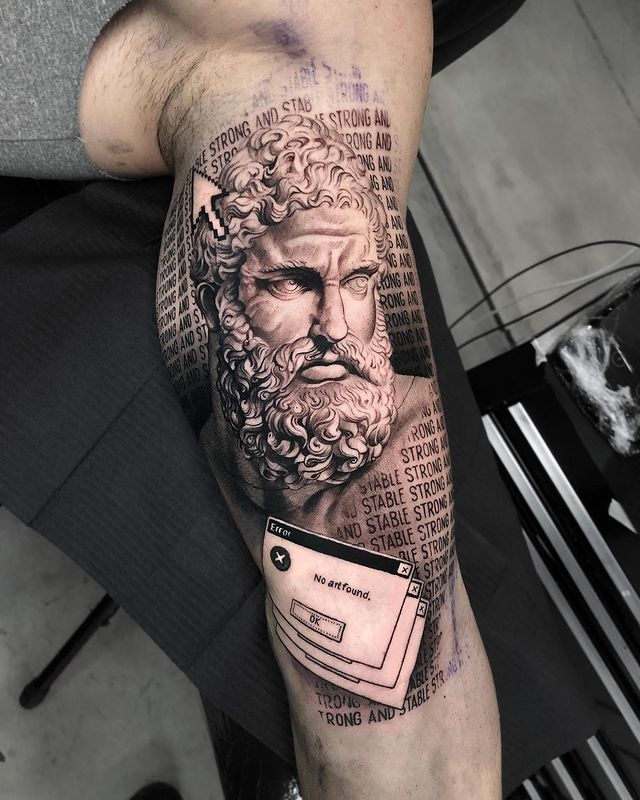
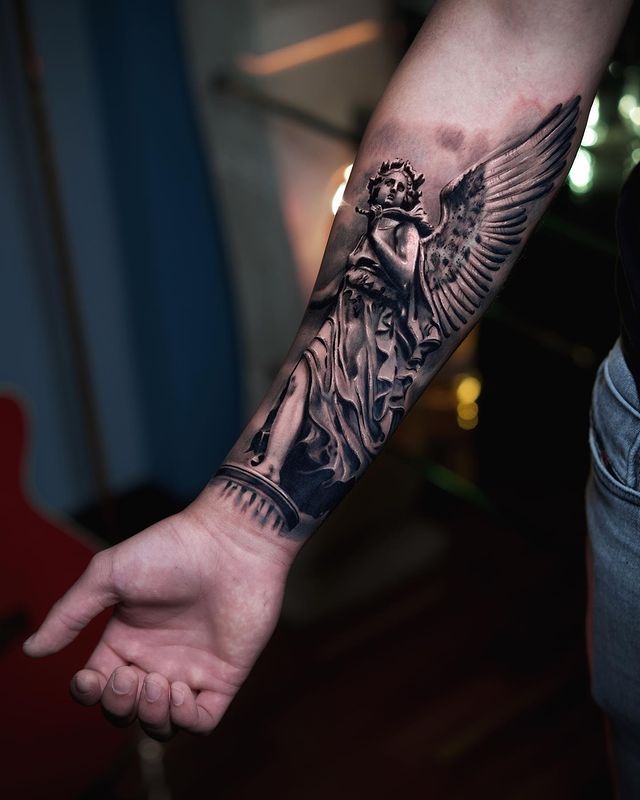
Muller's portfolio leans heavily into photorealistic rendering. His black & gray work shows tight control over value transitions, moving smoothly from deep blacks to soft mid-tones without visible banding. This kind of shading is what separates a flat-looking tattoo from one that appears three-dimensional. Realism at this level demands that the artist understand how light wraps around forms, where shadows fall, and how to suggest texture without outlining every detail. The absence of color means every decision about darkness and light carries more weight. Muller's follower count, over 78,000 on Instagram, suggests his technical execution resonates with a wide audience. That kind of reach usually comes from consistently clean work that photographs well and holds up in healed shots, not just fresh pieces under studio lighting.
Popular Motifs & Subject Matter
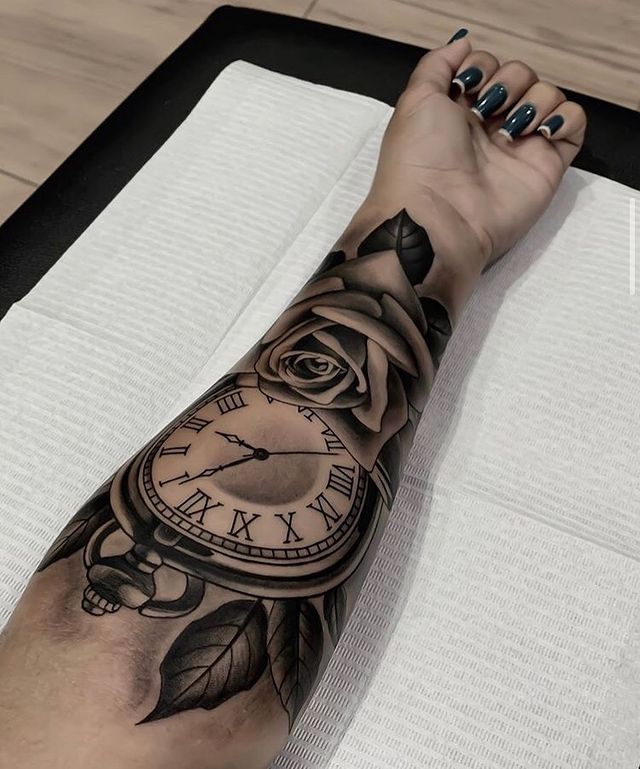
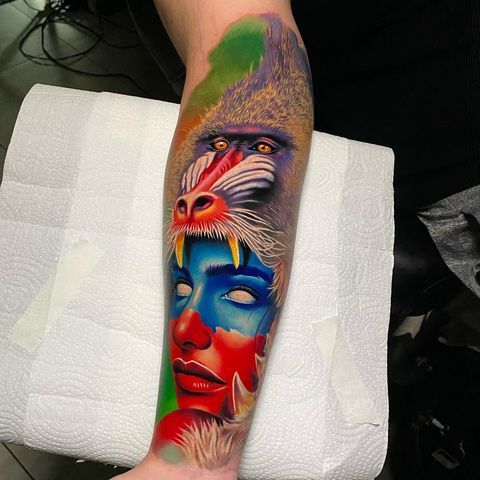
Realism artists often gravitate toward subjects that let them show off shading range. Portraits are the classic test, capturing a face with accurate proportions and lifelike skin texture. Animal portraits, particularly predators like wolves, lions, and eagles, are also common in black & gray realism because fur, scales, and feathers give the artist a chance to demonstrate fine detail work. Other frequent subjects include religious iconography, statues, and still-life compositions like clocks or skulls. Black & gray realism also pairs well with surrealist elements, where realistic objects float in impossible arrangements. If you are considering a piece in this style, browse tattoo ideas to see what motifs align with your vision before reaching out to an artist.
Placement & Sizing Considerations
Realism tattoos need space. That is not a suggestion, it is a practical constraint. The detail and shading that make a black & gray realism piece work require enough skin real estate to hold smooth gradients and fine lines. A photorealistic portrait compressed into a three-inch space will lose definition as it heals. Larger placements like the upper arm, thigh, back, and chest give the artist room to build contrast and render detail at a scale that ages well. Smaller pieces can work if the design is simplified, but true realism demands size. Placement also matters for how the image interacts with the body's natural contours. A face or figure placed across a joint can distort with movement. Talk to Muller directly about what size and placement will serve your specific design best.
Booking & Working With Stefan Muller
Muller operates in the Zwickau area and can be reached through his Instagram (@stefan_tattoos) or Facebook profile. Since specific booking procedures, pricing, and availability are not publicly listed, contacting him directly is the best path forward. When you reach out, have reference images ready and be clear about size, placement, and subject matter. Realism artists usually prefer clients who come with a solid idea rather than a vague concept. If you are still figuring out what you want, try the AI tattoo generator to explore black & gray realism concepts before your conversation. You can also browse the tattoo ideas gallery for inspiration. For other artists in the Saxony region, check the full tattoo artists directory to compare styles and availability.
Explore more
Frequently Asked Questions
What tattoo style does Stefan Muller specialize in?
Stefan Muller specializes in black & gray and realism tattooing. His work focuses on detailed shading, smooth value transitions, and photorealistic compositions rendered entirely in grayscale.
Where is Stefan Muller located?
Stefan Muller is based in Zwickau, Saxony, Germany. For the exact studio address, contact the artist directly through Instagram or Facebook.
How do I book a tattoo appointment with Stefan Muller?
You can reach Stefan Muller through his Instagram (@stefan_tattoos) or his Facebook profile. Contact the artist directly to discuss booking, pricing, and availability.
How much does Stefan Muller charge for a tattoo?
Pricing details are not publicly listed. Contact the artist directly to discuss rates, minimums, and project-specific quotes.
Does Stefan Muller accept walk-in appointments?
Walk-in policies are not confirmed. Contact the artist directly through Instagram or Facebook to ask about appointment scheduling and availability.