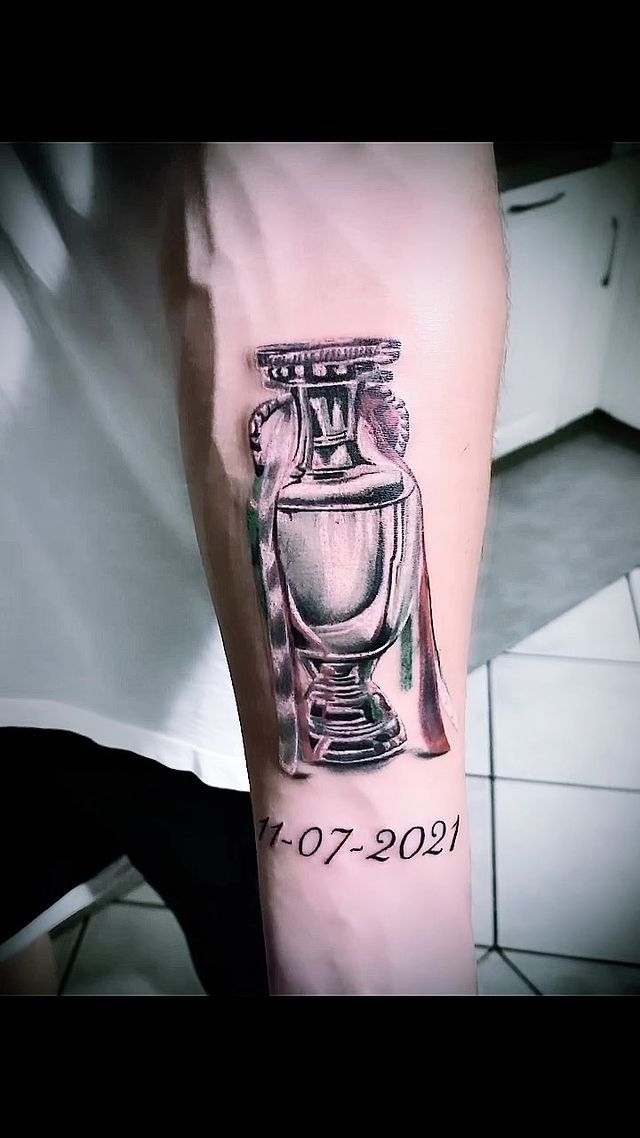
Stefano Reinoso
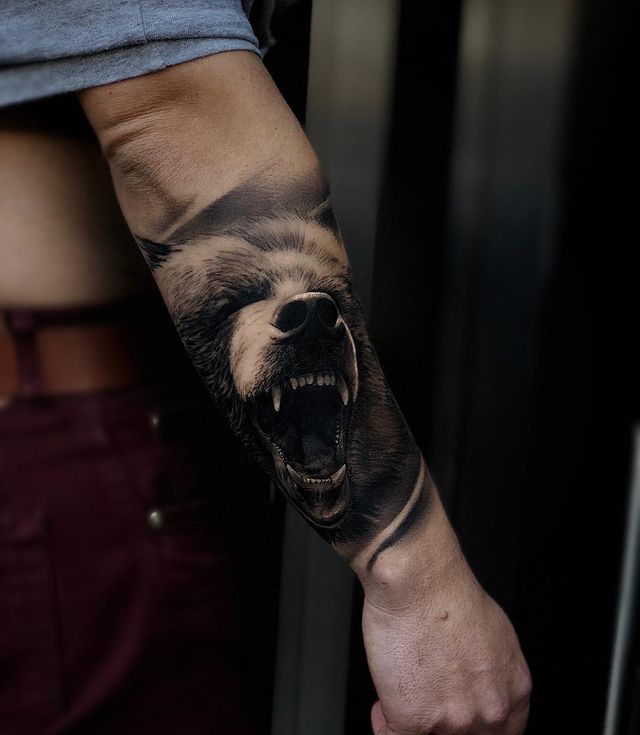
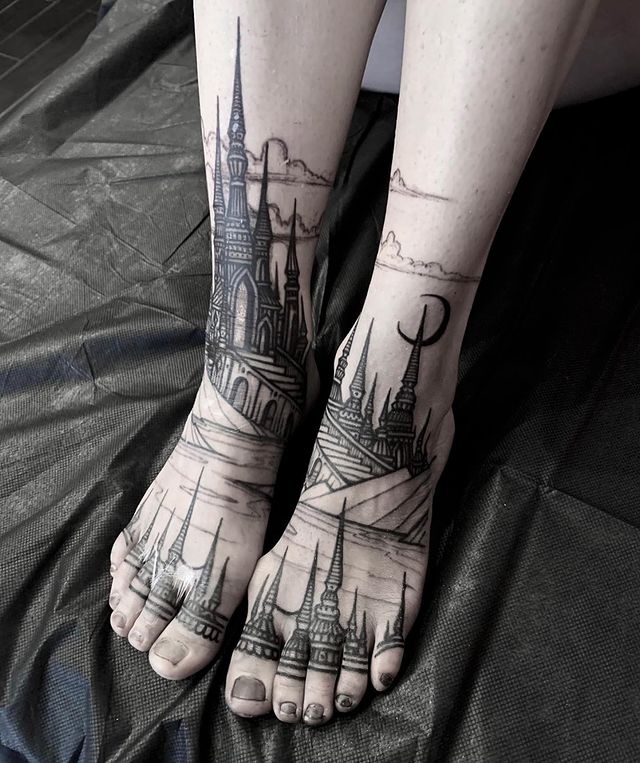
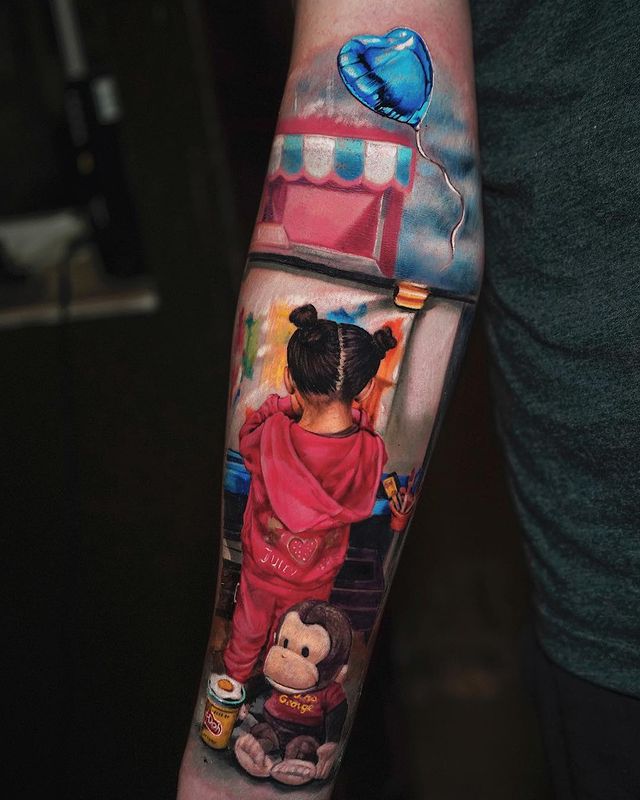
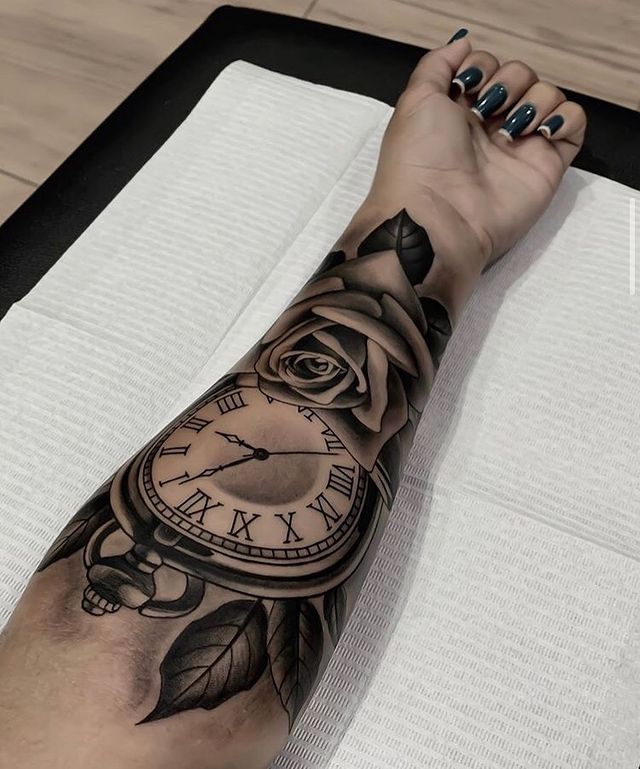
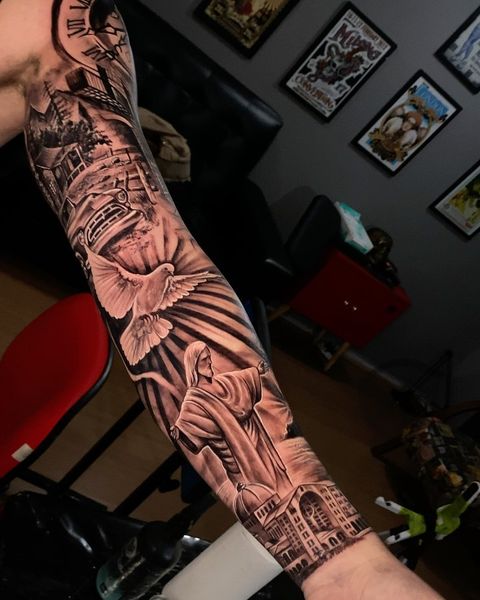
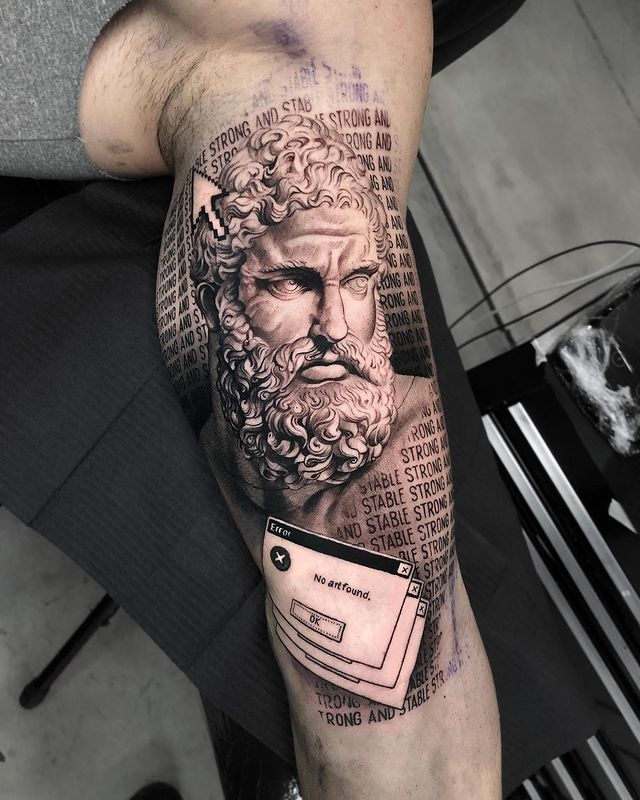
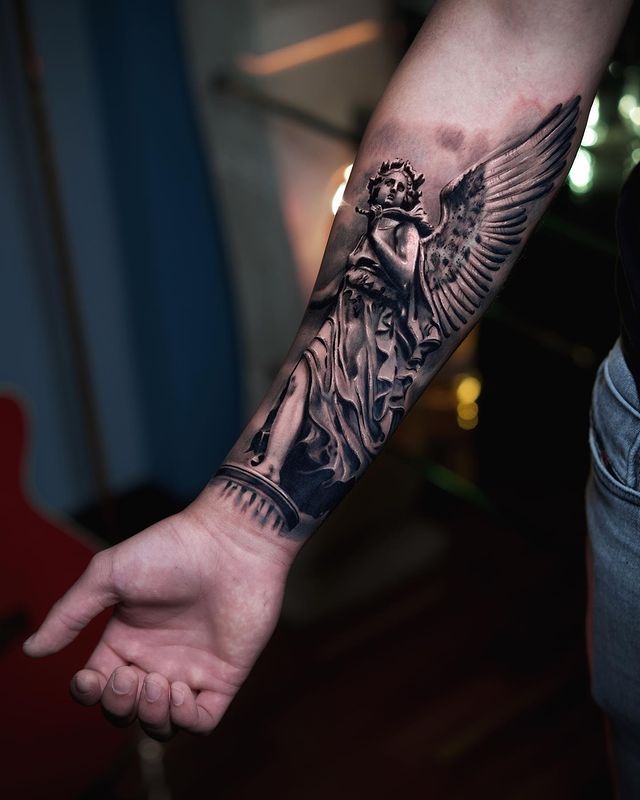
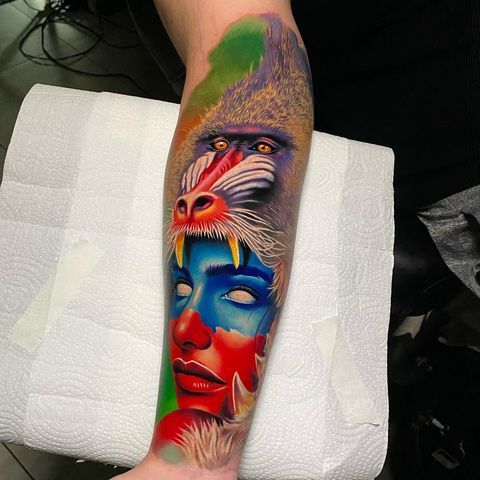
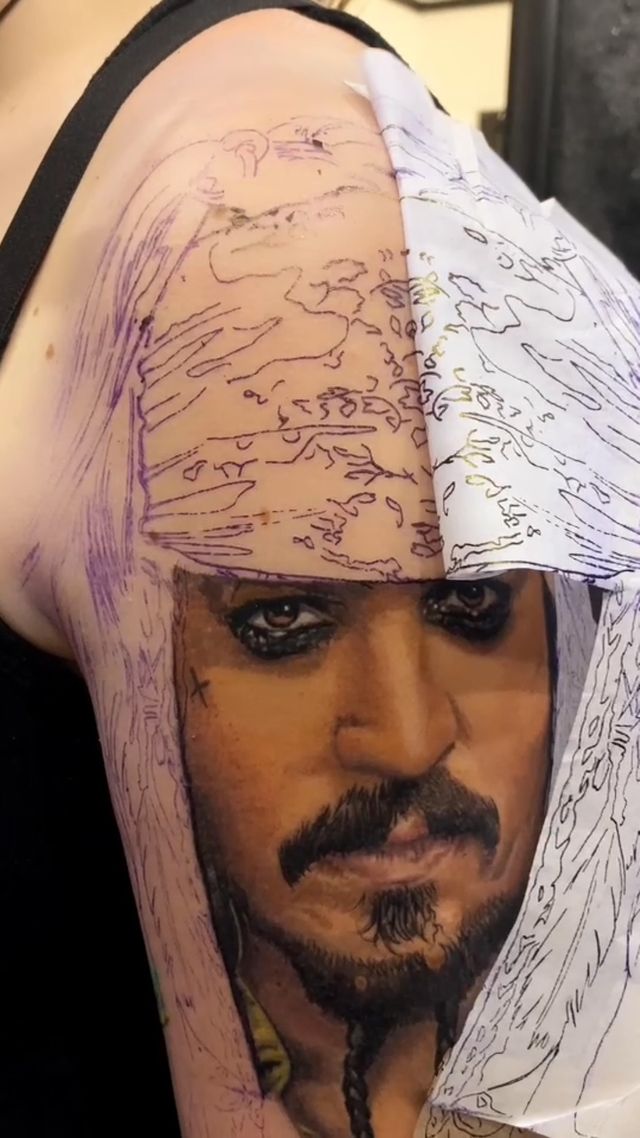
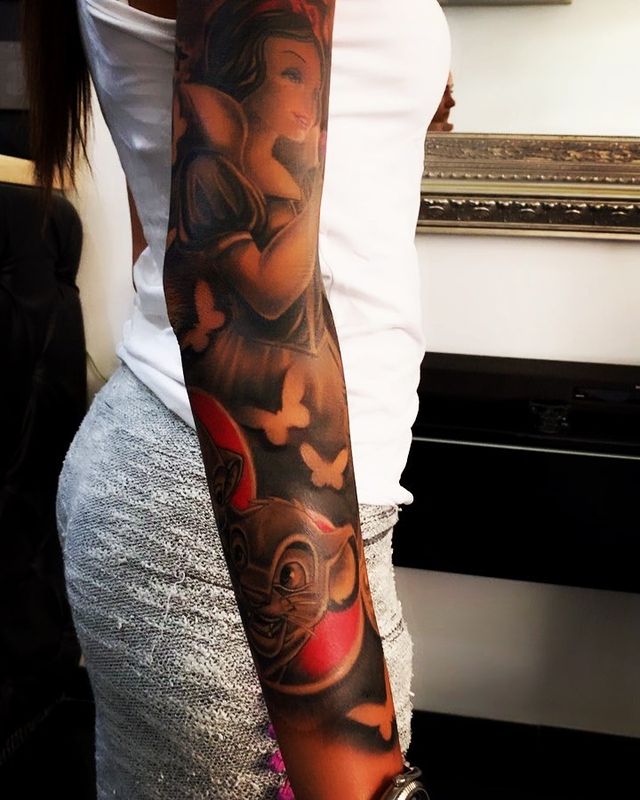
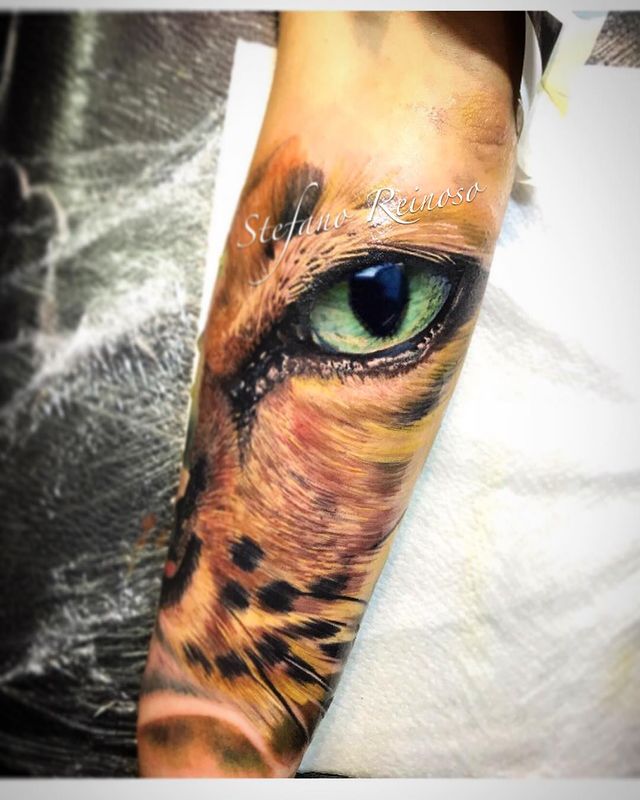
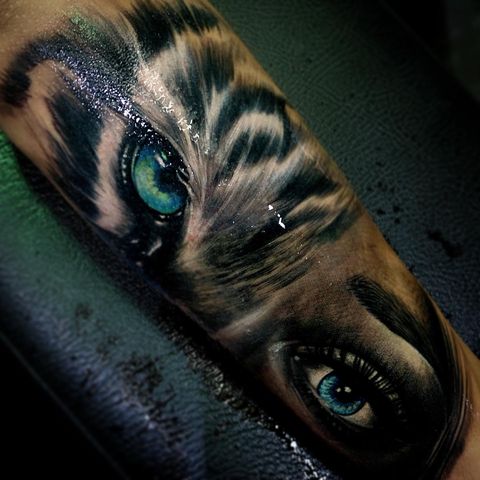
Stefano Reinoso, based in Rome, Italy, is an extraordinarily talented tattoo artist, specializing in realism and black&gray tattoo styles. With nearly 100,000 followers on Instagram, his artwork has captivated a significant global audience. His skill level comes across in the stunning attention to detail in his designs.
Stefano Reinoso is a tattoo artist based in Rome, Italy, specializing in realism and black & gray tattooing. With over 92,000 followers on Instagram, his work centers on highly detailed, photorealistic designs rendered in monochrome palettes. Realism tattoos demand precision in shading, proportion, and texture, and Reinoso's portfolio reflects a consistent command of those techniques. Black & gray work relies on diluted black ink to build gradients and depth without color, a style rooted in prison tattoo traditions that has evolved into a fine-art discipline. To book with Stefano Reinoso, contact him directly through his Instagram or Facebook page.
Realism Tattooing: What Sets the Style Apart
Realism tattooing is one of the most technically demanding styles in the industry. The goal is straightforward: make the tattoo look like a photograph or a three-dimensional object sitting on the skin. Achieving that effect requires more than steady hands. The artist has to understand how light wraps around forms, how shadows fall at different angles, and how skin texture interacts with ink over time. Stefano Reinoso has built his practice around this discipline, working from Rome and sharing his progress with an audience of over 92,000 Instagram followers. Realism tattoos age differently than bold traditional work. Fine detail can soften, so placement and aftercare matter more than most clients expect. The style also demands longer sessions. A single portrait sleeve can take multiple sittings of four to six hours each. If you are considering realism, look at healed photos in any artist's portfolio, not just fresh work. That tells you whether the artist's technique holds up after the skin heals and the ink settles.
Black & Gray: Technique and Tradition
Black & gray tattooing uses only black ink, diluted with water or a mixing solution to create a full range of tones from deep black to pale gray wash. The style has roots in the Chicano prison tattoo culture of the 1970s, where inmates used makeshift tools and limited materials to create intricate, meaningful designs. Over decades, black & gray evolved into a respected fine-art approach embraced worldwide. Stefano Reinoso works primarily in this palette, pairing it with realism to produce monochrome pieces that rely entirely on value contrast rather than color. The technique demands precise layering. An artist builds shadows first, then refines midtones, then adds highlights by leaving skin bare or applying very light washes. The margin for error is thin. Going too dark is permanent, and corrections are limited. Clients often choose black & gray for its longevity. Without color pigments that can fade unevenly, well-executed black & gray work tends to hold its contrast for years. It also ages gracefully on skin that sees sun exposure, which is worth considering in a city like Rome.
Popular Motifs in Realism and Black & Gray Work
Realism and black & gray share a natural overlap in subject matter. Portraits are the most recognizable motif. Family members, cultural figures, and pets appear frequently in portfolios like Reinoso's, where capturing likeness is the core skill. Beyond faces, common subjects include wildlife, particularly big cats, wolves, and birds of prey. These animals lend themselves to detailed fur and feather textures that showcase an artist's shading control. Religious iconography also runs deep in black & gray traditions, especially imagery rooted in Catholic and Chicano culture: Virgin Mary figures, rosaries, crosses, and saints. Floral motifs work well too. Roses, peonies, and lotuses are popular because their petal structures allow for dramatic light and shadow play. Architectural elements and classical sculpture references appear in European realism work, fitting for an artist based in Rome, where Renaissance and Baroque art surround daily life. Whatever the subject, the common thread is depth. These motifs succeed when the tattoo looks like it has physical volume, not just contrast on a flat surface.
Placement and Sizing for Realism Tattoos
Placement determines whether a realism tattoo reads well or falls flat. Large, flat surfaces like the outer thigh, upper arm, calf, and back give the artist room to lay down smooth gradients and fine detail without distortion from muscle movement or skin folding. The inner forearm works for medium-scale pieces but limits how much tonal range you can build in a narrow space. Smaller placements like the wrist or ankle are risky for realism. The detail density that makes the style work gets lost at small scales, and the skin in those areas stretches and ages in ways that blur fine lines over time. Black & gray realism especially benefits from generous sizing. The gradient transitions need physical space on the skin to look natural. Compressing a photorealistic portrait into a four-inch space often produces a muddy result once healed. Discuss sizing honestly with your artist. A good realism tattooist will tell you if your concept needs more room than you planned for. It is better to adjust the design or pick a different spot than to force a detailed piece into a space that cannot support it.
Choosing a Realism Artist and Booking with Stefano Reinoso
Selecting a realism artist comes down to three things: healed portfolio results, consistent style, and clear communication. Fresh tattoos always look sharp. Healed work tells you whether the artist's technique survives the healing process. Look for photos taken weeks or months after the session, not just day-one shots. Consistency matters because anyone can nail one piece. A strong realism artist delivers across different subjects, sizes, and body placements. Stefano Reinoso's Instagram feed shows an ongoing body of work in realism and black & gray, which lets you judge whether his approach fits your vision. Communication is the final filter. Realism projects often require consultations, reference photos, and sometimes multiple sessions. You need an artist who responds clearly and sets realistic expectations about what the design will look like on your skin. To book with Stefano Reinoso, reach out through his Instagram (@stefanoreinoso) or Facebook page. Share your concept, placement, and size upfront. The more specific you are, the smoother the conversation goes. If you are still exploring ideas, try browsing tattoo ideas or using the AI tattoo generator to refine your concept before reaching out.
Explore more
Frequently Asked Questions
What tattoo styles does Stefano Reinoso specialize in?
Stefano Reinoso specializes in realism and black & gray tattooing. Realism focuses on creating lifelike, photorealistic images on skin, while black & gray uses only black ink in varying dilutions to build shading, contrast, and depth. Both styles require strong technical control and an understanding of light and shadow.
Where is Stefano Reinoso based?
Stefano Reinoso works in Rome, Latium, Italy. For specific studio location or whether he operates as an independent artist, contact him directly through his Instagram (@stefanoreinoso) or Facebook page.
How do I book a tattoo appointment with Stefano Reinoso?
Reach out to Stefano Reinoso directly through his Instagram account (@stefanoreinoso) or his Facebook page. He does not list a separate booking website, so social media is the primary contact method. Expect to share your design concept, preferred placement, and size when inquiring.
How much does a tattoo from Stefano Reinoso cost?
Pricing for Stefano Reinoso's work is not publicly listed. Rates for realism and black & gray tattoos vary based on size, detail, and session length. Contact the artist directly through Instagram or Facebook to discuss pricing and get a quote for your specific project.
Does Stefano Reinoso accept walk-ins?
There is no public information confirming whether Stefano Reinoso accepts walk-in appointments. Realism tattoo artists typically work by appointment due to the planning and consultation required. Contact him directly via Instagram or Facebook to ask about availability and booking procedures.