Lili Renee
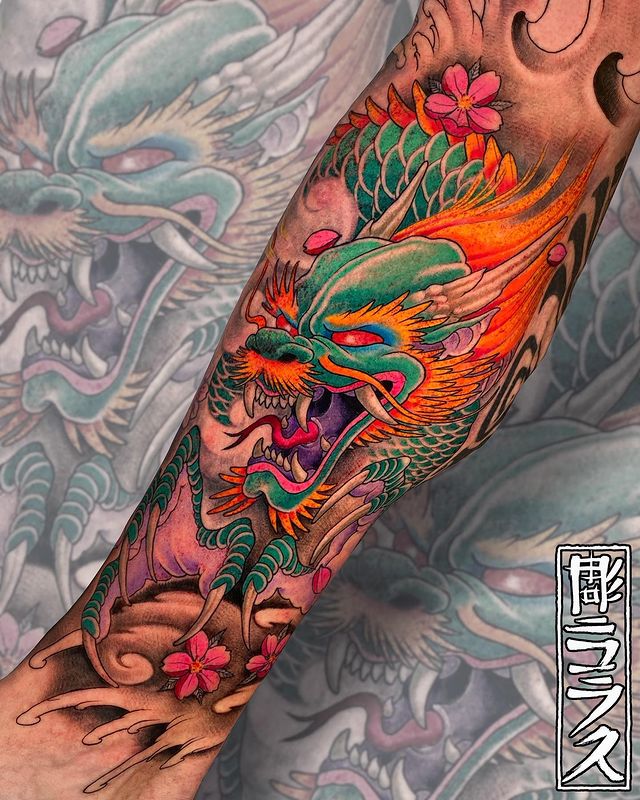
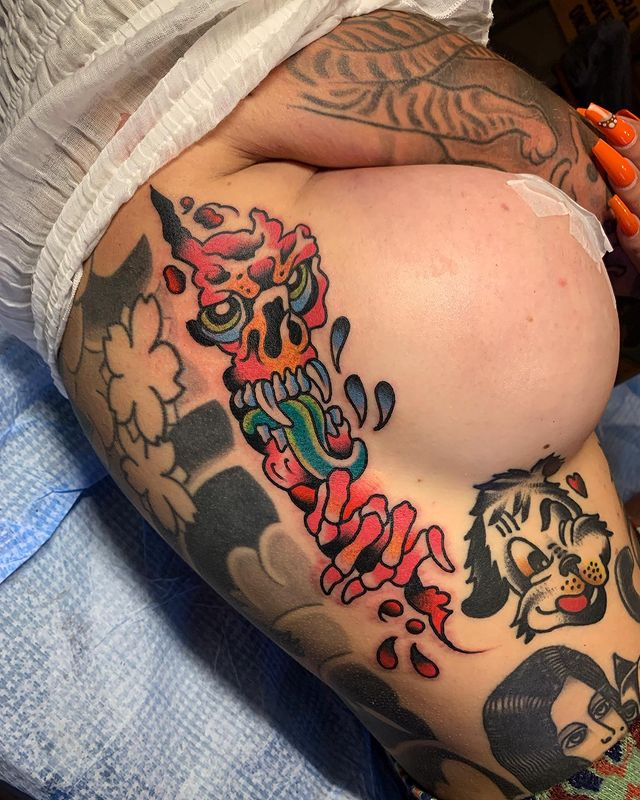
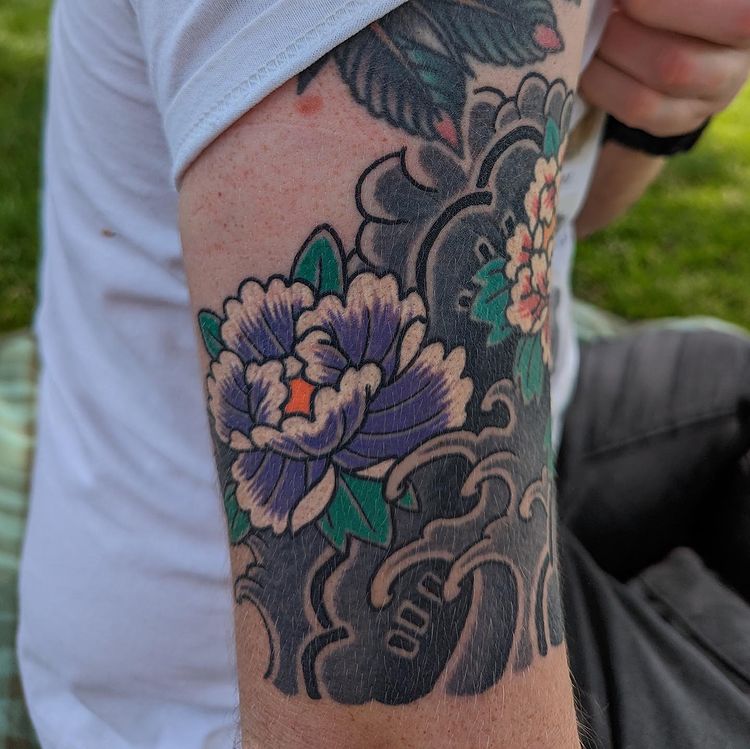
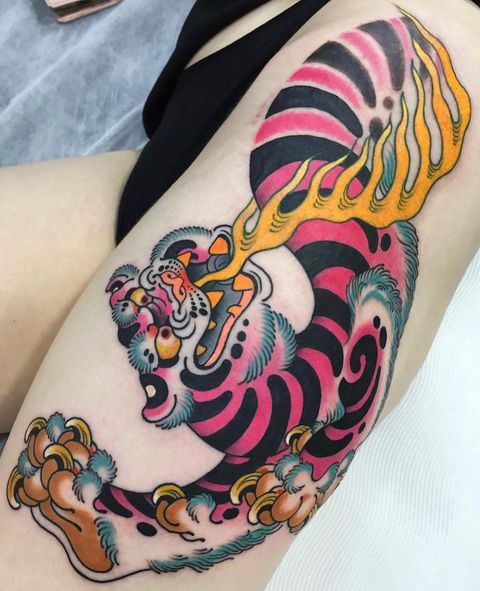
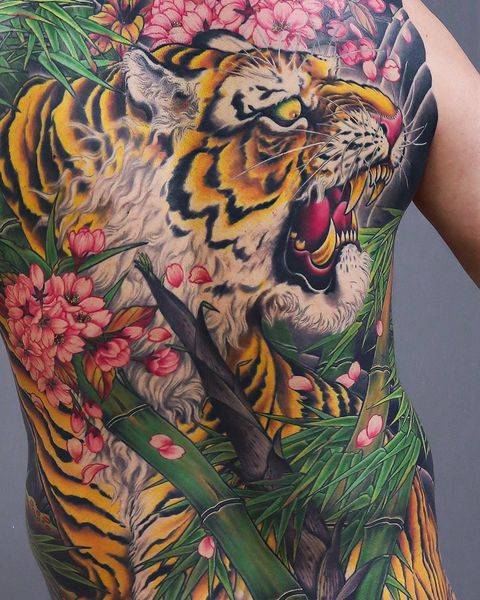
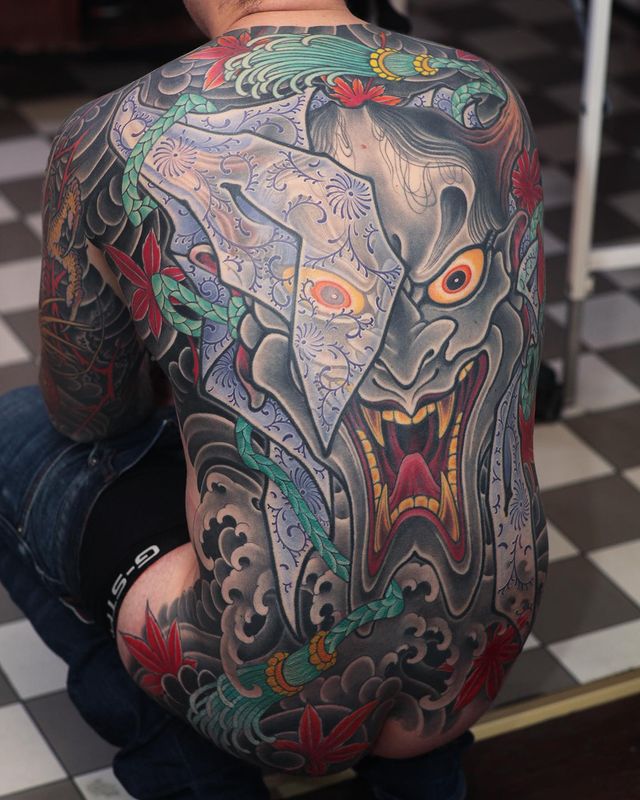
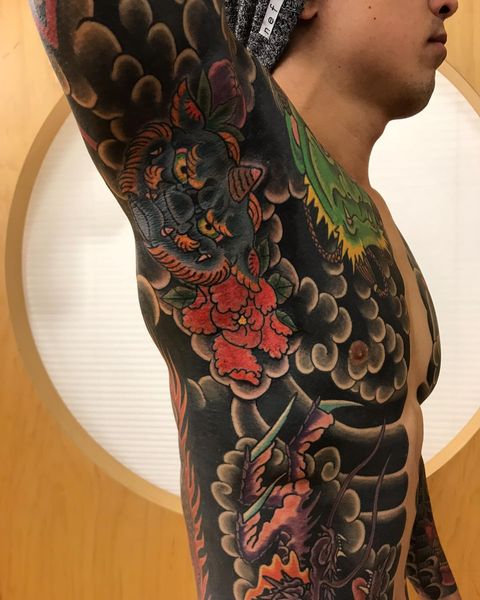
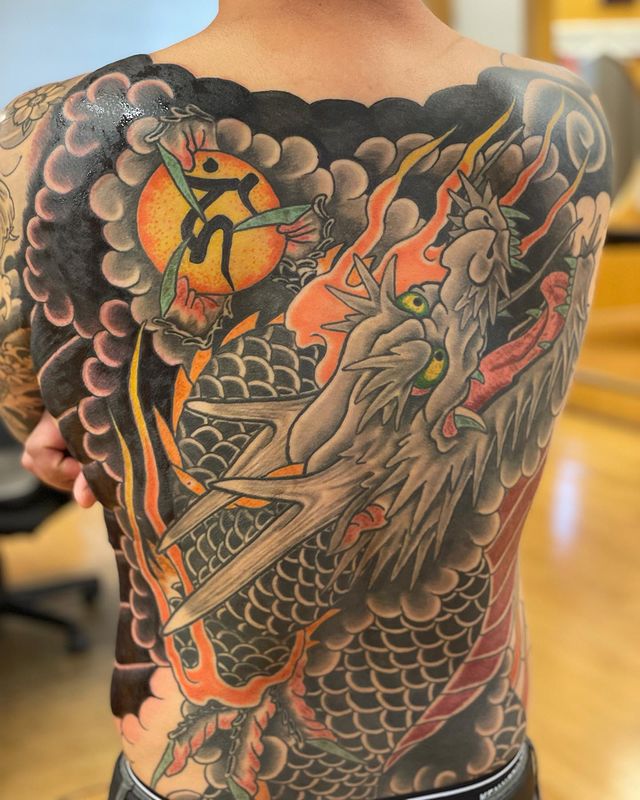
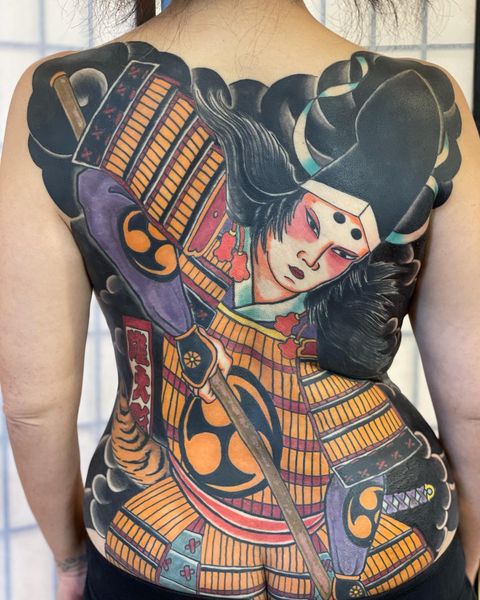
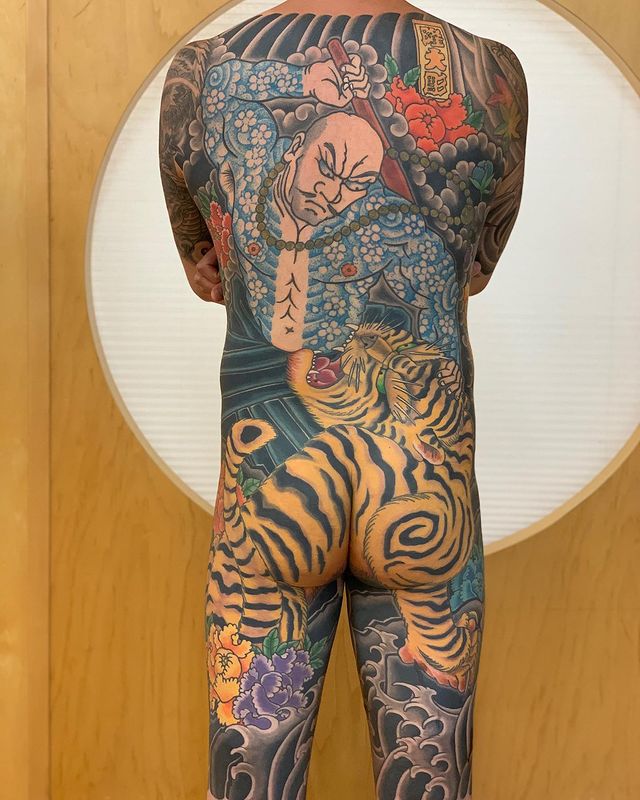
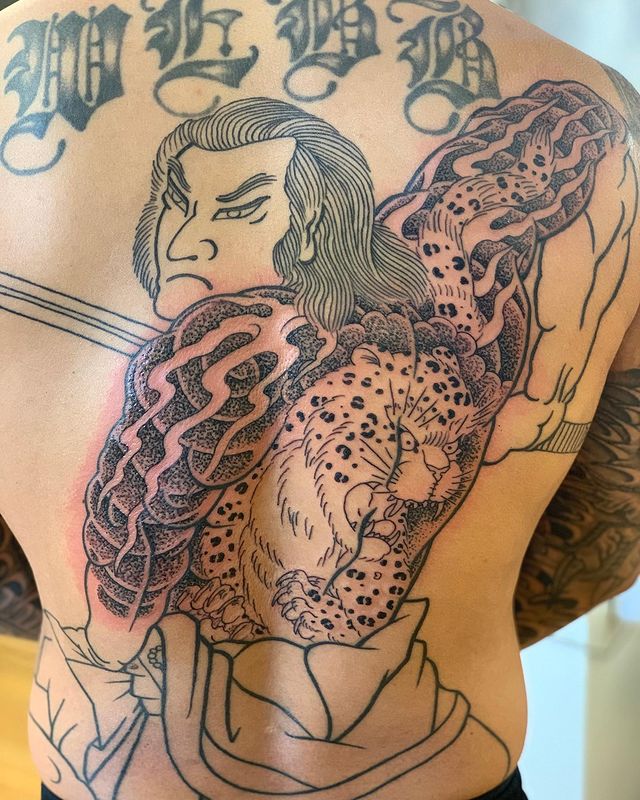
Lili Renée, a highly-skilled tattoo artist based in San Jose, United States, is known for her exceptional work in the Japanese tattoo style. With over 80,000 followers on Instagram, her vibrant and intricate artwork showcases her expert craftsmanship. Lili not only creates stunning tattoos at her shop, State of Grace Tattoo, but also passionately engages in a multitude of creative ventures, marking her as a true artist in every sense.
Lili Renee is a Japanese tattoo artist based in San Jose, California. She specializes in traditional Japanese tattooing, known for bold imagery like koi fish, dragons, cherry blossoms, and mythological figures drawn from centuries of ukiyo-e and irezumi tradition. With over 80,000 followers on Instagram (@stateofgracetaki), Lili has built a strong audience drawn to her interpretation of classic Japanese motifs. Her website, monmoncats.com, showcases her portfolio and serves as the primary contact point for booking inquiries. For pricing, availability, and consultation details, reach out to her directly through her website or Instagram.
The Japanese Tattoo Tradition Behind Lili Renee's Work
Japanese tattooing, or irezumi, carries over 400 years of visual history. The tradition pulls from ukiyo-e woodblock prints, kabuki theater, and Buddhist and Shinto mythology. Artists working in this style don't just draw cool dragons on skin. They reference a deep visual language where every element carries meaning. A koi fish swimming upstream represents perseverance. A cherry blossom falling at peak bloom honors the beauty of impermanence. Lili Renee works within this tradition from her studio in San Jose, California. Her Instagram feed shows a steady output of large-scale pieces that follow the compositional rules of Japanese tattooing: backgrounds that flow with the body's natural contours, foreground subjects sized to read clearly from a distance, and negative space used intentionally rather than filled in. Understanding this history matters because it separates artists who simply copy Japanese imagery from those who actually study the tradition. Lili's portfolio suggests a genuine engagement with the source material.
Defining Characteristics of Lili Renee's Japanese Tattoos
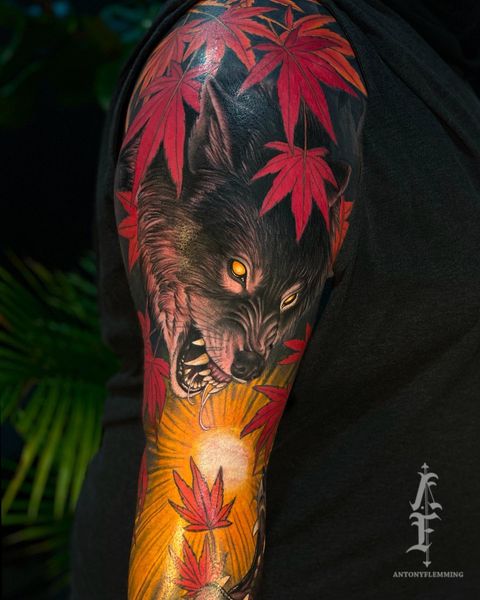
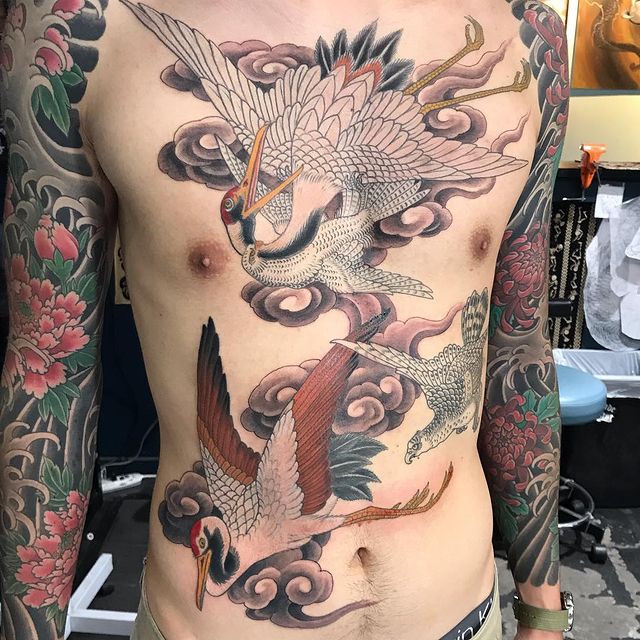
Japanese tattooing has a recognizable structure. Bold outlines anchor the design. Saturated color fills create contrast. Background elements like wind bars, waves, and cloud patterns connect separate motifs into one cohesive composition. Lili Renee's work follows these conventions while developing her own visual rhythm. Her pieces show strong line weight variation, which gives the tattoo dimension and prevents it from looking flat once healed. The color palettes she works with lean traditional: vermillion reds, deep blacks, and selective use of warm yellows and greens. What sets skilled Japanese artists apart is their ability to design for the body rather than just on it. A sleeve isn't a sticker applied to an arm. It's a composition that wraps, flows, and moves with the wearer. Lili's follower count of over 80,000 on Instagram reflects the demand for this level of craft. People seeking Japanese work want someone who understands how to build a full piece, not just place isolated images.
Popular Motifs in Lili Renee's Portfolio
The Japanese tattoo tradition draws from a fixed set of subjects, each with layered meaning. Koi fish represent strength and determination, especially when depicted climbing a waterfall. Dragons symbolize wisdom, protection, and power, often paired with tigers to represent the balance of heaven and earth. Cherry blossoms and peonies appear frequently as filler flowers, but they carry their own symbolism around fleeting beauty and prosperity. Snakes represent protection and rebirth. Foo dogs guard against negative energy. Lili Renee's portfolio on monmoncats.com and her Instagram showcases these classic subjects rendered with attention to their traditional proportions and poses. The koi in her work swim with visible muscle tension. The dragons twist through wind bars with anatomical weight. These aren't generic interpretations. They show an artist who has studied the reference material closely. If you're considering a Japanese piece, browse her work to see how she handles the specific motif you want. It helps to show an artist reference images of their own past work when discussing a new project.
Placement and Sizing for Japanese Tattoos
Japanese tattooing has specific placement conventions that developed over centuries. Full-body suits follow a structure where the back piece serves as the central canvas, with sleeves, chest panels, and thigh pieces extending outward. Each section connects through shared background elements like wind bars and water patterns. Even if you're not committing to a full suit, understanding these conventions helps you plan. A half sleeve in Japanese style still needs to account for how it might extend later. A back piece should sit centered and flow with the spine. Lili Renee designs pieces that work with the body's natural shape. Her Instagram shows work placed on arms, backs, and legs where the composition follows muscle and bone structure rather than fighting against it. Sizing matters too. Japanese motifs need room to breathe. A dragon compressed into a three-inch space loses the visual impact that makes the style work. If you're unsure about placement, discuss it during your consultation. A good Japanese tattoo artist will tell you honestly if your desired size works for the subject you want.
How to Choose a Japanese Tattoo Artist Like Lili Renee
Choosing a Japanese tattoo artist requires looking beyond flash designs and Instagram likes. Start by examining healed work, not just fresh pieces. Healed tattoos show how the artist's line work holds up over time and whether their saturation technique maintains vibrancy. Look at full compositions rather than close-up details. A well-photographed sleeve tells you more about an artist's skill than a zoomed-in shot of a single petal. Check whether the artist references traditional Japanese sources or simply copies trendy designs. Authentic engagement with the tradition shows in the details: correct proportions for mythological creatures, appropriate pairings of subjects, and proper use of background elements. Lili Renee's portfolio on monmoncats.com gives you a direct look at her range. When you reach out for a consultation, come prepared with reference images and a clear idea of placement. Japanese tattooing is a collaborative process, but the artist needs to know what you want before they can design it. Contact her through her website or Instagram to start that conversation.
Explore more
Frequently Asked Questions
What style of tattoos does Lili Renee specialize in?
Lili Renee specializes in Japanese tattooing. Her work focuses on traditional Japanese motifs and compositions rooted in the irezumi and ukiyo-e traditions.
How do I book a tattoo appointment with Lili Renee?
Contact Lili Renee directly through her website at monmoncats.com or via her Instagram account @stateofgracetaki. Booking details, consultation requirements, and availability are handled through those channels.
How much does Lili Renee charge for a tattoo?
Pricing information is not publicly listed. Contact the artist directly through her website or Instagram to discuss project scope, pricing, and any deposit requirements.
Where is Lili Renee located?
Lili Renee is based in San Jose, California. For the exact studio address and whether she takes walk-ins, contact her directly.
Does Lili Renee take walk-in appointments?
Walk-in policies are not confirmed. Japanese tattoo work typically involves custom consultations and multi-session planning. Reach out via her website or Instagram to discuss scheduling.