Ryan Evans
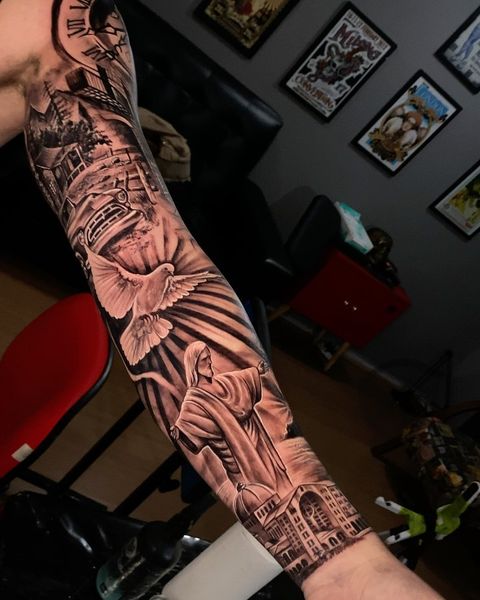
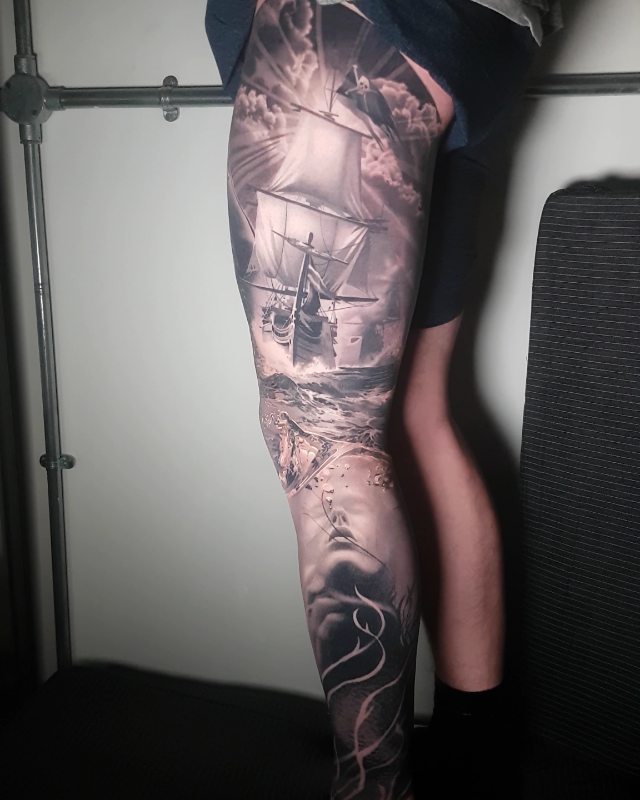
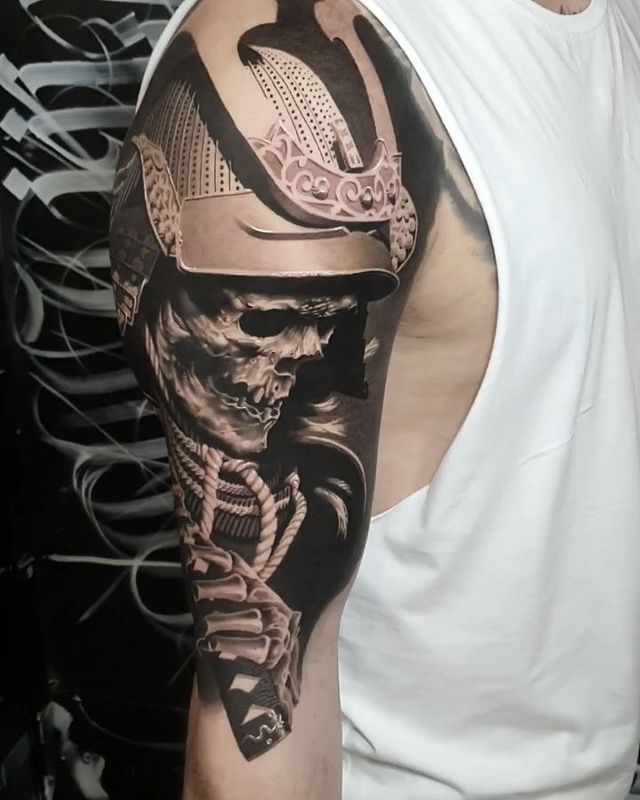
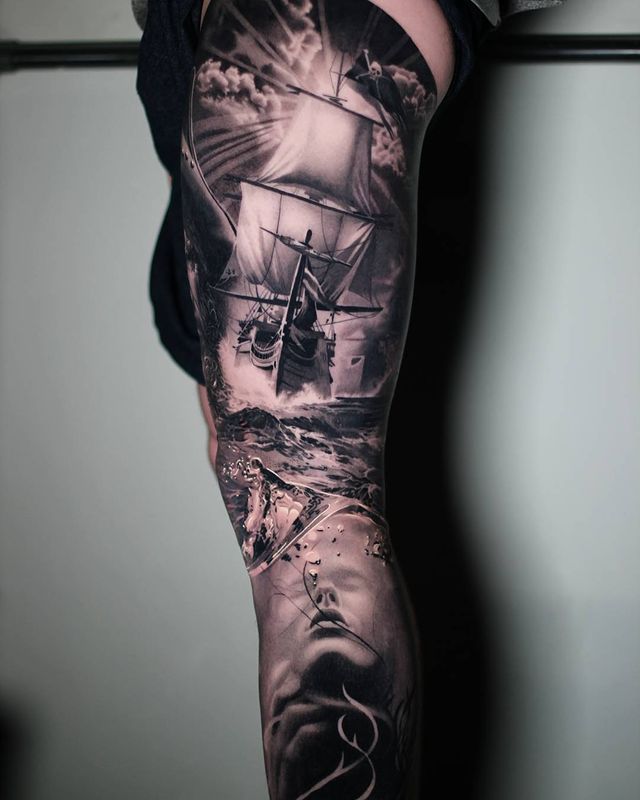
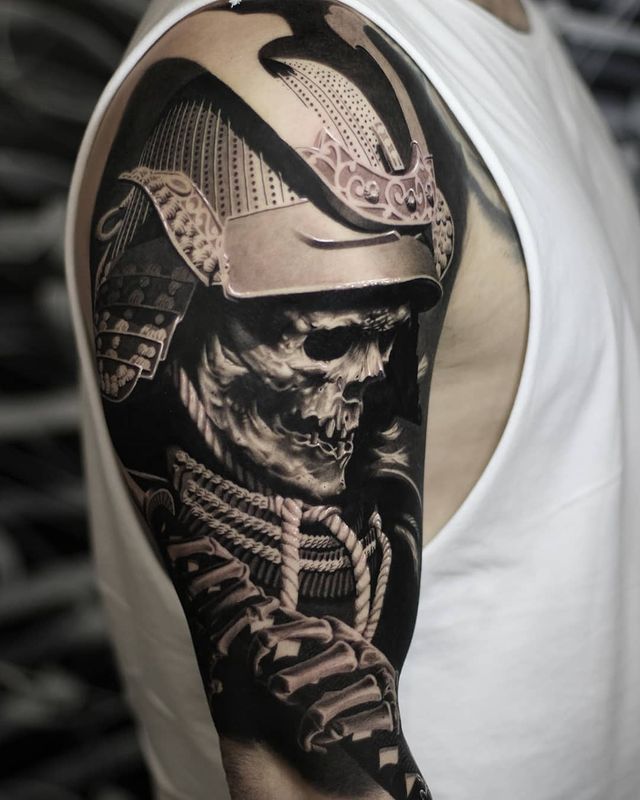
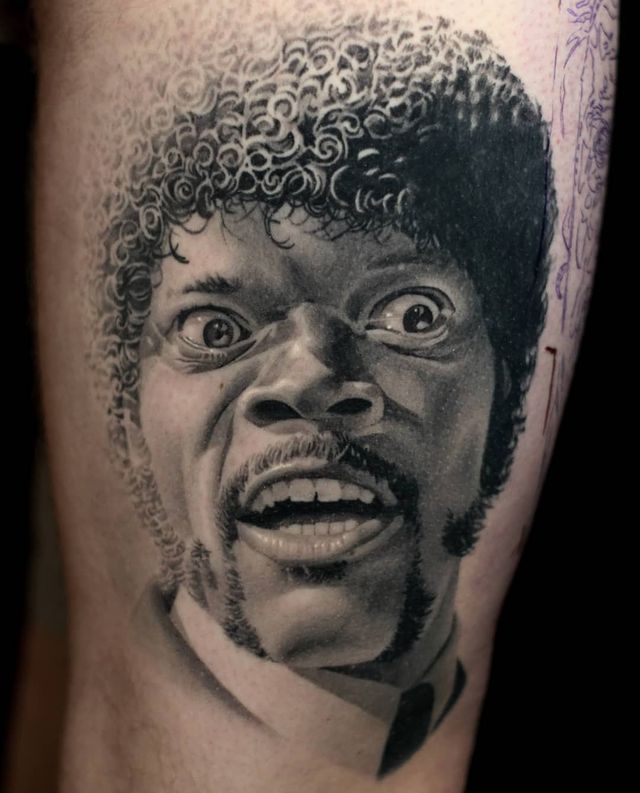
Ryan Evans, a highly skilled tattoo artist based in Auckland, New Zealand, is renowned for his stunning black and gray realism tattoo style. With approximately 230k followers on Instagram, his work resonates with a large audience worldwide. He maintains an immaculate workspace, ensuring cleanliness and hygiene in all his tattoo practices. Known for his professionalism, Ryan efficiently manages his tattoo appointments spanning different cities.
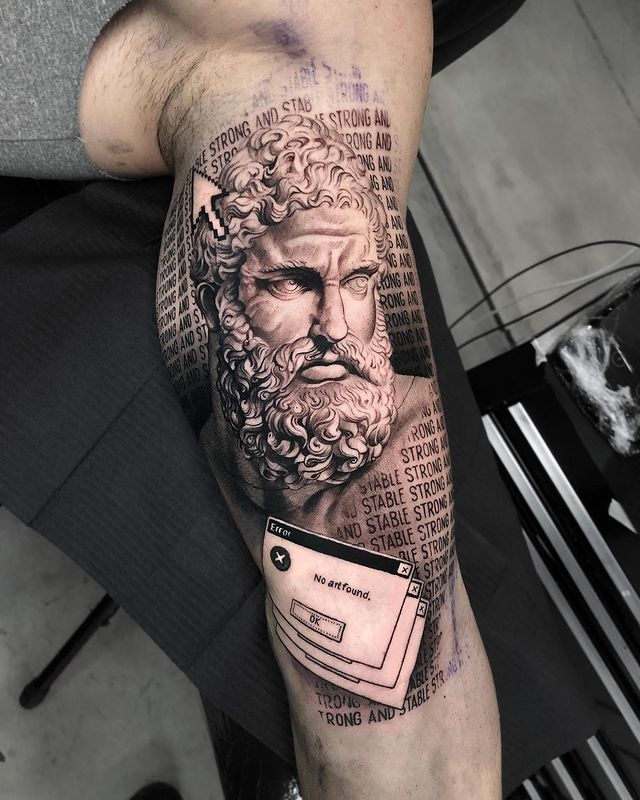
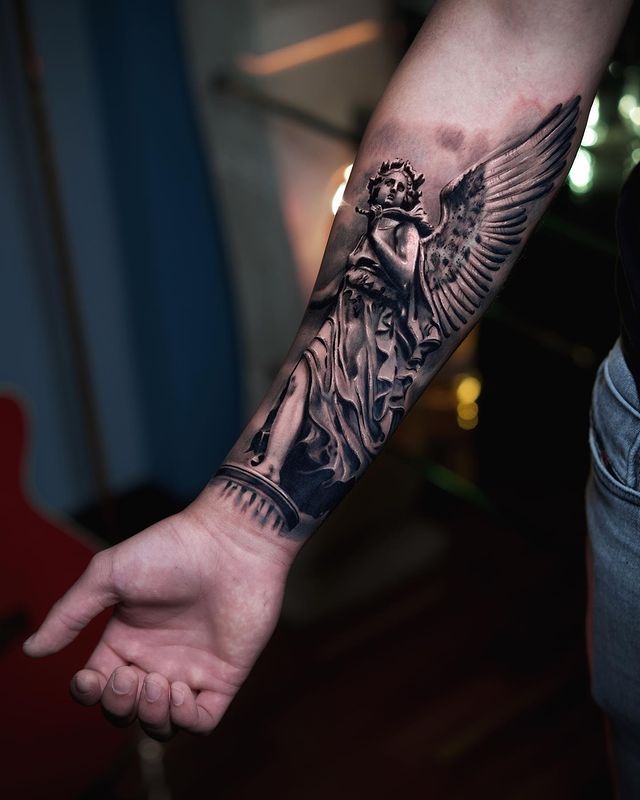
Ryan Evans is a black & gray realism tattoo artist based in Auckland, New Zealand. Known for highly detailed photorealistic work rendered entirely in grayscale, he has built a substantial following of over 230,000 on Instagram. His specialty lies in translating photographic reference into precise, layered tattoo compositions that hold their detail over time. Evans focuses on black & gray realism, a style that demands strict control of value, contrast, and needle grouping. For booking inquiries, contact him directly through his Instagram profile.
Black & Gray Realism: The Style Ryan Evans Masters
Black & gray realism traces back to the prison tattoo traditions of 1970s California, where inmates used makeshift machines and diluted black ink to create shaded images without access to color. The style migrated into professional shops and evolved into one of the most technically demanding genres in tattooing. Realism requires the artist to replicate photographic reference with accuracy. Every highlight, shadow, and midtone must land in the right place, because there is no color to distract the eye from structural errors. Ryan Evans works entirely within this tradition. His focus on black & gray means he has spent years refining his value control, the ability to place the right shade of gray at the right depth in the skin. This specialization matters. Artists who split focus across multiple styles often sacrifice the repetition needed to master realism's narrow margin for error. Evans' following of over 230,000 on Instagram reflects how his work resonates with people who appreciate the discipline.
Defining Characteristics of Ryan Evans' Work
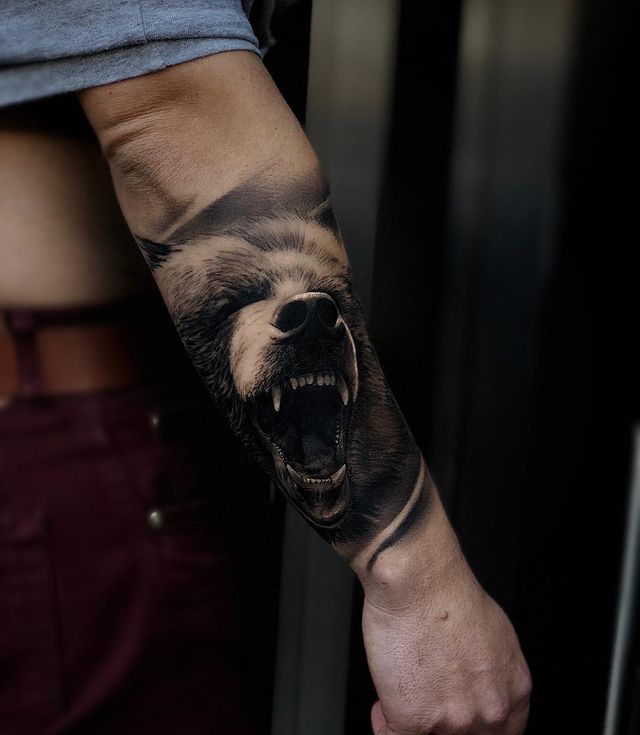
What sets strong black & gray realism apart from average work is contrast management and detail retention. High-contrast pieces risk looking harsh up close but read well from a distance. Low-contrast pieces look soft in photos but can muddy over time as tattoos settle and spread. The best realism artists find the middle ground, building enough contrast to keep the image legible for decades while maintaining the subtle transitions that make skin look like skin, fabric look like fabric, and eyes hold a gaze. Ryan Evans' portfolio demonstrates this balance. His pieces maintain sharp focal points, usually the eyes or key structural elements, while allowing peripheral areas to soften naturally. This technique mirrors how human vision works: we focus on one point and the periphery blurs. The approach also serves longevity. Tattoos spread under the skin over years. An artist who sharpens only what matters most gives the tattoo room to age without losing its readability. Evans' Instagram feed shows consistent application of this principle across portraits, animals, and compositional pieces.
Popular Motifs and Subjects in Black & Gray Realism
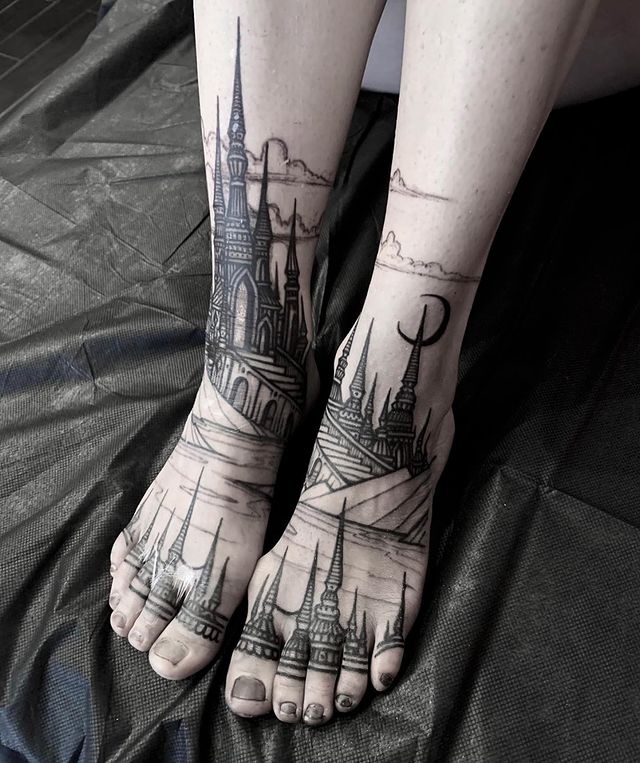
Black & gray realism artists tend to work with subjects that reward close study of texture and light. Portraits remain the most requested subject in the genre. Capturing a likeness demands that every proportion, shadow, and highlight land precisely. A millimeter of error in eye placement changes the entire face. Animal subjects, particularly big cats, wolves, and birds of prey, are also common. Fur, feathers, and scales give realism artists a chance to show technical range. Each texture requires different needle groupings and shading speeds. Skulls and classical statuary appear frequently in black & gray portfolios because they offer clear light and shadow reference and carry symbolic weight that resonates with collectors. Ryan Evans works across these subjects. His Instagram shows a mix of portraiture, animal pieces, and compositional work that layers multiple elements into single designs. The common thread is the grayscale palette and the emphasis on photographic reference as the starting point for each piece.
Placement and Sizing for Realism Tattoos
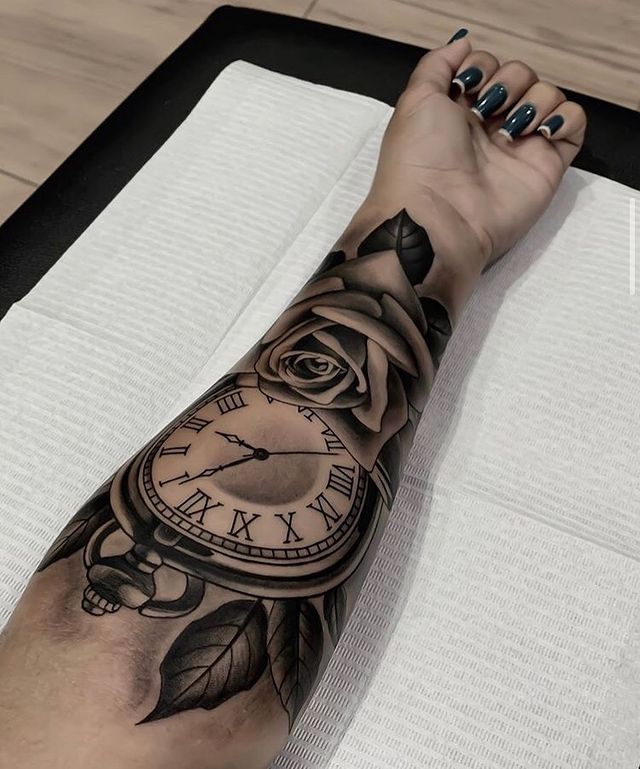
Realism tattoos need space. This is not a style that works well at small sizes. Detail requires area. A photorealistic portrait compressed into a three-inch space will lose the subtle value transitions that make it read as realistic. The ink lines blur together as the tattoo heals and settles. Most realism artists recommend portrait work start at least five inches on the shortest side. Larger pieces, like sleeves or back panels, give the artist room to build contrast, layer textures, and create depth through scale relationships. Popular placements for black & gray realism include the outer forearm, thigh, calf, and ribs. These areas offer relatively flat surfaces with consistent skin texture, which helps the artist control how ink settles. Joints and high-movement areas like inner elbows or knees can distort fine detail during healing. Ryan Evans likely discusses placement as part of the consultation process. If you are planning a realism piece, think about the size you want first, then find a body area that supports it. A good rule: go bigger than you think you need.
Choosing a Realism Artist and What to Look For
Selecting a realism artist requires looking past follower counts and focusing on healed work. Fresh tattoos always look sharp. The real test is how a piece holds up after six months, a year, or longer. Check an artist's feed for healed photos or ask to see them during consultation. Look for consistent contrast retention, clean edges that have not blurred into each other, and skin that still shows value transitions clearly. Ryan Evans' large following suggests his work photographs well, but any serious client should review healed examples before committing. Also consider the artist's specific subject strengths. Some realism artists excel at portraits but produce weaker animal work, or vice versa. Match your subject to the artist's demonstrated ability. Communication matters too. Realism pieces often require reference photos, multiple consultations, and clear alignment on expectations. An artist who responds thoughtfully to your inquiry and asks questions about your vision is more likely to deliver work you will be happy with long term. Use the Inksy artist directory to compare realism artists in Auckland and find the right fit for your project.
Explore more
Frequently Asked Questions
What style of tattooing is Ryan Evans known for?
Ryan Evans specializes in black & gray realism. This style uses only black ink diluted to various shades of gray to create photorealistic images on skin. No color work. The approach demands precise control of contrast, shading gradients, and needle technique to replicate the depth and detail of a photograph.
How do I book a tattoo appointment with Ryan Evans?
Ryan Evans does not list a public website or studio booking page. The best way to reach him is through his Instagram profile at @ryan_evans, where he manages inquiries directly. Contact the artist directly to discuss availability, pricing, and consultation details.
Where is Ryan Evans based?
Ryan Evans is based in Auckland, New Zealand. His specific studio or shop affiliation is not publicly listed, so contact him directly via Instagram to confirm where he currently tattoos from.
How much does a tattoo by Ryan Evans cost?
Pricing for Ryan Evans is not publicly available. Rates for black & gray realism artists at his level vary based on piece size, detail, and session length. Contact the artist directly through Instagram to discuss pricing and deposit requirements.
Does Ryan Evans do color tattoos?
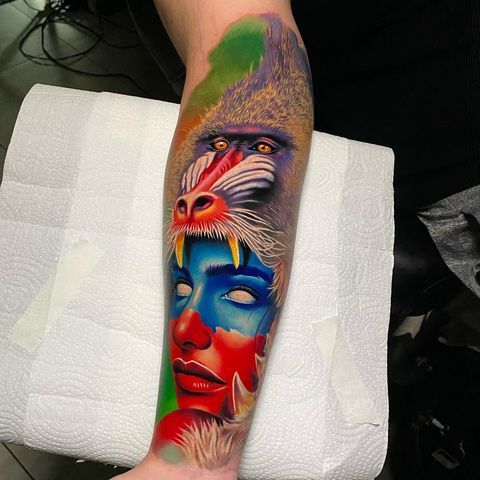
Ryan Evans lists black & gray and realism as his specialties. His portfolio focuses on grayscale work. If you are interested in color pieces, reach out through his Instagram to ask whether he takes on color projects or can refer you to a suitable artist.