Ricardo Avila
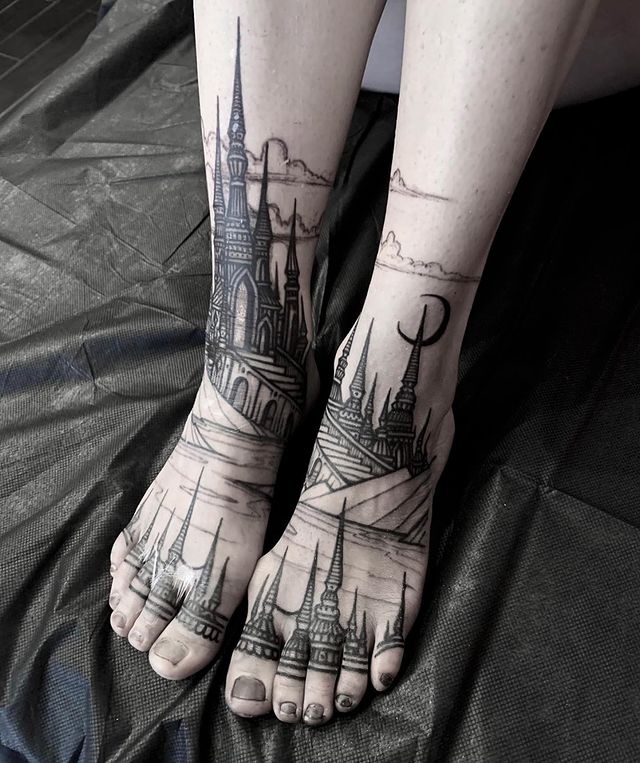
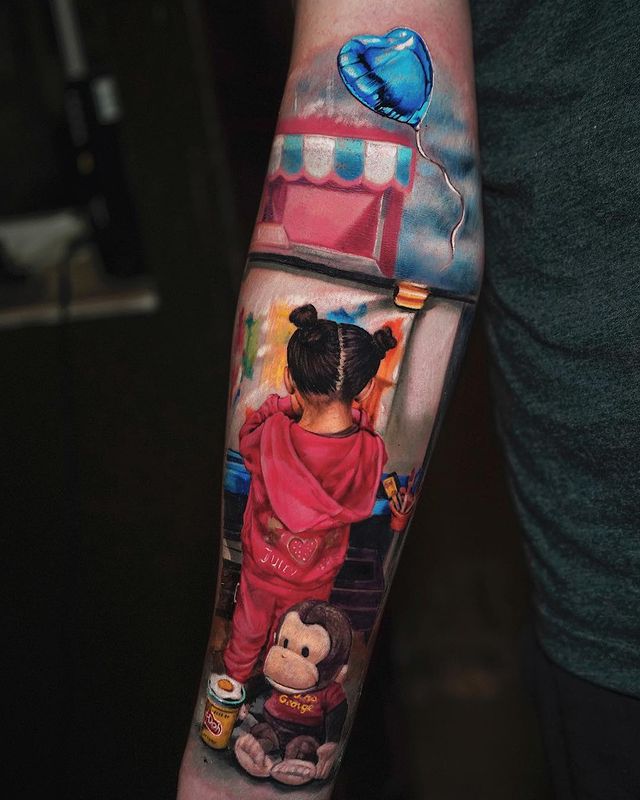
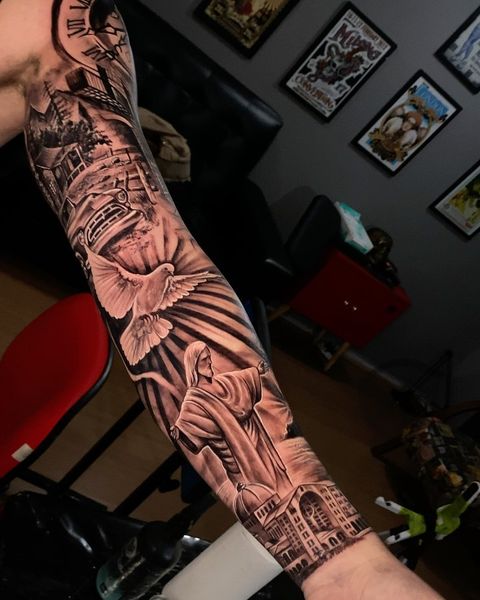
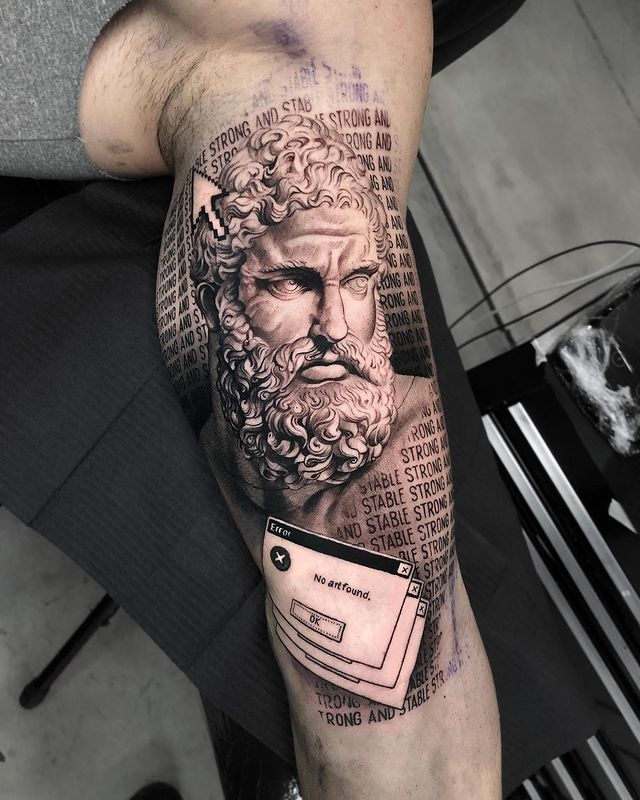
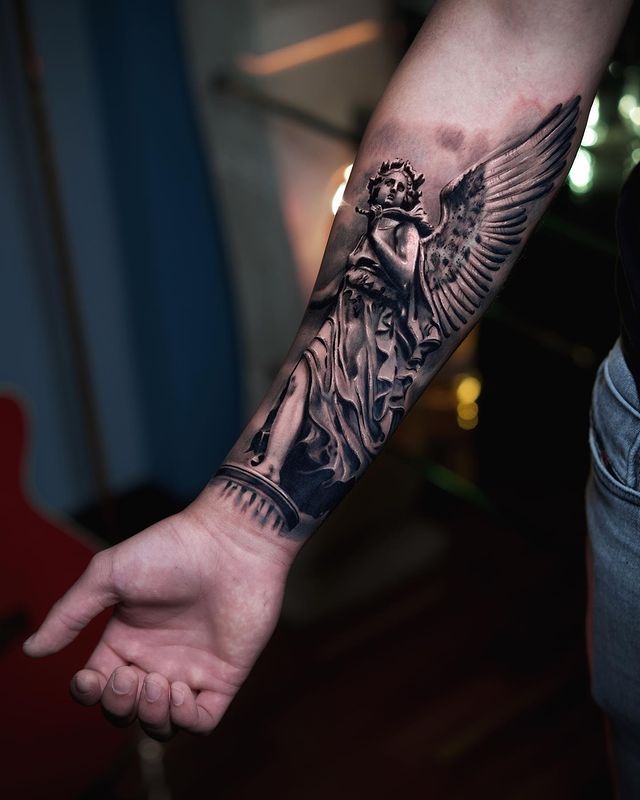
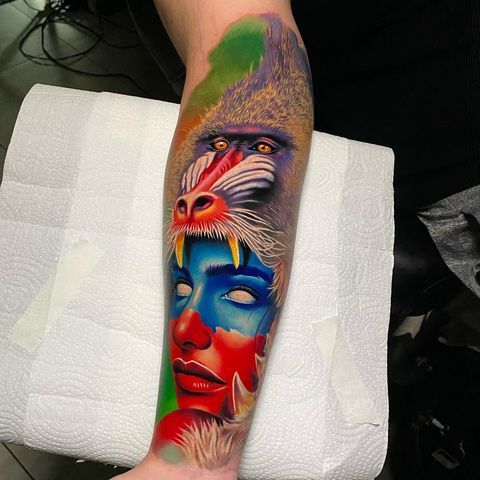
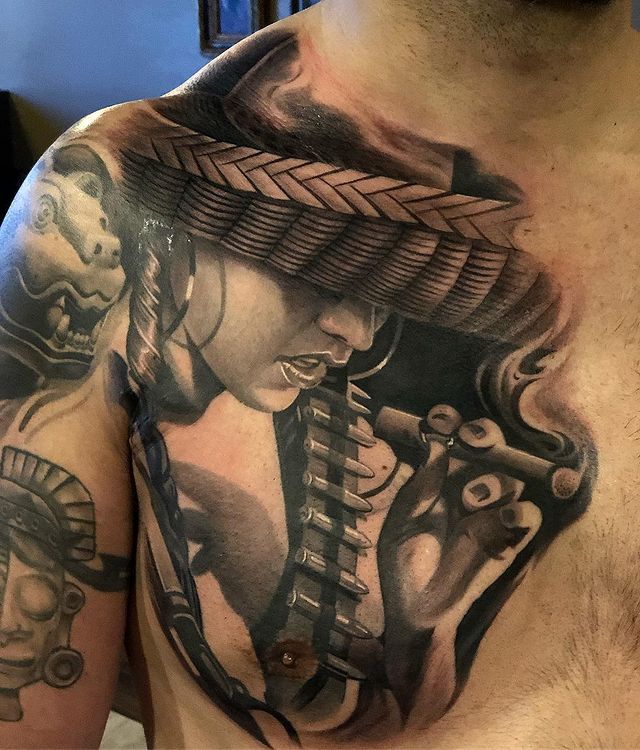
Ricardo Avila is an exceptionally skilled tattoo artist located in Temecula, United States. He specializes in creating intricate and attractive 'black&gray, realism' tattoo styles, winning the admiration of nearly 215,000 followers on Instagram. Renowned as 'TheReignxSouthernCalifornia', Ricardo's impressive work showcases his exceptional artistry and innovative design approach.
Ricardo Avila is a black & gray realism tattoo artist based in Temecula, California. With over 214,000 followers on Instagram, he has built a strong reputation for photorealistic tattoo work rendered entirely in grayscale tones. His specialty lies in black & gray realism, a style that uses only black ink diluted to varying shades to create depth, shadow, and lifelike detail without any color. Ricardo's portfolio showcases portraits, wildlife, and detailed compositions that demonstrate precise control of value and contrast. He operates in the Temecula area and can be reached through his website or Instagram for booking inquiries.
Black & Gray Realism: Ricardo Avila's Signature Style
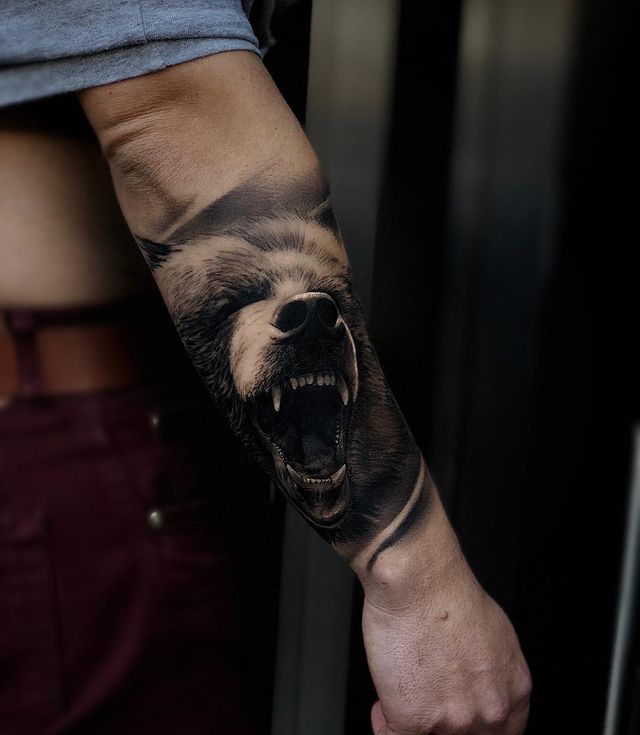
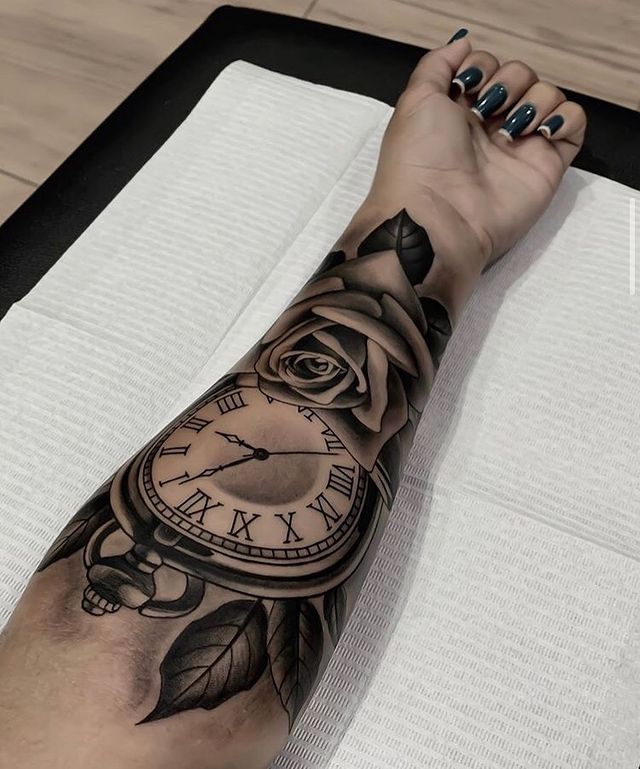
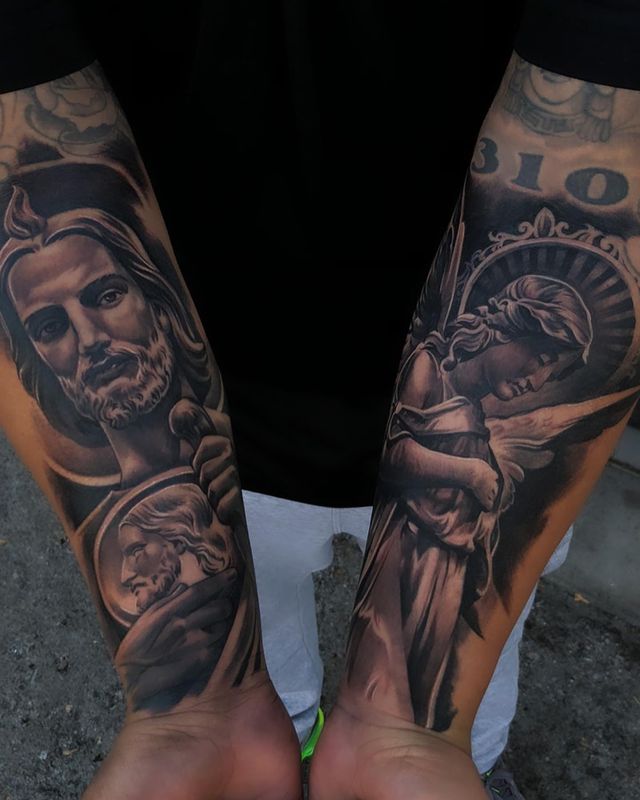
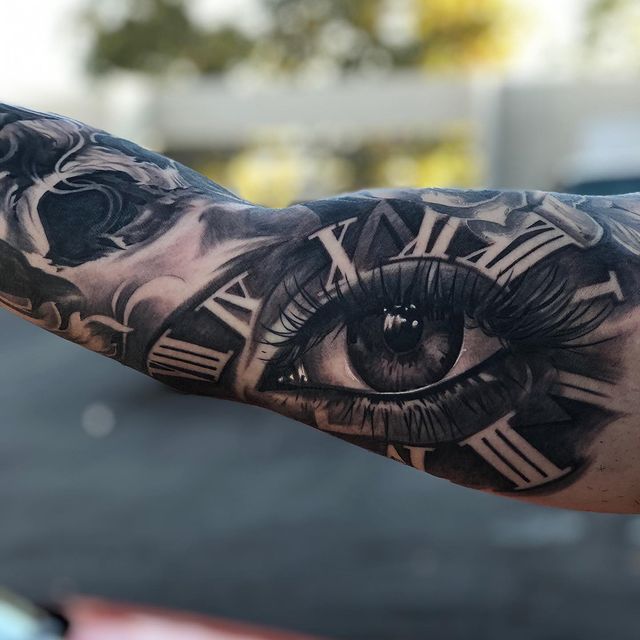
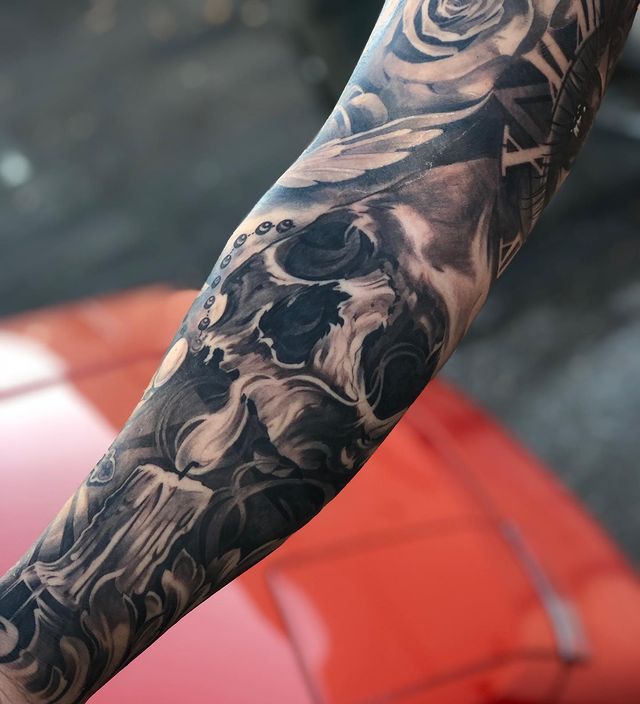
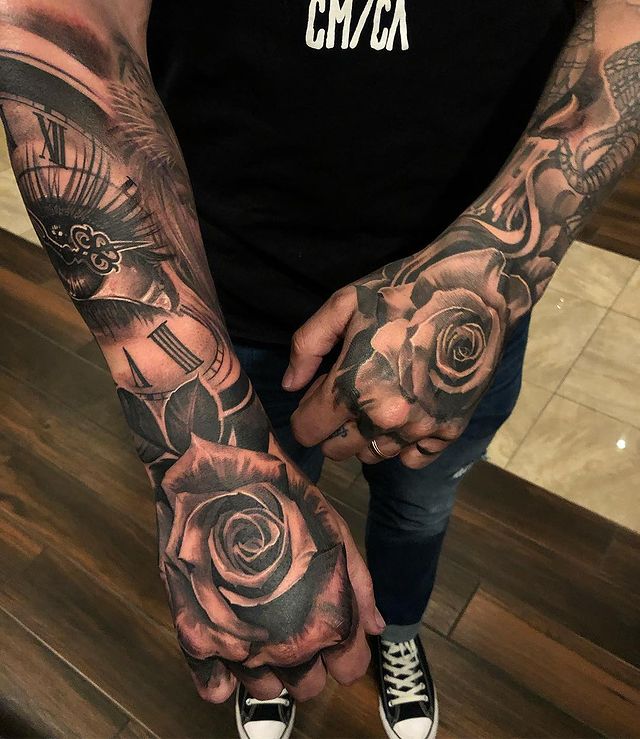
Black & gray realism is one of the most technically demanding styles in tattooing, and Ricardo Avila has made it his primary focus. The approach strips away color entirely, relying on black ink diluted into multiple shades of gray to build form, texture, and depth. What makes this style so challenging is the margin for error. There is nowhere to hide. Every transition from light to dark has to be smooth and intentional, because the human eye catches inconsistencies in shading faster than almost anything else. Ricardo's work demonstrates a tight command of value ranges. His pieces move from deep blacks to whisper-soft grays without visible banding or muddiness. That kind of control takes serious time behind the machine. Realism artists at this level typically work with larger canvases, and for good reason. The detail and tonal range need space to breathe. A photorealistic portrait crammed onto a three-inch space will lose the very thing that makes it work. Ricardo's Instagram feed, followed by over 214,000 people, shows exactly what this style looks like when executed at a high level.
Popular Motifs & Subjects in Black & Gray Realism
Ricardo Avila's specialty in black & gray realism lends itself to certain subjects that demand high detail and tonal precision. Portraits are the most common request in this style, and for obvious reason. A face rendered in grayscale needs to capture likeness, expression, and subtle shadow transitions across bone structure. Miss any of those, and the whole piece falls apart. Beyond portraits, wildlife is a frequent subject. Animals like lions, wolves, eagles, and snakes translate well into black & gray because their fur, feathers, and scales give the artist a chance to show texture work at a granular level. Religious and spiritual iconography also shows up heavily in this style, particularly in Southern California where Chicano black & gray traditions run deep. Skulls, roses, and religious figures like Virgen de Guadalupe are staples of the genre. What ties these subjects together is the need for contrast. Black & gray realism lives or dies on the relationship between the darkest darks and the lightest lights. Subjects that naturally have strong shadow areas, like a portrait lit from one side, give the artist more room to create that dramatic range.
Placement & Sizing Considerations for Realism Tattoos
Realism tattoos need space. That is not a suggestion, it is a practical requirement. The style depends on fine detail and smooth tonal transitions, both of which shrink poorly. A photorealistic portrait that works at eight inches can turn into a smudgy mess at three inches, because the line weights and dot work that create shading cannot scale down indefinitely. The inner forearm, upper arm, thigh, and back are all strong placements for black & gray realism. These areas offer relatively flat, consistent skin with enough surface area to let the design breathe. The calf also works well for standalone pieces. Areas with high stretch or frequent movement, like ribs, elbows, or knees, present more of a challenge. The skin shifts and stretches, which can distort fine detail over time. That does not mean those placements are off limits, but the design may need to be simplified or sized up to account for it. Sizing is equally important. Most experienced realism artists will recommend going larger rather than smaller. A piece that feels slightly too big on day one often looks exactly right once it heals and settles. Ricardo Avila's portfolio shows pieces that take up significant real estate on the body, which is how the style reads best.
Booking Ricardo Avila
Ricardo Avila does not list a specific studio or shop on his public profiles, so the best way to reach him is directly through his website at ricardoavilaart.com or his Instagram account @ricardo__avila. With over 214,000 followers on Instagram, his DMs may be busy, so his website contact form is likely the more reliable option. When you reach out, be prepared with a clear idea of what you want. Realism artists need reference images, not vague descriptions. If you want a portrait, find a photo with strong lighting and clear detail. If you want a wildlife piece, gather reference images that show the animal from the angle you want. Include your preferred placement, approximate size, and any flexibility you have on those factors. Pricing, minimums, and deposit requirements are not publicly listed, so you will need to discuss those details directly with Ricardo. High-demand realism artists often book months out, so plan accordingly. Do not expect same-week availability. Once you do connect, be responsive and professional. Artists at this level are choosing their clients as much as clients are choosing them, and clear communication goes a long way.
Choosing the Right Realism Artist for Your Tattoo
Not every artist who lists realism as a specialty works at the same level. Here is how to evaluate whether a black & gray realism artist is the right fit for your piece. Start with healed photos, not just fresh ones. Tattoos look their sharpest on day one. What matters is how they hold up after four to six weeks of healing. An artist who only posts fresh work may be hiding how their pieces settle. Look at the transitions. In black & gray realism, the shift from one shade to another should be seamless. If you can see distinct bands of gray, that is a problem. Check the darkest areas. Solid black should be consistent and opaque, not patchy or uneven. Then check the lightest areas. Skin tone should show through intentionally, not because the artist ran out of contrast. Examine the detail work. Eyelashes, lip texture, hair strands, and fabric folds are where technical skill becomes obvious. If those elements look muddy or indistinct, the rest of the tattoo will not hold up either. Ricardo Avila's portfolio is public on Instagram, so you can evaluate his healed work and detail quality directly. Compare it against other realism artists in the Temecula and Southern California area before making your decision.
Explore more
Frequently Asked Questions
How do I book a tattoo appointment with Ricardo Avila?
You can reach Ricardo Avila through his website at ricardoavilaart.com or via his Instagram @ricardo__avila. Contact him directly to discuss your idea, sizing, and availability. He does not list a specific studio or shop, so reach out to confirm where he is currently tattooing from.
What tattoo styles does Ricardo Avila specialize in?
Ricardo Avila specializes in black & gray realism. This style uses only black ink in varying dilutions to create photorealistic images with smooth gradients, deep shadows, and fine detail. No color work is involved in this approach.
Where is Ricardo Avila located?
Ricardo Avila is based in Temecula, California, in the United States. For the specific studio or shop address, contact him directly through his website or Instagram.
How much does a tattoo from Ricardo Avila cost?
Pricing for Ricardo Avila's work is not publicly listed. Cost depends on the size, detail, and placement of your design. Contact the artist directly through his website or Instagram to discuss pricing and get a quote for your specific project.
Does Ricardo Avila accept walk-in appointments?
There is no information available about walk-in availability. Ricardo Avila likely works by appointment given the detail involved in black & gray realism work. Contact him directly to ask about his booking process and availability.