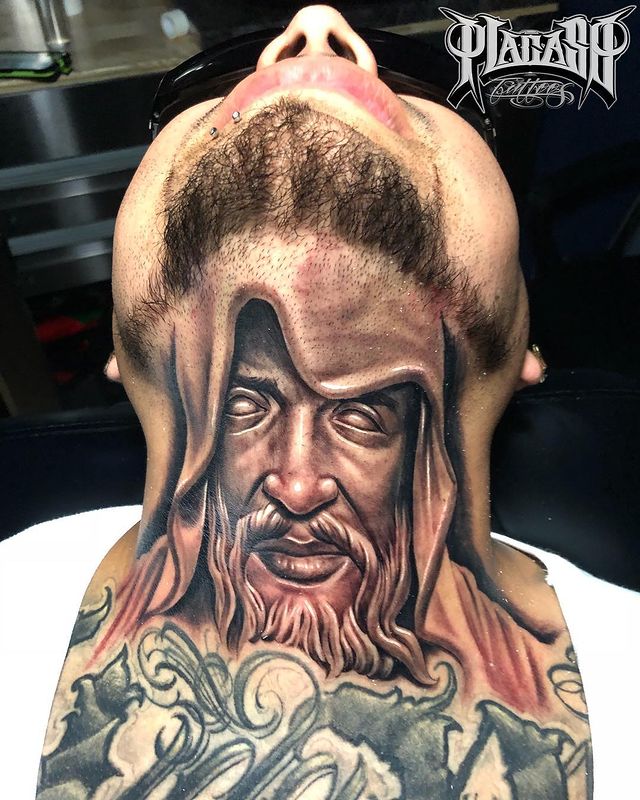
Placaso
Placaso is a highly skilled tattoo artist based in Chicago, United States, specializing in black and gray realism styles. With a substantial following of around 95,000 on Instagram, his remarkable artistry is testament to his impeccable attention to details. Known for his professionalism, each tattoo appointment is set up through referrals, affirming his expertise in the industry. This gifted artist isn't just committed to his craft, but also actively incorporates his personal values into his work.
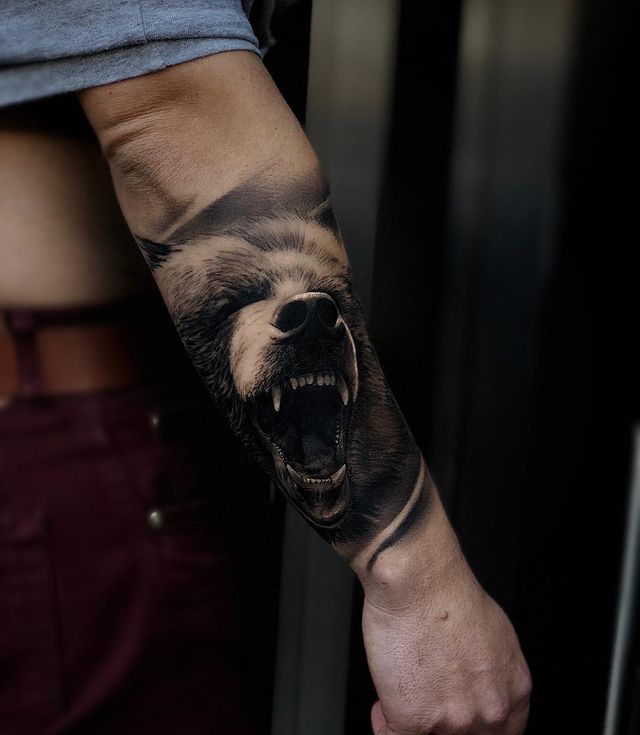
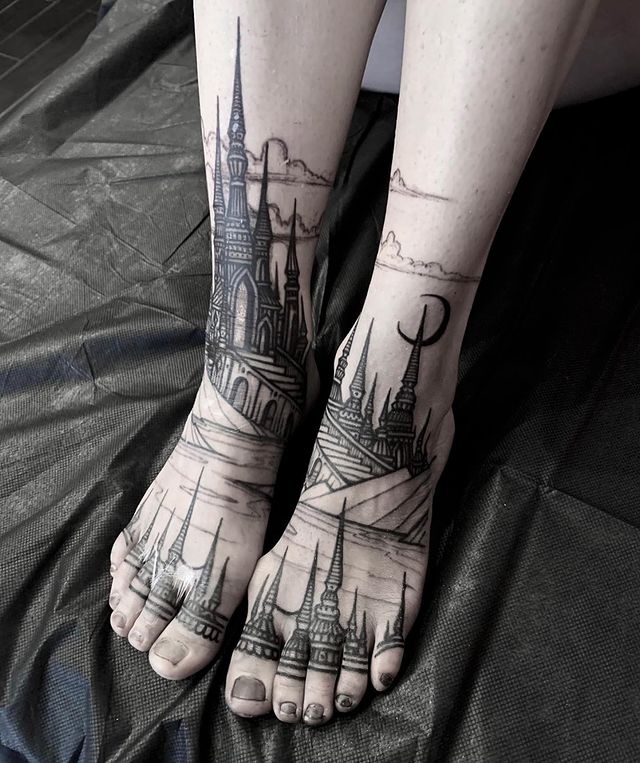
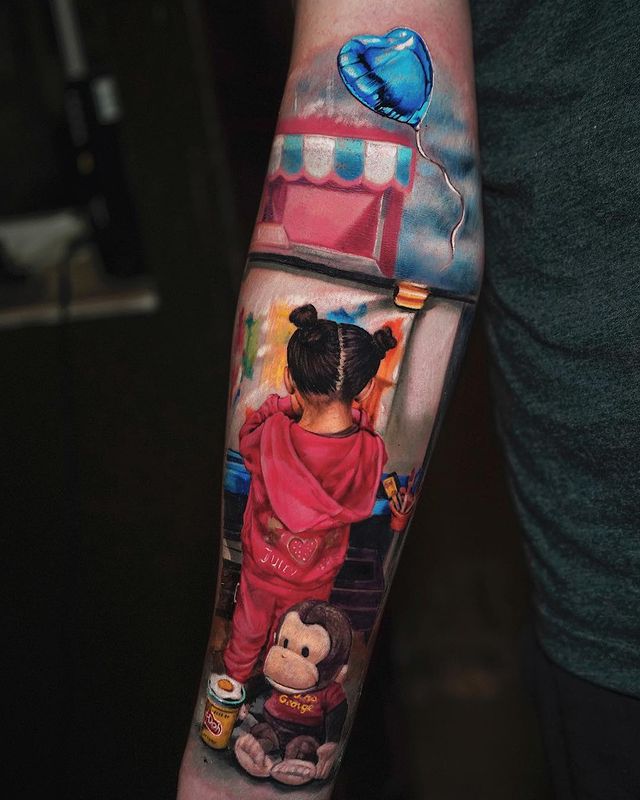
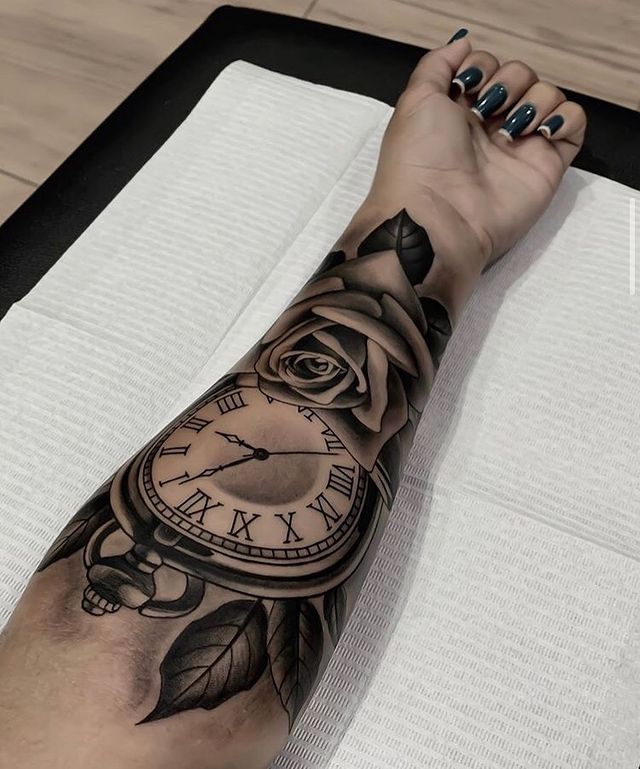
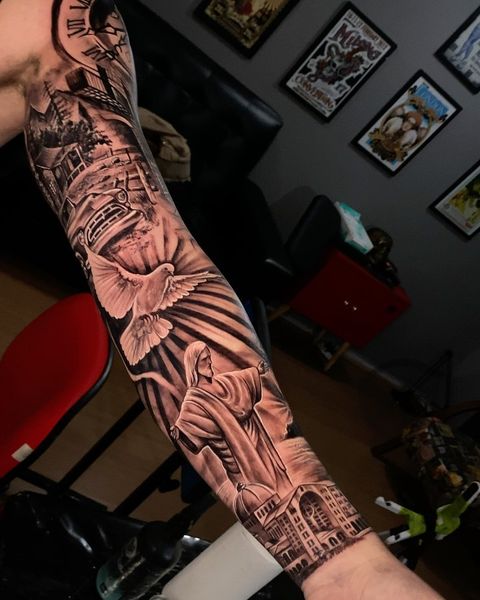
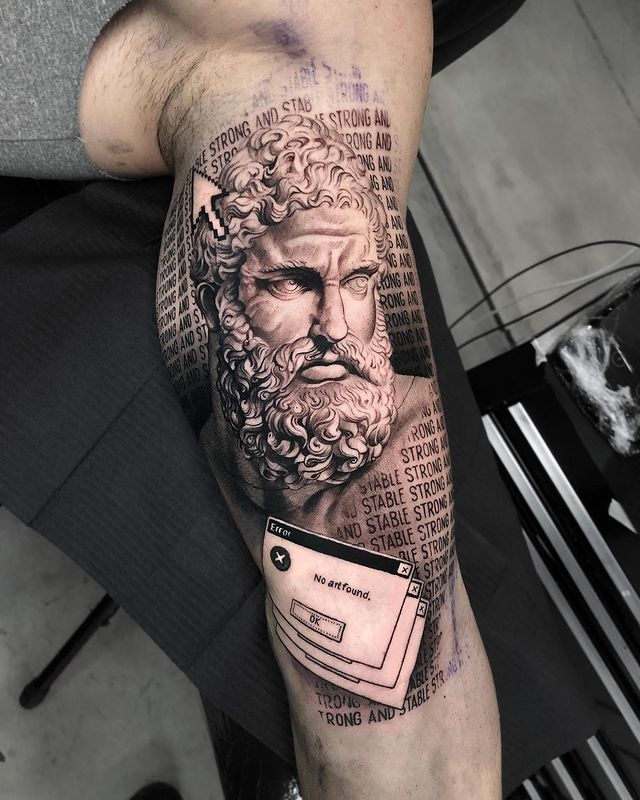
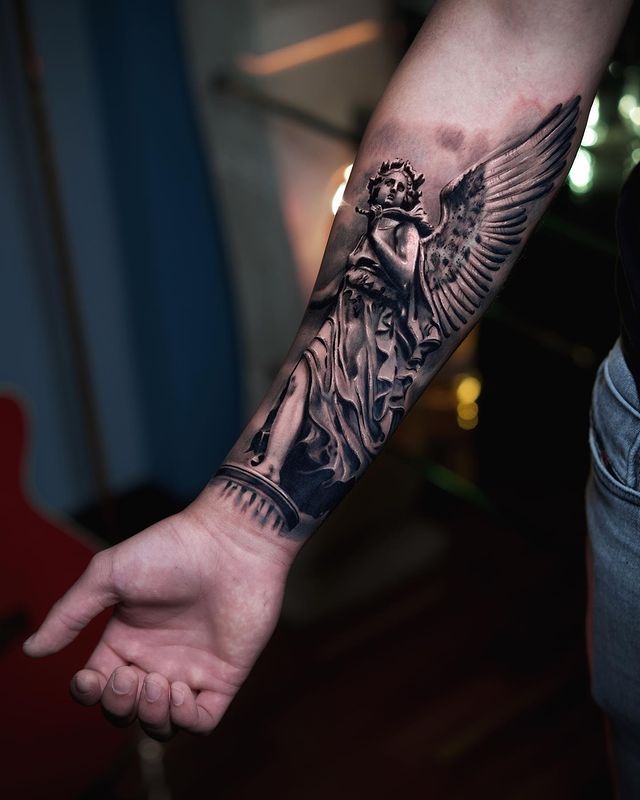
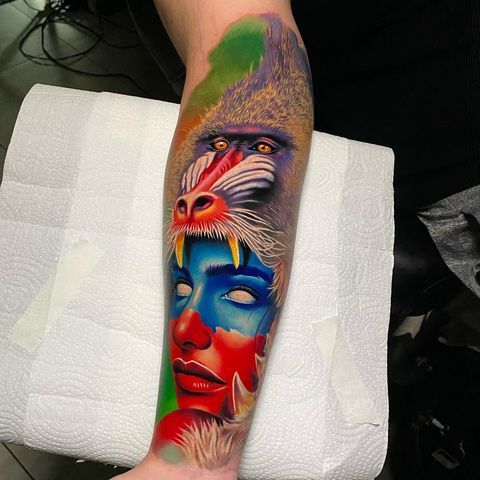
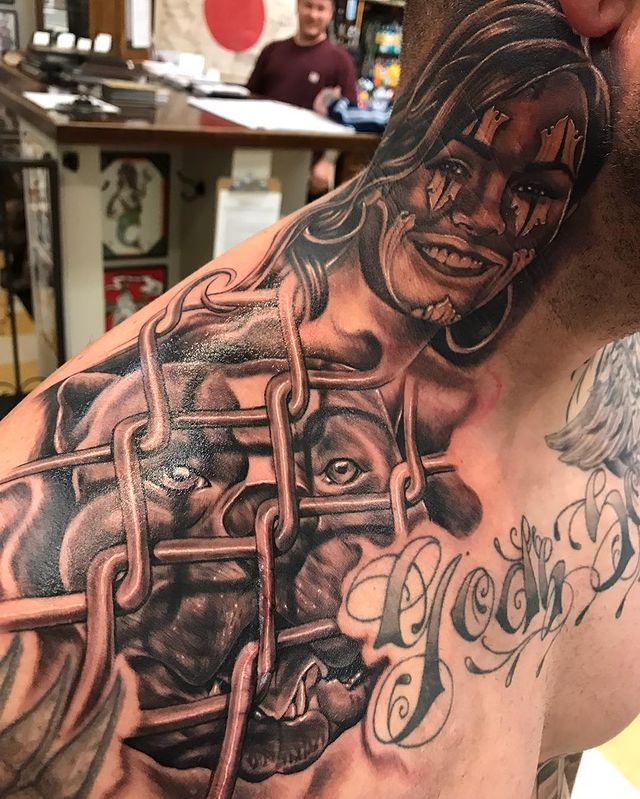
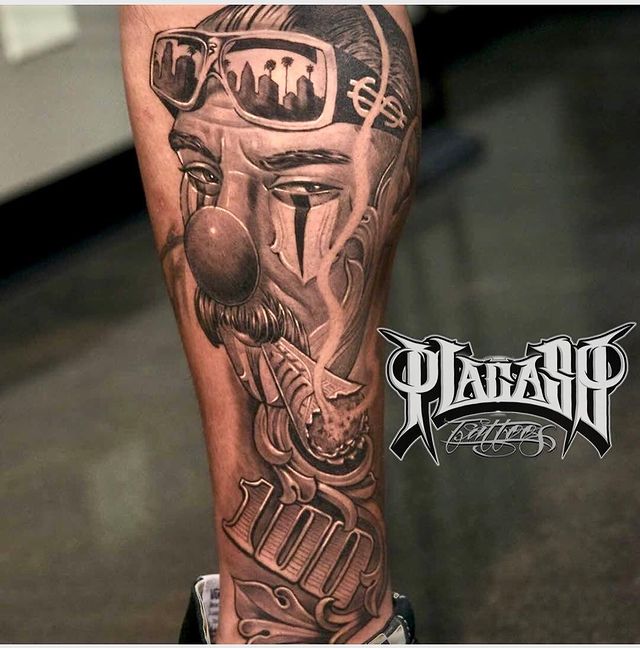
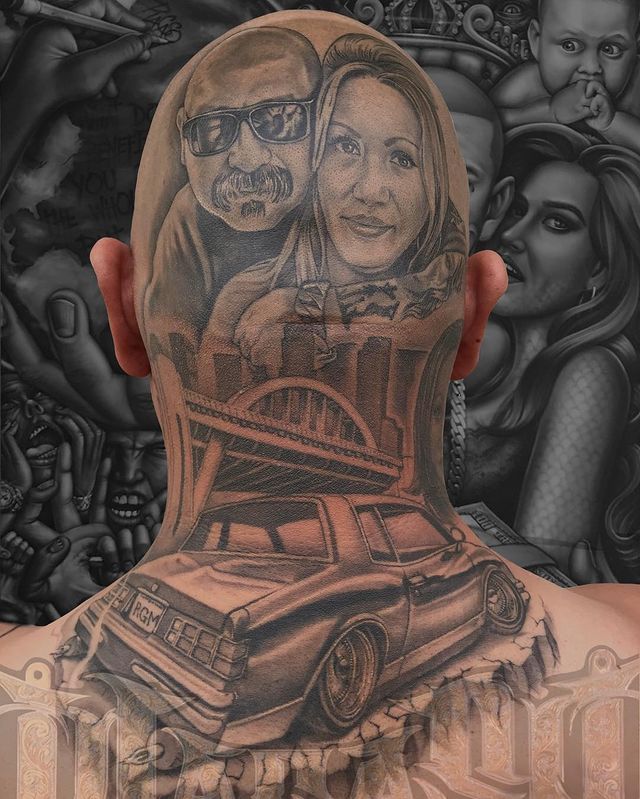
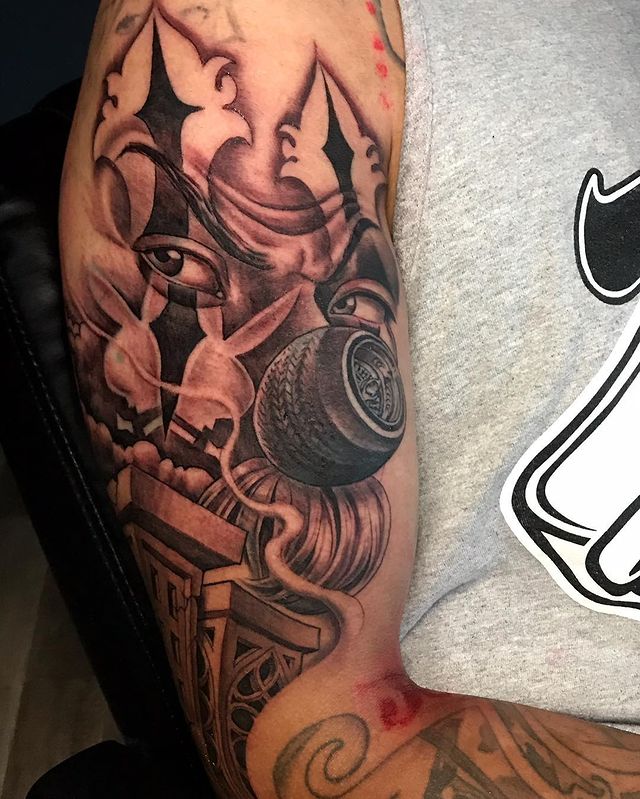
Placaso is a tattoo artist based in Chicago, Illinois, specializing in black & gray realism. With over 94,000 followers on Instagram, Placaso has built a strong presence in the Chicago tattoo community. Their work centers on realistic portraiture and imagery rendered entirely in black and gray ink, relying on shading depth and tonal contrast rather than color. Black & gray realism demands precise gradient transitions and fine detail control, and Placaso's portfolio reflects a consistent commitment to this discipline. For current work and booking information, visit their Instagram at @placasotattoos.
History & Origins
Black & gray tattooing traces back to Chicano prison tattoo culture in the 1940s and 50s American Southwest. Inmates used makeshift tools and limited ink, which naturally produced monochrome work. That constraint became a style. Over decades, black & gray evolved from penal origins into a respected discipline across the tattoo world, particularly in cities like Chicago, Los Angeles, and San Antonio. Realism within black & gray pushes the technique further. It demands that artists render portraits, wildlife, and objects with photographic accuracy using only value shifts from black to light gray. Placaso works within this tradition in Chicago, a city with deep ties to black & gray tattooing. The style's emphasis on shading over linework means the artist must control ink saturation with precision. Every highlight is skin showing through, not white ink added on top. That constraint gives black & gray realism its distinctive depth. Placaso's focus on this style places them in a lineage of artists who treat monochrome tattooing as a fine art discipline rather than a limitation.
Defining Characteristics
Black & gray realism stands apart from other tattoo styles through its reliance on value rather than hue. The palette is intentionally limited. Artists working in this style build dimension through smooth gradient transitions, from deep black to the lightest gray washes, letting untouched skin serve as the brightest highlights. Placaso's work demonstrates several key traits worth recognizing. First, the shading transitions are seamless. You don't see banding or harsh steps between values. Second, the detail work holds up at close range. Realism demands that pores, hair strands, and texture read clearly without muddying over time. Third, the composition uses contrast intentionally. Dark backgrounds push lighter subjects forward, creating a sense of depth on flat skin. This style also ages differently than color work. Black & gray tattoos tend to hold their readability longer because the ink particles are denser and less prone to fading. The tradeoff is that the artist must nail the value structure from the start. There is no color to rescue a poorly planned piece.
Popular Motifs & Subjects
Realism in black & gray opens up a wide range of subject matter, but certain motifs show up consistently in portfolios like Placaso's. Portraiture is the most demanding and most common. Faces require exacting proportion, and the margin for error is thin. A portrait that is slightly off reads as wrong immediately. Beyond portraits, common subjects include religious iconography, particularly Virgin Mary and rosary designs that tie back to the style's Chicano roots. Animal realism, especially big cats, eagles, and wolves, appears frequently because fur and feather textures showcase an artist's shading control. Skulls remain a staple, often rendered with photorealistic lighting that makes them appear three dimensional. Floral work in black & gray, like roses and lotuses, relies on petal layering and shadow to create depth without color. For any of these subjects, reference material matters. Realism artists typically work from photographs, and the quality of that reference directly affects the final tattoo. Clients should come prepared with clear, high contrast images that match the vision they want on their skin.
Placement & Sizing
Black & gray realism requires space. This is not a style that shrinks well. The detail and gradient work that make realism effective need room to breathe. A portrait crammed onto a forearm the size of a playing card will lose definition as it heals and ages. Larger placements like the upper arm, thigh, back, and chest give the artist enough area to build smooth transitions and maintain fine detail. The inner arm and ribcage can work for realism, but clients should expect more discomfort during longer sessions, which can affect how still they sit. Size also affects session count. A full back piece or sleeve in black & gray realism might require multiple sessions spread over weeks or months. Smaller pieces, like a single rose or skull, can sometimes be completed in one sitting. Placement also matters for visibility and aging. Areas with less sun exposure and less friction, like the upper arm or back, tend to hold detail longer. Hands, feet, and elbows see faster degradation. Discuss placement with Placaso directly to find what works for your specific design.
Choosing an Artist
Selecting the right artist for black & gray realism comes down to three things: portfolio consistency, healed results, and communication. Start by examining the artist's portfolio, not just their fresh work. Healed photos show how the tattoo settles over time. Black & gray realism should maintain contrast and clarity months after the session. If an artist only posts fresh work, that is a gap worth noting. Placaso's Instagram at @placasotattoos is the primary place to review their current output. Look for consistency across different subjects. An artist who can handle portraits, animals, and objects with equal skill is more likely to deliver on your specific idea. Communication matters because realism pieces often require consultation. You should be able to discuss your concept, share reference images, and get honest feedback on what will work on skin. If an artist dismisses your questions or cannot explain their process, that is a red flag. For Placaso, reach out through Instagram to discuss availability, pricing, and project scope. Be ready with reference images and a clear idea of placement and size.
Explore more
Frequently Asked Questions
What style of tattoos does Placaso specialize in?
Placaso specializes in black & gray realism. Their work focuses on realistic imagery rendered in black and gray ink, using shading gradients and tonal contrast to build depth and dimension without color.
Where is Placaso located?
Placaso is based in Chicago, Illinois. For the specific studio or shop address, contact the artist directly through their Instagram at @placasotattoos.
How do I book a tattoo appointment with Placaso?
Reach out to Placaso through their Instagram page at @placasotattoos for booking inquiries. They do not list a separate website, so Instagram is the primary way to get in touch about scheduling.
How much does Placaso charge for tattoos?
Pricing details are not publicly listed. Contact the artist directly through Instagram to discuss rates, minimums, and project quotes.
Does Placaso accept walk-ins?
Walk-in availability is not confirmed. Contact the artist directly through Instagram at @placasotattoos to ask about scheduling and current availability.