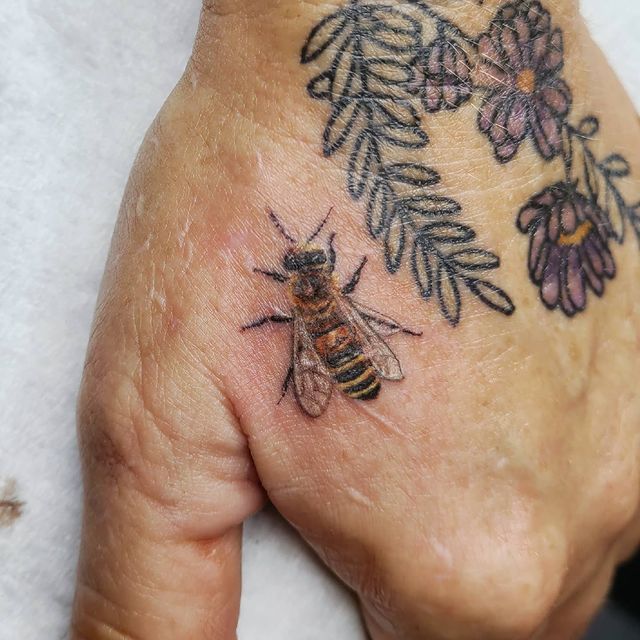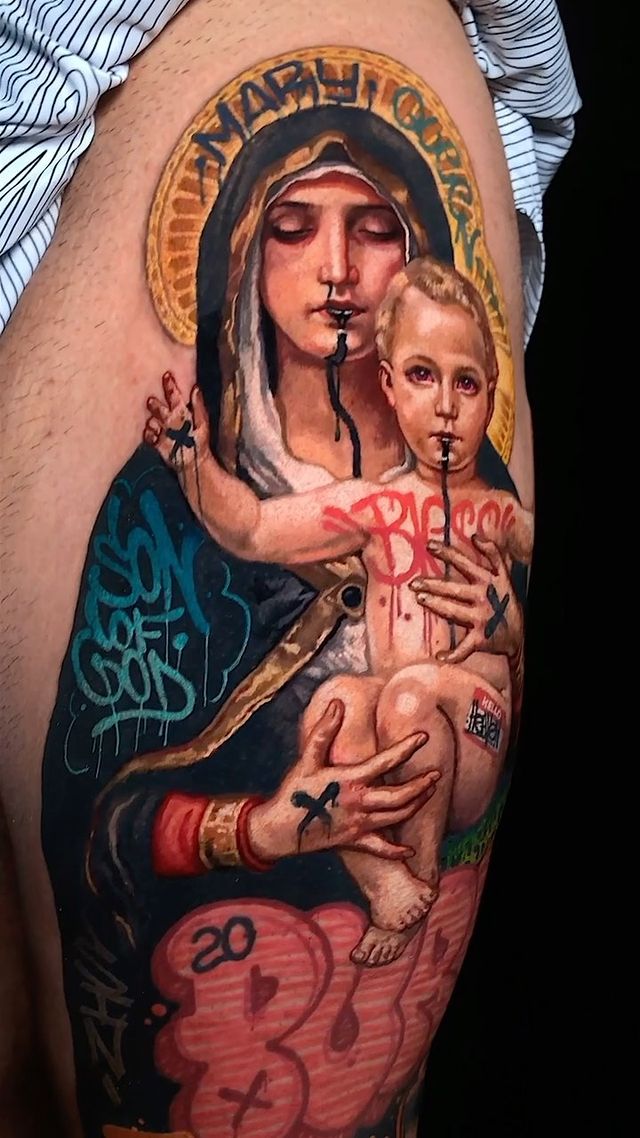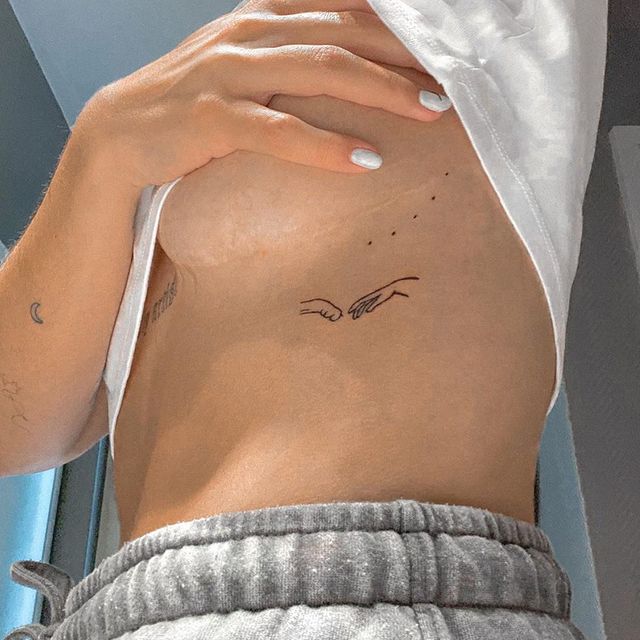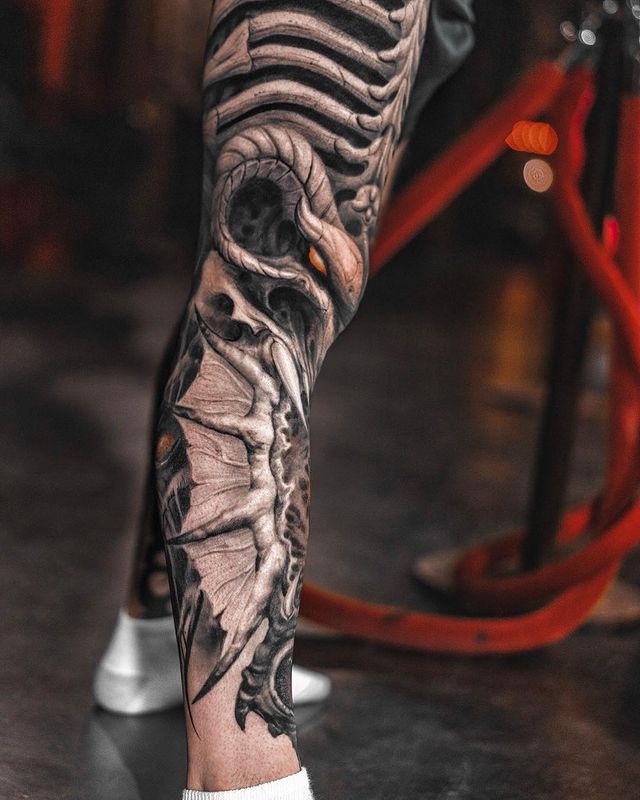
Paul Booth
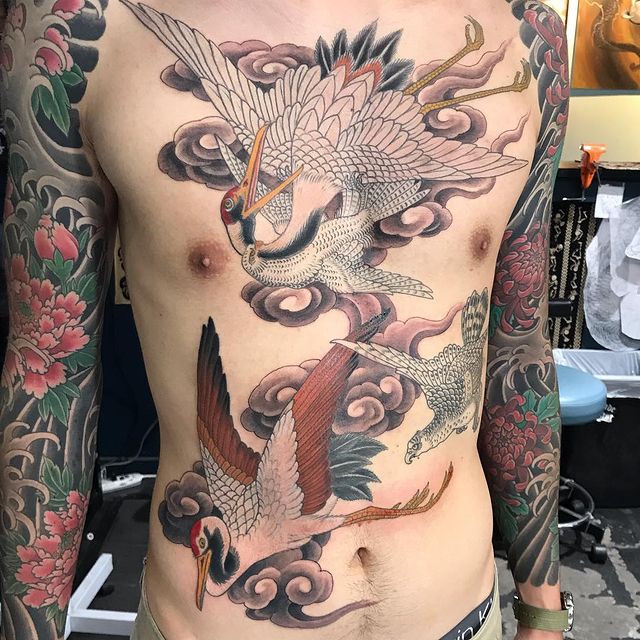
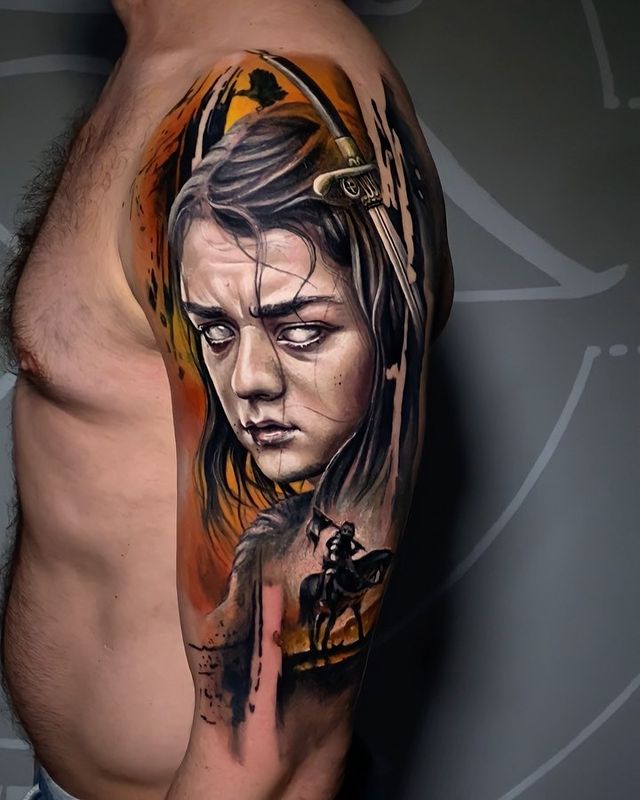
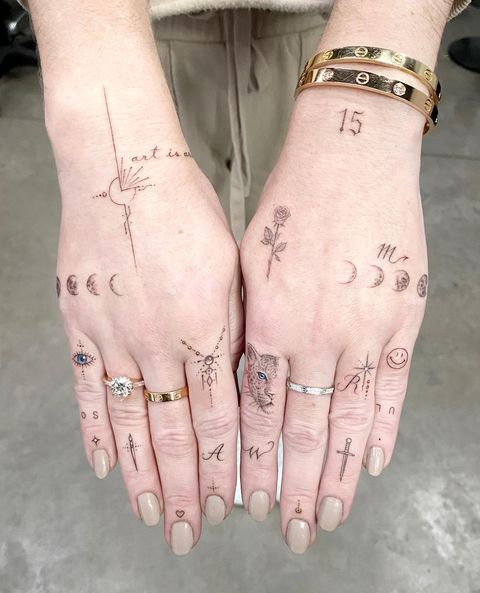
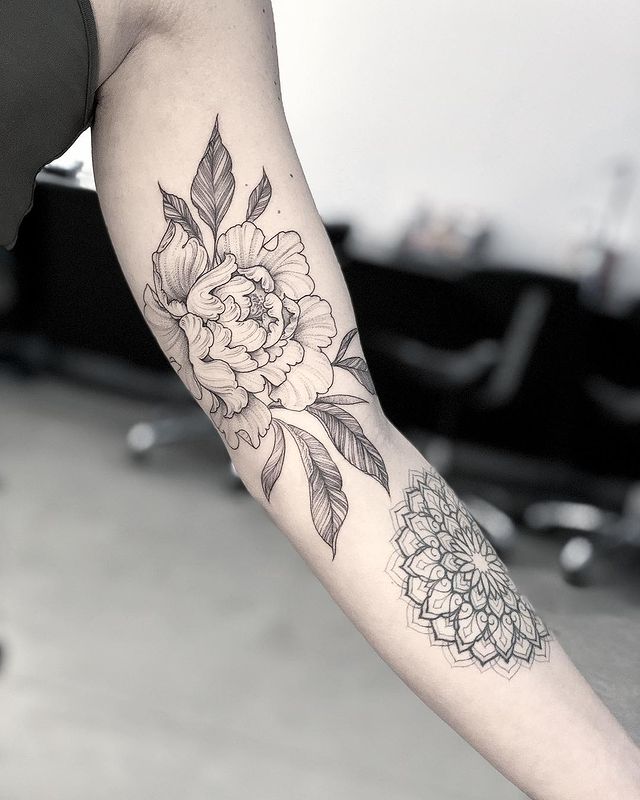
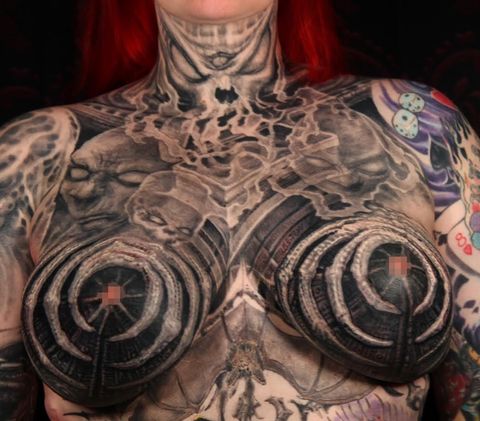
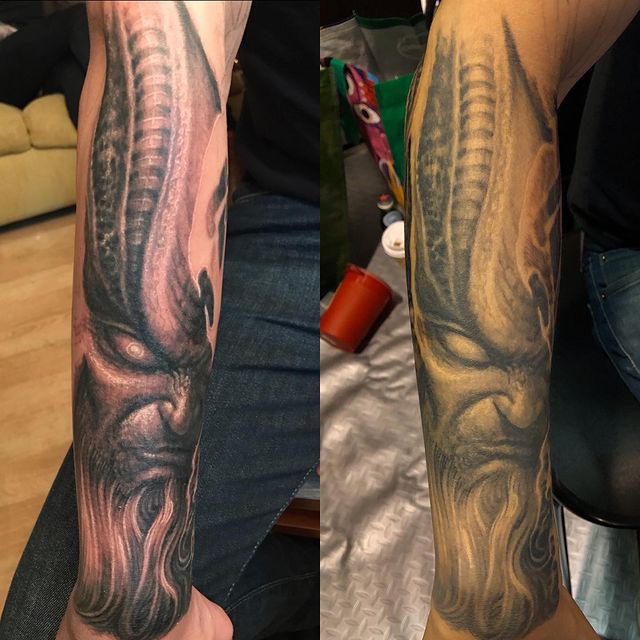
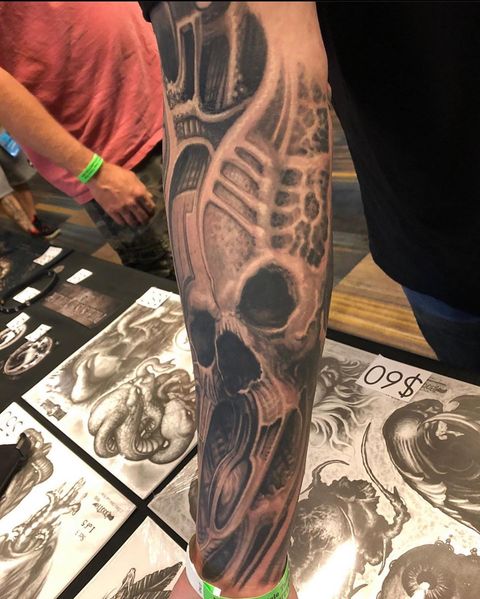
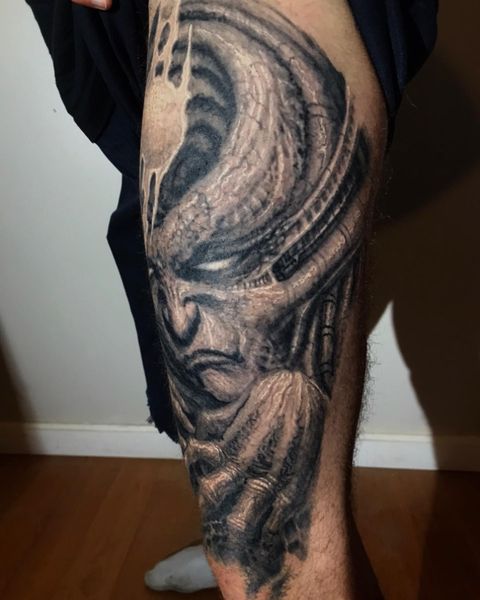
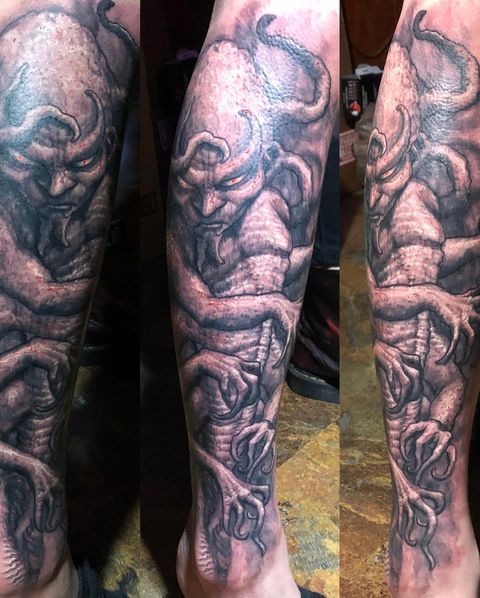
Known for his expertise in the intricate 'black&gray' style, Paul Booth is a renowned tattoo artist based in New York, United States. His stunningly detailed and dark surrealist designs have captivated over 270k followers on Instagram. Through his dedication to his craft, Booth is a master of multiple creative disciplines, ensuring every tattoo is a perfect blend of precision and artistry.
Paul Booth is a black & gray tattoo artist based in New York, NY. With over 274,000 Instagram followers, he stands as one of the most recognized artists working in the black & gray style today. His work focuses on the monochrome tradition, using shading, contrast, and value gradients to create depth and dimension without relying on color. Based in New York, Paul Booth operates in one of the world's most competitive tattoo markets, where black & gray work has deep roots in both fine art and street culture. To book a session or inquire about availability, contact the artist directly through his Instagram or Linktree.
History & Origins
Black & gray tattooing traces back to the prison tattoo tradition of the 1970s, where artists used makeshift tools and limited ink to create shading without color. The style migrated into mainstream shops through Chicano culture in Southern California, where artists refined the technique into the detailed, photorealistic work we see today. Paul Booth emerged from this lineage, bringing black & gray into the fine art conversation. Based in New York, he operates in a city where tattoo culture has evolved from underground to mainstream over four decades. The black & gray approach resonates with collectors who want permanence without the visual noise of color. It ages differently too. Black ink holds its shape longer than most pigments, which means well-executed black & gray work can look sharp for decades. Paul Booth's position in New York puts him at the intersection of street tattoo tradition and gallery-level artistry, a space where black & gray has always thrived.
Defining Characteristics
Black & gray tattooing strips the medium down to value alone. No hue, no saturation, just light and shadow rendered in diluted black ink. The technique relies on washes, where ink is thinned to create gradients from solid black to pale gray. Artists like Paul Booth build images through layers, starting with outlines and filling in shadows progressively. What separates strong black & gray work from average shading is contrast. The darks need to be truly dark, and the lights need to breathe. When this balance clicks, the tattoo reads clearly from across a room and reveals detail up close. Texture matters too. Black & gray can simulate skin, metal, fabric, and organic surfaces through careful dotwork and stippling. Paul Booth's approach to black & gray emphasizes these textural elements, giving his pieces a tactile quality that photographs well and ages with integrity. The absence of color is not a limitation. It is a discipline.
Popular Motifs & Subjects
Black & gray lends itself to subjects that carry weight. Portraits, both realistic and stylized, are a natural fit because the style mirrors black-and-white photography. Skulls, religious iconography, and mythological figures appear frequently in black & gray portfolios because the monochrome palette amplifies their gravity. Paul Booth's work sits squarely in this territory. Dark imagery, macabre themes, and surreal compositions are hallmarks of his output. These subjects work in black & gray because they do not need color to communicate mood. A skull in gray wash reads as somber. A portrait in stippled shading reads as reverent. Animals, particularly predators and creatures associated with death or transformation, also feature heavily. Eagles, wolves, snakes, and insects all translate well into the high-contrast language of black ink. Floral motifs, especially roses and lotuses, gain a sculptural quality when rendered without color, relying on shadow to define petals and leaves instead.
Placement & Sizing
Black & gray tattoos perform differently depending on where they sit on the body. Large, flat surfaces like the back, chest, and thigh give the artist room to build contrast and detail. These areas hold fine shading well and allow the tattoo to breathe. Paul Booth's larger pieces benefit from this kind of real estate. Sleeves, both full and partial, are another strong canvas for black & gray. The arm's cylindrical shape creates natural flow, and the style's reliance on value over color means the design reads clearly even as it wraps around the limb. Smaller placements like the forearm, calf, or ribs work too, but the design needs to be simplified. Dense black & gray shading compressed into a small space can muddy over time as ink spreads under the skin. Quick tip: if you are considering a smaller piece, prioritize bold contrast over fine detail. It will hold up better as years pass.
Choosing an Artist
Selecting a black & gray artist requires looking beyond the portfolio highlights. Every tattooer posts their best work. What matters is consistency. Scroll through an artist's feed and look at healed work, not just fresh pieces. Black & gray ages differently than color. Shading that looks crisp at two weeks can soften dramatically at two years. Paul Booth's extensive portfolio and large following suggest a track record of consistent output, but you should still verify that his healed work meets your standards. Communication matters too. Reach out with a clear idea of what you want, including reference images and placement preferences. Be upfront about your budget and timeline. If an artist's books are closed, ask when they plan to reopen. Respect the process. Good black & gray work takes time, and artists who rush rarely produce their best. Find artists near you through directories, compare portfolios, and book a consultation before committing.
Explore more
Frequently Asked Questions
What style of tattoos does Paul Booth specialize in?
Paul Booth specializes in black & gray tattoos. This style uses only black ink diluted to different concentrations to create shades of gray, producing depth and dimension without color.
How do I book an appointment with Paul Booth?
Contact Paul Booth directly through his Instagram (@paulbooth) or his Linktree page. Booking details, pricing, and availability should be confirmed directly with the artist.
Where is Paul Booth located?
Paul Booth is based in New York, NY. For the specific studio location and hours, contact the artist directly.
How popular is Paul Booth on social media?
Paul Booth has over 274,000 followers on Instagram, making him one of the most followed black & gray tattoo artists working in New York.
Does Paul Booth accept walk-ins?
Contact the artist directly to confirm whether walk-ins are accepted. Most established black & gray artists in New York work by appointment only.