
Matt Beckerich
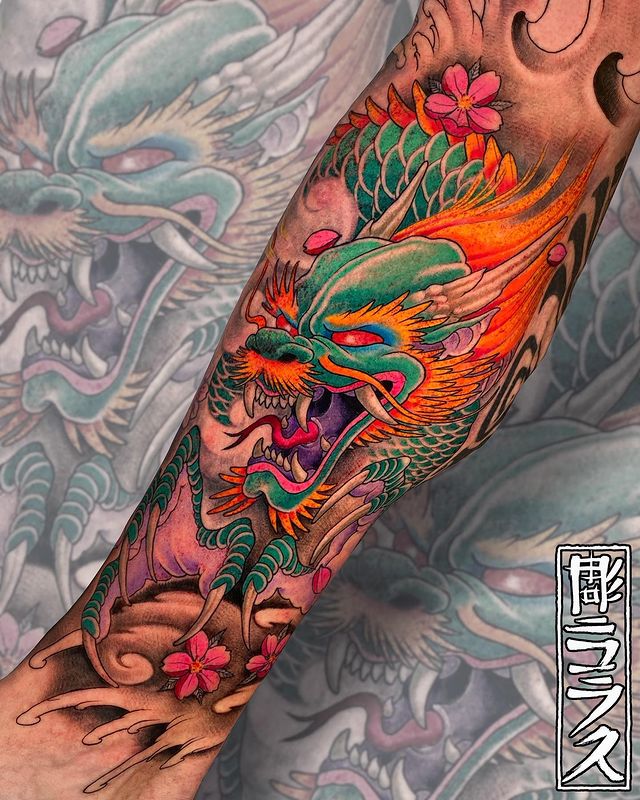
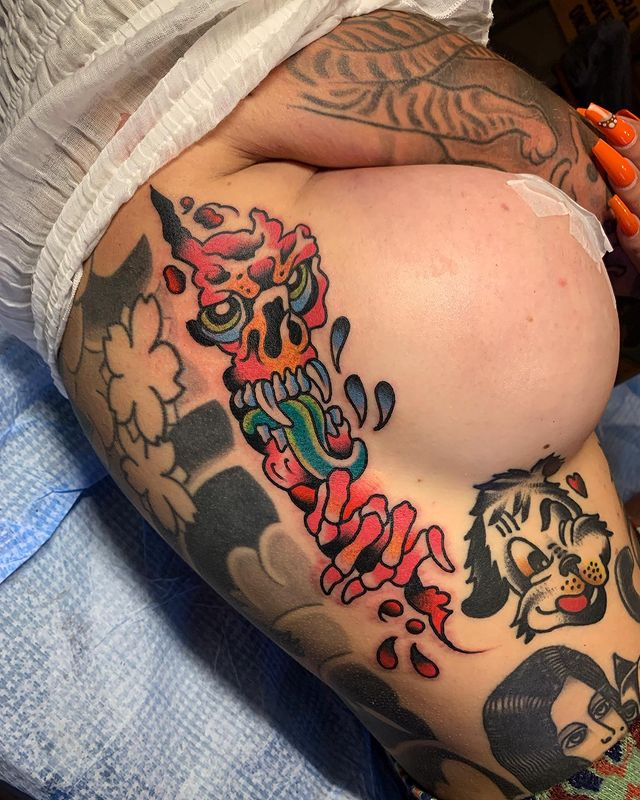
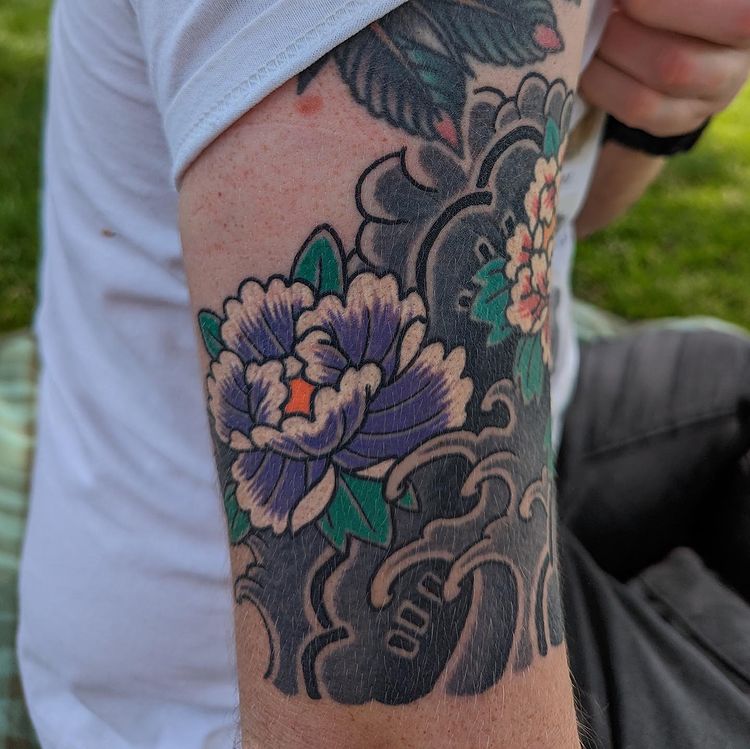
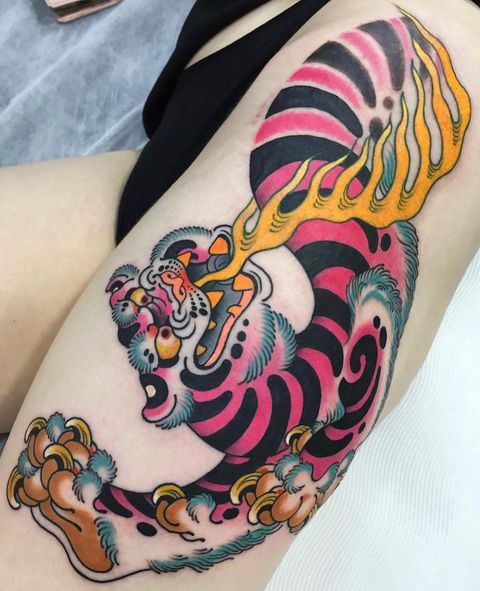
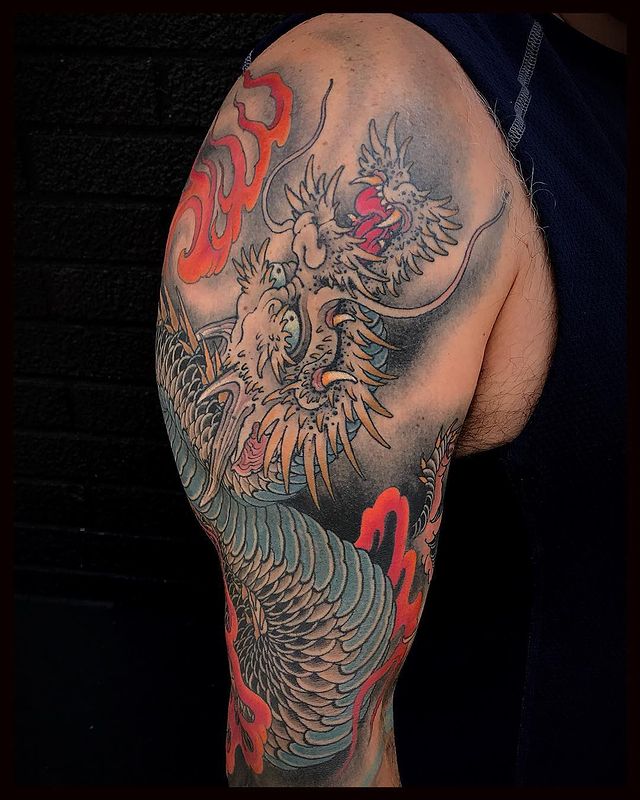
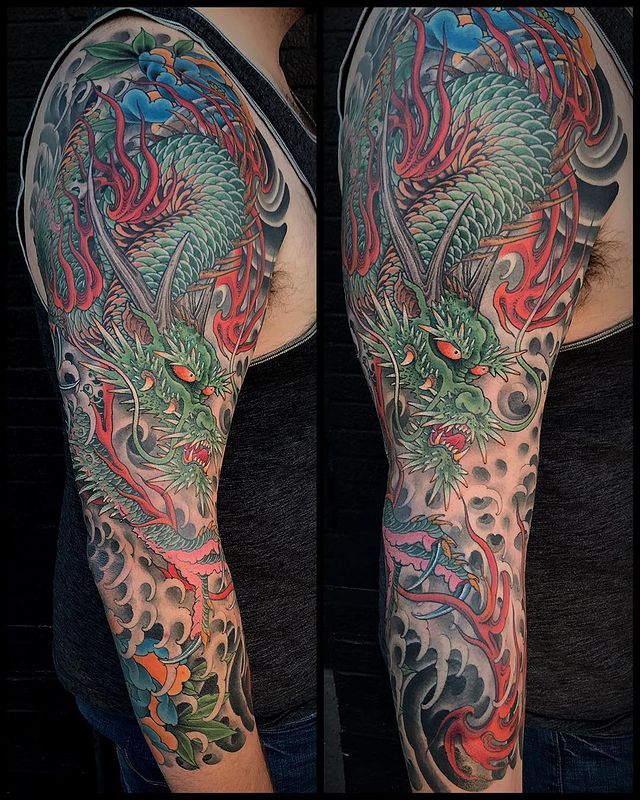
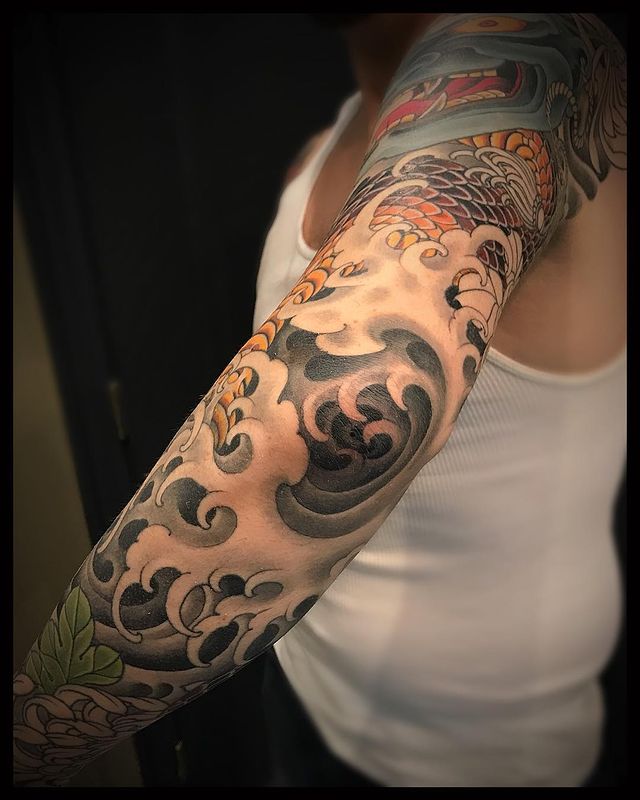
Matt Beckerich is an exceptional tattoo artist specializing in Japanese style tattoos, operating from Massapequa, United States. As the co-founder of Fountainhead New York, he has built a strong reputation and attracted a substantial following of over 86,000 on Instagram. His unrivaled skill level is demonstrated through his exquisite artwork, making him a sought-after figure in the industry.
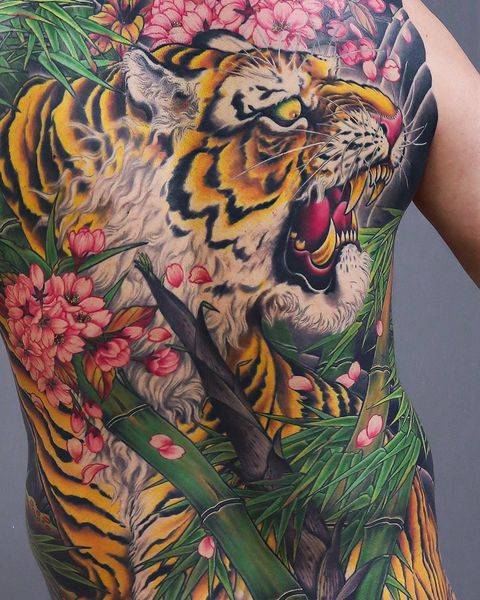
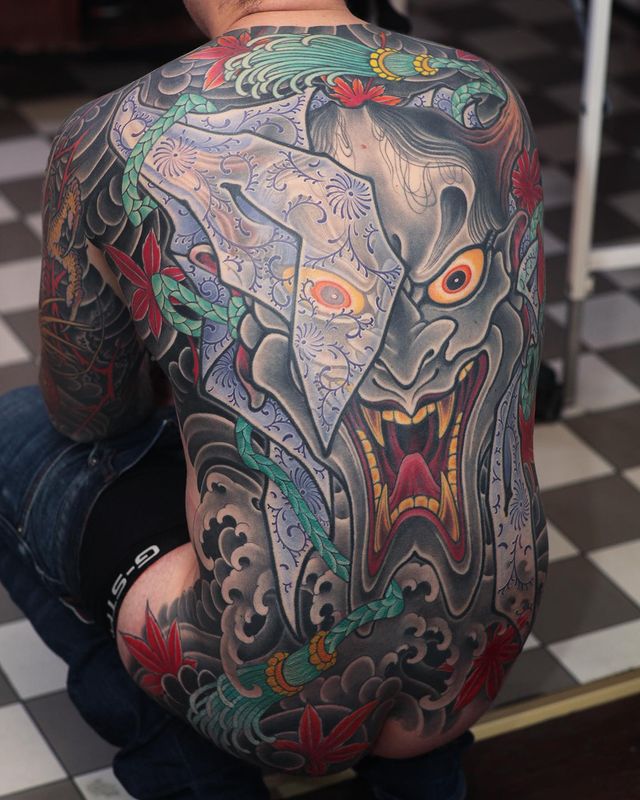
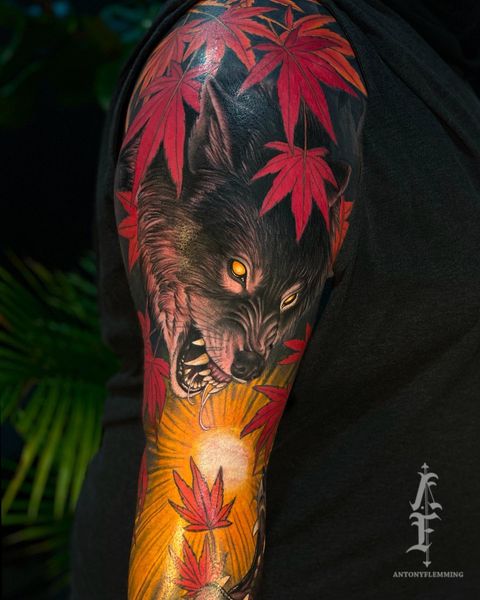
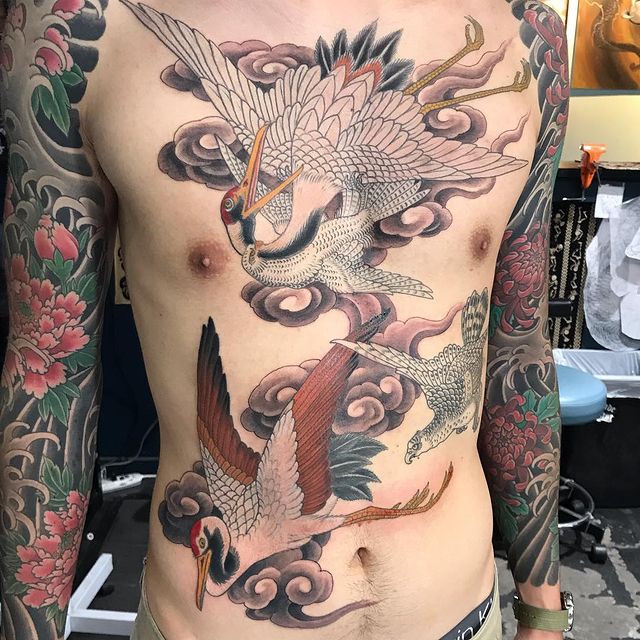
Matt Beckerich is a Japanese tattoo artist based in Massapequa, New York, specializing in traditional Japanese tattooing. With over 86,000 Instagram followers, he has built a strong reputation for bold, large-scale Japanese compositions. His work draws from classic Japanese tattoo traditions, featuring motifs like koi fish, dragons, cherry blossoms, and warrior figures. Beckerich operates through Fountainhead NY in Massapequa. Whether you are planning a full sleeve, back piece, or smaller Japanese-inspired design, his portfolio demonstrates consistent quality in this demanding style. Contact the studio directly for booking, pricing, and consultation details.
History & Origins
Japanese tattooing, or irezumi, has roots stretching back centuries. Originally used as spiritual protection and markers of social status, the practice evolved through the Edo period (1603-1868) into the elaborate, full-body art form recognized today. Woodblock prints from artists like Kuniyoshi directly influenced tattoo imagery, introducing heroes, mythological creatures, and nature scenes that remain central to the style. The tradition carries weight. Japanese tattooing was historically marginalized, even criminalized in Japan, which adds layers of cultural significance to the imagery. Artists working in this style today carry responsibility to understand that context. Matt Beckerich works within this lineage from his studio in Massapequa, New York. His focus on Japanese tattooing means engaging with a visual language that has deep cultural roots, from the specific ways waves are rendered to the symbolic meaning behind each creature. Understanding these origins matters for anyone considering a Japanese tattoo, because the motifs are not just decorative. They carry stories, warnings, and blessings passed down through generations of tattooists and their clients.
Defining Characteristics
Japanese tattooing has several defining traits that set it apart from other styles. The most obvious is scale. Traditional Japanese work flows with the body rather than sitting on it. Sleeves, back pieces, and full bodysuits use the natural contours of muscle and bone to create compositions that move with the wearer. Background elements matter as much as the foreground. Wind bars, water, and clouds fill the negative space and give the piece rhythm. This is not blank space to be skipped. It is structural. Color palettes tend to be bold and limited. Black outlines anchor the design, with red, yellow, and green appearing in specific traditional combinations. The contrast between saturated color and deep black creates the visual punch Japanese work is known for. Matt Beckerich's work demonstrates these principles. His Instagram portfolio shows consistent use of traditional composition, bold outlines, and the flowing background work that distinguishes authentic Japanese tattooing from looser interpretations. For anyone considering this style, recognizing these characteristics helps you evaluate whether an artist truly works within the tradition or simply borrows surface-level aesthetics.
Popular Motifs & Subjects
Japanese tattooing draws from a well-established visual vocabulary. Koi fish represent perseverance and strength, often shown swimming upstream. Dragons symbolize wisdom and protection, rendered differently than their Western counterparts. Cherry blossoms remind the wearer of life's fleeting nature. Warriors and heroes from Japanese folklore carry narratives of loyalty, courage, and honor. Snakes, tigers, phoenixes, and demons each carry specific symbolic weight. The real question is not just what looks cool, but what story you want living on your skin. A koi swimming upward means something different than one swimming downward. A dragon without claws has a different meaning than one reaching forward. These distinctions matter. Matt Beckerich's specialty in Japanese tattooing means working within this established symbolic system. His portfolio on Instagram showcases his command of these traditional subjects. When choosing a motif, consider what resonates with your own story rather than picking purely on aesthetics. Browse tattoo ideas to explore Japanese motifs and their meanings before committing to a design.
Placement & Sizing
Japanese tattooing and small do not mix well. The style demands space. Traditional placements follow the body's natural divisions. Full sleeves run from shoulder to wrist. Back pieces cover the entire back. Half sleeves, thigh pieces, and chest panels each have conventional boundaries that experienced Japanese tattooers respect. What most people miss is that the background is part of the tattoo. Wind, water, and clouds extend beyond the main subject, sometimes wrapping around the body. A small Japanese tattoo often ends up looking cramped because the style needs breathing room for these elements. This is why consultation matters. Matt Beckerich works in Massapequa and can assess whether your vision fits the style's requirements. A skilled Japanese tattooer will tell you honestly if a placement works or if adjustments are needed. Contact the studio directly to discuss placement options. If you are planning a larger piece like a sleeve, expect multiple sessions. Japanese work at this level is an investment of both time and money.
Choosing an Artist
Not every tattooer should attempt Japanese work. The style requires specific technical skills. Bold, consistent outlines. Smooth color saturation. Understanding of how traditional backgrounds interact with foreground subjects. Knowledge of the symbolic system behind the imagery. Matt Beckerich has built his reputation specifically in Japanese tattooing, with over 86,000 followers tracking his progress. That focus matters. When evaluating any Japanese tattoo artist, look at their portfolio with specific criteria. Do the outlines hold weight? Does the background flow naturally around the body? Are the color choices traditional or arbitrary? Does the artist show understanding of the cultural context behind the motifs? Check healed photos, not just fresh work. Japanese tattooing ages differently than other styles, and an experienced artist knows how to pack ink so it stays bold over decades. If you are in the Massapequa area or willing to travel, Beckerich's specialization makes him worth considering. Find tattoo artists in your area through our directory, or explore more Japanese tattoo styles to understand what you want before reaching out.
Explore more
Frequently Asked Questions
What style of tattooing does Matt Beckerich specialize in?
Matt Beckerich specializes in Japanese tattooing. His work focuses on traditional Japanese motifs and large-scale compositions, including full sleeves and back pieces.
Where is Matt Beckerich located?
Matt Beckerich is based in Massapequa, New York. He works through Fountainhead NY, his studio in the area.
How can I book a tattoo with Matt Beckerich?
You can reach Matt Beckerich through his website at fountainheadny.com or via his Instagram @mattbeckerich. Contact the studio directly for booking details, pricing, and availability.
How many followers does Matt Beckerich have on Instagram?
Matt Beckerich has over 86,000 followers on Instagram, reflecting his established reputation in the Japanese tattoo community.
Does Matt Beckerich accept walk-ins?
Contact the studio directly to confirm whether walk-ins are available. Most Japanese tattoo artists work by appointment due to the scale and detail their style requires.