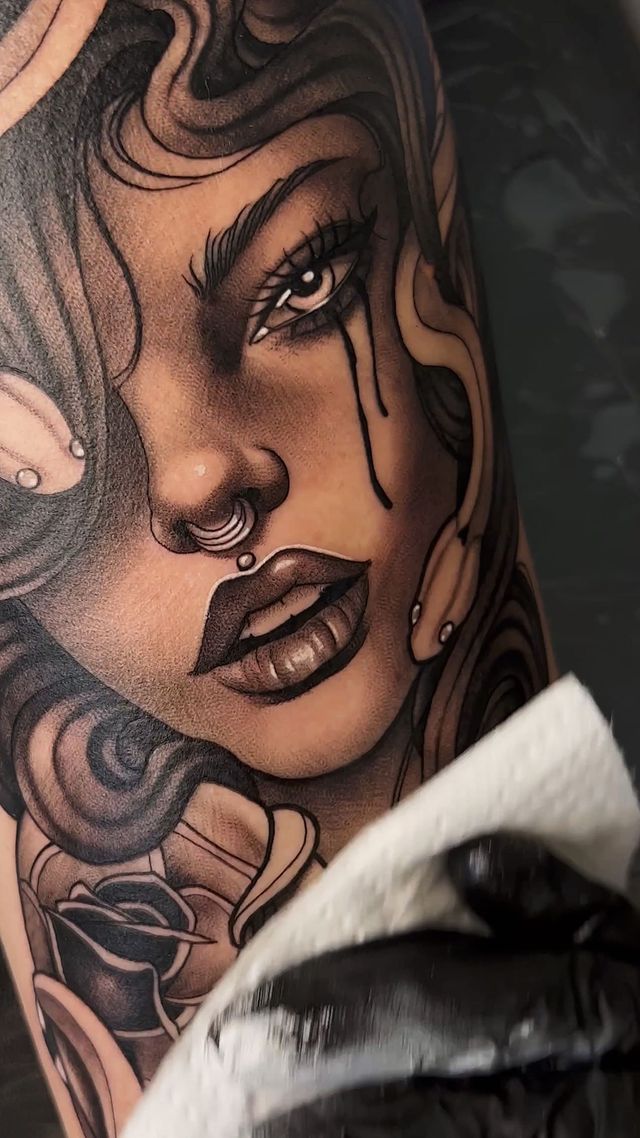
Laura Ortiz
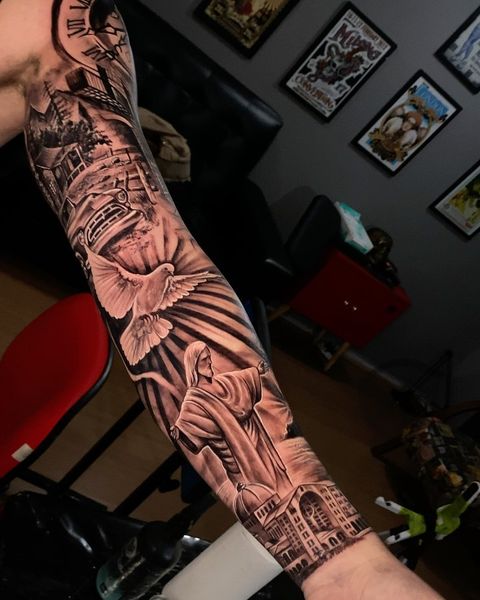
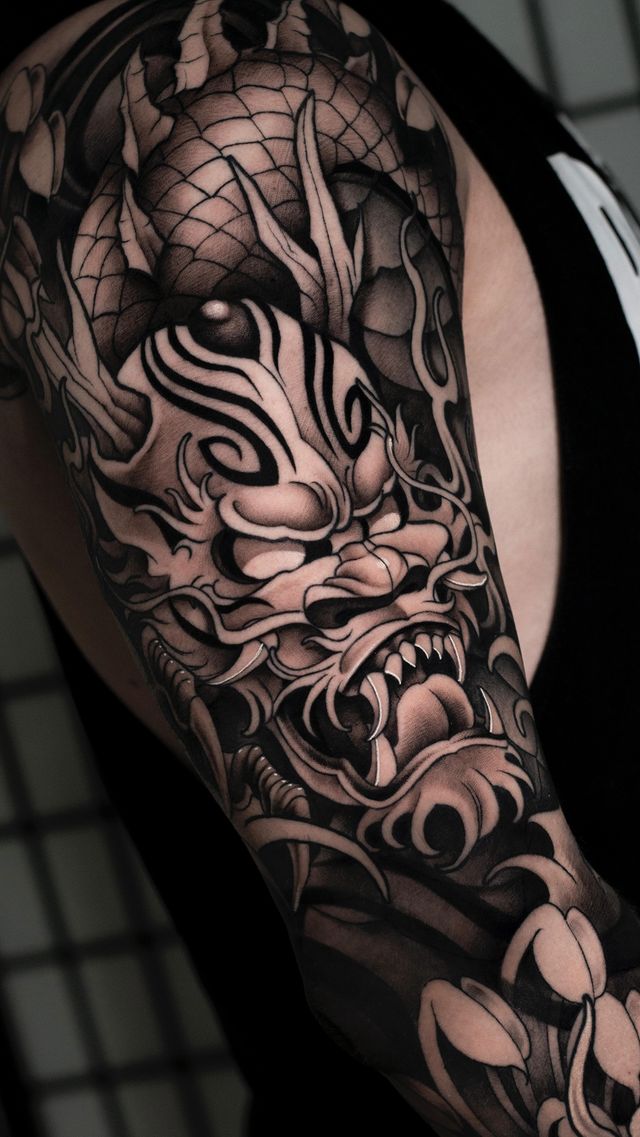
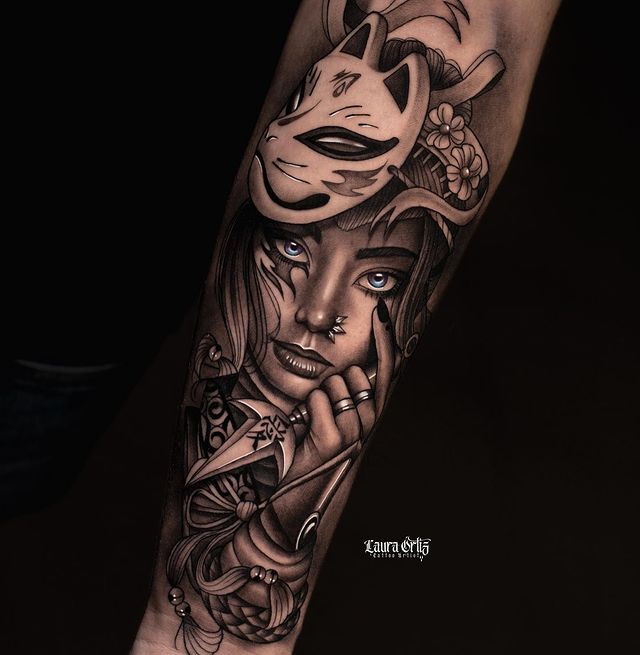
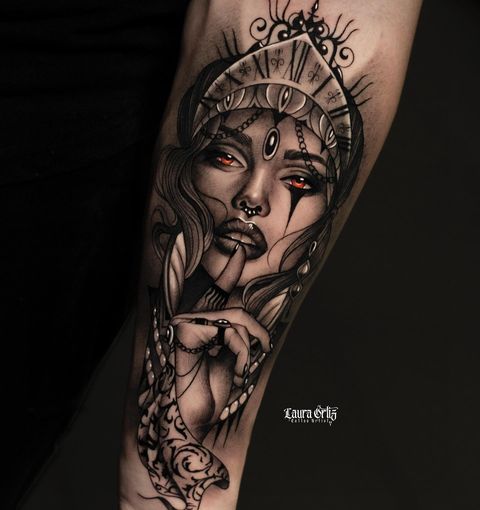
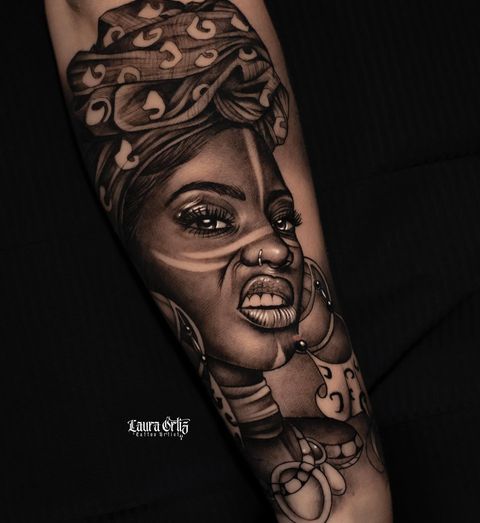
Laura Ortiz, a distinguished tattoo artist based in Marbella, Spain, specializes in the black and gray and realism styles. With a considerable Instagram following of roughly 140,000, her talent is undoubtedly recognized widely. She takes pride in her affiliation with renowned brands such as tattoo proton, kwadron, and radiant colors ink, further cementing her professionalism in the industry.
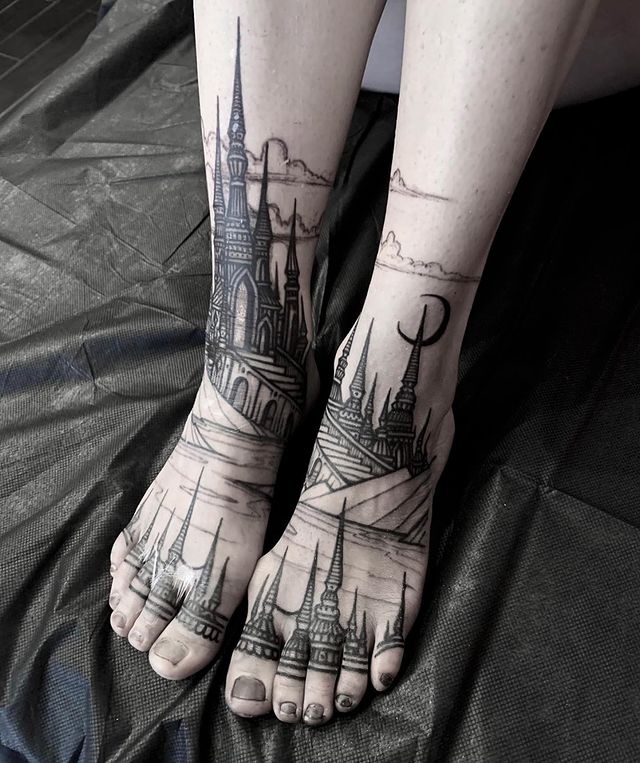
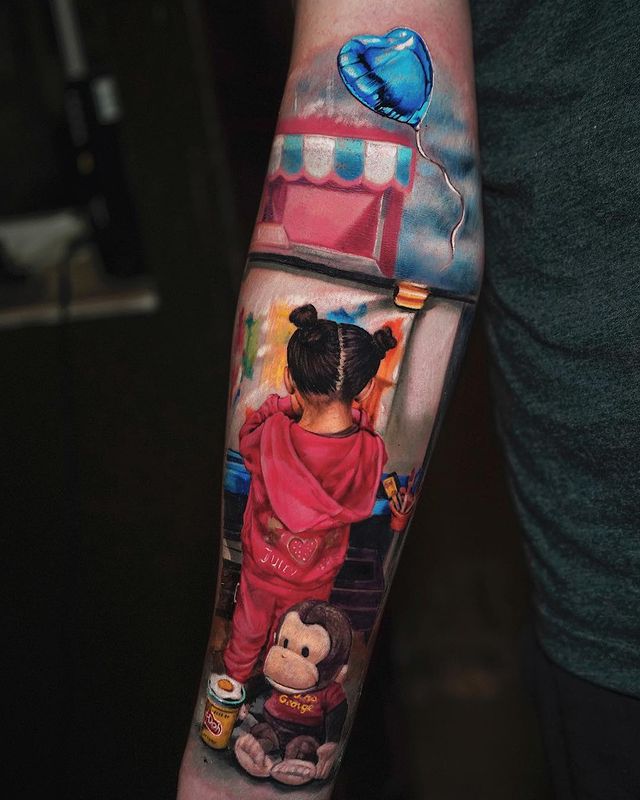
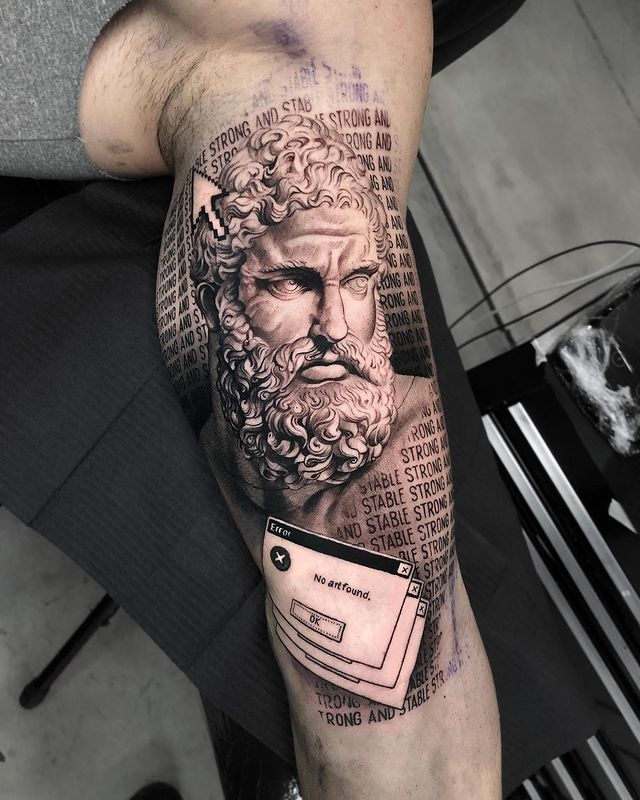
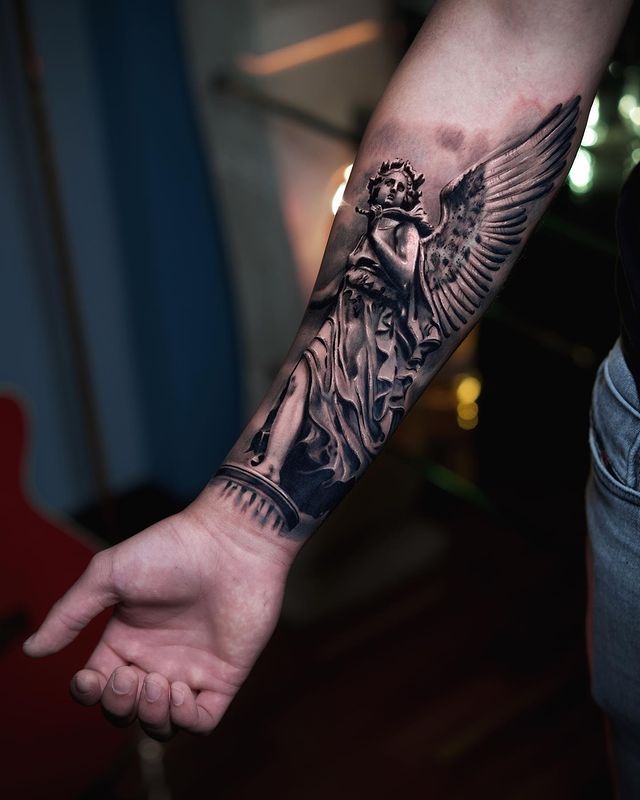
Laura Ortiz is a tattoo artist based in Marbella, Andalucía, Spain, specializing in black & gray realism. With over 141,000 followers on Instagram, she has built a strong reputation for photorealistic tattoo work rendered entirely in grayscale ink. Her portfolio showcases detailed portraits, animal studies, and figurative compositions that rely on precise shading and value contrast rather than color. Laura operates independently in the Marbella area and accepts bookings through her website. If you are looking for a black & gray realism specialist on the Costa del Sol, Laura Ortiz is one of the most visible artists working in that style today.
Black & Gray Realism: What Sets It Apart
Black & gray realism is one of the most technically demanding styles in tattooing. It strips away color entirely and forces the artist to communicate form, texture, and light using only value. That means every shading pass matters. A single heavy hand can flatten a portrait. A missed highlight can kill the illusion of depth. Laura Ortiz works exclusively in this discipline, and her follower count, over 141,000 on Instagram, reflects how her output resonates with collectors who appreciate the difficulty. Realism in black & gray requires a slow, layered approach. The artist builds from light to dark, often working across multiple sessions to let ink settle before adding more density. This is not a style that rewards speed. The best black & gray artists treat skin like a tonal surface, mapping highlights and shadows before a single needle touches the arm or back. When done right, the result reads like a photograph printed on skin.
Technique & Approach
Black & gray realism relies on a handful of core techniques: whip shading, stippling, smooth gradients, and crisp line work where needed. The challenge is making transitions between values look seamless. No visible banding, no patchy healing, no muddy midtones. Laura Ortiz's work demonstrates strong control over these transitions. Her pieces hold up at both close range and from across a room, which is the real test. Portraits demand accurate proportions and a solid understanding of facial anatomy. Animal studies require fur texture that reads without being overworked. Figurative pieces need gesture and weight. The best realism tattooers also understand how skin undertones affect ink. Warmer skin can pull black ink toward brown or green over time, so experienced artists adjust their dilutions and saturation accordingly. This kind of foresight separates a tattoo that ages well from one that blows out after two years. If you are considering black & gray realism, ask any artist about their healing results, not just their fresh photos.
Popular Motifs & Subjects in Black & Gray Realism
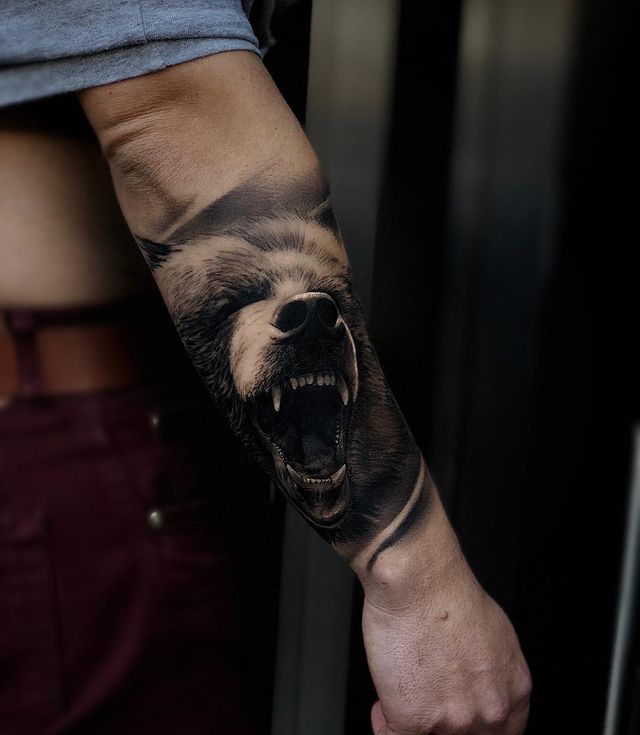
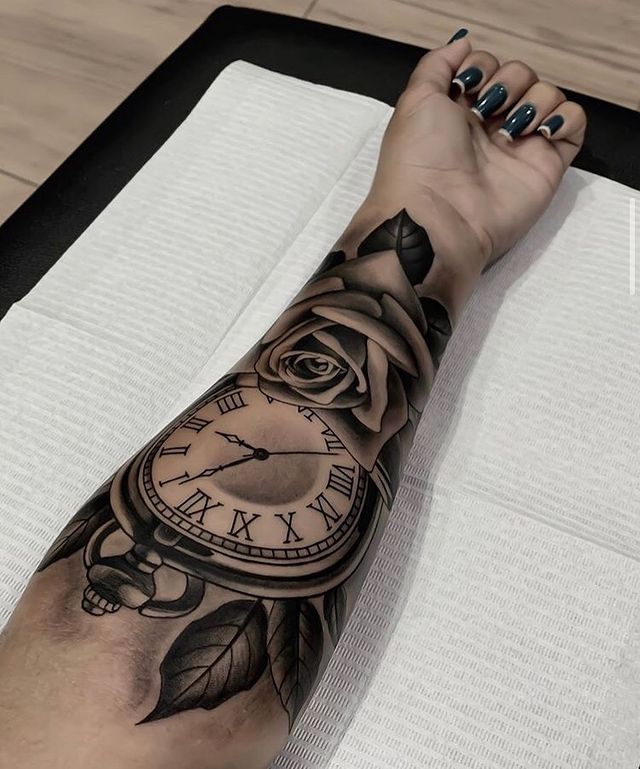
Portraits dominate black & gray realism, whether of family members, cultural icons, or fictional characters. The style lends itself to anything with strong tonal contrast. Animal portraits, especially big cats, wolves, and eagles, are common because fur and feathers give the artist a chance to show off texture work. Religious imagery also has deep roots in black & gray, tracing back to the Chicano tattoo tradition in California prisons, where colored ink was scarce and resourceful artists built entire visual languages in grayscale. Skulls, roses, and religious figures remain staples of that lineage. Floral realism has grown popular too, particularly roses and lotuses rendered with petal-by-petal shading. Some collectors choose black & gray for its timelessness. Color trends come and go, but a well-executed grayscale piece holds its visual weight decade after decade. Laura Ortiz's portfolio reflects this range. Her Instagram feed shows a mix of portraits, animals, and figurative compositions, all rendered with the tonal precision the style demands.
Placement & Sizing for Realism Tattoos
Realism needs space. That is the simplest and most important placement rule. A photorealistic portrait compressed onto an ankle or finger will lose the detail that makes it read as realism in the first place. The outer forearm, upper arm, thigh, calf, and back are the most common placements for black & gray realism because they offer large, relatively flat surfaces with minimal distortion from movement. The inner forearm and ribs can also work, but the skin there stretches and compresses, which can affect how fine details heal over time. Size matters for longevity too. A small realism piece may look sharp on day one, but ink spreads under the skin as years pass. What reads as a crisp eyelid today can blur into a smudge in five years if the original design was too small. Most experienced realism artists recommend a minimum size, often around six inches for a portrait, to give the design room to breathe and age gracefully. Talk to Laura Ortiz directly about minimum sizing for your specific concept.
How to Choose a Realism Artist
Choosing a realism artist comes down to healed work, not just fresh photos. Any competent tattooer can make ink look good on day one. The real question is how it looks six months, a year, or five years later. Ask to see healed photos. If an artist only posts fresh pieces, that is a red flag. Look for smooth value transitions in healed work, no patchiness, no blown-out lines, no loss of detail in the midtones. Location matters too. Traveling for a tattoo is common in the realism community, but it adds cost and limits your ability to do multiple sessions easily. Laura Ortiz is based in Marbella, which makes her accessible to collectors along the Costa del Sol and across southern Spain. If you are outside the region, factor in travel when budgeting. Finally, communication style counts. A good realism artist will tell you if your reference photo will not translate well to skin. They will suggest adjustments rather than just copying an image. Reach out through her website or Instagram to start that conversation.
Explore more
Frequently Asked Questions
What tattoo styles does Laura Ortiz specialize in?
Laura Ortiz specializes in black & gray and realism tattooing. Her work focuses on photorealistic designs rendered in grayscale, using shading and contrast to achieve depth and detail without color.
Where is Laura Ortiz based?
Laura Ortiz is based in Marbella, Andalucía, Spain. She works in the Marbella area along the Costa del Sol.
How do I book a tattoo appointment with Laura Ortiz?
You can book an appointment with Laura Ortiz through her website at seminariovivilaura.com or by messaging her on Instagram at @lauraortiztattoo. Contact the artist directly to discuss availability, pricing, and consultation details.
How popular is Laura Ortiz on social media?
Laura Ortiz has over 141,000 followers on Instagram, making her one of the more widely followed black & gray realism tattoo artists in southern Spain.
Does Laura Ortiz do color tattoos?
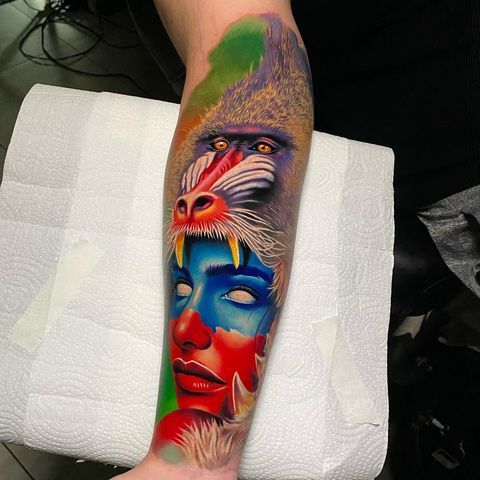
Laura Ortiz's listed specialties are black & gray and realism. While she may take on other work, her portfolio and public focus center on grayscale realism. Contact her directly to discuss whether she accepts color projects.