Kirsten Pettitt
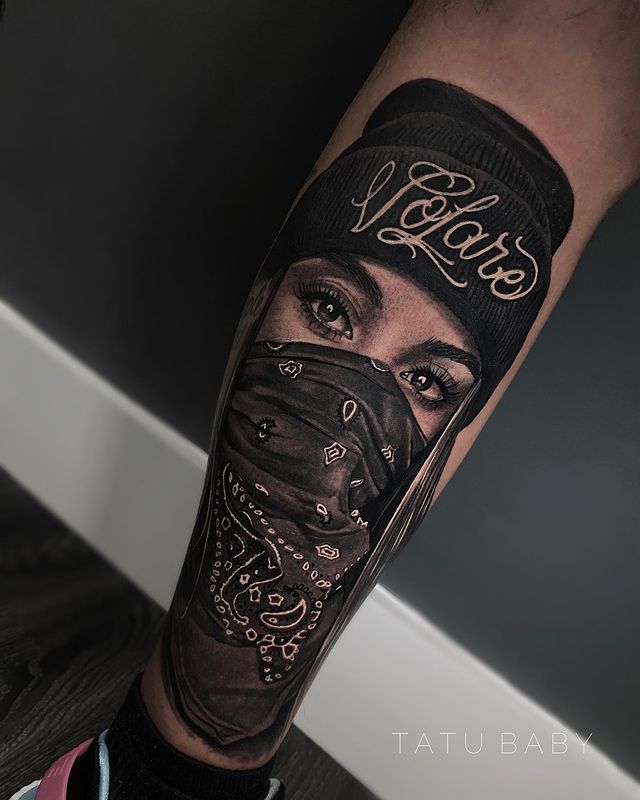
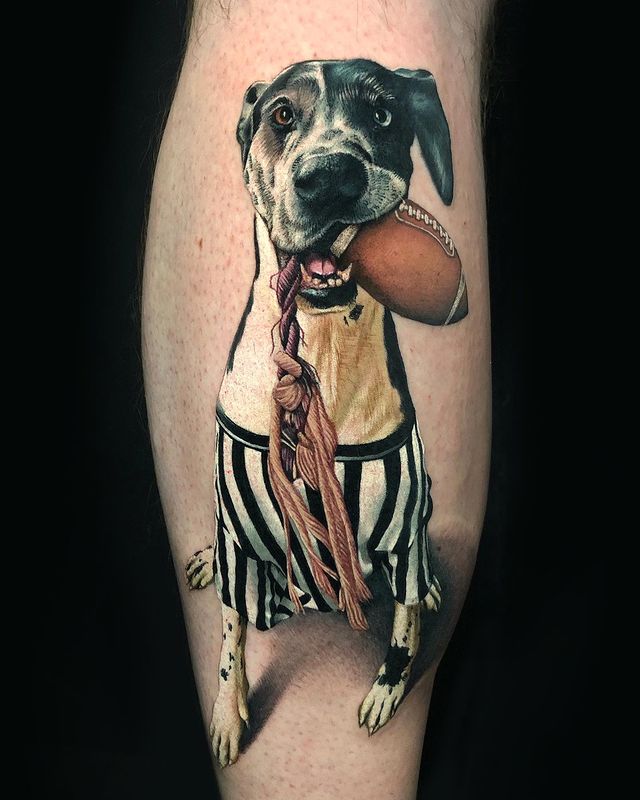
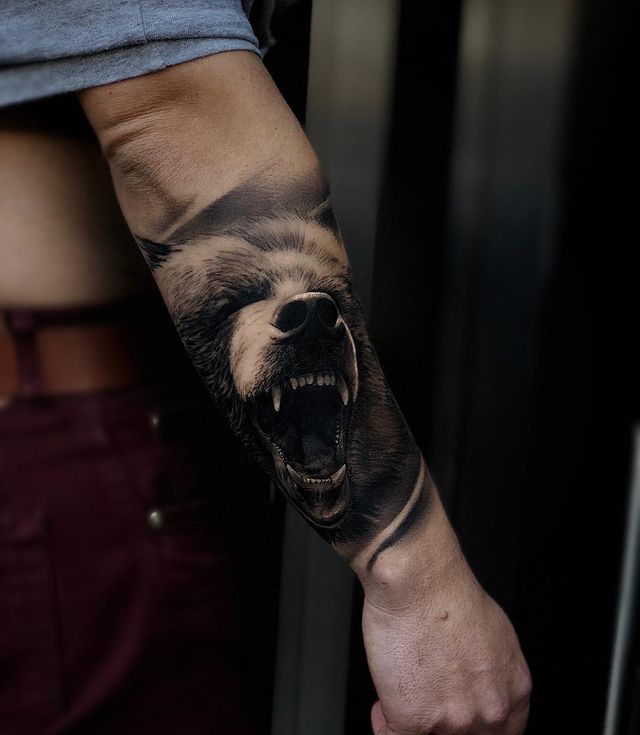
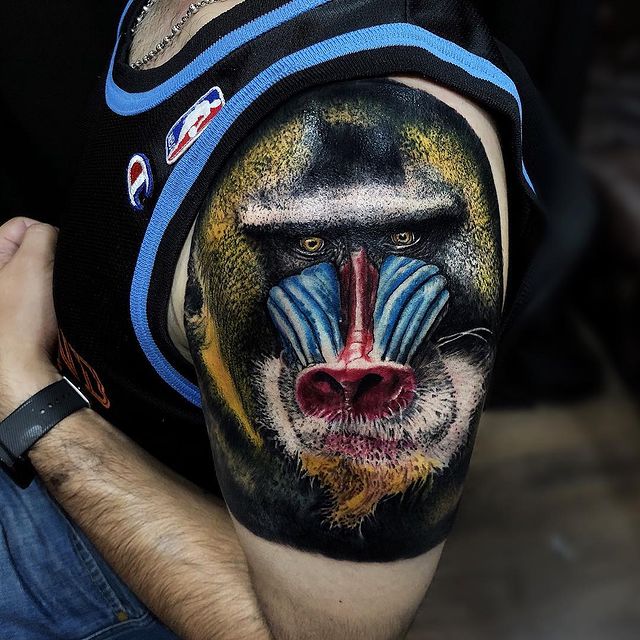
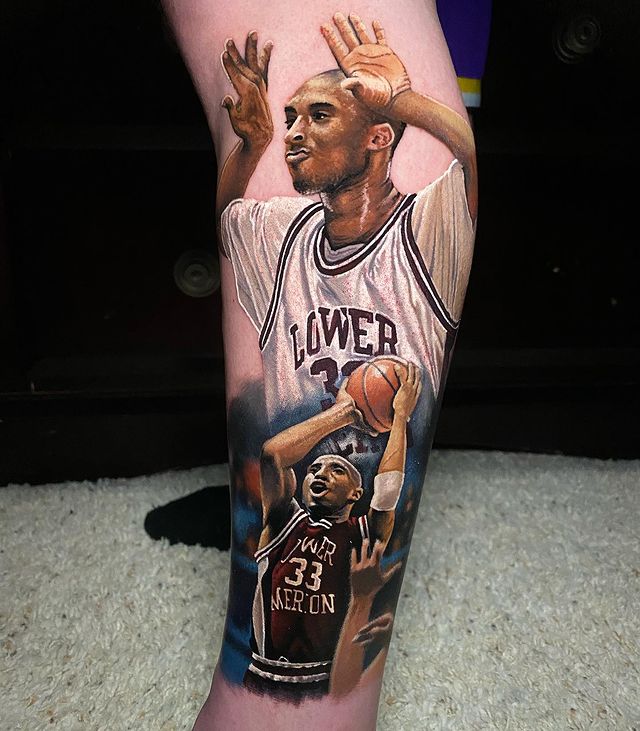
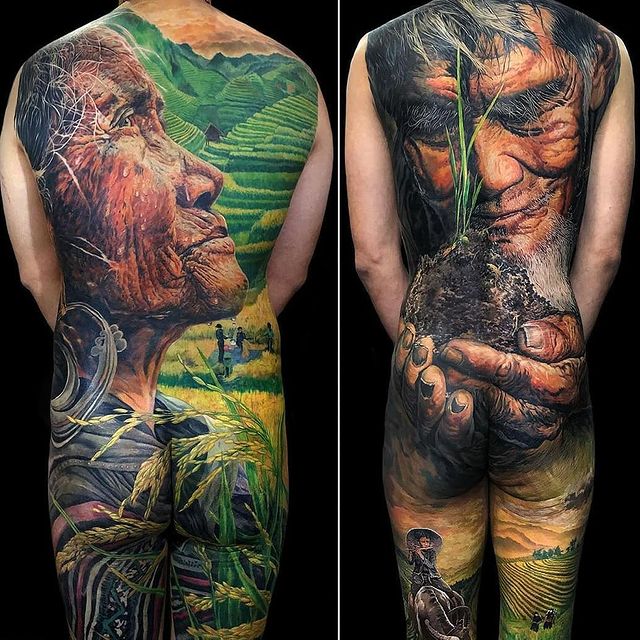
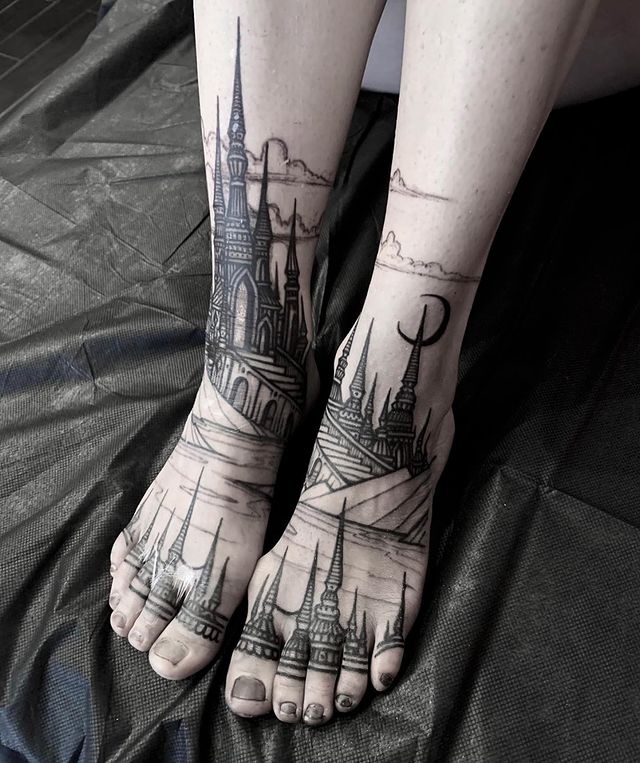
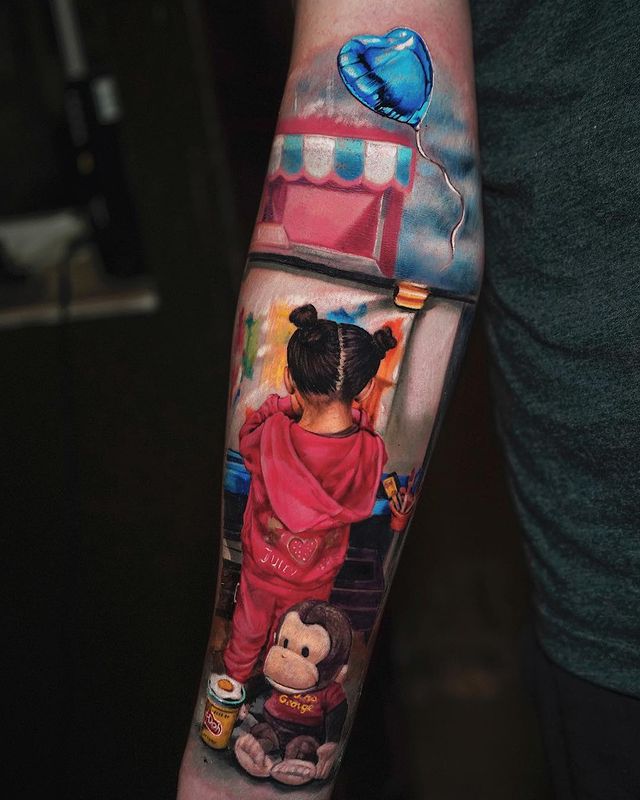
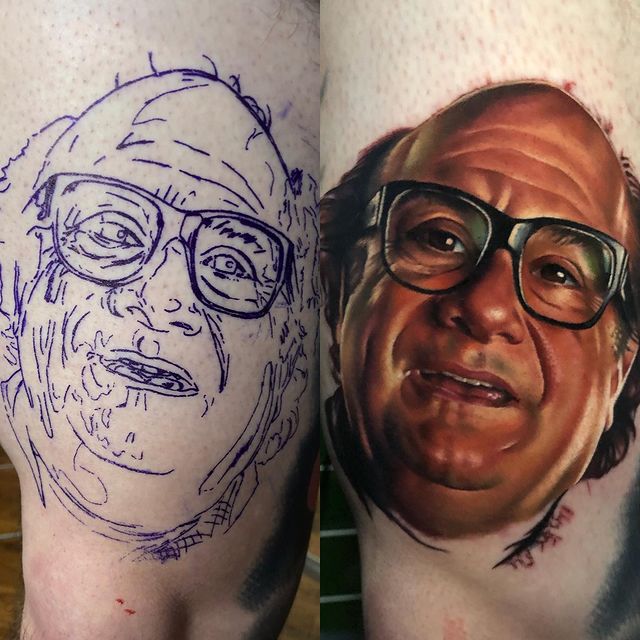
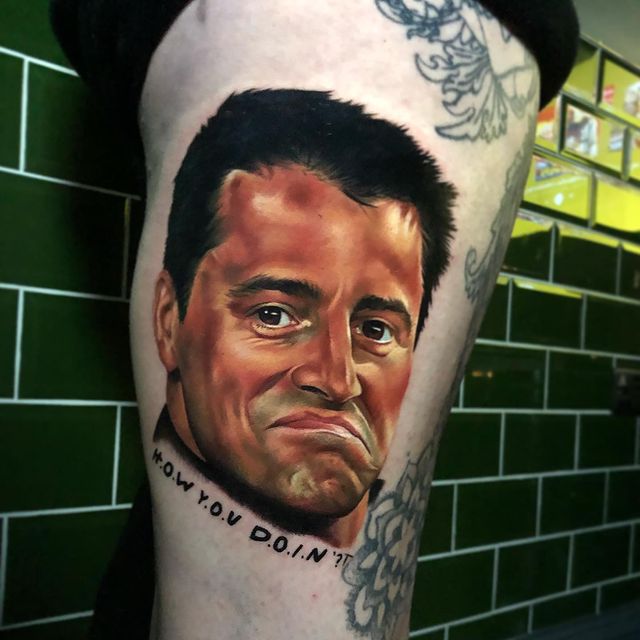
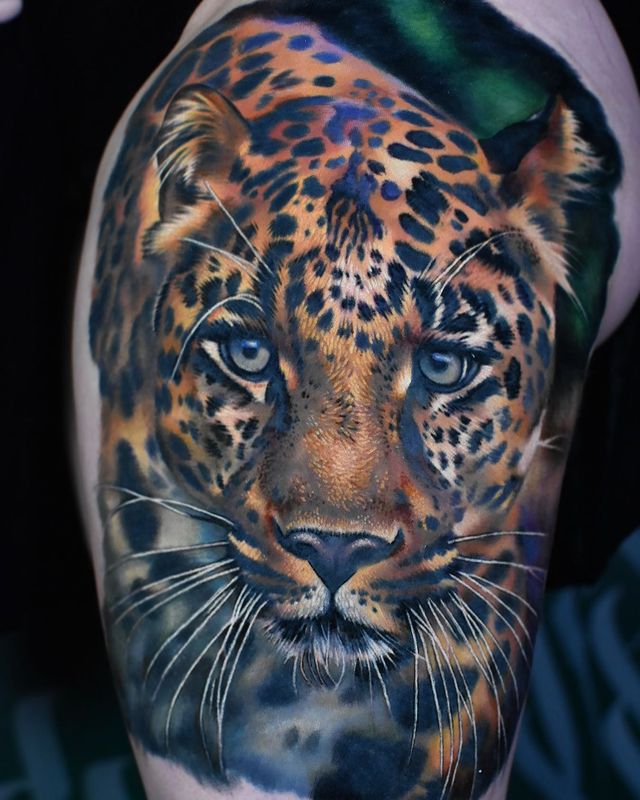
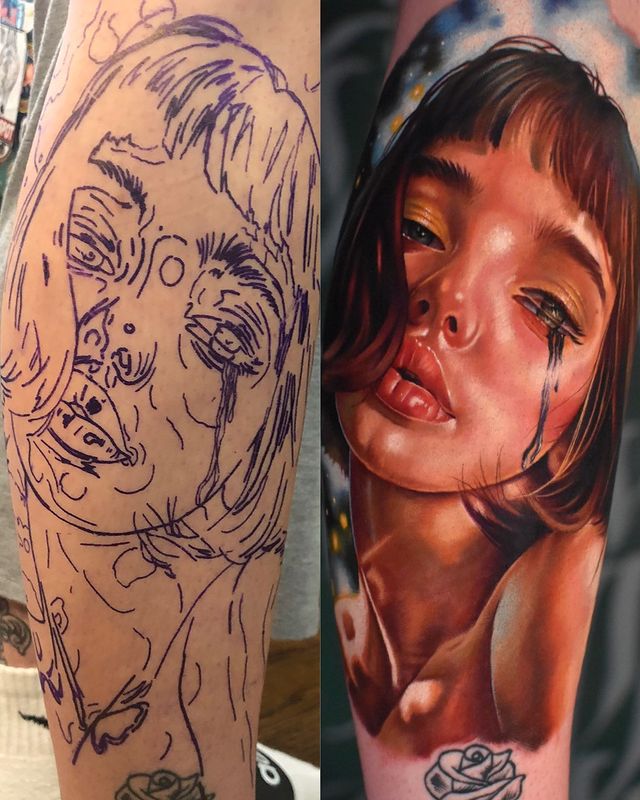
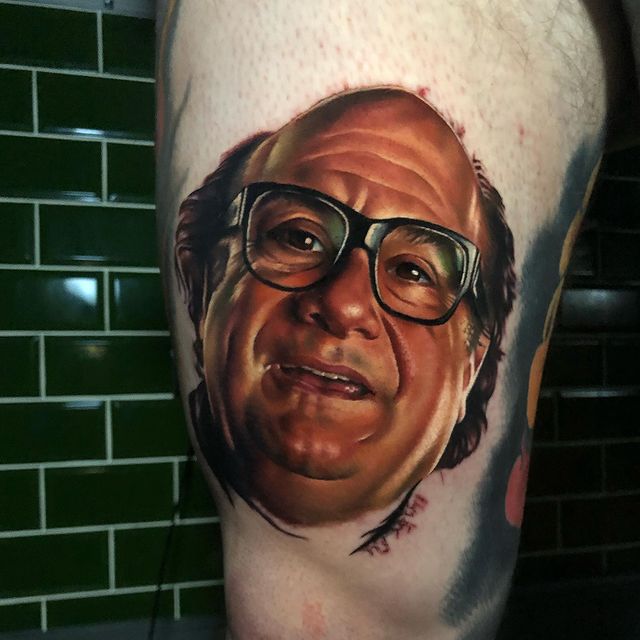
Kirsten Pettitt, hailing from Redditch, United Kingdom, is highly applauded for her exceptional skill in realism artistry. Specializing in color realism tattoos, her extraordinary artistry has gained the recognition of over 78,000 followers on Instagram. Her work can be observed at The Church Tattoo, where her incredibly lifelike designs continue to captivate and impress clients.
Kirsten Pettitt is a realism tattoo artist based in Redditch, England, recognized for highly detailed, lifelike tattoo work. With over 78,000 followers on Instagram (@k_peanut_), she has built a strong audience drawn to her precise linework, smooth shading, and subject matter that ranges from portraiture to nature-inspired pieces. Realism is one of the most technically demanding tattoo styles, and Pettitt's portfolio shows consistent command of depth, contrast, and fine detail. She operates independently and sells prints and merchandise through her Bigcartel site. For booking inquiries, consultation details, and current availability, contact her directly through Instagram or her website.
History & Origins
Kirsten Pettitt has established herself as a recognized realism tattoo artist working out of Redditch, England. While specific details about her entry into tattooing are not publicly documented, her Instagram presence under the handle @k_peanut_ has grown to over 78,000 followers, which signals years of consistent work and audience engagement. Realism as a tattoo style gained serious traction in the late 2000s and early 2010s, driven by advances in needle configurations and ink formulations that allowed for finer detail and smoother tonal transitions. Artists like Pettitt, who commit fully to this discipline, spend years refining their understanding of light, shadow, and anatomical accuracy. Redditch itself sits in Worcestershire, part of the West Midlands, an area with a growing tattoo culture that has produced several notable artists. Pettitt's choice to operate independently rather than listing under a specific studio name suggests she manages her bookings and creative direction on her own terms, which is common among artists with established personal brands.
Defining Characteristics
Realism tattooing demands a specific set of technical skills, and Pettitt's work reflects the core demands of the style. Her pieces show strong command of value contrast, which is the backbone of realistic imagery. Without sharp highlights and deep shadows, a realism tattoo reads flat. Pettitt builds dimension through layered shading, moving from mid-tones into darker values without visible banding or harsh transitions. Smooth gradients are essential. Where a traditional tattoo might use bold outlines to hold its shape over time, realism relies entirely on contrast and shading to define edges. This means the artist must understand how skin ages and how soft edges will settle years after healing. Pettitt's follower count and engagement suggest her work holds up well under scrutiny from both peers and collectors. The absence of heavy outlines in her style also means each piece requires careful planning of negative space, letting untouched skin serve as part of the composition rather than filling every inch with pigment.
Popular Motifs & Subjects
Realism as a genre covers a wide range of subject matter, and artists within the style often develop signature motifs. Based on the trajectory of popular realism tattooing in the UK, common subjects include photorealistic portraiture, wildlife and animal studies, botanical elements, and objects rendered with near-photographic precision. Portraits remain one of the most requested realism subjects, but they carry high risk. A misplaced shadow on a face changes a person's likeness entirely. Animals, particularly dogs and cats, are another staple, often commissioned as memorial pieces. Nature subjects like flowers, leaves, and insects allow realism artists to showcase texture work, from the fuzz on a petal to the iridescent sheen on a beetle's wing. Pettitt's focus on realism means her portfolio likely spans several of these categories. What sets realism artists apart from illustrative tattooers is the commitment to reference accuracy. The goal is not interpretation but faithful reproduction, which requires strong observational drawing skills and the patience to translate a flat reference image into a curved, textured surface that ages unpredictably.
Placement & Sizing
Realism tattoos have specific placement requirements that differ from bolder styles like traditional or neo-traditional. Fine detail and subtle shading need space to breathe. A small realism piece on a finger or wrist will lose definition as it heals and ages, because the skin in those areas does not hold fine lines well. The inner forearm, upper arm, thigh, and back are popular placements for realism because they offer larger, flatter surfaces with relatively stable skin that holds detail over time. Pettitt's work in realism means clients should expect larger time commitments and bigger canvases than they might anticipate. A photorealistic portrait, for example, typically requires a minimum of six to eight inches in height to preserve facial features. Smaller than that, and details blur together during healing. Clients considering realism should also think about how multiple pieces might flow together on the body. Planning a sleeve or larger composition with a realism artist often involves several sessions, starting with the focal point and building outward. Discuss placement and sizing directly with Pettitt during consultation to ensure the design fits both the body and the style's technical requirements.
Choosing a Realism Artist
Selecting the right realism tattoo artist comes down to three things: healed portfolio work, consistent quality, and clear communication. Pettitt checks the first two boxes based on her substantial following and focused specialization. Realism is not a style where artists dabble. It requires full commitment to the techniques involved, from needle selection to ink dilution ratios. When evaluating any realism artist, look at healed photos, not just fresh pieces. Fresh tattoos always look sharper because the skin is swollen and the ink sits near the surface. Healed work, shown four to eight weeks later, reveals how the artist's technique actually settles. Reach out to Pettitt through her Instagram or website to ask about healed results if you do not see them posted. Communication matters too. A good realism artist will want clear reference material and will be honest about what is achievable on skin. If an artist promises photorealistic results on a tiny canvas, that is a red flag. Pettitt's established presence and focused style suggest she understands these boundaries. Contact her directly to discuss your idea, review references together, and confirm that the project aligns with her strengths before committing to an appointment.
Explore more
Frequently Asked Questions
What style of tattoos does Kirsten Pettitt specialize in?
Kirsten Pettitt specializes in realism tattoos. This style focuses on creating tattoos that look as true to life as possible, using detailed shading, smooth gradients, and precise linework to replicate subjects like portraits, animals, and nature with photographic accuracy.
How can I book an appointment with Kirsten Pettitt?
You can reach Kirsten Pettitt through her Instagram account @k_peanut_ or via her website at kptattooart.bigcartel.com. Contact her directly to discuss booking, availability, and consultation details, as specific booking procedures are not publicly listed.
Where is Kirsten Pettitt based?
Kirsten Pettitt is based in Redditch, England, in the United Kingdom. If you are looking for a realism tattoo artist in the Worcestershire area or the wider West Midlands, she is a notable option with a substantial following and focused expertise in realistic tattoo work.
How much does a tattoo from Kirsten Pettitt cost?
Pricing details for Kirsten Pettitt are not publicly available. Tattoo costs vary based on size, complexity, placement, and session length. Contact the artist directly through Instagram or her website to discuss pricing, deposits, and minimums for your specific project.
Does Kirsten Pettitt accept walk-ins?
There is no public information confirming whether Kirsten Pettitt accepts walk-in appointments. Most realism artists work by appointment due to the planning and time required for detailed pieces. Reach out to her directly via Instagram or her website to ask about scheduling and availability.