JOETARTAROTTI
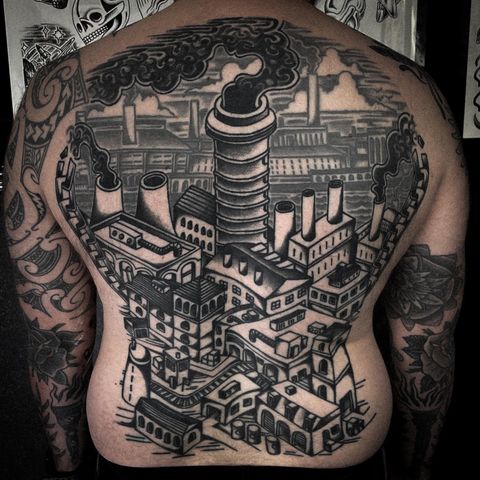
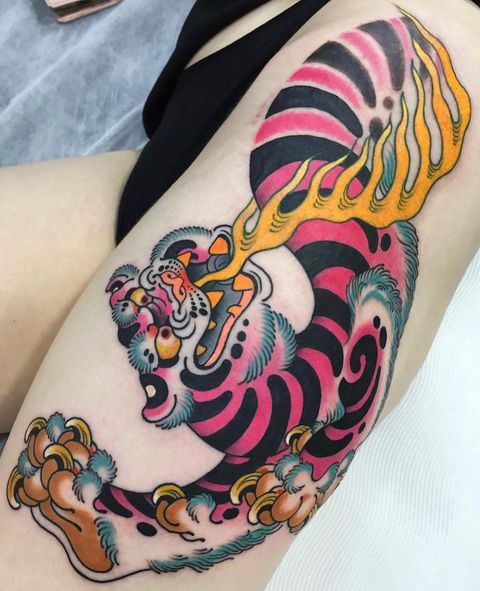
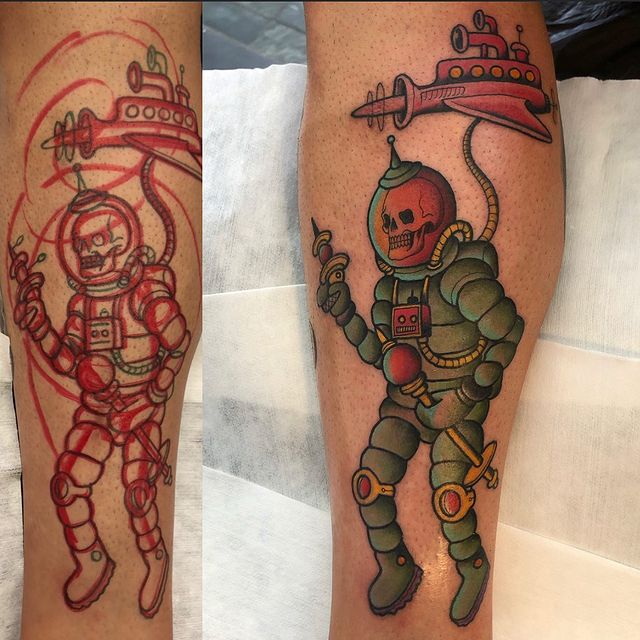
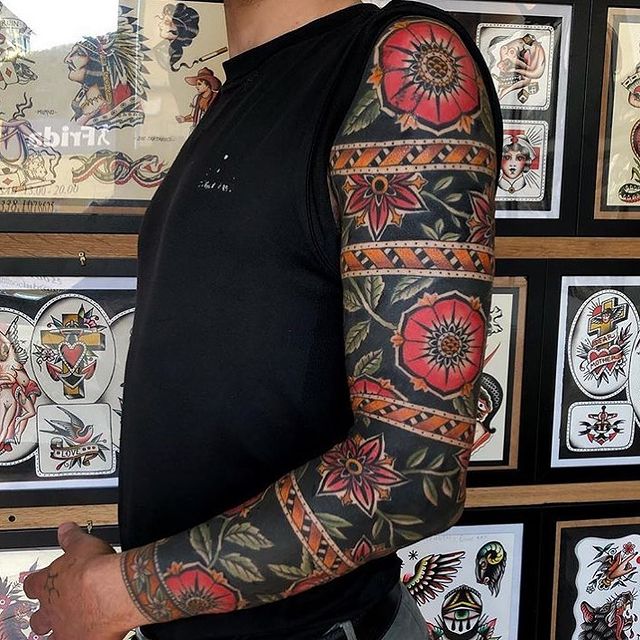
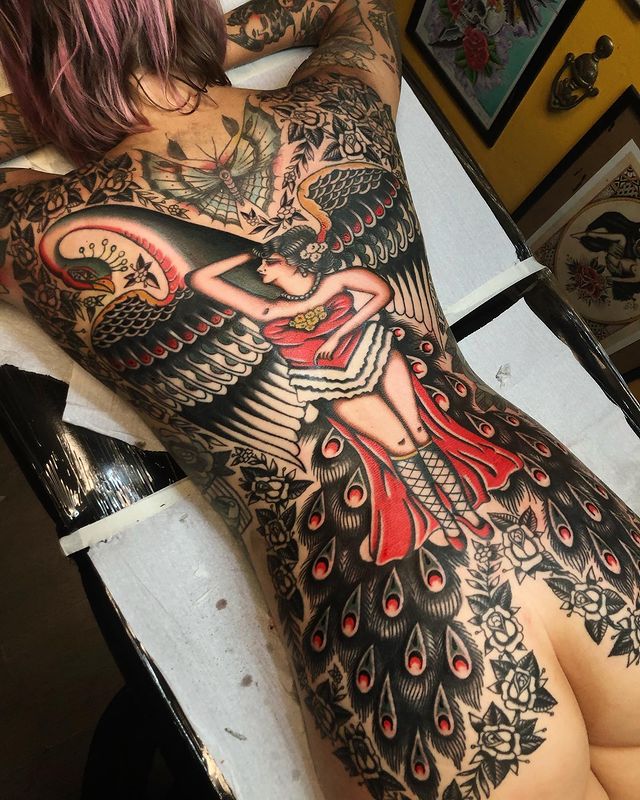
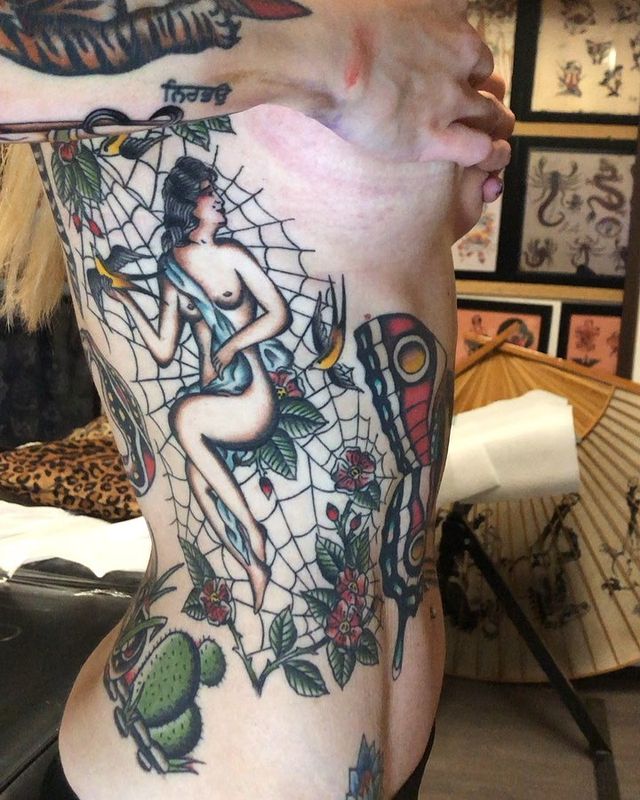
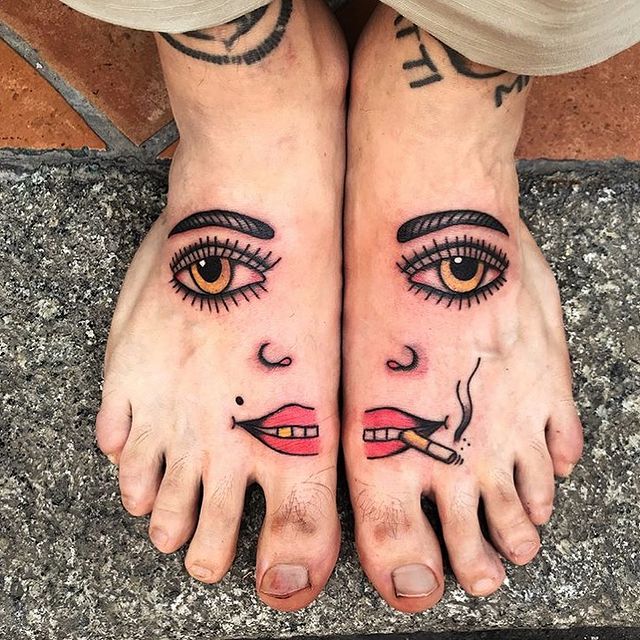
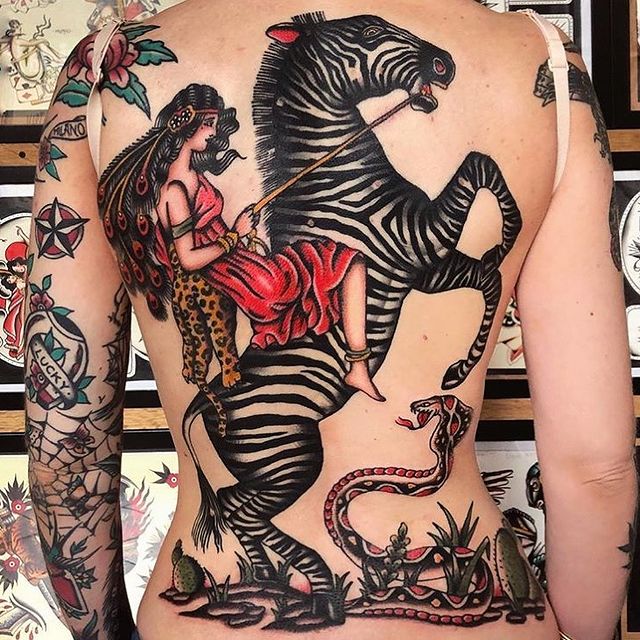
Joe Tartarotti is a highly skilled tattoo artist specialized in traditional styles and based in Milan, Italy. He showcases his impressive craft in his popular, high-traffic Instagram account with around 93,000 followers. Known for his crisp line work and attention to detail, he operates out of Good Tattoo Parlour, promising a truly professional and high-quality tattooing experience.
Joe Tartarotti is a traditional tattoo artist based in Milan, Italy. He specializes in traditional tattooing, a style defined by bold black outlines, a limited saturated color palette, and iconic imagery rooted in early tattoo history. With over 92,000 followers on Instagram, Tartarotti has built a significant audience for his classic approach to the craft. His work sits within the traditional lineage that traces back to early 20th-century tattooing, adapted through a contemporary Italian perspective. Based in Milan, Lombardy, he operates in one of Italy's key cities for tattoo culture. For booking, pricing, or scheduling details, contact the artist directly via his website or Instagram.
History & Origins
Traditional tattooing, often called old school or American traditional, traces its roots to the early 20th century. Sailors, soldiers, and working-class communities drove the style's spread across port cities worldwide. Artists like Sailor Jerry and Bert Grimm codified the visual language: thick black lines, a handful of saturated colors, and imagery drawn from military life, mythology, and folk art. Joe Tartarotti works within this lineage from his base in Milan. Italy has its own tattoo history, from Roman-era markings to the postwar adoption of American tattoo aesthetics through military presence and pop culture. Milan, as a cultural capital, became a natural gathering point for tattoo artists working in imported styles. Tartarotti's practice reflects how traditional tattooing traveled from its American origins through Europe and took root in Italian cities. The style's endurance comes from its readability and durability. Bold lines and solid color hold up over decades of skin aging. That practical logic is why traditional tattooing still attracts artists and collectors today.
Defining Characteristics
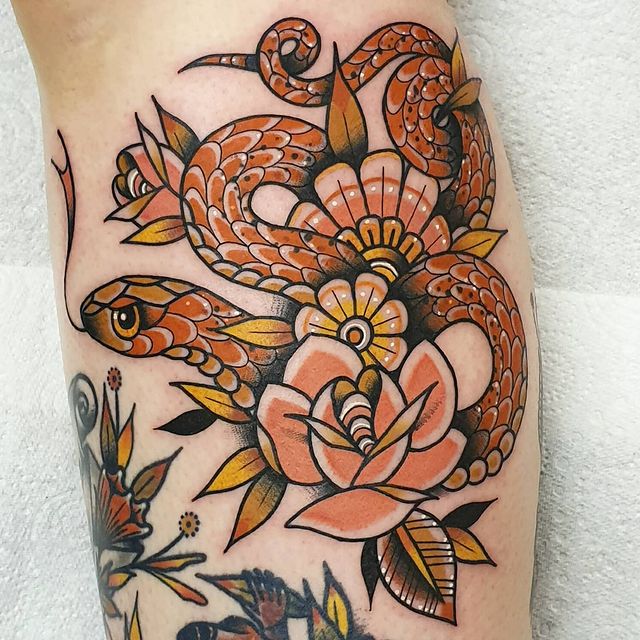
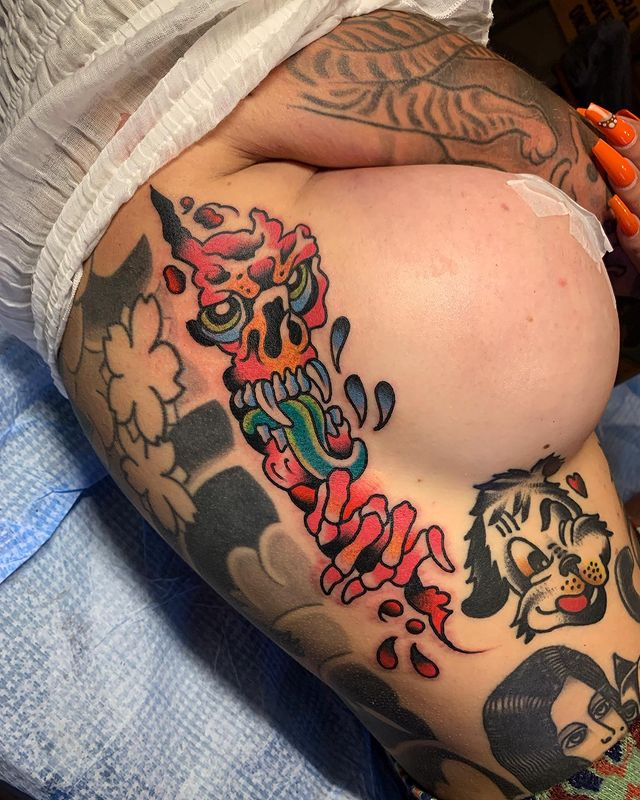
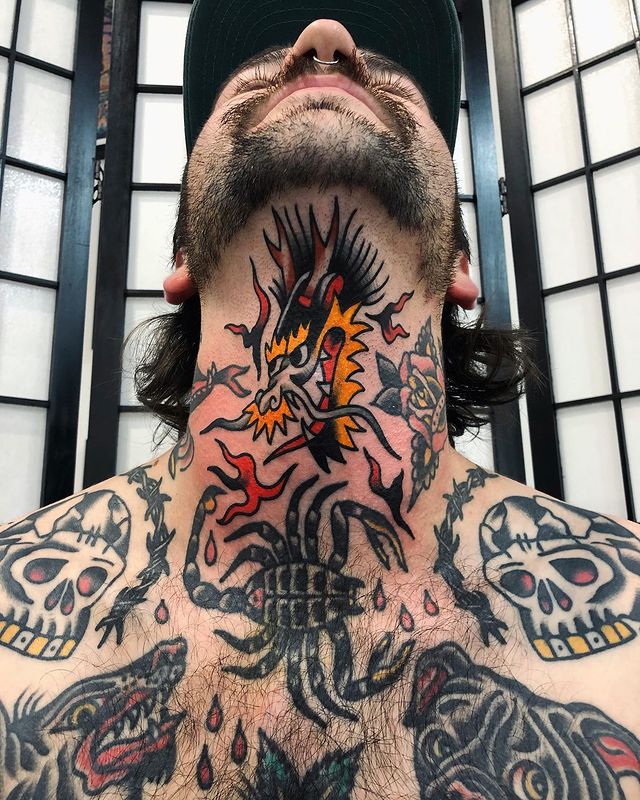
Traditional tattooing has a clear visual grammar. Thick black outlines form the skeleton of every design. Color fills are solid and saturated, typically limited to red, yellow, green, and a few others. Shading is minimal. Gradients and watercolor effects do not belong in this style. The approach prioritizes contrast and legibility. A traditional tattoo should read clearly from across a room. Joe Tartarotti's work follows these principles. His Instagram feed shows consistent adherence to bold linework and flat color fills. The compositions are balanced and uncluttered. Negative space gets used deliberately. Traditional tattooing also follows a specific application method. Artists run larger groupings of needles to lay down lines that will not disappear over time. Color is packed in firmly. The result is a tattoo that looks as sharp in ten years as it did on day one. This is not a style for subtle gradients or photorealistic detail. It is built for impact and permanence. Collectors who choose traditional work value that directness.
Popular Motifs & Subjects
Traditional tattooing draws from a set of recurring motifs that have been part of the style for over a century. Roses, eagles, skulls, daggers, snakes, and swallows form the backbone of the traditional lexicon. Hearts with banners, pin-up figures, and nautical imagery like anchors and ships remain common requests. Joe Tartarotti works within this established vocabulary. His portfolio includes many of these classic subjects, rendered with the boldness the style demands. What separates strong traditional work from mediocre attempts is how the artist handles proportion, spacing, and color saturation within these familiar forms. The motifs themselves are not original. The execution is what matters. A well-drawn traditional rose has specific petal structure, clean line weight variation, and solid red fills that hold their shape. A poorly executed one looks muddy within a year. Cultural context matters too. Some traditional imagery, such as Polynesian or Māori patterns, carries specific meanings tied to indigenous practices. American traditional motifs generally come from a different cultural context rooted in military and maritime life. Understanding where an image comes from helps collectors choose designs that align with their intentions.
Placement & Sizing
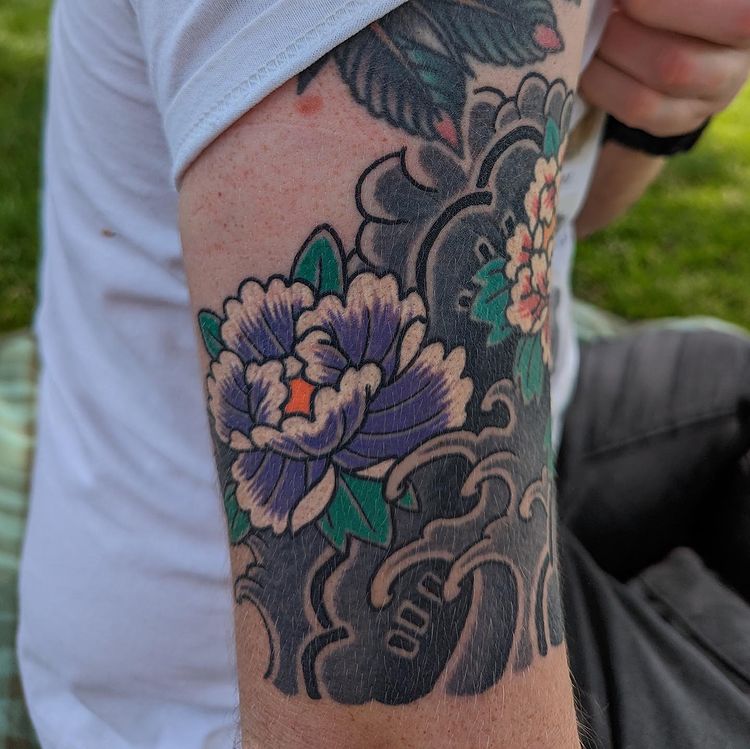
Traditional tattoos work best on placements that can accommodate bold lines and solid color fields. The upper arm, forearm, thigh, and chest are classic locations. These areas provide enough flat surface for designs to breathe and for lines to be executed cleanly. Smaller areas like fingers, ears, or behind the ear can work for mini traditional pieces, but the style scales down less gracefully than fine line or single needle work. Joe Tartarotti's portfolio shows work across a range of placements. Traditional tattooing favors medium to large formats. A traditional rose at three inches reads well. The same design at one inch loses the line weight contrast that makes the style effective. Collectors considering traditional work should think about how the tattoo interacts with surrounding pieces over time. Traditional sleeves and collections built over multiple sessions are common. The bold visual language makes it easier to create cohesive compositions across large areas. Discuss placement and sizing with the artist during consultation. A skilled traditional artist will tell you honestly whether your desired size works for the design and body location.
Choosing an Artist
Selecting the right traditional tattoo artist requires looking beyond follower counts. Joe Tartarotti's 92,000-plus Instagram following indicates visibility, but the real measure is consistency. Examine an artist's healed work, not just fresh photos. Traditional tattoos should maintain crisp lines and solid color saturation after healing. Look for portfolios that show the same style across every piece. Artists who mix traditional with realism, watercolor, or other styles may not have the focused repetition that produces mastery. Tartarotti's commitment to traditional work specifically is a positive signal. Consider logistics too. Milan-based artists like Tartarotti may have longer wait times than local artists in smaller cities. Factor in travel if you are not local. Review each artist's booking process, minimum charge, and communication style. Reach out with a clear idea of what you want. Vague requests lead to disappointing results. Browse tattoo ideas to gather reference images before contacting any artist. The more specific your request, the more accurately an artist can assess whether they are the right fit for your project.
Explore more
Frequently Asked Questions
What tattoo style does Joe Tartarotti specialize in?
Joe Tartarotti specializes in traditional tattooing. This style features bold black outlines, a restricted color palette typically using reds, yellows, greens, and blacks, and classic imagery like roses, eagles, skulls, and daggers. Traditional tattooing draws from early American and European tattoo traditions and emphasizes readability and longevity over fine detail.
Where is Joe Tartarotti based?
Joe Tartarotti is based in Milan, Lombardy, Italy. Milan is one of Italy's primary hubs for tattoo culture, with a dense concentration of studios and artists working across various styles.
How do I book a tattoo with Joe Tartarotti?
Contact Joe Tartarotti directly through his website at joetartarotti.com or via his Instagram account @joe_tartarotti. Booking details, pricing, and availability are best confirmed through direct communication with the artist, as specific rates and wait times are not publicly listed.
How popular is Joe Tartarotti on social media?
Joe Tartarotti has over 92,000 followers on Instagram. That following places him among the more visible traditional tattoo artists working in Italy, reflecting consistent demand for his style and output.
What should I expect from a traditional tattoo from Joe Tartarotti?
Traditional tattoos from artists like Tartarotti use solid black outlines and a limited color palette designed to age well over decades. Expect bold, readable designs with classic motifs. Traditional work heals cleanly and maintains its visual impact longer than many finer styles. Discuss your specific design ideas and placement directly with the artist.