Hudson
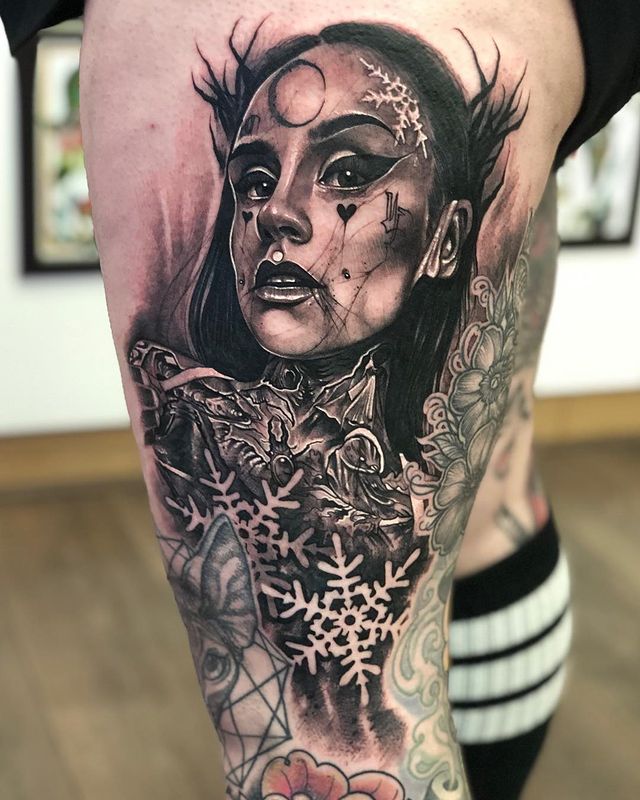
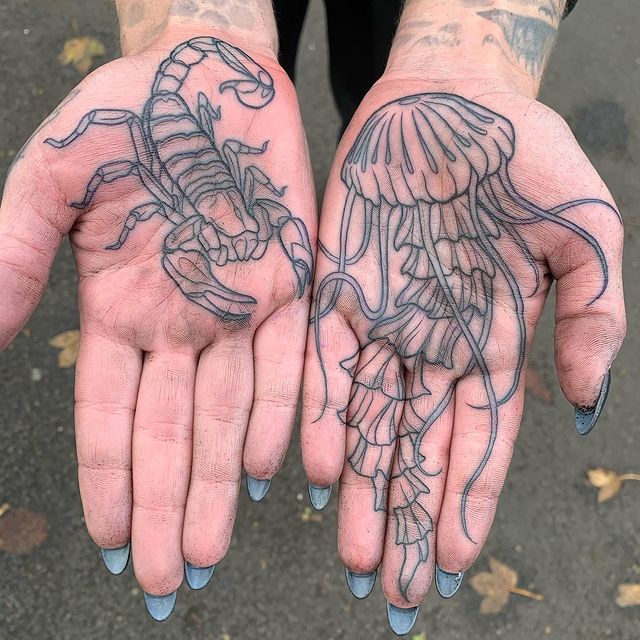
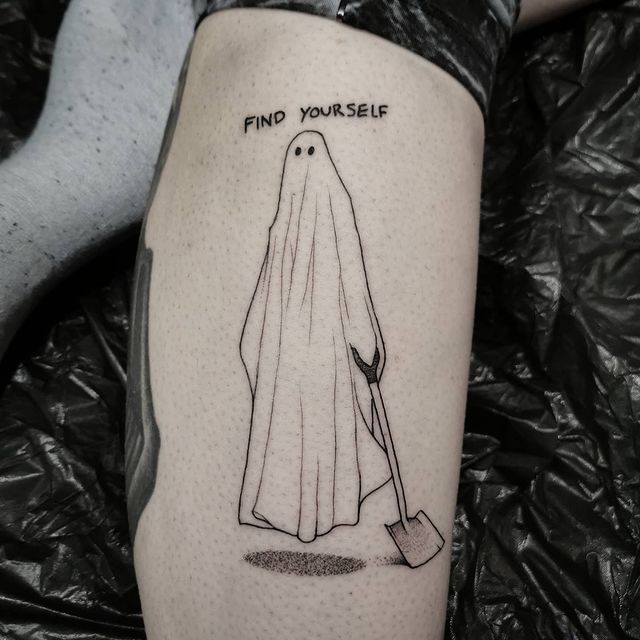
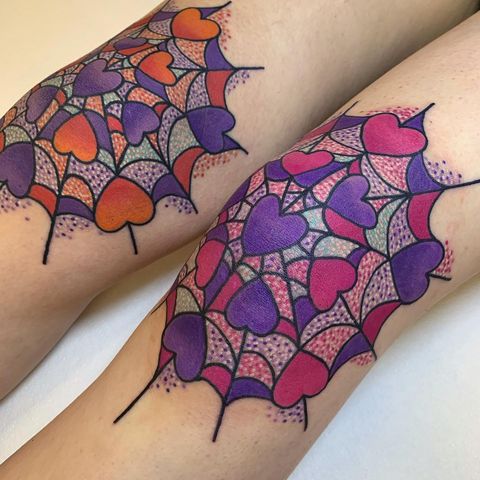
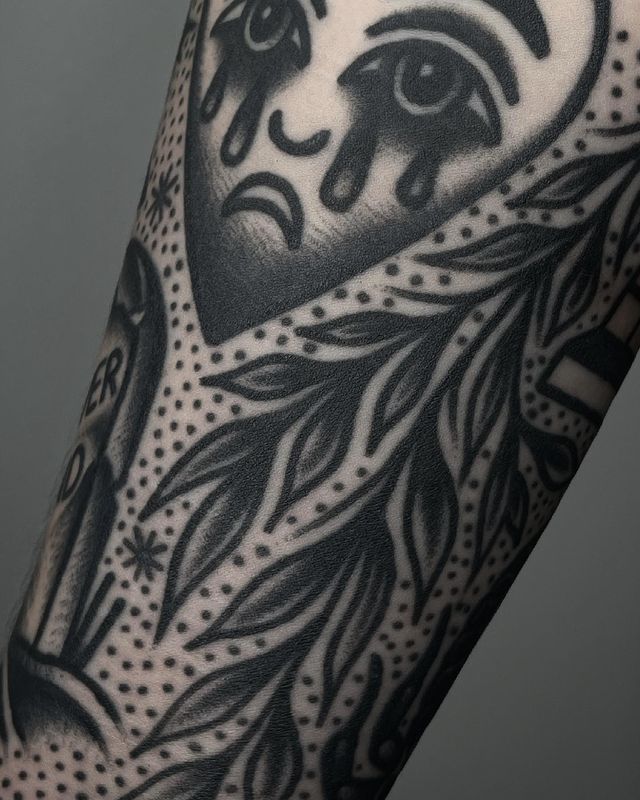
Hudson is an exceptionally talented tattoo artist based in Worcester, UK, specializing in traditional, tribal, and dotwork tattoo styles. With a staggering amount of roughly 144,000 followers on Instagram, he has a well-established presence in the tattoo community, showcasing his awe-inspiring artistry. Working out of @lockandkeytattoo, Hudson's commitment to cleanliness and professionalism is evident in every piece he creates.
Hudson is a tattoo artist based in Worcester, England, specializing in traditional, tribal, and dotwork styles. With over 143,000 Instagram followers, he has built a strong reputation for bold, clean designs across multiple tattoo disciplines. His traditional work draws from classic Western tattoo imagery with solid black outlines and limited color palettes. His tribal pieces reflect Polynesian and Māori patterning traditions. His dotwork showcases precise geometric and mandala-style compositions built entirely from stippled dots. Hudson operates independently in Worcester. View his portfolio on Instagram @hudsontattoo or visit hudsontattoo.co.uk to inquire about bookings.
History & Origins
Traditional tattooing traces back to sailors and military personnel who carried bold, iconic imagery across the world. Hudson works within this lineage from his base in Worcester, England. The traditional style he practices, often called Western traditional or old school, emerged in the early 20th century through artists like Sailor Jerry and Bert Grimm. Tribal tattooing carries far older roots. Polynesian cultures developed intricate geometric patterns over thousands of years, with each motif carrying specific meaning tied to lineage, status, and spiritual protection. Māori tā moko represents one of the most recognized tribal traditions, where facial and body markings tell the story of a person's ancestry and identity. Dotwork, Hudson's third specialty, evolved from stippling techniques in illustration and printmaking. Artists began adapting these methods for tattooing in the late 20th century, creating mandalas, sacred geometry, and photorealistic shading using only dots. Hudson's practice across all three styles gives him a rare versatility. His ability to move between these distinct disciplines speaks to deep technical skill and broad visual literacy.
Defining Characteristics
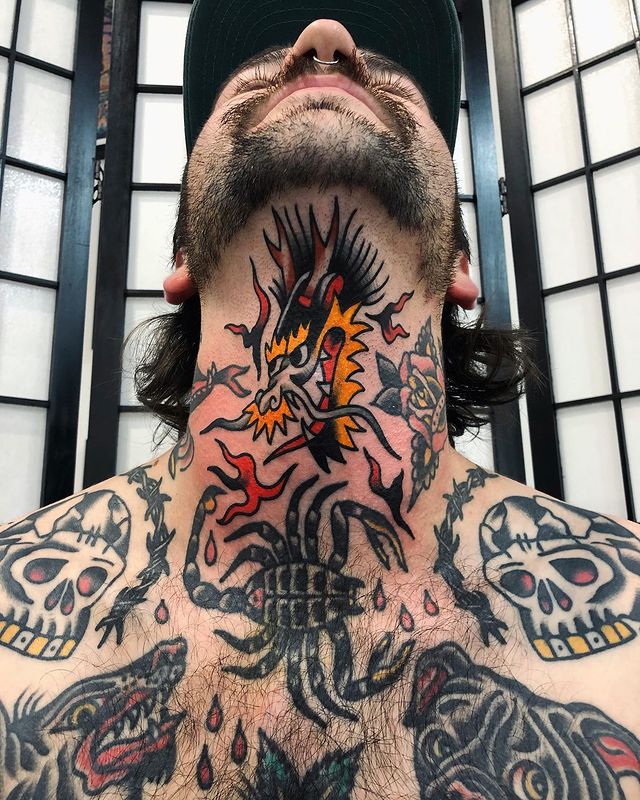
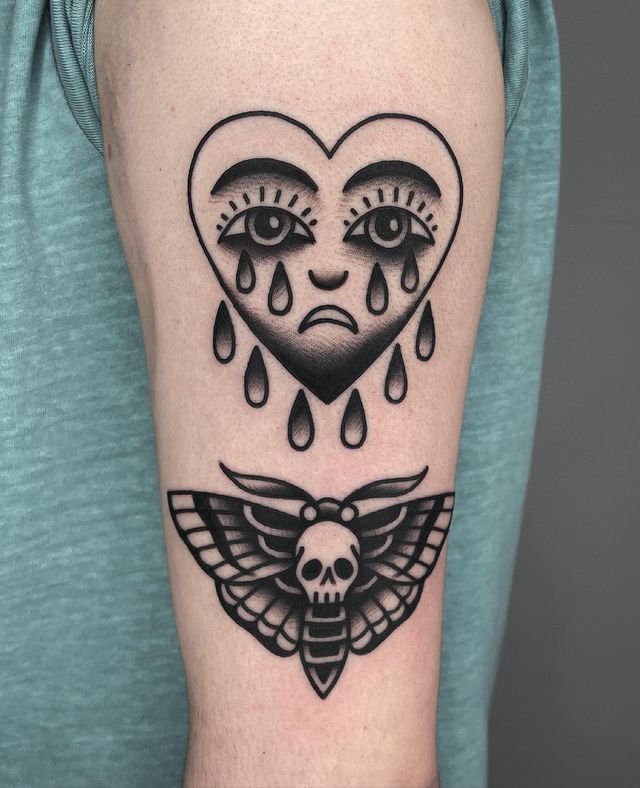
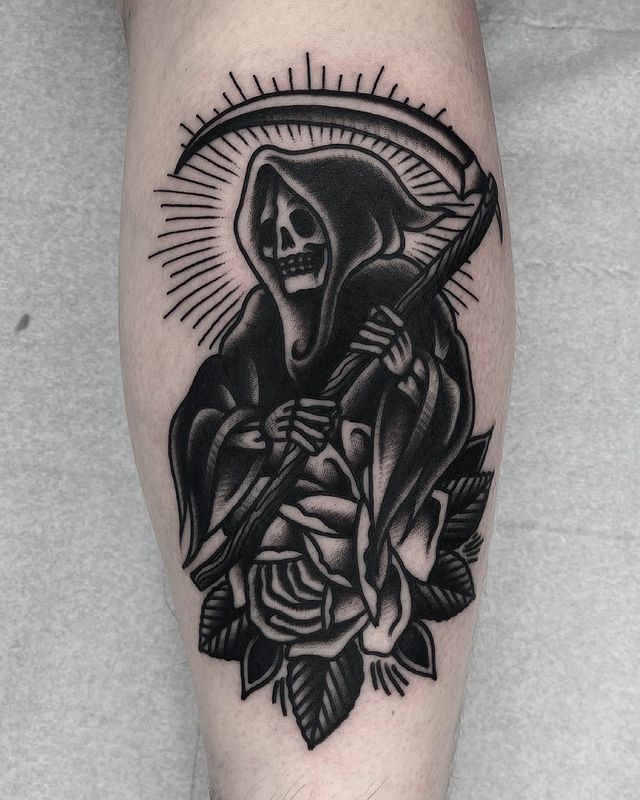
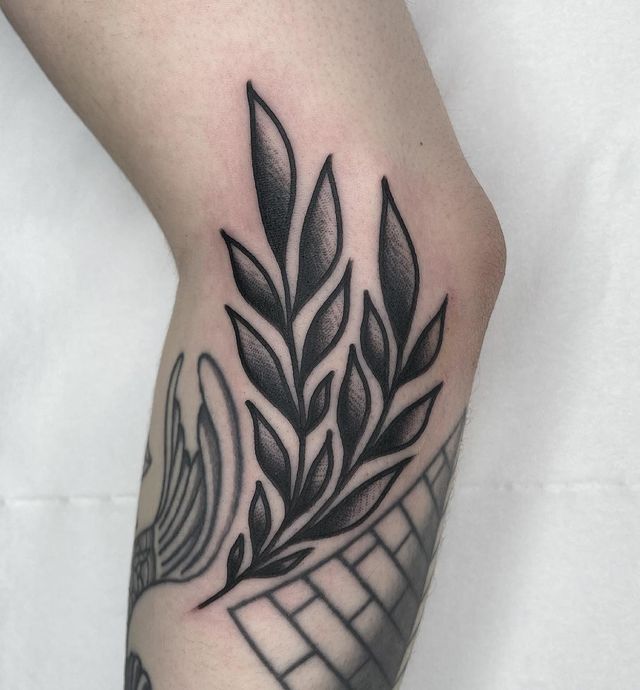
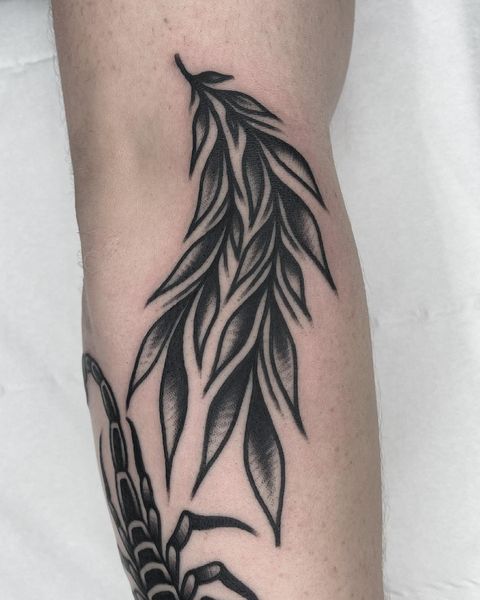
Hudson's work stands out for its clarity and precision across three very different styles. In traditional tattooing, he maintains the hallmarks that define the genre: thick black outlines, a limited but punchy color palette, and designs that read clearly from a distance. There is no ambiguity in a traditional piece done well, and Hudson's work reflects that principle. His tribal work demonstrates a different kind of discipline. These designs rely on bold black shapes and negative space to create rhythm and flow across the body. The patterns must follow muscle and bone, wrapping naturally so the tattoo moves with the person wearing it. Dotwork requires perhaps the most patience. Every gradient, every shadow, every transition in a dotwork piece comes from placing individual dots at varying densities. Hudson builds mandalas and geometric patterns that hold up at any viewing distance. What ties these three styles together in Hudson's hands is a commitment to readability. Whether the design uses solid black fills, geometric blackwork, or thousands of tiny dots, the final result reads clean and confident on the skin.
Popular Motifs & Subjects
In traditional tattooing, Hudson works with the classic vocabulary of the style. Roses, eagles, skulls, daggers, snakes, and hearts appear throughout his portfolio. These are not arbitrary choices. Each motif carries decades, sometimes centuries, of symbolic weight. A rose traditionally represents love and beauty. A dagger can signify betrayal or protection. Snakes often symbolize transformation or rebirth. The power of traditional tattooing lies in this shared visual language. For tribal work, Hudson draws from Polynesian and Māori pattern systems. These include triangular motifs representing shark teeth, parallel lines symbolizing strength, and curved forms echoing ocean waves. Each element carries cultural meaning tied to family, courage, and the natural world. Anyone considering a tribal tattoo should research its origins and consult with artists who understand the cultural context. His dotwork pieces frequently feature mandalas, sacred geometry, and nature-inspired patterns. Lotus flowers, compass roses, and celestial designs appear often. These subjects suit the meditative, methodical nature of stippled work, where the process of creation mirrors the contemplative quality of the finished piece.
Placement & Sizing
Hudson's traditional pieces tend to work best on areas with enough space for bold lines and clear imagery. Forearms, calves, chests, and backs provide the canvas these designs need. Smaller traditional pieces can fit on inner arms or ankles, but the style loses impact when scaled down too far. Those thick outlines need room to breathe. Tribal work demands even more consideration for placement. These designs flow best when they follow the natural contours of the body. Arms and legs work well for band-style tribal pieces. Larger back and chest pieces allow for full compositions that wrap and layer. The key is ensuring the pattern moves with the body rather than sitting flat against it. Dotwork offers more flexibility in sizing. Because the technique builds shading through density rather than line weight, dotwork mandalas can scale from a small wrist piece to a full back design without losing clarity. However, larger dotwork pieces require significant time and patience from both artist and client. For any of these styles, discuss placement with Hudson directly. He can advise on what will work best for your body and your design goals.
Choosing an Artist
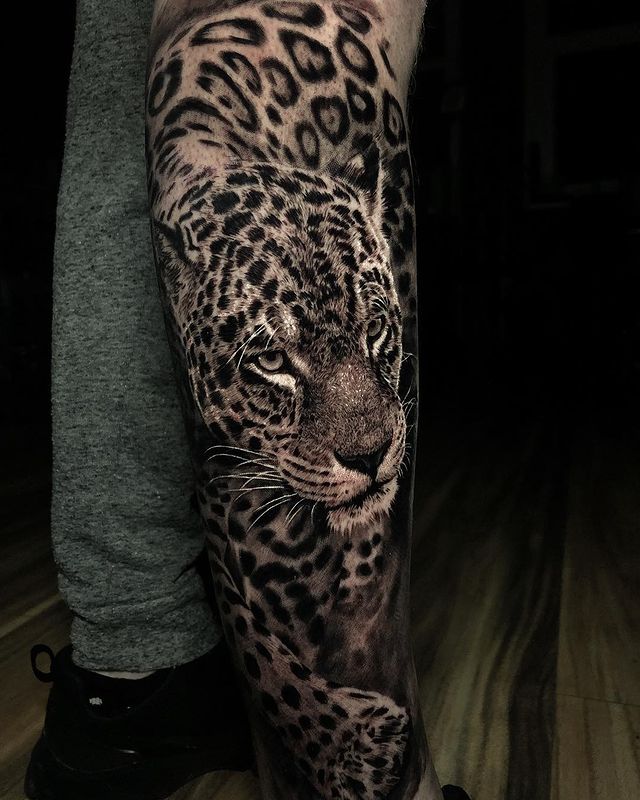
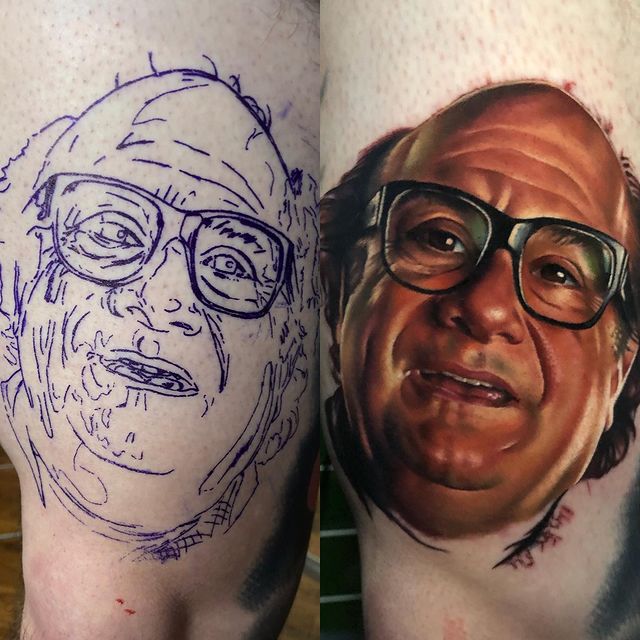
Selecting the right tattoo artist comes down to alignment between your vision and their skill set. Hudson's specialization in traditional, tribal, and dotwork makes him a strong choice if any of those styles match what you want. Look at his Instagram portfolio carefully. Pay attention to healed photos, not just fresh work. Healed tattoos show how the design settles into the skin over time, which reveals the true quality of the artist's technique. Consider whether your idea fits within Hudson's established style. If you want a photorealistic portrait or a watercolor landscape, a different artist might serve you better. The best results come from working with an artist on projects that align with their strengths. Reach out through his website at hudsontattoo.co.uk or message him on Instagram @hudsontattoo. Be specific about what you want. Reference images help. So does a clear description of size, placement, and style. Good communication before the appointment sets the foundation for a piece you will be happy with for years.
Explore more
Frequently Asked Questions
What styles does Hudson tattoo?
Hudson specializes in three styles: traditional, tribal, and dotwork. His traditional work features bold outlines and classic imagery. His tribal designs draw from Polynesian and Māori patterns. His dotwork focuses on geometric and mandala compositions built with stippled dots.
How do I book an appointment with Hudson?
Contact Hudson directly through his website at hudsontattoo.co.uk or message him on Instagram @hudsontattoo to inquire about availability and booking.
Where is Hudson located?
Hudson is based in Worcester, England, United Kingdom. Contact him directly through his website or Instagram for the exact studio address and directions.
How much does Hudson charge for a tattoo?
Pricing details are not publicly listed. Contact Hudson directly through his website or Instagram to discuss pricing for your specific project and design.
Does Hudson accept walk-ins?
Contact the artist directly to confirm whether walk-ins are available, as booking policies and availability may vary.