HORITOMO
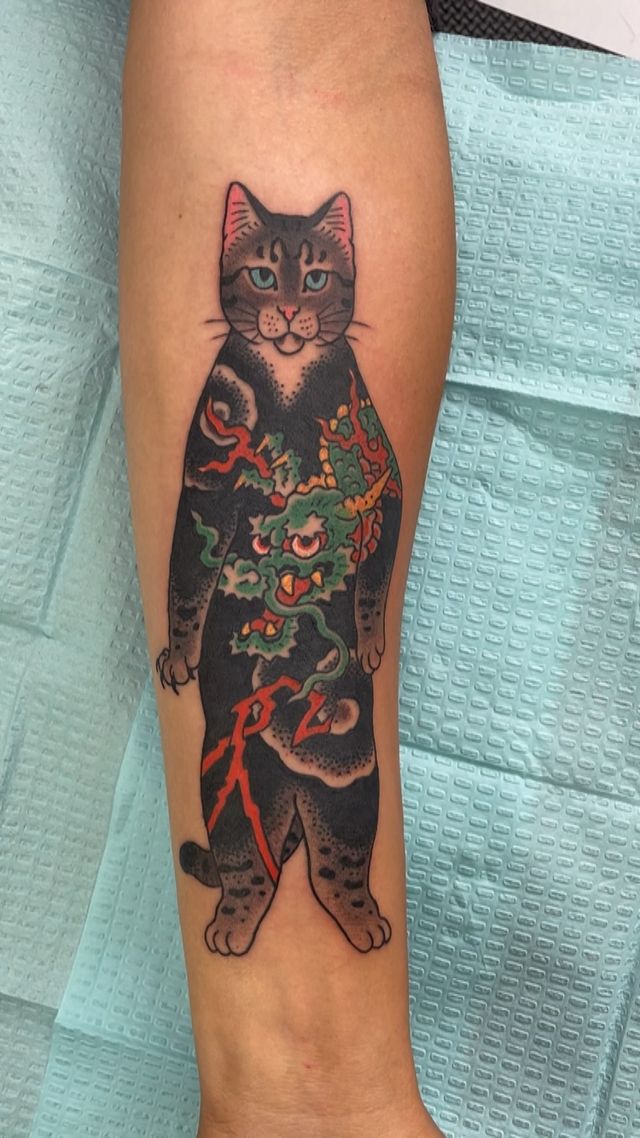
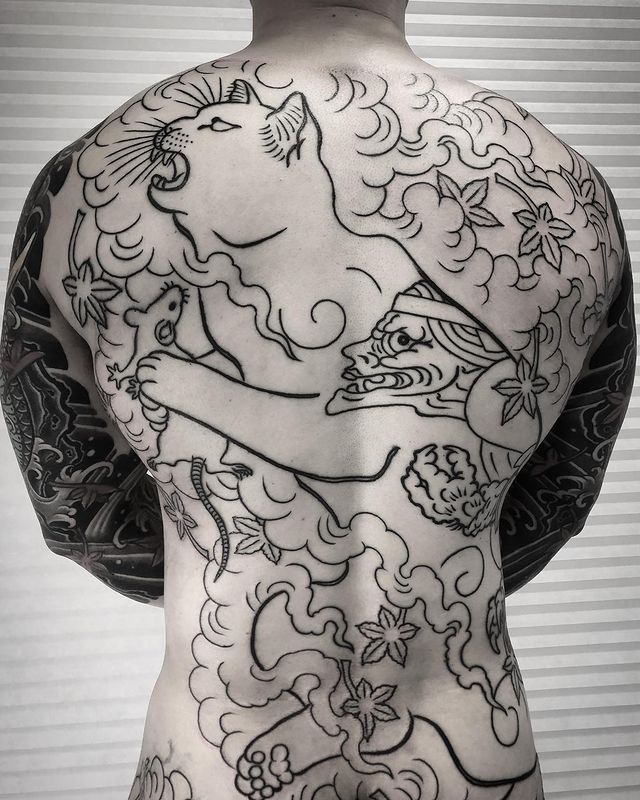
Horitomo is a highly skilled tattoo artist based in Burlingame, United States, specializing in both Japanese and tribal styles. With a significant following of over 370,000 on Instagram, his exceptional work speaks volumes. Known for his unique and captivating designs, he is the master of Japanese Tattoo and the artist behind Monmoncats at State Of Grace in San Jose, CA. His extraordinary finesse reflects in each intricate piece he creates.
HORITOMO is a tattoo artist based in Burlingame, California, specializing in Japanese and tribal tattoo styles. With over 370,000 followers on Instagram, HORITOMO has built a strong reputation for work rooted in traditional Japanese tattooing and tribal design. Their portfolio features bold compositions that draw from classic Japanese iconography and tribal patterning. You can explore their work on Instagram at @horitomo_stateofgrace or visit monmoncats.com. For booking, pricing, and availability, contact the artist directly through their website or social channels.
History & Origins
The name HORITOMO carries weight in the tattoo world. In Japanese tattoo tradition, "hori" refers to the act of carving or engraving, a term deeply tied to tebori, the hand-poked tattooing method practiced for centuries in Japan. HORITOMO's choice of name signals a direct connection to that lineage. Based in Burlingame, California, they have cultivated a practice rooted in Japanese tattooing and tribal design, two styles that share surprising common ground. Both traditions prioritize bold blackwork, storytelling through imagery, and designs that flow with the body rather than sitting flat on it. With over 370,000 Instagram followers, HORITOMO has clearly struck a nerve with collectors who want work that honors these older traditions without feeling dated. Their website, monmoncats.com, hints at another layer of personality. "Monmon" references the Japanese word for tattoo, while the cat motif suggests a playful sensibility running alongside the serious craftsmanship.
Defining Characteristics
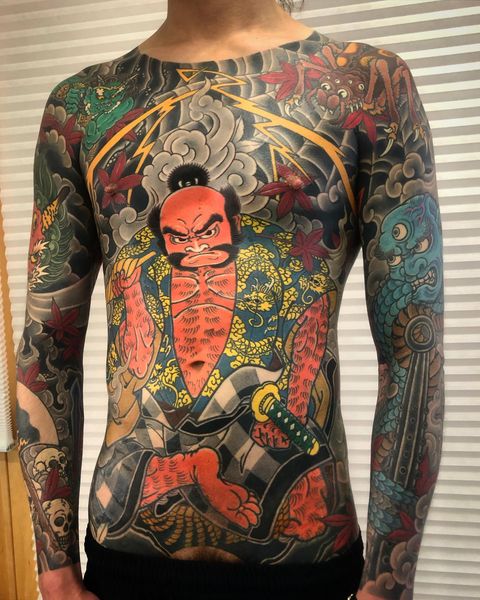
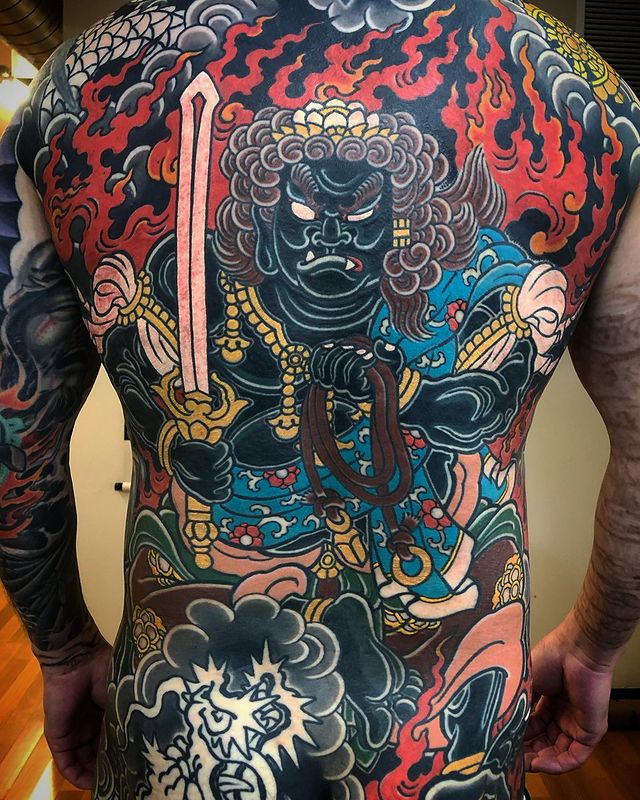
HORITOMO's work sits at the intersection of Japanese and tribal tattooing, two styles that demand confidence and restraint in equal measure. Japanese tattooing relies on specific visual rules. Wind bars, wave patterns, and floral backgrounds frame the central subject. Bold outlines hold the design together over decades of aging skin. Tribal tattooing strips composition down further, using solid black shapes and negative space to create patterns that read clearly from a distance. When these styles combine in HORITOMO's portfolio, the result feels intentional rather than forced. The tribal elements add graphic punch to Japanese compositions, while the Japanese structure gives tribal patterns a narrative framework they sometimes lack on their own. What stands out most is the boldness. Neither style rewards timidity. The linework needs to be clean and decisive. The black fills need to be saturated. The negative space needs room to breathe. HORITOMO's follower count suggests that collectors respond to that directness.
Popular Motifs & Subjects
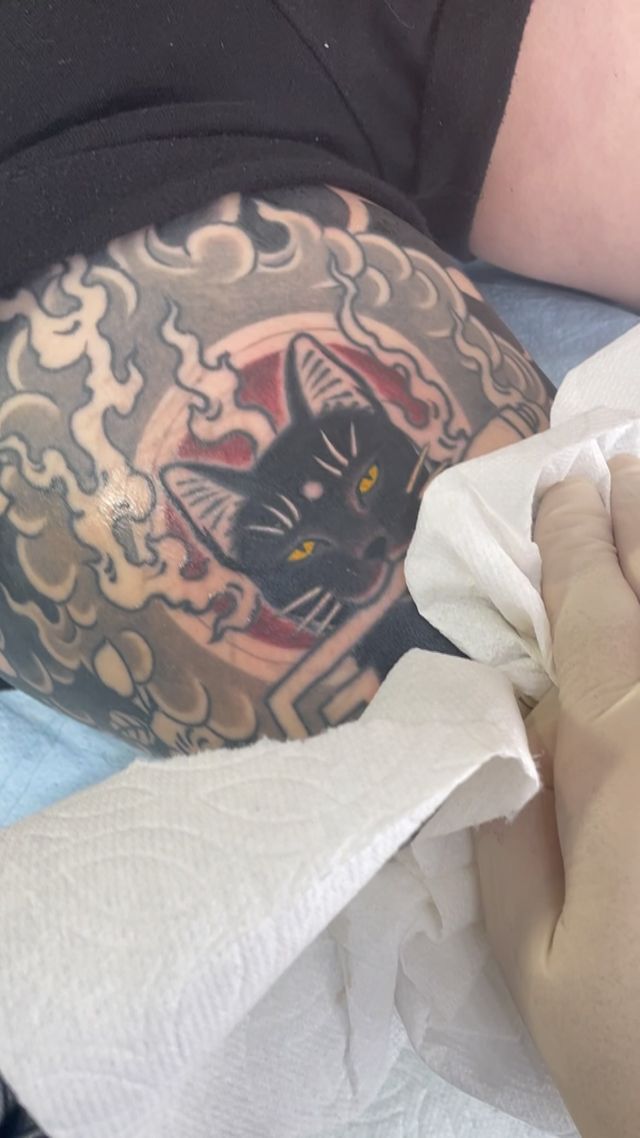
Japanese tattooing draws from a deep well of recurring imagery, and HORITOMO works within that vocabulary. Dragons symbolize wisdom and protection. Koi fish represent perseverance through adversity. Cherry blossoms remind the wearer that beauty is fleeting. Snakes ward off misfortune. Tigers embody strength and courage. Each motif carries centuries of meaning, and the best artists deploy them with intention rather than decoration. The tribal side of the practice introduces different visual language. Geometric patterns, bold bands, and abstract shapes create rhythm across the body. These elements often frame or interact with the Japanese subjects, giving traditional imagery a harder edge. The cat references in HORITOMO's branding suggest another recurring subject. Cats hold a special place in Japanese culture, from the maneki-neko fortune cat to the supernatural bakeneko of folklore. A tattooer named after the carving tradition who also loves cats is someone who understands that tattoos can be serious and playful at the same time.
Placement & Sizing
Japanese and tribal tattooing both favor large canvases. Full sleeves, back pieces, and chest panels give these styles room to develop the layering and flow that make them work. A dragon needs space to wind through clouds. A tribal band needs enough length to establish a repeating pattern without looking cramped. That said, not every piece needs to be a full-body commitment. HORITOMO's style can translate to smaller formats when the design is simplified appropriately. A single koi on a forearm, a tribal armband, or a cat motif on a calf can all work at a moderate scale. The key is matching the subject to the available space. Crowding a complex Japanese composition onto a small ankle rarely ends well. For collectors considering their first piece with HORITOMO, think about which body areas you want to build on over time. Japanese work especially rewards long-term planning. A sleeve that starts with one motif can grow into a full narrative over multiple sessions.
Choosing an Artist
Picking a tattoo artist is a practical decision, not just an aesthetic one. HORITOMO's specialization in Japanese and tribal styles makes them a strong fit for collectors who want work in those traditions, but there are other factors to weigh. Look at the portfolio carefully. Not just the healed shots, but the fresh ones too. Fresh work shows technique. Healed work shows longevity. Pay attention to how the lines hold, how the black saturates, how the composition flows across the body's natural contours. Location matters. Burlingame sits in the San Francisco Bay Area, making HORITOMO accessible to a large population of Northern California collectors. If you are traveling from further away, factor in the logistics of multiple sessions. Japanese sleeves and tribal work often require several appointments. Communication style is personal. Some collectors want constant collaboration. Others prefer to give the artist a concept and let them run. Reach out to HORITOMO through their website or Instagram to get a sense of how they approach the consultation process before committing.
Explore more
Frequently Asked Questions
What tattoo styles does HORITOMO specialize in?
HORITOMO specializes in Japanese and tribal tattoo styles. Their work draws from traditional Japanese iconography and tribal patterning, often blending the two into bold, large-scale compositions.
How do I book a tattoo appointment with HORITOMO?
Contact HORITOMO directly through their website at monmoncats.com or via Instagram at @horitomo_stateofgrace to inquire about booking, pricing, and availability.
Where is HORITOMO located?
HORITOMO is based in Burlingame, California, in the San Francisco Bay Area.
How much does HORITOMO charge for a tattoo?
Pricing details are not publicly listed. Contact the artist directly through their website or Instagram to discuss rates, minimums, and project scope.
Does HORITOMO accept walk-ins?
Walk-in availability is not confirmed. Most artists working in Japanese and tribal styles at this level operate by appointment only. Reach out via monmoncats.com or Instagram to inquire.