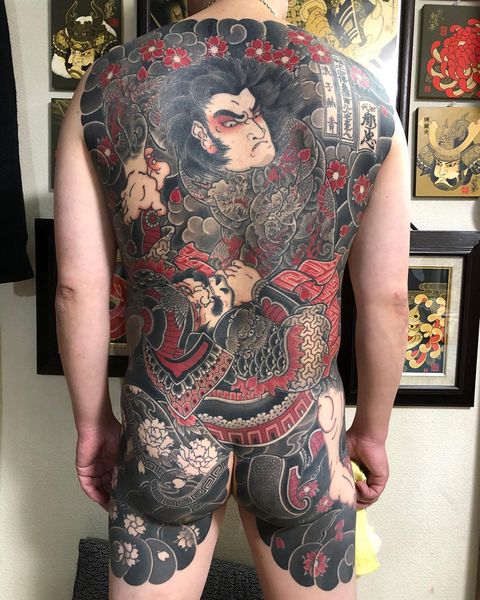
HORITADA in Japan
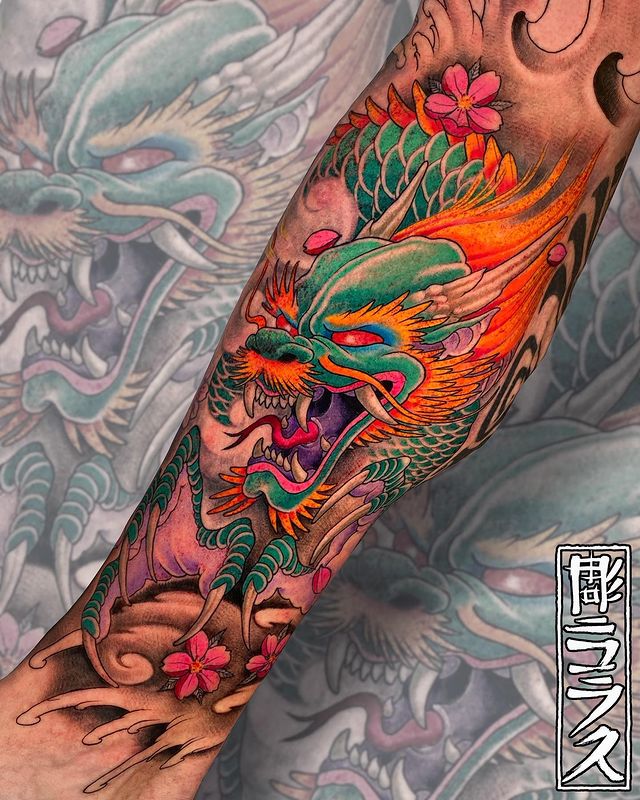
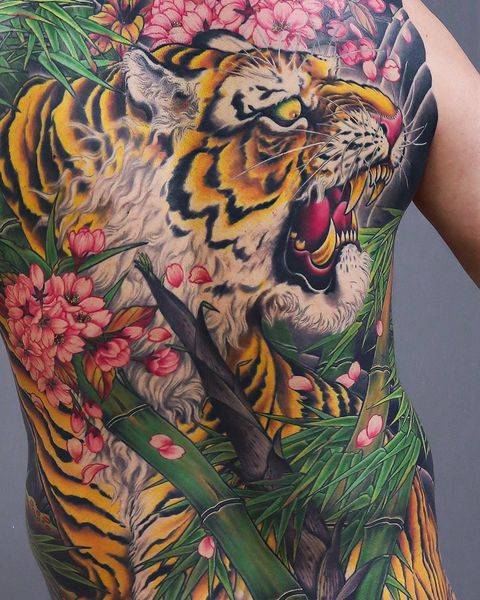
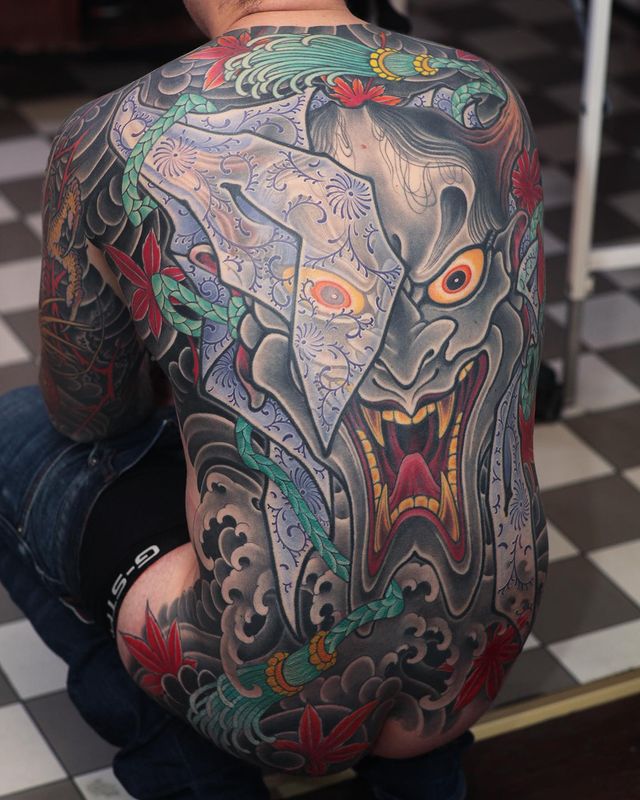
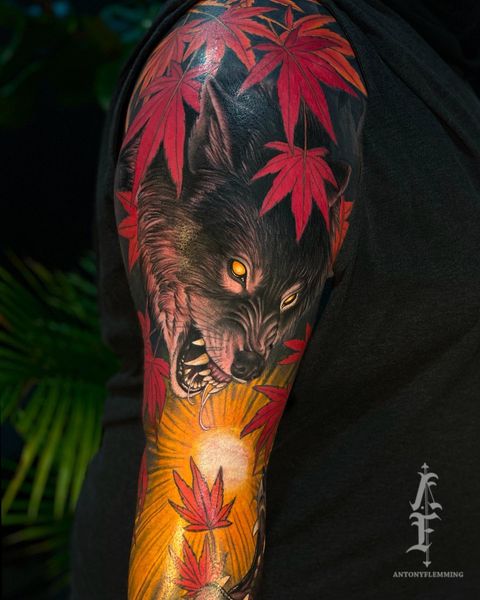
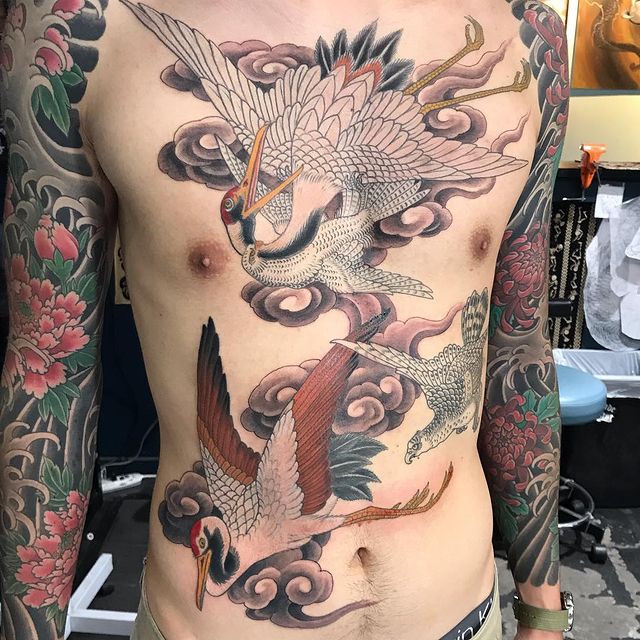
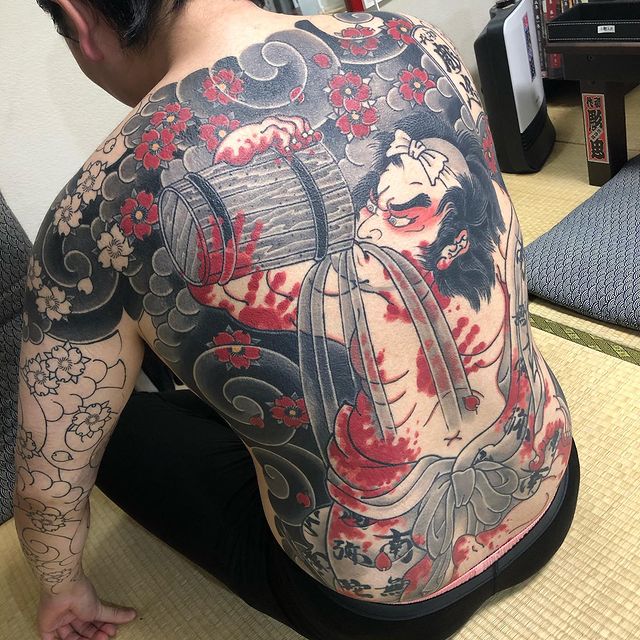
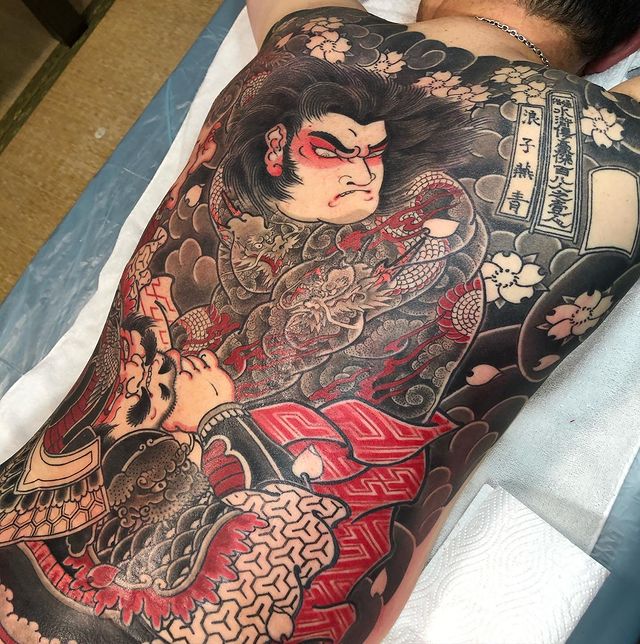
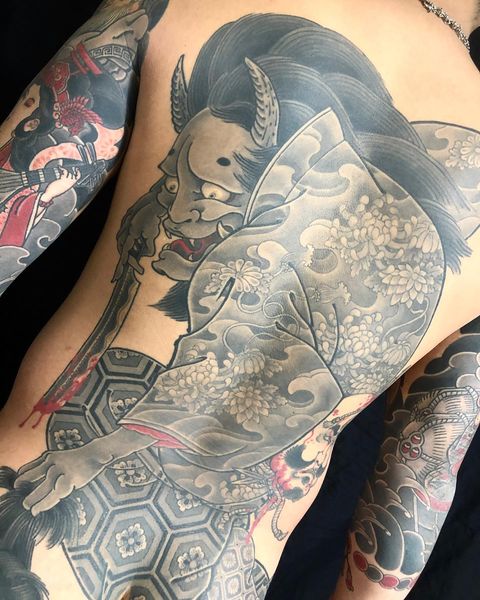
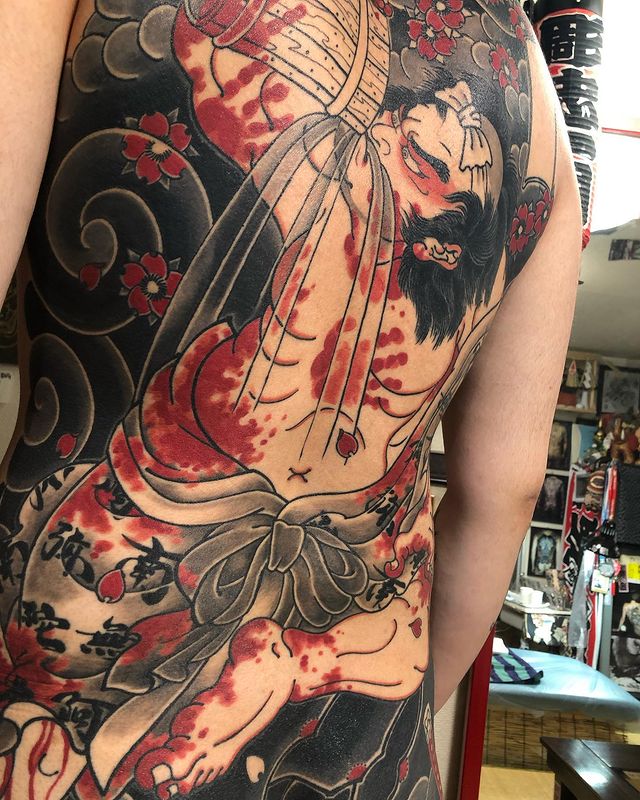
Horitada 初代彫忠 is an exceptionally skilled tattoo artist, known for his unique Japanese tattoo styles. Highly respected and boasting a significant following of around 140,000 on Instagram, his artistry in each creative endeavour is sought after by many in the industry. Based in Kiyose, Japan, he is committed to his craft, working diligently from noon to 9 PM to satisfy his clientele.
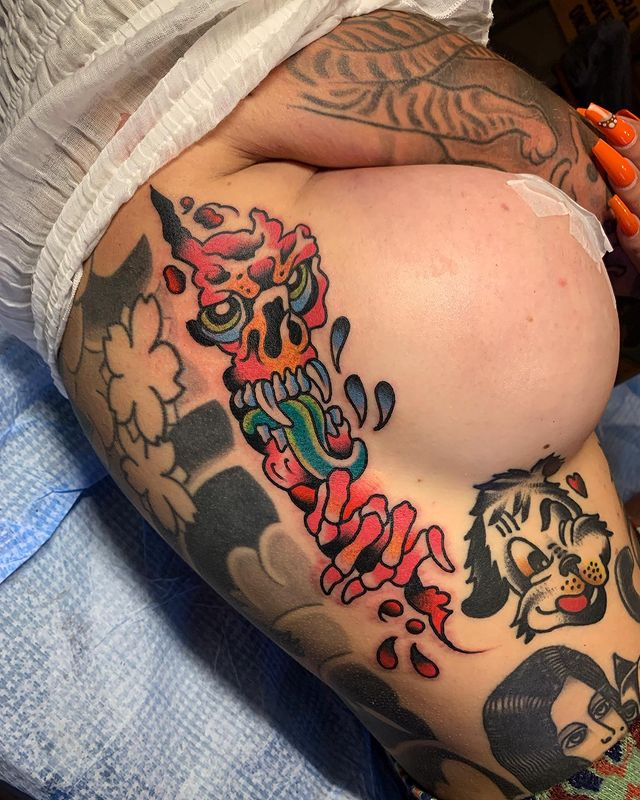
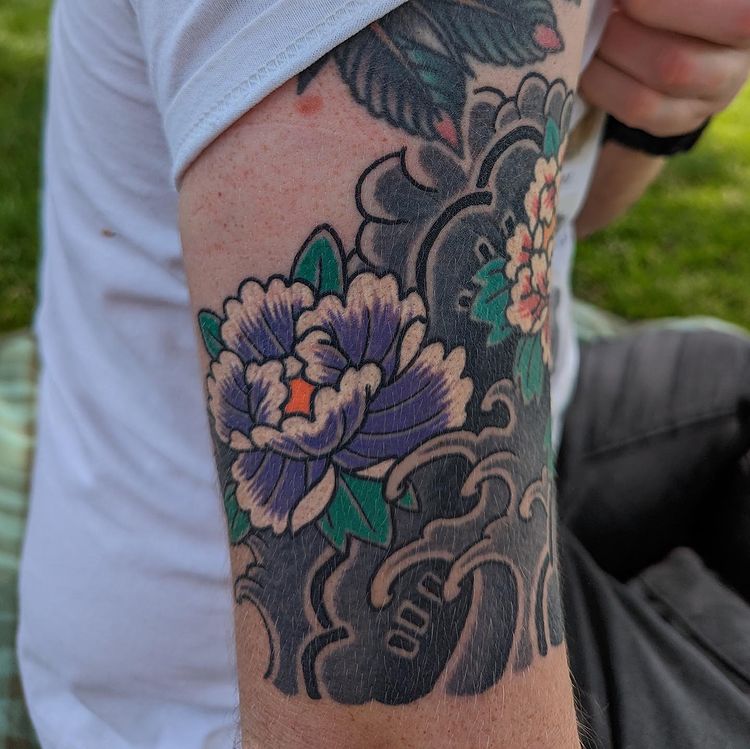
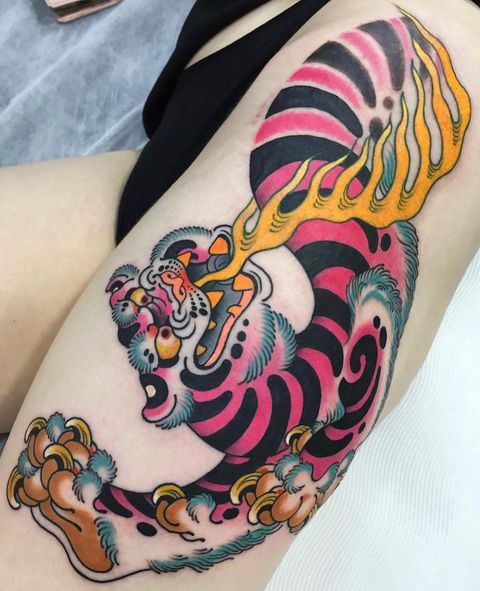
HORITADA in Japan is a tattoo artist specializing in traditional Japanese tattooing. With over 137,000 Instagram followers, HORITADA has built a dedicated following for their Japanese-style work. The artist's name follows the traditional Japanese convention where 'Hori' (彫り) means 'to carve,' a title historically bestowed upon master tattoo practitioners. HORITADA's practice sits within a centuries-old tradition of Japanese tattooing, known as horimono, which features iconic motifs like koi fish, dragons, and cherry blossoms. For booking, pricing, and availability, contact the artist directly through their website or Instagram.
History & Origins
The title 'HORITADA' carries deep meaning in Japanese tattoo culture. The prefix 'Hori' (彫り) translates to 'carve' or 'engrave,' a designation traditionally earned by tattoo artists who reached a level of mastery in their craft. This naming convention dates back centuries in Japan, where horishi (tattoo masters) were respected artisans within their communities. Japanese tattooing itself, known as horimono, has roots stretching back over a thousand years. What began as spiritual protection and status markers evolved into the elaborate full-body compositions recognized worldwide today. HORITADA's choice to carry this title signals a direct connection to that lineage. Their work on Instagram showcases the continuation of this tradition, blending classical techniques with contemporary execution. For anyone considering Japanese tattooing, understanding this cultural foundation matters. It is not just a visual style. It is a practice with real history, real practitioners, and real cultural weight. Quick tip: research the cultural significance of any Japanese motif before committing to a design.
Defining Characteristics
Japanese tattooing stands apart from other styles through several defining traits. Bold black outlines anchor each design, creating structure and ensuring the tattoo ages well over decades. Color palettes lean on a core set of pigments: red, blue, yellow, green, and black, applied in flat, saturated fills rather than gradients. Shading comes through techniques like bokashi, where ink is hand-blended into the skin for soft transitions, particularly visible in cloud and sky elements. HORITADA's work reflects these principles. The compositions follow traditional rules of flow and balance, where each element connects to the next rather than floating independently. Background elements like wind bars, clouds, and water serve both aesthetic and symbolic purposes, tying foreground imagery together. What most people miss about Japanese tattooing is the emphasis on negative space. The skin itself becomes part of the composition. A well-executed Japanese piece breathes. It does not fill every inch. This restraint is what separates traditional work from neo-Japanese interpretations that pack in detail at the expense of readability.
Popular Motifs & Subjects
Japanese tattooing draws from a rich visual vocabulary built over centuries. Koi fish represent perseverance and strength, inspired by the legend of a koi swimming upstream to become a dragon. Dragons themselves symbolize wisdom, protection, and power, distinct from Western dragon imagery in their serpentine, graceful forms. Cherry blossoms (sakura) remind the wearer of life's fleeting nature, blooming brilliantly then falling. Peonies (botan) stand for wealth, good fortune, and bravery. Tigers embody courage and protection against evil. Snakes represent wisdom and protection, often depicted coiled around weapons or flowers. Skulls, called zugaiki, carry different meaning than in Western tattooing. They represent acceptance of mortality and impermanence. HORITADA works within this established iconography, selecting motifs that carry specific cultural meanings rather than arbitrary aesthetic choices. Each element in a Japanese composition tells part of a larger story. Here's the thing: a koi swimming downward carries different significance than one swimming upward. Context matters. Browse Japanese tattoo ideas on Inksy to explore these motifs further.
Placement & Sizing
Traditional Japanese tattooing follows specific placement conventions rooted in its history. Full-body suits, called donbori, cover the torso and limbs with interconnected designs that flow with the body's natural musculature. Half-sleeves (gobu) cover the arm from shoulder to elbow, while quarter-sleeves reach midway down the upper arm. Back pieces (seoi) span the entire back, often featuring a single dramatic subject like a dragon or tiger. Leg tattoos, including thigh pieces and calf wraps, provide large canvases for detailed work. The real question for most clients is scale. Japanese tattooing relies on scale for impact. A koi fish that works on a full back loses its power when shrunk to fit an ankle. HORITADA's portfolio likely reflects this understanding of proportion and placement. Smaller pieces exist in Japanese tattooing, but they still follow rules of balance and flow. What most people miss is that traditional Japanese tattooing was designed for specific body regions. A chest panel (munewari) frames the pectorals differently than a floating back piece. Discuss placement with the artist to ensure the design works with your body.
Choosing an Artist
Selecting a Japanese tattoo artist requires more than scrolling through Instagram likes. HORITADA's 137,000 followers indicate strong visibility, but followers alone do not confirm expertise. Here is what actually matters. First, examine healed work, not just fresh pieces. Japanese tattooing should hold its lines and color over years. Ask to see photos of tattoos that are six months old or older. Second, understand the artist's approach. Traditional Japanese tattooing can be done by hand (tebori) or by machine. Each method produces different results and requires different skills. Contact the artist directly to ask about their technique. Third, consider cultural context. Japanese tattooing carries cultural significance that extends beyond aesthetics. Artists who practice this style should demonstrate respect for its origins. HORITADA's use of the traditional 'Hori' title suggests this connection. Finally, communication matters. A good Japanese tattoo artist will discuss your design's meaning, suggest alternatives if your concept conflicts with cultural symbolism, and plan the piece to flow with your body. Find tattoo artists on Inksy to explore Japanese specialists, then reach out to those who demonstrate both skill and cultural understanding.
Last updated August 14, 2026
Explore more
Frequently Asked Questions
What style of tattooing does HORITADA specialize in?
HORITADA specializes in Japanese tattooing. This traditional style, known as horimono or irezumi, features bold outlines, rich color palettes, and iconic imagery rooted in Japanese mythology and folklore.
How can I book an appointment with HORITADA?
Contact HORITADA directly through their website at horitada.com or via Instagram @horitadajapan to inquire about booking, pricing, and current availability.
What does 'Hori' mean in Japanese tattooing?
In Japanese tattooing, 'Hori' (彫り) means 'to carve' or 'to engrave.' It is a traditional title given to tattoo artists who have reached a level of mastery in their craft, similar to honorific prefixes used by other Japanese artisans.
Where is HORITADA located?
HORITADA's specific studio location is not publicly listed. The artist's name indicates they work in Japan. Contact them directly through their website or Instagram for location and studio details.
How popular is HORITADA on social media?
HORITADA has over 137,000 followers on Instagram (@horitadajapan), reflecting a strong and dedicated following for their Japanese tattoo work.