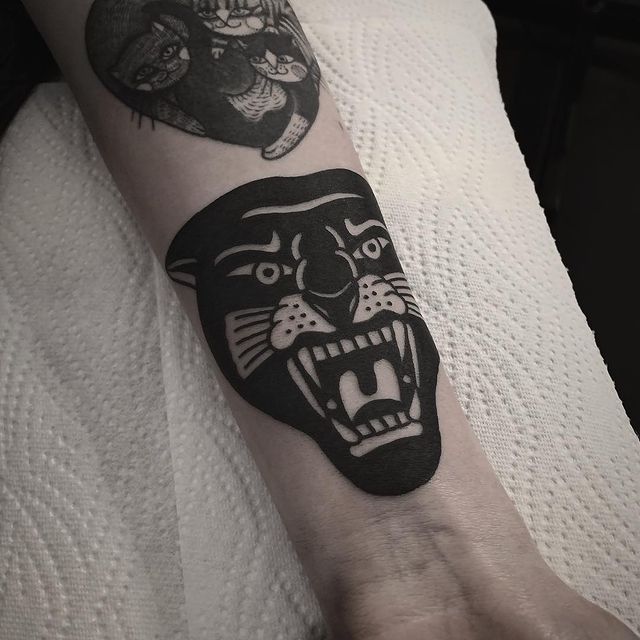
Han shinko
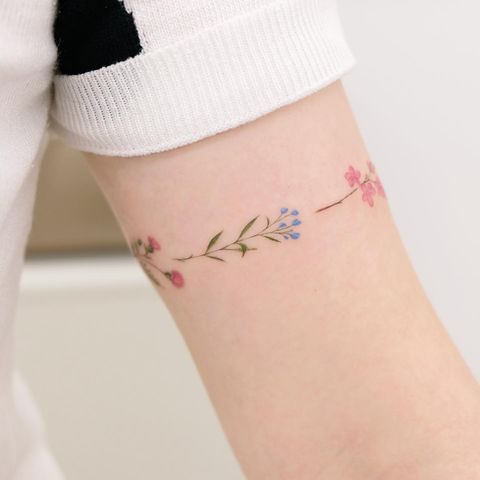
Han Shinko is an extremely skilled tattoo artist out of Los Angeles specializing in tribal, traditional, and dotwork tattoo styles. Establishing a significant online presence, Shinko has attracted nearly 200,000 followers on Instagram with his unique and meticulous designs. Shinko is not only known for his advanced talent but also communicates book requests professionally via email.
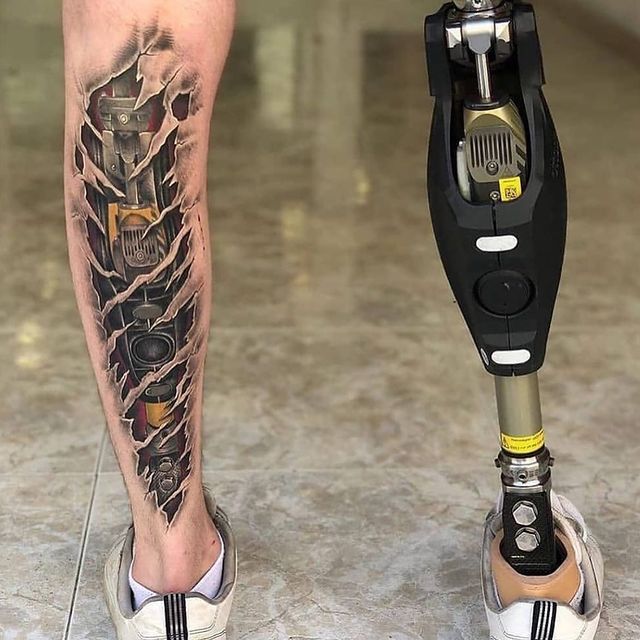
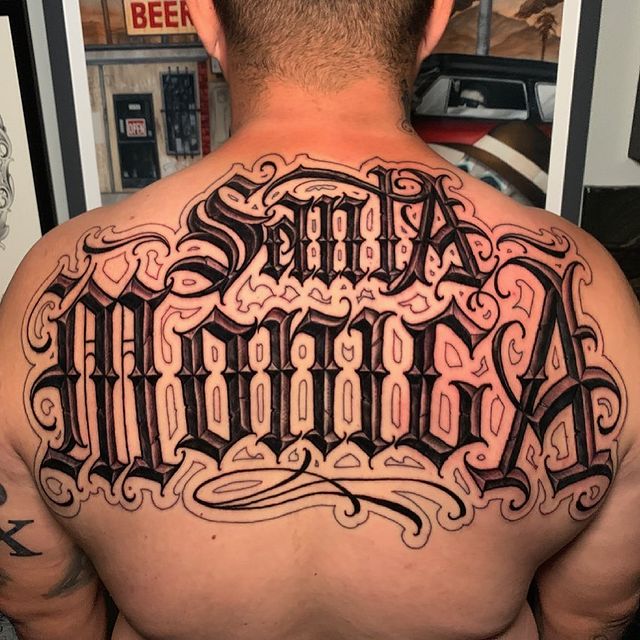
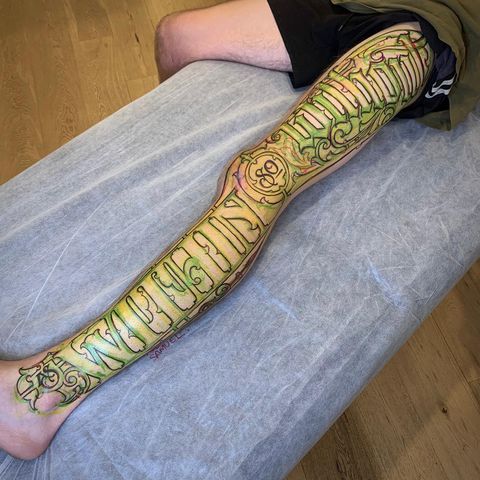
Han Shinko is a tattoo artist specializing in tribal, traditional, and dotwork styles. With over 196,000 Instagram followers, Shinko has built a strong presence through bold, graphic designs that blend cultural motifs with contemporary execution. Their work spans heavy blackwork patterns rooted in tribal traditions, classic traditional iconography, and intricate dotwork shading techniques. Shinko operates independently, and booking details are available through their Instagram profile or personal website. You can explore similar tribal and dotwork tattoo ideas in the Inksy gallery.
Tribal Tattoo Roots & Cultural Context
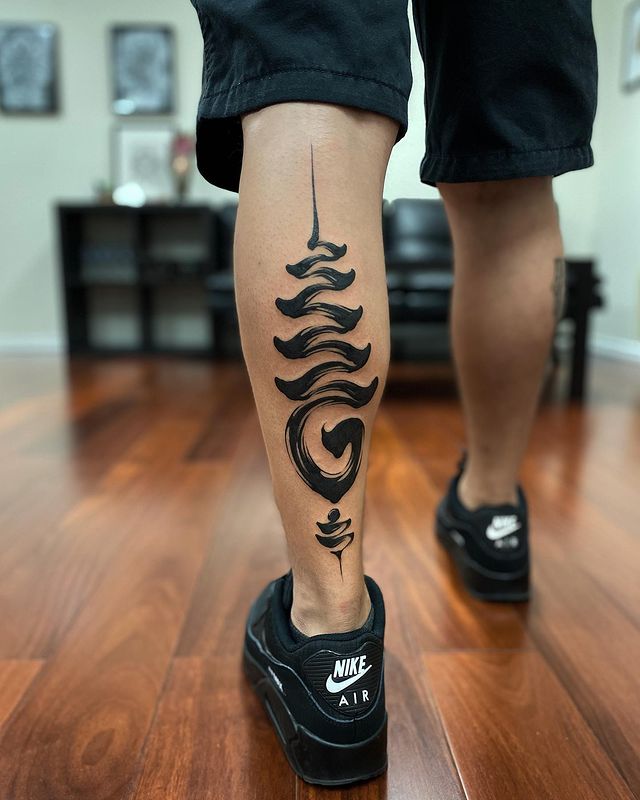
Tribal tattooing carries deep cultural significance across Polynesian, Māori, and indigenous traditions worldwide. These patterns were never decorative alone. They marked lineage, status, rites of passage, and spiritual protection. Han Shinko works within this visual language, creating bold blackwork designs that reference traditional forms. The key distinction matters. Tribal tattooing is a cultural practice, not just an aesthetic category. Artists working in these styles carry a responsibility to understand origins and avoid reducing sacred patterns to trend-driven imagery. If you are considering a tribal-inspired piece, research the specific tradition it draws from. Talk to artists who understand the cultural weight behind the patterns. Shinko's approach merges these heavy graphic elements with contemporary composition, producing work that feels rooted rather than replicated. For a broader look at tribal styles and their histories, browse the tribal tattoo ideas collection.
Signature Style: Where Tribal Meets Dotwork
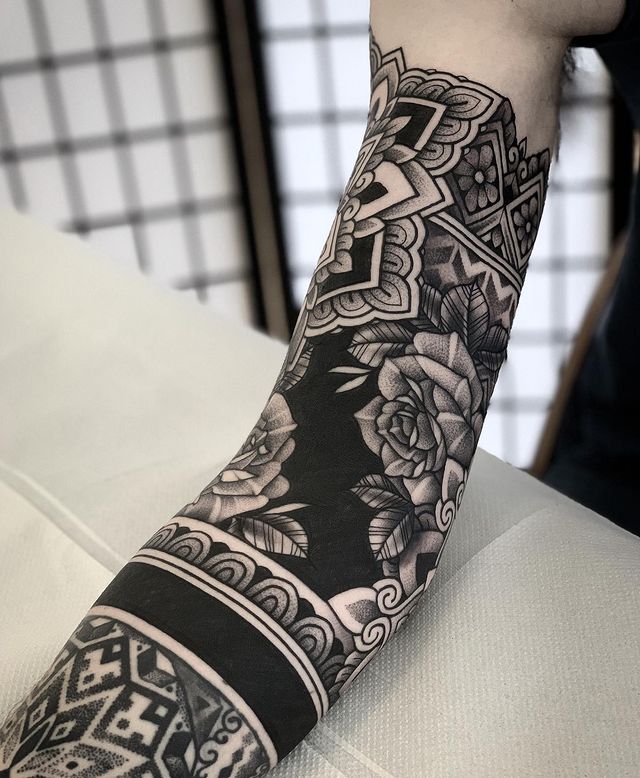
What sets Han Shinko apart is the intersection of three distinct disciplines. Tribal work demands confident, solid black fills and geometric precision. Traditional tattooing relies on bold outlines and a limited, punchy color palette. Dotwork requires patience and meticulous point placement to build gradients and textures from thousands of individual marks. Shinko moves between these approaches, sometimes combining them in a single piece. A tribal-inspired sleeve might fade into dotwork shading at the edges. A traditional flash design could get reimagined with stippled halftones instead of solid fills. This crossover creates visual depth that pure single-style work often lacks. The dotwork element adds softness and dimension to the heavy graphic impact of tribal blackwork. It is a technical challenge. Each dot must be placed with consistent depth and spacing to heal cleanly. Shinko's follower count, sitting above 196,000, suggests the audience responds to this hybrid approach.
Common Motifs & Subject Matter
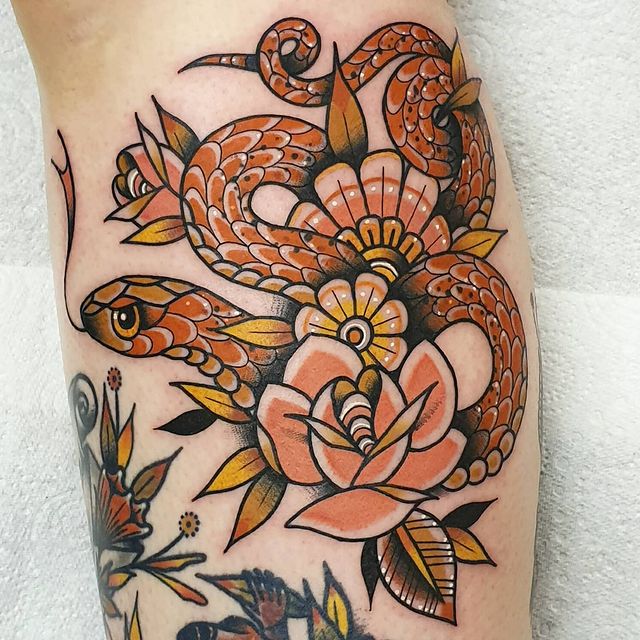
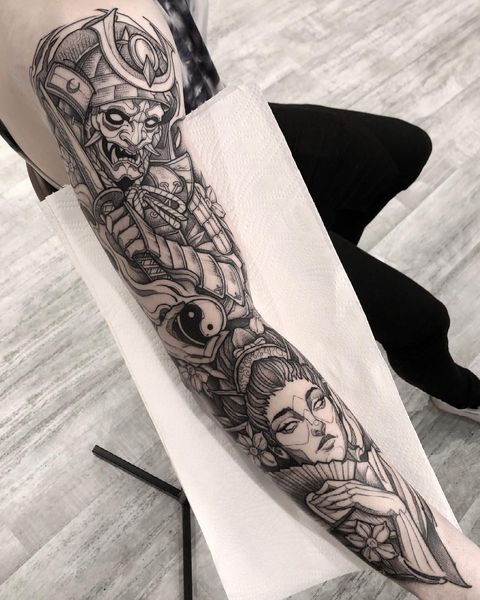
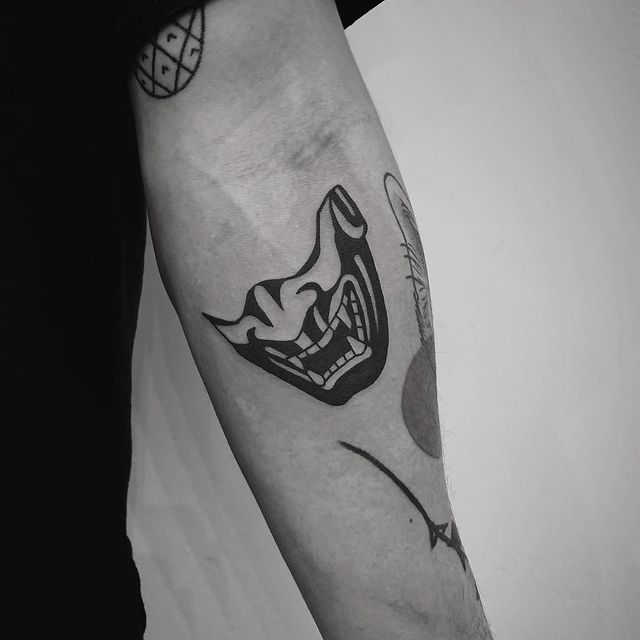
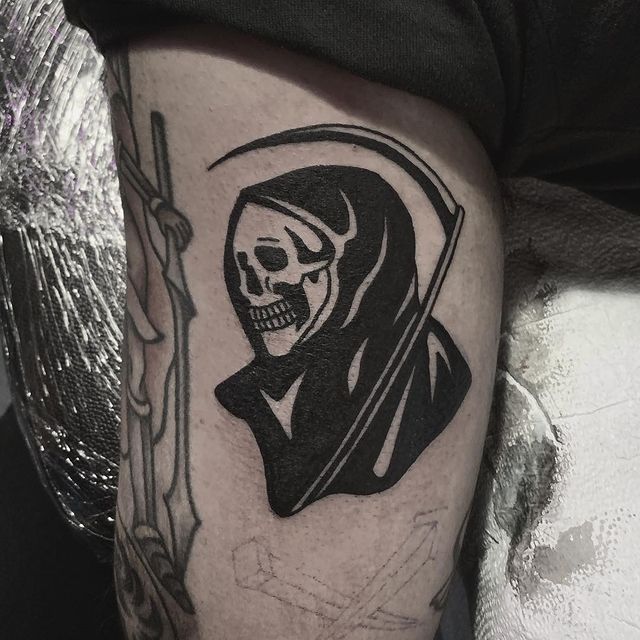
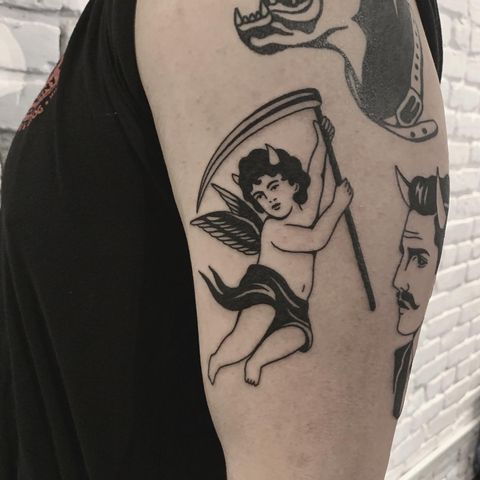
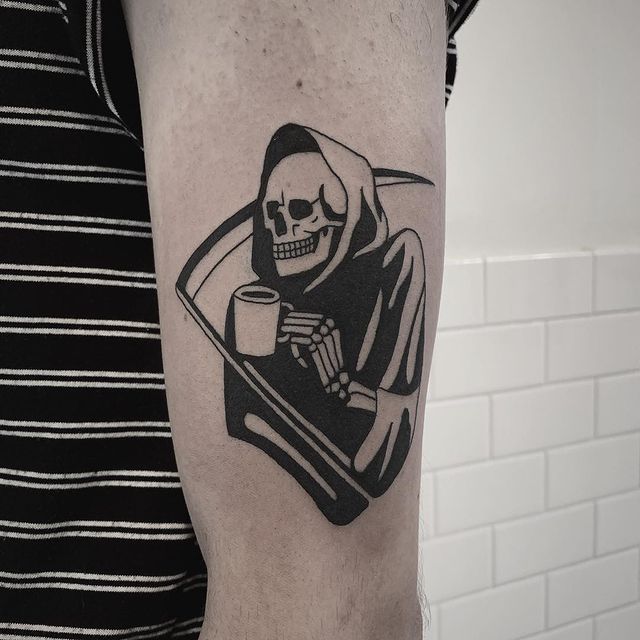
Shinko's portfolio leans into imagery that thrives under bold execution. Tribal geometric patterns, mandalas, and symmetrical bands form the backbone of the tribal work. On the traditional side, expect classic subject matter like skulls, roses, snakes, and daggers rendered with strong outlines. The dotwork pieces often feature mandalas, sacred geometry, and ornamental designs where stippled shading can create intricate detail without overwhelming the skin. The product link associated with Shinko references a piece called "Devil Over You," which hints at darker, more confrontational iconography fitting the traditional and tribal overlap. Devils, demons, and aggressive figures suit the heavy black fills and stark contrast these styles demand. When choosing a motif with any artist, look at what they post most frequently. That is where their linework confidence and compositional instincts are strongest. Browse traditional and dotwork tattoo ideas to compare motifs across styles.
Placement & Sizing Considerations
Tribal and dotwork tattoos both scale dramatically based on placement. Large tribal pieces on the back, chest, or full sleeve allow the bold patterns to breathe and maintain visual impact from a distance. Dotwork, by contrast, needs enough skin real estate for the stippled gradients to read clearly. Tiny dotwork on a finger will blur over time as the dots spread. Shinko's style combination works best on medium to large areas. The upper arm, thigh, calf, and ribcage give both the solid black fills and the delicate stippling room to coexist without competing. If you are planning a smaller piece, lean toward one style rather than blending all three. A small dotwork mandala or a single traditional flash piece will hold up better than a compressed multi-style design. Placement also affects healing. Dotwork requires careful aftercare to preserve the individual point definition. Read the tattoo aftercare guide for detailed healing instructions specific to your placement.
How to Choose an Artist for Tribal or Dotwork
Selecting the right artist for tribal or dotwork comes down to three factors. First, examine healed photos, not just fresh work. Dotwork that looks crisp on day one can blur if the artist's needle depth is inconsistent. Ask to see pieces that are six months to a year old. Second, look for style consistency across their portfolio. An artist who posts strong tribal work one day and watercolor the next may not have the focused repetition that builds technical mastery. Shinko's concentration across tribal, traditional, and dotwork suggests dedicated practice in these overlapping disciplines. Third, consider communication and booking processes. Independent artists handle their own scheduling, pricing, and consultation workflows. Reach out through their Instagram or website to discuss your concept before committing. A good artist will tell you if your idea fits their strengths or suggest modifications that play to their skills. Use the artist directory to compare portfolios and find specialists near you.
Explore more
Frequently Asked Questions
How do I book a tattoo appointment with Han Shinko?
Han Shinko operates independently without a listed studio. Contact them directly through their Instagram profile (@hanaroshinko) or their website at nohkuro.com to inquire about booking, pricing, and availability.
What tattoo styles does Han Shinko specialize in?
Han Shinko specializes in three primary styles: tribal, traditional, and dotwork. Their work often blends these approaches, combining bold tribal blackwork with intricate dotwork shading and traditional iconography.
Where is Han Shinko located?
Han Shinko's current location is not publicly listed. They appear to operate as an independent artist. Reach out via Instagram or their website to ask about their studio location or travel schedule.
How much does a tattoo from Han Shinko cost?
Pricing information for Han Shinko is not publicly available. Tattoo costs vary based on size, complexity, placement, and the artist's rate. Contact the artist directly through Instagram or their website to discuss pricing for your specific project.
Does Han Shinko do custom tattoo designs?
Based on their portfolio showcasing tribal, traditional, and dotwork pieces, Shinko appears to produce custom work. To confirm whether they accept custom design requests or work from flash, contact them directly through their Instagram or website.