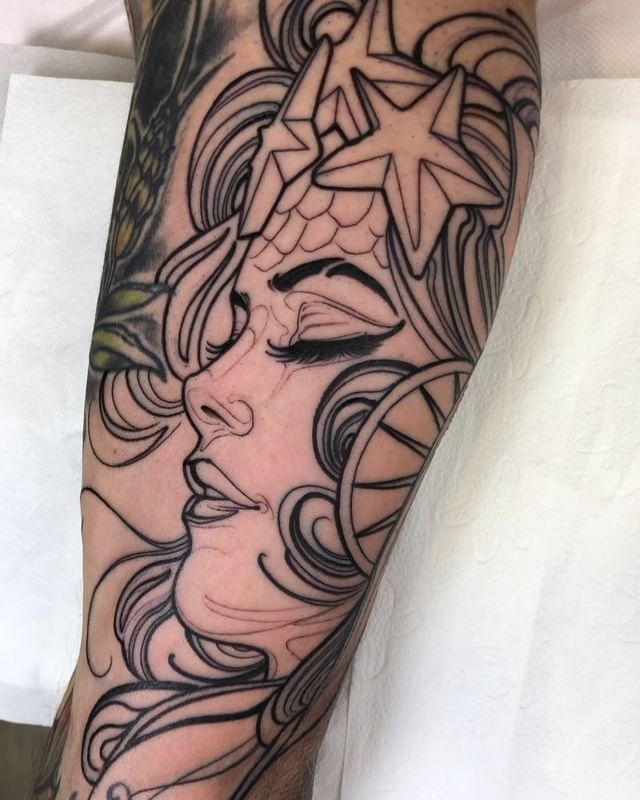
FEDE ALMANZOR TATTOO
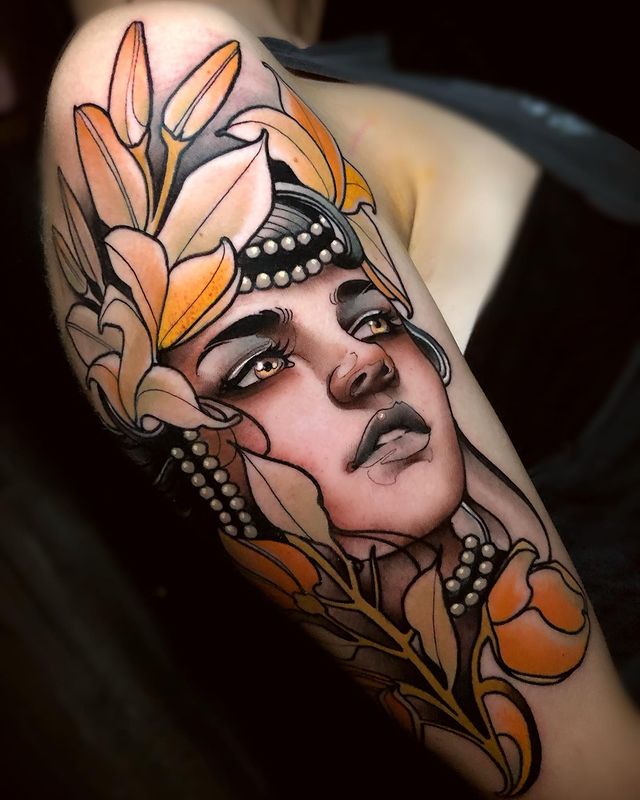
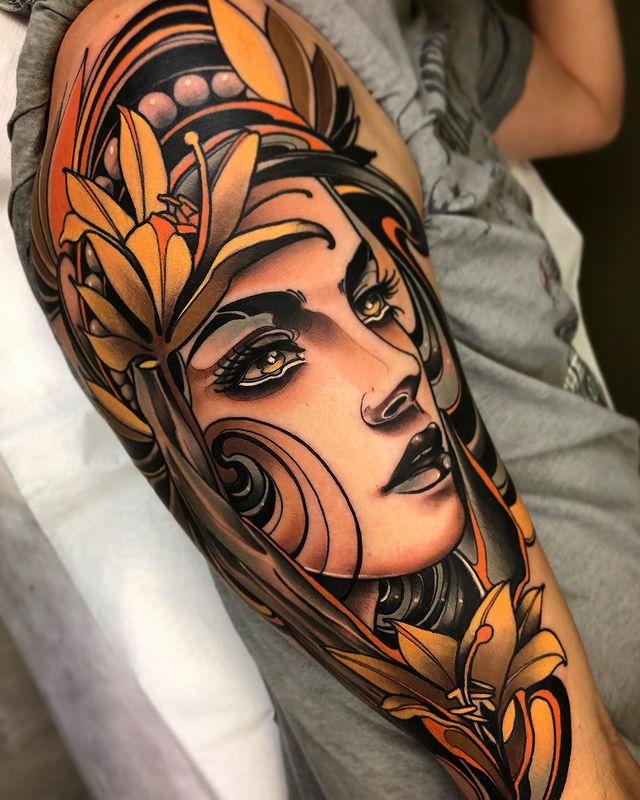
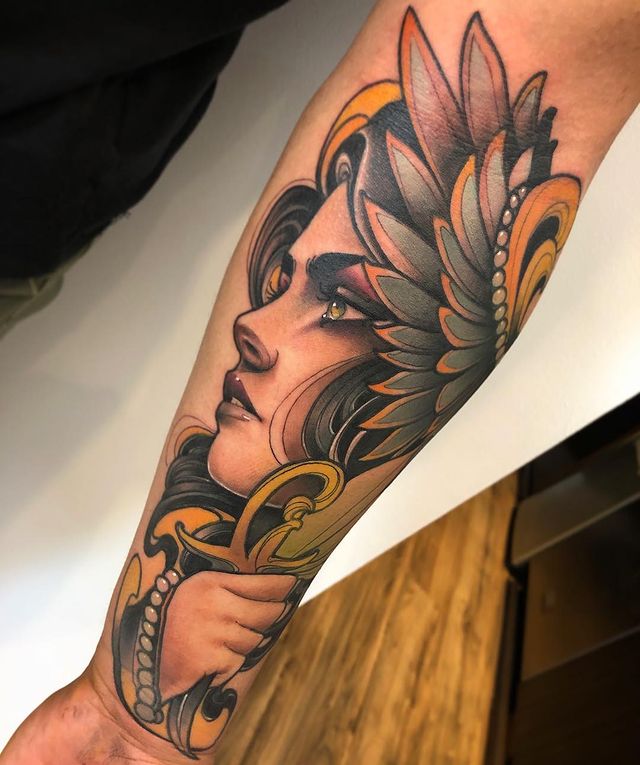
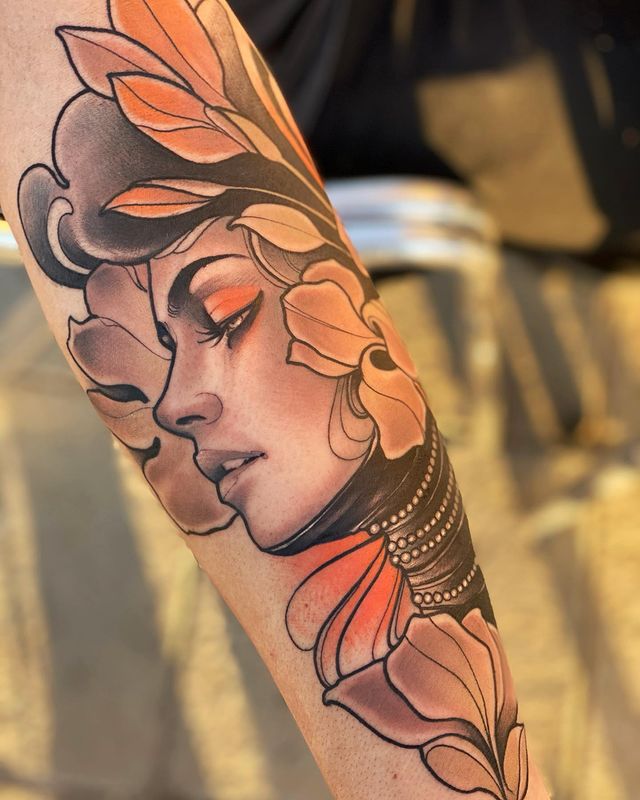
Fede Almanzor is an incredibly talented tattoo artist based in Berne, Switzerland specializing in neotraditional and tribal styles. With a vast following of over 130,000 on Instagram, Almanzor's skill and artistry are clearly recognized and admired globally. Working as a resident artist at Site of Grace Tattoo, his clients praise him for his impressive workmanship and fine attention to detail.
Fede Almanzor is a tattoo artist based in Berne, Switzerland, specializing in neotraditional and tribal tattoo styles. With over 132,000 followers on Instagram, Almanzor has built a significant following and established presence in the international tattoo community. The neotraditional approach combines bold black outlines with rich, saturated colors and dimensional shading, drawing from traditional American tattooing with modern refinements. The tribal work engages with indigenous pattern traditions that span Polynesian, Māori, and other cultural lineages. Almanzor operates as an independent artist based in Berne. For booking inquiries, consultation details, pricing, and current availability, contact the artist directly through Instagram or the official Big Cartel storefront.
History & Origins
Neotraditional tattooing emerged in the late 1980s and 1990s as artists pushed beyond the boundaries of classic American traditional work. The style keeps the bold black outlines and solid saturation of Sailor Jerry-era tattooing but opens the door to wider color palettes, more intricate detail, and greater depth through layered shading. Fede Almanzor works within this lineage from Berne, Switzerland, bringing a European perspective to a style rooted in American tattoo history. Tribal tattooing carries a far older and more complex lineage. Polynesian, Māori, and other indigenous cultures developed these pattern systems over centuries, each mark carrying genealogical, spiritual, and social meaning. The geometric patterns, bold black fills, and rhythmic repetition that define tribal work are visual languages, not just decorative choices. When a contemporary artist like Almanzor works in tribal styles, the cultural context matters. These patterns originate from living cultures, and responsible practitioners approach them with research and respect. Almanzor's combination of neotraditional and tribal work points to an artist drawn to bold, graphic approaches across both modern and traditional frameworks.
Defining Characteristics
Neotraditional tattoos share several visual hallmarks. Thick black outlines anchor the design, providing structure and longevity as the tattoo ages. Inside those outlines, artists deploy rich, saturated colors that hold up over decades. Shading creates dimension without sacrificing the graphic clarity that makes the style readable from a distance. Common techniques include whip shading for gradient effects and layered color builds for depth. Tribal tattooing operates on different principles entirely. The emphasis falls on bold black shapes, negative space, and geometric rhythm. Patterns flow with the body's contours, creating visual movement that shifts as the wearer moves. Line weight tends to be consistent, and the contrast between filled black and bare skin drives the visual impact. Fede Almanzor works across both approaches. That range requires real versatility. Neotraditional demands color theory knowledge and shading control. Tribal demands precision in geometry and an understanding of how patterns interact with human anatomy. An artist proficient in both brings a broad visual vocabulary to each piece, whether the client wants a vibrant neotraditional portrait or a bold tribal sleeve.
Popular Motifs & Subjects
Neotraditional tattooing draws from a rich visual library. Animals rank among the most requested subjects. Lions, eagles, wolves, and snakes appear frequently, rendered with exaggerated features and dramatic color choices. Floral elements like roses, peonies, and lotuses provide contrast and softness against the harder animal forms. Portraits of women, vintage-inspired imagery like daggers and compasses, and mythological figures also show up often in neotraditional portfolios. Tribal motifs depend heavily on the specific cultural tradition being referenced. Polynesian patterns include motifs like the shark tooth (niho mano) for protection, the turtle shell for longevity and navigation, and the spearhead for courage and dominance. Māori moko patterns carry specific genealogical information tied to the wearer's identity. Filipino tribal patterns draw from different lineages entirely. Fede Almanzor's Instagram feed showcases work across these categories. The neotraditional pieces feature bold animal portraits and floral compositions with saturated color. The tribal work demonstrates pattern-based designs that wrap around limbs and follow the body's natural lines. Clients considering either style should browse the portfolio to understand the specific visual language and recurring themes before reaching out.
Placement & Sizing
Both neotraditional and tribal tattoos have placement considerations that directly affect the final result. Neotraditional pieces need enough space for color saturation and shading detail. Small designs lose the dimension that makes the style distinctive. The forearm, upper arm, thigh, and calf provide ideal canvases because the relatively flat surfaces and good skin elasticity support clean lines and smooth color fills. Chest and back pieces allow for larger, more complex compositions with room for background elements. Tribal tattoos interact with the body differently. The patterns are designed to flow with muscle and bone structure, so placement becomes integral to the design itself. Traditional Polynesian and Māori tattooing maps patterns onto specific body zones with cultural meaning attached to each area. Full sleeves, half sleeves, and leg pieces are common for tribal work because the repeating patterns benefit from extended surface area. Fede Almanzor's portfolio includes work across various body locations. Clients should discuss placement during consultation, as both styles require the artist to consider how the design moves with the body. A skilled artist adapts the pattern or image to complement the wearer's anatomy rather than stamping a design onto flat skin.
Choosing an Artist
Selecting the right tattoo artist requires more than scrolling through Instagram saves. Start by examining the portfolio closely. Look for healed photos, not just fresh work. Neotraditional tattoos should hold their color and line clarity after healing. Tribal work should maintain crisp edges and consistent fills over time. Check whether the artist's style matches your vision. Fede Almanzor specializes in neotraditional and tribal work. If you want photorealism, Japanese traditional, or fine line, this is not the right fit. Specialization matters. Artists who focus on specific styles develop deeper skill sets within those disciplines. Communication matters too. Reach out through Instagram or the Big Cartel storefront. Describe what you want clearly. Reference images help, but explain what you like about them rather than asking for a direct copy. A good consultation covers size, placement, style, and any cultural considerations, especially for tribal work. For pricing and availability, contact the artist directly. Rates vary based on the artist's experience, design complexity, and time required. Booking lead times also vary. The strongest results come from clear communication and mutual respect between artist and client.
Explore more
Frequently Asked Questions
What tattoo styles does Fede Almanzor specialize in?
Fede Almanzor specializes in neotraditional and tribal tattoo styles. Neotraditional work features bold outlines, vibrant color saturation, and dimensional shading rooted in American traditional tattooing. Tribal work incorporates bold geometric patterns drawing from indigenous cultural traditions including Polynesian and Māori lineages.
Where is Fede Almanzor located?
Fede Almanzor is based in Berne, Switzerland. The artist operates independently without a listed studio affiliation. Contact the artist directly through Instagram or the Big Cartel storefront for specific location and booking details.
How can I book a tattoo appointment with Fede Almanzor?
Reach out through Instagram (@fedealmanzor) or the Big Cartel storefront at fedealmanzor.bigcartel.com. Contact the artist directly for pricing, availability, and consultation details. Booking procedures and lead times vary, so check the artist's social media for current booking announcements.
How many followers does Fede Almanzor have on Instagram?
Fede Almanzor has over 132,000 followers on Instagram. This following reflects a strong international presence and established reputation within the tattoo community for neotraditional and tribal work.
Does Fede Almanzor accept walk-in appointments?
Contact the artist directly to confirm whether walk-ins are available or if all sessions require scheduled appointments. Booking policies, minimums, and deposit requirements should be discussed directly with the artist through Instagram or the Big Cartel storefront.