
Crocodile Jackson
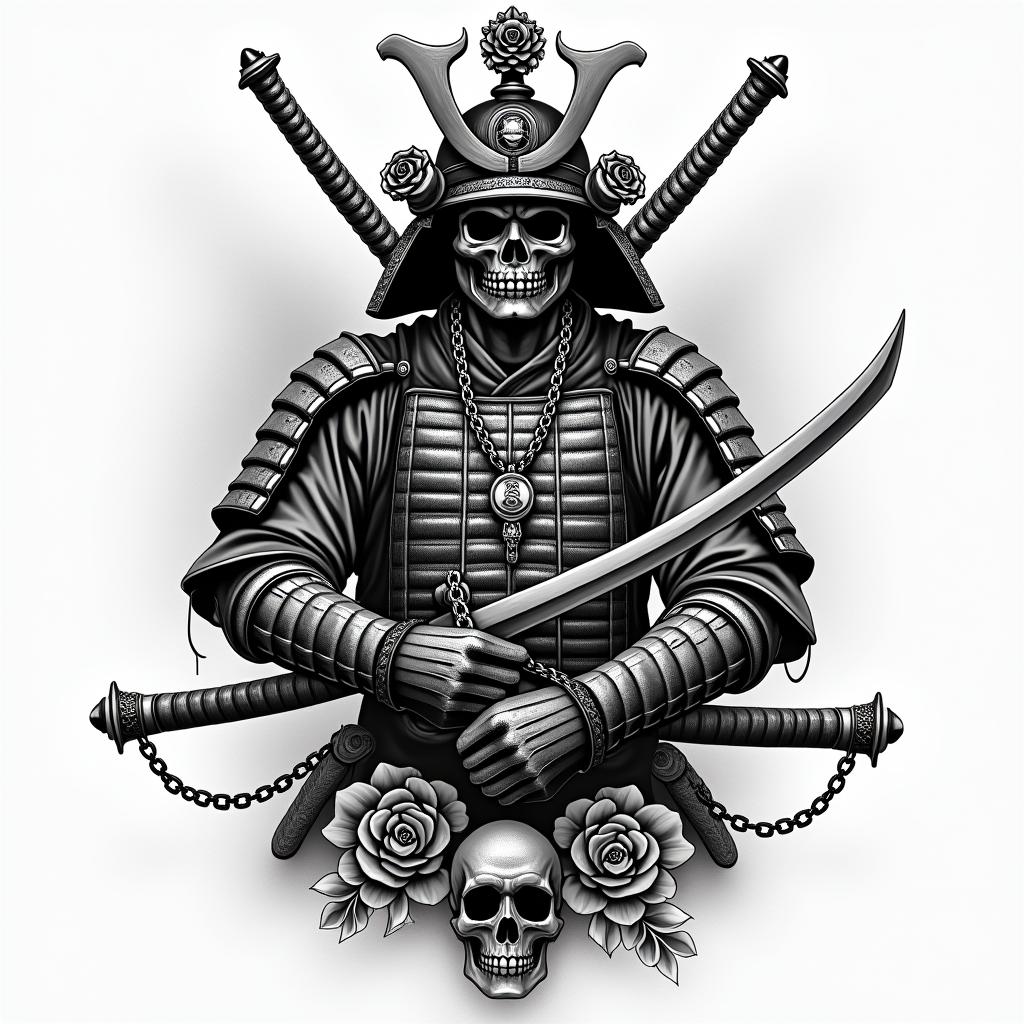
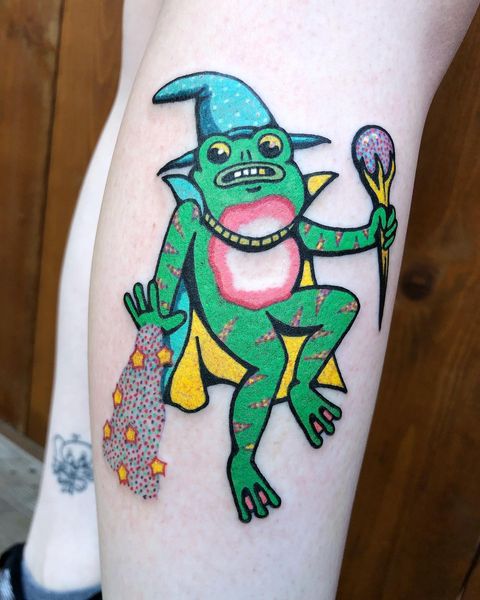
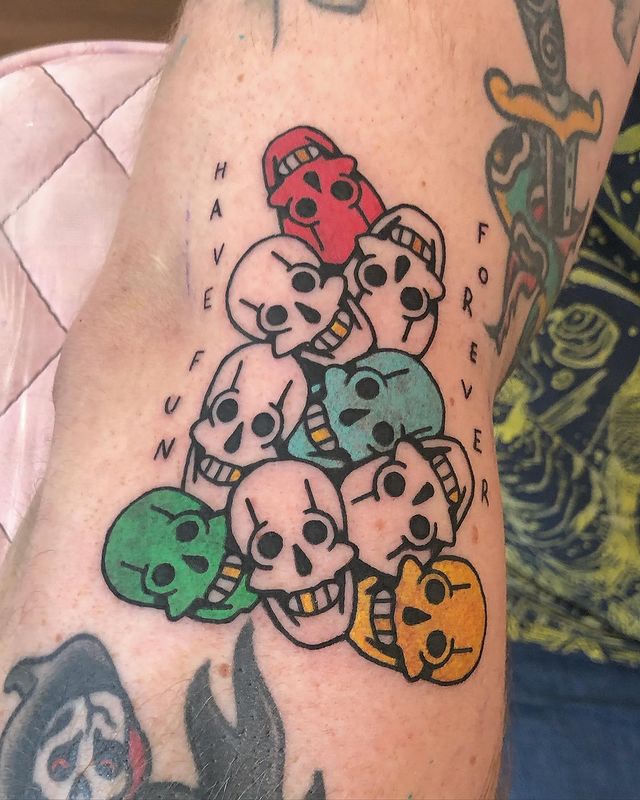
Crocodile Jackson, based in Los Angeles, United States, is an exemplary, highly skilled tattoo artist renowned for his illustrative style. He carries an impressive following of approximately 200,000 on Instagram, a testament to his remarkable talent and unique style. Also known as the 'Legendary Cowboy', Jackson's work truly upholds his bold title, with each of his pieces demonstrating high-end precision and skill.
Crocodile Jackson is an illustrative tattoo artist based in Los Angeles, California, with over 200,000 followers on Instagram. Their work sits within the illustrative tattoo style, which pulls from fine art drawing traditions to create tattoos with the line quality and texture of hand-drawn illustrations rather than conventional tattoo boldness. Crocodile Jackson operates as an independent artist in LA. Their portfolio is available on their website and Instagram, where they share finished pieces and process content. For booking, pricing, and availability, contact the artist directly through their official channels.
History & Origins
Illustrative tattooing has roots in the fine art traditions that predate electric tattoo machines. The style pulls from pen-and-ink drawing, etching, and editorial illustration, translating techniques built for paper onto human skin. Crocodile Jackson works squarely in this tradition from their base in Los Angeles, a city with a long history of tattoo innovation spanning from Sailor Jerry's influence through the fine line movement of the 2010s. What sets illustrative work apart from other tattoo approaches is the emphasis on line variation, hatching, and visual storytelling that reads like a drawing rather than a bold traditional piece. Los Angeles has become a hub for this style, with artists pushing toward ever more detailed and painterly results. Crocodile Jackson's following of over 200,000 on Instagram speaks to how resonant this approach has become. Clients seek out illustrative artists when they want tattoos that feel personal and artistic, pieces that carry the unmistakable mark of a human hand rather than digital perfection.
Defining Characteristics
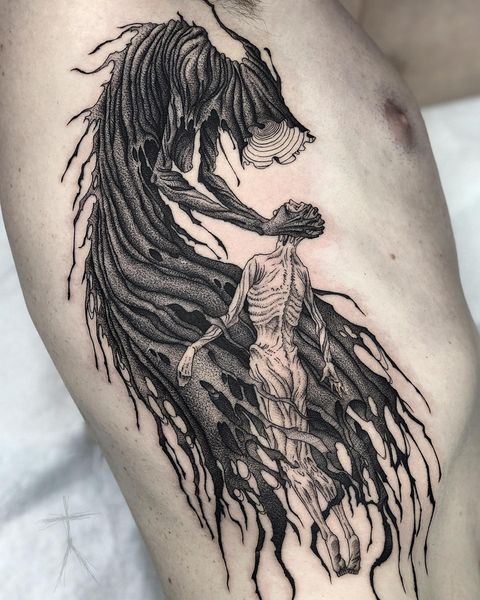
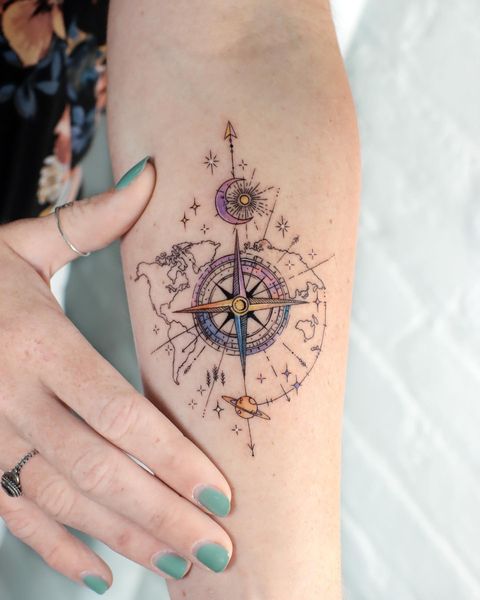
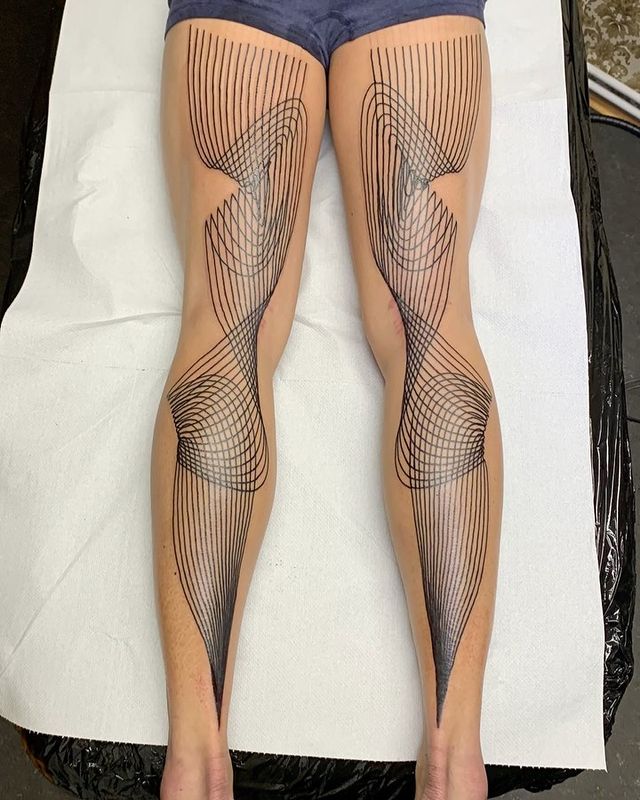
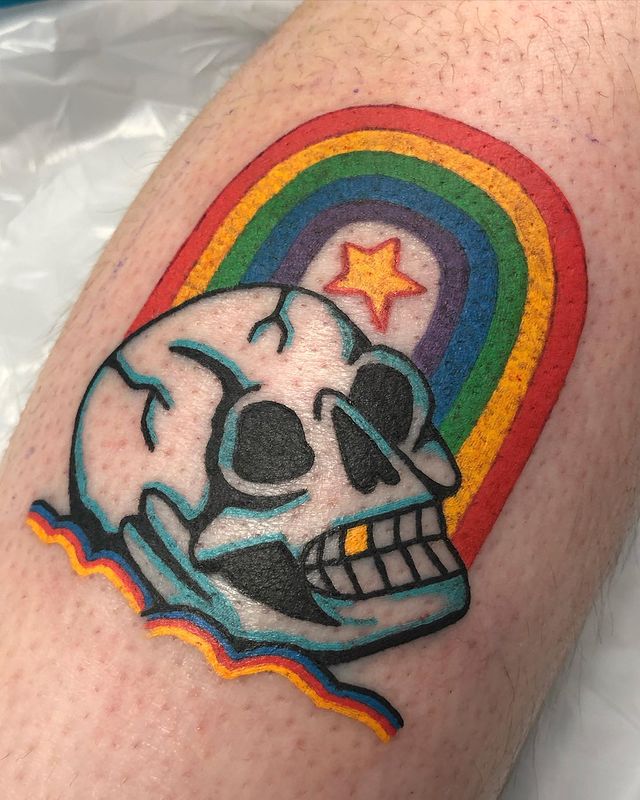
Illustrative tattooing lives or dies on linework. The style demands control over line weight, where a single stroke can shift from hairline thin to bold and back again within centimeters. Crocodile Jackson's work demonstrates this control. Shading in illustrative tattoos often relies on hatching, crosshatching, and stippling rather than the smooth gradients you see in realism. This gives the pieces a hand-drawn texture that reads as intentional and artistic. Color, when used, tends toward muted palettes or selective pops rather than full saturation. The overall effect lands somewhere between a book illustration and a sketchbook page. Composition matters heavily. Illustrative tattoos frequently use negative space as an active design element rather than filling every inch of skin. This breathing room lets the linework stand on its own. For anyone considering this style, the key is understanding that illustrative tattoos prioritize artistic expression over photographic accuracy. They look like drawings because that is exactly the point. The style rewards viewers who appreciate craft and intentionality in every mark.
Popular Motifs & Subjects
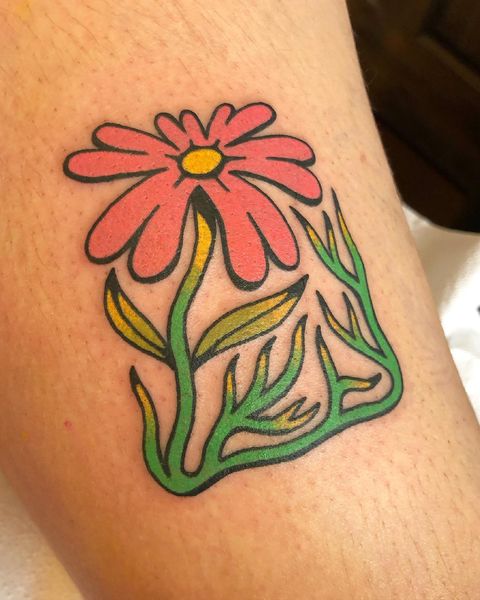
Illustrative tattoo artists often gravitate toward subjects that showcase line quality and compositional storytelling. Common motifs include portraits rendered with sketch-like energy, botanical studies that emphasize organic line variation, and animal subjects where fur, feathers, and scales become exercises in hatching technique. Mythological and literary themes also appear frequently. Dragons, phoenixes, and other legendary creatures give illustrative artists room to blend realism with fantasy through expressive linework. Floral arrangements, from single blooms to sprawling sleeves, allow for delicate petal work contrasted with bolder stem and leaf structures. Portraiture in the illustrative style tends to avoid photorealism. Instead, faces emerge through strategic line placement and shading that captures likeness through artistic interpretation rather than pixel-perfect replication. Nature scenes, architectural studies, and narrative compositions all work well within this approach. The unifying thread is that each subject serves as a vehicle for the artist's drawing style. The what matters less than the how. An illustrative artist's signature shows in every line they lay down, regardless of the subject matter.
Placement & Sizing
Illustrative tattoos work across a wide range of placements, but certain spots play to the style's strengths. Larger areas like the forearm, thigh, and back give the linework room to breathe and allow for the kind of compositional detail that makes illustrative pieces shine. The forearm is a popular choice because its relatively flat surface preserves line clarity and lets viewers read the drawing quality at a glance. Smaller placements can work too. A single illustrative flower or small portrait on the inner arm or ankle carries well when the design is simplified to match the scale. The key is matching detail density to available space. Cramming too much hatching into a three-inch design muddies the result. Sleeves and large-scale projects are where illustrative artists often deliver their strongest work. The extended canvas allows for narrative compositions, environmental backgrounds, and the kind of visual rhythm that comes from repeating motifs and flowing linework across the body. For first-time clients considering this style, start with a medium-sized piece on a flat, visible area. This gives the artist enough room to demonstrate their line quality and gives you a sense of how the style heals and ages on your skin.
Choosing an Artist
Selecting the right illustrative tattoo artist comes down to three things: portfolio consistency, line quality, and communication. Crocodile Jackson's portfolio on Instagram shows a sustained commitment to the illustrative approach across numerous pieces. Consistency matters because it tells you the artist can deliver their style reliably, not just on their best day. Look at healed photos, not just fresh work. Illustrative tattoos rely on fine lines and delicate shading that can soften over time. An artist who shares healed results demonstrates confidence in how their work ages. Line quality is the non-negotiable. Examine the edges, the weight transitions, and the cleanliness of the strokes. Wobbly lines or inconsistent weight in a portfolio mean wobbly lines on your skin. Communication matters because illustrative tattoos often involve creative interpretation. You want an artist who understands your concept and can translate it into their visual language. Reach out with clear reference images and an open mind about how the artist might adapt your idea to their style. For Los Angeles residents or visitors, Crocodile Jackson offers a distinctive illustrative voice backed by a substantial following. Browse other illustrative artists on Inksy's tattoo artist directory to compare styles and find the right match for your vision.
Explore more
Frequently Asked Questions
What style of tattoos does Crocodile Jackson do?
Crocodile Jackson specializes in illustrative tattoos. This style draws from fine art and drawing techniques, producing tattoos that resemble hand-drawn illustrations with expressive linework, detailed shading, and an artistic quality that sets them apart from traditional tattoo styles.
Where is Crocodile Jackson located?
Crocodile Jackson is based in Los Angeles, California. They operate as an independent artist. For the most current studio location and booking details, contact the artist directly through their website or Instagram.
How do I book a tattoo appointment with Crocodile Jackson?
Contact Crocodile Jackson directly through their website at crocodilejackson.com or via Instagram @crocodile.jackson to inquire about booking. Since they operate independently, booking procedures and availability may vary. Reach out through their official channels for the most accurate and up-to-date information.
How popular is Crocodile Jackson on social media?
Crocodile Jackson has over 200,000 followers on Instagram, making them one of the more widely followed illustrative tattoo artists in Los Angeles. Their significant following reflects strong demand for their distinctive illustrative style.
Does Crocodile Jackson work at a specific tattoo shop?
Crocodile Jackson's current shop affiliation is not publicly listed. They operate as an independent artist in Los Angeles. For details about where they tattoo and whether they guest at other studios, contact the artist directly.