Bob Tyrrell
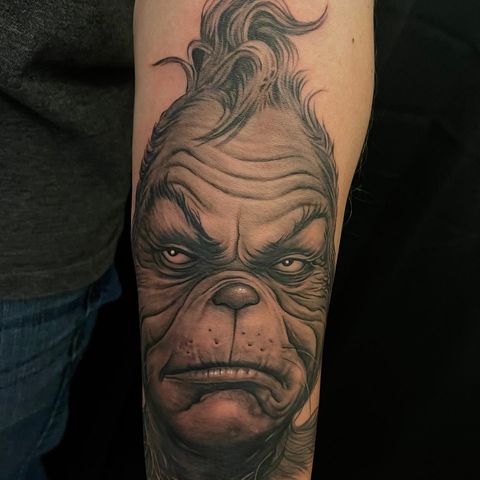
Bob Tyrrell, based in West Hollywood, United States, is a celebrated tattoo artist known for his black&gray, realism styles. With a substantial following of approximately 315,000 on Instagram, he manifests not only exceptional tattooing skills but also a high level of professionalism. You can set up appointments with this renowned artist via e-mail at bob@bobtyrrell.com. His noteworthy portfolio is the talk of the town in the heartbeat of Detroit Rock City.
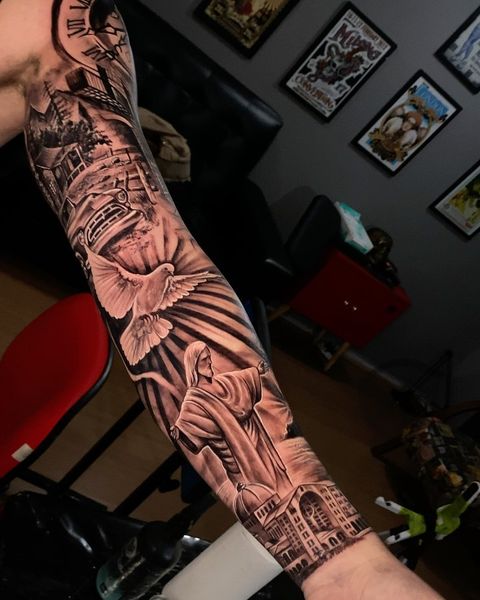
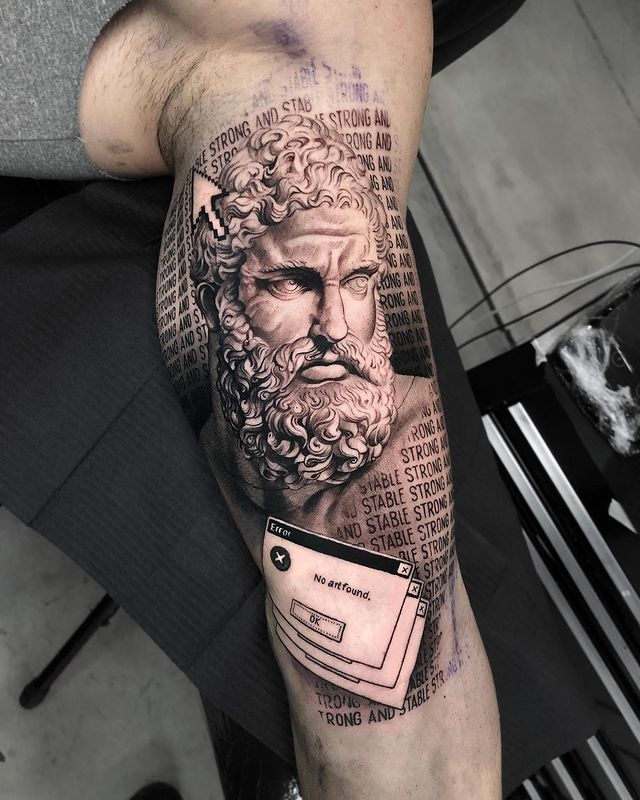
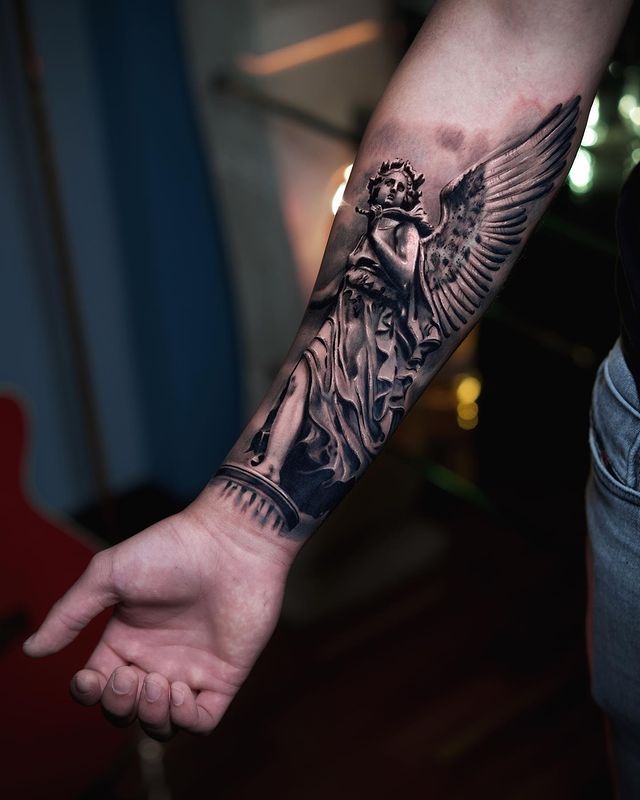
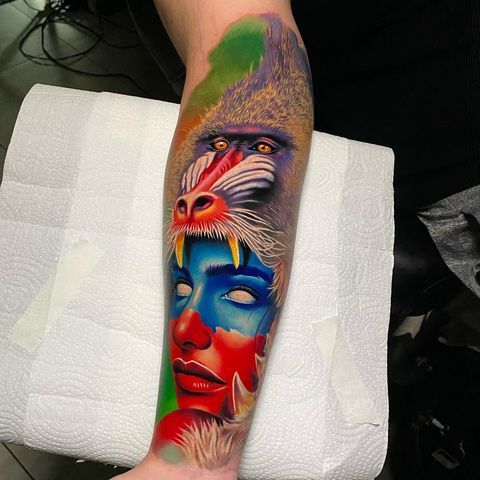
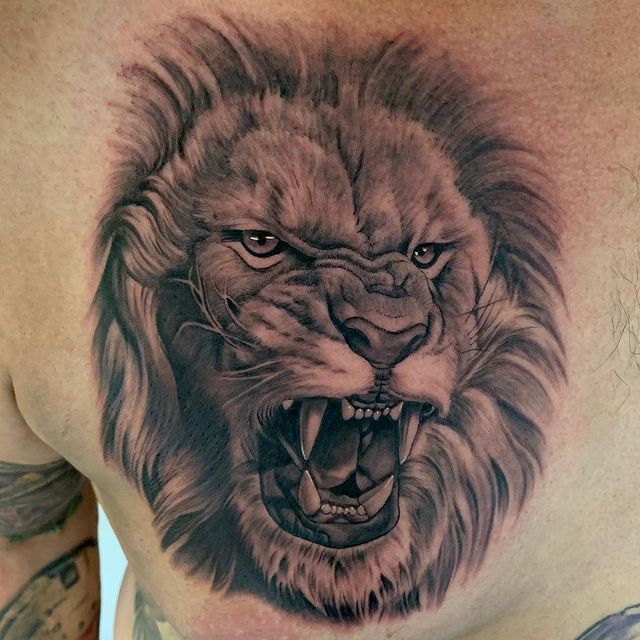
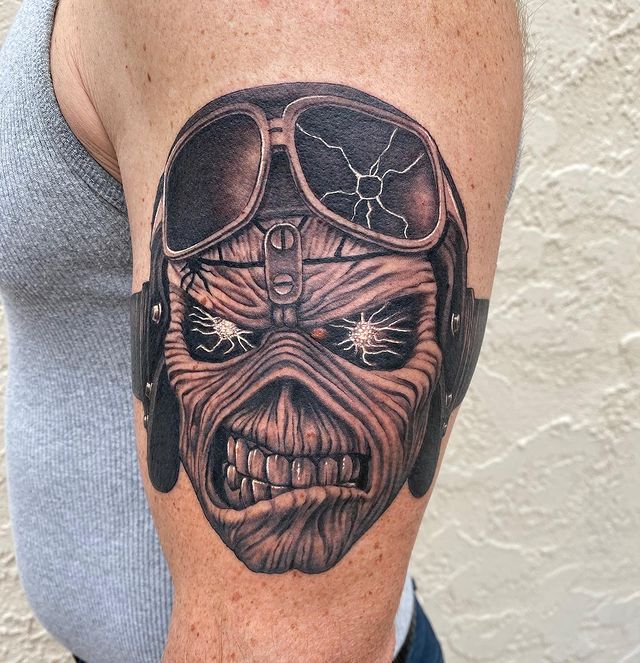
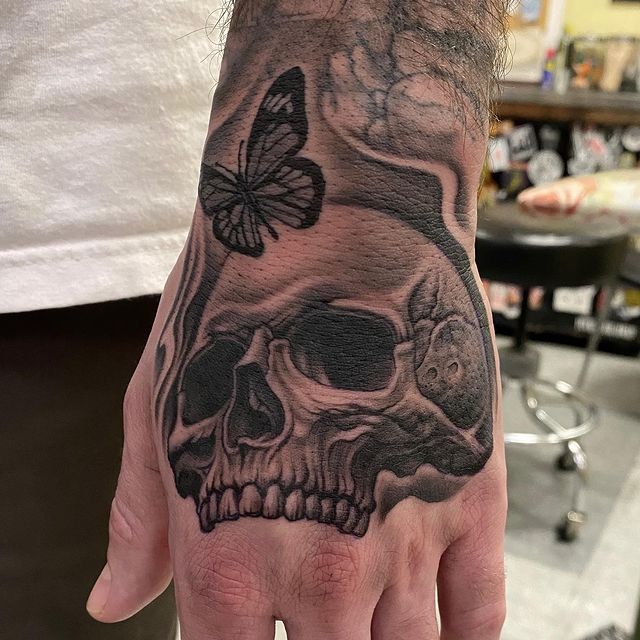
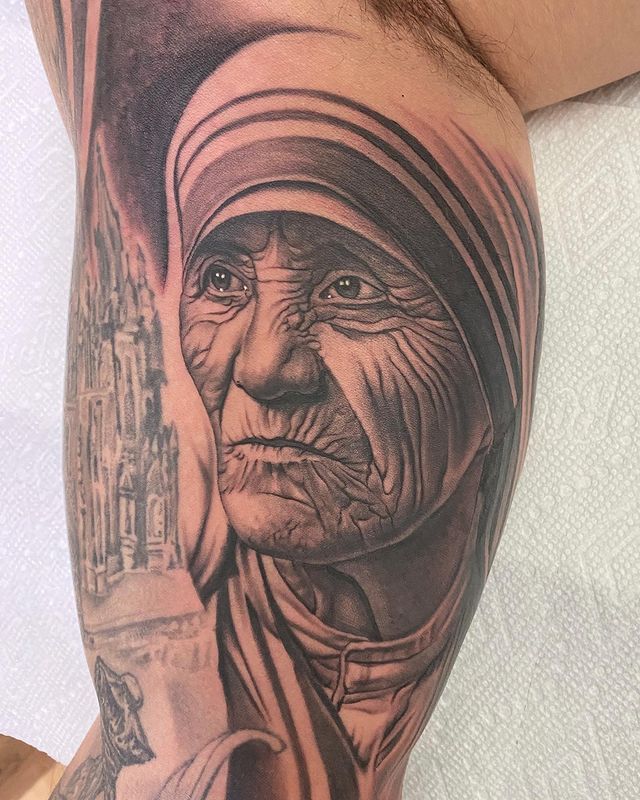
Bob Tyrrell is a black and gray realism tattoo artist based in West Hollywood, California. Known for highly detailed portrait and realism work rendered entirely in black and gray ink, he has built a substantial following of over 314,000 on Instagram. His specialty lies in capturing lifelike detail, subtle shading gradients, and photographic quality in monochrome. West Hollywood has long been a hub for high-caliber tattoo talent, and Tyrrell's presence there places him among the area's notable realism artists. For booking inquiries, consultation details, and current availability, contact him directly through his website or Instagram.
History & Origins
Black and gray tattooing traces its roots to the Chicano culture of 1970s Southern California, where artists in prisons and neighborhoods developed the technique using only black ink diluted to different shades. The style was born from limitation, no access to color, and turned that constraint into one of the most respected tattoo traditions in the world. West Hollywood and the broader Los Angeles area became central to the style's evolution as shops like Spotlight and Good Time pushed the craft toward photorealism. Bob Tyrrell operates within this lineage, working out of West Hollywood where black and gray realism has deep cultural footing. The technique demands patience and an understanding of value that color tattooing can sometimes mask. Every gradient has to be built by hand, layer by layer. That discipline is what separates a solid black and gray piece from a muddy one, and it is the foundation of Tyrrell's practice.
Defining Characteristics
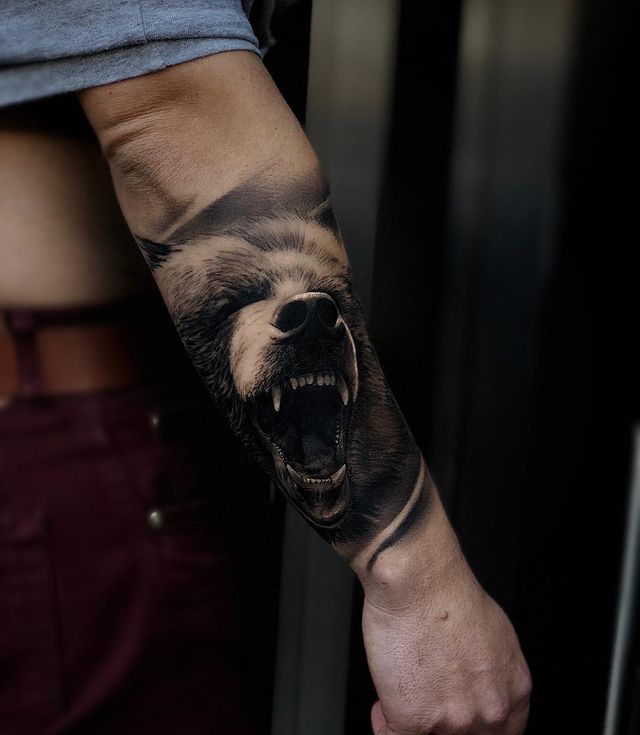
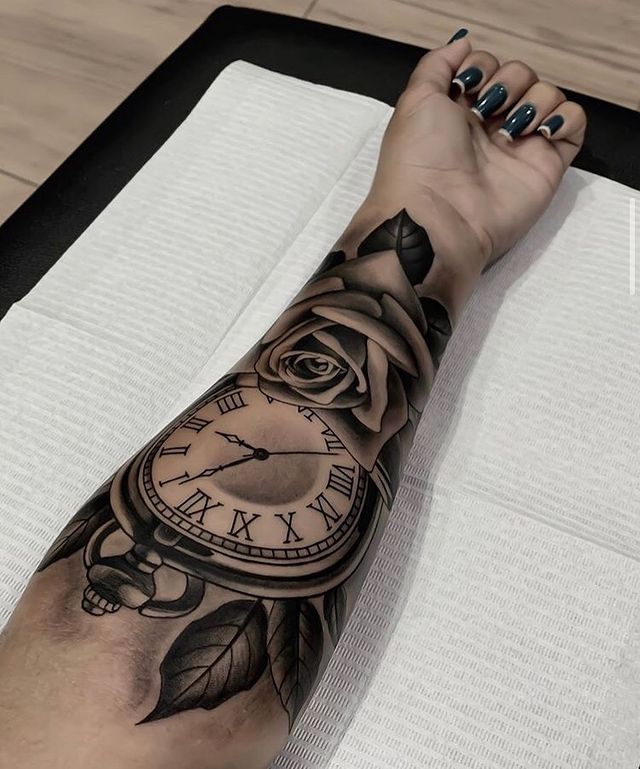
Black and gray realism stands apart because it strips away color and forces the artist to communicate entirely through value. Light, shadow, texture, and depth all come from the careful modulation of black ink. Bob Tyrrell's work sits squarely in this tradition. His specialty is realism, which means the goal is photographic accuracy rendered in monochrome. Portraits are the ultimate test of this style. A face has to look right from across the room, not just up close. The eyes, the subtle shadow under the jaw, the way light catches the bridge of a nose. These details separate competent work from exceptional work. Realism in black and gray also ages differently than color. There is no ink to fade to an unintended hue. The piece either holds its contrast or it softens, but the tonal relationships stay intact. That longevity is part of why collectors seek out artists like Tyrrell who understand how to pack ink for the long term.
Popular Motifs & Subjects
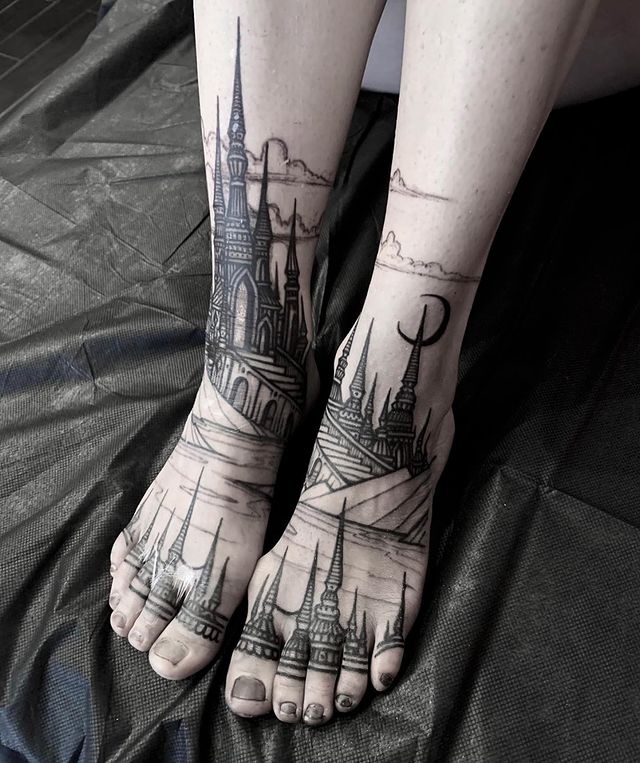
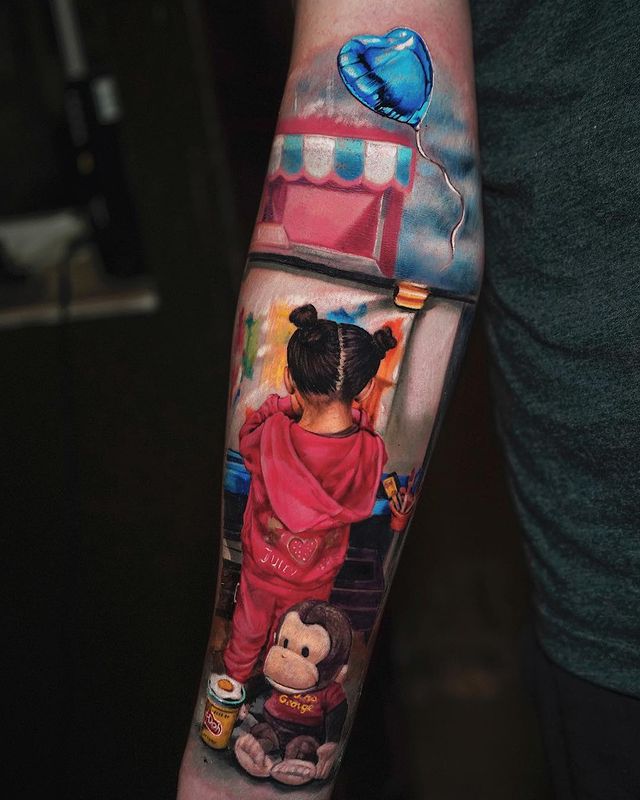
In black and gray realism, certain subjects recur because they showcase what the style does best. Portraits are the most demanding and the most common. Celebrity portraits, family members, and cultural icons all appear frequently in Tyrrell's genre. Beyond faces, animals with rich texture work exceptionally well in this style. Lions, wolves, and eagles give the artist fur, feathers, and fierce expressions to render in fine detail. Religious iconography also has a long history in black and gray, from Virgin Mary designs to crosses and angel figures, tying back to the style's Chicano origins. Skulls remain a staple because they let the artist demonstrate mastery of bone structure and shadow. Dark fantasy subjects like reapers, gothic architecture, and horror film imagery also fit naturally into the palette. The common thread is high contrast and intricate detail. If a subject needs subtle shading to read correctly, black and gray realism handles it better than almost any other approach.
Placement & Sizing
Realism tattoos need space. That is the simplest and most important placement rule for this style. A portrait crammed onto an ankle will lose the detail that makes it work. The face needs room for the eyes, the shading around the nose, the gradient on the cheeks. Most black and gray realism pieces from artists at Tyrrell's level start at medium size and go up from there. The inner forearm, upper arm, thigh, calf, and back all provide enough canvas for the shading to breathe. The chest and ribcage work too, though the ribcage presents a healing challenge that can affect how the ink settles. Smaller pieces are possible, but the subject has to match the space. A single rose or a small animal eye can work at a modest scale. A full portrait cannot. Placement also affects how the piece ages. Areas with high friction or sun exposure, like hands and feet, are risky for realism. The inner upper arm or back will preserve the detail far longer.
Choosing an Artist
Picking a realism artist comes down to one thing above all else: does the healed work look good? Fresh tattoos always look sharp. Healed tattoos tell you whether the artist understands ink saturation, depth, and long-term contrast. When evaluating Bob Tyrrell or any black and gray realism artist, look for healed photos in their portfolio, not just fresh shots. Check the eyes in portraits. They should read clearly from a distance. Look at the transitions between dark and light. Are they smooth, or do you see banding and uneven patches? With over 314,000 Instagram followers, Tyrrell's reach speaks to demand, but followers alone do not guarantee fit. Your specific idea matters. An artist who excels at portraits may not be the best choice for a wildlife piece, even within the same style. Reach out, share your concept, and see how the artist responds. A good consultation should cover sizing, placement, reference images, and timeline. If an artist brushes past these details, that is a red flag regardless of their follower count.
Booking & Next Steps
Bob Tyrrell does not list a specific shop affiliation or studio name publicly, so the most reliable way to reach him is through his website at bobtyrrell.com or his Instagram at @bobtyrrell. Most artists at this level require a consultation before booking, and many operate with waitlists. Be prepared to share your concept, preferred placement, and any reference images you have. The more specific you are, the smoother the conversation goes. If you are still figuring out what you want, browse black and gray tattoo ideas on Inksy to gather references before reaching out. Having a clear direction saves time for both you and the artist. You can also use the AI tattoo generator to visualize different concepts in realism style before committing to a design. When you are ready to find other black and gray artists in the West Hollywood area or beyond, the artist directory has you covered. And once your appointment is set, read through the aftercare guide so you know exactly how to protect your new piece during healing.
Explore more
Frequently Asked Questions
What style of tattoos does Bob Tyrrell specialize in?
Bob Tyrrell specializes in black and gray realism tattoos. His work focuses on highly detailed, photorealistic designs rendered without color, relying on precise shading and contrast to achieve a lifelike effect.
How do I book a tattoo appointment with Bob Tyrrell?
To book an appointment with Bob Tyrrell, contact him directly through his official website at bobtyrrell.com or via his Instagram @bobtyrrell. Booking procedures, deposit requirements, and availability are handled through those channels.
Where is Bob Tyrrell located?
Bob Tyrrell is based in West Hollywood, California. For the specific studio address and current shop affiliation, contact the artist directly through his website or Instagram.
How much does a tattoo from Bob Tyrrell cost?
Pricing for Bob Tyrrell's work is not publicly listed and depends on the size, detail, and placement of the design. Contact the artist directly through his website or Instagram for a quote based on your specific project.
Does Bob Tyrrell accept walk-ins?
There is no publicly available information about walk-in availability. High-demand realism artists typically work by appointment only. Contact Bob Tyrrell directly through his website or Instagram to confirm his booking process.