George Bardadim
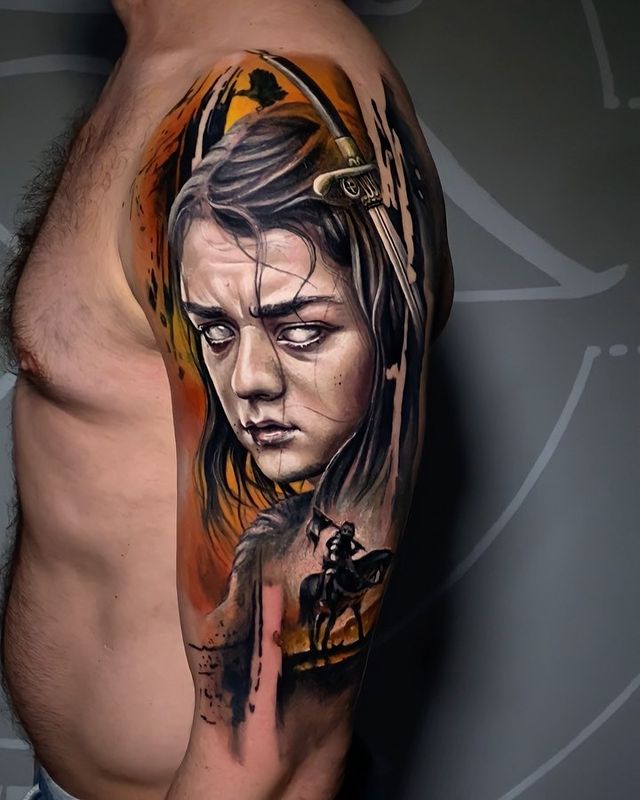
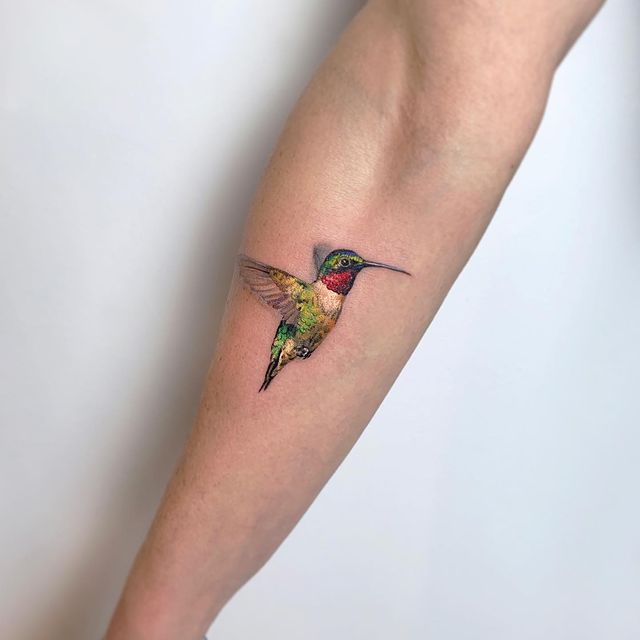
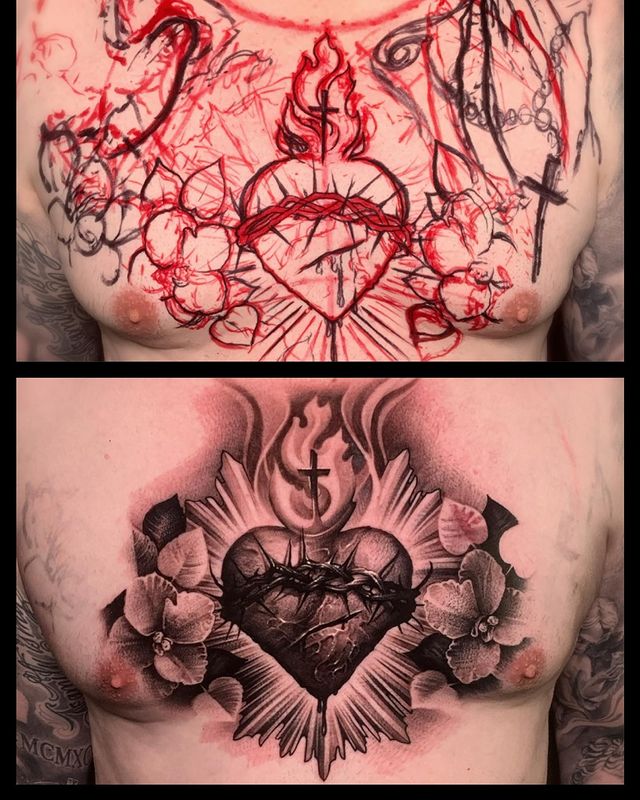
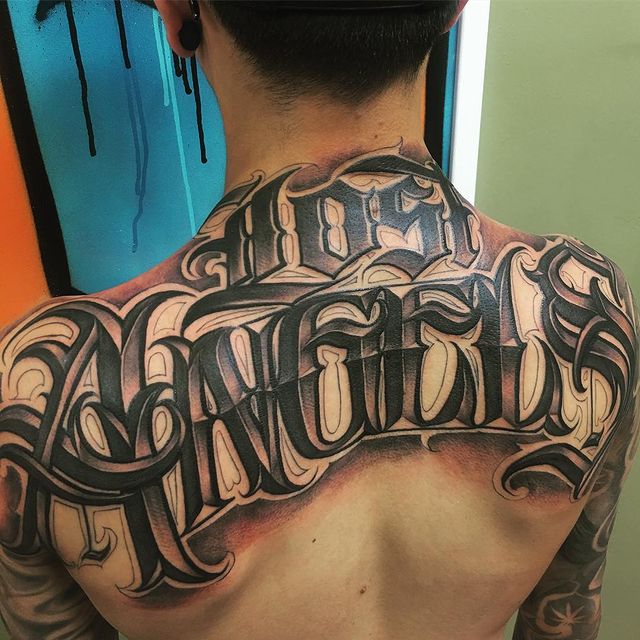
George Bardadim is a highly skilled tattoo artist based in Brooklyn, United States, recognized widely for his mastery in Japanese and black&gray tattoo styles. With a notable following of around 78,000 individuals on Instagram, his distinctive and detailed work serves as a testament to his talent in the tattoo industry. His studio's high standard of cleanliness contributes greatly to his professional reputation.
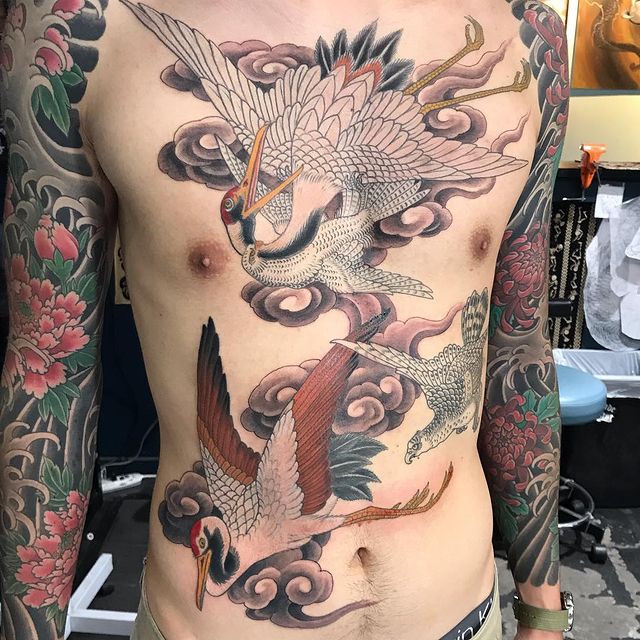
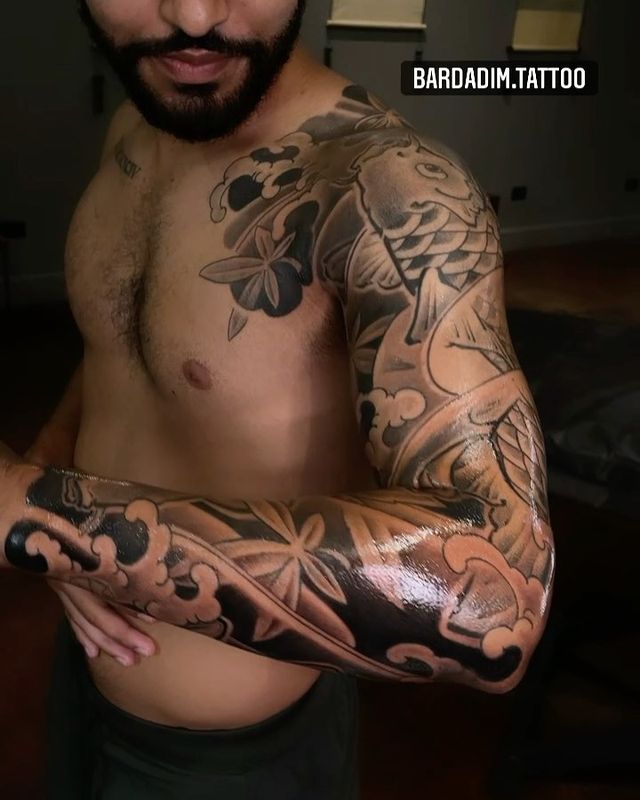
George Bardadim is a tattoo artist based in Brooklyn, New York, specializing in Japanese and black & gray tattoo styles. With a following of over 78,000 on Instagram, Bardadim has built a strong reputation for his work in traditional Japanese motifs rendered in detailed black and gray shading. His portfolio showcases a range of Japanese-inspired designs, from full-body compositions to focused pieces that highlight the depth and texture achievable in monochrome ink. Bardadim operates independently in Brooklyn and can be reached through his website at bardadim.tattoo or via his Instagram @bardadim for booking inquiries.
History & Origins
Japanese tattooing, or irezumi, has roots stretching back centuries in Japan. Originally tied to spiritual and social identity, the tradition evolved through the Edo period into the bold, narrative-driven art form recognized worldwide today. Black and gray tattooing developed along its own path, rooted in prison tattoo culture in the United States before gaining legitimacy through artists in the 1970s and 80s Chicano scene. George Bardadim works at the intersection of these two traditions. Based in Brooklyn, he applies the storytelling density of Japanese tattooing through the tonal vocabulary of black and gray. This combination is not common. Most Japanese work leans heavily on color, with reds, yellows, and greens filling the space between bold outlines. Stripping that color away forces a different kind of discipline. The shading has to carry the weight that color normally handles. Bardadim's approach reflects a deep understanding of both line work and gradation, producing pieces that feel traditional in subject matter but distinct in execution.
Defining Characteristics
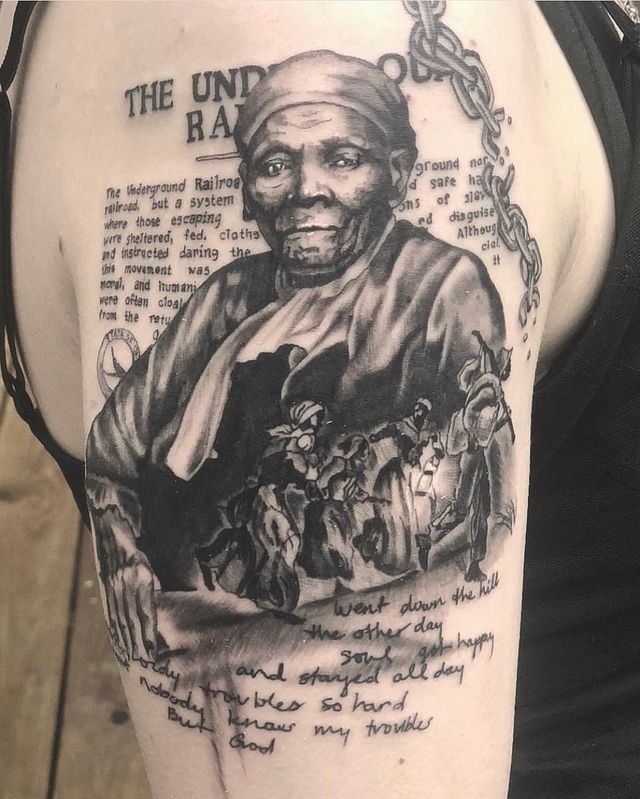
What sets George Bardadim's work apart is the way he handles contrast within a limited palette. Black and gray Japanese tattooing demands precision. Without color to differentiate elements, the artist relies entirely on value shifts, from solid black to the lightest gray wash, to create depth and separation. Bardadim's pieces show a strong command of this range. His backgrounds recede. His foreground subjects push forward. The flow between panels reads clearly even on complex compositions like full sleeves or back pieces. Another defining trait is his line work. Japanese tattooing depends on bold, confident outlines to hold the design together over time. Bardadim's linework stays crisp without feeling stiff, which is a balance many artists struggle with. The outlines give structure, while the gray wash inside them adds dimension and atmosphere. His Instagram portfolio, followed by over 78,000 people, shows consistent quality across different body areas and sizes. That consistency matters. It tells you the artist has worked through the technical challenges enough to deliver reliable results.
Popular Motifs & Subjects
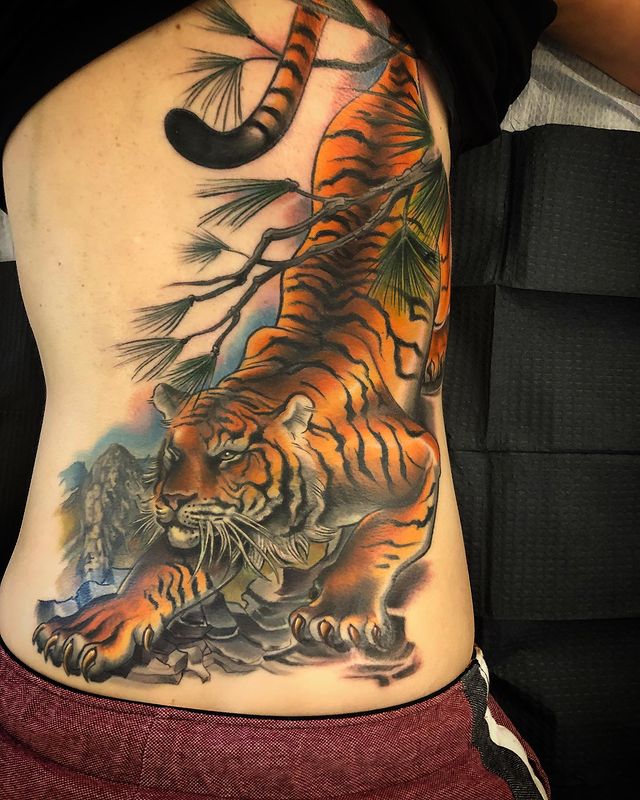
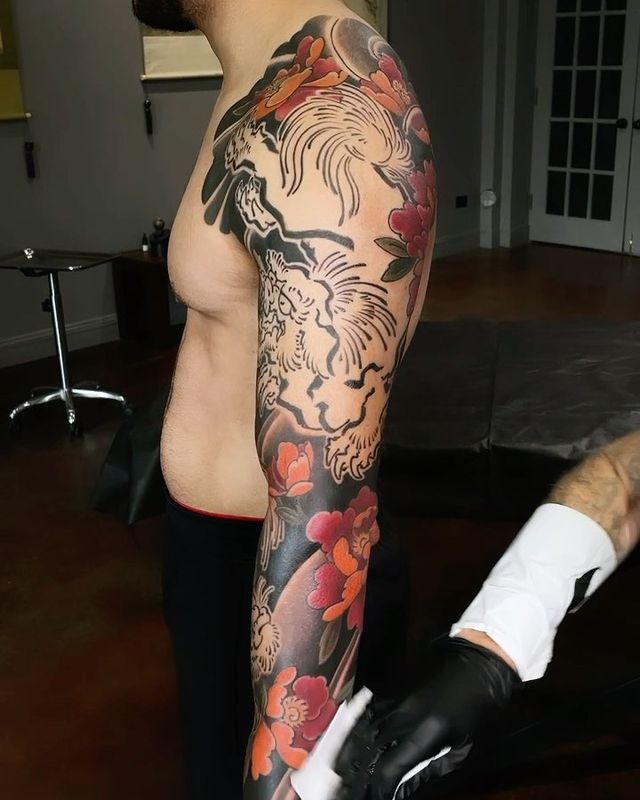
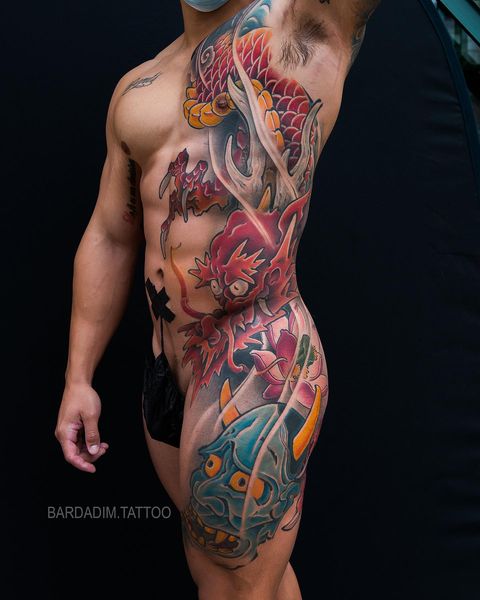
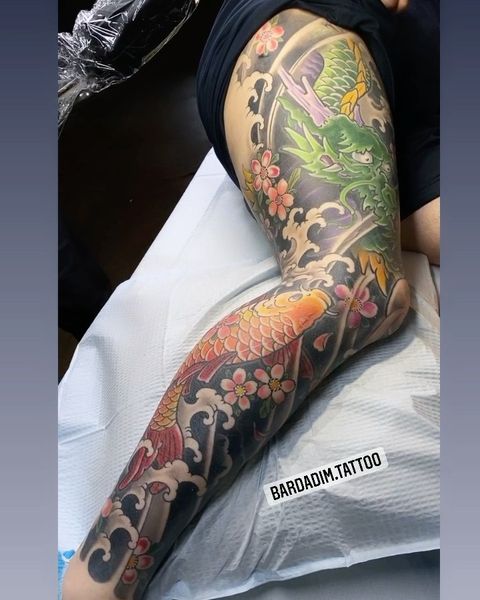
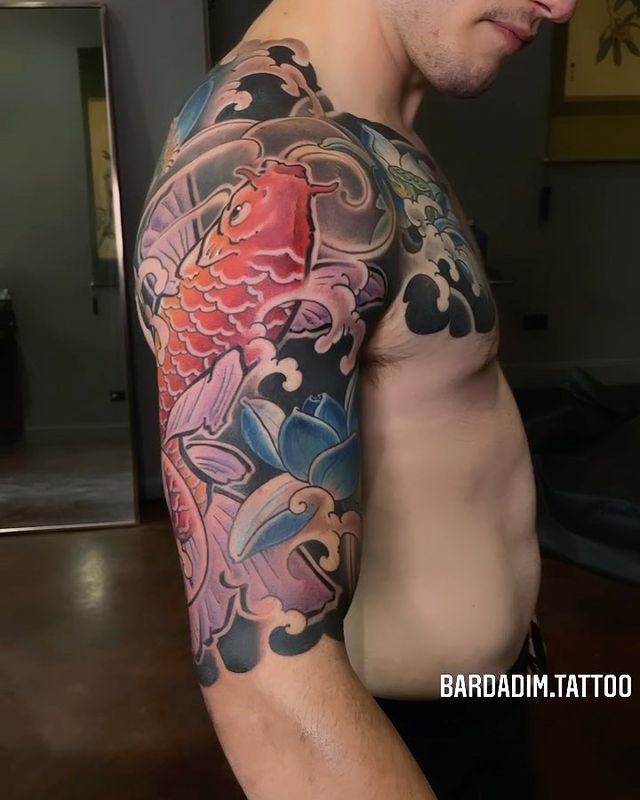
Japanese tattoo iconography runs deep, and Bardadim draws from the classic catalog. Dragons, koi fish, tigers, and phoenixes appear throughout his portfolio. These subjects carry specific meanings in Japanese tradition. Dragons represent wisdom and protection. Koi symbolize perseverance and transformation. Tigers stand for strength and courage. The phoenix ties to rebirth and renewal. Beyond the major subjects, Bardadim incorporates the supporting elements that make Japanese tattoos feel complete. Wind bars, wave patterns, cherry blossoms, and peony flowers fill the negative space between central figures. These filler elements are not decorative afterthoughts. In Japanese tattooing, they create the environment the main subject inhabits. They also serve a practical purpose. The background patterns help the main design age well by giving the eye places to rest. Bardadim's choice to render these motifs in black and gray gives them a different emotional register. A color koi jumps off the skin. A black and gray koi feels more contemplative, more restrained. Both approaches work. The real question is what fits your vision.
Placement & Sizing
Japanese tattooing and large placements go hand in hand. The style's narrative density needs space to breathe. Full sleeves, back pieces, and chest panels give the motifs room to interact and the background elements room to flow. Bardadim's portfolio reflects this reality. His strongest pieces occupy significant real estate on the body. That said, black and gray Japanese work can also succeed at smaller scales. A single koi on a forearm or a dragon head on a calf reads clearly without a full sleeve context. The tonal range of black and gray actually helps smaller pieces hold up over time. Fewer colors mean fewer pigments that can fade at different rates. If you are considering Bardadim for a piece, think about how much space you are willing to commit. A half sleeve gives him enough room to develop a composition with foreground, background, and transitional elements. A small standalone piece still works, but it limits what he can do with the wind bars and wave patterns that make his larger pieces so cohesive. Discuss your placement goals during consultation.
Choosing an Artist for Japanese Black & Gray Work
Picking a tattoo artist for Japanese work requires more than liking a few Instagram posts. You need someone who understands the tradition, not just the aesthetic. Japanese tattooing has rules about composition, flow, and subject pairing that developed over centuries. An artist who ignores those rules produces work that looks Japanese-inspired but feels off to anyone who knows the tradition. George Bardadim's portfolio shows awareness of these conventions. His compositions flow correctly. His subject pairings make sense within the tradition. That matters even if you plan to take creative liberties with your design. Before booking, spend time with the artist's portfolio. Look at healed photos, not just fresh work. Black and gray tattoos settle differently than color pieces, and you want to see how the gray washes hold up after months of healing. Check that the artist's style matches what you want. If you are drawn to Bardadim's black and gray Japanese approach, be clear about that in your consultation. Trying to push an artist toward a style outside their focus usually leads to disappointing results for both sides.
Explore more
Frequently Asked Questions
What tattoo styles does George Bardadim specialize in?
George Bardadim specializes in Japanese and black & gray tattoo styles. His work focuses on traditional Japanese motifs executed with detailed monochrome shading techniques.
Where is George Bardadim located?
George Bardadim is based in Brooklyn, New York. For his current studio location and booking details, contact the artist directly through his website or Instagram.
How can I book a tattoo appointment with George Bardadim?
You can reach George Bardadim through his website at bardadim.tattoo or his Instagram account @bardadim. Contact the artist directly for booking availability and consultation details.
How much does George Bardadim charge for a tattoo?
Pricing details are not publicly listed. Contact the artist directly through his website or Instagram to discuss rates and project scope.
Does George Bardadim accept walk-in appointments?
Walk-in availability is not confirmed. Contact the artist directly through his website or Instagram to ask about appointment scheduling and availability.