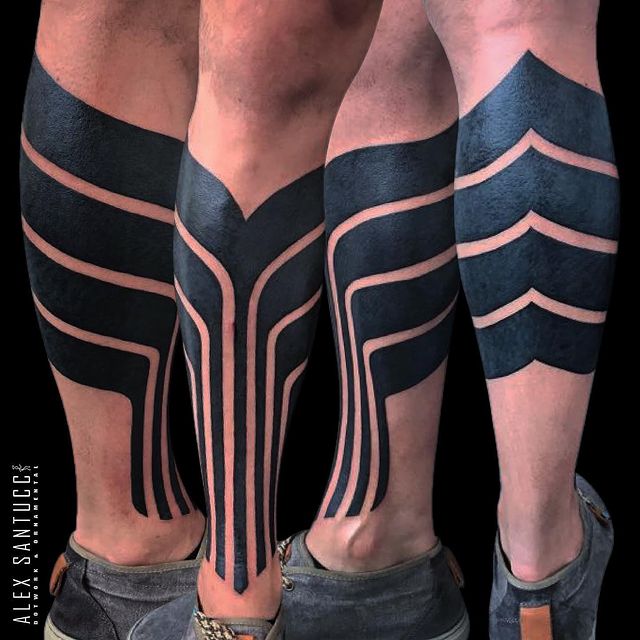
Alex Santucci
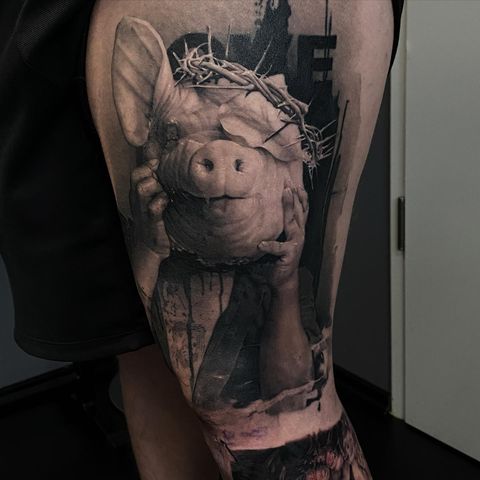
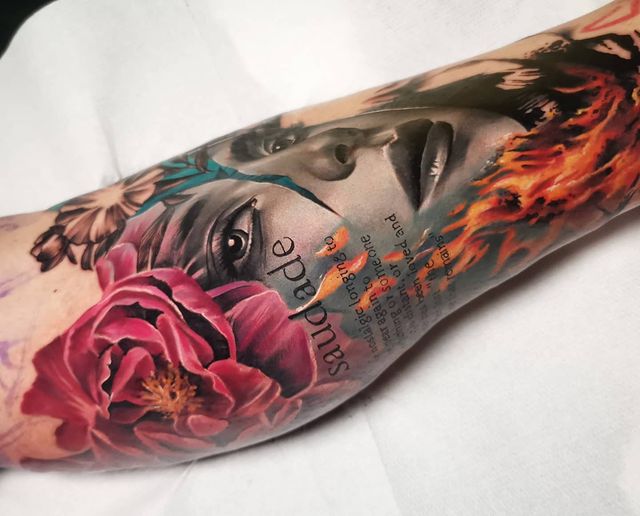
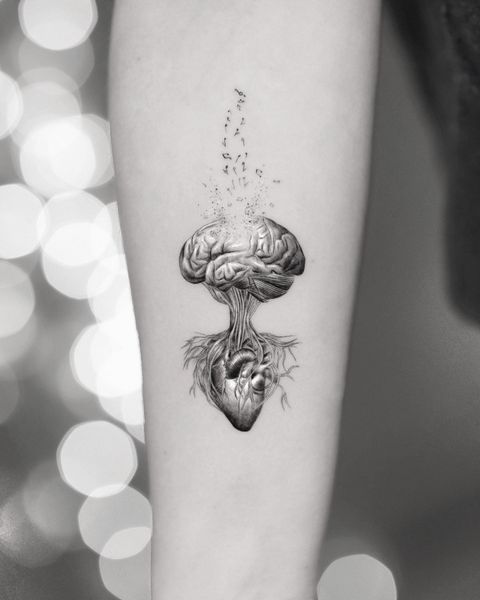
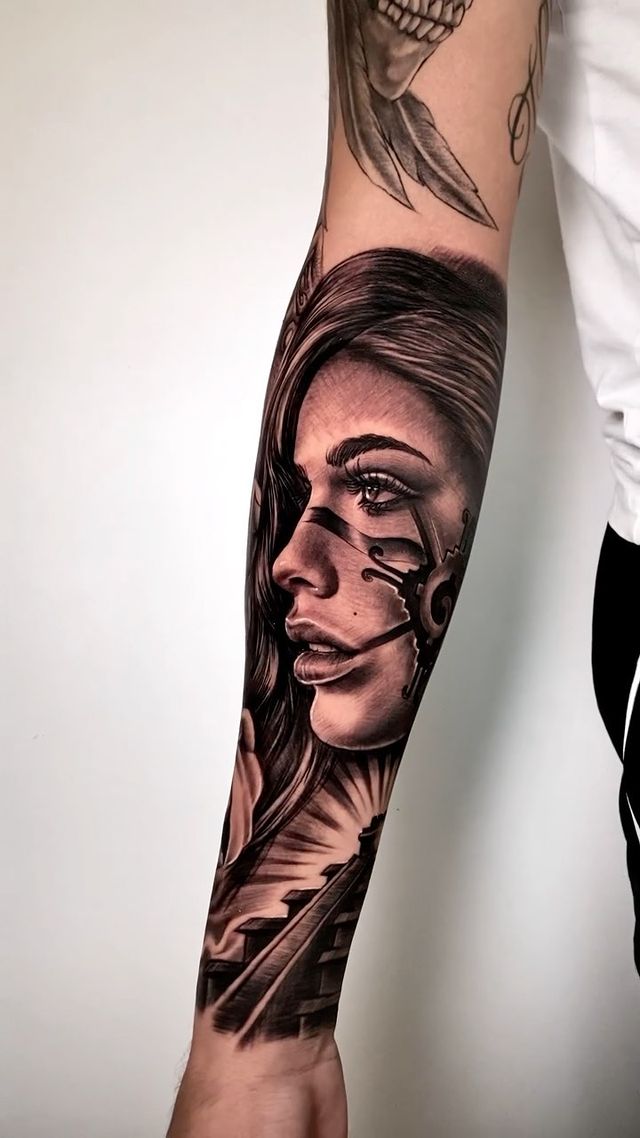
Alex Santucci is a highly regarded tattoo artist based in Ancona, Italy with over 80,000 followers on Instagram. Specializing in geometric, tribal, and Japanese styles, as well as coverup tattoos, Santucci's skill level exhibits an exceptional balance of precision, creativity, and technique. Not just a talented artist, he is also the proud owner of the popular Ants Tattoo Atelier and the Ancona Tattoo Expo. With expertise backed by world-renowned brands like World Famous Ink and Kwadron, Santucci is a powerhouse in the tattoo industry.
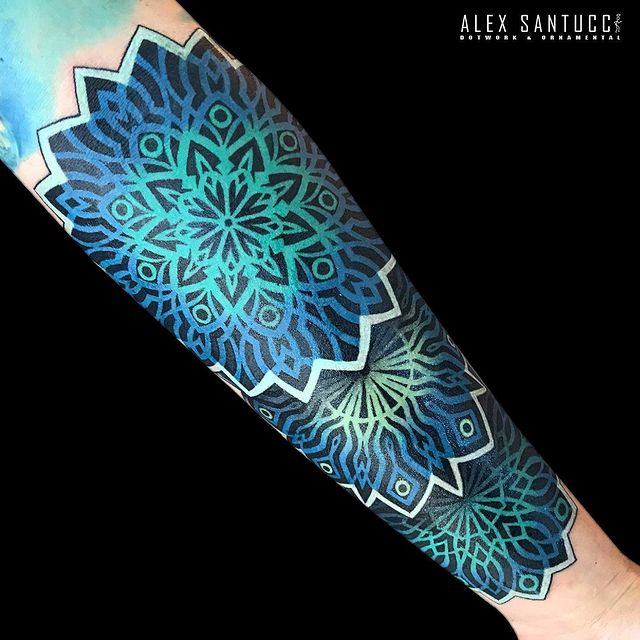
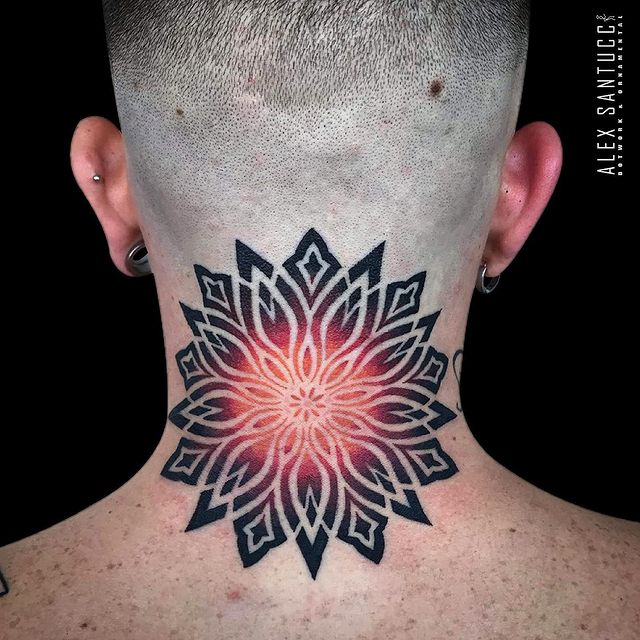
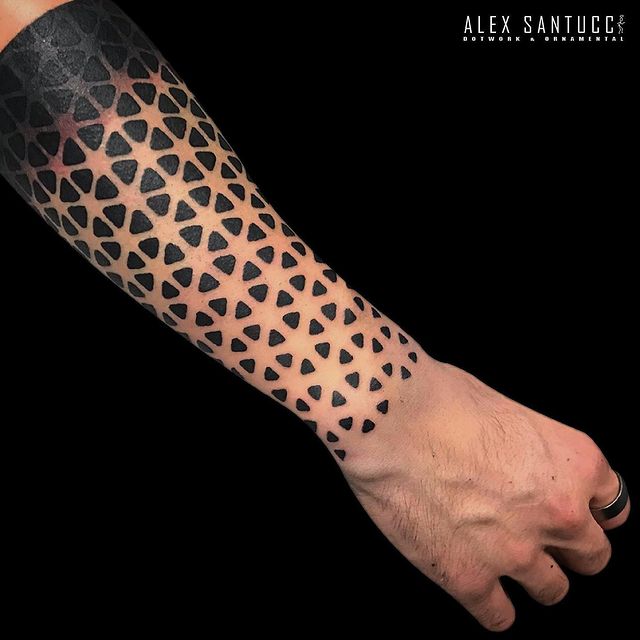
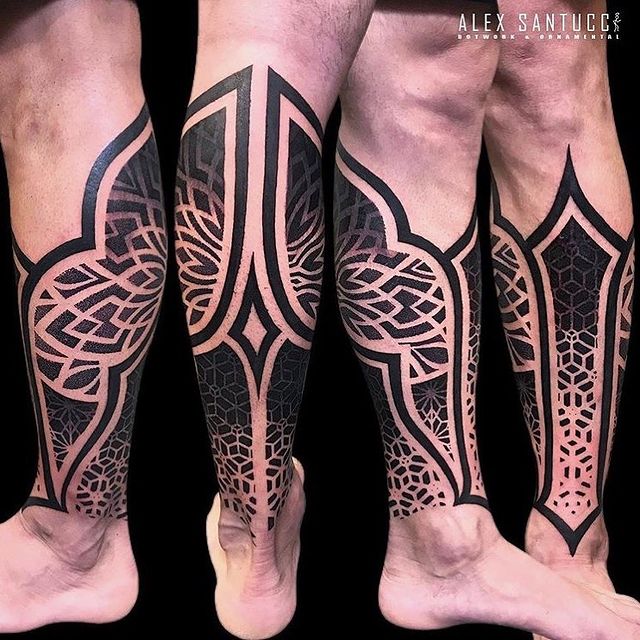
Alex Santucci is a tattoo artist based in Ancona, Italy, specializing in geometric, tribal, Japanese, and coverup tattoos. With over 84,000 Instagram followers, his portfolio demonstrates strong demand across all four styles. His geometric work features precise linework and sacred geometry patterns. Tribal pieces draw from Polynesian and Maori traditions. Japanese tattoos incorporate classic imagery like koi, dragons, and cherry blossoms. Coverups are a core part of his practice, transforming old or unwanted tattoos into cohesive new designs. Santucci works independently in the Marche region. Contact him directly through Instagram or his Linktree for booking inquiries.
History & Background
Alex Santucci operates out of Ancona, a port city on Italy's Adriatic coast in the Marche region. Details about his training background and years of experience are not publicly documented, but his Instagram following of over 84,000 speaks to the demand for his work. That kind of audience builds through consistent output and visible skill, not luck. Santucci's four listed specialties, geometric, tribal, Japanese, and coverup, suggest an artist who values structure and precision. These styles share a common thread: they all demand exact linework and careful planning. Geometric and tribal work leave zero room for wobbly lines. Japanese pieces require long-term commitment to large-scale compositions. Coverups demand problem-solving under constraints. Ancona is not a major tattoo destination like Milan or Florence, which makes Santucci's reach even more notable. Artists in smaller Italian cities typically rely on traveling clients and strong social media presence. His follower count indicates he has built exactly that. For booking, reach out through his Instagram or Linktree, as no studio affiliation is publicly listed.
Defining Characteristics
What sets Alex Santucci's work apart is the intersection of four demanding styles. Geometric tattooing requires mathematical precision. Every line, dot, and shape must land exactly where planned. A single wobble breaks the whole pattern. Tribal work demands the same control but with flowing, organic curves instead of rigid angles. The bold black fills and negative space in tribal pieces leave no room for touch-ups later. Japanese tattooing operates on different rules. It prioritizes flow, movement, and storytelling across the body. A dragon wraps around an arm. Waves crash across a shoulder. Cherry blossoms drift down a ribcage. The imagery is centuries old, rooted in ukiyo-e woodblock prints and Edo-period iconography. Coverup work is the wildcard. It means taking an existing tattoo, often dark and poorly done, and designing something new that completely conceals it. This requires understanding how ink behaves under skin, how dark pigments interact, and which designs can mask old work effectively. An artist who handles all four of these styles has serious technical range. Santucci's portfolio reflects that versatility.
Popular Motifs & Subjects
Across Alex Santucci's specialties, certain motifs repeat. In his geometric work, sacred geometry patterns dominate. Think mandalas, metatron cubes, flower of life layouts, and interlocking polygon shapes. These designs carry symbolic weight for many clients, representing balance, harmony, or spiritual connection. His tribal pieces draw from Polynesian and Maori traditions. Spearheads, turtle shells, ocean waves, and sun rays appear frequently. It is worth noting that these patterns carry deep cultural meaning. Polynesian tribal tattoos were traditionally earned, not chosen casually from a flash sheet. Anyone considering tribal work should understand the cultural context and consult with artists who respect those origins. For Japanese pieces, expect the classics. Koi fish swimming upstream. Dragons coiled around swords. Cherry blossoms, peonies, and lotus flowers. Foo dogs and phoenixes. These images come with specific meanings in Japanese culture. A koi represents perseverance. A dragon symbolizes wisdom and protection. Coverup subjects vary widely since the existing tattoo dictates what is possible. Dark coverups often lean toward tribal or Japanese blackwork because dense ink coverage hides old designs effectively.
Placement & Sizing
Each of Santucci's specialties comes with different placement logic. Geometric tattoos work best on flat, stable surfaces. The outer forearm, upper arm, calf, and back provide canvases where symmetrical patterns hold their shape. Curved areas like ribs or inner arms can distort geometric lines as the body moves. Tribal pieces follow the body's natural flow. Traditional Polynesian tattoos wrap around limbs like sleeves or spread across the chest and back. They are designed to move with the muscle underneath, not fight against it. Size matters here. Small tribal pieces often look incomplete because the pattern needs room to breathe and repeat. Japanese tattoos are typically large-scale. Full sleeves, back pieces, and half-sleeves are standard. A tiny koi on an ankle misses the point of the style. Japanese work tells stories across space. It needs room for wind bars, waves, and background textures that tie the composition together. Coverup placement depends entirely on what is being covered. The old tattoo's size, location, and ink density determine what is possible. A small faded piece on the forearm gives more options than a large dark piece on the wrist.
Choosing an Artist for Your Design
Picking the right artist for a geometric, tribal, Japanese, or coverup tattoo matters more than most people realize. These are not styles where a generalist will do. Geometric work requires an artist who can execute clean lines at scale without stencils doing all the work. Tribal tattoos need someone who understands pattern flow and cultural context, not just how to fill shapes with black. Japanese tattooing has its own visual language. Proportions, color choices, and composition rules differ from Western tattooing. An artist who does not understand those conventions will produce work that looks off to anyone familiar with the tradition. Coverups are their own discipline. Not every artist can do them well. It takes experience to know which designs will hide old ink and which will leave ghosts visible underneath. Alex Santucci lists all four as specialties, which is rare. If you are in the Marche region or willing to travel to Ancona, his Instagram following and multi-style expertise make him worth a consultation. Reach out through his Instagram or Linktree to discuss your project.
Explore more
Frequently Asked Questions
What tattoo styles does Alex Santucci specialize in?
Alex Santucci specializes in four styles: geometric, tribal, Japanese, and coverup tattoos. His geometric work focuses on precise linework and symmetry. Tribal pieces draw from Polynesian and Maori patterns. Japanese tattoos feature traditional imagery like koi and dragons. Coverups transform existing tattoos into new, cohesive designs.
Where is Alex Santucci located?
Alex Santucci is based in Ancona, a port city in the Marche region of Italy on the Adriatic coast. For the exact studio address and directions, contact the artist directly through his Instagram or Linktree.
How do I book a tattoo appointment with Alex Santucci?
Reach out to Alex Santucci through his Instagram (@alex_santucci_tattooer) or his Linktree page. No studio name or formal booking platform is publicly listed, so social media direct messages are the most reliable way to inquire about availability and scheduling.
Does Alex Santucci do coverup tattoos?
Yes, coverup work is one of Alex Santucci's four listed specialties. He transforms old or unwanted tattoos into new designs, often using geometric, tribal, or Japanese elements that provide dense ink coverage. Send photos of your existing tattoo through Instagram for a consultation on what is possible.
How much does Alex Santucci charge for a tattoo?
Pricing information is not publicly available. Contact the artist directly through Instagram or his Linktree to discuss rates, minimums, and project-specific quotes.